
For centuries, the Amazon warrior women of Greek myth were considered the stuff of legend. Surely the ancient Greeks did not encounter a secretive race of women who lived without men, cut off their breasts, and fought ferociously. But archaeologists and geneticists excavating ancient burial mounds across the Eurasian steppes have uncovered something extraordinary. Ancient DNA tests on weapon-laden skeletons proved that the formidable warrior women who inspired Homer and Herodotus were not mythical monsters at all, but real, battle-scarred Scythian nomads. What is the true story of the Amazons, and how does it compare to myth?
Ancient Amazon Warrior Women in Legend
According to ancient Greek stories, the Amazons were a fearsome race of warrior women from a far-off land where they lived without men. This characterization is reflected in the various names given to Amazon warrior women by ancient sources. Among these names were Androktones (man-killers), Androleteirai (destroyers of men), and Styganor (those who loathe all men). Yet the name Amazon could also come from the Greek ἀμαζός (breastless). The name probably led to the myth that the Amazons cut off their breasts to better use their bows, rather than the legend leading to the name.
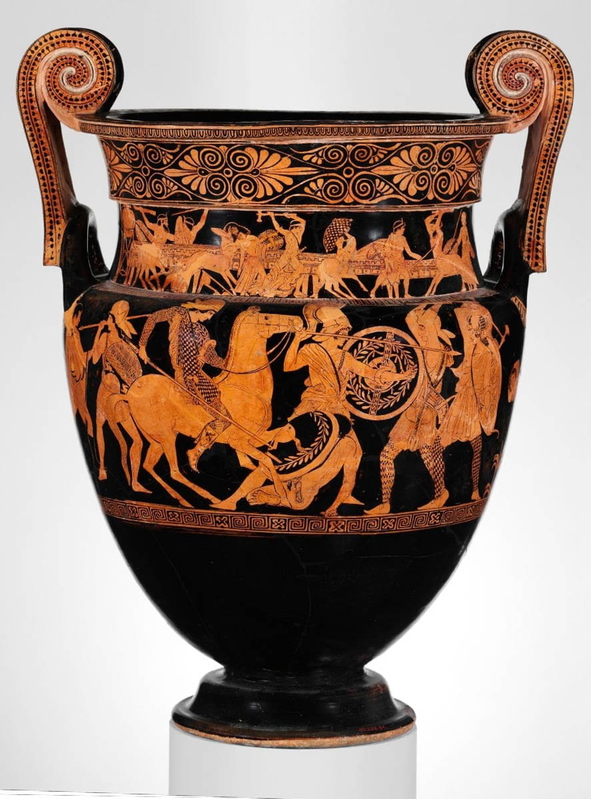
The Amazons were violent, man-slaying warriors believed to be the daughters of Ares, the god of war. The Amazonomachy, famously depicted on the Parthenon metopes, was a great mythical battle between the Greeks and the Amazons. In many legends, Greek heroes were tasked with defeating Amazons in their trials to attain heroic glory.
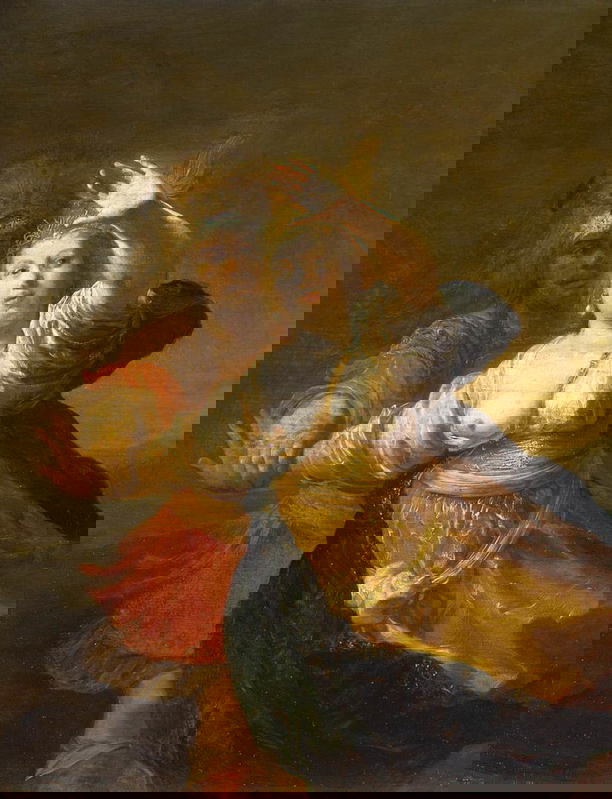
One famous myth pitted Heracles against Hippolyta, an Amazonian queen. For Heracles’ ninth labor, the hero was tasked with retrieving the girdle of Hippolyta. It had been gifted to her by her father Ares and was coveted by Admete, the daughter of Eurystheus. Heracles traveled to Themiscyra, where the Amazon queen lived, and obtained her girdle after a bloody battle with the Amazons.
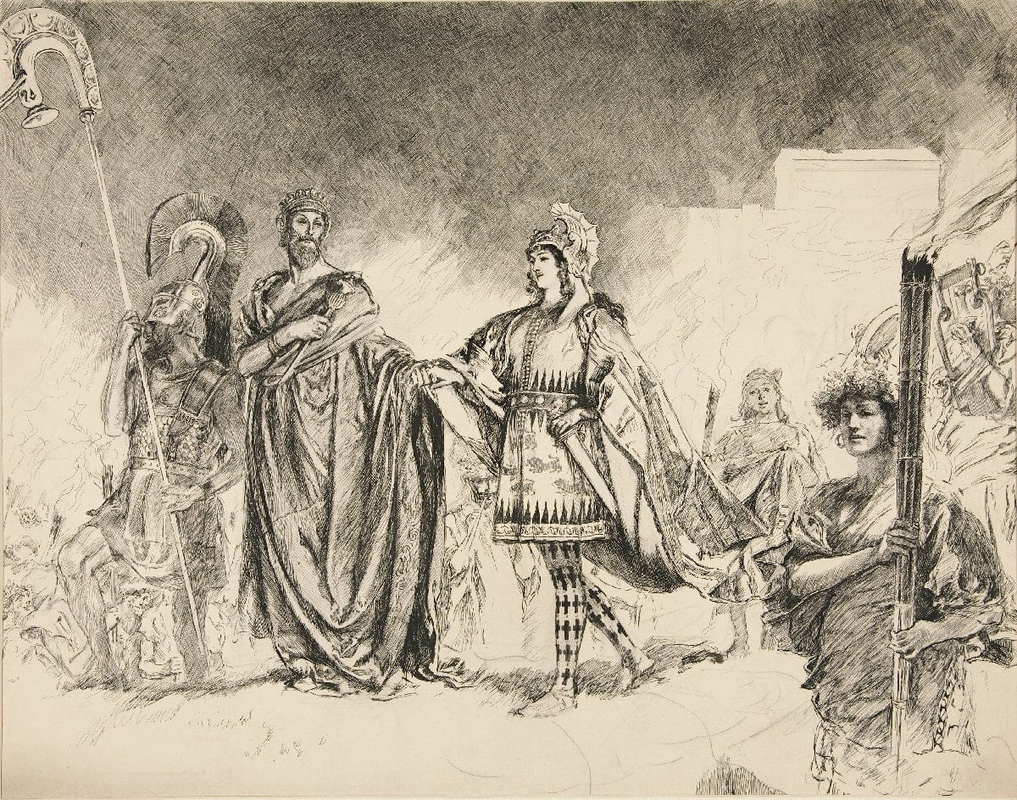
The hero Theseus also had a run-in with Hippolyta (sometimes identified as Antiope). Theseus was a mythical king and founder of Athens. Like Heracles, he too underwent various trials to attain his reputation, such as defeating the Minotaur. There are many legends and different versions of the events that led to Hippolyta becoming Theseus’ wife. The general account of the legend agrees that Theseus abducted or was given Hippolyta by Heracles as a spoil of war after defeating the Amazons. Another version claims that she willingly left her Amazon warrior women to be with Theseus in his new city. Nevertheless, Hippolyta ended up in Athens, where she became Theseus’ wife.
Accounts of her death are even more varied, with arguments over whether she was killed accidentally or not by Theseus, or another party. After Hippolyta’s death, Theseus married Phaedra, a key figure in the Euripidean play Hippolytus, which covers the story of Hippolyta’s son.
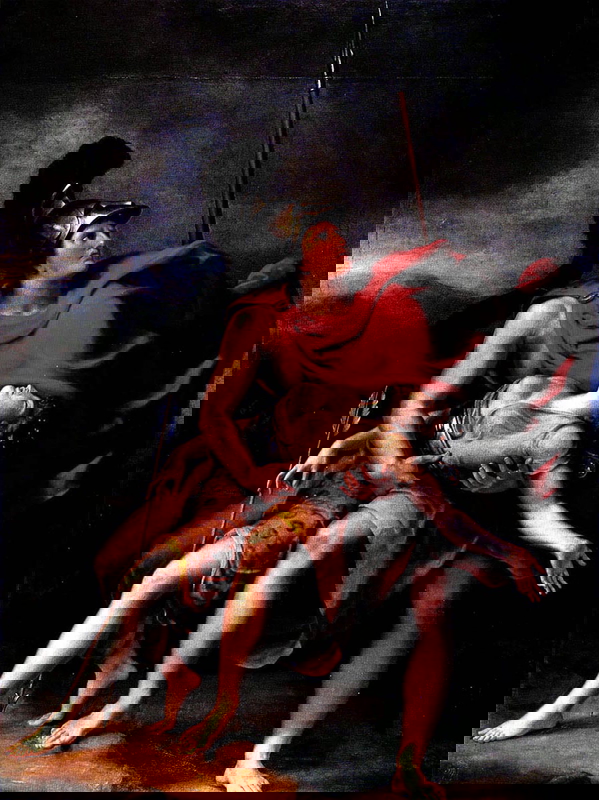
The story of the Trojan War pairs another hero and Amazon: Achilles and Penthesilea. The fragmentary epic poem about the war, the Aethiopis, attributed to Arctinus of Miletus, first records the narrative which Quintus Smyrnaeus later took up. According to these accounts, Penthesilea was an Amazon from Thrace. She and twelve other Amazons came to the aid of the Trojans. On the battlefield, the women distinguished themselves as fierce warriors, and Penthesilea was challenged by Achilles. Achilles managed to kill the Amazon, but at the moment he fatally wounded her, he fell in love with her. Penthesilea became a popular subject for potters and vase painters, and her story was retold innumerable times throughout antiquity.
Herodotus’ Amazons of the Nomadic Steppe Tribes
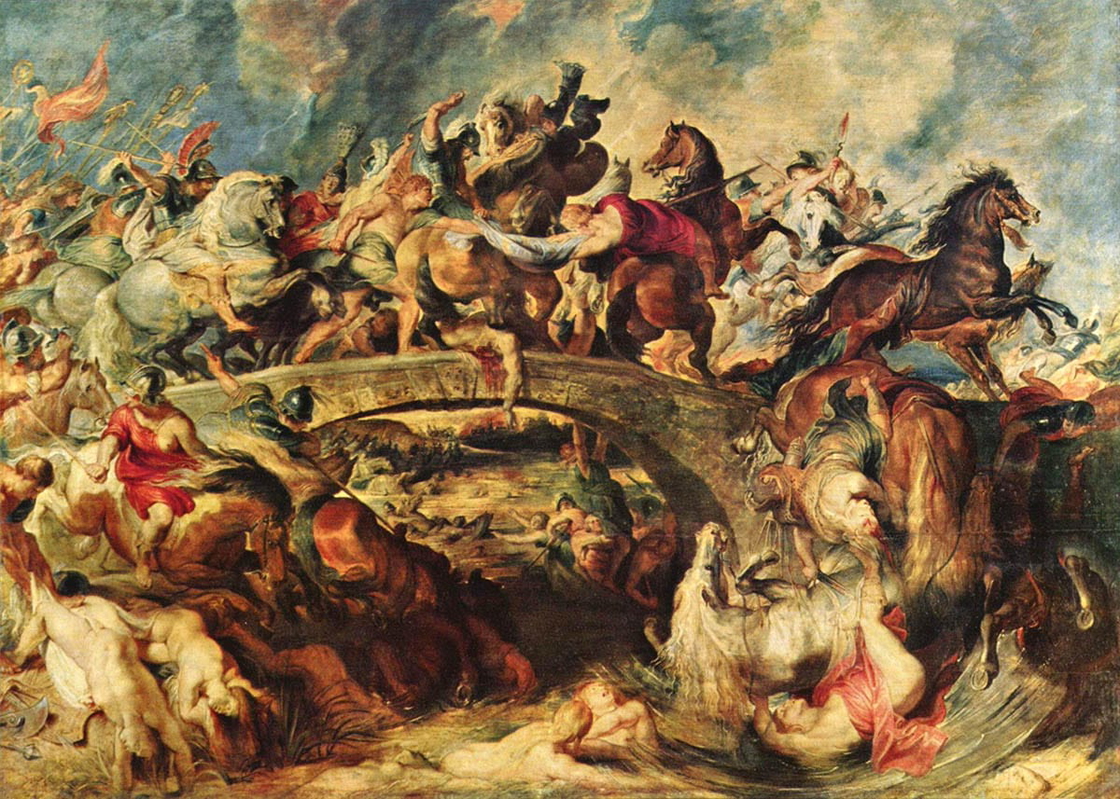
Writing in the 5th century BC, long after the legendary age of Heracles, Theseus, and Achilles, the historian Herodotus looked for the source of the Amazon myth. According to the historian, after the Greeks had successfully defeated the Amazons in battle, the women were taken prisoner and placed on three ships.
The captive Amazons overpowered the crews of these ships and successfully took control of the vessels. But because the women knew nothing of ships, the vessels soon ran aground on the Maiotian lakeshore. From there, the women ventured inland and came upon a herd of horses which they swiftly tamed. Mounted on horseback, the warrior women plundered and stole from the Scythian inhabitants.
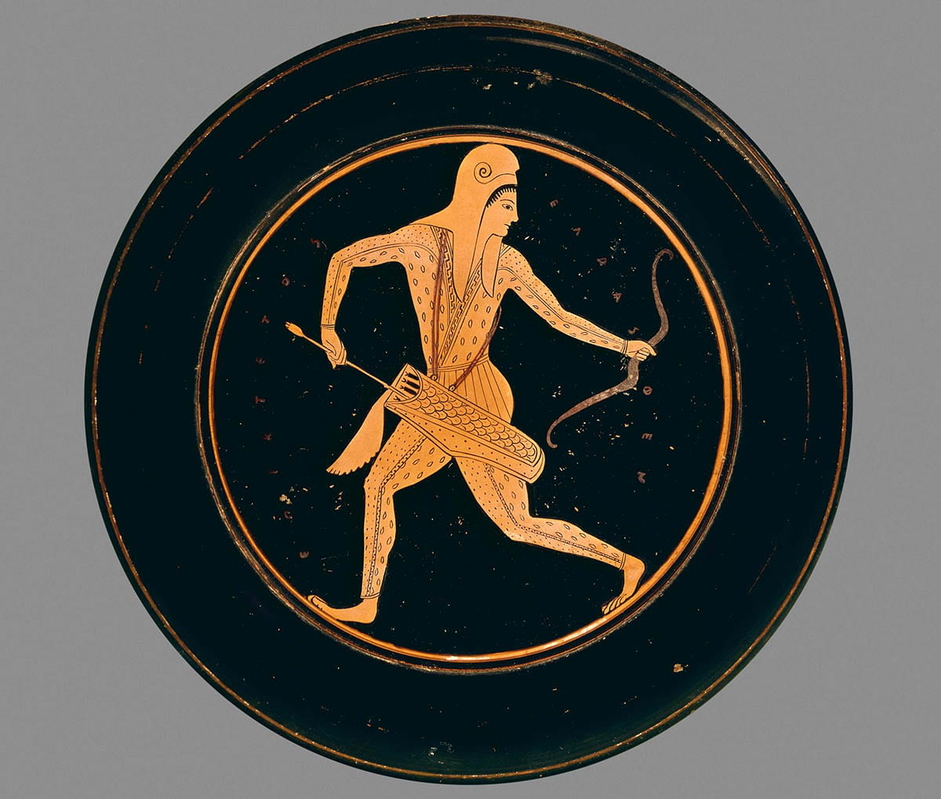
The Scythians were a nomadic tribe who practiced mounted warfare. At first, the Scythians could not understand the raiders’ language and mistook them for men. Only after a battle did they discover that the raiders were indeed women. Resolved to stop bloodshed between the two tribes, the Scythians decided to integrate the women into their tribe. They sent a detachment of young men to set up a camp near the Amazons. When the Amazons realized that the encampment of young men meant them no harm, they let them be.
Every day the camps moved closer to one another until one day, a Scythian man came upon a lone Amazon. The Amazon allowed the young man to lie with her that day. She indicated using hand signs that he should return the next day with another young man. He did so and found that the Amazon had brought along another woman as well. Soon all the Scythians took Amazon wives, and the two tribes lived as one. Because the men could not understand the Amazon language, the warrior women soon learned the Scythian tongue.
The men urged the Amazons to join them with the other Scythians, but the women refused. The Amazons stated that they had not learned women’s work but instead rode horses and shot bows. This, they said, could not allow them to live in harmony with the other women of the tribe. So the Amazons requested their new husbands return home to fetch their belongings. Together, the Amazons and the young Scythian men set off to form a new nomadic tribe, separate from the Scythians. According to Herodotus, the Sauromatae people were descendants of Scythian men and the Amazons.
How DNA Testing Unlocked Scythian Burial Mounds
Although Herodotus provides us with a detailed origin story for the Amazons, we must take his history with a pinch of salt. Many scholars agree that Herodotus’ accounts are unreliable, as he often reported dubious stories heard during his travels. That was until the discovery of archaeological evidence supporting his claim.
In the 1940s, excavations of Scythian burial mounds known as kurgans in the Caucasus region uncovered ancient human remains. The archaeologists first believed these remains belonged to men, but DNA proved that the remains of 300 skeletons were, in fact, women. These Scythian warrior women were buried with their horses, quivers, bows, axes, and spears. Furthermore, a third of Scythian women found in burial sites to date were buried with their weaponry.
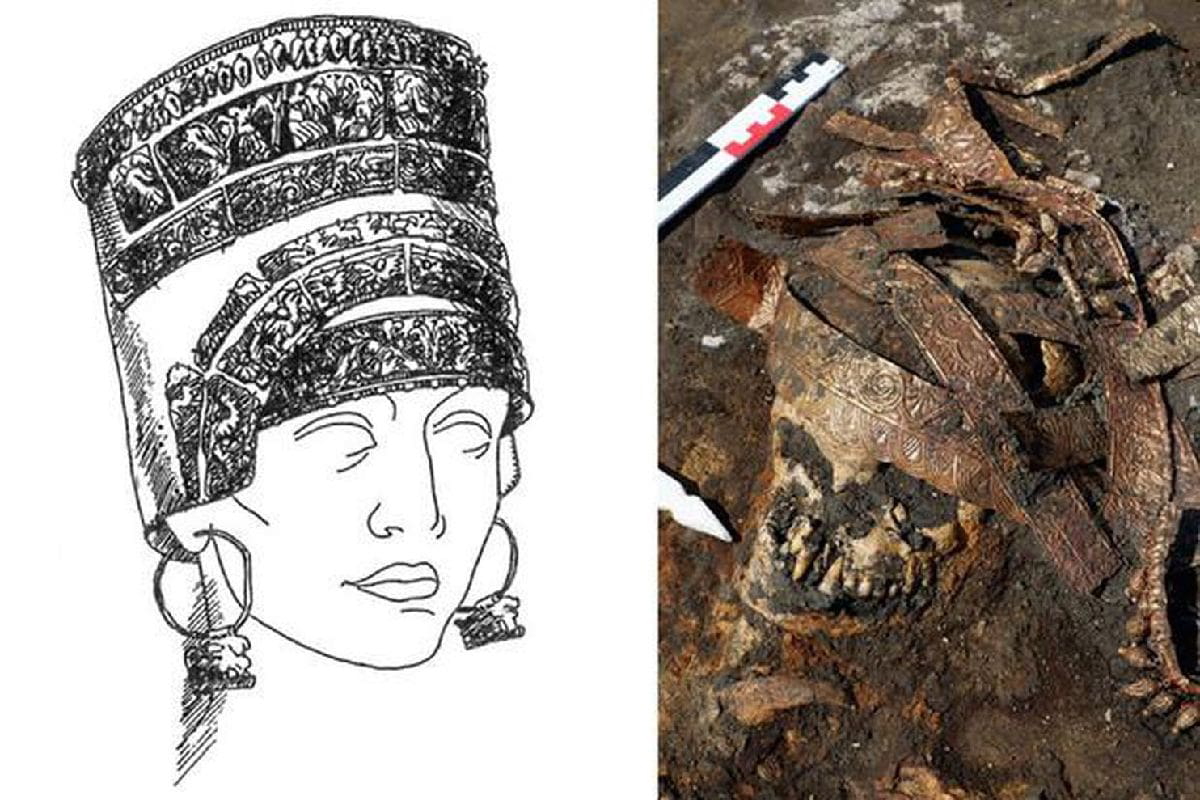
Since the discovery of evidence of warrior Scythian women in the 1940’s, archaeologists have successfully located burial sites all over the Caucasus region. In 2019, a burial mound containing the remains of four Scythian women was discovered in Western Russia. The youngest of the women was just 13 years old, and the oldest was in their late 40s. The remains themselves were dated to around 2,300 years old. Each of these women was buried along with their weapons, and evidence indicates that they received the same burials as men. The oldest Scythian woman’s skeleton was fully intact with her head still adorned with a ceremonial headdress or calathos.
Debunking Ancient Greek Amazon Propaganda
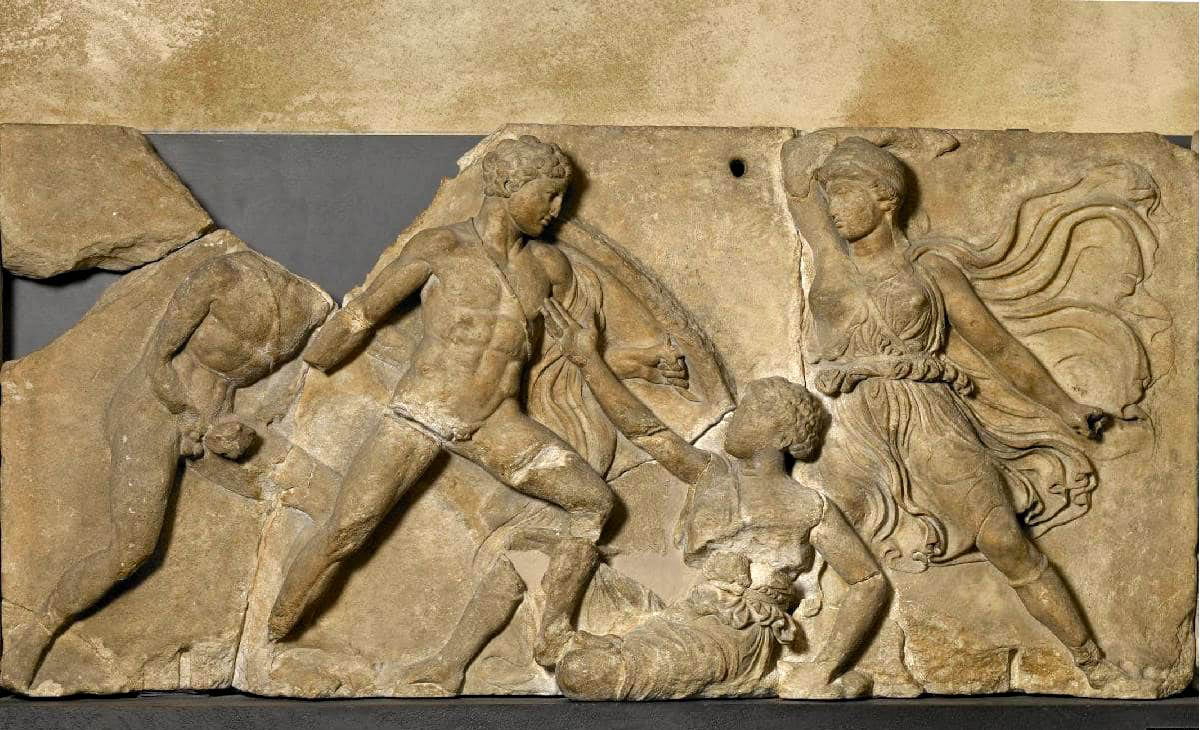
Archaeological evidence has proven that Scythian warrior women lived in the area described by Herodotus, but it has also disproved many of the wilder Greek claims about the Amazons.
The prevailing myth about the Amazons is that they were slayers of men. For the patriarchal Greeks, these women were untamed and wild. The fear of the unknown and a woman who could not be controlled led to these Amazons becoming objects of fantasy. To rectify this, Greek mythology placed these warrior women into narratives in which they were defeated and tamed by a Greek hero.
The notion that the Amazons cut off one of their breasts to better use their bows has also been disproven. Archaeology indicates that no such disfigurement occurred. By cutting off one of their breasts, the Amazons would have physically removed their connection to motherhood. The notion that Amazon warrior women gave up motherhood in favor of being warriors is another fallacy. Archaeology has presented evidence that many Scythian women warriors were buried with their infants or children, alongside their weapons.
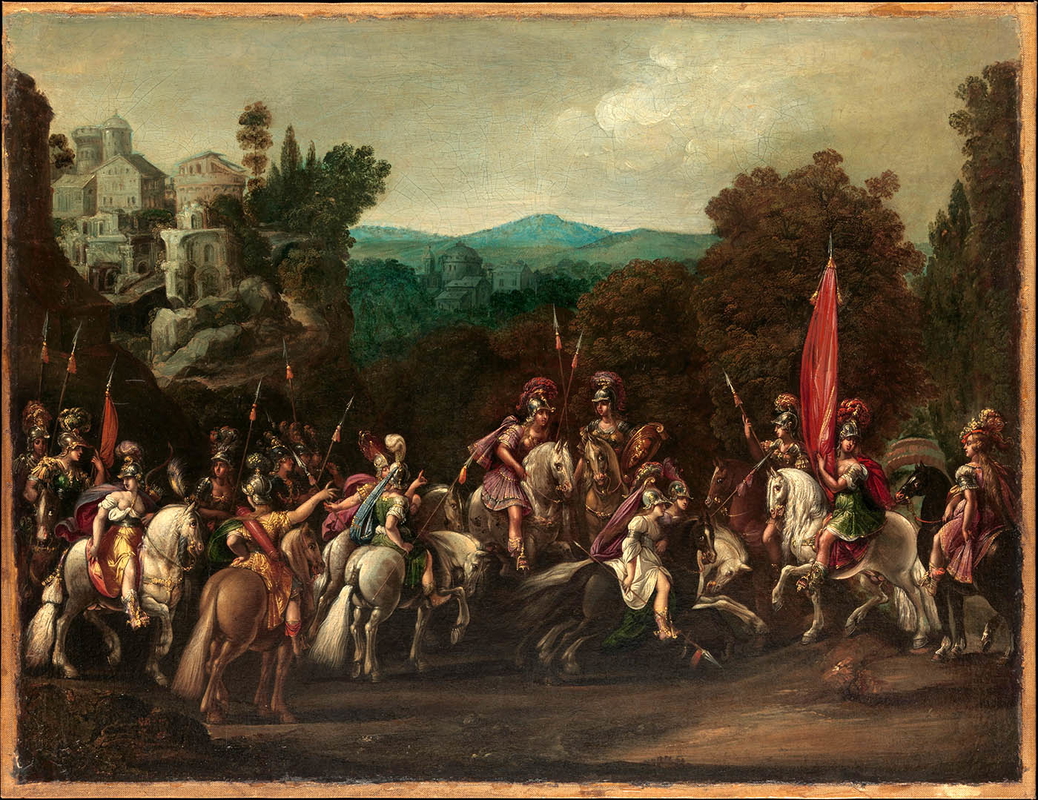
Amazon warrior women have captivated people’s imagination for thousands of years. Even today, they attract the audience’s interest through movies like Marvel’s Wonder Woman. In Greek myth, they symbolized women who were equal, if not superior, to male warriors, representing a lifestyle outside societal expectations. Today, they are often heroes we cheer on as they defy expectations.