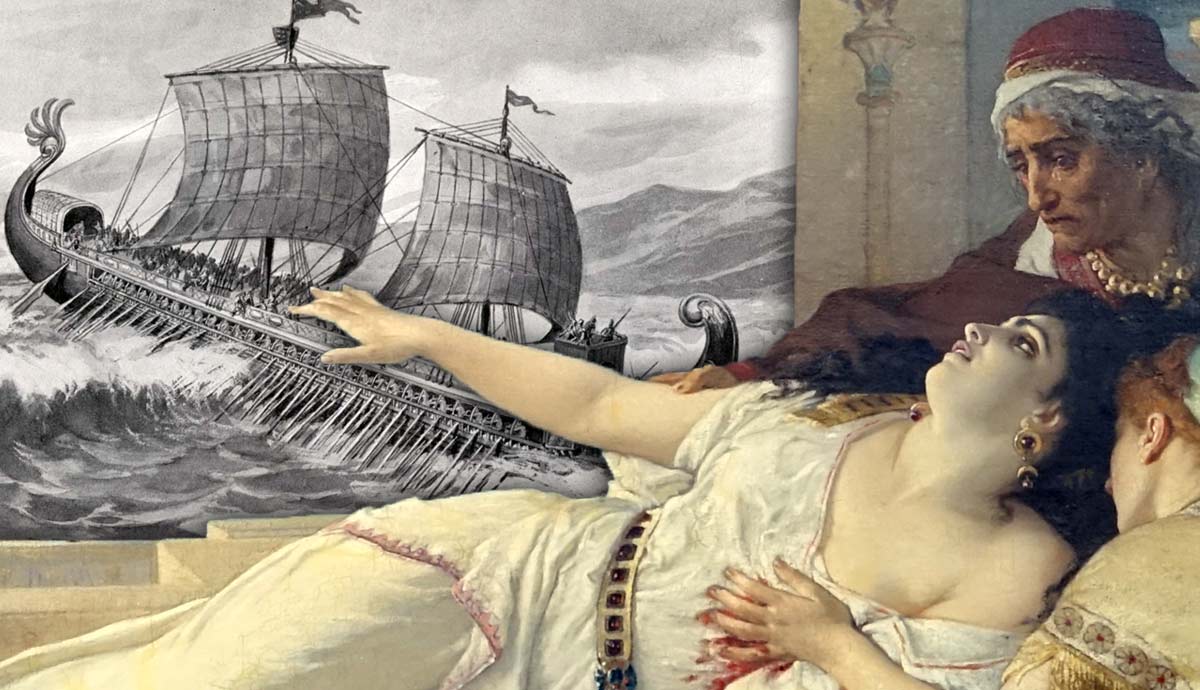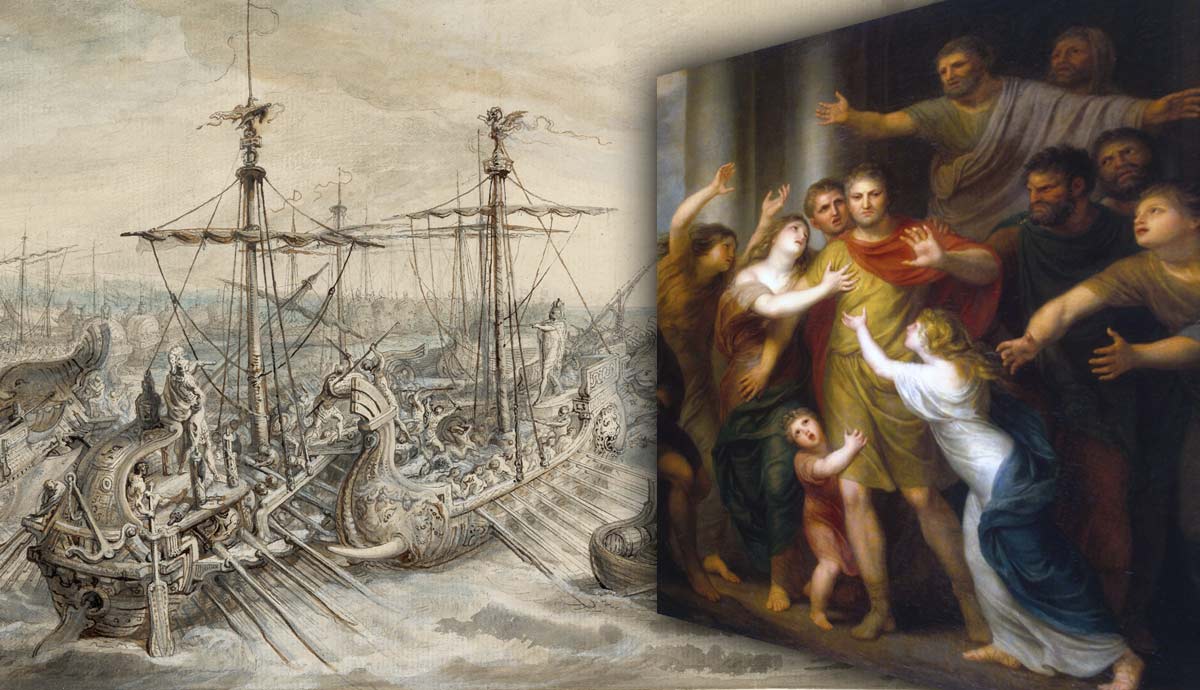

Hannibal Barca is considered one of the greatest generals of all time. His campaigns in the late 3rd century BC during the Second Punic War threatened Rome itself, making him Rome’s greatest enemy. After taking command of an army at the age of just 25, Hannibal launched an ambitious campaign to cross the Alps and attack Rome. He campaigned in Italy for 15 years without losing a battle. But Hannibal was forced to return to Carthage to defend his home against a Roman invasion. After losing the Battle of Zama, Hannibal was made a scapegoat for Carthage’s defeat and was exiled, but he continued to oppose Rome until his death. Discover more about Hannibal’s life and career with nine fascinating facts.
1. Hannibal Barca Was Born During the First Punic War
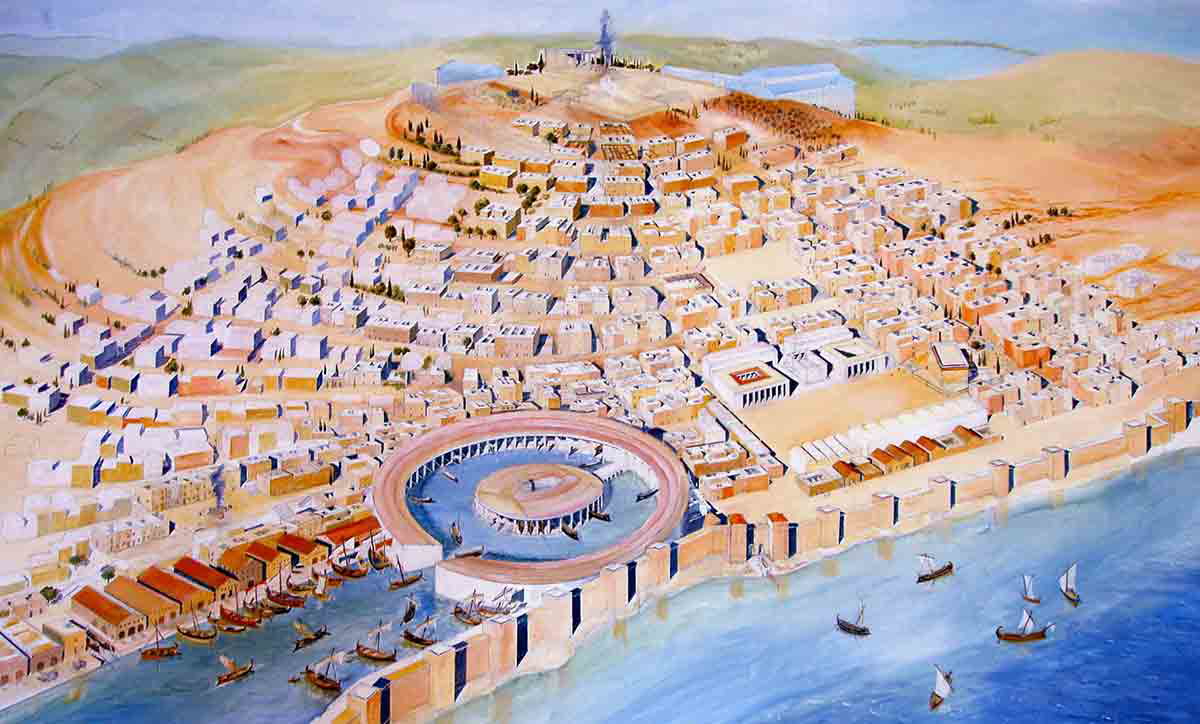
The city of Carthage was a Phoenician colony in North Africa that grew into a naval trading superpower. It was the dominant power in the Mediterranean for centuries, establishing colonies on islands such as Sicily and Sardinia, and dominating trade across the Mediterranean from the Phoenician homelands to Spain. However, as the influence of the ambitious Roman Republic rapidly expanded, a clash between the two empires was inevitable.
In 264 BC, the First Punic War began after Rome took over the town of Messana on the island of Sicily. Hamilcar, Hannibal’s father, was an aristocrat appointed by the Carthaginian Senate to command the army. The Barca family wielded considerable influence in Carthage, making them de facto leaders. Hannibal was born during the war, around 247 BC, and after 23 years of conflict, Rome emerged victorious in 241 BC.
The Carthaginian Senate did not give Hamilcar the resources to win the war in Sicily outright, instead expecting an equitable settlement. But after the war, Rome inflicted heavy taxes on Carthage. Carthage relied mainly on mercenary fighters for its armies, who had to be paid. With the coffers emptied by Rome, Carthage could not pay them, and Hamilcar had to deal with a mercenary revolt (241-238 BC).
2. Hannibal Took Command of the Army at 25 Years Old
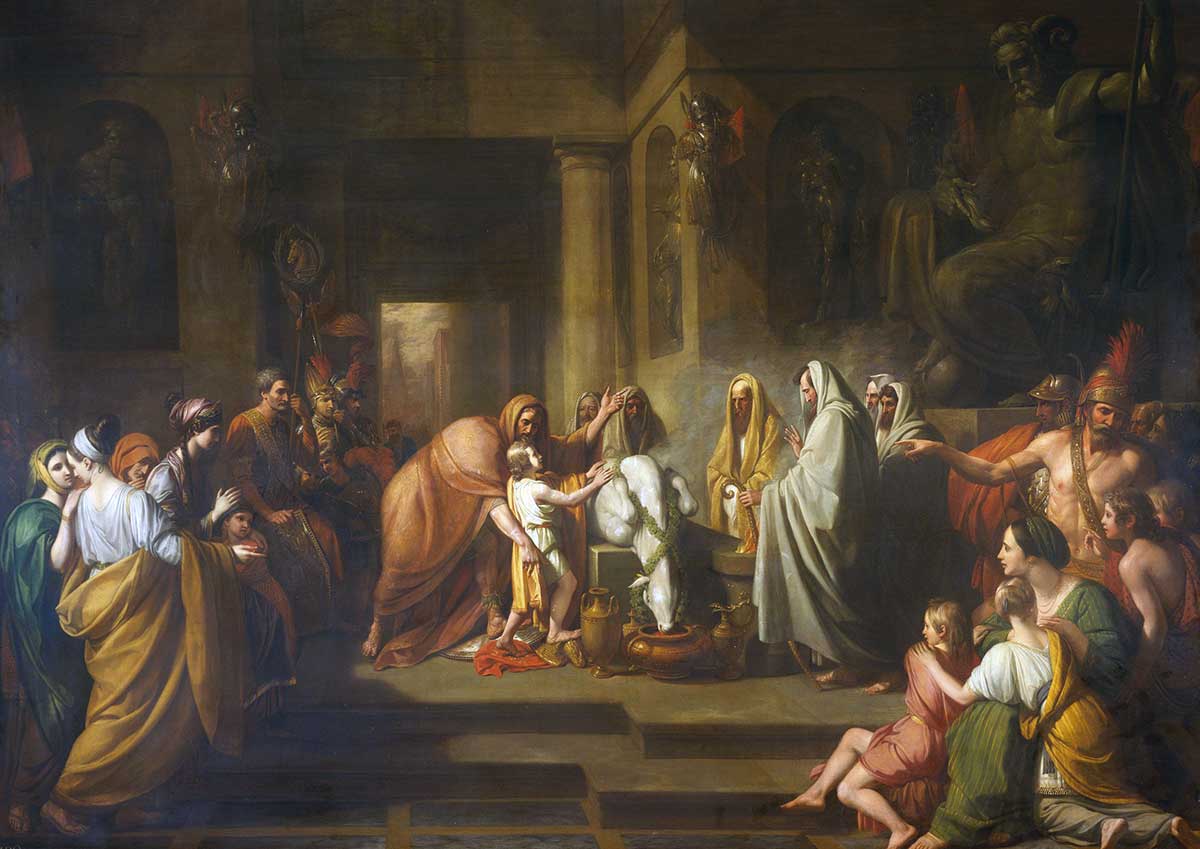
After getting the mercenaries under control, Hamilcar took an army to Spain looking for ways to restore Carthage’s coffers, without the approval of the Carthaginian Senate. He agreed to take his nine-year-old son with him on one condition. He made his son swear an oath that he would never be a friend to Rome. In Spain, Hamilcar successfully conquered and plundered, restoring Carthage’s finances by exploiting Spain’s silver mines.
Hannibal spent 16 years growing up in the army, learning how to command soldiers and employ ingenious tactics. At 23 years old, Hannibal was given command of the cavalry, and he quickly proved his mettle as an officer. When Hamilcar was killed in 228 BC, command passed to Hannibal’s brother-in-law, Hasdrubal, who set about consolidating Hamilcar’s hard-won gains.
Hasdrubal was assassinated in 221 BC, and Hannibal applied to take over command of the army. He was well known to several senior officers as well as the rank-and-file, and the army supported his case. Convinced, the Senate ratified the decision and approved Hannibal as general.
3. Hannibal Barca Fought in Spain and Gaul
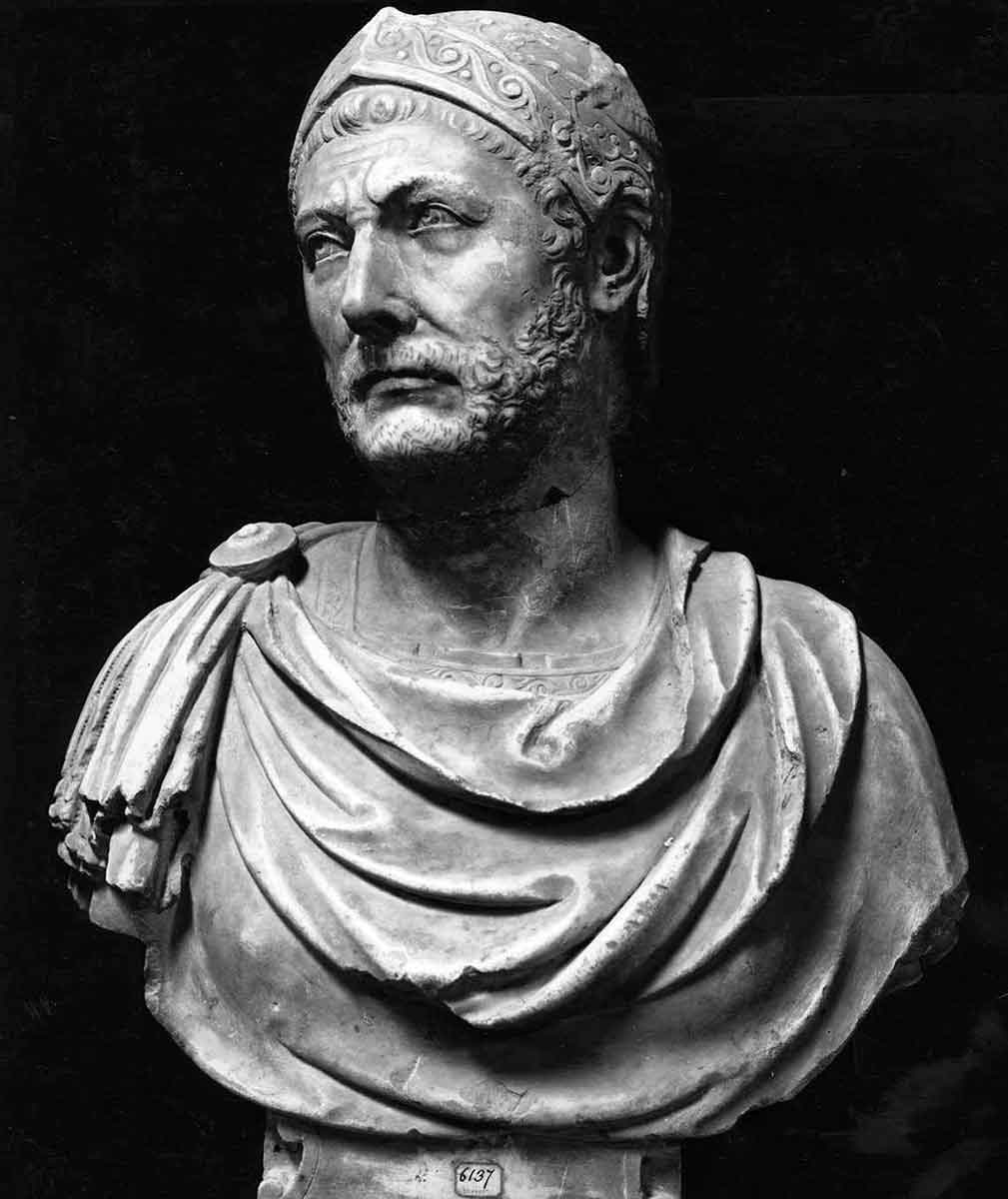
Hannibal eagerly continued his father’s campaigns in Spain. Carthage had been permitted to retain its influence in Spain in the treaty signed with Rome after the First Punic War. However, the Romans maintained their own interests in the area through the allied city of Saguntum, near modern-day Valencia. Hannibal began to expand Carthage’s territory towards this city, which needed Rome’s protection against local tribes.
In 219 BC, Hannibal ignored warnings from Rome and besieged the city, beginning the Second Punic War. Despite their outrage, the Romans acted slowly. They complained to the Carthaginian Senate, demanding that Hannibal be punished. When Carthage refused, Rome dispatched an army to intercept Hannibal. But by the time the Roman forces reached Saguntum, the city was in ruins, and Hannibal was already moving north.
Aware that the Romans were on his tail, Hannibal left a portion of the army in Spain under the command of his brother, Hasdrubal. He also styled himself as a liberator, freeing Spain of Roman control, attracting new recruits to his banner. Then, he hatched a bold plan to take the fight directly to Rome itself.
4. Hannibal Crossed the Alps With His Army
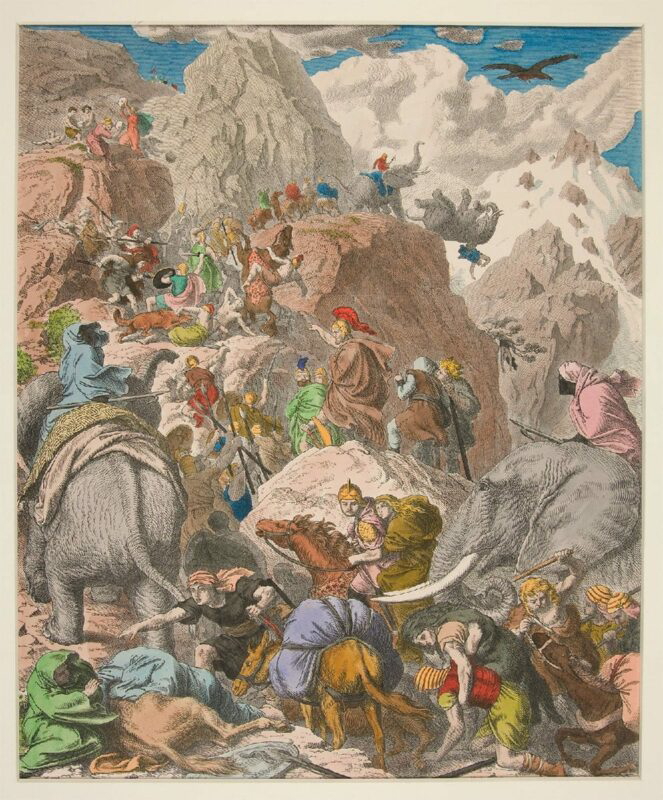
There was no way that Hannibal could launch an attack on Rome by sea. After the First Punic War, Rome had supplanted Carthage as the dominant naval power in the Mediterranean. Any attack would have to be launched overland. Hannibal was determined to cross the mighty Alps to invade Italy.
Hannibal and his forces surged up through Northern Spain and into Southern Gaul, battling tribes and establishing garrisons. When Hannibal set out from Spain, ancient sources estimate his army at up to 90,000 infantry, 12,000 cavalry, and around 37 war elephants. But he had decided to start his march in the autumn, universally regarded as the worst time to attempt to cross the Alps. He also had to abandon his siege weapons, as they would slow the army down.
The crossing was treacherous. Battles in Gaul, harsh conditions, and desertion saw Carthaginian numbers dwindle. The move was regarded as almost insane, with one of Hannibal’s commanders claiming it could only be done if they ate the bodies of dead prisoners. But after 17 days, Hannibal reached Italy. According to an inscription left in his wake, he had 20,000 infantry and 6,000 cavalry when he arrived in Italy.
5. Hannibal Campaigned Across Italy for 15 Years
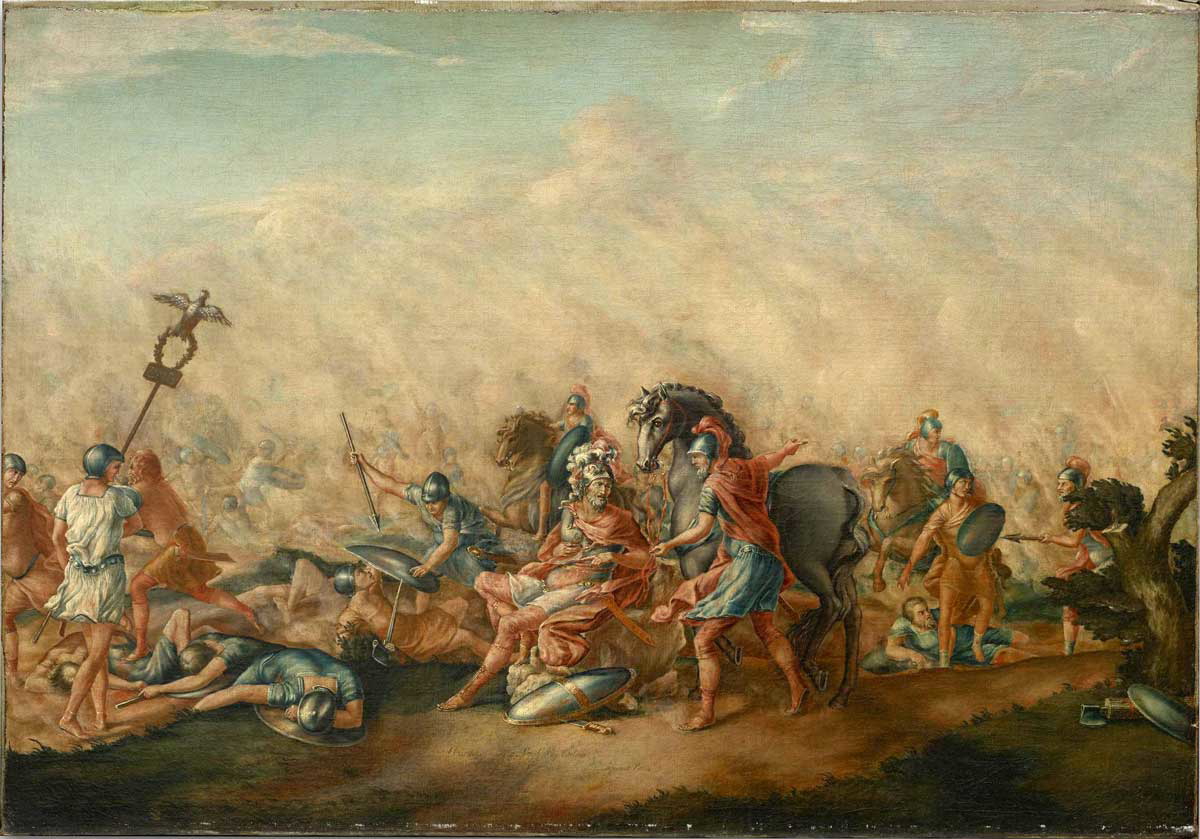
Although often outnumbered, Hannibal was a canny general, able to utilize terrain with great effect. At the Battle of the Trebia, Hannibal concealed an ambushing force under his brother Mago in a brush-covered gully near the riverbank. As the Romans entered the water, Hannibal’s hidden troops rose, and his cavalry attacked from the flanks, butchering the Romans. Hannibal spent 15 years campaigning in Italy, fighting 22 major battles.
In 216 BC, at the Battle of Cannae, Hannibal Barca produced one of the finest military maneuvers in history. With his forces supplemented by Gauls from Northern Italy, Hannibal’s army numbered around 45,000. The Romans fielded 70,000 troops, more than they had deployed before. Hannibal arranged his army in a crescent formation with the weaker Gallic units in the center and his African veterans on the flanks.
The Romans charged the center and began to gain ground, but Hannibal’s horsemen decimated their cavalry. Hannibal’s hardened African veterans then attacked the flanks of the Romans while his cavalry charged in to attack from the rear. The Romans suffered 50,000 losses in the genius double envelopment, while Hannibal lost around 12,000. It is claimed that around 100 men every minute were killed at Cannae.
6. Hannibal Chose Not to Attack Rome Itself
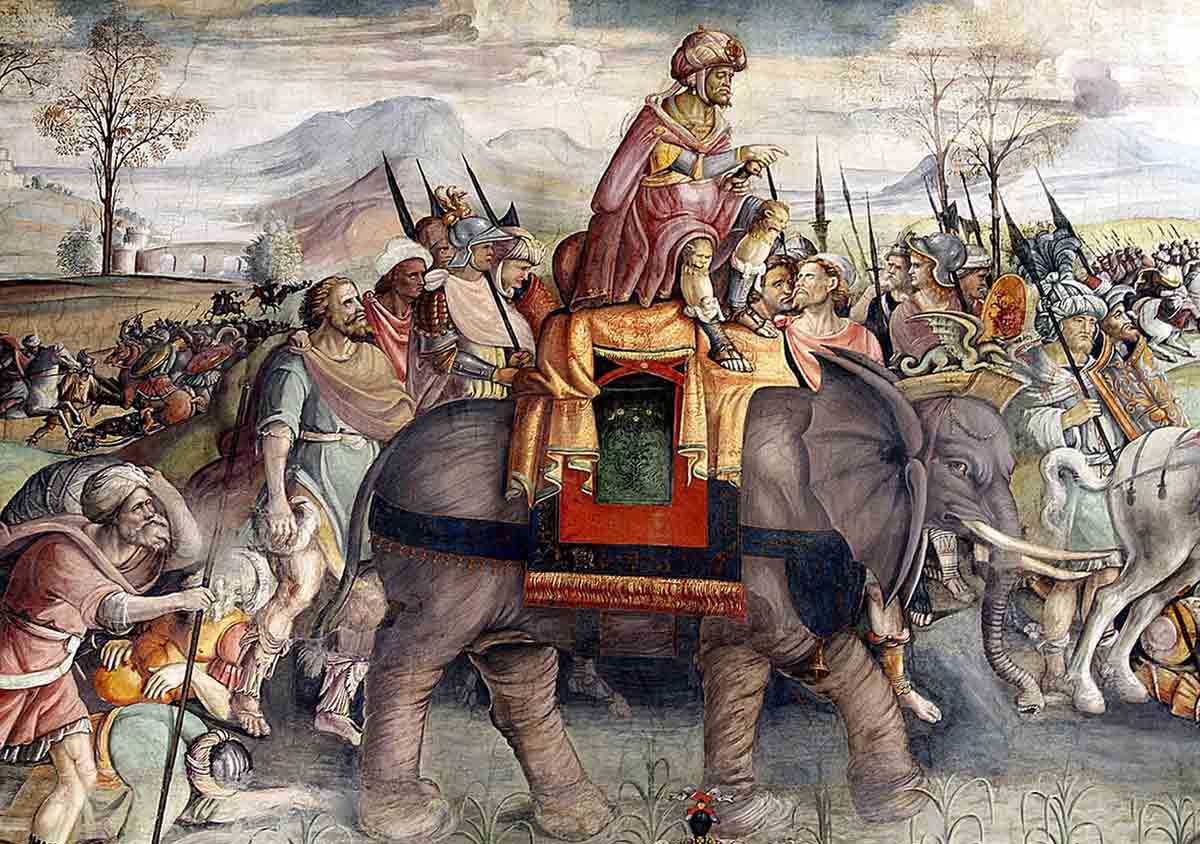
After the convincing victory at Cannae, Hannibal had a decision to make. Should he attack Rome itself? Conventional wisdom dictated he should press his advantage. However, to besiege Rome, he would need to remain in place for months, without the siege weapons he had been forced to abandon before crossing the Alps.
Hannibal did not believe that he had enough troops for a lengthy siege. A number of city-states in southern Italy had also joined Hannibal’s cause, and now, as well as keeping his own army alive, Hannibal had to protect those new allies from Roman attacks. He decided to head south to resupply his army, prompting criticism from his generals. Marhabal, commander of the cavalry, quipped, “You know how to win a victory, Hannibal but you do not know how to use one.”
The Romans adopted a strategy pioneered by Fabius Maximus, who had been named dictator after Hannibal’s victory at Trasimene in 217 BC. Rome avoided direct confrontation with Hannibal, as Roman and other Carthaginian forces battled across the Mediterranean. With Hasdrubal fighting the Romans in Spain and Carthage refusing to lend him aid, Hannibal could not rely on them for reinforcements or supplies.
7. He Had to Abandon the Campaign
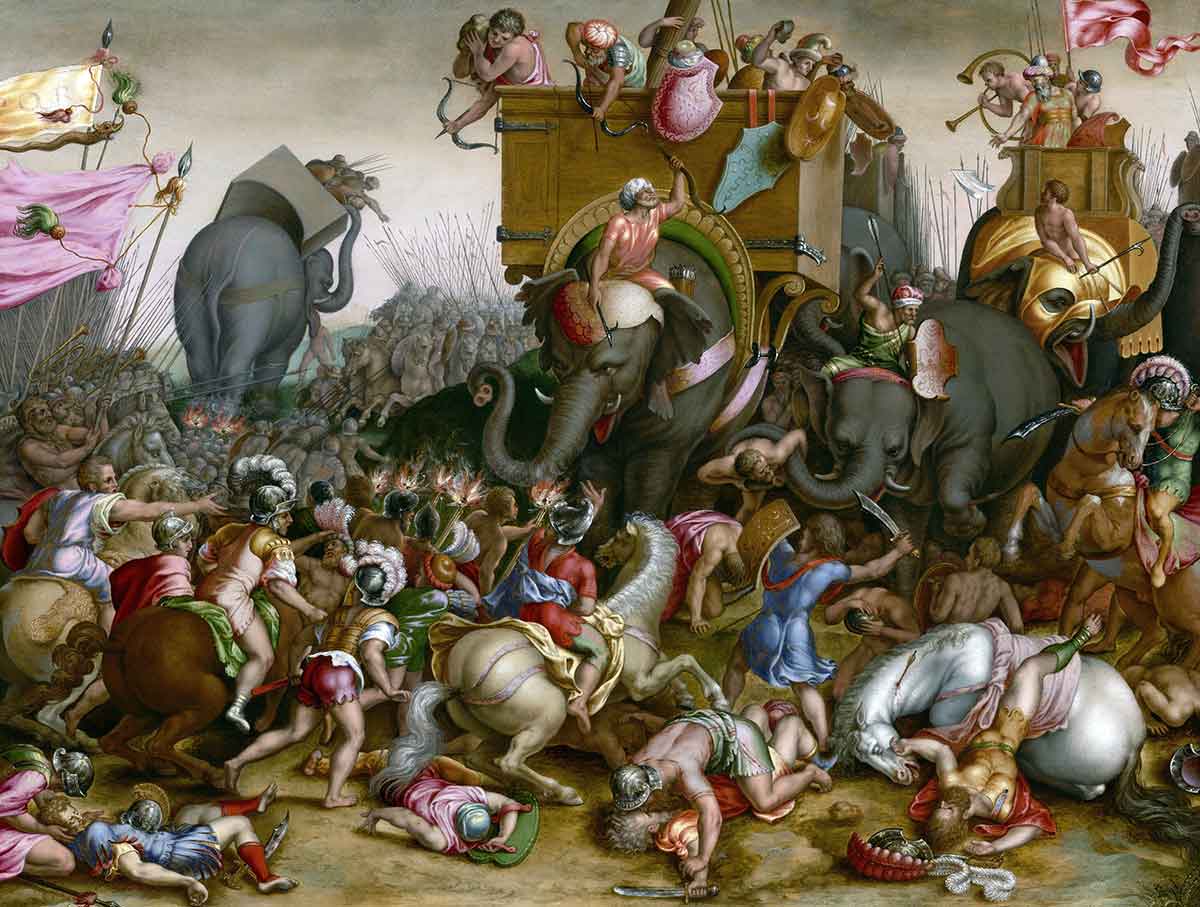
Rome decided that the best way to deal with Hannibal was to attack Carthage itself, drawing their invading forces back to North Africa. Hannibal had feared such a move and was losing ground in Italy. In Spain, a young Roman general called Scipio Africanus won a series of battles. He claimed Spain for Rome in 205 BC, forcing the Carthaginians to retreat. The following year, Scipio sailed across the Mediterranean to North Africa.
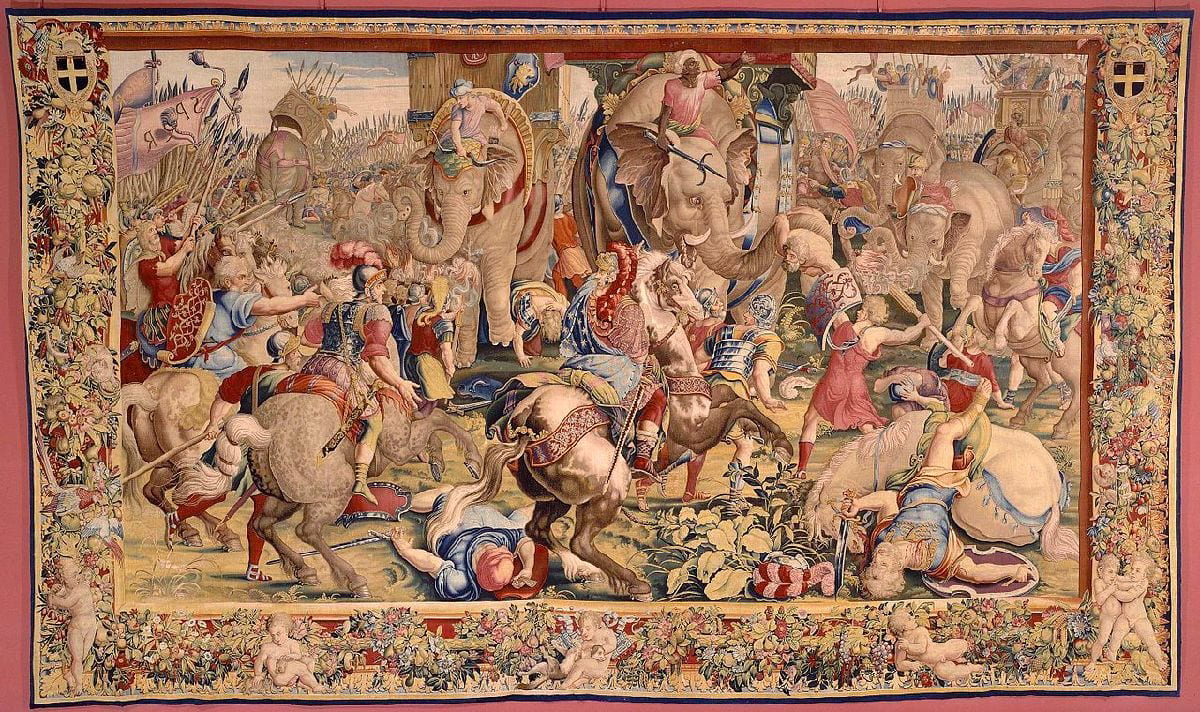
Faced with an invasion, Hannibal was recalled to Carthage, and the two generals met in 202 BC at the Battle of Zama. Hannibal deployed roughly 36,000 to 40,000 men, while Scipio commanded around 34,000 disciplined legionaries and Numidian allies. Hannibal also tried to deploy a unit of war elephants, but the Carthaginians didn’t have time to train them fully. Scipio’s men panicked the animals and forced them back towards Hannibal’s lines, where they went on a rampage.
Crippled, Hannibal’s army was easy prey for a rear attack by the Roman cavalry, suffering around 20,000 losses. Hannibal agreed to terms, ending the Second Punic War. Carthage’s fleet was dismantled, and her coffers emptied once again by heavy Roman taxes. Spain remained in Roman hands. Rome had asserted itself as the dominant power in the Mediterranean.
8. Hannibal Offered His Services to Rome’s Rivals
After the defeat at Zama, Hannibal Barca retired from military service and instead became a magistrate. Ironically, he was charged with overseeing the payment of Carthage’s fines to Rome. Despite this, Hannibal enacted a series of reforms that allowed Carthage to pay its debts quickly. These changes focused on eliminating corruption. But political opponents in the Senate saw their interests affected by these measures and sought to remove Hannibal.
During the war, Hannibal had repeatedly petitioned the Carthaginian Senate for supplies and reinforcements. They had refused, reluctant to spend more money on the war and wary of Roman reprisals. Instead, they insisted that Hannibal did not need help. Despite their backstabbing, Hannibal tried to serve as best he could, but his opponents began to claim that he was rebuilding Carthage’s power to challenge Rome again.
Seeing that his countrymen had turned against him, Hannibal escaped the city in 195 BC. He made for the Middle East, reaching the Seleucid court of King Antiochus III, one of Rome’s enemies. He was appointed as an advisor, but the Seleucids were initially reluctant to give him military powers. When Rome defeated the Seleucids in 189 BC, Hannibal fled to avoid capture.
9. Hannibal Barca Died Surrounded in His Villa
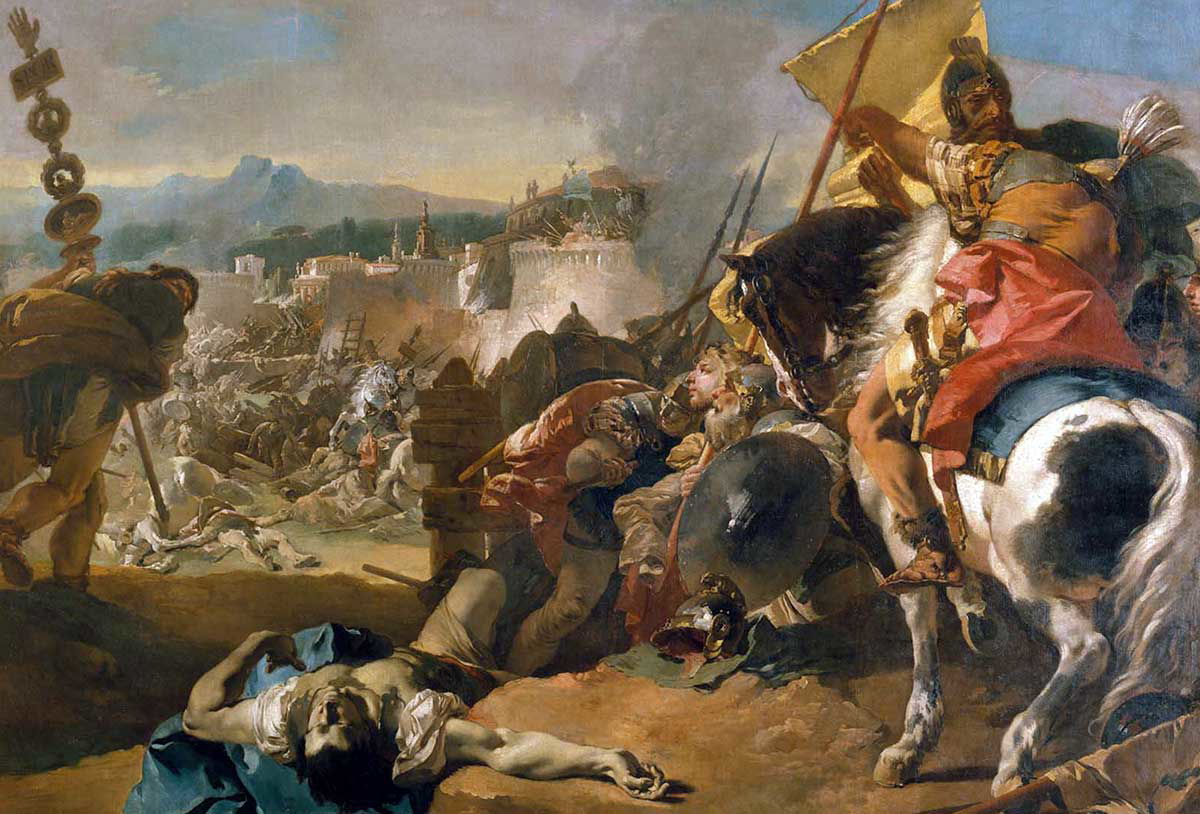
Hannibal eventually came to the court of Prusias I, the King of Bithynia, who granted him sanctuary. In c. 183 BC, the Romans closed in on Hannibal, who was living in Libyssa, a village in the Bithynian countryside. Prusias agreed to deliver Hannibal to the Romans. As soldiers surrounded his home, Hannibal considered his options. He is alleged to have said, “Let us rid the Romans of their fear of this troublesome old man,” before ingesting poison.
Even in his own time, Hannibal left an indelible legacy. Roman generals like Scipio, who pardoned Hannibal after the Battle of Zama, respected him immensely. Scipio’s studies of Hannibal’s tactics influenced Roman military strategy for centuries. Prominent generals such as Napoleon acknowledged Hannibal as one of the greatest commanders in military history.
“Hannibal ad portas” (Hannibal is at the gates), a refrain describing Hannibal’s near conquest of Rome, was still used to scare naughty Roman children for decades after his death. Even though the Third Punic War broke out in 149 BC, Hannibal represented the end of Carthage’s threat to Rome in the Mediterranean. Hannibal of Carthage proved a worthy, memorable foe to the mightiest empire of the Ancient world.
Hannibal Career Timeline
| 247 BC | Hannibal was born in Carthage |
| 221 BC | Hannibal takes command of the Carthaginian army in Spain |
| 219-8 BC | Hannibal attacks the Spanish city of Saguntum, a Roman ally, and Rome declares war |
| 218 BC | Hannibal crosses the Pyrenees and Alps into Italy |
| Victory at the Battle of Ticinus | |
| Victory at the Battle of Trebia | |
| 217 BC | Victory at the Battle of Lake Trasimene |
| 216 BC | Victory at the Battle of Cannae |
| 215-205 BC | War spreads to Sicily, Sardinia, Greece, and Spain |
| 210 BC | Scipio Africanus takes control of Roman troops |
| 209 BC | Scipio captures New Carthage in Spain |
| 207 BC | Hasdrubal leads his army to Italy and is defeated at the Battle of the Metaurus |
| 206 BC | Romans defeat the Carthaginians at the Battle of Ilipa in Spain |
| 204 BC | Scipio invades North Africa |
| 203 BC | Hannibal recalled to Carthage |
| 202 BC | Defeated by Scipio at the Battle of Zama |
| 201 BC | War ends and Hannibal becomes a statesman |
| 195 BC | Flees Carthage to advise foreign powers against Rome |
| 183/1 BC | Death by suicide |