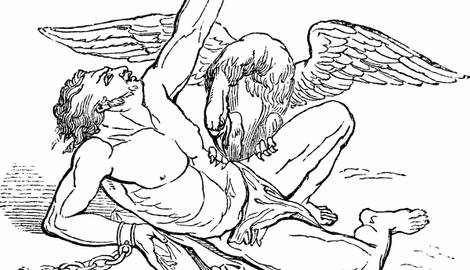

Prometheus Bound was written in the 5th century BC and is usually attributed to the ancient Athenian playwright Aeschylus. It dramatizes the punishment of the Titan Prometheus for his crime of stealing fire from the gods to give it to humans. Prometheus was chained to a rocky cliff, where a giant eagle was sent daily to peck out his liver, which would always regrow, cursing him to experience never-ending torment. Despite the severity of his suffering, Prometheus refused to submit and became a symbol for intellect, integrity, and the defiance of tyranny.
Aeschylus and the Athenian Golden Age
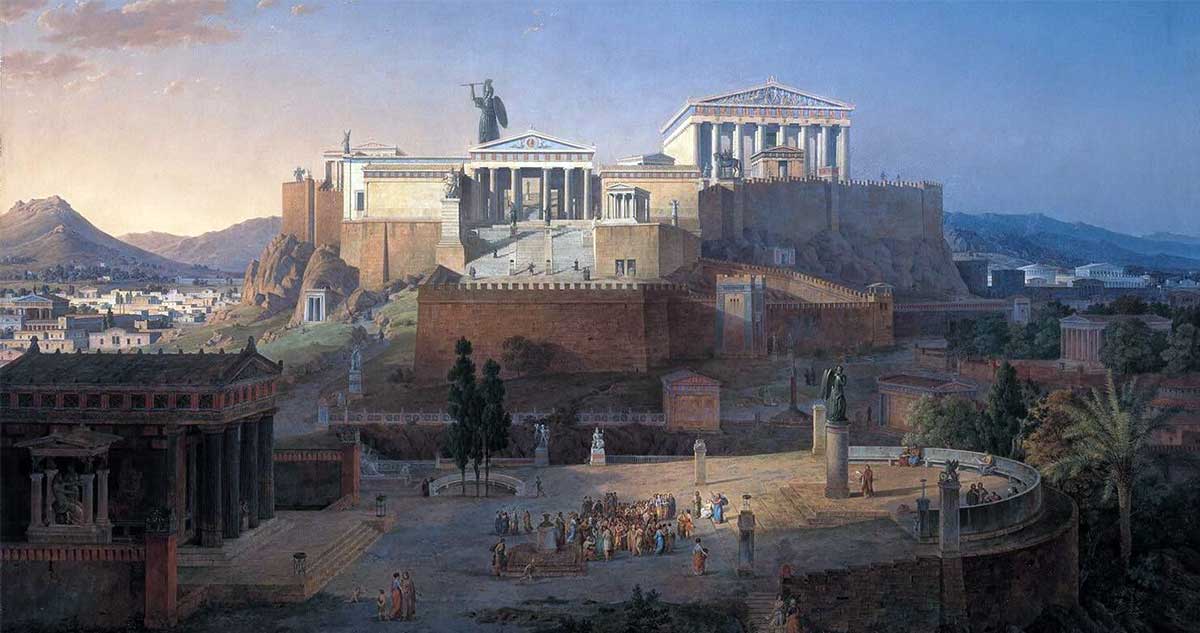
The specific date of Prometheus Bound is widely disputed, but it is generally thought to have been composed sometime during the mid-5th century BC, placing it firmly in the midst of the Athenian Golden Age.
In 478 BC, the so-called Delian League had been formed in a bid to protect Greece from the invading Persian Empire, combining a confederacy of Greek city-states, and spearheaded by Athens. The Athenians, led by the charismatic general Pericles, gradually transformed the league into their own empire, using its treasury and the contributions of other member states to swiftly expand and invest in their own city.
Pericles promoted the arts and literature, and commissioned ambitious building projects that produced some of the most iconic structures of ancient Greece, including the Parthenon, which still stands to this day. Under his leadership, Athenian democracy broadened. Increased limitations on aristocratic power and the introduction of a paid public service allowed poorer individuals to participate in politics, no longer reserved for the elite few. In every way, the power and scope of Athens was expanding, and with it a sense of itself as the cultural and political leader of Greece and beyond.
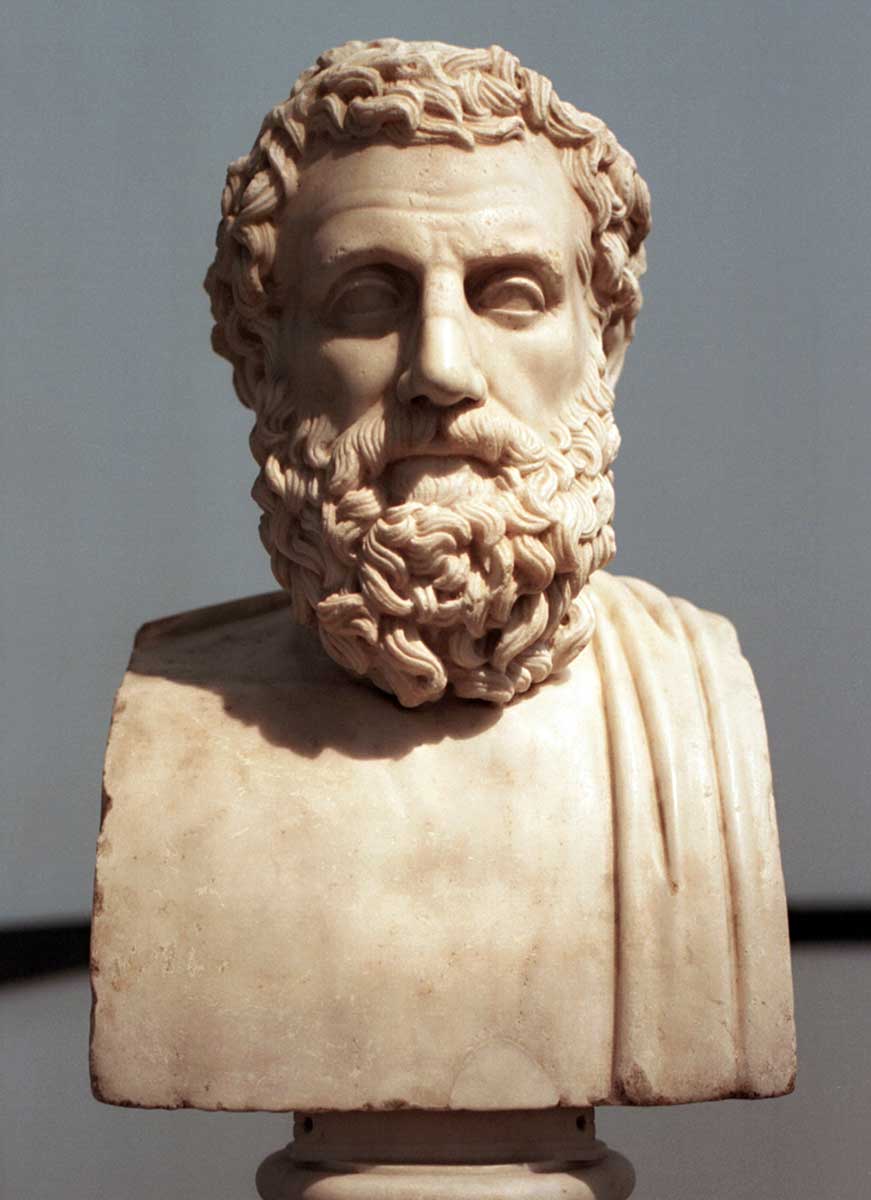
Aeschylus himself had fought in the Persian Wars, and as he developed his literary craft, he would have observed these changes, considering what they meant for Athens and the world at large. His play Prometheus Bound harkens back to the mythological origins of human progress and, in doing so, poses serious questions surrounding moral and political authority, and the boundaries between human self-determination and divine control.
The play’s critique of tyranny would have reminded Greeks of their recent fight for freedom against the Persian Empire, whilst also perhaps raising questions about the nature of Athens’ own growing empire. Aeschylus’s emphasis on human progress through knowledge and his depiction of Prometheus standing up to the tyrant Zeus could be connected to ideals of democracy and individual empowerment, values that were becoming central to Athenian identity.
Some scholars have suggested that the play demonstrates a sense of growing conflict between these democratic ideals and Athens’ imperial expansion, raising fundamental questions about the nature of power and the responsibility that comes with it.
While we cannot know for certain Aeschylus’s personal stance on these debates, it is clear that he was deeply engaged with such philosophical questions and concerned about the consequences of unchecked authority. His protagonist Prometheus comes to represent independent thought and moral responsibility, prioritizing sympathy and friendship over power and control.
Kratos and Hephaestus
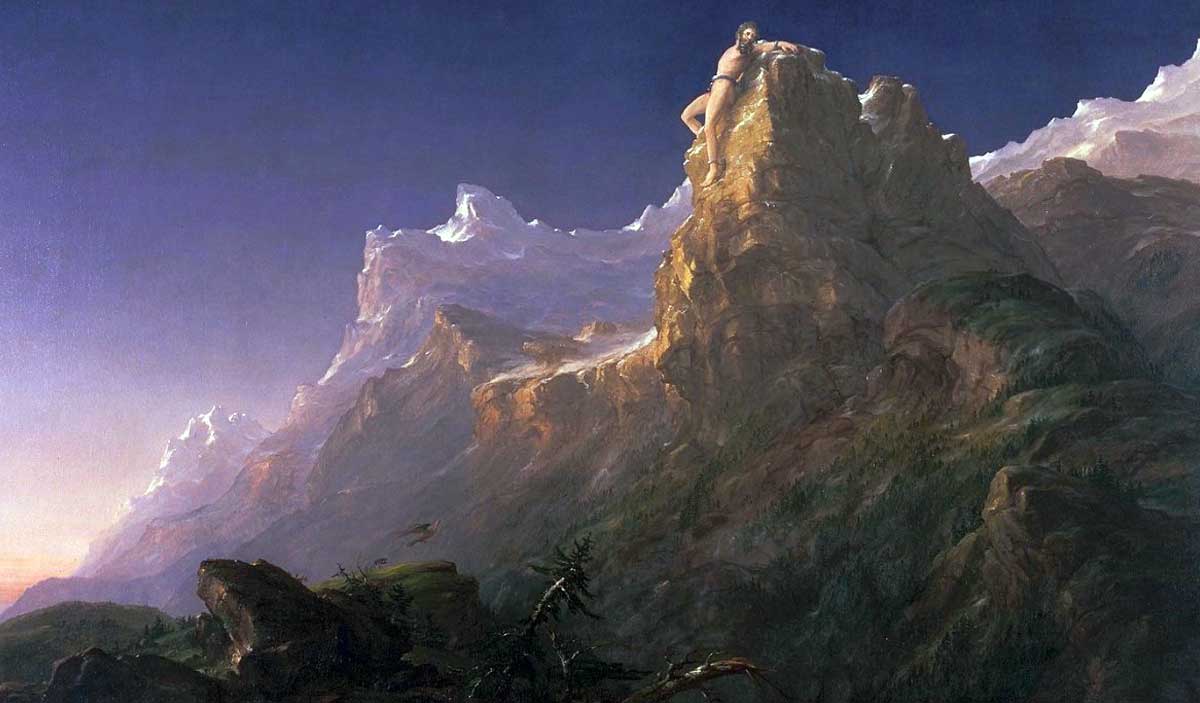
The play begins with a desolate, mountainous landscape, and at the back of the stage stands a great rock. Prometheus enters the scene, flanked by two daemons named Kratos and Bia, the Greek Kratos translating roughly to power, and Bia to violence or force. They are followed by a reluctant Hephaestus (the craftsman of the Gods) carrying with him his hammer, nails, and a set of chains.
Kratos explains to the audience that Zeus has ordained that this is the rock to which Prometheus must be chained as his punishment for bringing fire to humans. Hephaestus is appalled by the cruelty of this punishment. He laments that Prometheus shall never again hear another human’s voice, his days will now be scorching hot and his nights bitterly cold, and he shall never sleep or be free of his torment.
Despite his reluctance, Hephaestus sets to work chaining Prometheus to the rock, and Kratos relishes the fact that, despite Prometheus’s quick wits, they are no match for the brute strength of Zeus, claiming that Prometheus was foolish for helping those who can not help him now in his hour of need. Once he is firmly bound, Kratos, Bia, and Hephaestus exit the stage, leaving Prometheus alone.
Prometheus and the Oceanids
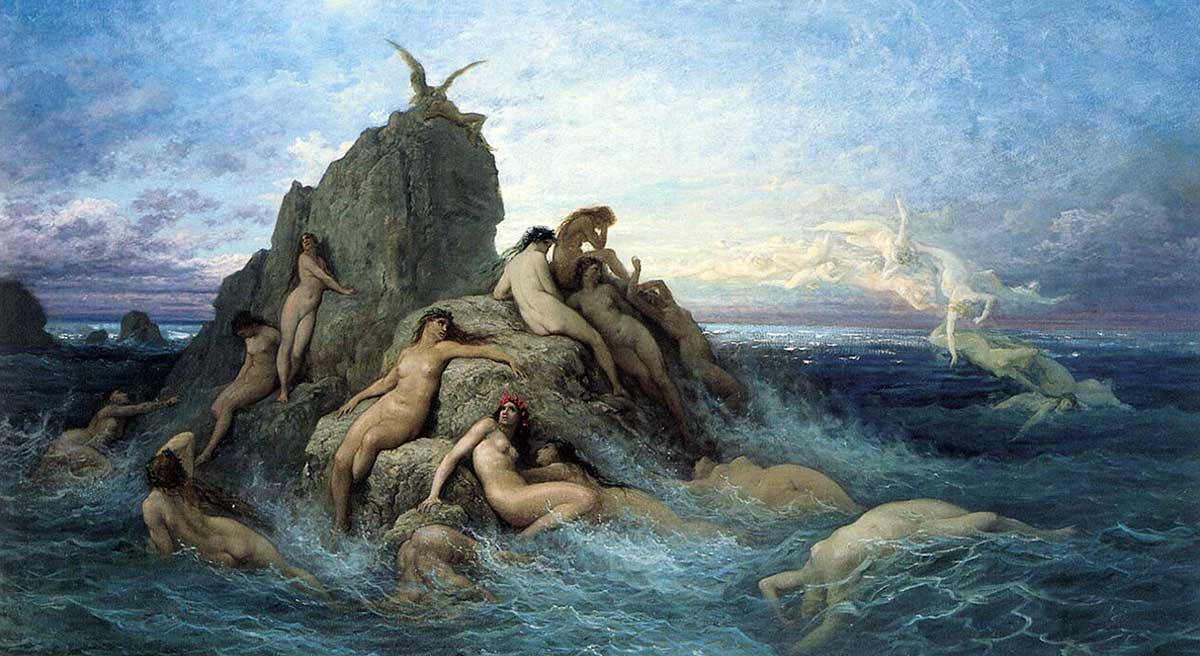
Prometheus lifts his head for the first time and calls upon the sky, winds, rivers, and seas to witness his torment at the hands of the Gods. He suddenly hears the sound of wings, and is struck by fear. However, it is merely the Oceanids, daughters of Oceanus, who enter on winged chariots, to form the chorus of Aeschylus’s tragedy and lend Prometheus a sympathetic ear. The Oceanids are moved by the sight of him, telling him that no one but Zeus himself could lack sympathy for his suffering. Prometheus, who has the gift of foresight, tells them that one day Zeus will come to him for help, and at that point have to release him, but that it won’t be for many, many years.
He tells the Chorus that Zeus punished him because, like a true tyrant, he does not trust his friends. Prometheus himself had played a crucial part in Zeus’s ascent to power, joining his side in his conflict with the Titans. In this war, Prometheus had first offered his advice to the Titans, warning them that they would not defeat Zeus through strength and warfare, but could do so by outwitting him. They rejected this advice, and Prometheus was forced to switch sides, knowing that they were doomed to failure.
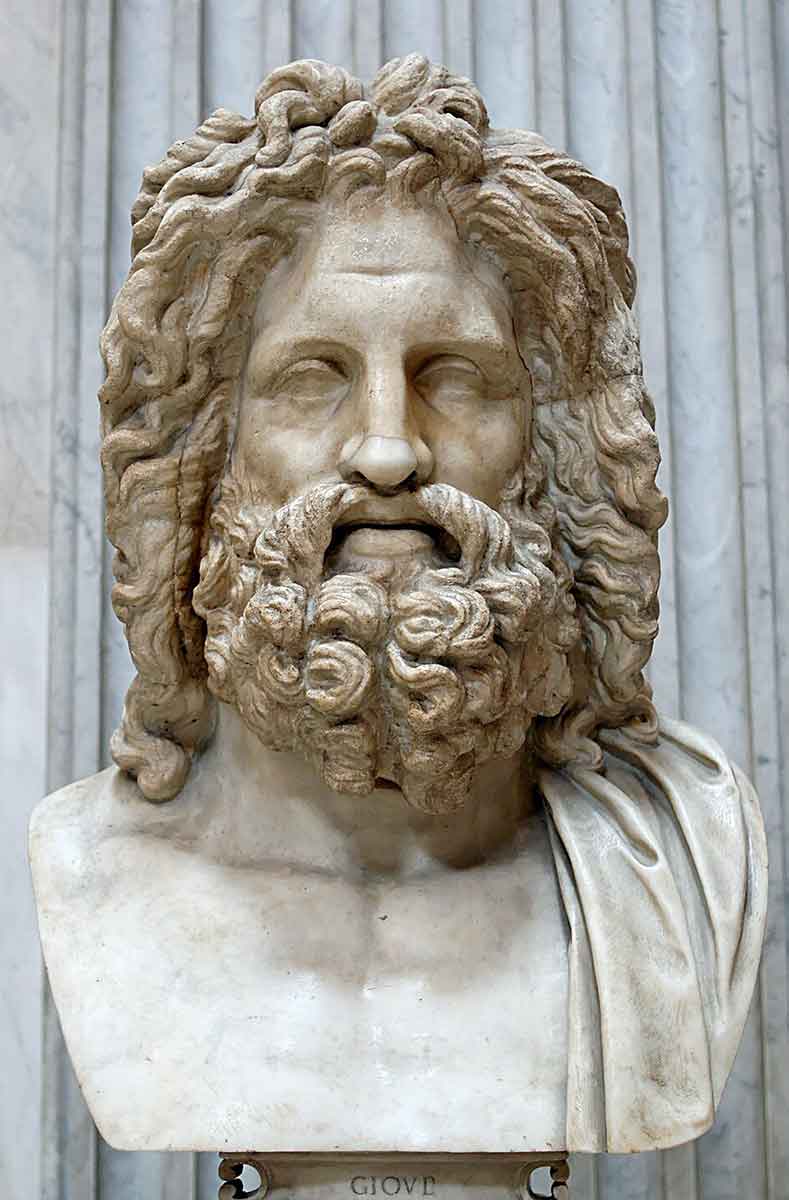
Prometheus then goes on to tell the Chorus about the reasons for his current predicament. He says that when Zeus wanted to destroy humanity, Prometheus was the only one who stood in his way, and now, because he chose to show mercy to man, Zeus refuses to show any mercy to him. The Oceanids ask if he did anything else to be punished so cruelly, and he tells them that he planted hope in the hearts of humans by taking away their thoughts of coming death, and that he stole fire from the Gods to give to them, for it is from fire that all their greatness and fine arts shall spring.
The Gift of Fire
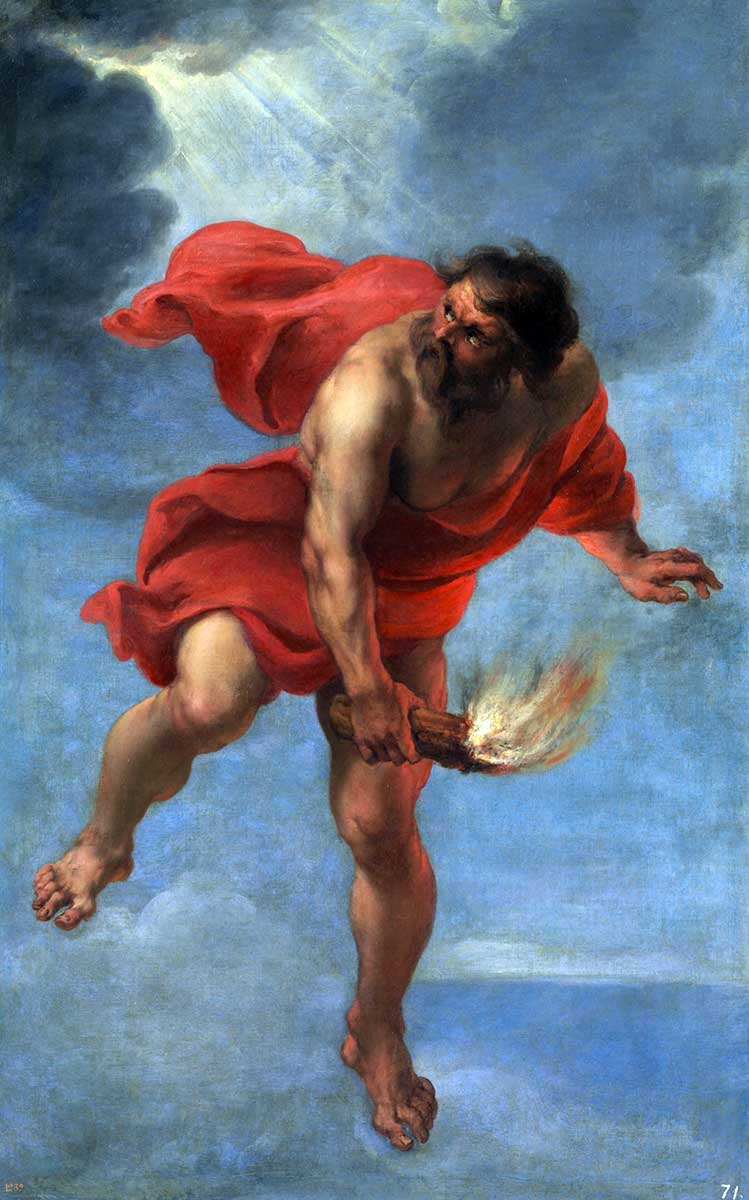
This first scene sets up the central battle between Zeus and Prometheus and establishes the major conceits of the play. Zeus is represented as a new and unstable ruler, establishing his leadership through violence and force. The king of the gods himself never appears on stage, but sends others to do his bidding and enforce his will.
Prometheus represents intellect and wit, and is shown to value friendship and kindness in his actions. Prometheus foresees the limitations of Zeus’s power and prepares to wait patiently for the fate he knows will come.
Prometheus’s gift of fire and other lessons set humans on the path of progress, allowing them to take control of a world they previously attributed to the strength of the Gods. This reflects a shift in thinking explored by Greek philosophers of this era, as they began to move away from the more traditional forms of mythic fatalism that explained events in the world largely as a result of the capricious will of divine forces, and instead emphasized the importance of human agency and rational thought.
Prometheus is not wrong that combustion is, in many ways, at the heart of human progress. Fire provided humans with the ability to take control of their own destiny and to harness forces far greater than their own natural powers. Fire, essentially, allowed them to make Gods of themselves, far beyond anything Aeschylus himself would have been aware of at the time. Zeus senses this threat, and affronted by the shift in the balance of power, he seeks his revenge against the man who set humanity on this path.
Enter Io
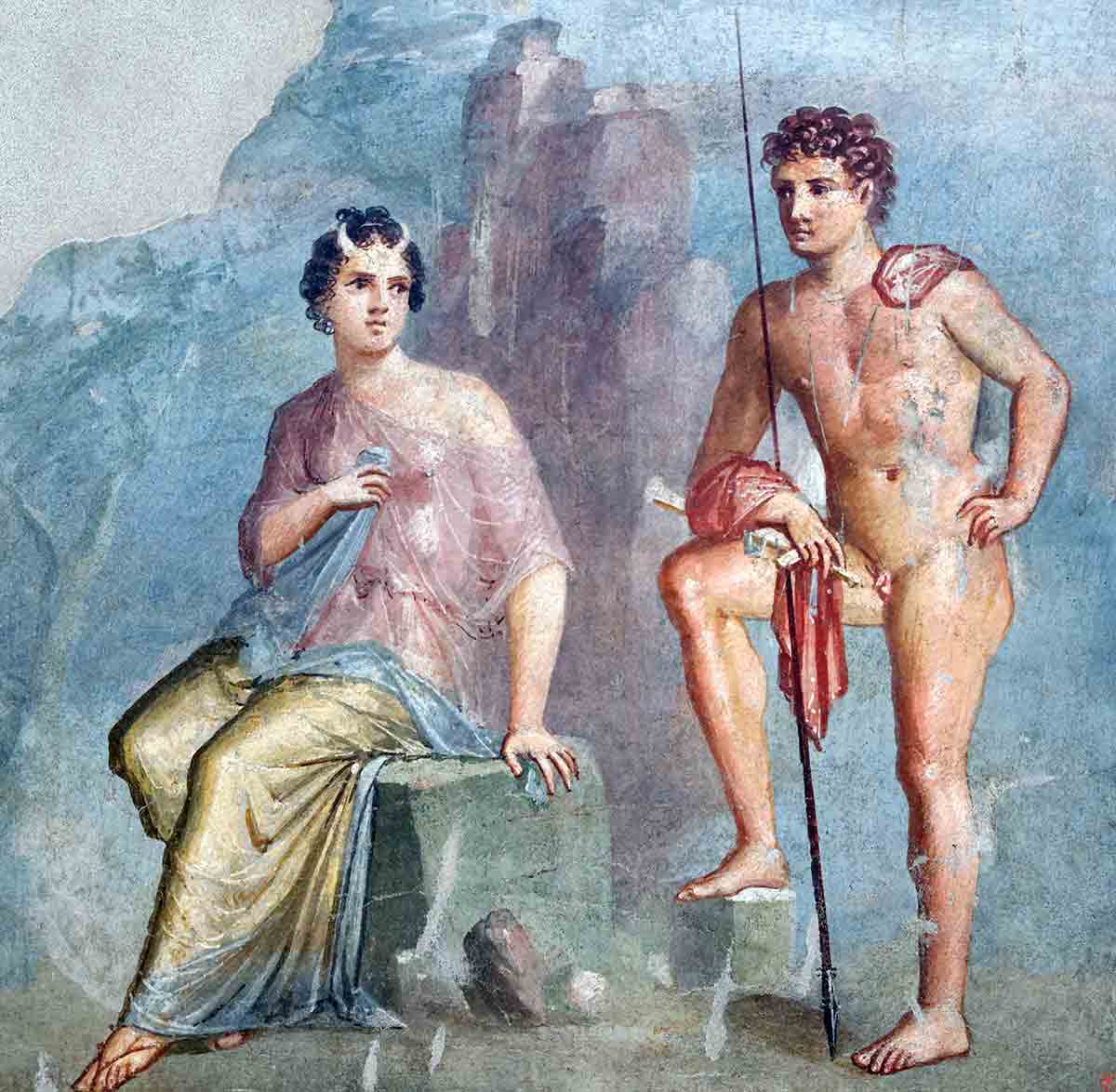
Next, we are introduced to the mythological figure of Io, an Argive princess and priestess who has been transformed into a cow. At the time of Aeschylus, Io would have been played by a man, dressed as a woman and wearing horns. She is confused and questions where she is, telling Prometheus that she is wracked with hunger, followed by the stinging gadfly and tormented by the ghost of Argus. Io cites the cause of her agony as being the “son of Cronos” and questions how much agony she must still bear at the hands of Zeus.
Io claims that back in her father’s house, she used to receive visions in the night, encouraging her to give her virginity to Zeus. She tells her father, who sends messengers to Delphi and Dodona, to consult the oracles and find out what he can do to please the gods. The messengers returned reporting cryptic and confusing messages, but one returned with a clear order: Io must be driven from her home and forced into exile, left to roam the most remote regions of the Earth, or face the wrath of Zeus.
Her father banishes her from her homeland, and she sprouts horns on her head, taking the shape of a cow, as Zeus seeks to hide her from his jealous wife, Hera. Hera, however, was not fooled and sent a vicious gadfly to continuously sting her, cursing her to madly wander the Earth in an attempt to escape her torment. Despite Hera’s actions, it is Zeus whom Aeschylus holds fully culpable for the fate Io suffers, and it is presented as another example of his capriciousness and cruelty.
The Wanderings of Io
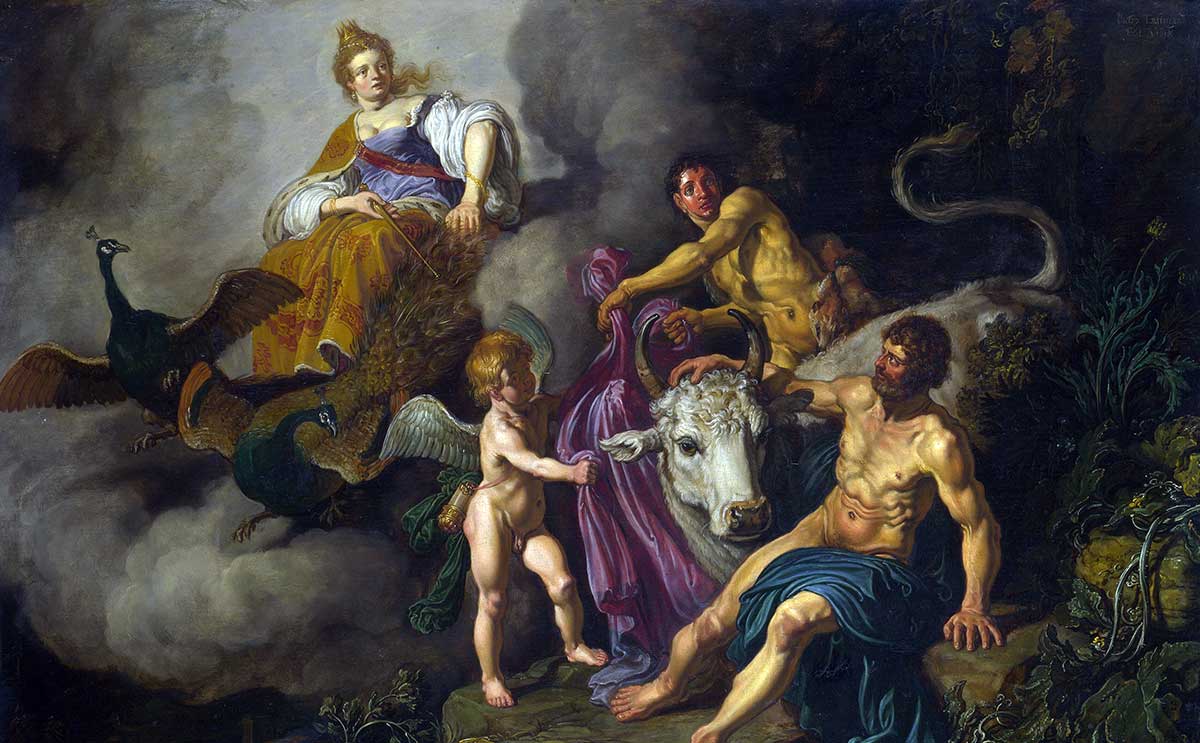
To demonstrate the trustworthiness of his gift of foresight, Prometheus makes prophecies about Io’s remaining wanderings and also recounts the tales of her travels up until this point. He tells her that during her long journey, she crossed a broad sea, which came to be known as the “Ionian Sea” after her, and that after she crossed a narrow strait between the Black Sea and the Sea of Marmara, which came to be known as the “Bosporus,” translating roughly to “passage of the cow.”
In his account of her travels, Aeschylus references famous place names and historical figures that would be recognizable to his audience, charting the entire known world in his descriptions and drawing on the shared mythology of his audience.
Prometheus tells Io that in time, Zeus will return her to human form, and she will bear a child. He claims that eventually from this line a famous archer will be born, and he is the one who will release him from these afflictions, referring to the demigod Heracles. He hints that he will come to challenge Zeus. Io is once more stung by the gadfly and struck again by madness; she rushes away. The Oceanids lament her fate, saying nothing good can come of marriage between gods and mortals.
Prometheus and Hermes
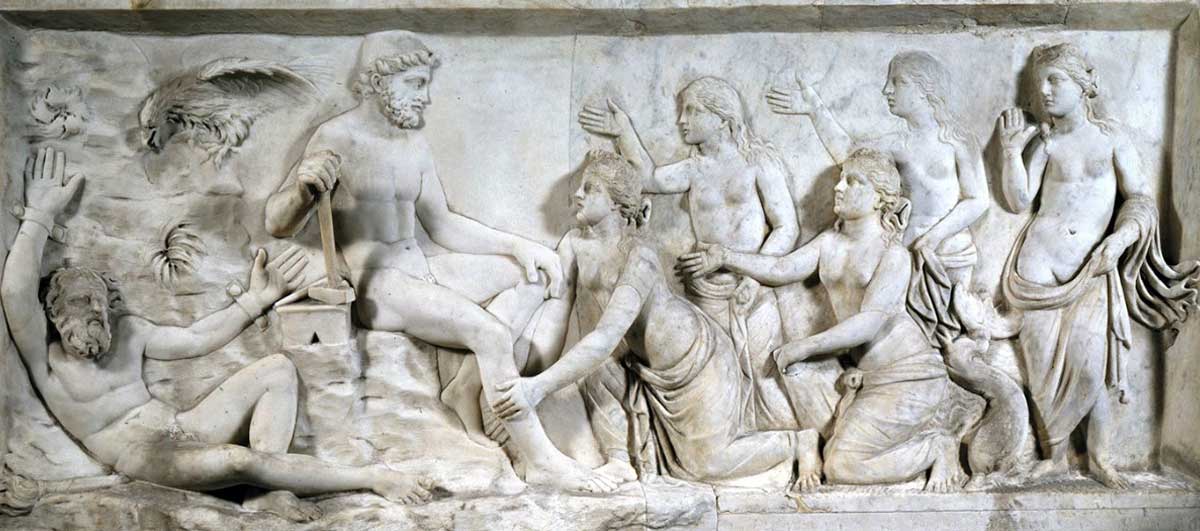
Suddenly, Hermes, the messenger of Zeus, appears to inform Prometheus that Zeus demands to know more of this marriage he has predicted will precipitate his downfall, and to provide the name of those who will enable it. Prometheus calls Hermes prideful and arrogant, befitting the title of servant of the gods. He says they are all young, as is their power as rulers, and while they may believe that they stand above grief, they will find this to be a false hope. He has already seen two tyrants cast out, and he says he will see a third, the present king, thrown out in disgrace. Prometheus refuses to answer Hermes’ questions, claiming that he would rather live under his present conditions than be a slave to Zeus.
Hermes claims that Zeus will entomb him in the rock and cast him down to Tartarus, the Greek mythological underworld, and when he later emerges, he will send an eagle to peck out and feast on his liver, a punishment that will not end until another God agrees to take his place. Prometheus says it is beneath him to supplicate Zeus, begging an enemy he so truly hates to set him free.
Prometheus, angered by Hermes’s insolence and Io’s predicament, seems to have abandoned all thoughts of reconciliation. The Chorus at first suggests that perhaps what Hermes has said is not so unreasonable, and that it might be wise for Prometheus to set aside his stubbornness and listen to his advice. Prometheus tells the Chorus that there is no shame in suffering pain inflicted by one’s enemy, and calls on Zeus to unleash whatever terrors he wishes, and fling his body down to the black pit of Tartarus, because no matter what he does, he cannot kill him.
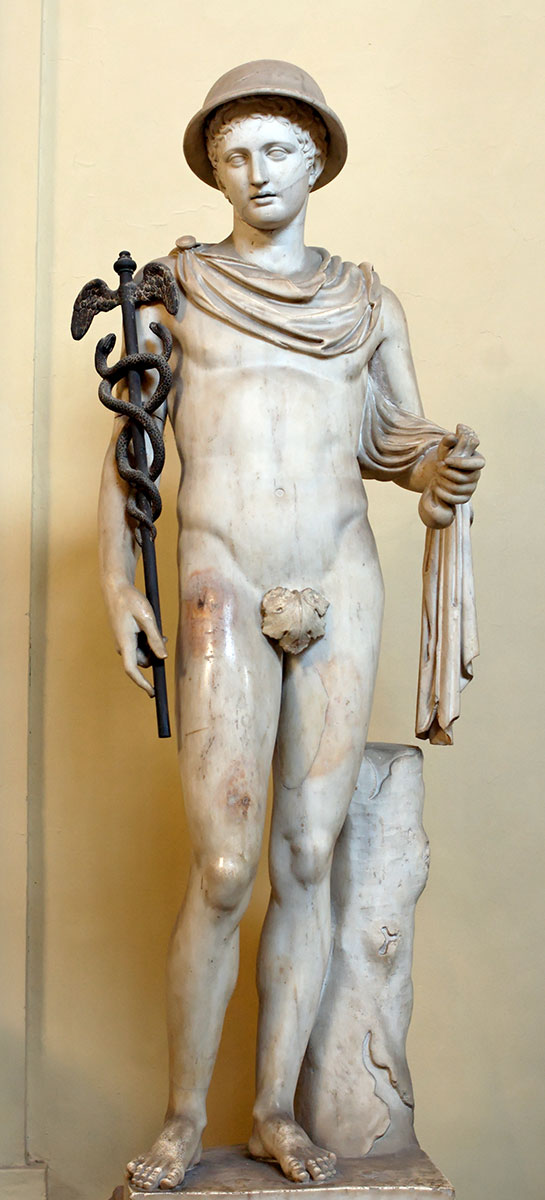
Hermes says that Prometheus is mad, and he realizes his words will be wasted, telling the Chorus to abandon Prometheus before they too are struck by Zeus’s thunderbolts. The chorus refuses, explaining that the betrayal of a friend is the lowest act. Hermes warns them that any suffering they endure, they have brought upon themselves.
As Hermes departs, Zeus unleashes his punishment, and Aeschylus describes in dramatic language a storm of roaring thunder, howling winds, violent hurricanes, and earthquakes. Prometheus knows that they are sent by Zeus to make him afraid, but he remains defiant till the last moment, calling on sacred mother Earth and the heavenly Sky to witness the unjust wrongs he is forced to endure, until he is swallowed whole by the storm.
Power in Defeat
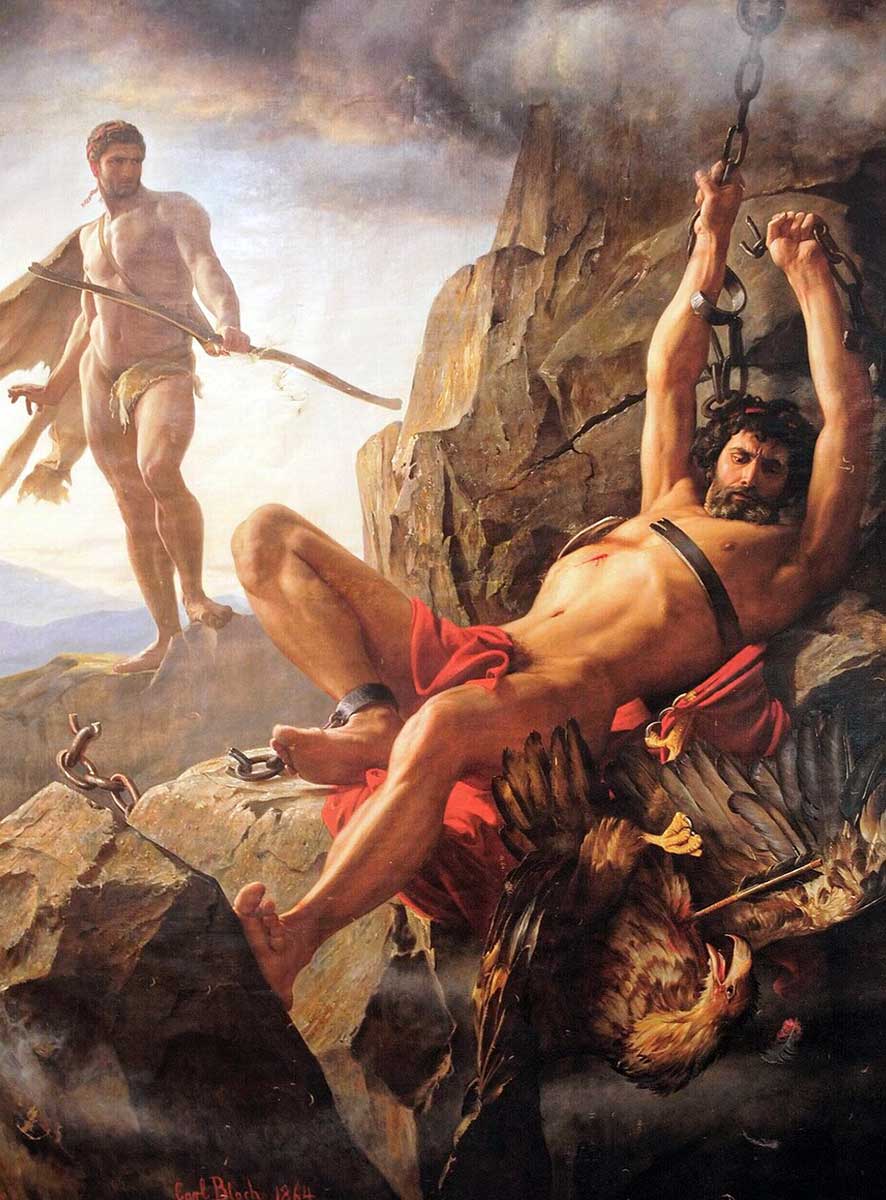
The storm and Prometheus’s standing steadfast against it encapsulate many of the play’s key contrasts, with Prometheus and Zeus representing opposite extremes.
Through the noise of Zeus’s storm and Prometheus’s brave words in the face of it, Aeschylus explores the tensions between wisdom and brute strength, justice and power, reason and chaos, friendship and animosity.
Prometheus’s “sin” is that he thinks for himself, unlike Hermes or Kratos, and his intelligence clashes with Zeus’s demands for absolute obedience. Zeus rules through threats, while Prometheus’s strength comes from his refusal to yield—responding only to reason and loyalty. Prometheus is defiant to the last moment, despite his bondage he has freedom of thought and no punishment will encourage him to abandon it.
Despite Zeus overpowering Prometheus at the end of the play, we can’t help but feel that Prometheus is the true victor. His eventual freedom is inevitable. Not through force, but through patience, reason, and the bonds of friendship.
The play ends both with a scene of great despair, as Prometheus is consumed by Zeus’s rage, but also with a seed of hope, as we look forward to the future in which Zeus will face the limits of his power. Perhaps leading the Athenian audience themselves to question the great power of their Empire, and what may await it in the future.