
The French city of Lyon is a popular tourist destination known for its rich culinary scene and plentiful historical sites. Located at the confluence of the Rhone and Saone Rivers, it was once the ancient Roman provincial capital of Gaul, Lugdunum. From Republican origins, it became a birthplace of emperors, the site of an imperial mint, and a battlefield that decided the course of Roman history. Visitors today can discover the history of Lugdunum through the Roman archaeological sites still visible in modern Lyon.
The Celtic Settlement Before Lugdunum
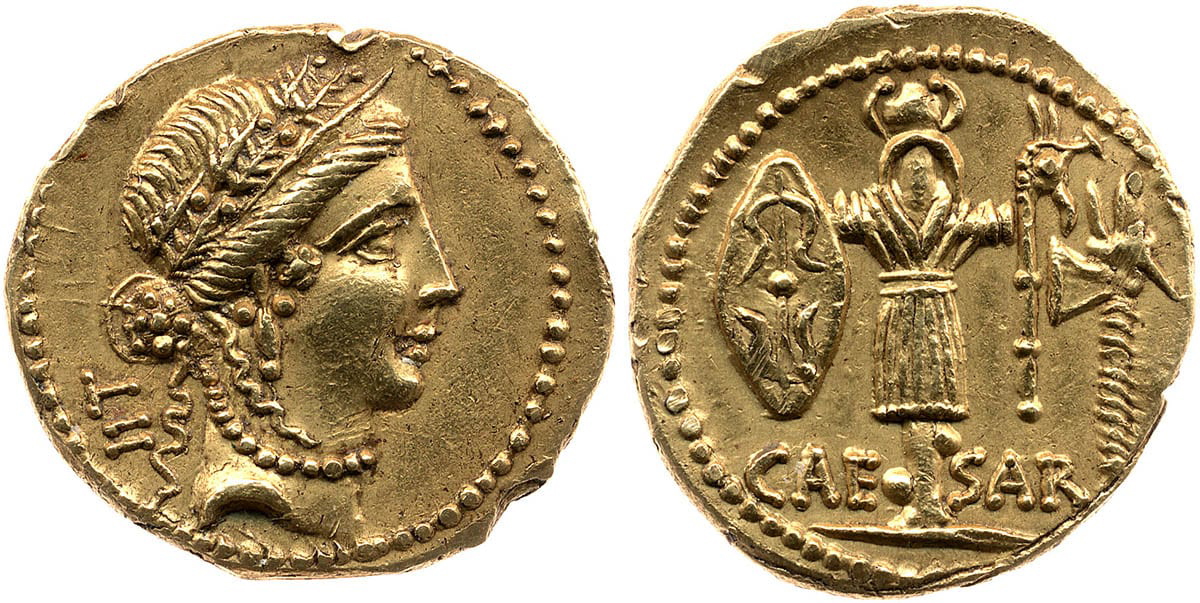
The history of the city of Lugdunum begins with the arrival of the Romans in Gaul in the first century BC. Before this, the area had been the home of two Celtic settlements. More than likely, these belonged to the Segusiavi, a Gallic tribe that features in a range of Roman sources, including Caesar’s Gallic Wars as well as Pliny the Elder and Strabo.
One of the settlements may have been called Lugudunon, or “Hill of Lugus.” Lugus was a mysterious Celtic god found in the epigraphic record. Although this earliest settlement was a long way from the bustling metropolis it would become, it was an important trading post, connected to a wider mercantile network in Gaul and beyond by the Rhone and Saone rivers.
Roman Conquest: Colonia Lugdunum
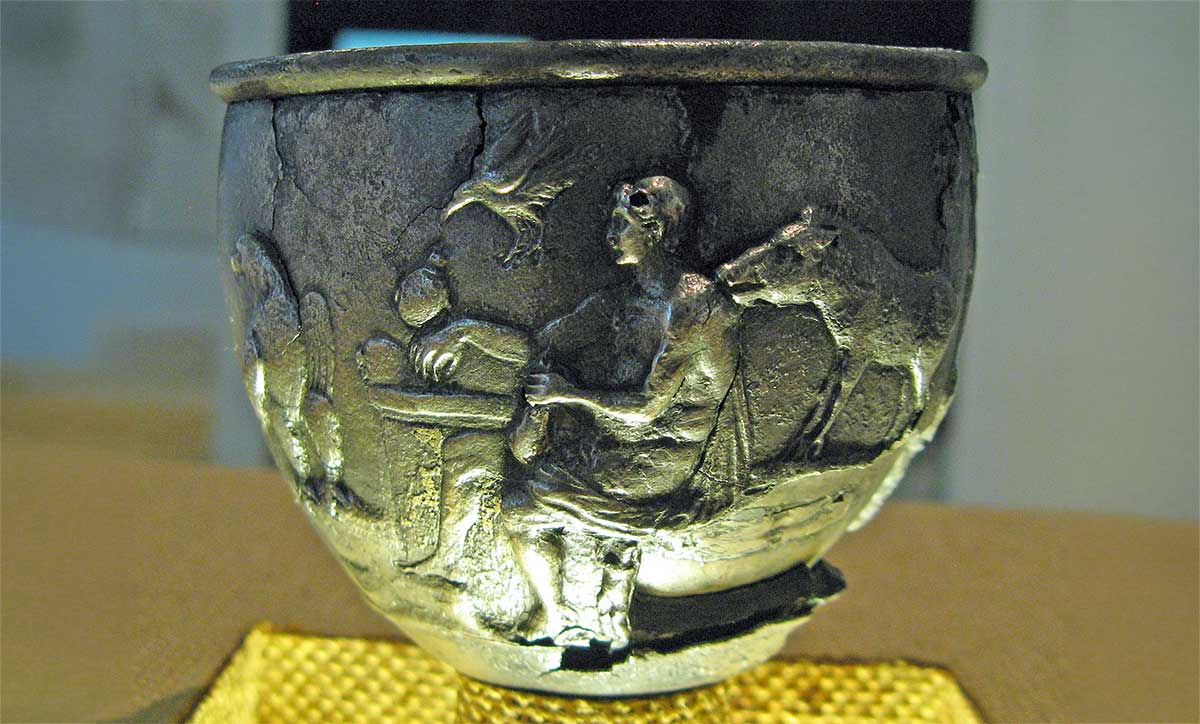
The Romans arrived in this region of Gaul in the late 2nd century BC. However, it was not until Caesar’s conquest of Gaul in the middle of the 1st century BC that the site would become part of the Roman world. Having conquered the hill of Fourviere, Caesar used the site as one of his bases in the subsequent conquest of the entirety of Gaul.
The city of Lugdunum itself was not formally established until after Caesar’s assassination. In 43 BC, the new colonia (colony) was established by Lucius Munatius Plancus, with the first Roman inhabitants likely to have been veterans from some of Caesar’s legions. The colonia was originally called Colonia Copia Felix Munatia, although the name “Lugdunum” quickly supplanted this.
Lugdunum Under Augustus
In the later decades of the first century BC, as Rome was consumed by the awful violence of the civil wars that followed Caesar’s murder, the territory of Gaul was organized into three provinces. As Octavian (the future first princeps, Augustus) began to consolidate his control over Rome and the Empire, the changes were felt in Gaul and Lugdunum. In particular, Agrippa, Octavian’s most trusted ally, was responsible for building a network of roads in Gaul and Italy. Lugdunum now found itself embedded in the network of the Empire.
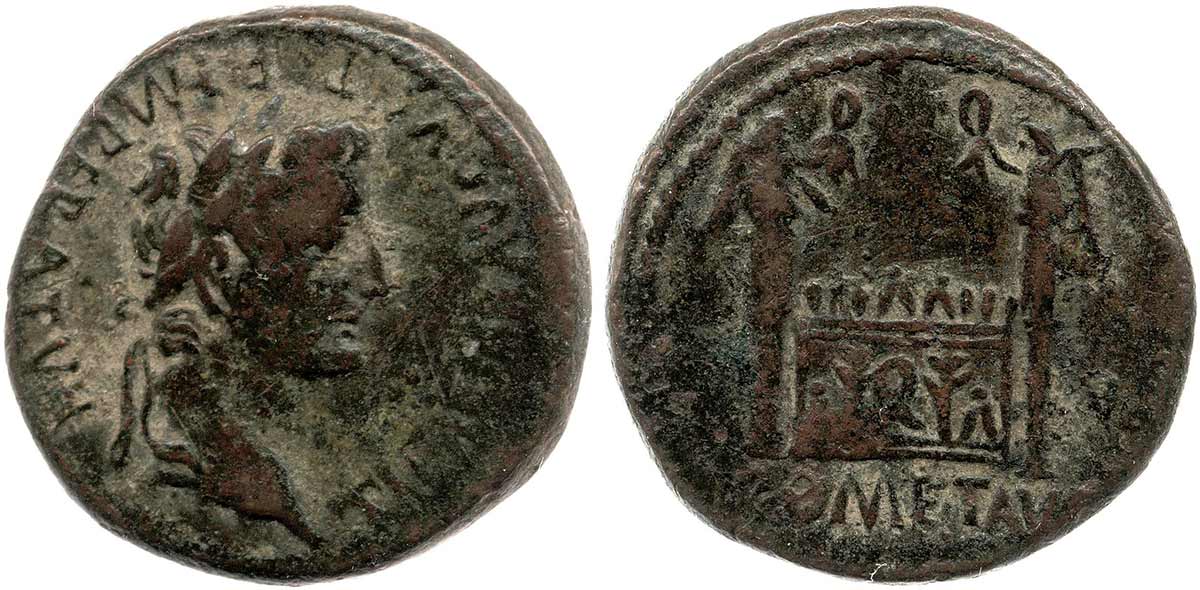
During the imperial period, Lugdunum prospered. While it never enjoyed the same status or influence as some of the great Roman cities of the eastern provinces, such as Alexandria or Antioch, it became one of the largest cities in the western provinces. The city was quickly beautified and soon had many of the staple architectural and civic features typical of cities across the Empire. This included a forum, several aqueducts, and an amphitheater. One of the first altars of the Roman imperial cult, dedicated to Roma and Augustus, was established there in 12 BC by Drusus the Elder.
Romanization Under the Early Empire
While not as prestigious and rich as Rome’s great eastern cities, Lugdunum had a curiously close relationship to imperial power. Perhaps because of Agrippa’s road network, which linked Lugdunum to the imperial frontiers in the north west, the city ended up being visited by several emperors and members of their family. This was especially true of the Julio-Claudians, Rome’s first imperial dynasty.
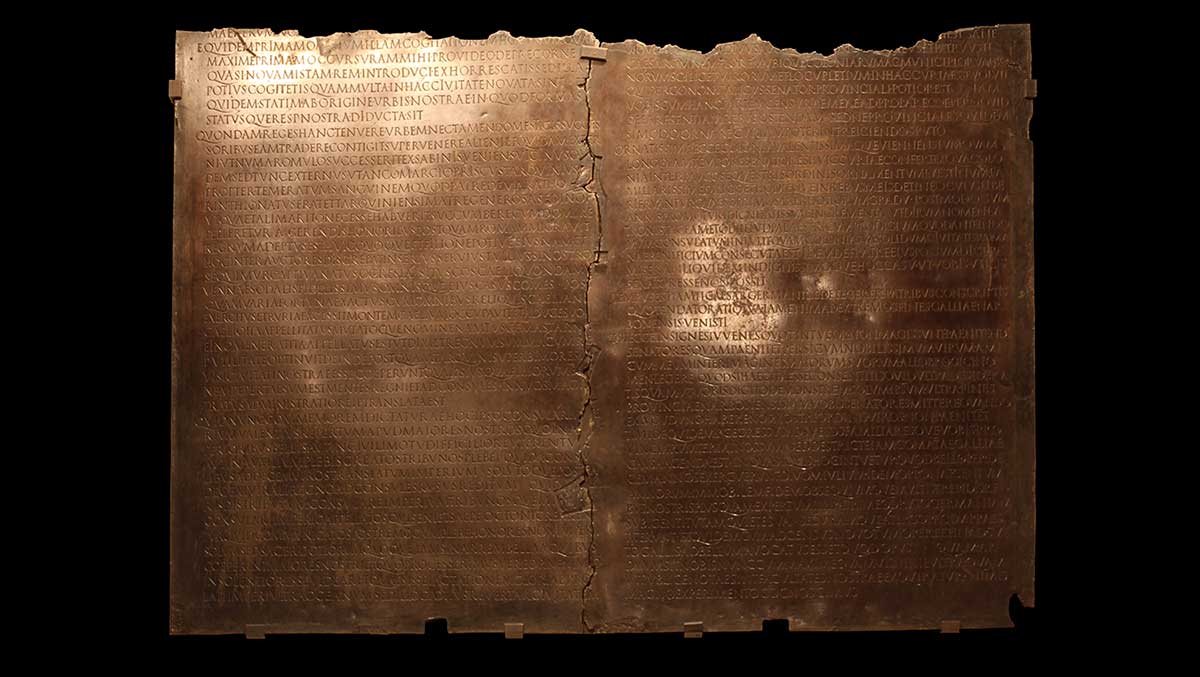
Drusus, Germanicus, and Tiberius, Augustus’ eventual successor, all spent time in the city. It was during Drusus’ stay there that his son, the future emperor Claudius, was born. An unlikely emperor, his reign remained closely connected to the city of his birth. In a remarkable discovery, a series of bronze tablets from Lugdunum record a speech delivered to the senate by Claudius, arguing for the admission of landed (and monied) citizens from Gaul into the Senate. Now known as the “Lyon Tablet,” this remarkable artifact records one of the most significant social and political developments in the empire’s history.
Decline: Lugdunum in Late Antiquity
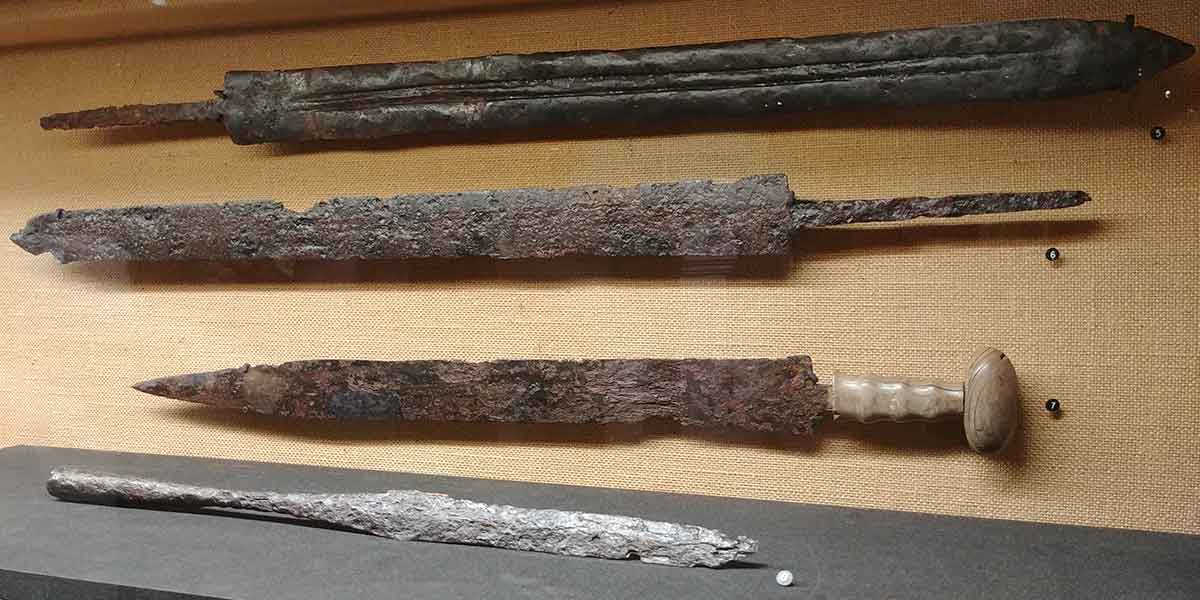
Lugdunum continued to enjoy a close relationship with imperial power throughout the empire’s “Golden Age” in the 2nd century AD. The population of the city might have reached as much as 100,000 at this time, becoming one of the largest cities in the Roman West.
Lugdunum was once more thrust into the center of imperial politics in the last decades of the 2nd century AD. The city became the site for the climactic battle between Septimius Severus and Clodius Albinus, two rivals for imperial power. The Battle of Lugdunum in AD 197 was the largest ever fought by two Roman armies. It resulted in Albinus’ death and Severus being recognised as the sole emperor. Severus’ eldest son and heir, the future emperor Caracalla, was also born in Lugdunum in AD 187, strengthening the connection between the city and the Severan dynasty.
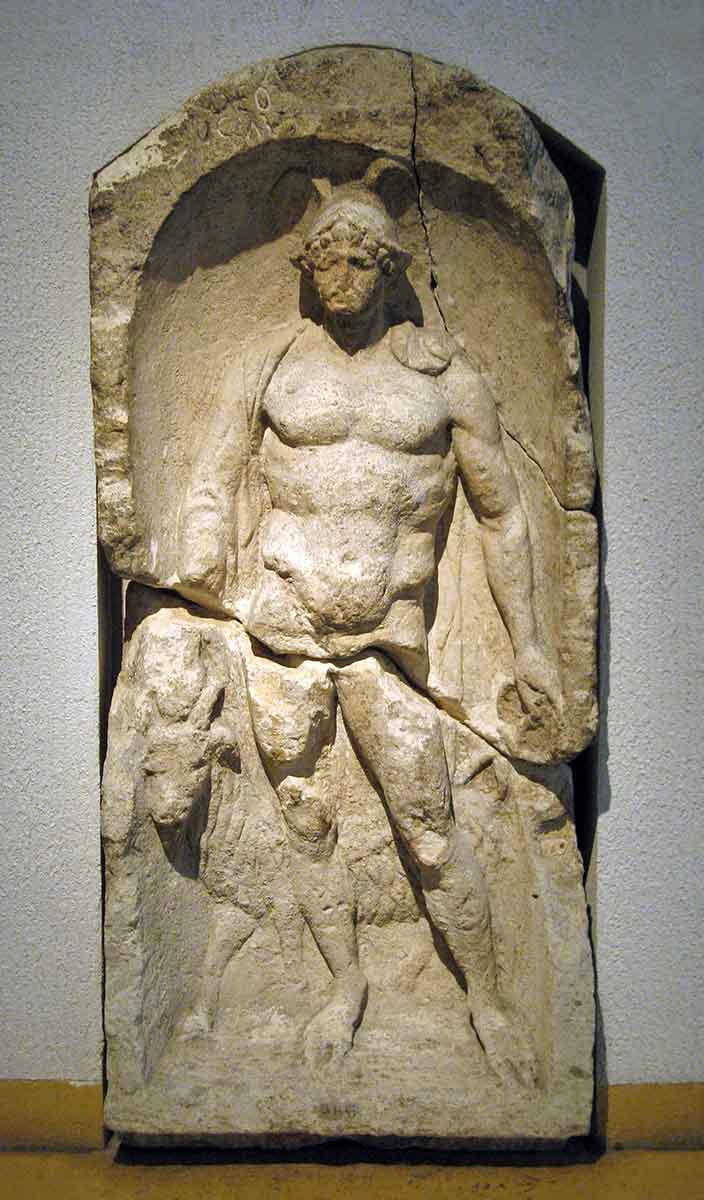
Although the city had therefore been the site where the fate of the empire had been decided in the late 2nd century, Lugdunum’s centrality was to prove impermanent. As the Empire became increasingly stricken by crises during the middle decades of the 3rd century, Lugdunum’s importance began to wane. Although it had been effectively the base of the Roman government in the province up to this time, this political hub was gradually transferred closer to the imperial frontiers.
From cities such as Trier and Mainz, emperors and their subordinates were better able to confront threats to the Empire’s borders. Nevertheless, emperors and their rivals still traveled through the city. Constantine the Great is known to have passed through Lugdunum. Later, the usurper Magnentius committed suicide at Lugdunum.
Lugdunum Theater
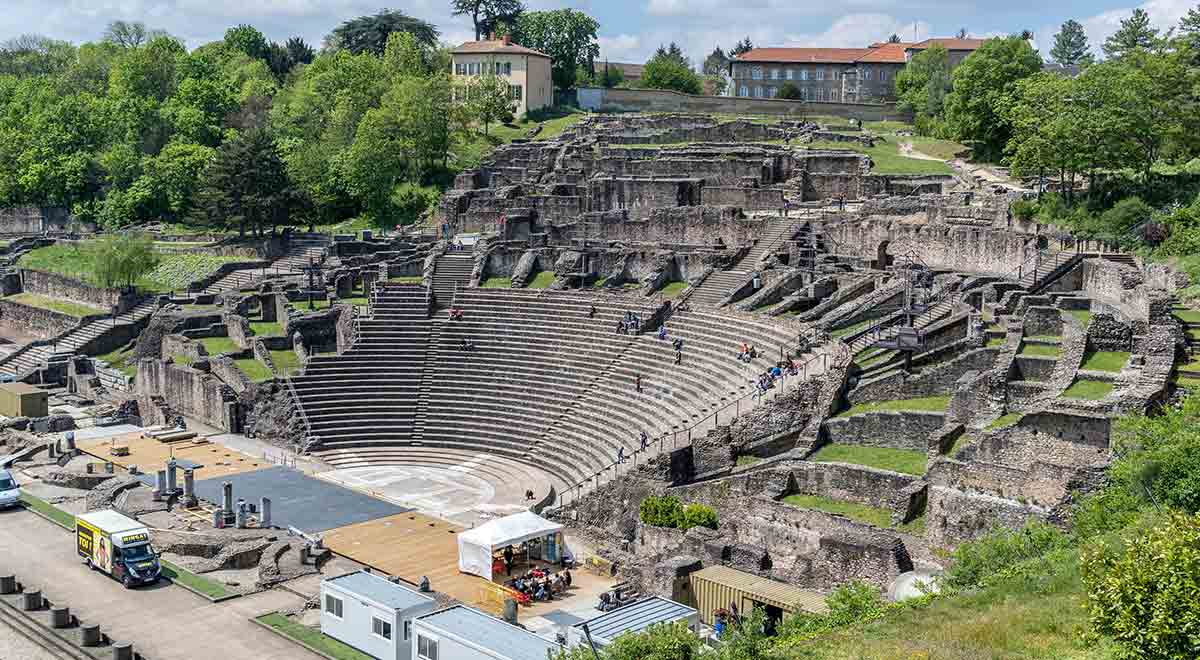
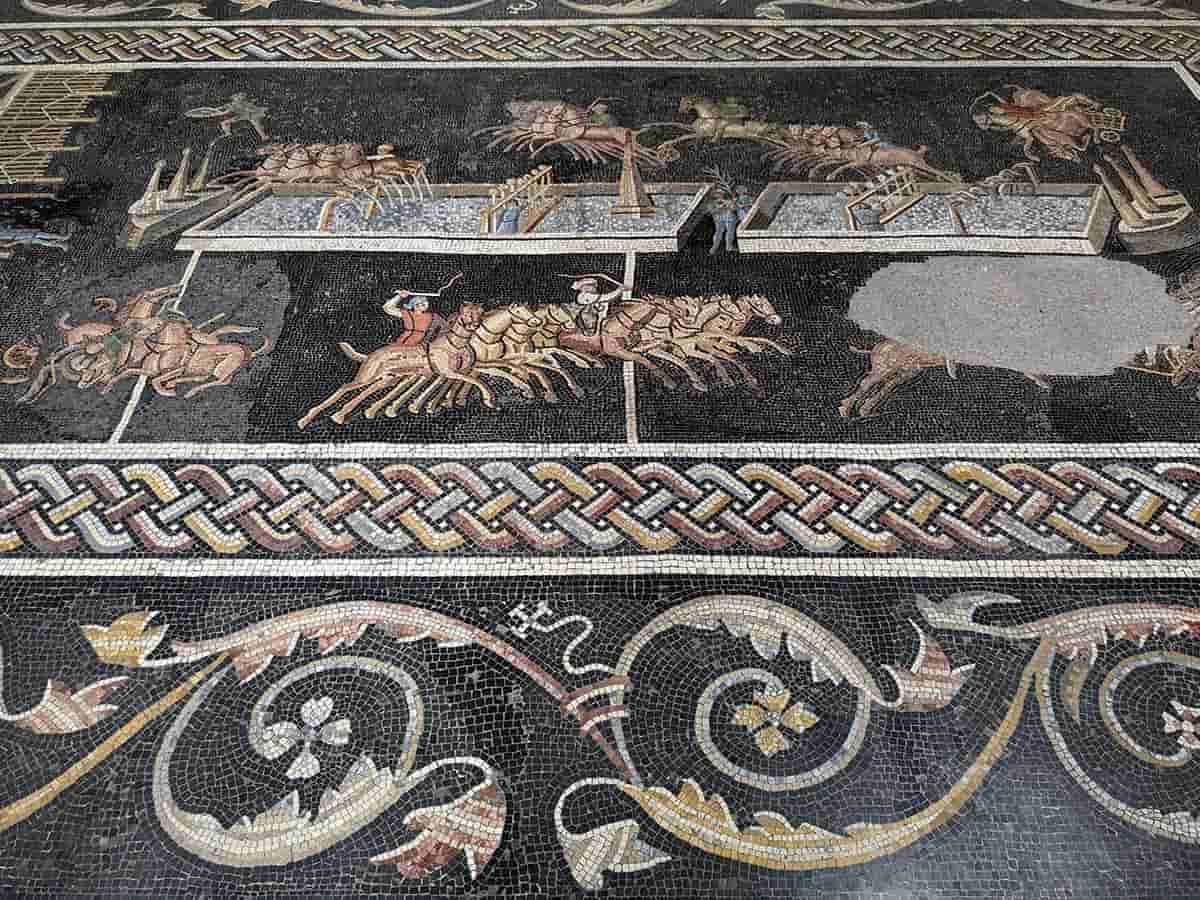
One of the hallmarks of Roman urbanism was the construction of great entertainment venues across the Empire. From Britain through to North Africa and Syria, the cities of the empire were home to structures such as amphitheaters, circuses, and theaters. These arenas were the venues for gladiatorial combat, chariot racing, or dramatic and comedic performances. Lugdunum was no different. A great theater was built in the city in the late 1st century BC. Testament to the city’s importance, this was the first such permanent theater ever built in the province.
In its original iteration, the theater was likely able to accommodate around 5,000 spectators. However, during the reign of Hadrian (AD 117-138), the theater was expanded. A third tier of seating was added to the structure, with the theater now able to accommodate almost 11,000 spectators.
The Odeon: Musical Performances & Poetry Recitals
Alongside the theater at Lugdunum, quite literally, there are the remains of another entertainment venue from antiquity. This is an Odeon. These structures are also typical of Roman cities across the Empire. They served as venues for musical performances, including singing and poetry recitals.
In terms of structure, Odeons were similar to theaters but on a considerably smaller scale. This difference in size is clear from the two sets of remains at Lugdunum. Like the theater, the Odeon at Lugdunum is a Hadrianic structure.
Lugdunum Amphitheater: Gladiatorial Combats
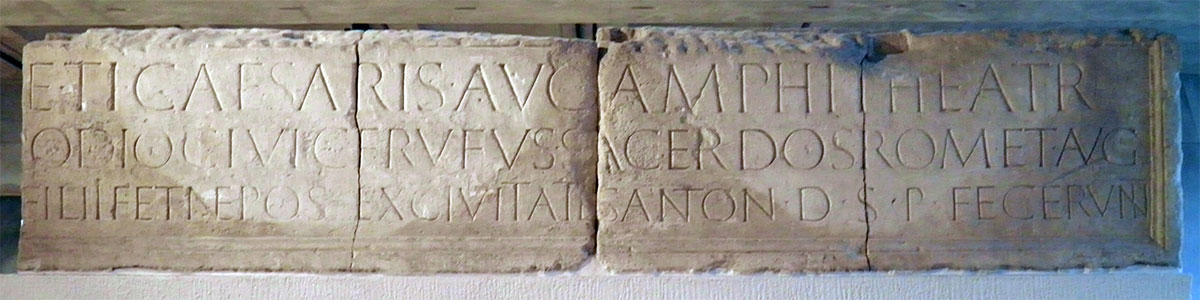
For residents and visitors to ancient Lugdunum, there were not only dramatic productions to enjoy, but also gladiatorial combats. Located a little way from the center of the modern city, there is the so-called Amphitheater of the Three Gauls. The structure has this name because of the proximity of the arena to the “Sanctuary of the Three Gauls,” where the imperial cult altar was located.
Epigraphic evidence attests that the arena was built in AD 19 by Gaius Julius Rufus, the first priest in the cult of Roma and Augustus at Lugdunum. Interestingly, Rufus belonged to a family of Gallic aristocrats who are known to have bequeathed other cities in the Empire with similar public monuments. One relative, from Aquitaine, oversaw the construction of the triumphal arch in Mediolanum Santinum (modern Saintes).
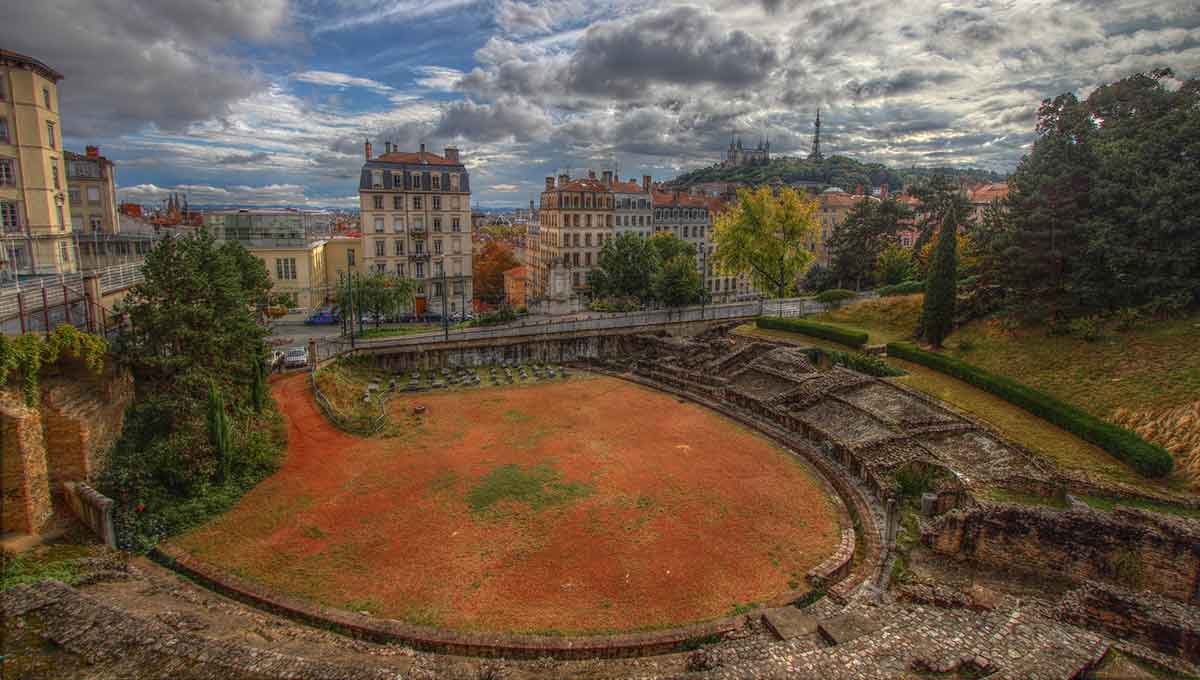
Although one would not typically associate an amphitheater with poetry, Suetonius records that the emperor Caligula gave recitals in Lugdunum, and the arena, which could hold more spectators than the theatre, seems like a plausible venue.
Much like the theater, the amphitheater also testifies to the growing importance of Lugdunum during the early 2nd century. In the Hadrianic period, the amphitheater was expanded, increasing the seating capacity to around 20,000 spectators, almost double the amount that could be accommodated in the theater. However, the arena at Lugdunum was still modest by comparison to the mighty Colosseum in Rome, as well as other provincial venues in Gaul itself, including the amphitheaters at Nimes and at Arles.
Devotion: The Sanctuary of Cybele at Lugdunum
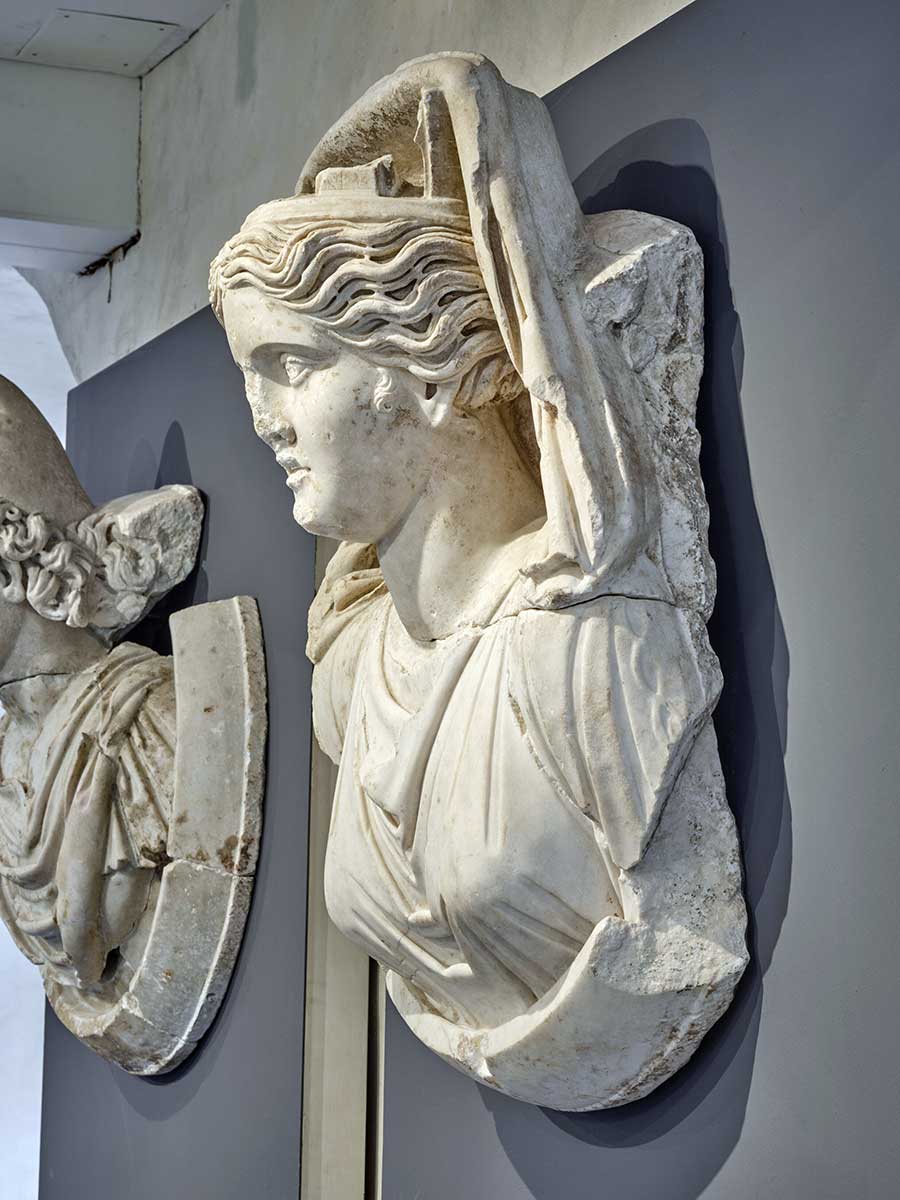
The religious landscape of the Roman Empire was exceptionally busy. The high degree of receptivity towards gods and heroes from conquered territories ensured that cities across the Empire were home to temples, sanctuaries, and shrines dedicated to a variety of deities. Lugdunum testifies to this religious pluralism, with a 2nd-century AD temple dedicated to Cybele.
Originally hailing from Anatolia, in Asia Minor, the goddess Cybele is also often referred to as Magna Mater (Great Mother). Worship of Cybele was associated with frenzied, ecstatic rites, although it must be noted that many accounts of the goddess date to the later imperial period and contain anti-pagan polemic from Christian authors. The goddess first came to Rome in 205 BC, when the Sibylline Oracle recommended that the goddess be brought to Rome to aid the city in the Second Punic War.
Baths and Aqueducts in Roman Lugdunum
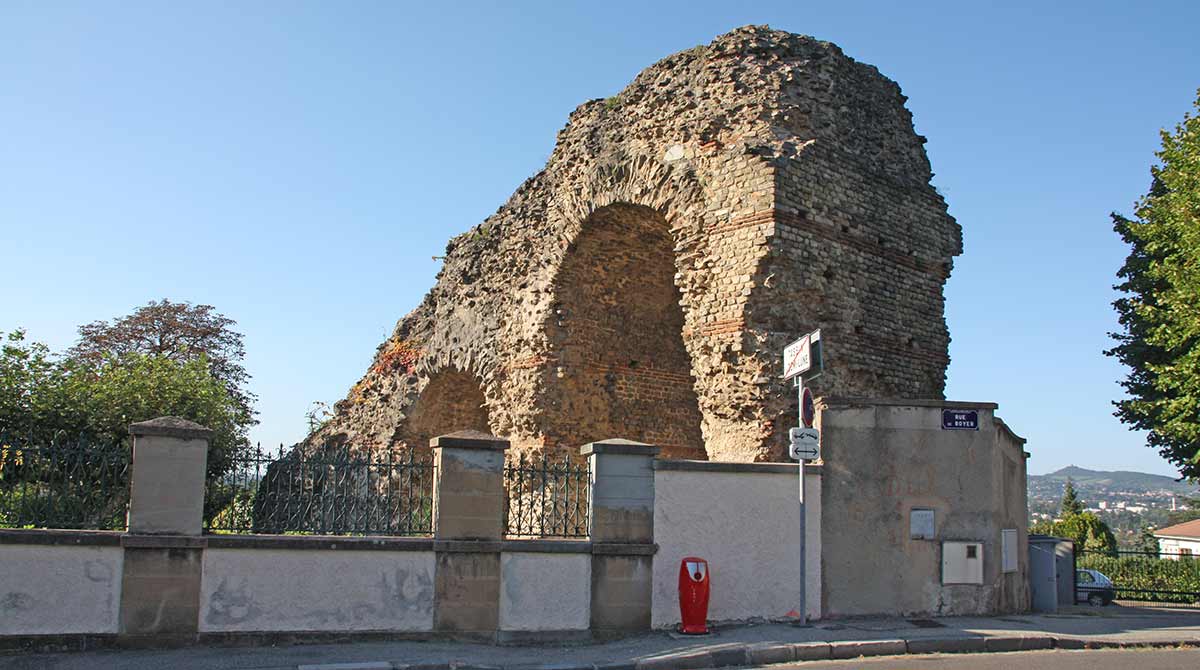
Modern Lyon is also peppered with the remains of Roman aqueducts and the thermae (baths) that they once fed. At its height in the mid-2nd century AD, Lugdunum benefitted from the fresh water delivered by four aqueducts; today, the remains of two of these can still be seen. One of these, called the Aqueduc de la Brevenne, is located slightly to the west of the theater and dates to the reign of Claudius. As the name suggests, the aqueduct ran from the Brevenne river into Lugdunum, covering a distance of over 70 kilometers.
To the south of the theater and sanctuary complex, there are the remains of the Thermes Antiques de Lyon, or the Ancient Baths of Lyon. Dating to the 1st century AD, the remains of the thermae at Lyon are not, unfortunately, as spectacular as the mighty imperial thermae at Rome, or even those in Bath, England.
Discovering Roman Lugdunum
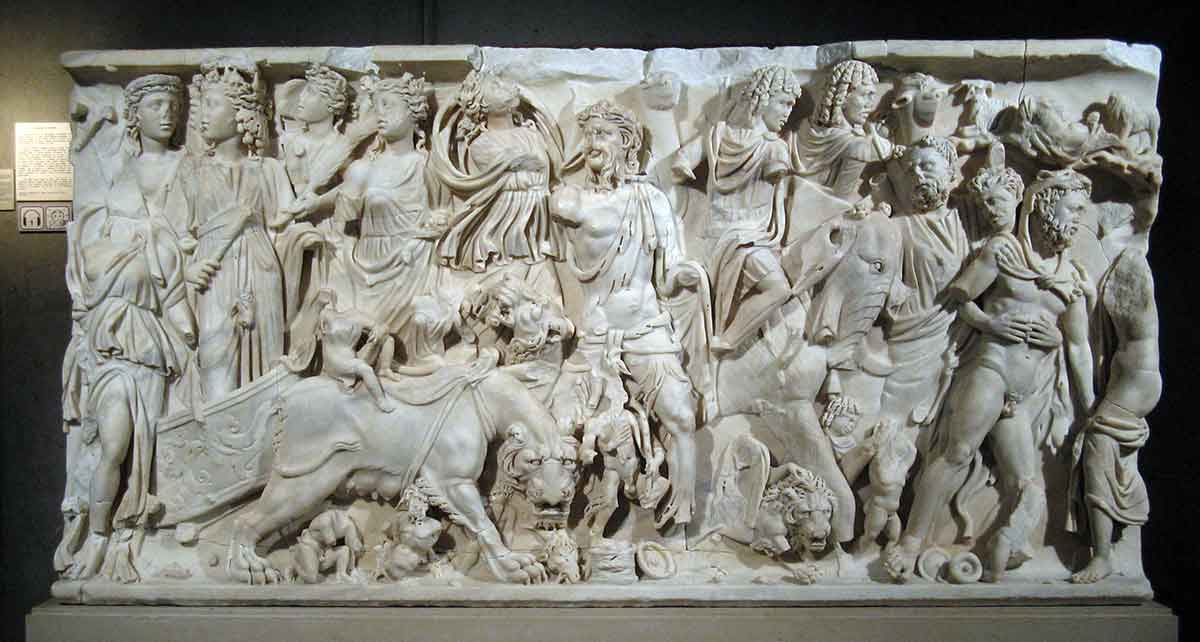
In the latter decades of the fourth century AD, a rhetor from Aquitaine effectively summed up the decline in stature of Roman Lugdunum. Ausonius, a poet, rhetor, and the tutor of the emperor Gratian, compiled a poem known as the Ordo urbium nobilium. He lists the twenty most important cities in the Roman Empire at the time.
For Ausonius, Rome and Constantinople take the top two spots. Then, the mega-cities of Antioch, Alexandria, and Carthage. These are followed by some of the new imperial capitals, close to the frontiers, from which emperors could ride out to meet aggressors: Mediolanum and Treveris (Milan and Trier). Interestingly, the list does include a handful of cities from Ausonius’ native Gaul, including Arelas (Arles), Tolosa (Toulouse), and his home city of Burdigala (Bordeaux).
While Lugdunum is conspicuous by its absence from Ausonius’ list, the modern city of Lyon is bedecked by the archaeological remains of its storied antiquity.