
While Rome was successfully conquering the world in the 2nd century BC, some Romans thought that it was losing its soul. Territorial acquisitions saw staggering wealth pour into the city, and conquest in the East saw intellectual Greek slaves flood Rome, bringing with them “decadent” Hellenistic ideas. While many Roman elites eagerly adopted Greek philosophy and Hellenistic luxury, Marcus Porcius Cato, better known as Cato the Elder, launched a relentless crusade to halt this transformation. He was convinced that foreign luxury would destroy the great Roman Republic.
What Was the Mos Maiorum That Cato the Elder Desperately Defended?
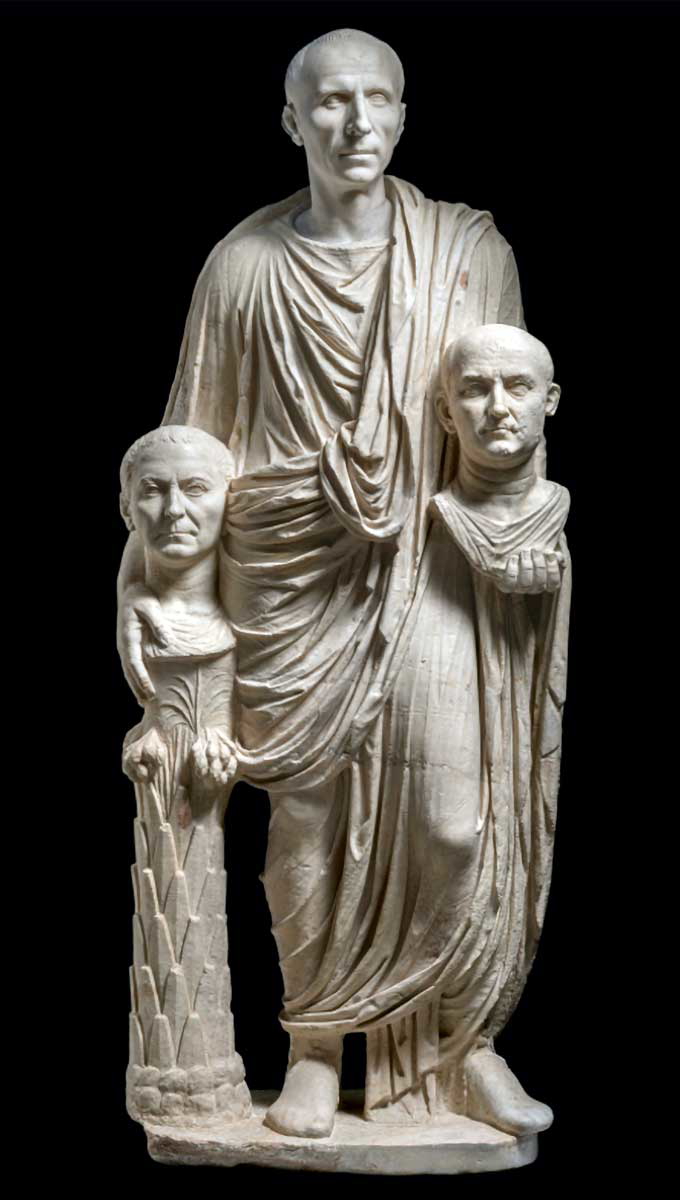
Rome was a highly conservative society built on mos maiorum (way of the ancestors). Ancestral precedent was prized, and innovation was treated with suspicion. The older the tradition, the more venerated; hence, many Roman customs were erroneously said to date back to the legendary time of the kings.
Mos maiorum underpinned many Roman traditions, from how rhetoric was taught to the absolute authority of the paterfamilias over his household. Tradition could be legally changed. For example, the Conflict of the Orders saw laws passed throughout the 4th century BC that allowed Plebeians to hold magistracies and priesthoods, such as the consulship, that were traditionally reserved for Patricians.
But mos maiorum remained central to the Roman identity. It was protected by the censors, magistrates elected roughly once every five years to review the moral health of the state and its individual citizens.
The core principles of mos maiorum were unwritten, that is, until Cato the Elder decided to write the first history of Rome in the Latin language around 168 BC. While only fragments of his Origines survive, it was a history of Rome from its legendary foundation to Cato’s own day at the height of the Republic. The work was filled with historic and legendary episodes that illustrated the Roman virtues that Cato considered the basis of mos maiorum.
| Roman Virtue | Meaning |
| Fides | Trustworthiness, honoring oaths, and fulfilling obligations. |
| Pietas | Commitment to the gods through proper religious observations, but also duty to the state and family. |
| Gravitas and Constantia | Self-control, perseverance, military discipline, and frugality. |
| Virtus | Roman “manliness,” including courage and excellence, and the rejection of luxury, which weakened the body and spirit. |
| Dignitas and Auctoritas | Service to the state, fostering a worthy reputation, and earning the right and authority to lead within the state. |
Cato’s perspective was formed by his background as an Italian farmer from Tusculum with a productive Sabine farm. While he managed a team of slaves, he also worked the land himself, following Roman traditions. One of his neighbors was Manius Curius Dentatus, a celebrated military commander from the Samnite Wars known for his simple lifestyle. Cato admired and emulated him.
How Did Hellenistic Culture and Wealth Threaten the Roman Republic?
During the early Republic, Rome was mostly concerned with dominating the Italian peninsula. After the First Punic War (264-241 BC), Rome gained control of Sicily as its first overseas province. It took Spain and areas of North Africa from Carthage following the Second Punic War (218-201 BC). The Third Macedonian War (171-168 BC) saw Hellenistic kingdoms become Roman clients, paying tribute to Rome. By 146 BC, the Greek world was almost completely under Roman control. These overseas territories started making Rome very rich.
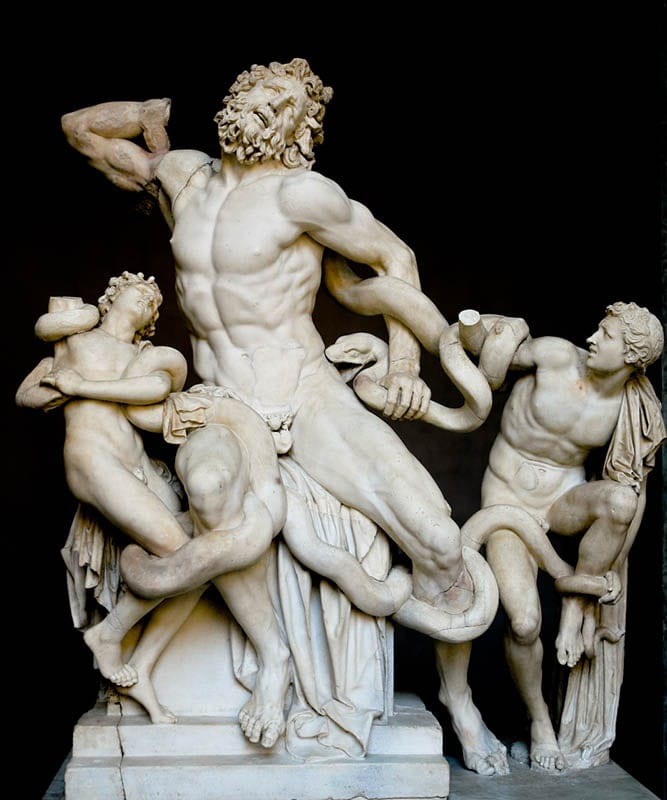
Eastern wealth poured in. Rome was receiving so much silver and gold that taxes for Roman citizens were abolished in 167 BC. Looted masterpieces decorated public buildings and private villas. Greek sculpture was so popular that creating marble copies of Greek bronzes became a thriving industry. This wealth was accompanied by an influx of Greek slaves, including educated Hellenistic philosophers and scientists who were put to work as tutors for Rome’s youth.
While it would take a generation for Greek ideas to truly embed in the Roman world, Cato and others like him already believed that Greek cultural influence was undermining Rome’s traditional morals. Cato famously educated his sons himself, saying he did not want them educated in the Greek fashion or by Greek slaves. He lamented how new luxuries were undermining the hearty Roman spirit and commitment to military service, and how aristocratic families were styling themselves after Hellenistic kings, choosing personal ambition over state pietas.
From Farmer to Senator: How Cato Became a Roman Statesman
According to Roman custom, Cato had no business becoming a senator. His ancestors were Italian farmers who never held the coveted Roman magistracies, monopolized by a few venerable families. But another one of his neighbors was the Patrician nobleman Lucius Valerius Flaccus. He noted Cato’s military abilities, which he had already proven as a young man, and his logical eloquence, developed as a local arbitrator. Flaccus also shared Cato’s conservative views. He brought the Plebeian novus homo to Rome and acted as his patron.
Flaccus was the leader of a traditional conservative faction in Roman politics that opposed a Philhellenic modernizing faction led by some of Rome’s most successful generals, including Scipio Africanus and Titus Quinctius Flamininus, who had benefited personally (politically and financially) from Rome’s conquests.
Cato’s career followed the traditional cursus honorum of the Roman Republic. He did his early military service during the Second Punic War, including participating in the Battle of Metaurus, where Hannibal’s brother Hasdrubal was slain. This cemented his military reputation, winning him the quaestorship for 204 BC. He accompanied Scipio Africanus to Sicily while the general was planning his campaign in North Africa that would end the war a few years later. As Flaccus opposed the move in the Senate, Cato criticized Scipio for his extravagant war expenses. Nothing came of this as Scipio won the Second Punic War for Rome.
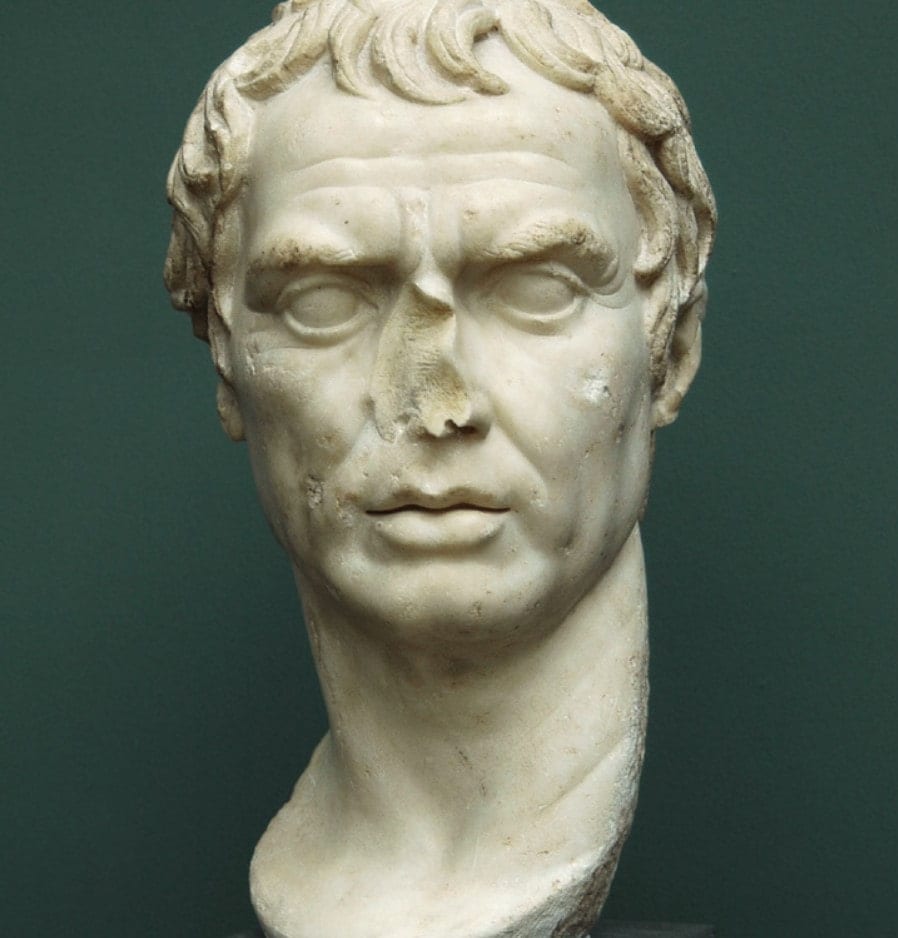
Cato went on to serve as aedile in 199 BC, restoring the Plebeian Games. He was praetor in 198 BC, serving in Sardinia, where he was noted for his frugality, walking to his appointments with a single secretary rather than a full entourage. He was elected consul for 195 BC alongside his patron, Flaccus.
Cato took Hispania Citerior as his proconsular province, where he quickly and ruthlessly subdued the local tribes. He showed his commitment to frugality by laboring with his common soldiers but was also ruthless in his treatment of the locals. He stripped the defeated of all their wealth and arms and even executed soldiers who had surrendered. His ruthlessness was consistent with his ideals: Cato believed that the Romans were superior and had the right of conquest. While he was criticized by some of his contemporaries for his actions, notably Scipio Africanus, Cato was awarded a triumph.
Cato would finish his military career by serving as a legate at the Battle of Thermopylae in 191 BC, defeating the Seleucid King Antiochus III, helping bring the Greek world further under Roman control.
What Tactics Did Cato Use as Censor to Combat Social Decadence?
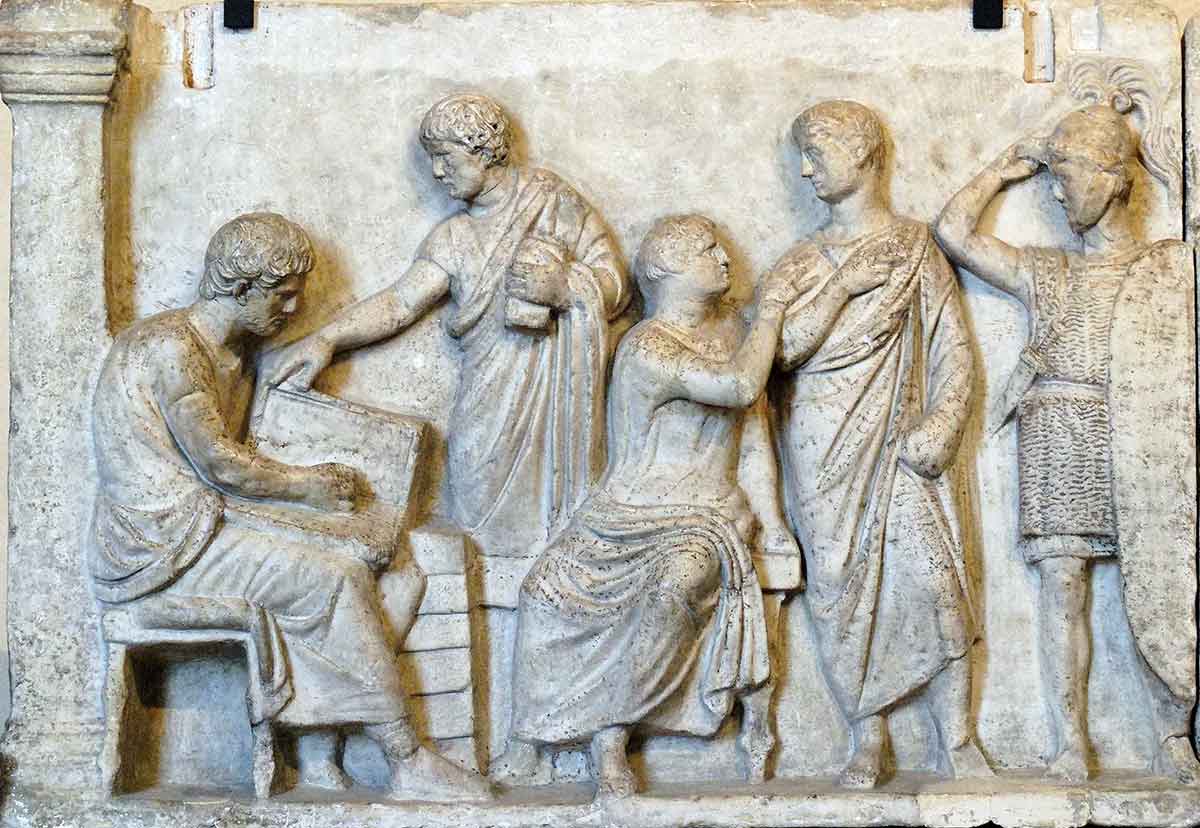
Cato’s final magistracy was the censorship in 184 BC, again together with Lucius Valerius Flaccus. While the consulship was the pinnacle of any man’s career, this was the position that Cato relished. It gave him the mandate to address the moral decline he believed Hellenistic influence had brought to Rome.
Cato’s criticism of Scipio had been ignored in 204 BC. During his consulship, he had unsuccessfully opposed the repeal of the Oppian Law, which was passed at the height of the Second Punic War to restrict female extravagance and save money for the public treasury. Women could not own more than half an ounce of gold, wear multi-colored clothing, or drive a carriage with horses in the city. He now had free rein to act.
The censors had the power to review membership of the Senate and expel senators who did not meet the financial threshold or whose behavior was considered unbecoming of the office. Cato expelled Lucius Quinctius Flamininus, the brother of the great general Titus and one of the key figures in the modernizing faction. His infraction was executing a Gallic prisoner with his own sword at a banquet to impress a favorite guest. He also expelled a senator named Manilius for kissing his own wife in public in front of his daughter, saying the act undermined his dignitas.
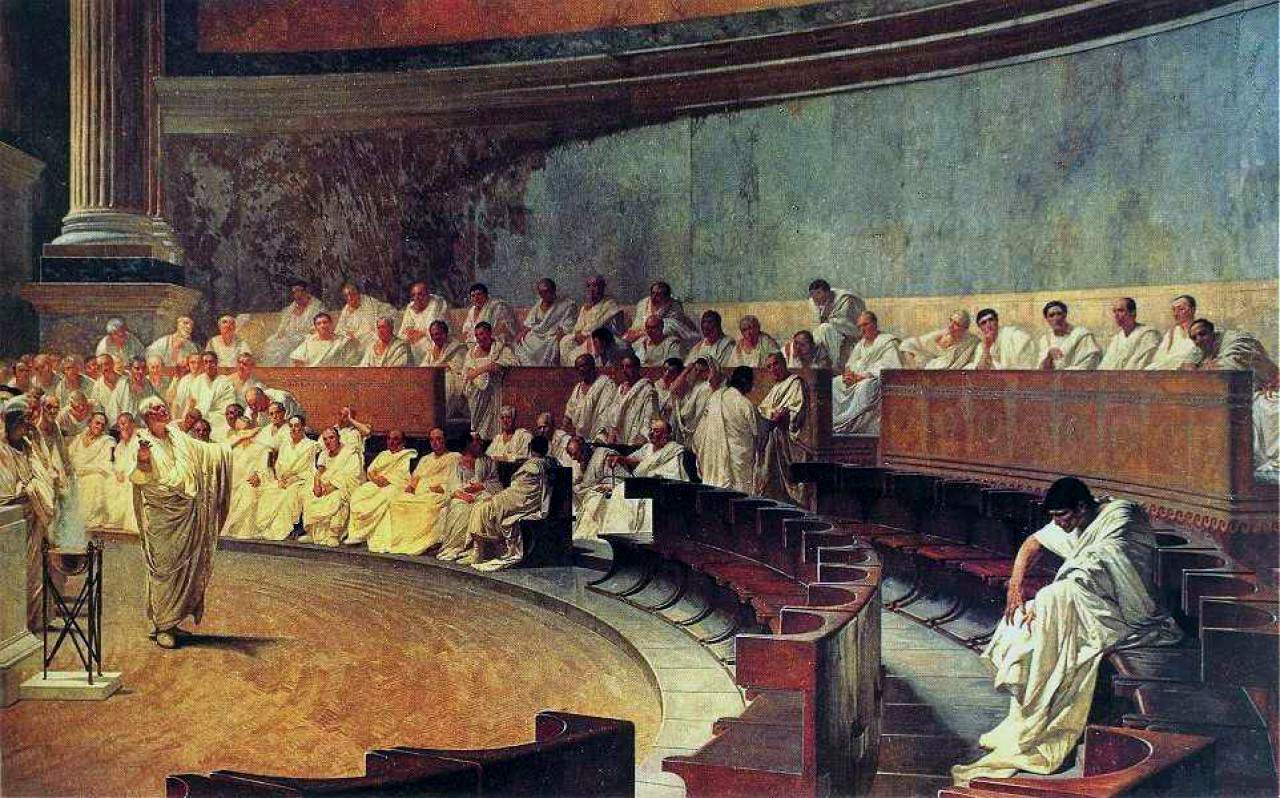
Cato also targeted Scipio’s brother, Lucius Cornelius Scipio, stripping his equus publicus and degrading his equestrian status after he was accused of embezzling 500 talents of gold. Cato also targeted Scipio Africanus for his actions during the Second Punic War. While Scipio, the hero of that war, was absolved by public acclamation without a trial, his reputation was sufficiently damaged that he retired to his Italian estate for the rest of his life.
Cato also introduced taxes to limit luxury. He passed a 1,000% tax on luxury goods such as jewelry, expensive carriages, dyed women’s clothing, and highly trained Greek slaves. He also reclaimed public land occupied by aristocrats and merchants over the years. This generated a financial surplus that was used to repair Rome’s aqueducts, extend the sewage system, and build the Basilica Porcia, Rome’s first enclosed judicial and business hall.
Carthage Must Be Destroyed
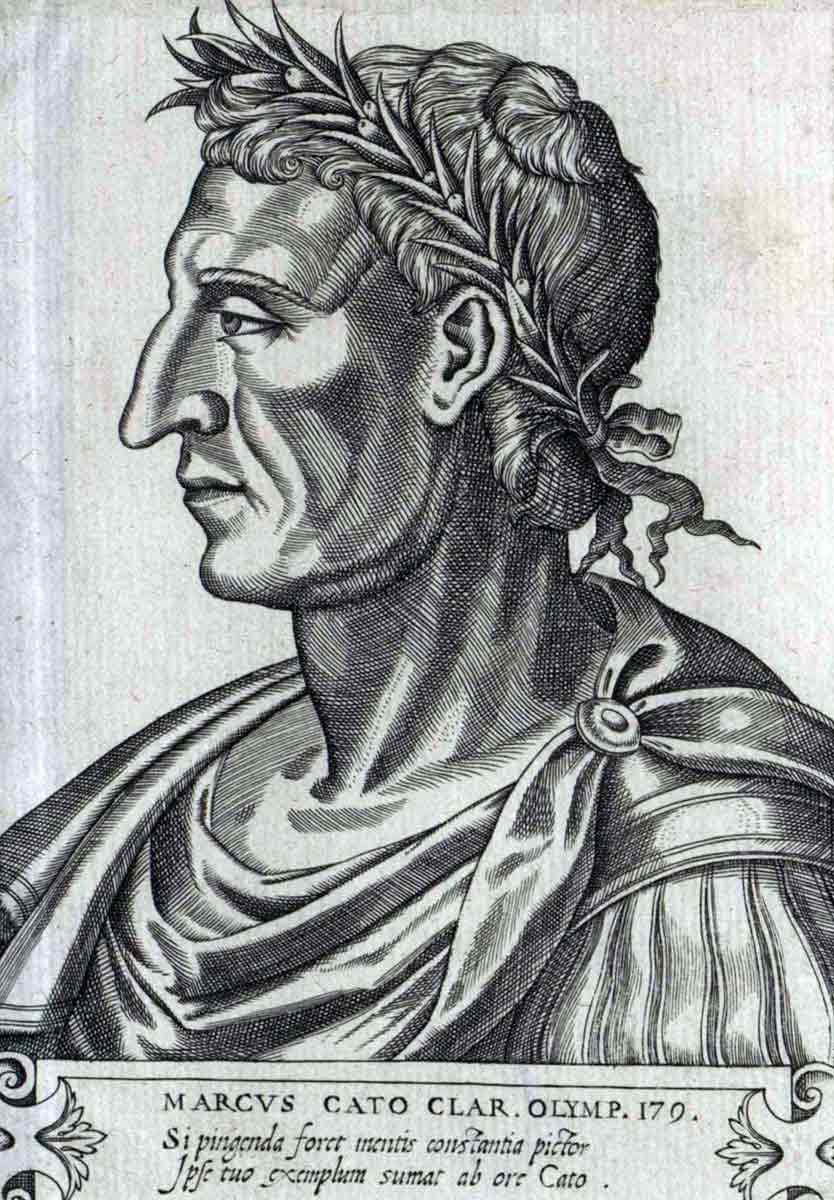
In his later years, as well as writing, Cato continued to serve as an anti-Hellenic voice in the Senate. He urged the expulsion of Greek philosophers visiting Rome as ambassadors and opposed the Bacchanalian mysteries, but he also set his sights on a new enemy.
He was sent to Carthage as part of a senatorial embassy in 153 BC and saw how Rome’s old enemy had rebuilt. From that time, reflecting the ruthlessness towards Rome’s enemies for which he was known, Cato urged his countrymen to destroy Carthage. He infamously ended every speech he made in the Senate, regardless of the topic, with the entreaty that “Carthage must be destroyed.”
He died of natural causes at the age of 85 in 149 BC, and Carthage was destroyed just a few years later in 146 BC in the Third Punic War.
What Is the Lasting Legacy of Cato the Elder’s Cultural Crusade?
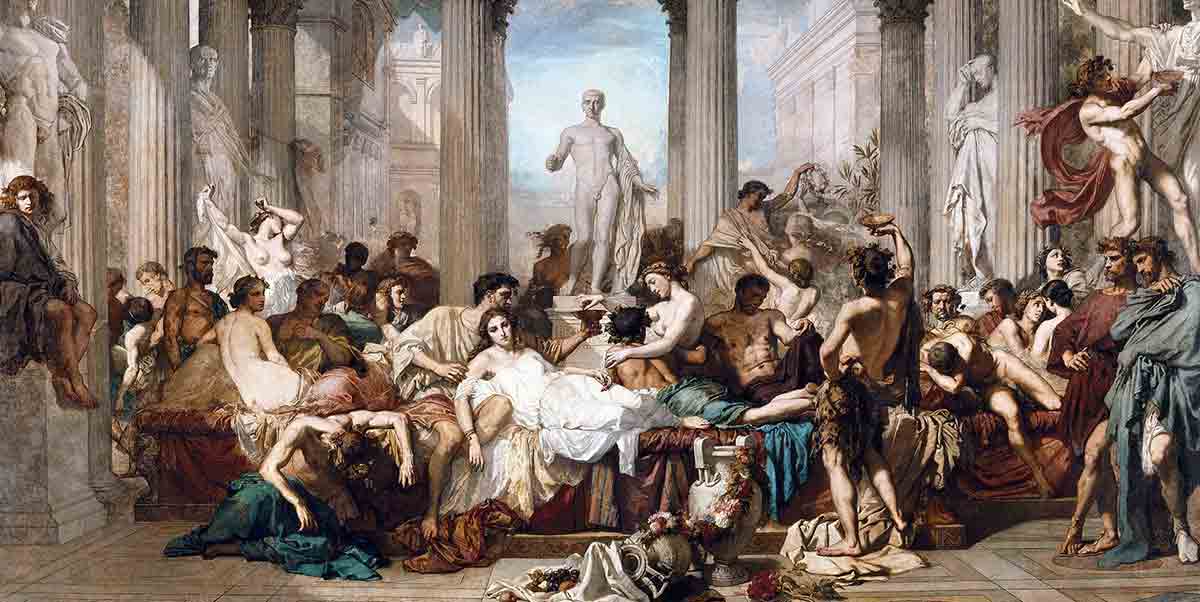
Cato, through his career, censorship, and lived example, established a clear definition of Roman Virtus and mos maiorum that would remain fundamental to the Roman identity for centuries. Cato was held up as the traditional Roman ideal, though changing times meant that it quickly became an unachievable ideal.
While Cato became an archetype, he failed to stop the Hellenization of the Roman world. Greek teachers and ideas came to dominate Roman education, and a grand tour of Greece to learn at its great institutions became standard for young Roman aristocrats. His sumptuary taxes did nothing to stop Romans from enriching themselves and investing in luxuries imported from the East. Grand mansions became commonplace in Rome. Even Cicero owned a mansion on the Palatine Hill, as well as at least eight Italian estates.
Crassus reportedly had a personal fortune equivalent to the entire annual budget of the Roman Republic. Like a Hellenistic king, this allowed him to raise a personal army of between 30,000 and 45,000 men to oppose Spartacus in 72-71 BC. He was only one of the king-like strongmen who emerged, alongside the likes of Sulla, Pompey, and Julius Caesar. As well as being a great and ambitious general, Caesar was considered a “Hellenistic dandy,” wearing Greek fashions, plucking his body hair, and holding sumptuous parties to garner support. Cato’s great-grandson, Cato the Younger, ostentatiously copied his ancestor’s precedent, with Caesar the main target of his campaign.
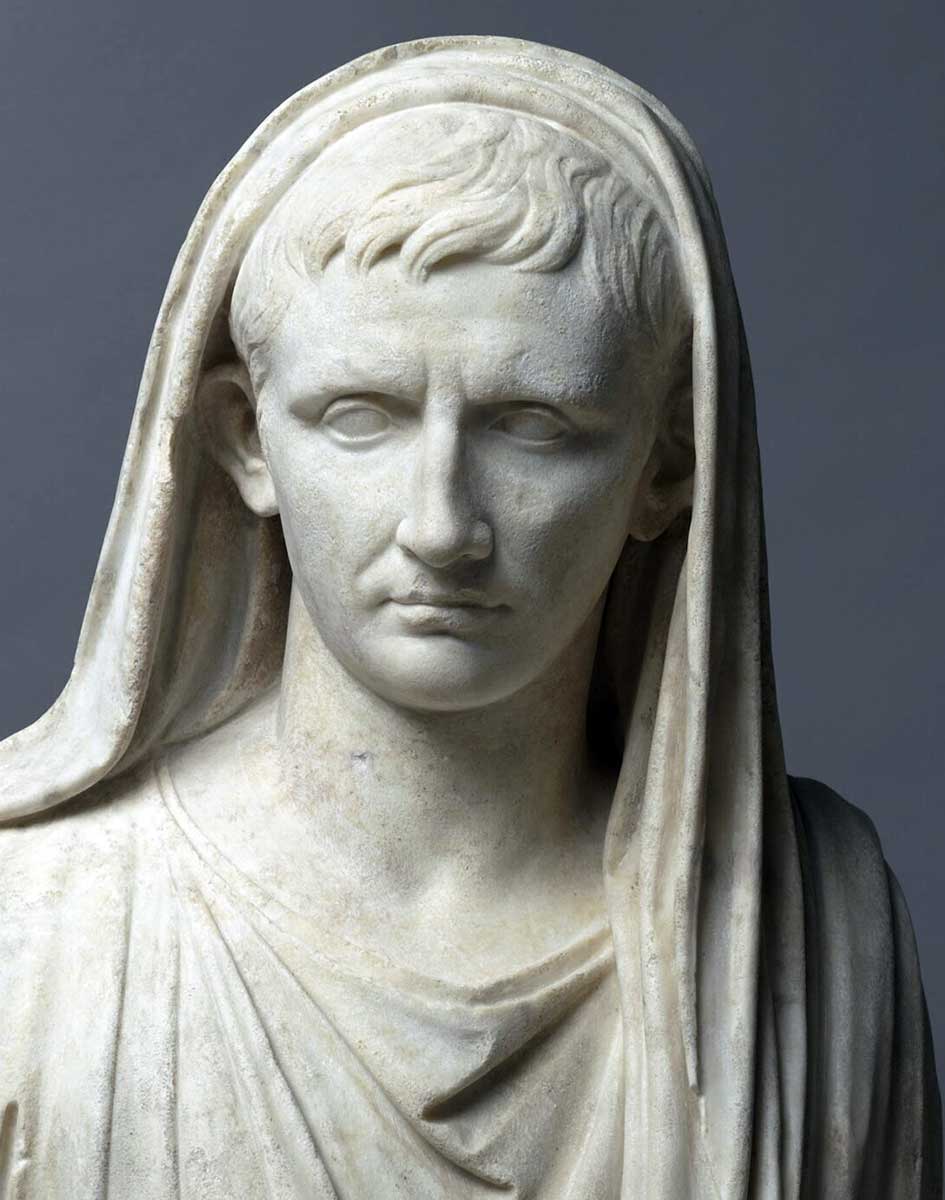
Caesar emerged victorious, becoming king in Rome in all but name. The venerable Roman Republic would officially become an Empire under his adopted son, Augustus. But to rationalize and justify his autocratic rule within the context of the crumbling Republic, Augustus looked to Cato’s example. He portrayed himself as restoring a Rome that had lost its soul. He claimed to reestablish mos maiorum, passing moral laws that limited luxury and punished bad behavior, such as adultery, as part of his broader program. Augustus adapted these conservative ideas to completely transform Rome for a new age.