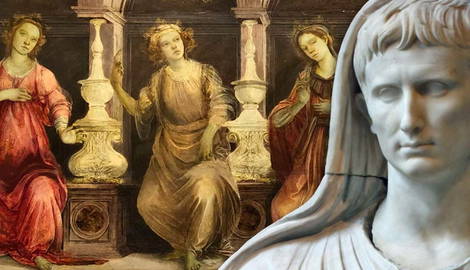

When Hannibal’s army slaughtered over 70,000 Roman soldiers at the Battle of Cannae, there was panic in the streets as the Carthaginians approached Rome. At this desperate moment, as the Romans often did, they looked to the divine. Religious officials were sent to the Capitol vaults to consult the Sibylline Books, to determine what the Romans could do to restore the favor of the gods. Following the ancient prophecies, the Romans undertook new religious rituals. Not long after, Rome defeated Hannibal and averted disaster. This is just one example of how the prophecies in the Sibylline Books saved Rome over the centuries.
The Legendary Origin and the Price of Prophecy
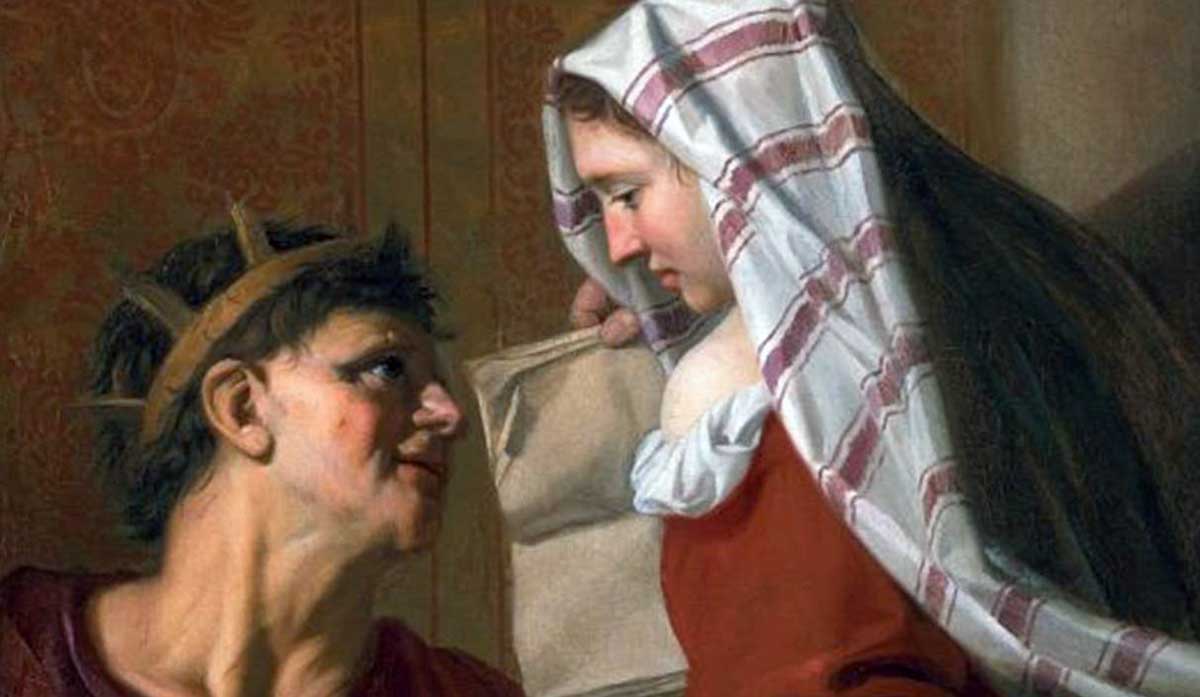
The Romans believed that the Sibylline Books came to Rome during the pseudo-historical time of the Roman kings. The last of Rome’s seven kings was Lucius Tarquinius Superbus, or Tarquin the Proud, known for his ruthless, tyrannical behavior, which justified the expulsion of the kings. He displayed this behavior when an old woman came to Rome, offering to sell him nine books of prophecies.
According to Roman tradition recorded by later historians, Tarquinius immediately rejected the offer, saying it was too expensive. The woman burned three of the books and offered him the remaining six for the same price. Again, he said no, and she burned another three books, offering him the remaining three for the same price. At this point, he seems to have realized his mistake. Tarquinius consulted Rome’s priests, who urged him to purchase the three remaining books for the full original price (Aulus Gellius, Attic Nights 1.19).
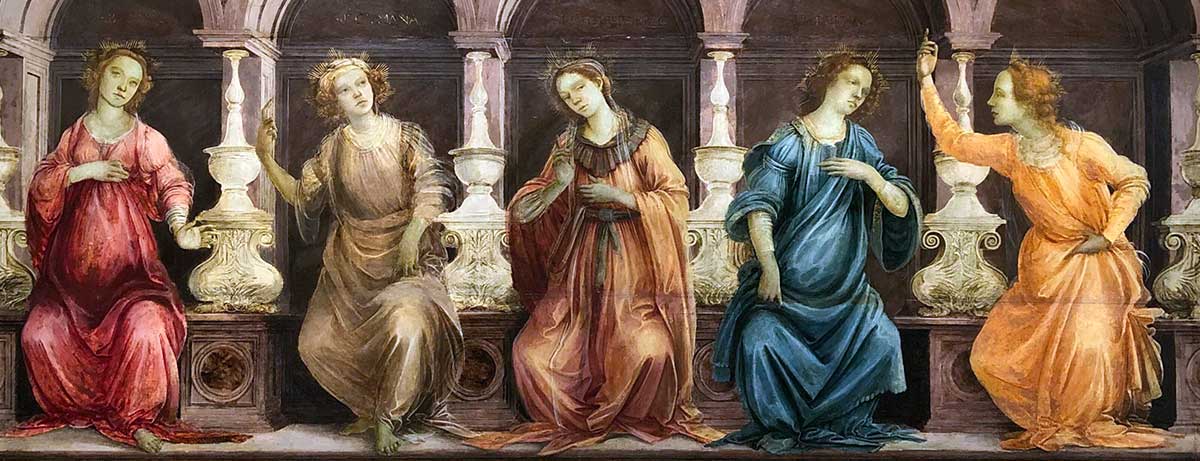
This old woman was the Cumaean Sibyl, the priestess who presided over the oracle of Apollo at Cumae in Naples, reportedly receiving prophecies inspired by the god. Apollo was closely associated with prophecy and had several oracular sanctuaries, the most famous being the Oracle at Delphi in Greece. But these nine books reportedly came from the Sibyl at Gergis on Mount Ida in the Troad (Asia Minor), not to be confused with the Cretan Mount Ida associated with the birth of Zeus. They were then passed to the Erythraean Sibyl in Asia Minor, one of whom famously predicted the Trojan War.
The Romans believed themselves to be descended from the Trojan prince Aeneas, which may have increased the value of these specific oracles. But they would have been highly valued regardless. The Romans believed that the gods influenced events and made their intentions clear through prophecies and omens. They considered it important to determine the will of the gods and act accordingly to secure their favor. Consequently, they consulted the auspices before any major decisions, such as going to war or holding elections.
The Quindecimviri and the Strict Politics of Roman Revelation
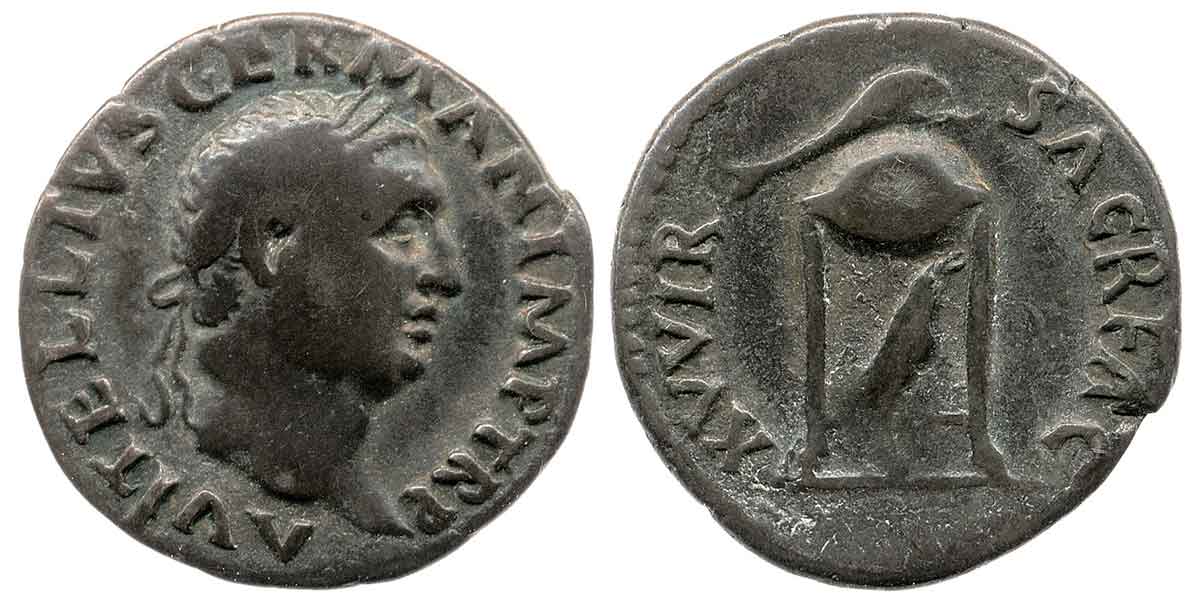
Once acquired, the Sibylline Books were stored in a sacred vault beneath the temple of Jupiter on the Capitol. Initially, their care was entrusted to two patricians. In 367 BC, their number increased to ten, with five patricians and five plebeians, as part of new policies to enfranchise the plebs. Later, probably under Sulla, they increased to 15 and became known as the quindecimviri sacris faciundis (fifteen men for the performance of sacred rites). By then, the priests were chosen from ex-consuls and ex-praetors, and they held the position for life, giving them significant political clout.
The Sibylline Books were not used to predict the future. When the Romans observed a particularly sinister omen or faced a dire threat, the Senate instructed the priests to consult the books. From the books, the priests would instruct the people on what religious rites to perform to avert disaster. The full content of the books was never revealed, just the instructions of the priests, leaving plenty of room for political machinations.
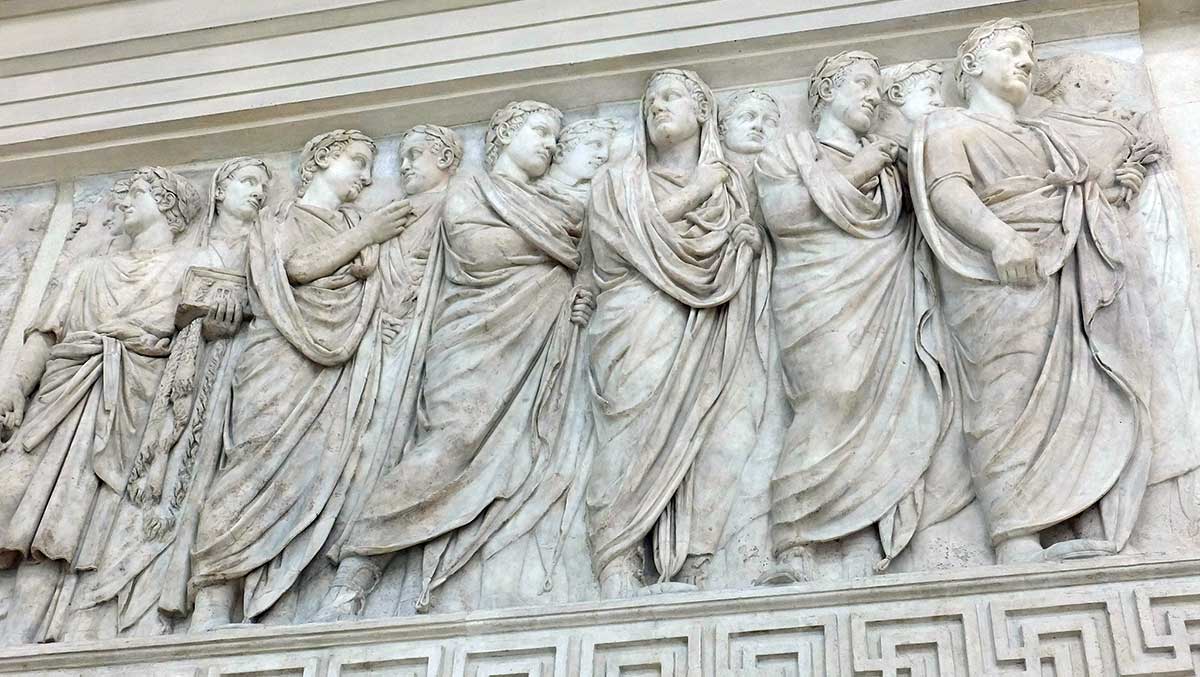
The ancient sources preserve several examples of the Sibylline Books being consulted. For example, Livy records that they were consulted in 399 BC (5.13) after a pestilence, and in 348 BC (7.27) during a plague. On both occasions, the prescription was a lectisternium ritual. Rather than a blood sacrifice, it was a divine dinner party, during which statues of the gods were offered sacred cakes and other delicacies.
Instructions could be more political. In 56 BC, the priests said that if the king of Egypt approached them for help, they should not grant him an army (Cassius Dio 39.12-16). It can be no coincidence that Ptolemy XII was seeking exactly that at the time.
Because of their secretive nature, while we know that the Sibylline Books were written in Greek in hexameter verse, their content remains a mystery. Supposedly genuine verses from the books were recorded by Phlegon of Tralles in his On Marvels, written in the 2nd century AD. They prescribe a long list of rituals following the birth of an androgyne, but the authenticity of these verses has been questioned. Other authors also reference the books, such as Flavius Josephus and Athenagoras of Athens. However, they are probably referencing unauthorized copies (more on this to come).
Guiding Rome Through the Horrors of the Second Punic War
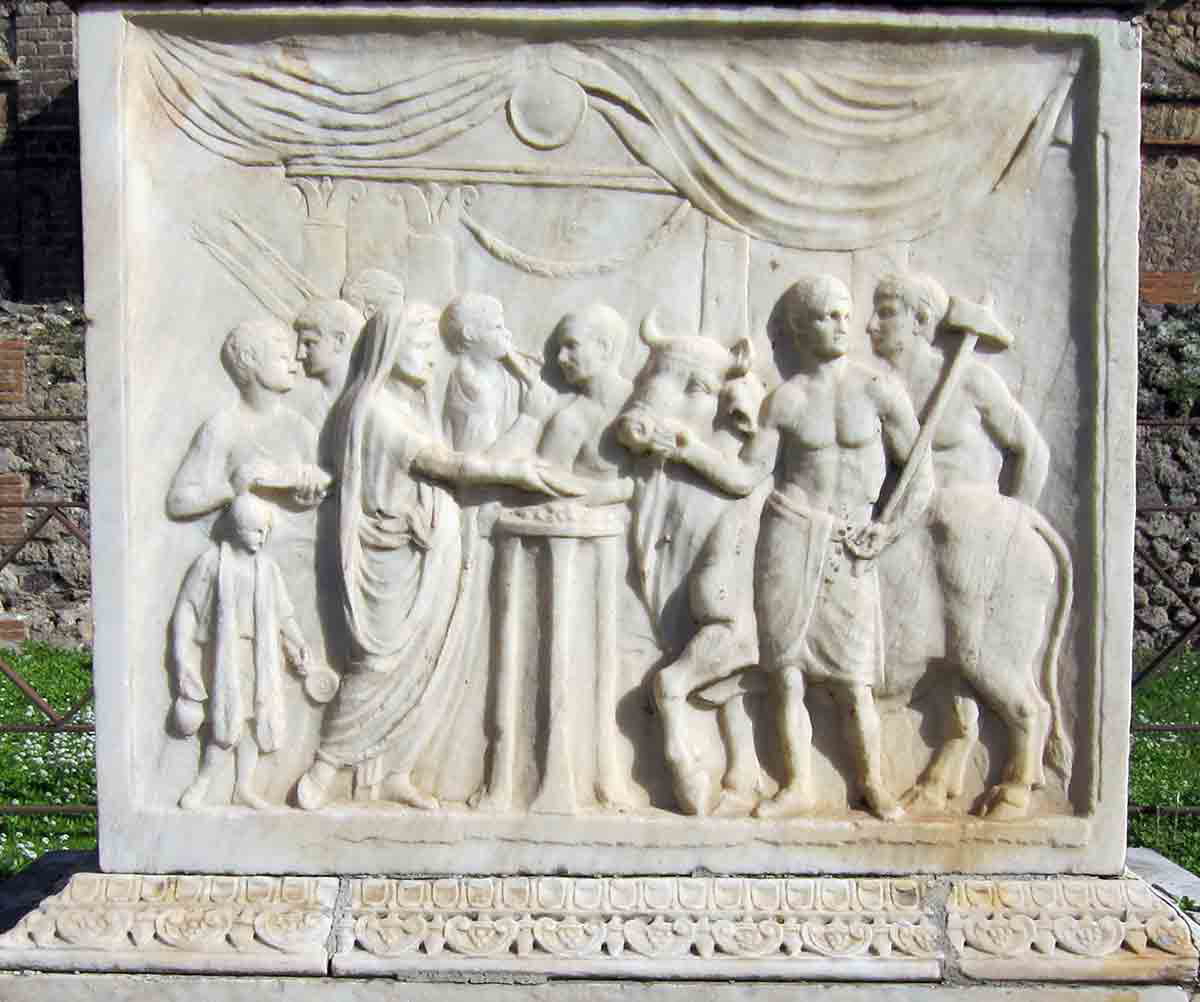
The most famous consultation of the Sibylline Books occurred in 216 BC when Rome was facing disaster. The Carthaginian general Hannibal had marched his troops from Spain over the Alps and into Italy, where he annihilated Rome’s legions at Cannae, killing as many as 70,000 Roman soldiers in a single day. This left little between Hannibal and Rome, and many Romans may have believed that their gods had forsaken them.
The Senate ordered the Sibylline Books consulted, and they recommended an unusual course of action. While the Romans typically considered human sacrifice barbaric, they were told to execute two Gauls, a man and a woman, and two Greeks, a man and a woman, by burying them alive in a stone subterranean chamber in the Forum Boarium (Livy 22.57).
While they performed the ritual, the paranoid Romans also sent a representative to the Oracle at Delphi for further advice. He returned with instructions for massive public prayers and offerings, which the Romans also performed (23.11).
Whether it was through the restored favor of the gods or the restoration of public confidence, Rome turned the tide and emerged victorious in the Second Punic War.
Importing Gods to Cure Plagues and Pestilence
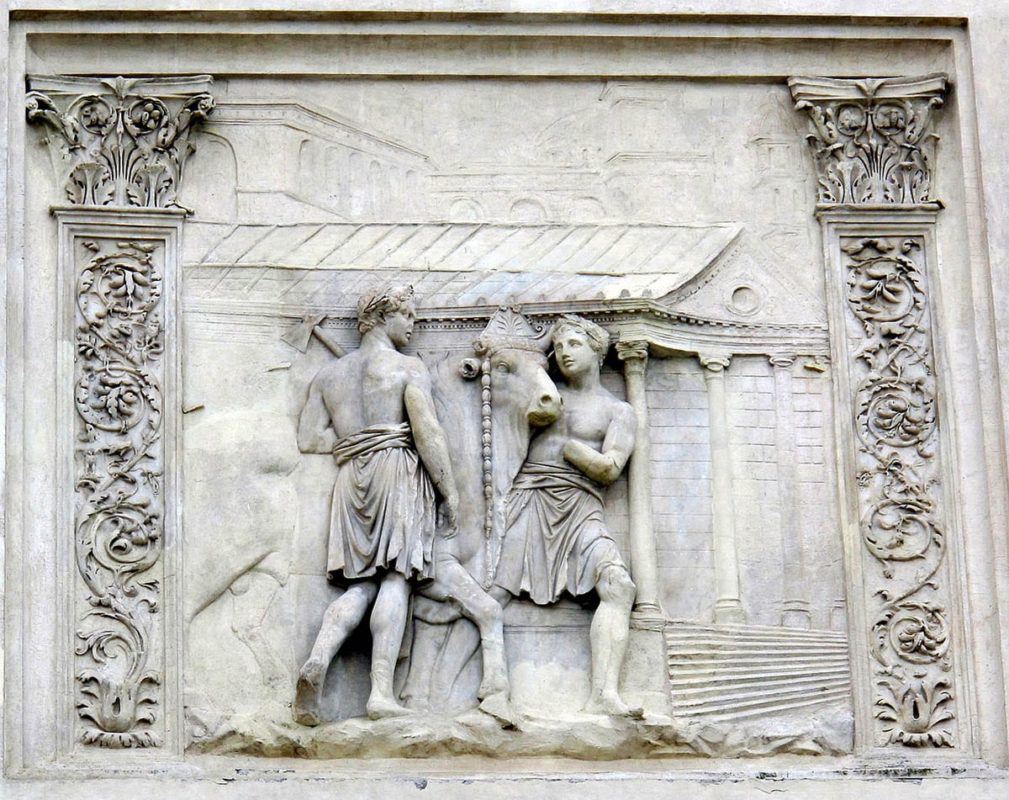
Nevertheless, the Romans would consult the Sibylline Books again before the war was over. In 205 BC, Hannibal no longer threatened Rome, but he was still refusing to leave Italy. In addition, many terrifying omens were observed, such as a rainstorm of stones and supernatural thunder. This time, the Romans were instructed to bring the goddess Cybele from Pergamon in Asia Minor to Rome (Livy 29.10).
The Romans, who often adopted foreign gods, believed that they needed to bring this foreign goddess into their contract with the divine, maintained through regular worship of the gods. An embassy was sent to King Attalus of Pergamon to negotiate for the black meteoric stone that was associated with her worship. They also stopped at the Oracle at Delphi along the way, which reportedly confirmed the counsel.
They were allowed to take it back to Rome, but the ship carrying it ran aground on a mudbank of the Tiber River and could not be dislodged. Those present began to panic that the goddess was refusing to enter Rome. But a matron, named Claudia Quinta, entered the river to give a prayer. She then attached her sash to the ship and single-handedly pulled the ship up the river, delivering the stone to Rome. The stone was installed in the Temple of Victory while her temple was being constructed on the Palatine Hill (Livy 29.14; Ovid, Fasti 4.247-348).
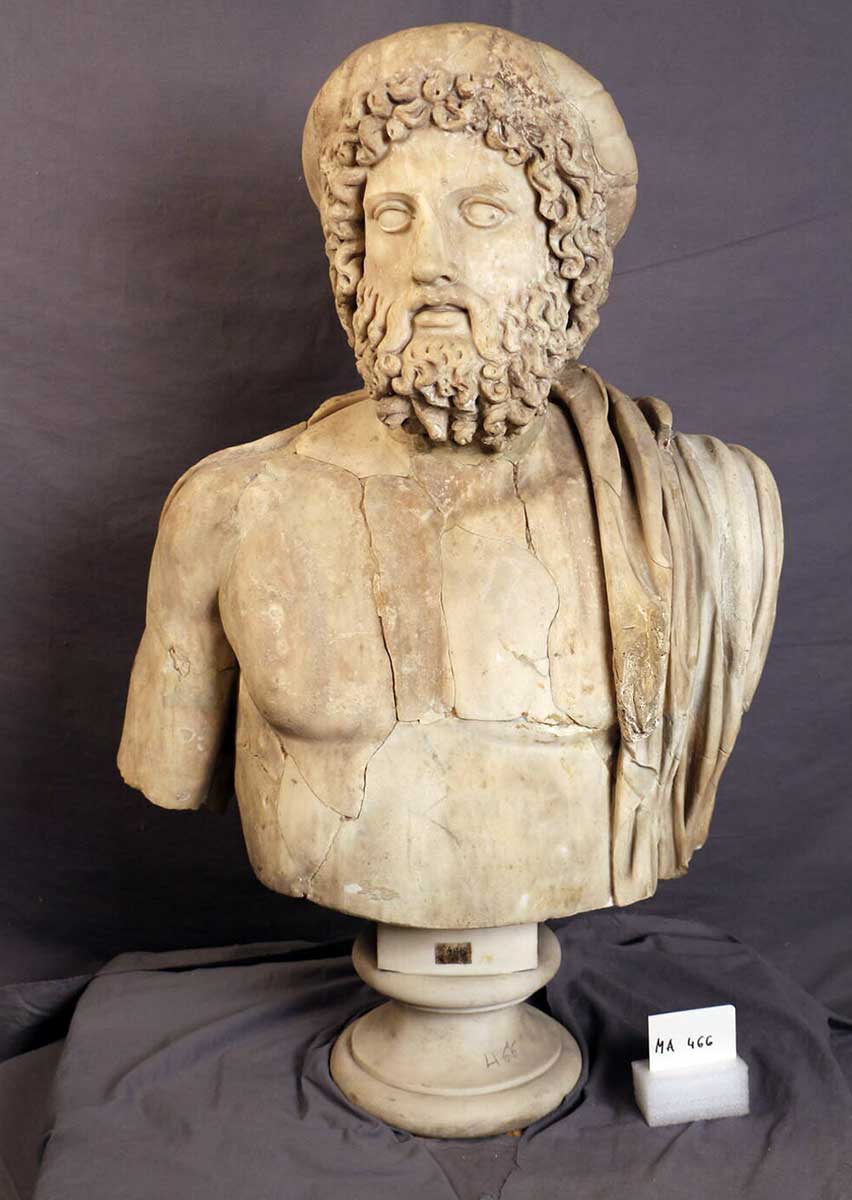
The advice of the Sibylline Books clearly worked, as within two years, there was an unprecedented harvest in Italy, easing wartime famine, and Scipio Africanus defeated the Carthaginians at the Battle of Zama.
Cybele was one of several gods imported to Rome on the advice of the Sibylline Books. Apollo Medicus was brought to Rome on the advice of the books in 433 BC in response to a pestilence that had crippled the city (Livy 4.25). The three agricultural gods, Ceres, Liber, and Libera, were imported in 496 BC in response to a severe famine (Dionysius of Halicarnassus 6.17). The books advised Rome to bring Asclepius to Rome in 293 BC following a pestilence, and an embassy was sent to his major sanctuary at Epidaurus in Greece. According to legend, a sacred snake of the god boarded the Roman ship and traveled to Rome (Livy 10.47; Ovid, Metamorphoses 15.622-744; Valerius Maximus 1.8.2). In 249 BC, Dis Pater and Proserpina (Hades and Persephone) were adopted (Zosimus, New History 2).
The Burning of the Capitoline and the Hunt for Lost Secrets
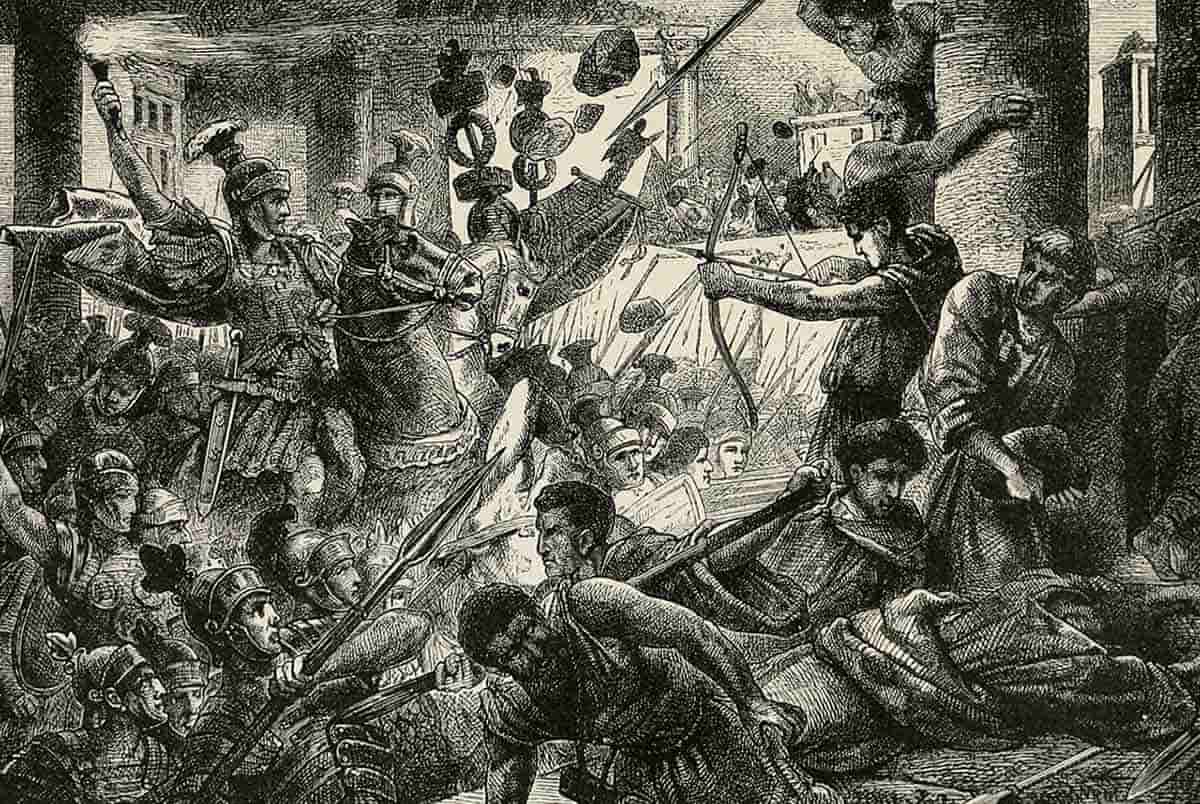
While the Sibylline Books were carefully protected, they did not remain unmolested throughout Rome’s history. During Sulla’s civil war, the patrician general marched toward Rome, causing chaos in the city. During the chaos, on the night of July 6, 83 BC, the Temple of Jupiter Optimus Maximus was burned. It is unclear how the fire started, whether it was arson, an accident, or divine wrath, but the temple was destroyed, and the Sibylline Books along with it (Dionysius of Halicarnassus 4.62).
By this time, both the temple and the Sibylline Books were integral to Rome’s religious and political infrastructure; Rome could not thrive without them. The temple was rebuilt on an even grander scale, but the books were a more difficult question. In 76 BC, the Senate committed to rebuilding the books. Envoys were sent across the Mediterranean to track down other, scattered verses of the Sibyls. They went back to the Erythraean Sibyl, visited the cities linked to ancient Troy, and even searched in Sicily and Africa (Lactantius, Divine Institutes 1.6)
Of course, considering their diverse sources, it was assumed that some of the collected verses were authentic, and others were fake. The Quindecimviri were entrusted with the task of sorting them and coming up with the New Sibylline Books. These were placed in the newly rebuilt Capitoline Temple (Dionysius of Halicarnassus 4.62).
However, the collection of all these prophetic verses drew attention, and unauthorized prophetic books circulated, used by politicians and rebels to support their interests. For example, Publius Cornelius Lentulus Sura, one of the principal players in the Catilinarian Conspiracy, claimed that the Sibylline Books confirmed his rise to greatness (Cicero, Third Catilinarian Oration 9-11; Sallust, Conspiracy of Catiline 47). In 44 BC, Caesar’s enemies used a reported passage to confirm rumors that Caesar aspired to kingship (Suetonius, Caesar 79; Appian, Civil Wars 2.10).
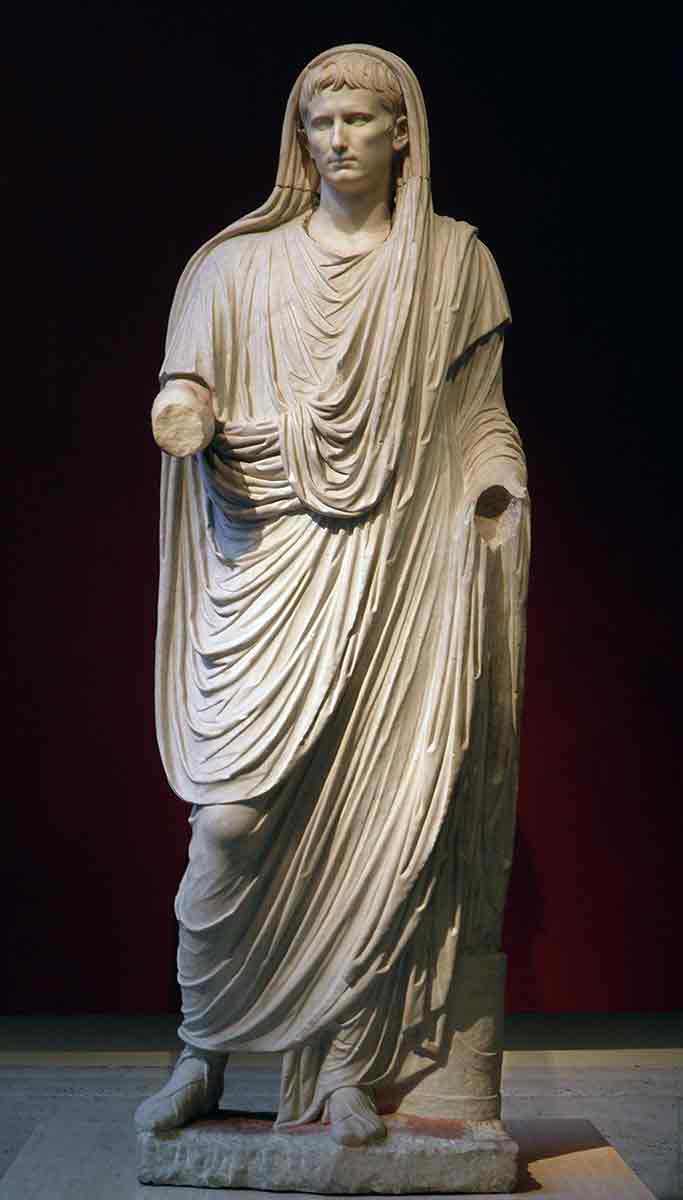
This did not suit Augustus, the first emperor, who wanted to control Rome’s religious and political narrative. Therefore, when he took the position of Pontifex Maximus (chief priest) in 12 BC, he ordered a city-wide sweep to collect all private prophetic books. They were burned, and it became illegal to own them. The official New Sibylline Books were moved to his new temple of Apollo on the Palatine Hill, bringing them under his control (Suetonius, Augustus 31; Tacitus, Annals 6.12).
The End of Pagan Prophecy in a Christian Empire
Following the Augustan precedent, the Roman emperors continued to control the Sibylline Books. For example, Tiberius refused to allow the books to be consulted when the Tiber flooded in AD 15, no doubt wanting to control the narrative without priestly interference (Tacitus, Annals 1.76). In contrast, Nero consulted the books after the Great Fire of Rome, looking for ways to restore public morale following the disaster (Tacitus, Annals 15.44).
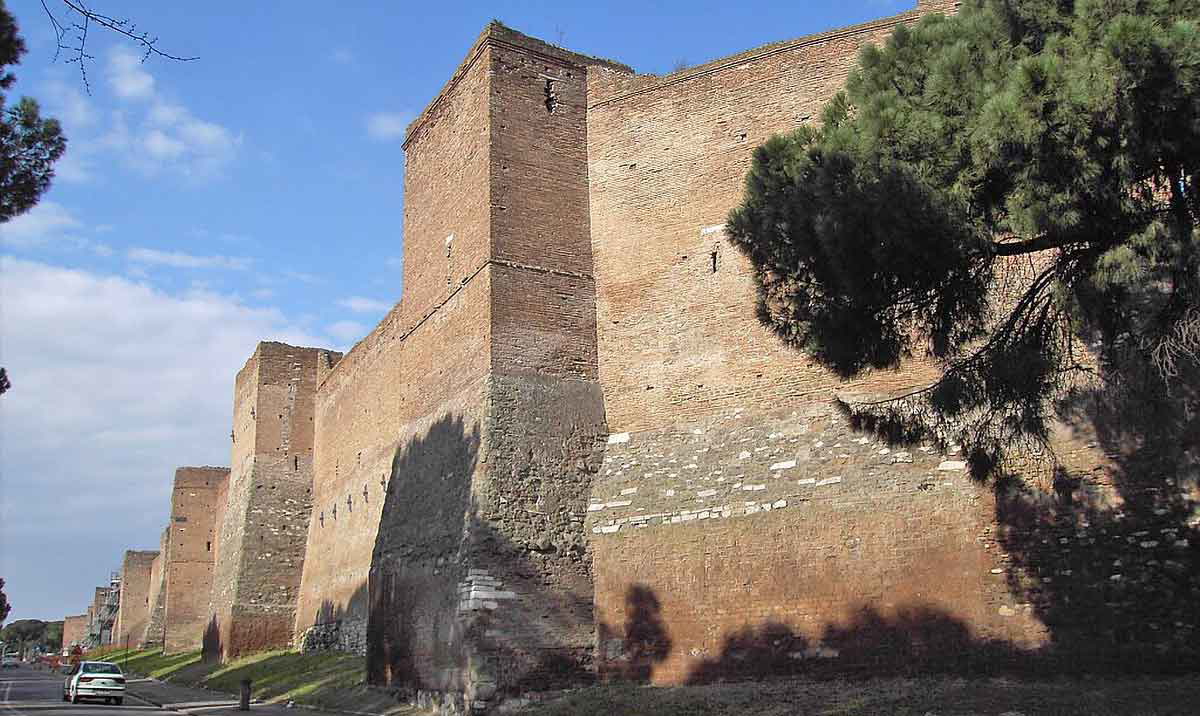
There are very few examples of the Sibylline Books being consulted during the later Empire. Aurelian consulted them in AD 271 when German tribes ambushed Roman troops at Placentia and then started marching toward Rome. The sources suggest that, with Aurelian on the battlefield, the Senate was reluctant to consult the books. He sent them a scathing letter telling them to do it. The books were consulted, ritual cleansing of the city was conducted, and Aurelian defeated the Germans (Historia Augusta, Aurelian, 20).
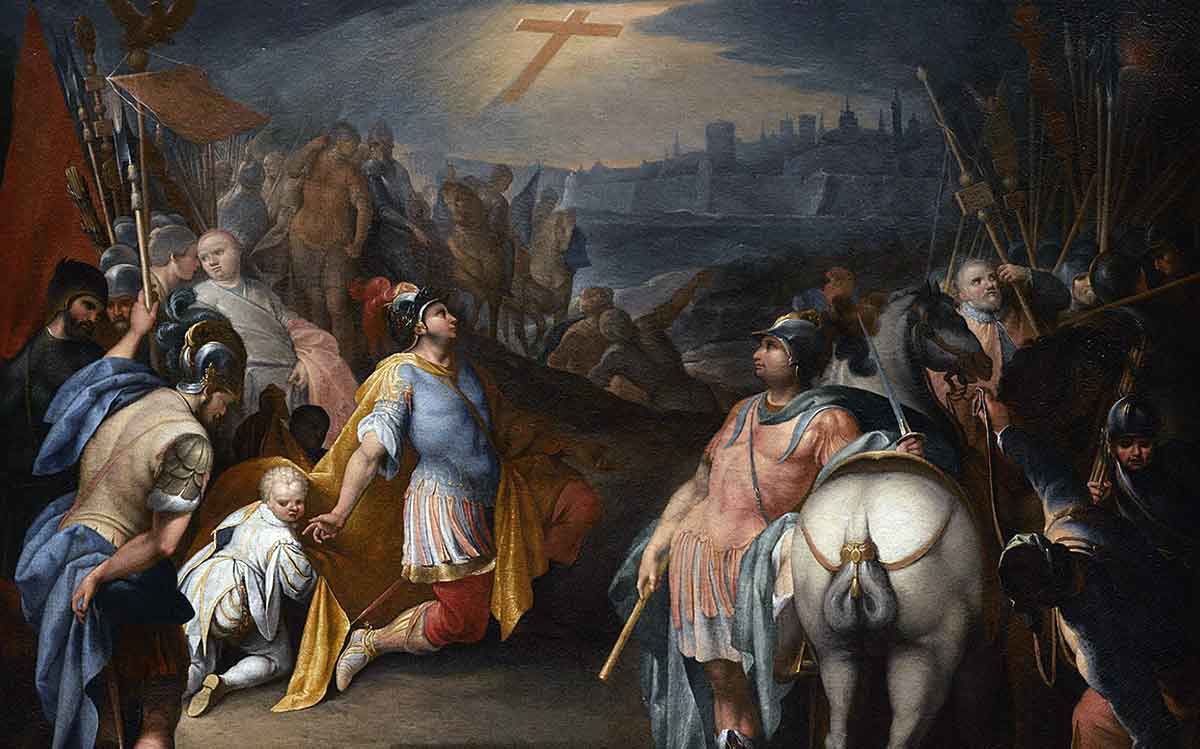
The emperor Maxentius also consulted the prophecies in AD 312 when his civil war adversary, Constantine, was marching from Gaul to Italy, to boost popular support. According to Lactantius, probably falsely, the books stated, “on that day, the enemy of the Romans shall perish” (On the Deaths of the Persecutors 44). Maxentius confidently marched into battle. But when Constantine arrived at the Battle of the Milvian Bridge, he reportedly saw a cross in the sky and the words, “in this sign, you shall conquer” (Eusebius of Caesarea, Constantine 1.28-31). Maxentius was defeated, and Constantine led the Christianization of the Empire.
With the rise of Christianity, the prophecies inspired by Apollo lost their weight. There is one more record of them being consulted, in AD 363, by Julian, the last pagan emperor. Potentially as part of his efforts to promote paganism in a quickly Christianizing Empire, he consulted the books before his expedition to Persia. As he was not in Rome, the message arrived by letter. It told him that he should not leave the borders of the Empire that year. No doubt considering his hefty logistical investment, Julian decided to march anyway, and he was killed (Ammianus Marcellinus, Res Gestae 23.1.7).
At the end of the 4th century, Theodosius passed decrees banning pagan practices. Nevertheless, the books were left in place, as symbols of Rome’s history. But about a decade later, General Stilicho, under the Western emperor Honorius, needed funds to deal with the Visigoths. He stripped the gold from the Temple of Jupiter and melted down statues. He was criticized for destroying Rome’s history, and the Sibylline Books became a rallying point for opposition (Rutilius Claudius Namatianus, On His Return 2.41-60). So, in AD 405, Stilicho had the books publicly burned. With them, he may have destroyed Rome’s divine protection. The Visigoths sacked the city in AD 410, and within a few decades, the Western Empire collapsed.