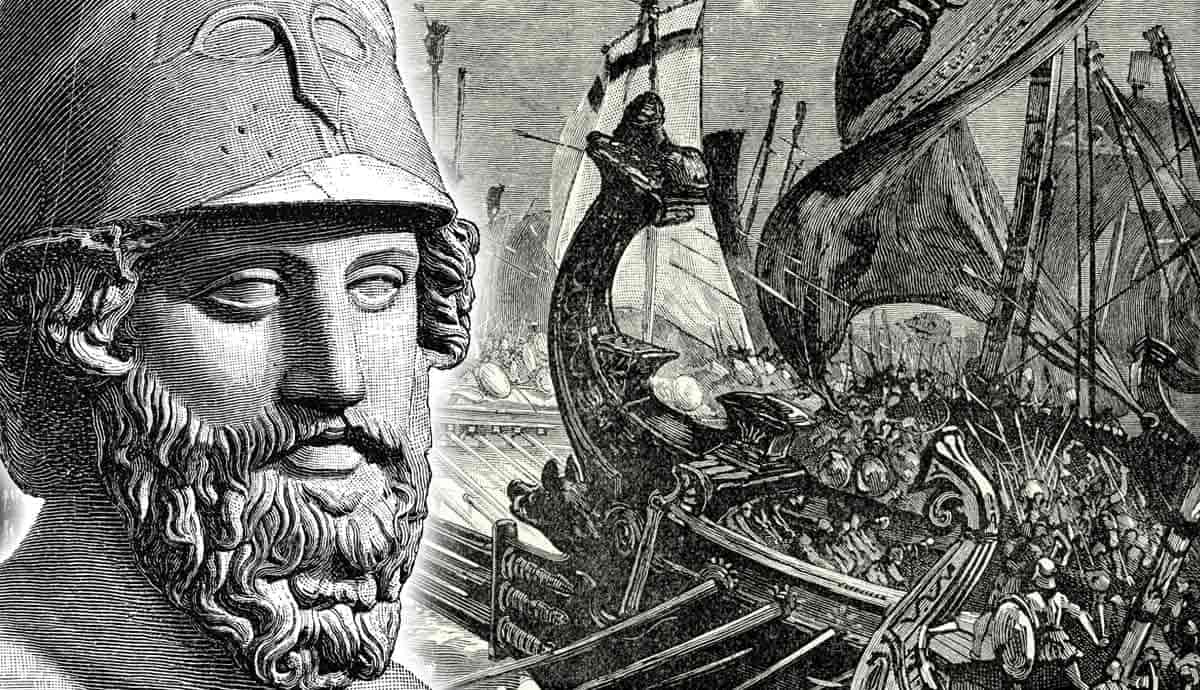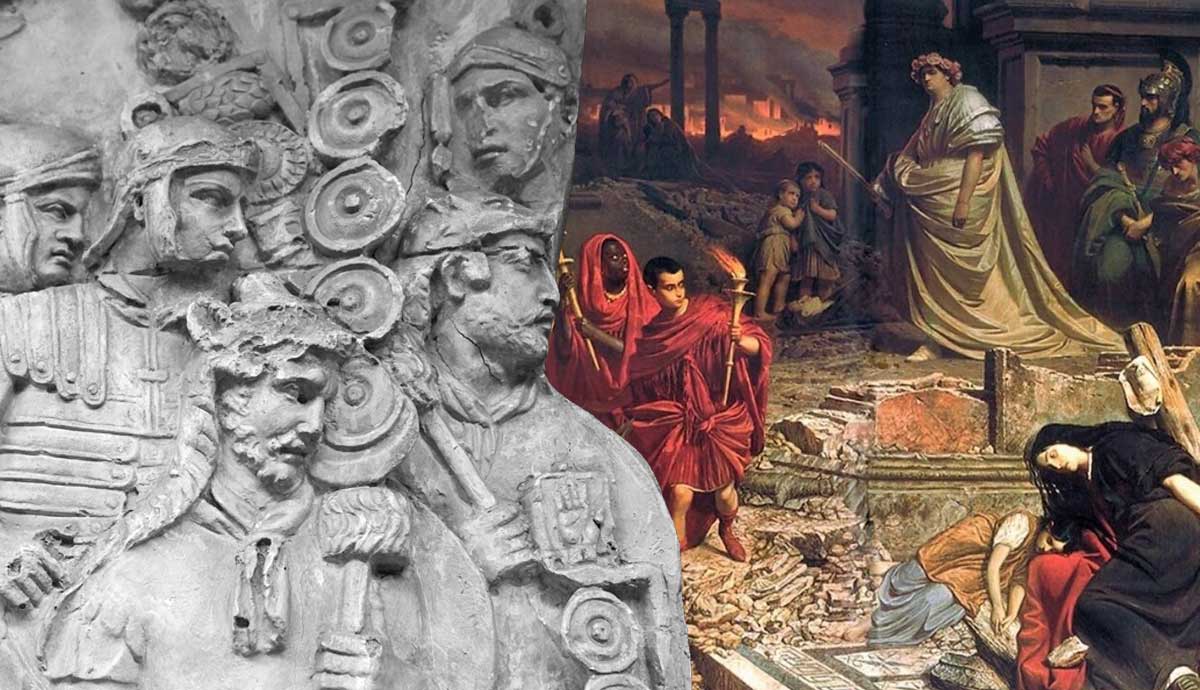

“When, O Catiline, do you mean to cease abusing our patience!?”
With this terse question, Cicero launched the first of four orations against his fellow Roman, Catiline. His goal was simple: to expose, once and for all, Catiline’s conspiracy. In the dying days of the Republic, Roman politics were in chaos, allowing new men like Cicero to secure high office, while old blood, like Catiline, was left out in the cold. After three failed attempts to win the consulship, the disaffected aristocrat opted for a more direct approach: a coup d’état. According to Cicero, his subsequent actions saved the Roman Republic from utter destruction, but Catiline’s ousting raised new issues for the dying Republic.
Rise of the Republic
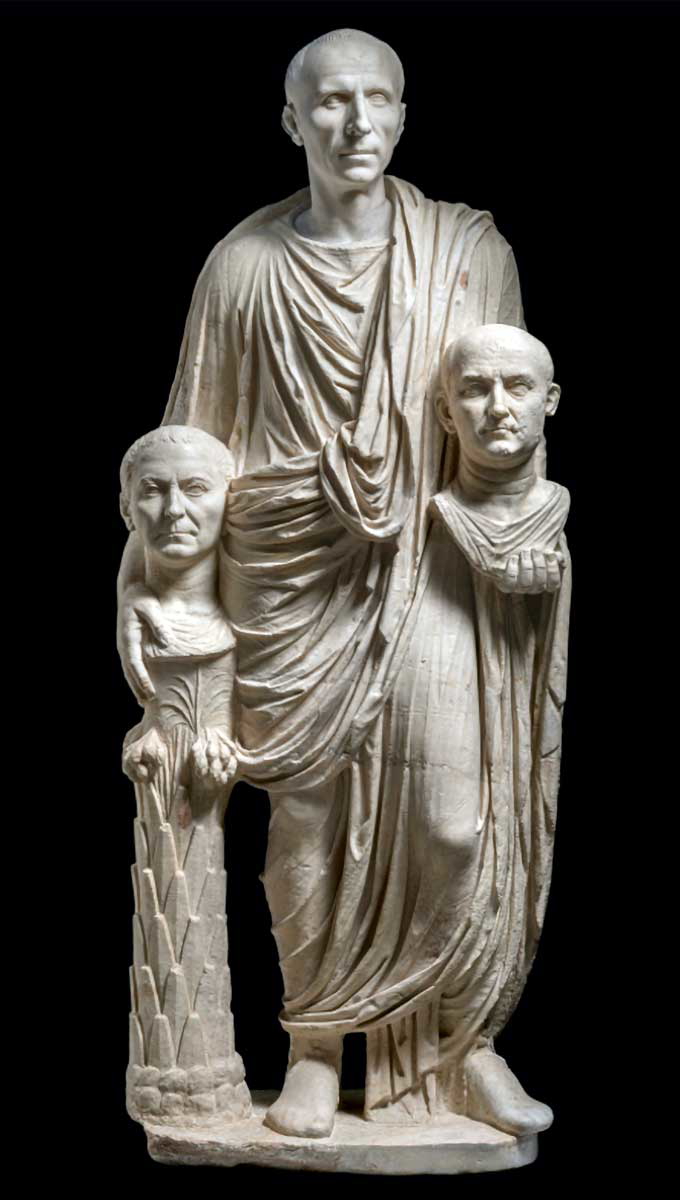
According to Roman myth, the Republic emerged in 509 BC, after the exile of Tarquinius Superbus, Rome’s tyrannical seventh king. It lasted almost five centuries, during which Rome expanded its rule across the Mediterranean. The city’s status as a superpower was sealed around 200 BC. Scipio Africanus’ victory against Carthage a year earlier paved the way for Rome’s total control of the western Mediterranean. In 197 BC, Roman legions vanquished Macedon, extending the Republic’s reach into the East.
While it had no kings, Rome was not a democracy. Its two chief entities were the Senate and the consuls. The Senate already existed in Rome’s monarchy, where it elected kings and provided counsel. It was comprised of members of Rome’s rich aristocratic families, and membership was dominated by the same families for centuries. During the Republic, it retained its advisory role. It also became the highest fiscal authority, disbursing funds from the state treasury, monitoring taxation, and guiding monetary policy. Though its decrees carried no legal force, they were usually observed.
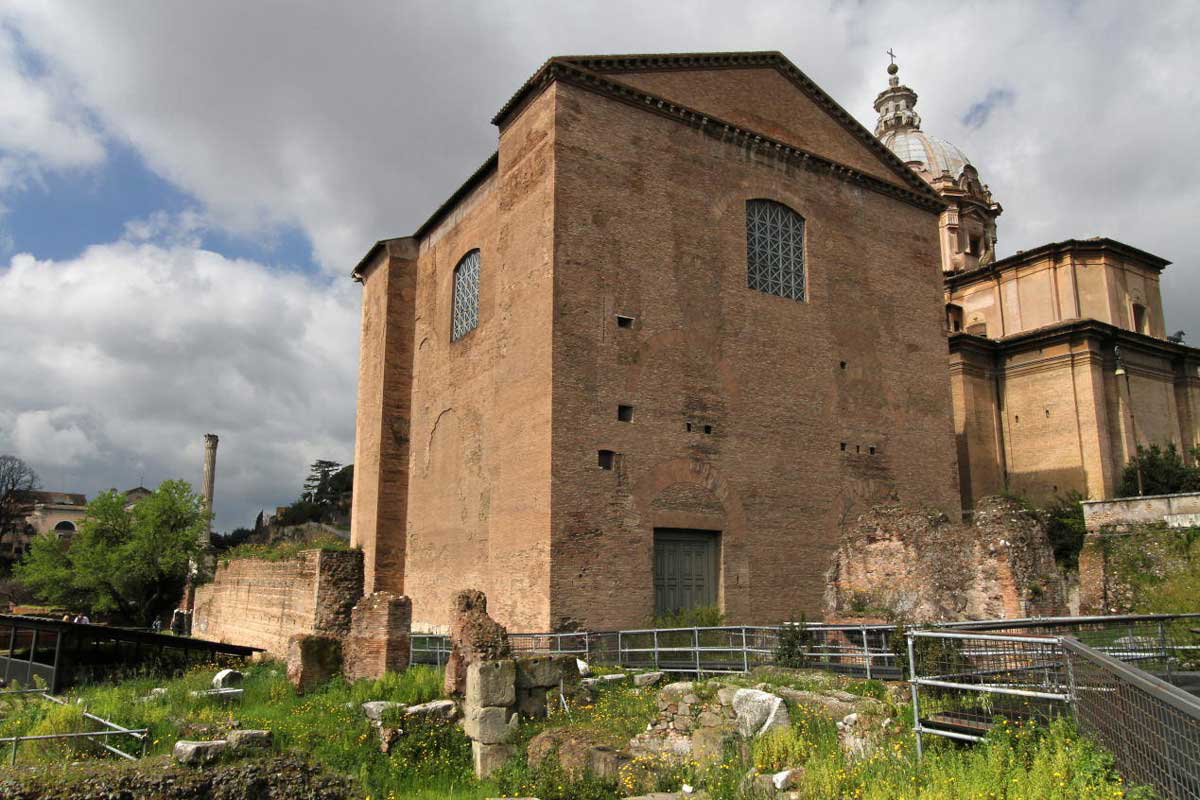
Every year, the popular assembly of Roman citizens elected two consuls who shared equal power, ensuring against one man rising to dominance in the state. The Republic’s highest office combined executive, administrative, and military responsibilities: consuls enforced approved senatorial decrees, received foreign embassies, and levied troops. In Rome, they presided over political assemblies.
All ambitious Romans, including both Cicero and Catiline, sought the consulship, but first had to rise through the ranks along the cursus honorum, starting with military service.
Sulla and Civil War
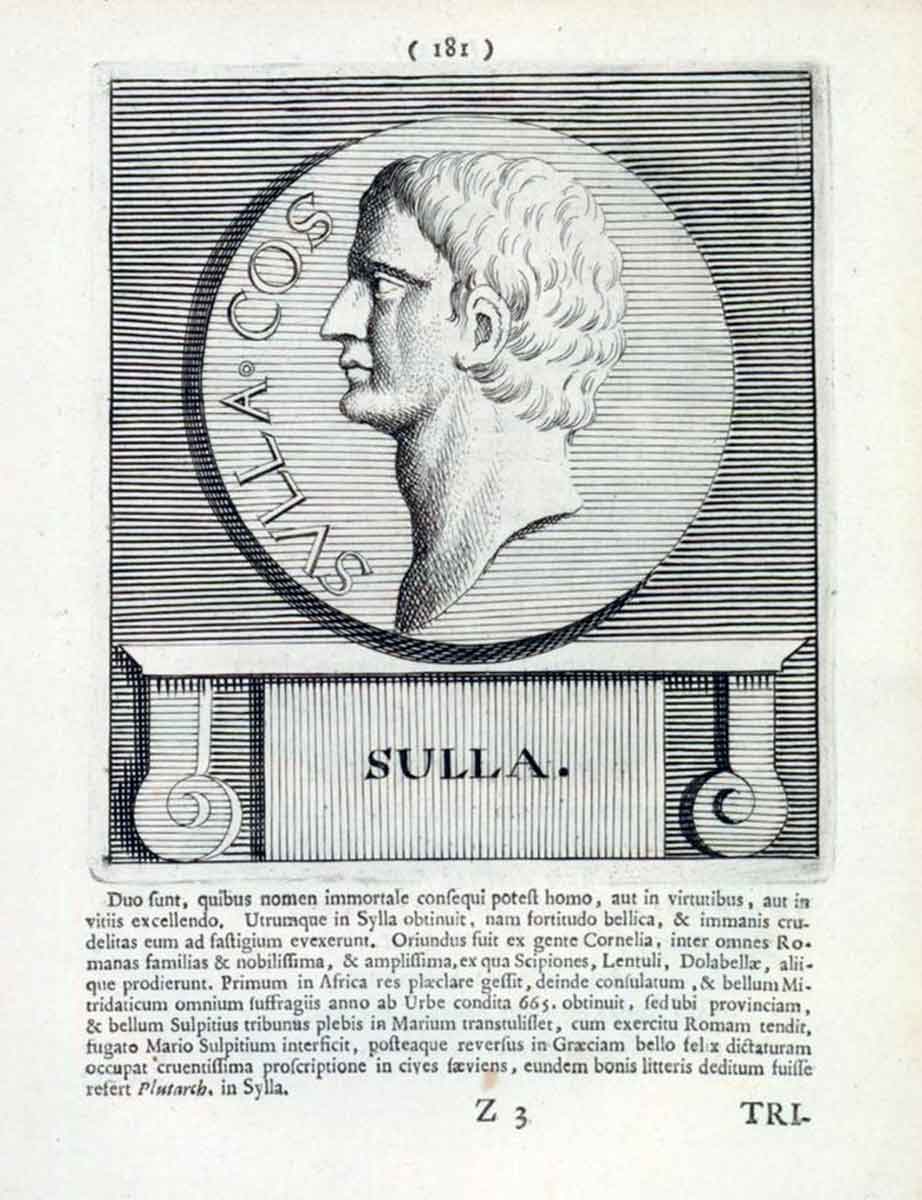
By the mid-3rd century BC, Rome had dominated the Italian Peninsula. They ruled through an oppressive system of unequal bilateral treaties. They forced their Italian allies, socii, to supply Rome with soldiers, and in exchange, they retained nominal self-government. They were also required to pay taxes and did not share in the spoils of the wars they supported. While they became increasingly integrated with Rome, most Italians were denied Roman citizenship.
In 91 BC, rebellions across Italy sparked the Social War. In southern Italy, the rebels were crushed by Lucius Cornelius Sulla, a formidable general whose victories earned him the consulship in 88 BC. Sulla’s military successes made him the ideal candidate to campaign against Mithridates, one of the Republic’s most zealous opponents. In 87 BC, when his political adversaries revoked his command, Sulla marched on Rome. He was the first Roman general to march on Rome with a Roman army to enforce his political will. He easily defeated his enemies, but he then left for the east, allowing political chaos to continue to flourish.
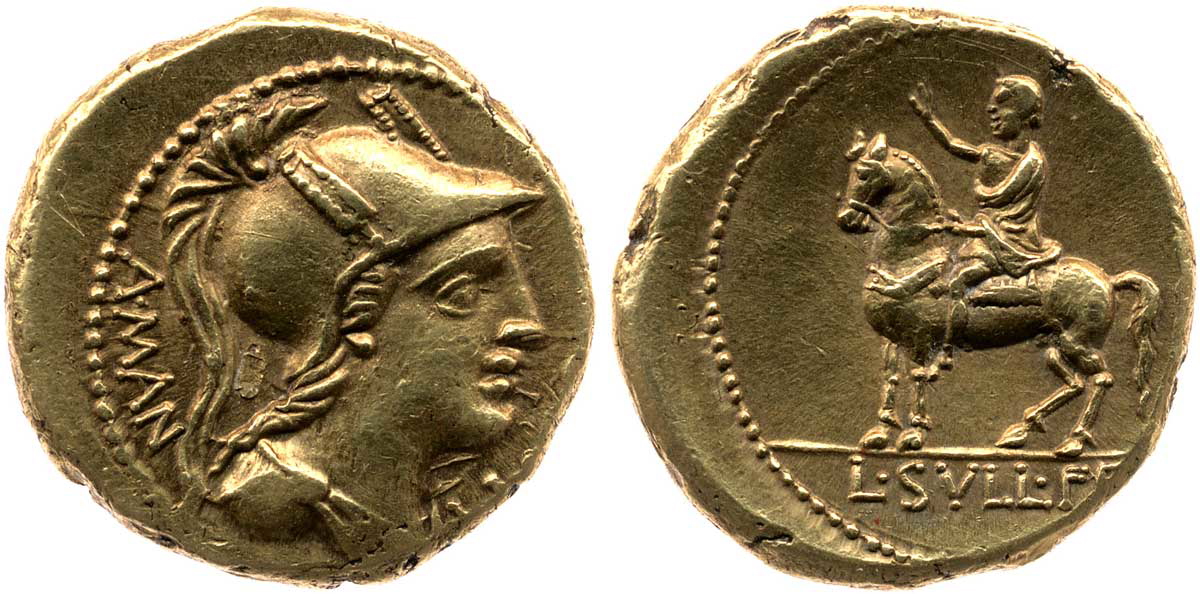
In 82 BC, following his return from the east, Sulla marched on Rome again to defeat the same belligerent opponents and seize power for his political faction. Victorious, he was made dictator for three consecutive years. The dictatorship was an old magistracy appointed in times of emergency and given absolute power over Rome’s legislation and armies. During his dictatorship, Sulla executed thousands of his political enemies through proscriptions.
But Sulla also had to reward his veterans for their loyalty. He confiscated farmland in central and northern Italy to give to his troops. The reallocations particularly affected Etruria, which would become a fertile recruiting ground for Catiline.
Cicero: The Novus Homo
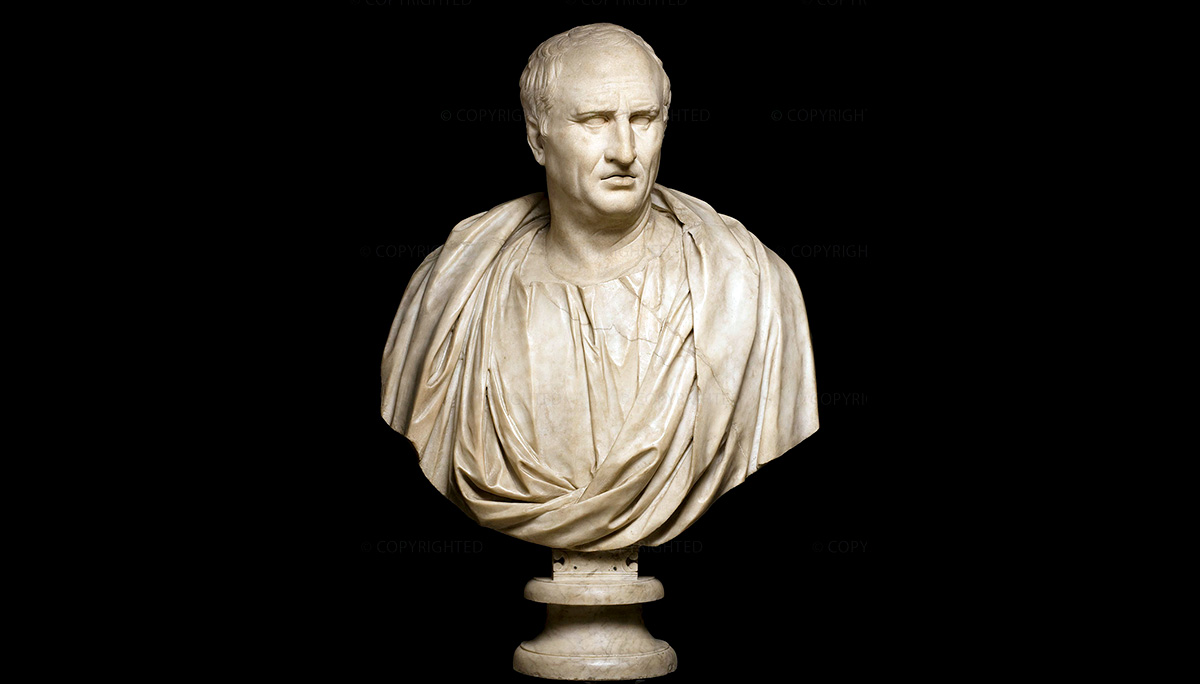
While Sulla fought his civil war, Marcus Tullius Cicero was cutting his teeth as a prosecutor in Rome’s courts. Born in 106 BC in the provincial Arpinum to a middle-class equestrian household, he was a proud novus homo, a “new man” from a family which had not yet achieved the consulship. While he enlisted as a military aide during the Social War, he preferred rhetoric to soldiering. Therefore, he took himself to Athens to study rhetoric and philosophy under the most renowned scholars of the day. He then came back to Rome to make a name for himself in the courts.
He made his name by taking on challenging cases, including against Gaius Verres, a corrupt governor of Sicily and former Sullan supporter, who was defended by the experienced lawyer Quintus Hortensius. Cicero dominated the trial with impressive oratory and copious evidence, from witness testimonies to incriminating documents. The victory confirmed his reputation as Rome’s best prosecutor.
Cicero’s apparent care for the downtrodden earned him praise from common citizens, while his equestrian background made him a friend in the eyes of the middle class. Yet, his political allegiance lay elsewhere. He was a constitutionalist, devoted to preserving the Republic’s long-standing customs against populist forces. But the aristocrats who shared his political views despised his lack of family background.
Opposition notwithstanding, Cicero’s career advanced steadily. His aim had always been the consulship, which he secured in 63 BC, beating the aristocratic Catiline in the election.
Catiline: Blue Blood, Red Blood
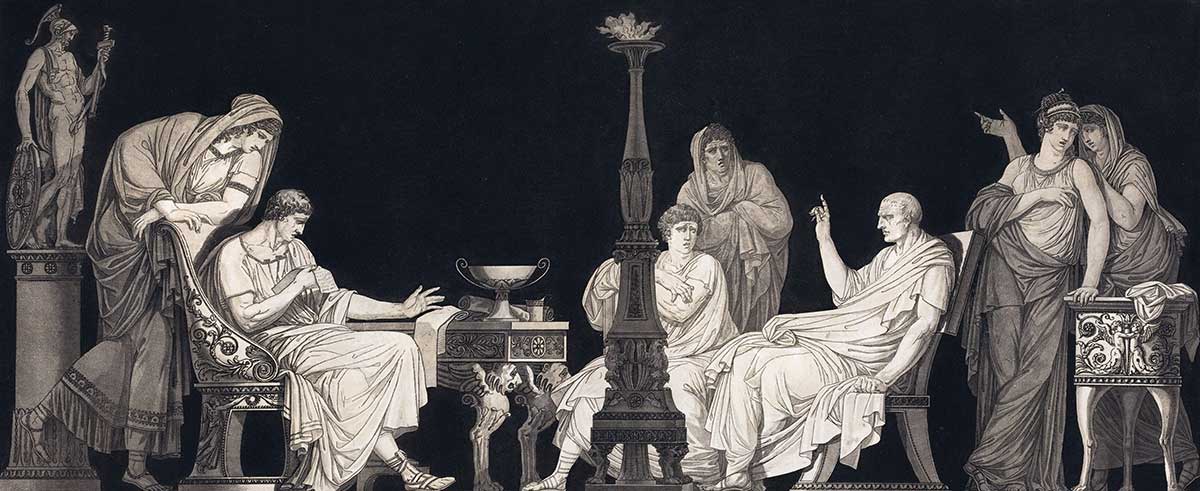
Lucius Sergius Catilina was born around 108 BC into a declining patrician family. Despite his family’s wavering prestige, he grew up in Rome’s aristocratic circles, where he forged key relationships with the city’s most powerful people. Catiline served as Sulla’s lieutenant during the Social War. Unlike Cicero, he enjoyed his role, which won him wealth to support his lavish lifestyle.
In 68 BC, Catiline became praetor, an office with considerable judicial and military authority. Following his year in office, he served as Governor of Africa, where he fleeced his provincial subjects to fill his purse. When he returned to Rome in 66 BC to run for consul, allegations emerged of extortion during his governorship. His candidacy was blocked by the courts, and he was prevented from running the following year.
Catiline’s unpopularity among the elite stemmed largely from his scandalous private life. An indulgent lover of extravagance, he was rumored to have killed his brother, engaged in illicit sexual relations with a Vestal Virgin, and murdered his wife and son to marry the notorious Aurelia Ostilla. Whether true stories or exaggerated rumors, Catiline’s base lifestyle inevitably made him a target of suspicion among Rome’s establishment.
Angered by alleged injustices against his rights and prospects as an aristocrat, Catiline joined the “Pisonian Conspiracy” in 66 BC. Led by the impoverished patrician, Gnaius Piso, the coup failed, but Catiline persisted. He sought financial backing for another run at the consulship, including from Marcus Licinius Crassus, Rome’s wealthiest man. While he was successful in raising funds, Catiline was also plunged into debt. This fueled his obsessive ambition for a position that would allow him to enrich himself and reaffirm his aristocratic honor.
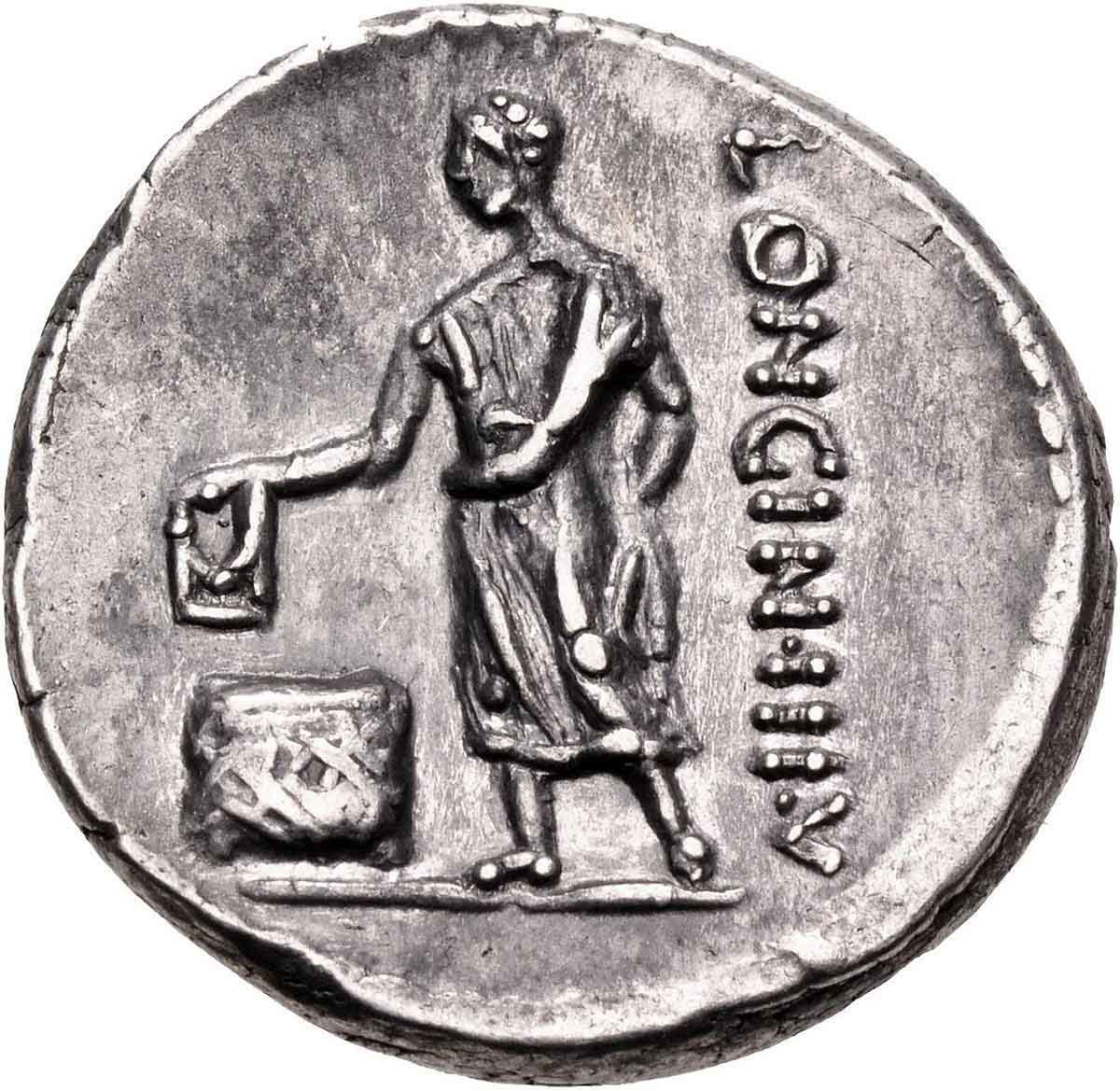
With renewed confidence, Catiline ran for consul again in 64 BC, but he failed again. Cicero, who had run the same year, had built a solid electoral base through masterful public branding. The orator successfully cast his opponent as a corrupting force who had been seducing Rome with bribes, false promises, and opulent parties. Cicero was elected, and his partner in office was Marcus Antonius Hybrida, one of Catiline’s many friends-turned-enemies.
Following Catiline’s defeat, Crassus withdrew support. Frustrated by yet another failure and ever more anxious about his debts and his future, the disgruntled patrician decided to follow Piso’s example and plan another coup.
Catiline’s Supporters
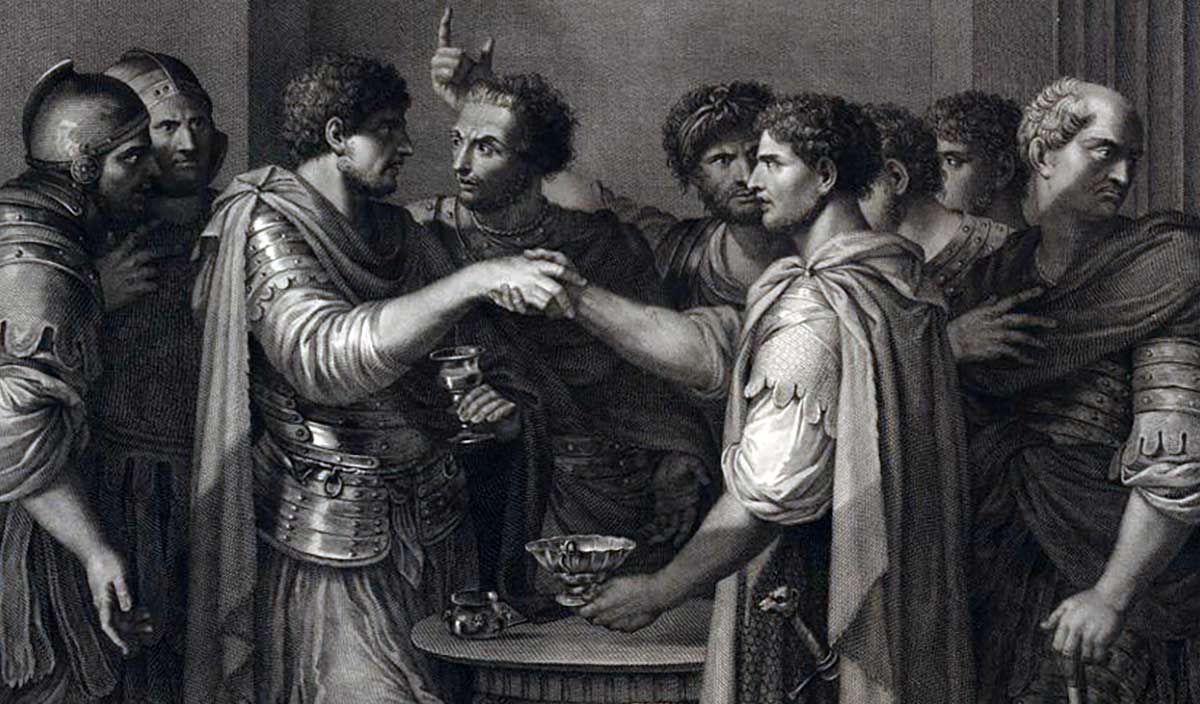
Sulla’s land reallocations had displaced thousands of powerless Italian farmers. Many of the dispossessed flocked to Rome, joining other malcontents who blamed establishment figures like Cicero for their plight.
Sulla’s veterans were also unhappy. Poor judgment and complacency left them in debt, making the spoils of war their only hope for financial stability. An armed revolt became increasingly tempting.
Discontent also simmered in the Roman provinces, where greedy administrators had been imposing heavy taxes on subjugated tribes like the Allobroges in Transalpine Gaul. The Celtic tribe was particularly hostile to Rome, and thus a potential additional ally.
In the city, Catiline drew support mainly from resentful senators and officials who felt betrayed by the Republic. Most were embroiled in scandals or lawsuits, which only hardened their entitled cynicism.
The Conspiracy Conceived

The only chance for these disparate groups to have their grievances redressed was to unite in a common front. Catiline seized the opportunity and established himself as the champion of the wretched and the leader of the oppressed. With most of Rome’s legions abroad, a loyal militia in Italy had a real chance of seizing power.
Catiline ran for consul one last time in 63 BC. After Cicero and his associates successfully obstructed him, he gave up and committed full-time to the conspiracy.
The plan was twofold. Catiline’s minions were to form armed bands and start simultaneous rebellions across Italy. Etruria became the conspirators’ center of operations, where about 20,000 men gathered in support of the anti-establishment cause. Meanwhile, Catiline stayed in Rome, where he planned to occupy strategic areas, set fires throughout the city, and assassinate his political opponents.
The Conspiracy Exposed
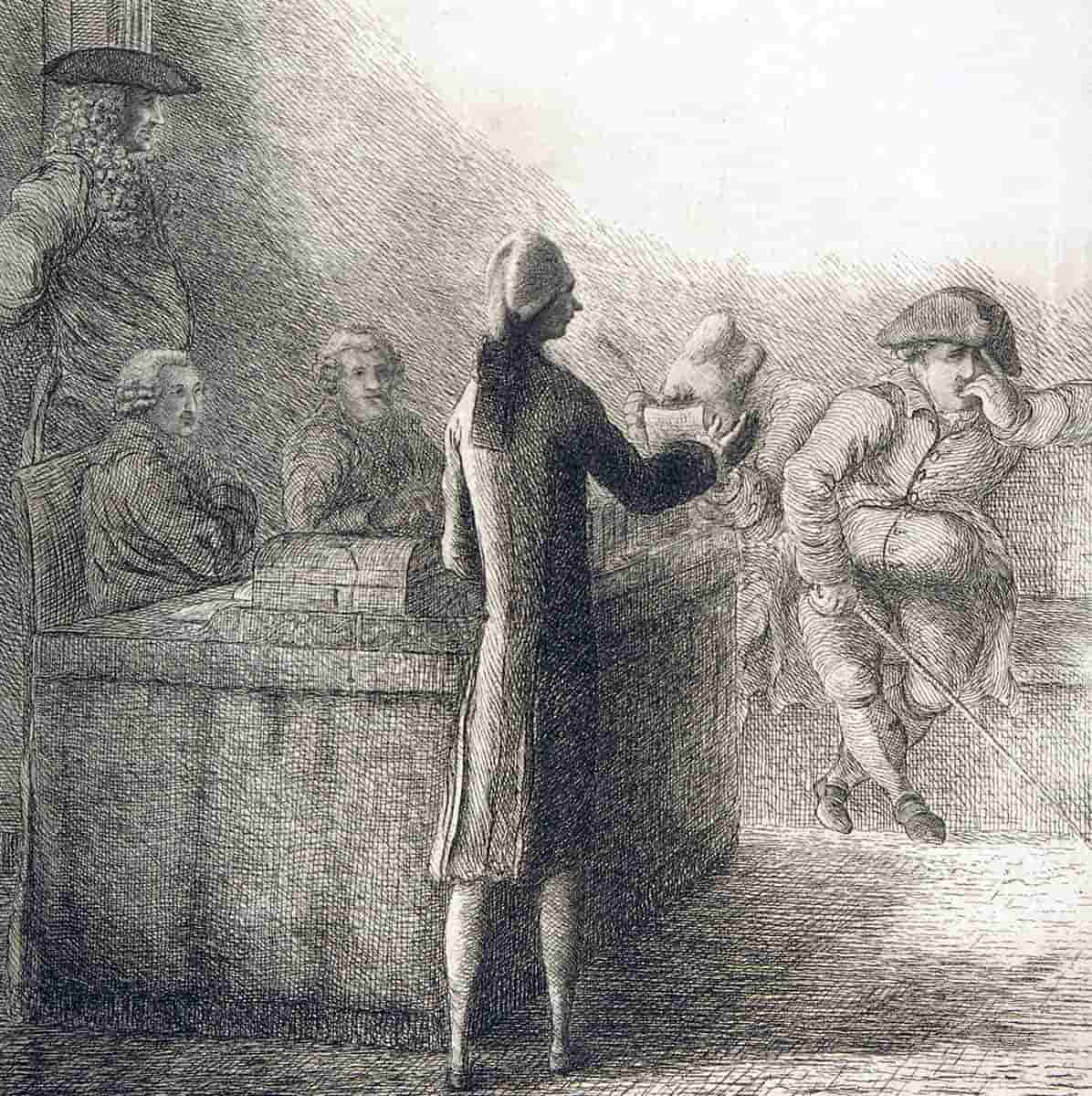
Cicero received the first lead from Fulvia, the patriotic mistress of one of Catiline’s co-conspirators. After she informed him that a conspiracy was afoot, Cicero employed her and her acquiescent lover as spies. It was a start, but the consul needed more concrete evidence.
Decisive evidence came unexpectedly from Crassus, who gave Cicero anonymous letters addressed to politicians that Catiline hoped to keep alive. The letters outlined plans for bloodshed and rebellion. Cicero convened an emergency session in the Senate, where he announced that he knew of a conspiracy. In typical dramatic fashion, he handed the letters to the senators to whom they were addressed and asked them to read their contents aloud.
As the meeting unfolded, reports of Catiline’s growing militia reached Rome. Alarmed by the mounting evidence, the Senate issued a Senatus Consultum Ultimum, giving Cicero free rein to address the situation. The consul began levying troops in the conviction that an armed rebellion was imminent.
Despite the open accusations, Catiline stayed in Rome. According to the Roman historian Sallust, a contemporary of the events, Catiline condemned Cicero’s claims as “baseless suspicion.” Then, when the revolt Cicero predicted never happened, people began to doubt the authenticity of the letters and the orator’s honesty.
On November 7, 63 BC, two of Catiline’s followers tried to enter Cicero’s house and kill him. The consul had foreseen their arrival. He had hired private guards and invited several key politicians to witness the outrageous attempt on his life.
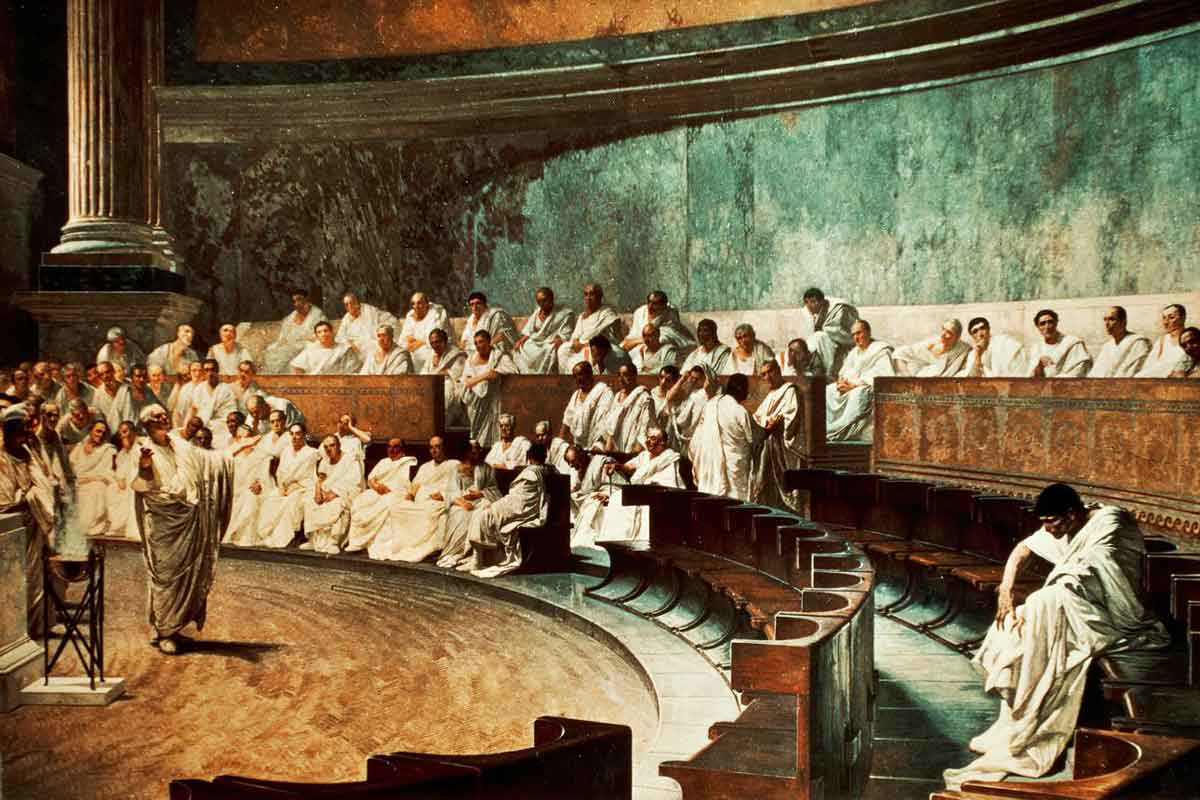
The next morning, the consul summoned another emergency meeting. In one of history’s most remarkable invectives, Cicero portrayed Catiline as a spineless monster whose personal vices paled in comparison to his callous political machinations. The conspiracy, he argued, embodied the Republic’s decadence.
After failing to mount a convincing defense against dozens of furious senators, Catiline finally decided to leave for Etruria, where he could join his loyal troops.
Cicero’s Arrests
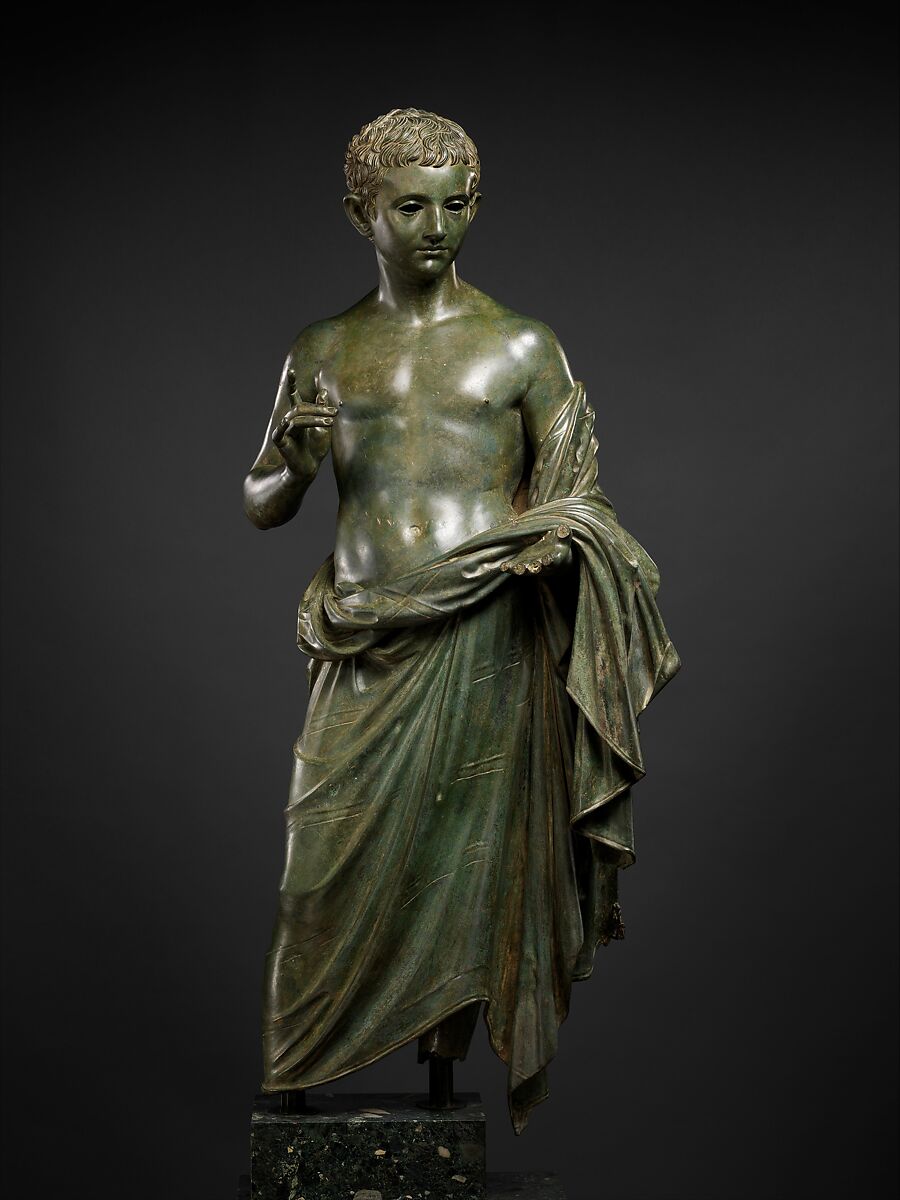
Catiline was declared a public enemy, but Cicero still lacked proof that he had accomplices in Rome.
When Catiline left the city, he placed command in Rome in the hands of Publius Cornelius Lentulus, a former consul who shared Catiline’s frustration with current politics after having been expelled from the Senate for a time. Under Lentulus, the plan grew more desperate and cruel: beyond arson and assassination, the conspirators were now instructed to massacre ordinary citizens.
Lentulus also sought the allegiance of the Allobroges. Initially tempted to rebel, the Gauls ultimately chose loyalty to the Republic. Their ambassadors informed Cicero of Lentulus’ proposal. Cicero employed them as double agents to obtain written evidence of the conspirators’ schemes.
Allobrogian diplomats went to Rome to meet Lentulus and his associates, who offered them the desired documents. Lentulus then suggested they should meet Catiline in person, just to make things official.
When Cicero learned the conspirators planned to leave Rome with signed letters, he sent a small force to arrest them. The Catilinarians tried to resist but were quickly overpowered. Cicero later invited the Allobrogian representatives to relate their encounters with the five conspirators in the Senate. Catiline’s minions were asked to identify their seals and handwriting, incontrovertible proof that they were indeed enemies of the state.
Debate in the Senate
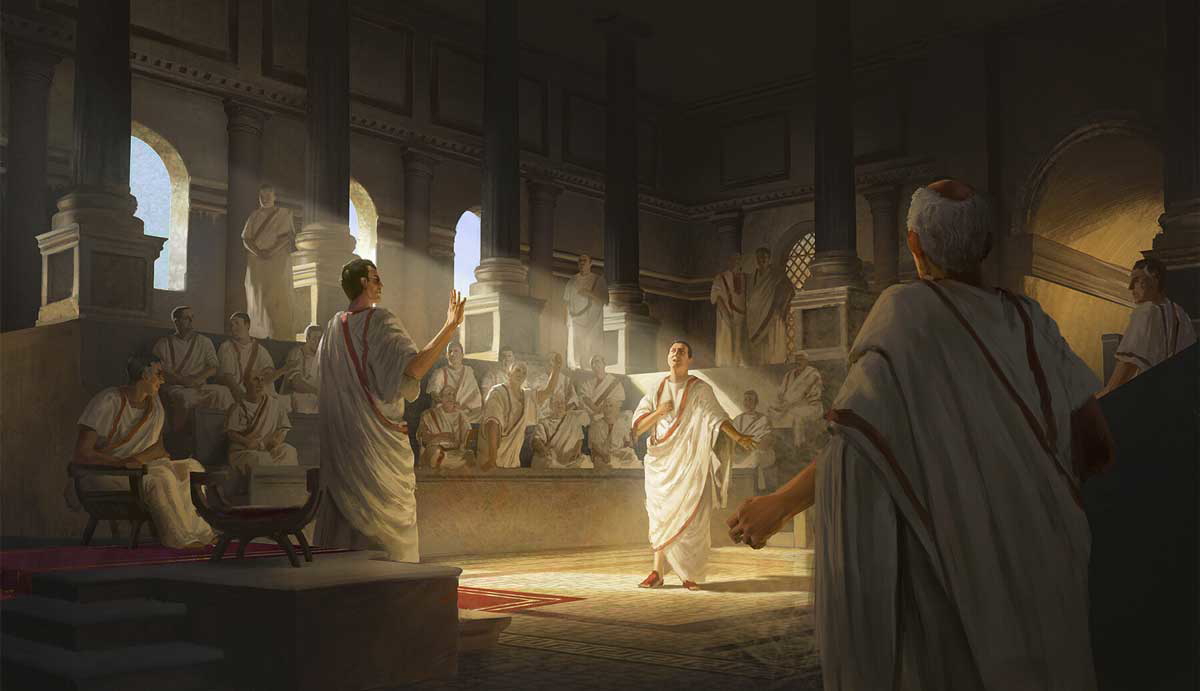
Cicero called a meeting of the Senate to discuss the fate of the conspirators. Should they be exiled or executed?
The senators spoke in order of prestige. Both consuls favored execution. The ex-consuls also expressed support for Cicero’s proposal. Catiline’s schemes, they maintained, were a serious threat to the Republic; they warranted harsh measures to prevent further plotting and send a clear warning to others.
But could Cicero really impose the death penalty without trial? Julius Caesar did not think so. Then praetor-elect, Caesar was the first to oppose Cicero. He argued that the execution of Roman citizens without trial was unconstitutional, and therefore proposed life sentences as a more lenient punishment. Though lifelong imprisonment without trial was also illegal, Caesar’s apparent clemency persuaded many against Cicero, but not for long.
Eager to resolve the debate, Cicero delivered his final Catilinarian oration, which urged immediate action. The speech fell flat, partly because of suspicions raised by Caesar’s objections. It took several impassioned interventions by another major figure to settle the matter.
A staunch republican, unwavering Stoic, and archenemy of Caesar, Cato the Younger decried the moral depravity that had befallen the Republic. Over several speeches, he argued that Catiline’s army was approaching, that executing the conspirators would sow chaos among the conspirators, and that the senators should emulate their ancestors, who had addressed similar emergencies with exemplary resoluteness.
Convinced by Cato’s tireless tirades, the Senate ratified Cicero’s proposal. The conspirators were executed immediately. Cicero’s supporters hailed him as a pater patriae: “father of the country.”
Catiline’s Last Stand
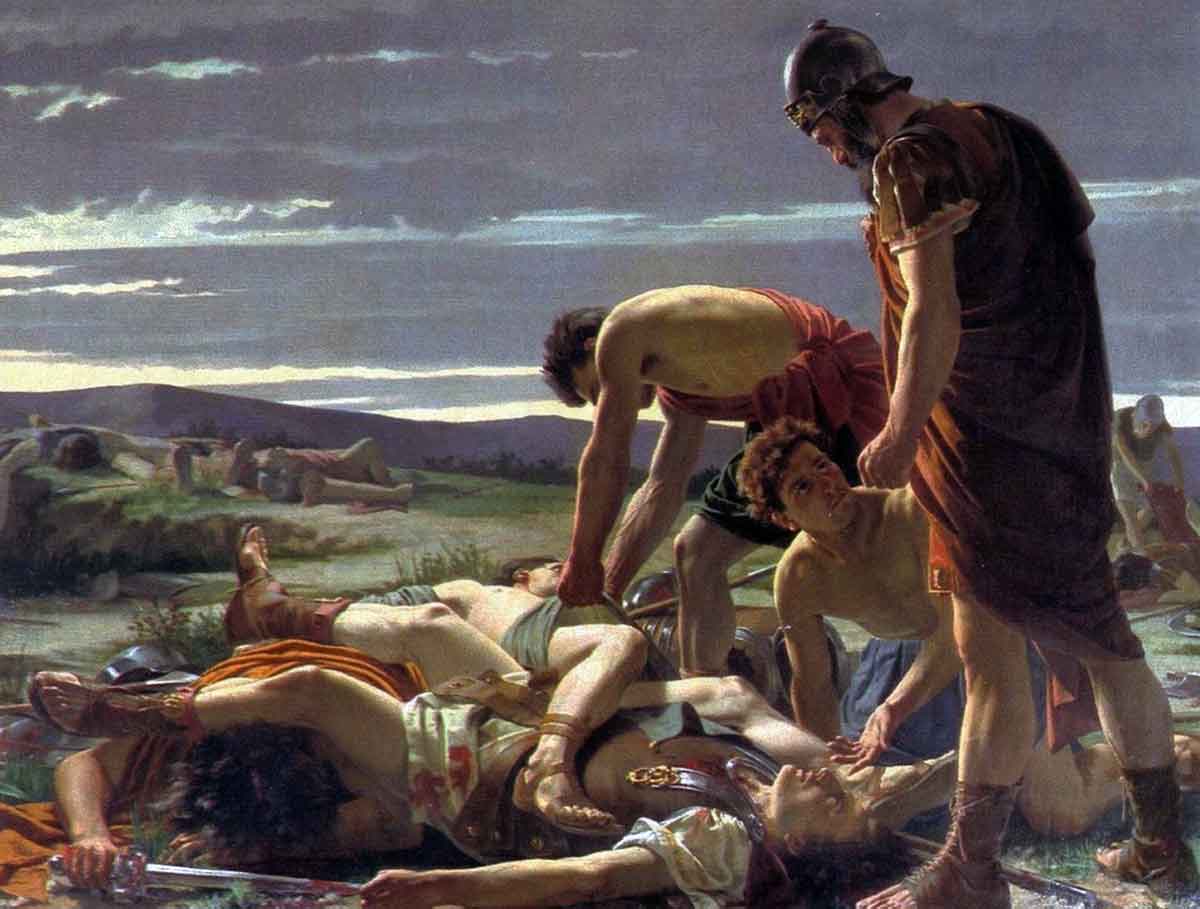
As Cato had predicted, the executions demoralized Catiline’s followers, most of whom dispersed. With only a few thousand hardcore supporters left, Catiline decided to retreat to Gaul.
The Senate had already dispatched an army after Catiline. Led by the consul Hybrida, the senatorial force caught up with the conspirator near Pistoria, while still in Italy. Hybrida had once supported Catiline, who might have hoped for a free pass from an old friend. To protect himself, Hybrida claimed illness and handed command to a younger officer with no sympathy for the traitor.
Full-blown combat ensued. The Senate’s army suffered heavy losses. On Catiline’s side, no one survived.
Writing in the aftermath of the conspiracy, the Roman historian Sallust (c. 85-35 BC) expressed admiration for Catiline’s attitude on the battlefield:
“[Catiline] aided those who were hard pressed, summoned fresh troops to replace the wounded, had an eye to everything, and at the same time fought hard himself, often striking down the foe—thus performing at once the duties of a valiant soldier and of a skilful leader.”
Sallust felt the effects of the conspiracy firsthand. In addition to Cicero’s speeches, his “War with Catiline” is the only complete contemporary source about the conspiracy. Though absent from the debate over the death penalty, Sallust served in the Senate throughout the 50s and early 40s, as the Republic took its last breaths. A supporter of Caesar, Sallust eventually left politics to spend the end of his life writing history. Biases notwithstanding, his account of the conspiracy offers crucial details about what the historian saw as the root causes of the problems of his day.
The Republic in Shambles
The Catilinarian Conspiracy crystallized the tension between necessity and legality that eventually cracked the Roman Republic.
In Sallust’s estimation, Catiline was a poster-boy for the moral decay that was corroding the Republic from within. His judgment was explicitly harsh: Catiline was a monster. But the historian understood that Catiline was as much a victim of his circumstances as the architect. In a city “so corrupt, Catiline found it a very easy matter to surround himself, as by a bodyguard, with troops of criminals and reprobates of every kind.” Rome had become a cesspit in which men like Catiline could find allies. Sallust saw that meaningful, systemic change was needed. That change would come, but in a way that no one imagined. Decades of civil war would see the Republic destroyed and reimagined as an Empire.
As for Cicero, in 58 BC, one of Caesar’s cronies introduced a law prohibiting sheltering anyone who had executed a Roman citizen without trial. The law was clearly targeting Cicero, who opposed Caesar during his meteoric rise to power. Cicero left Rome in self-exile, but his dignity endured. As he wrote in a letter to his lifelong friend Atticus, “My enemies have taken what was mine, they have not taken myself.” Yet, prompted by fear of permanent exclusion from public life, Cicero eventually caved, declaring his support for his former enemies, whom he defended against legal quandaries and political opponents with his usual oratorical acumen.
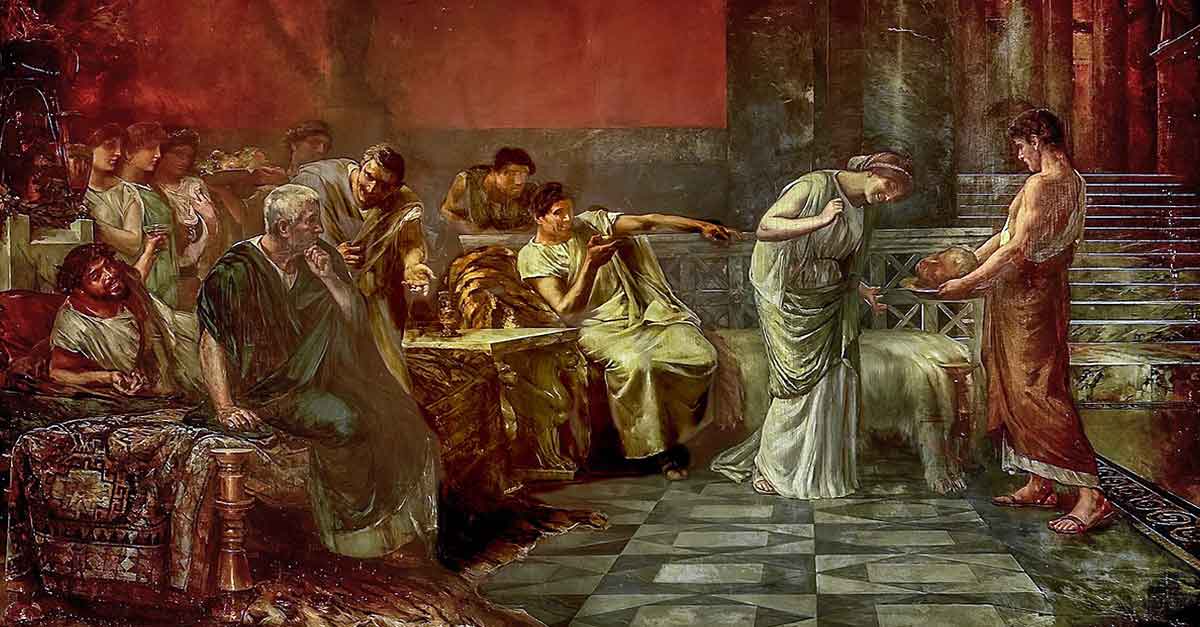
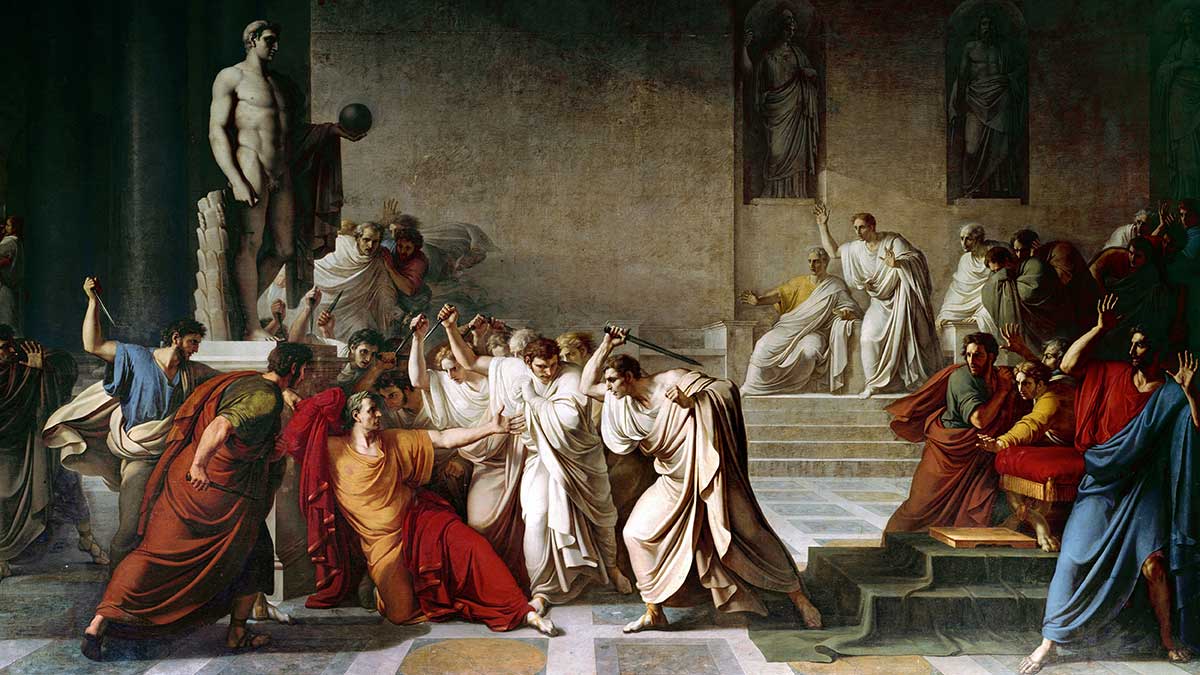
After Caesar’s assassination in 44 BC, Antony stepped up as his unofficial representative. Cicero, whom some had again started to see as the Republic’s potential savior, publicly denounced Antony as a wannabe dictator. But his plans to oust Antony failed. Cicero was included in the list of public enemies proscribed by the First Triumvirate. On September 7, 43 BC, Cicero was caught and beheaded. Antony ordered that his hands be cut off.
When Cicero’s remains reached Rome, Antony displayed them publicly in the Roman Forum, where Cicero had delivered his most famous speeches. Antony’s wife, Fulvia, allegedly took the orator’s head into her hands and, “after abusing it spitefully and spitting upon it, set it on her knees, opened the mouth, and pulled out the tongue, which she pierced with the pins that she used for her hair.” Finally, the great orator had been silenced.