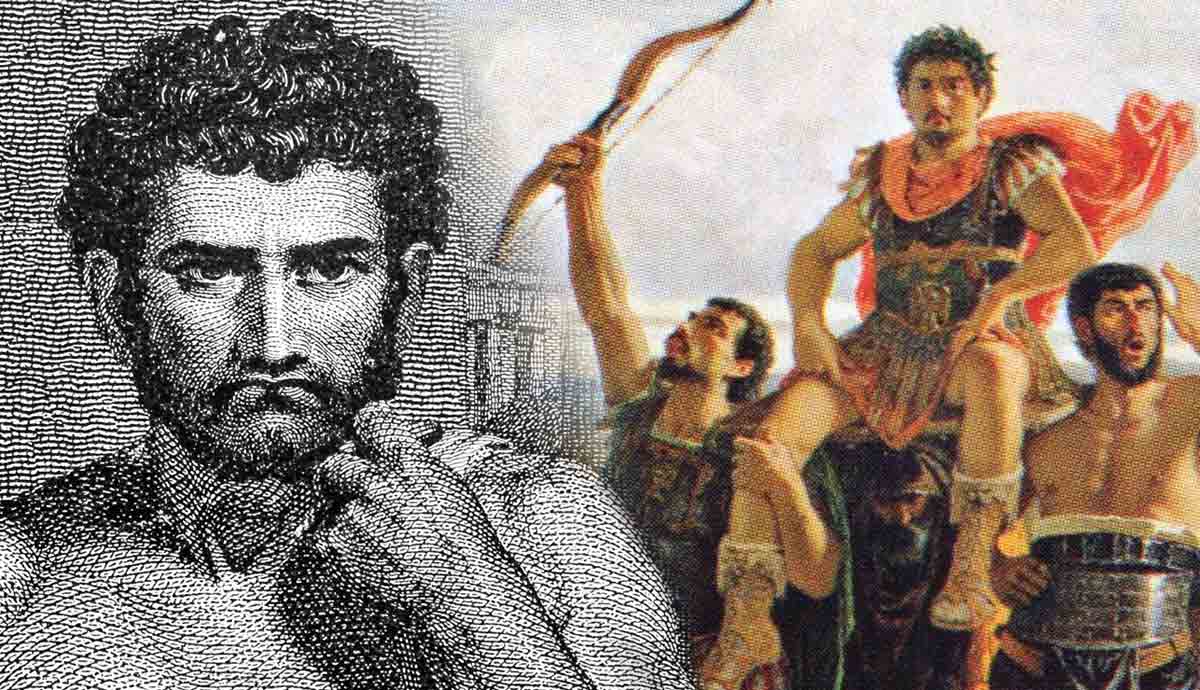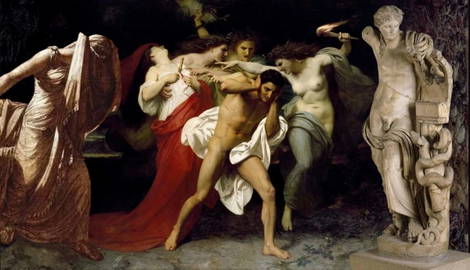

Orestes, of the House of Atreus, the royal family of Argos, found himself in a tough spot. He was exiled in Phocis after his mother Clytemnestra had murdered his father Agamemnon in revenge for his sacrificing their daughter, Orestes’ sister, Iphigenia, to the goddess Artemis. He was honor-bound to defend his father and king, but matricide was also an unforgivable blood crime. Visiting the Oracle at Delphi for guidance, Apollo ordered him to kill his mother and avenge his father. Still, when he did, Orestes was set upon by the Erinyes, the Furies, the goddesses of vengeance. Why should he be punished when he followed Apollo’s orders? This was the question posed at Athens’ first trial by jury.
The Blood of House Atreus
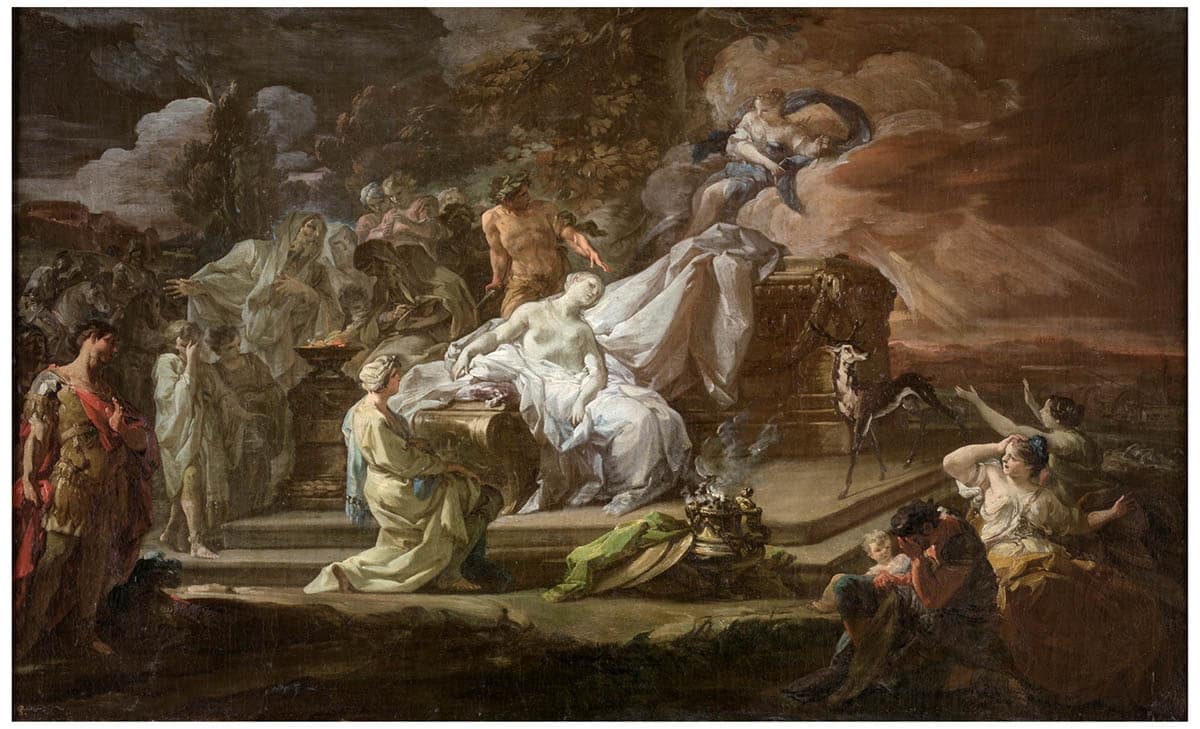
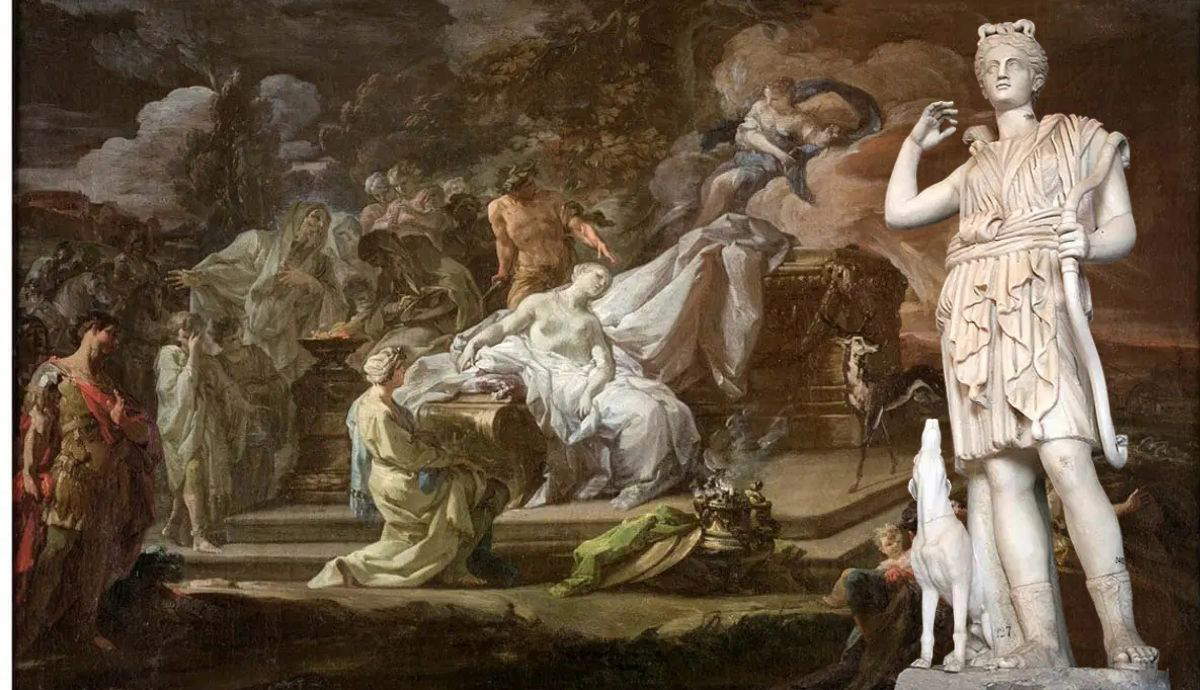
Orestes found himself in the middle of a bloody family feud. His father Agamemnon, king of Argos and leader of the Greek army sailing for Troy, offended the goddess Artemis, so she trapped the Greek fleet where it was gathered at Aulis. Agamemnon was told that the only way to appease the goddess was to sacrifice his daughter, Iphigenia. He sent for her under the false pretext that she would be married to the great hero Achilles. But when she arrived at Aulis with her mother Clytemnestra, she was given as a human sacrifice to the goddess.
Clytemnestra was distraught, and she spent the ten years her husband was away at Troy nursing her hatred for him. Her enmity was fueled by Aegisthus, Agamemnon’s cousin, his sworn enemy. A generation earlier, Aegisthus’ father, Thyestes, and Agamemnon’s father, Atreus, fought over the throne of Argos. After Thyestes seduced Atreus’ wife, Atreus murdered Thyestes’ children, cooked them, and served them to his cousin. This heinous act cursed the family and was the source of all the bloodshed that followed. A now-exiled Thyestes went to the Oracle at Delphi, and following its advice, had a son, Aegisthus, with his own daughter Pelopia, who was destined to avenge his father.
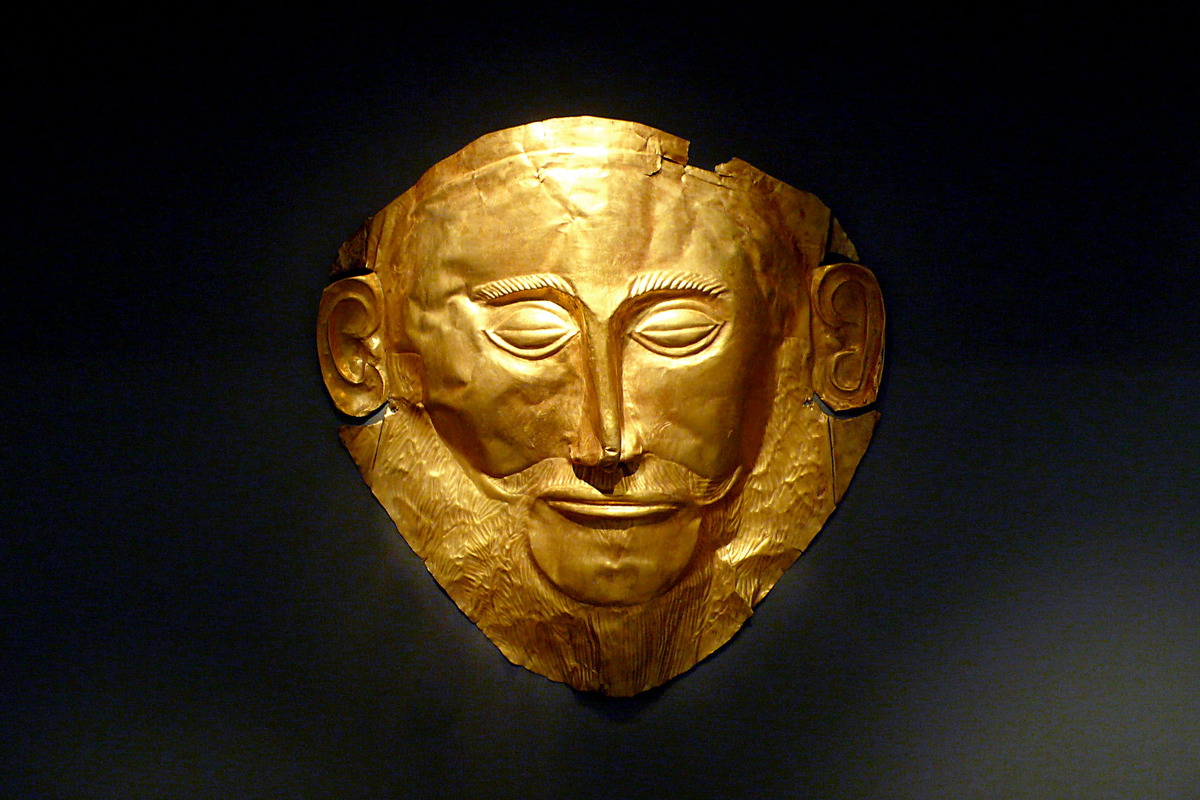
Clytemnestra and Aegisthus, now lovers, prepared for Agamemnon’s return by sending his son, Orestes, away to Phocis. When the king of Argos returned after the war, they murdered him in his bath and took power over the kingdom.
The Oracle of Delphi and the Divine Mandate of Agamemnon
As Orestes came of age in Phocis, he knew that, as Agamemnon’s oldest son, it was his job to avenge his father. But it was his own mother who had committed the crime. Unsure how to proceed, accompanied by his friend Pylades, the prince of Phocis, he visited the Oracle at Delphi.
In the Odyssey, Homer only recounts that Orestes returned to Argos, but the 5th-century BC playwrights Aeschylus, Euripides, and Sophocles have him visit the oracle where Apollo gives him a specific command: kill Clytemnestra and Aegisthus to avenge Agamemnon. Moreover, Apollo warns Orestes that if he fails to carry out his blood duty to his father, he will be struck by both physical and mental illness, be exiled from society, and tormented by underground spirits. Euripides suggests that Orestes questioned the order because matricide was also a blood crime, but Apollo held firm.
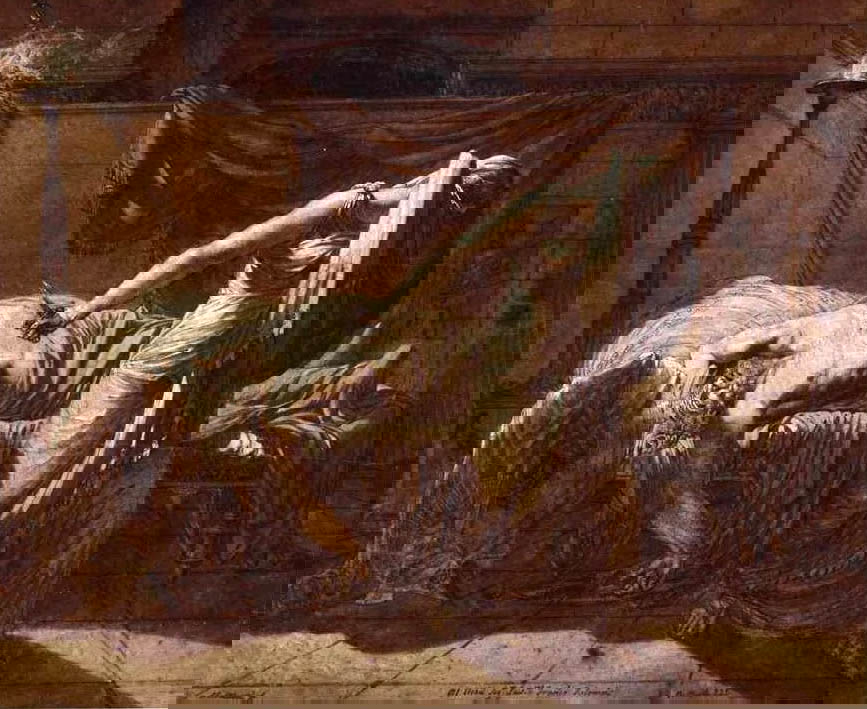
Orestes and Pylades sailed for Argos in secret, where Orestes was reunited with his sister Electra. The two men posed as foreign travelers carrying news of the death of Orestes and hoping to deliver his ashes to his family. Granted a private audience with Aegisthus, Orestes kills him, causing a servant to rush through the palace shouting “the dead are killing the living.” Understanding the meaning of these words, Clytemnestra presented her bared breast to Orestes, begging for mercy for the breast that had nourished him as a baby. While this reportedly gave Orestes pause, he followed the word of Apollo and killed Clytemnestra.
Apollo Stands as the Guardian of Paternal Lineage
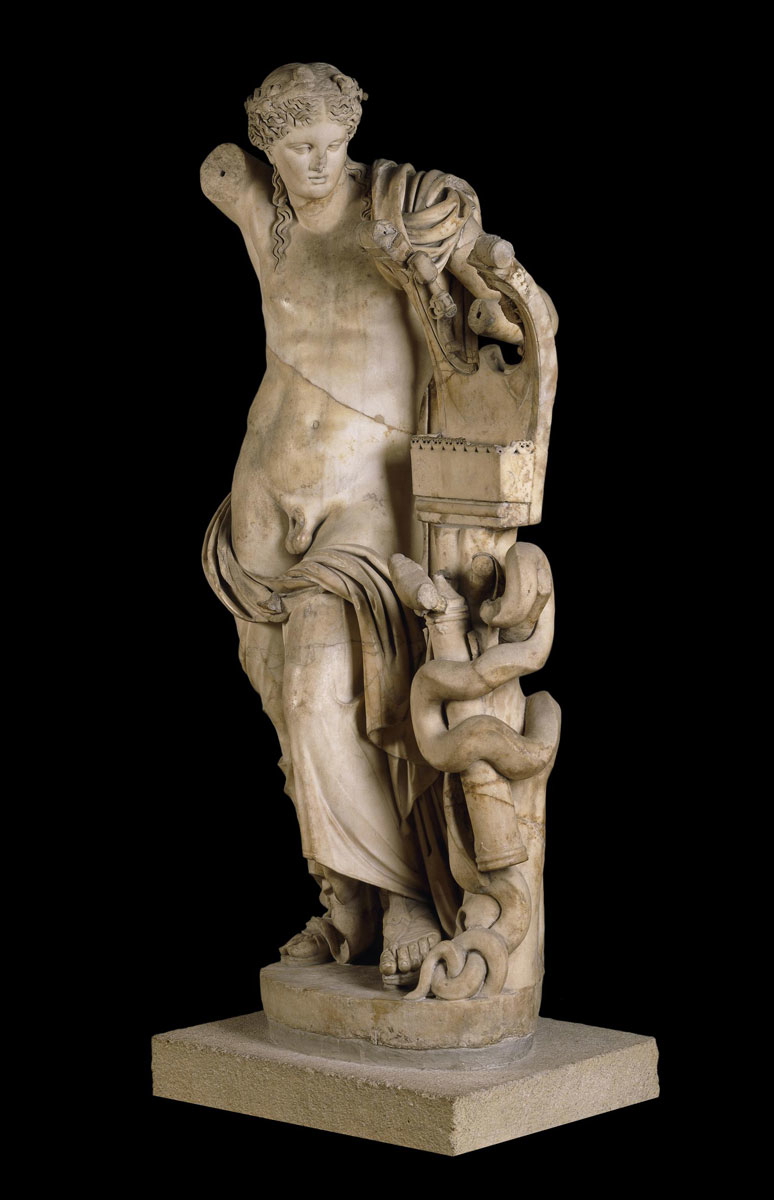
Why would Apollo consider it appropriate for Orestes to kill his mother, despite it being a blood crime? As well as a god of light and prophecy, Apollo represented the rational law and civic institutionalism that characterized the classical Greek world.
Apollo represented the triumph of patriarchal rule over older matriarchal or primordial traditions. This was seen in his conquest of the Oracle at Delphi, which had previously belonged to the primordial earth goddess Gaia. Apollo killed the dragon Python that guarded the shrine and took it for himself.
Moreover, as a protector of order, Apollo protected the state institutions; in the case of Argos, kingship. Clytemnestra’s crime was not just that she killed her husband, but that she killed and usurped her king. This is why Aegisthus also had to pay, as he was a traitor.
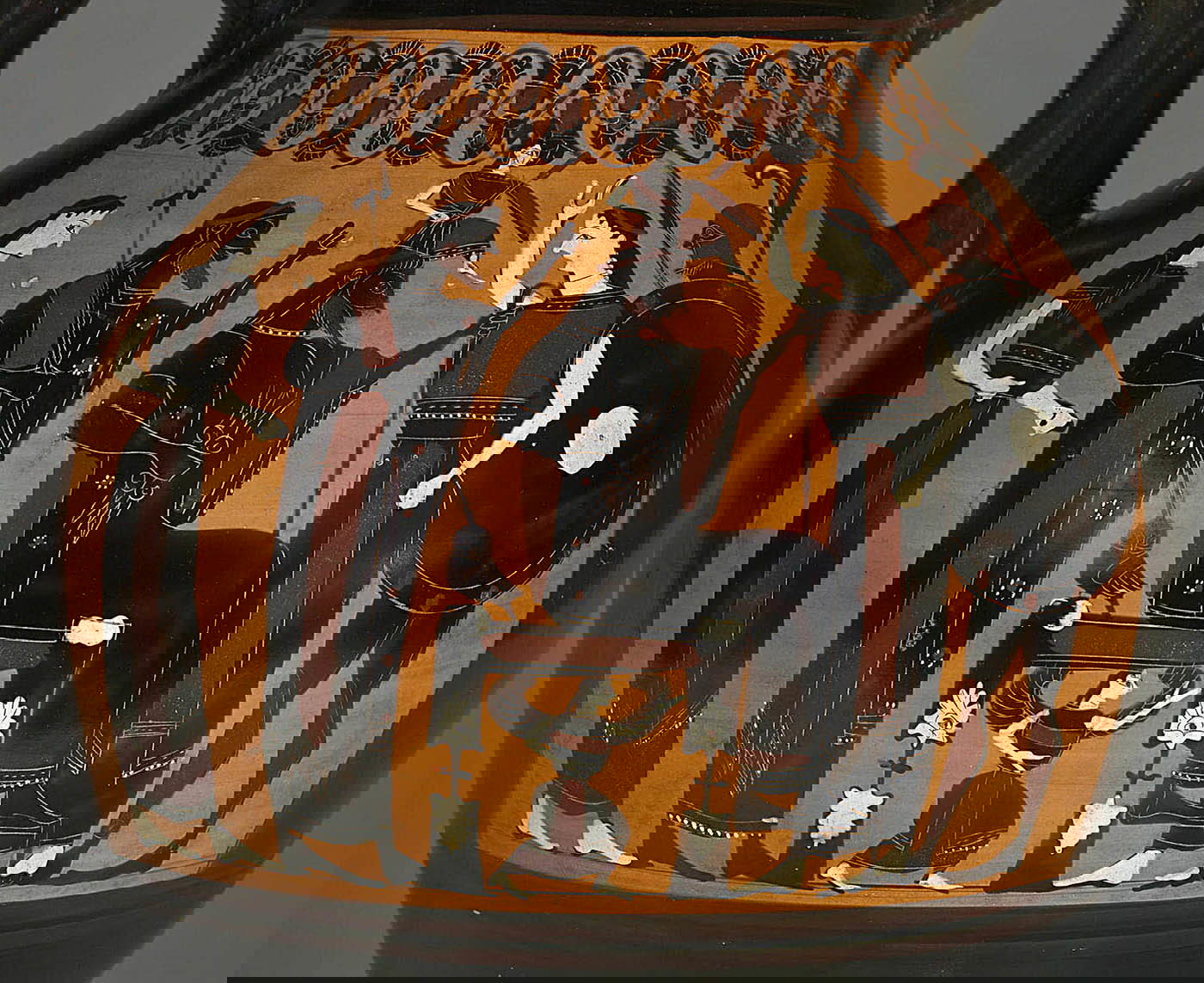
But more than this, in a speech given in Aeschylus’ Eumenides, Apollo suggests that mothers, and specifically Clytemnestra, are mere “incubators” and wet nurses for the father’s seed. Therefore, while people certainly shouldn’t go around killing their mothers, she was of secondary importance to the father. This idea is directly reflected in the way Apollo’s oracle functioned. Visions were given to a female priestess known as the Pythia, who then uttered inspired words, but these were interpreted by male priests. The Pythia was merely a vessel.
This surely reflects how the men of ancient Greece saw the role of women in society. As proof, Apollo points out that Zeus gave birth to Athena without a mother, and therefore that men do not need women to create life. While this may reflect attitudes of the time, it is not necessarily an accurate reflection of the story. Zeus had to swallow the pregnant Metis to bring Athena into himself and give birth to her by having Hephaestus crack his head open.
Olympian Divine Law versus the Ancient Chthonic Furies
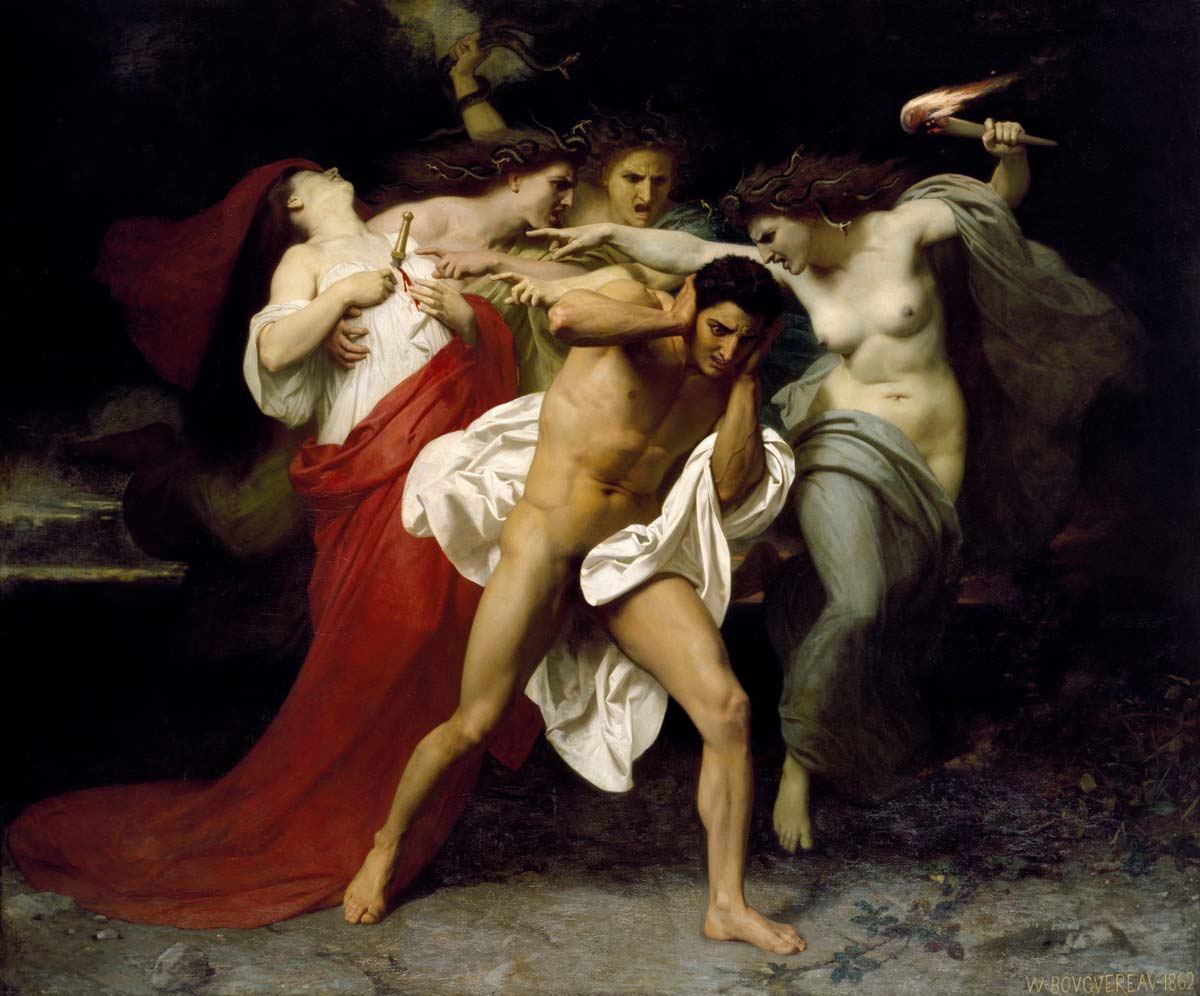
Despite following the order of Apollo, as soon as Orestes killed his mother, he was set on by the Erinyes, often better known as the Furies. In some versions of the story, the ghost of Clytemnestra summoned them to avenge her. The need for someone to call upon them might explain why Clytemnestra was not tormented for killing her husband, even though they were not blood-related, and Aegisthus was not tormented for killing his cousin. Agamemnon was also not tormented for sacrificing his daughter Iphigenia. This is explained as him following the directive of the goddess Artemis, but Orestes was also following a divine directive.
The Erinyes were primordial underworld deities born from the blood spilled when the god Uranus was castrated by his son Cronos. Therefore, they were born from kin-shed blood. They took vengeance on anyone who shed the blood of a family member, tormenting both in life and the afterlife. They followed ancient primal laws, rather than the laws laid down by the Olympian gods.
The Erinyes were only visible to Orestes and tormented him without relief. To him, they appeared as terrifying creatures with snakes entwined in their hair, eyes weeping blood, and bat-like wings. They shrieked relentlessly, driving Orestes to madness.
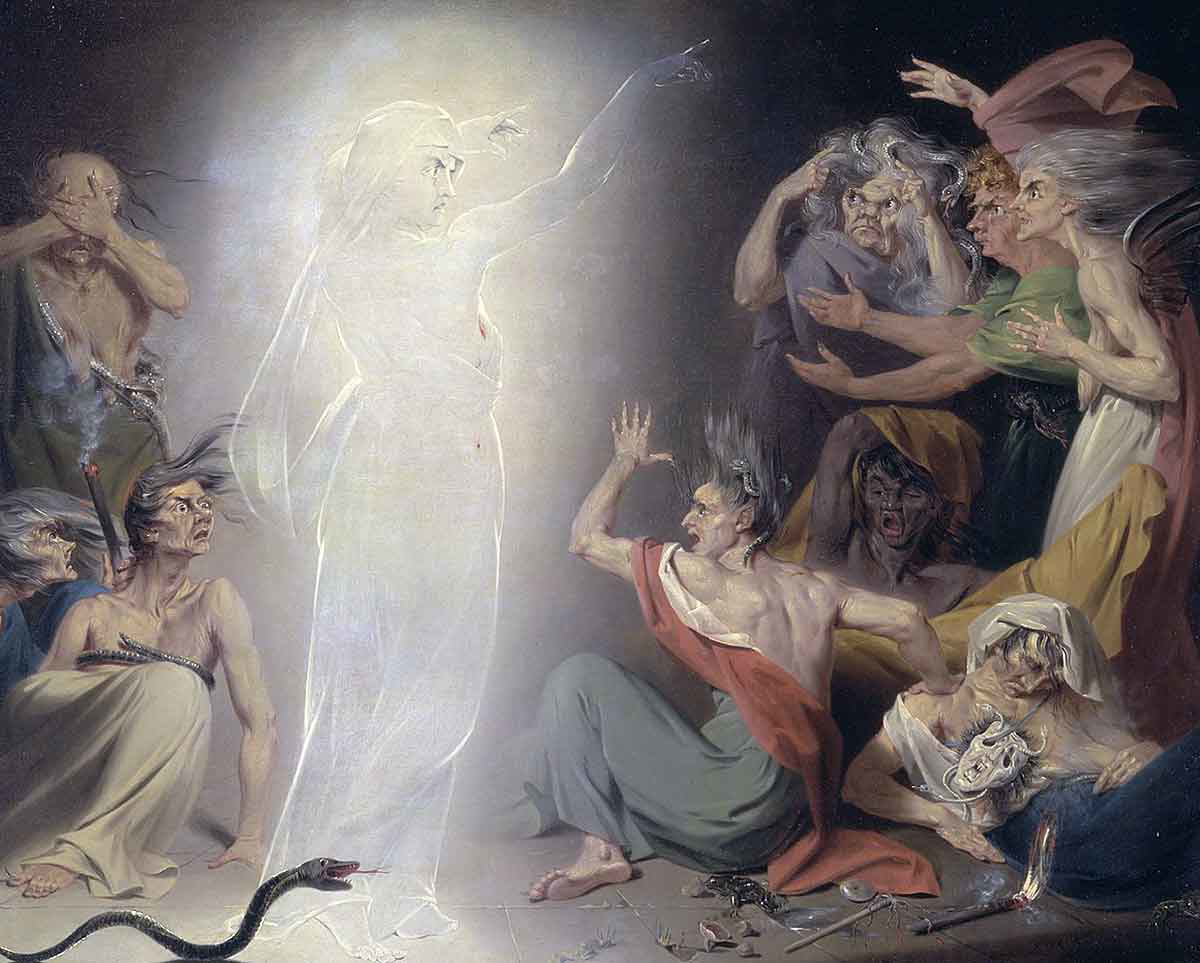
In his desperation, Orestes fled Argos and returned to the sanctuary at Delphi. The Furies continued to swarm Orestes there, forcing Apollo to intervene. He cast a spell on the Furies, causing them to fall into a deep sleep. He then summoned Hermes to escort Orestes out of the shrine under a cloak of invisibility. But seeing Orestes, her son, escaping, the shade of Clytemnestra awoke the Erinyes. The enraged goddesses turned on Apollo, who threatened them with his golden bow while commanding them to leave.
This gave Apollo a window of opportunity to cleanse Orestes of the miasma or spiritual stain that he had acquired from killing his mother. He sacrificed a suckling pig over Orestes’ head, using its blood to wash away Clytemnestra’s. But this did not dissuade the Furies. It just held them off for long enough for Apollo to send Orestes to Athena in Athens.
How the Trial at the Areopagus Transformed Greek Justice
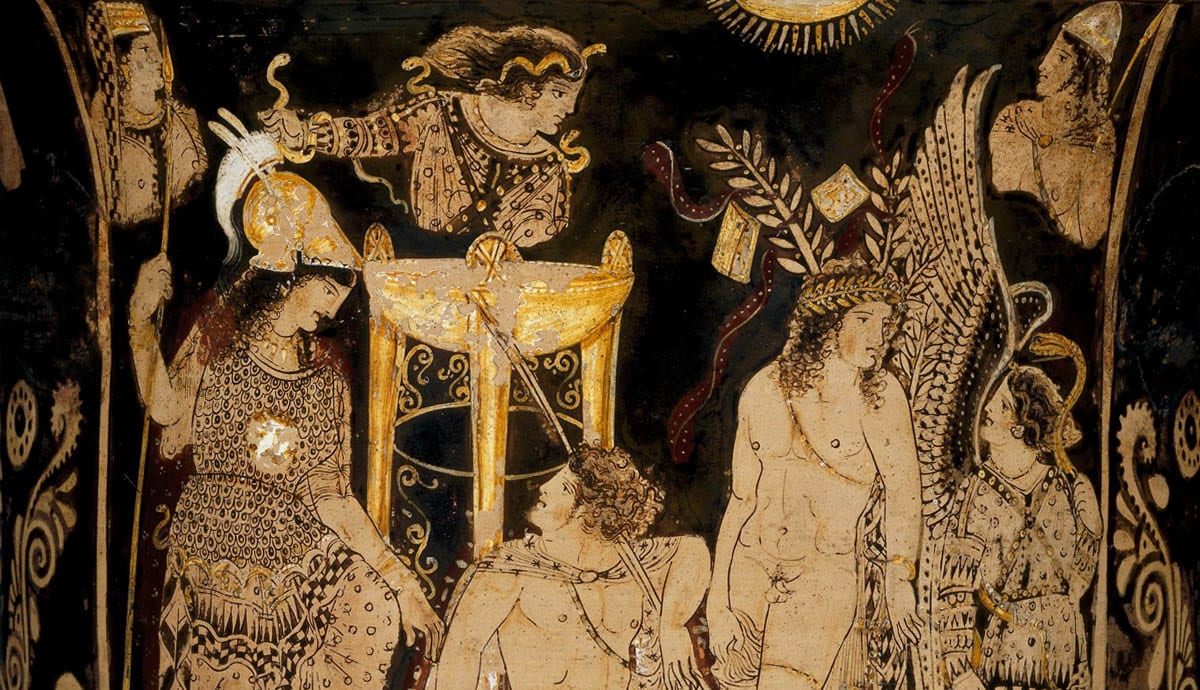
With Hermes as his guide, Orestes reaches the Acropolis in Athens, where the Furies catch up with him. Begging Athena for help, the goddess appears. The Furies complained that it was their right to drag him into the underworld for eternal torment for his crime of killing his mother. Orestes pleaded that his killing Clytemnestra was a legal execution sanctioned by Apollo.
Recognizing that the precedent of the decision made here could have broad consequences, rather than decide the case herself, Athena created the Areopagus, a permanent court of twelve Athenian citizen jurors to hear and decide the case.
The Furies acted as the prosecutors, forcing Orestes to admit that he killed his mother. They argued that the blood ties between mother and son were absolute, while Clytemnestra’s crime was lesser because she was not a blood relative of Agamemnon.
Apollo himself arrived to aid in Orestes’ defense. Not only did he confirm that he ordered the honor killing, but he argued that Clytemnestra not only killed her husband, but her king. This went beyond a blood crime to an act of treason that threatened the fabric of society. This is also where he argues that the father is the true parent and the mother is just a vessel.
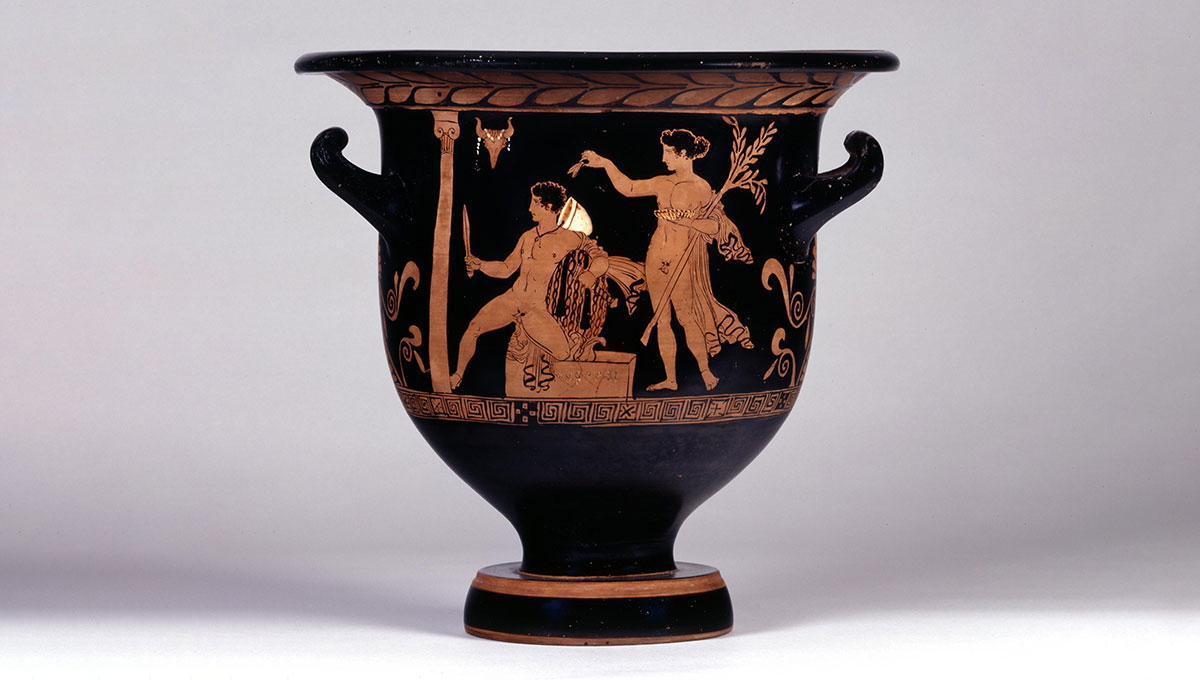
After hearing the arguments, the Athenian jurors cast their votes, placing a pebble in an urn to indicate whether they thought Orestes was guilty or innocent. The jury was split, so Athena cast the deciding vote. She voted in Orestes’ favor, stating that she, like Apollo, prioritized the paternal line. Orestes was freed of his blood guilt, and the Furies were forced to give him up, allowing him to reclaim his sanity and return to Argos as king.
The Furies were outraged by this decision and threatened to unleash a deadly blight on Athens that would cause famine and drive the population mad. To appease their anger, Athena offered them a sacred shrine beneath the Areopagus in Athens where they would be worshipped with libations, first fruit sacrifices, and ceremonial honors in connection with marriages and childbirth.
The Erinyes accepted Athena’s offer and became known as the Eumenides, which means “kindly ones,” transforming their role in the divine order. Their change in nature changed the nature of justice. It signaled that it was no longer acceptable to resolve disputes through ongoing blood feuds. Crimes were to be decided by society as a whole through the power of the court. The Eumenides were now the guardians of this legal process.