
In ancient mythology, the Greek realms of the dead were rich in lore, full of mystical places and inhabited by heroes and villains, powerful in equal measure. These were, however, places for the dead, and the dead were confined to their specific roles in their state of existence. Preserving this status quo were guardians who made sure everyone stayed in their place.
1. Cerberus, the Guardian Hound
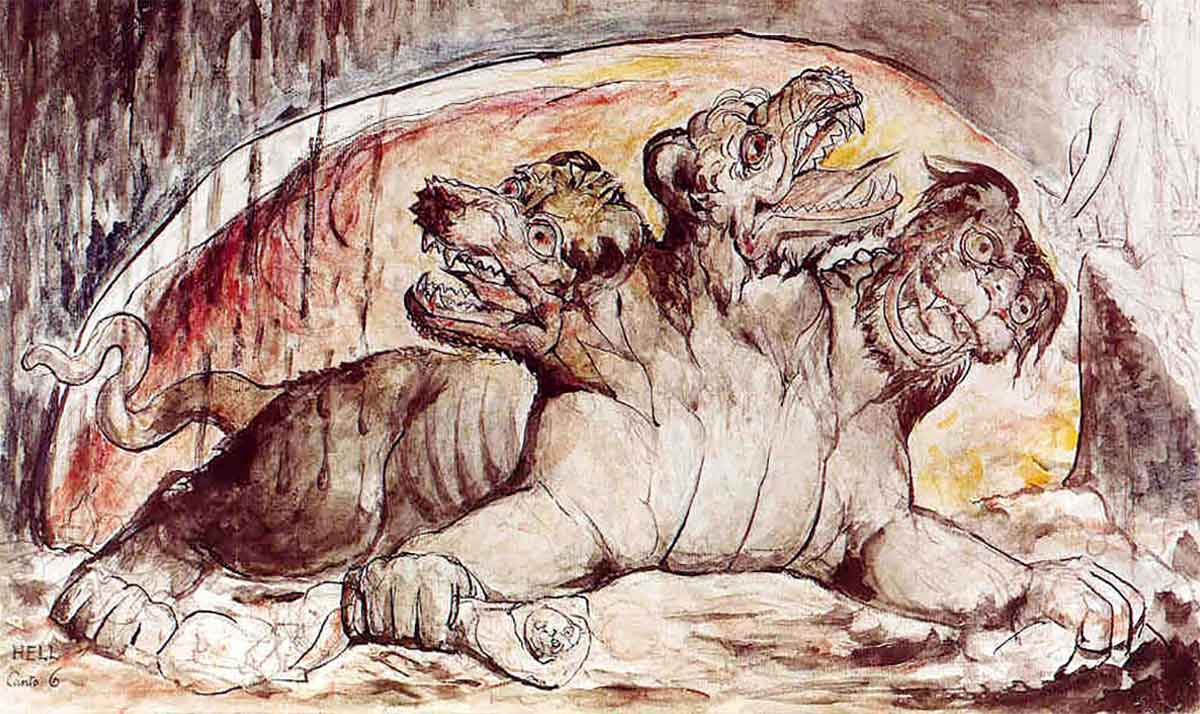
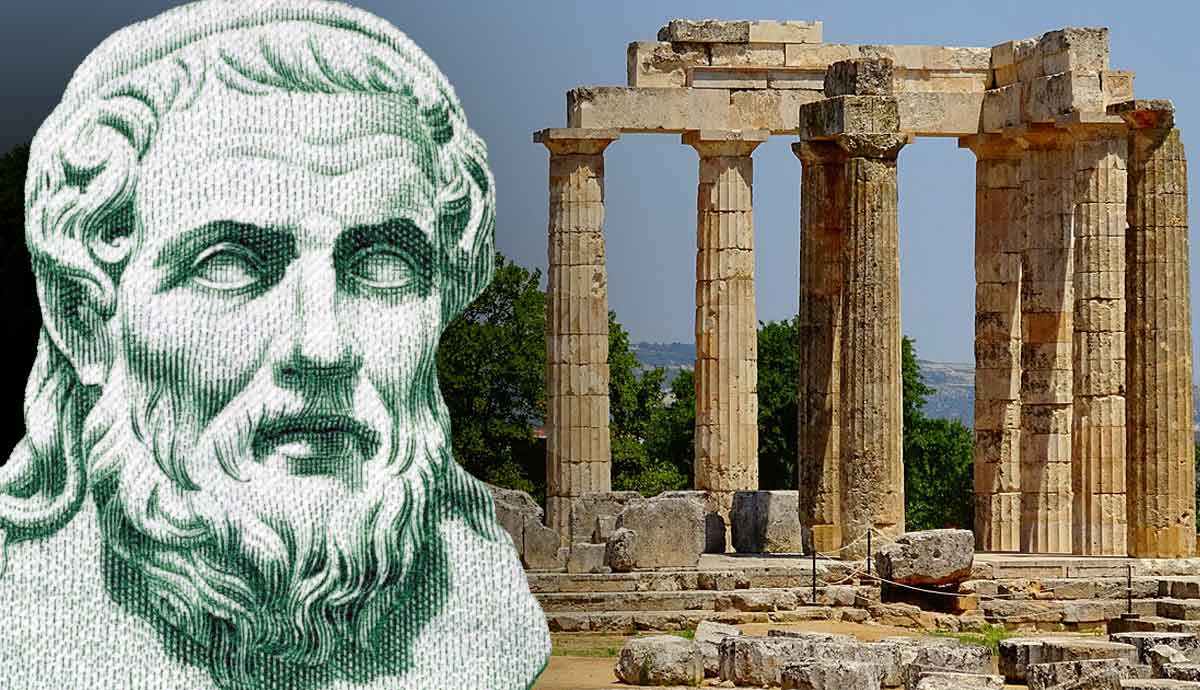
One of the most famous legends from Greek myth is the three-headed hound, Cerberus, who guards the gates to Hades. Hesiod named Cerberus in literature in the 8th to 7th centuries BC, and gave the hound 50 heads, while Pindar (6th to 5th century BC) described Cerberus as having 100 heads. However, subsequent literary descriptions almost universally had the hound of Hades with three heads, while artistic depictions varied. Some sources also mention Cerberus having additional snake heads along his back. Given the animal’s parentage, this is not surprising. His mother was Echidna, whose lower half was that of a snake, and his father was the serpentine giant Typhon.
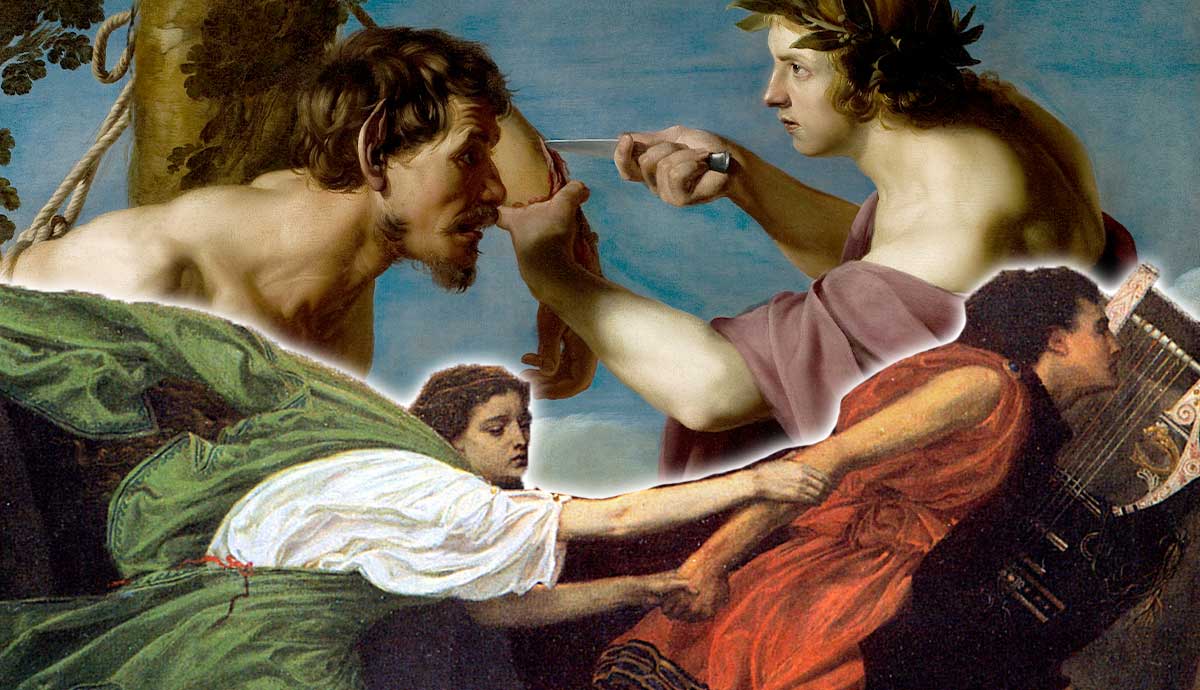
Cerberus was said to devour any spirit trying to leave Hades, and blocked passage to any living being trying to enter. Orpheus, however, was able to pass by the guard dog by charming him with music, while Heracles, in the last of his Twelve Labors, captured Cerberus and brought him up to the land of the living, after which the mighty hero returned him to the underworld.
2. Hermes, the Psychopomp Messenger
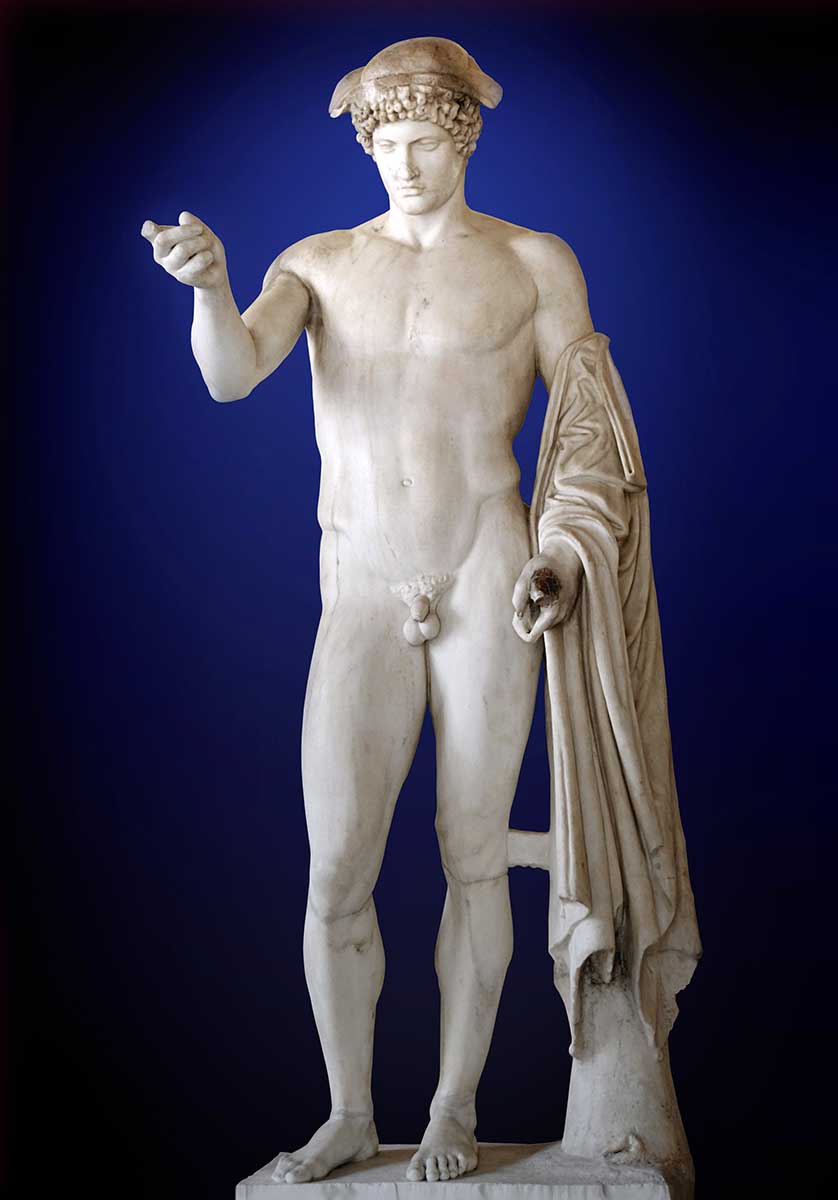
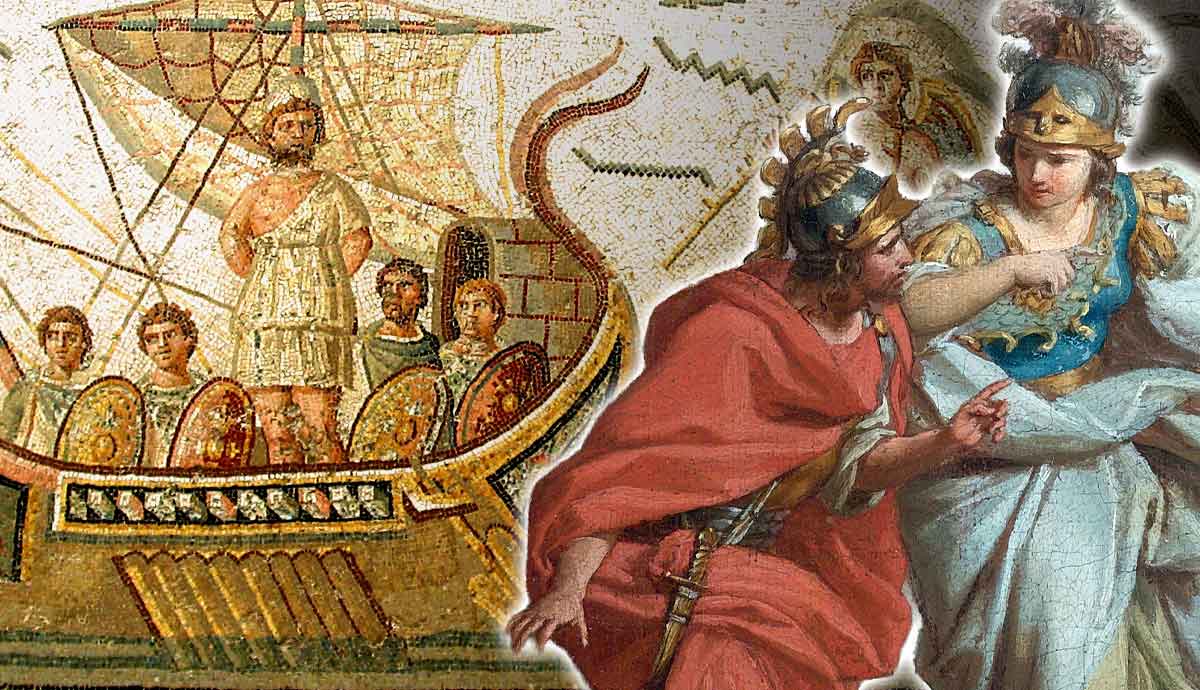
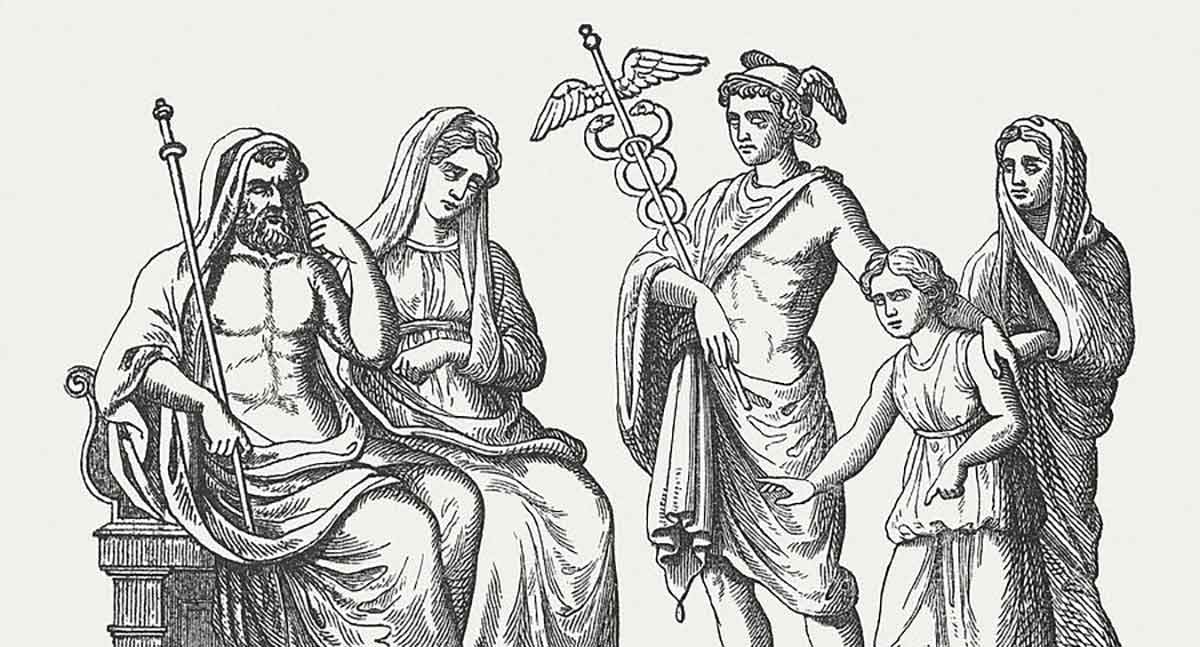
Although generally thought of as a messenger, Hermes played an important role as a guide, taking the dead to the underworld so they wouldn’t have to make the journey alone. In this, he was an important bridge between the land of the living and the deathly realm of Hades. Recognizable with his winged helmet and sandals, and wielding a caduceus, Hermes was the god of boundaries, and this included the boundary between the living and the dead.
In Classical Greece, images of Hermes were frequently depicted on funerary objects and offerings out of respect and in the hope that Hermes would take good care of the beloved deceased. Hermes took his wards as far as the boundary of Hades, by the waters of the Styx, where Charon would take over and ferry the dead into the afterlife.
3. Charon, the Ferryman
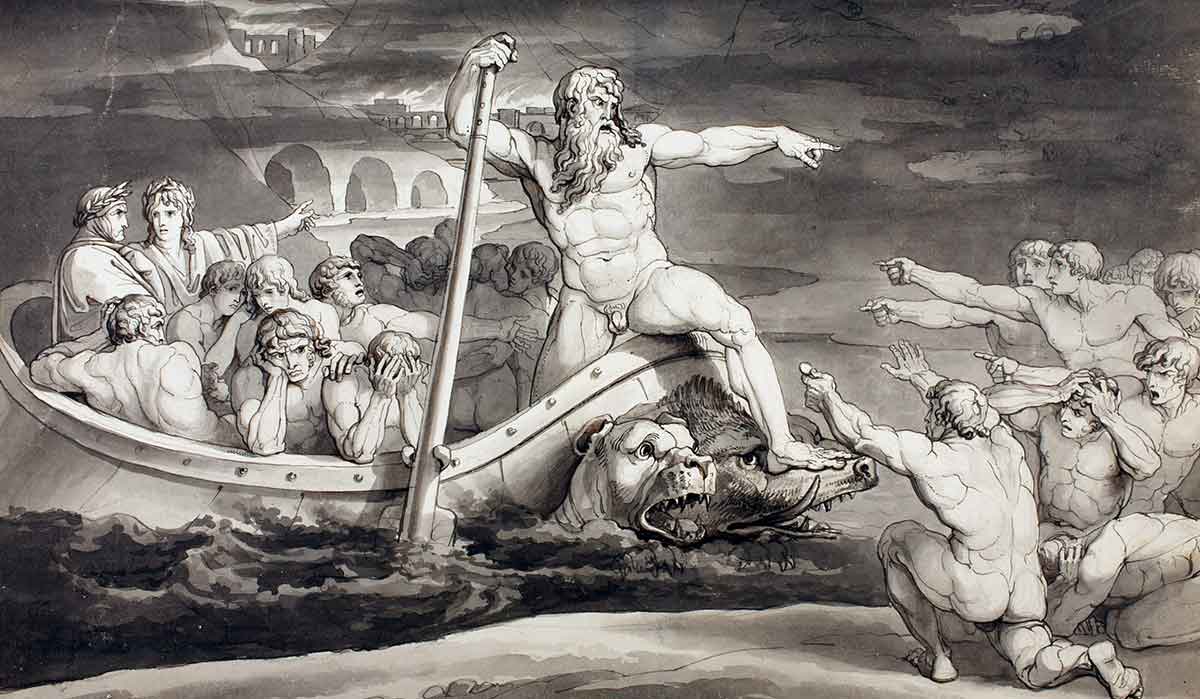
Known for his duty of ferrying the dead across the Styx (or the Acheron) into Hades is Charon, the grim and dutiful servant of the underworld. Exercising his mandate, he refused entry to the living and barred the dead from leaving.
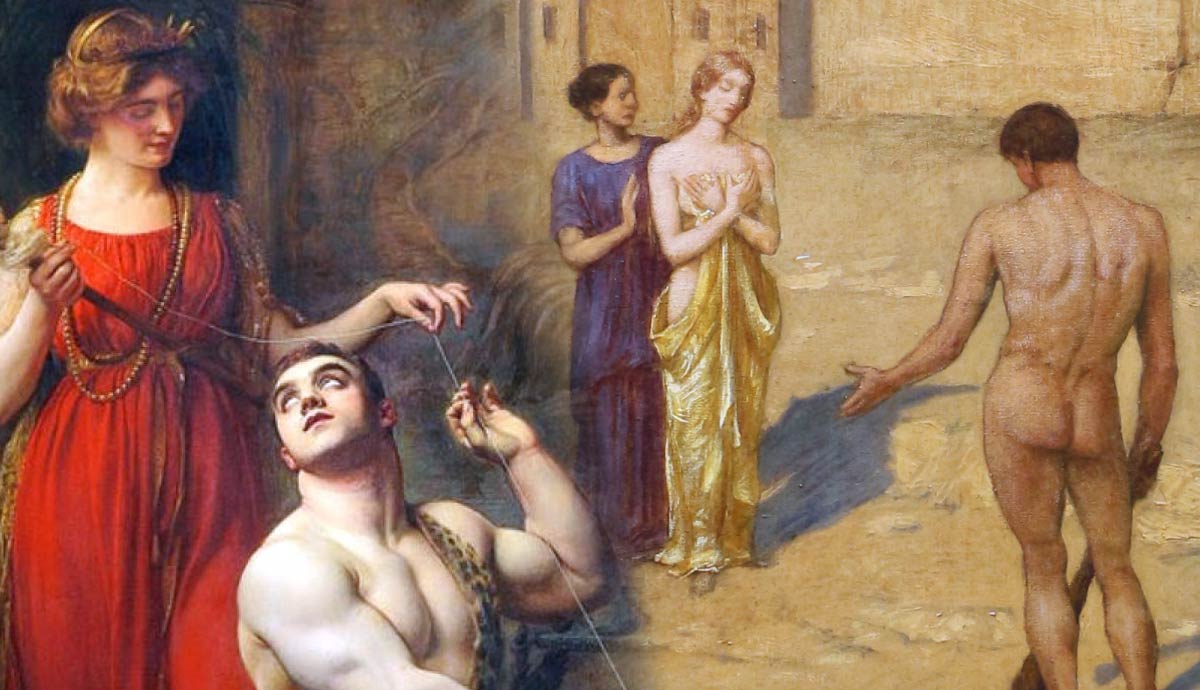
In the Greek myths, he had several encounters where his duty in this regard was put to the test. Orpheus charmed all the guardians of the underworld with his lyre so that he could retrieve his wife Eurydice, while Heracles took a less subtle approach, refusing to pay the toll and overpowering Charon with his strength in order to enter Hades and retrieve Cerberus.
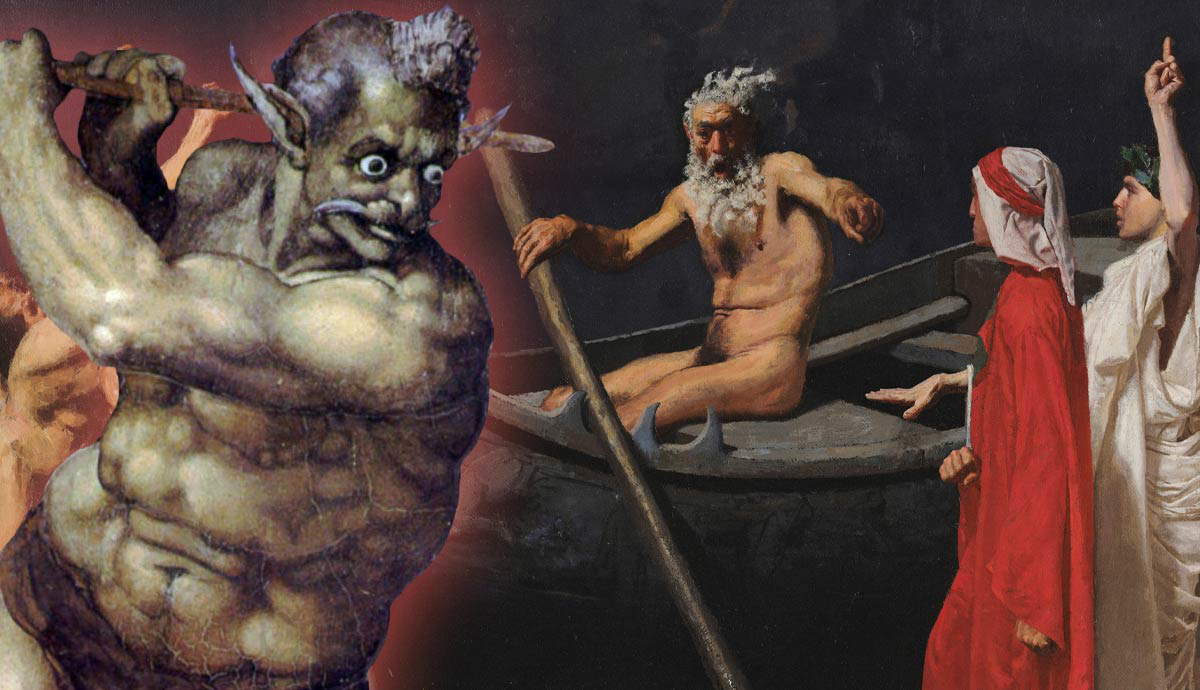
Later Roman poets described Charon as an unkempt character with a long, uncombed beard and dressed in greasy clothes. In Dante’s Inferno, written in the Late Middle Ages, Charon appeared as a vicious demon who beats the damned with his oar, forcing them into his boat.
People were often buried with a coin so that they could pay Charon to ferry them to Hades, and according to Virgil’s Aeneid, those who had not received proper burial rites had to wait on the shores for a hundred years before Charon would take them across.
4. Hades, the Ruler of the Underworld
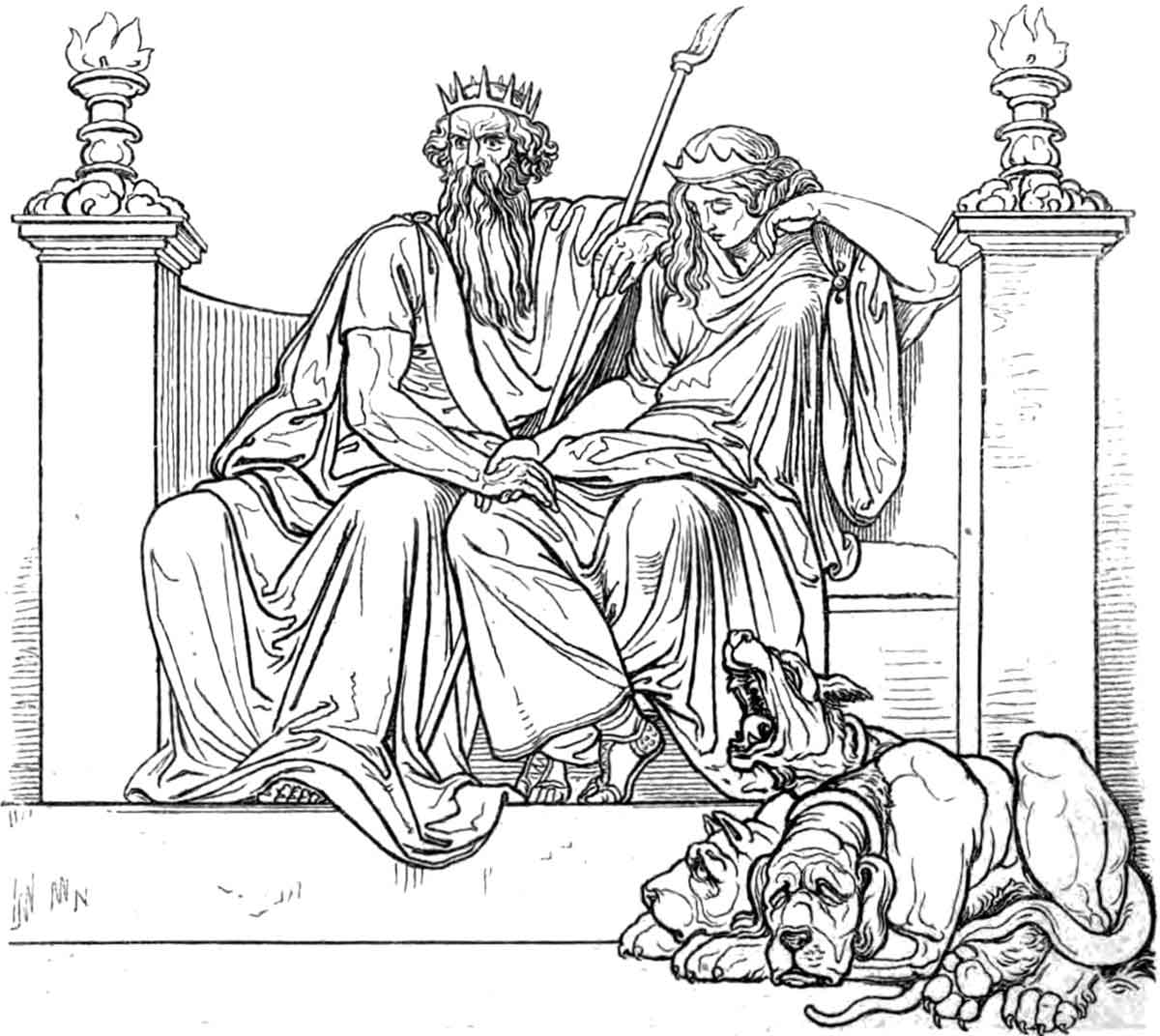
A ruler of immense power, Hades reigned over the underworld, sharing a name with his domain. Along with his younger brothers, Poseidon and Zeus, Hades overthrew the Titans for control of the cosmos. Hades was given dominion over the underworld, where the dead would reside. Despite the negative associations with ruling over such a place, in Greek mythology, Hades was depicted as a passive figure concerned with maintaining balance, rather than the vindictive villain as portrayed in popular culture today.
Like his faithful hound, Cerberus, Hades was concerned with preventing the dead from leaving his realm and the living from entering it. Those who crossed him or tried to flee death were subject to Hades’ wrath.
5. The Erinyes, the Goddesses of Vengeance
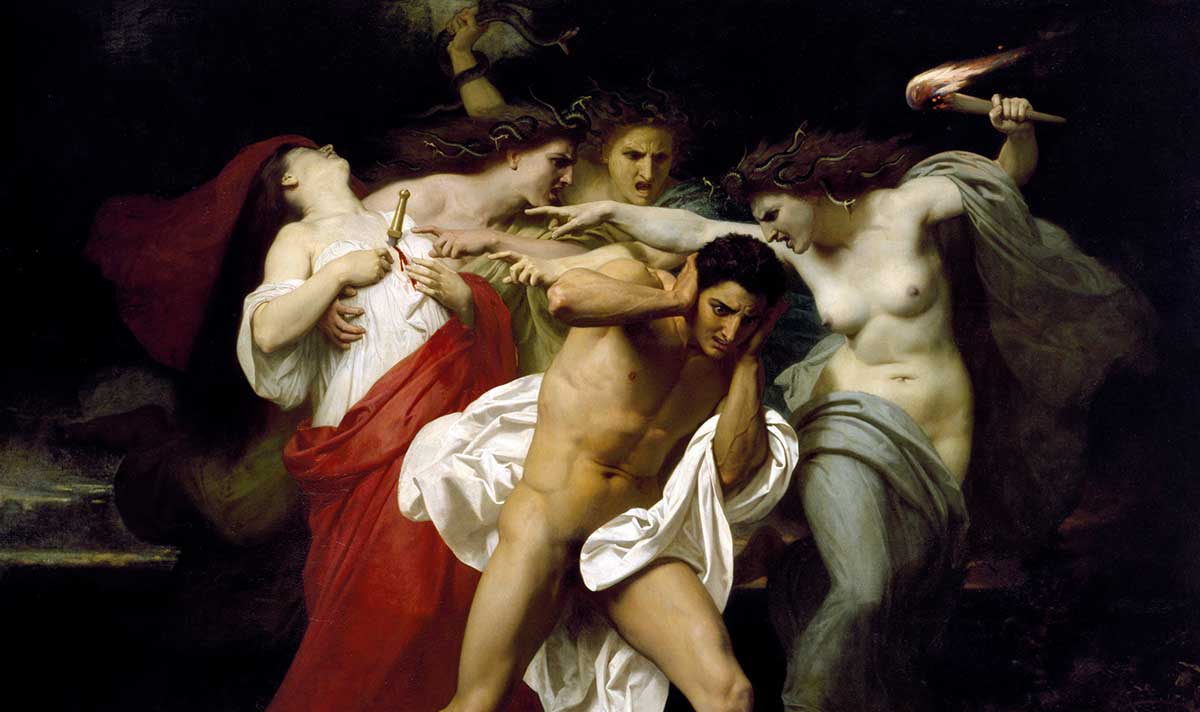
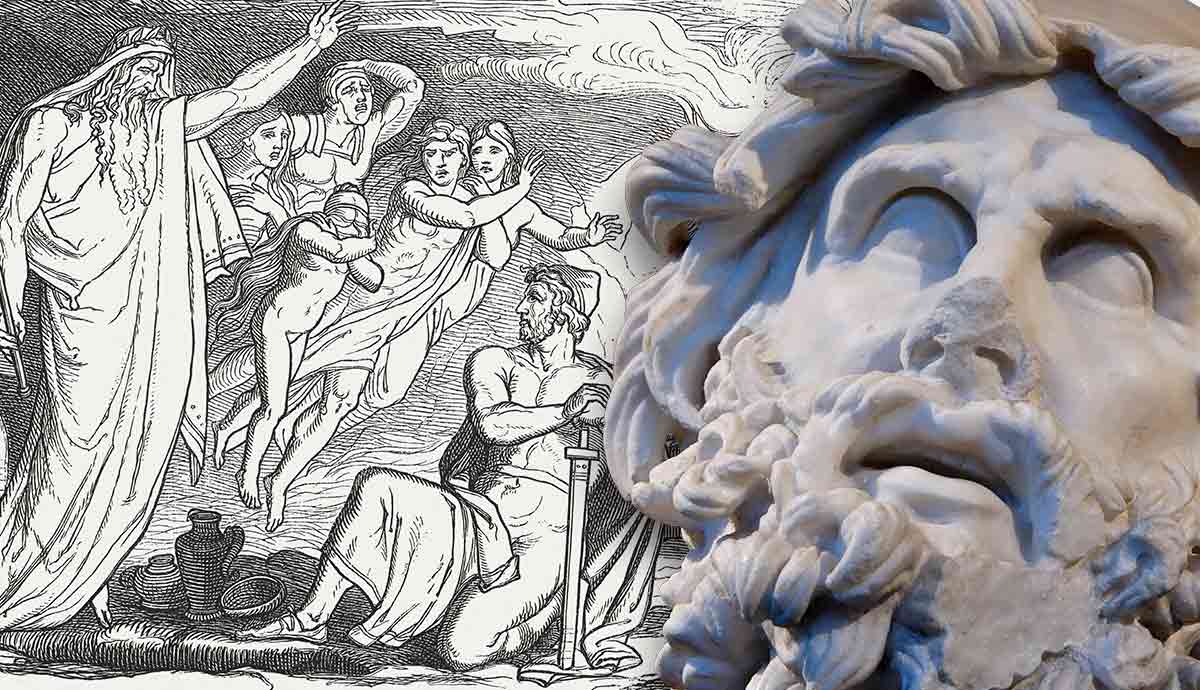
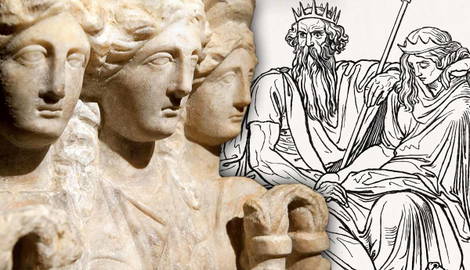
A triad of fearsome goddesses, the Erinyes punished men for their crimes against the social order. Murderers, perjurers, blasphemers, and those committing acts of unbrotherly conduct were the unfortunate targets of the Erinyes’ attention. Of particular importance to these deities were crimes committed by children against their parents, as this was what created the Erinyes. According to Hesiod’s Theogony, they were born from the blood of Uranus when he was castrated by his son, Cronus.
They tormented their victims in life and punished them in death, as they served Hades and Persephone, organizing punishment for those condemned to suffer. Surviving the end of mythic Greek belief, they lived on, being mentioned when they confronted Dante and Virgil outside the Hellish city of Dis in Dante’s Inferno.
6. Hecate, a Chthonic Goddess of the Crossroads
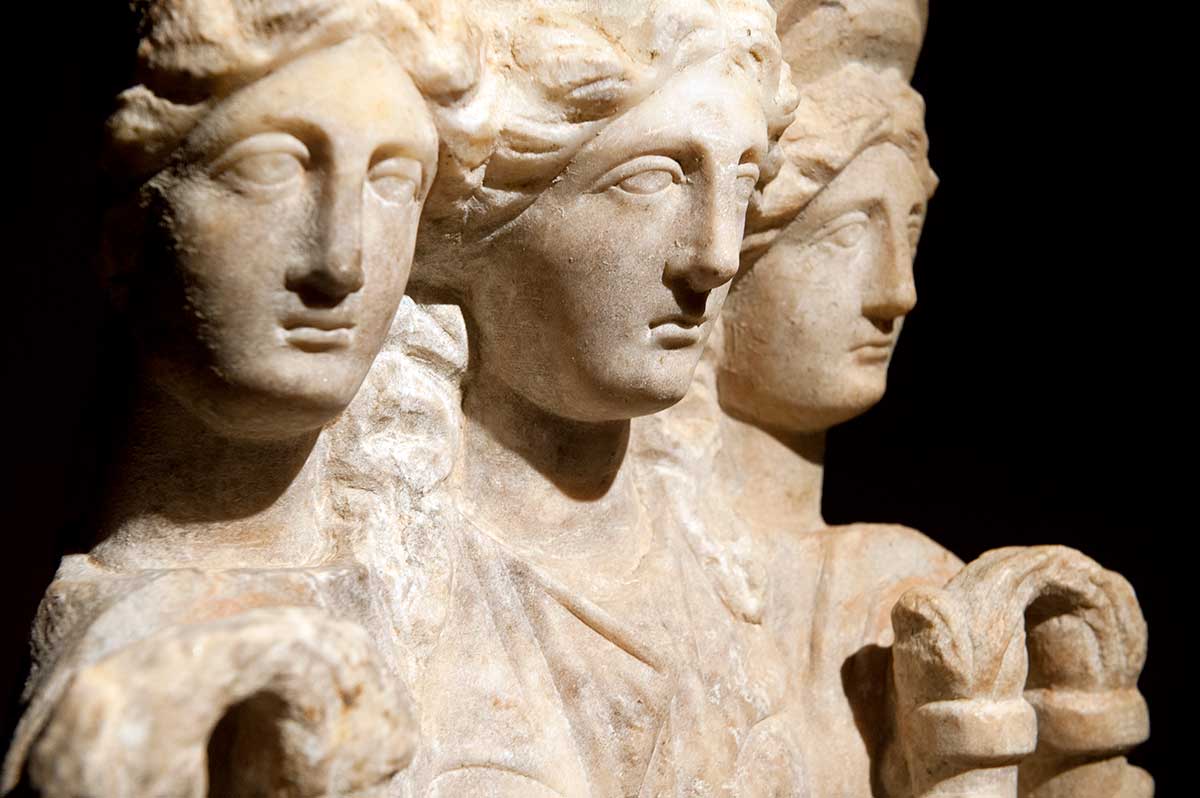
A goddess associated with witchcraft, the night, liminal spaces, magic, plants and herbs, and the moon, Hecate was also a powerful deity of the Greek underworld, and by the 5th century BC, she was also strongly associated with ghosts. In later periods, and especially in Roman times, Hecate was seen as a triple-goddess, embodying three forms. Existing on the periphery rather than in the center of Greek and Roman mythology, Hecate’s cult prospered on the fringes of society.
Like Hermes, Hecate was also a psychopomp and guided the dead to the afterlife, lighting the way with her torches. She was revered as a guardian of travelers in the real as well as the mythic realms. The Roman poet Virgil wrote of Hecate in the first century BC as being equally powerful in Heaven and Hell and having authority over the Grove of Avernus at the entrance to Hades.
Today, Hecate is still revered as a goddess of witchcraft, and practitioners of Wicca seek her guidance in spellcraft and rituals.
7. Thanatos, the God of Death
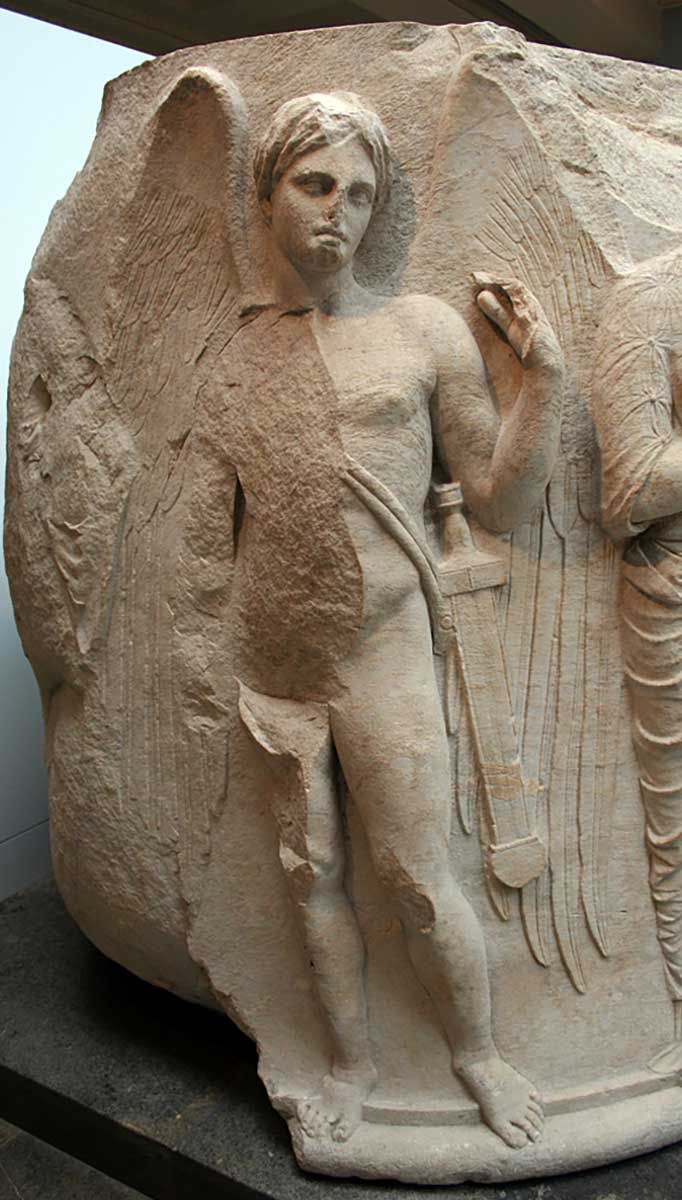
As the god of death, Thanatos had significant ties to the underworld, acting as a guardian of cosmic order. Nyx, the primordial goddess of the night, was his mother, and Hypnos, the god of sleep, was his twin brother. His siblings also included the Keres, vicious spirits of slaughter and disease.
Quiet and ever-present, he was the god of peaceful death. His touch was soft, and his temperament was calm and silent. Nevertheless, he represented the end of life and was naturally feared by the ancient Greek people, all of whom had to eventually meet him.
While not a major figure in Greek myth, Thanatos did feature in a few stories, most notably that of Sisyphus, who tricked the god of death, binding him with chains so that he could not perform his duty. Without Thanatos, nobody could die, not even from brutal wounds inflicted in the most violent ways. Ares, incensed that without death battle would mean nothing, came to the aid of Thanatos and released him. Another version of the story had Hades as the god who was bound.
Appearing in funerary poetry and art, Thanatos was a representation of the Greeks’ desire for dignity in death and was depicted as young and beautiful.
8. Minos, Rhadamanthus, and Aeacus, the Judges of the Dead
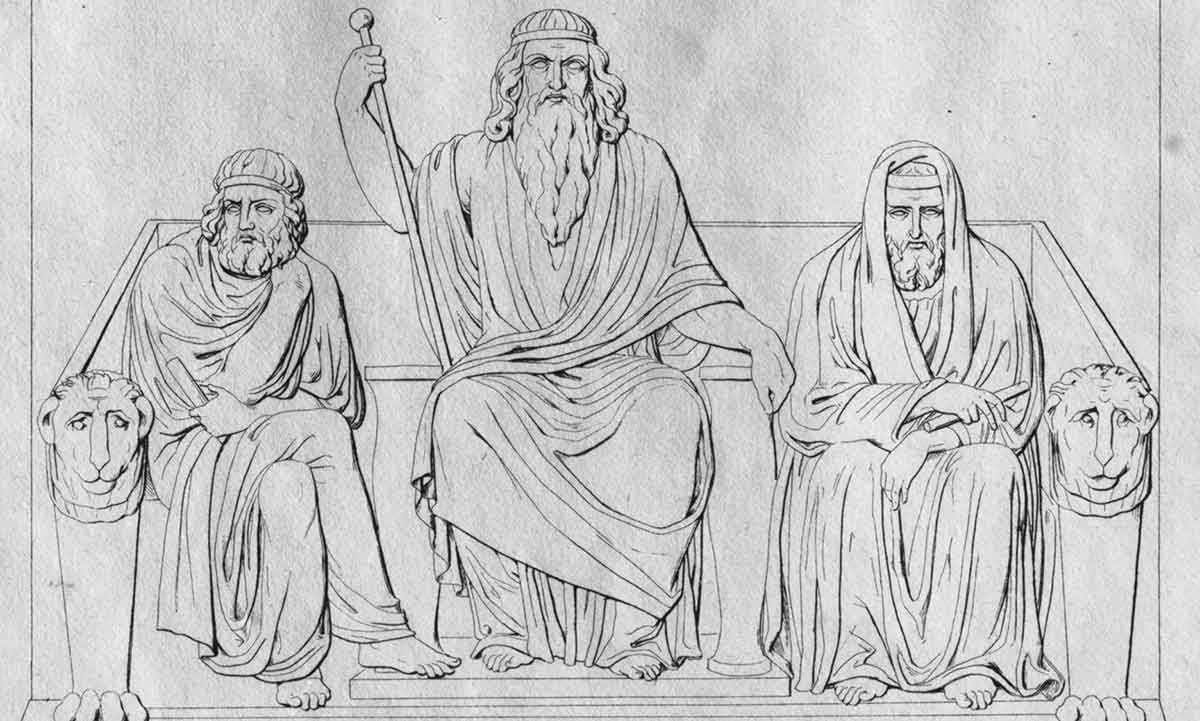
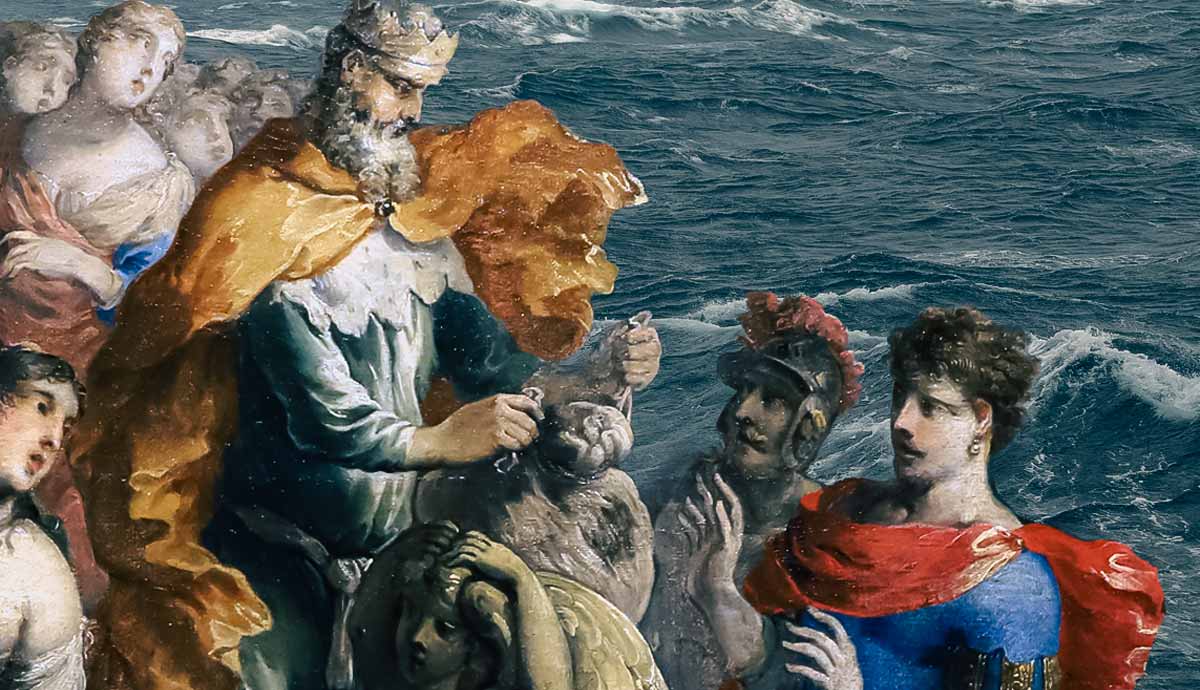
Guarding against chaos and ensuring that order reigned in the afterlife, Minos, Rhadamanthus, and Aeacus stood as judges, deciding the eternal fate of those who passed into their realm. Each a mortal son of Zeus, they were kings who gained divine recognition for establishing order within their kingdoms. In death, they were granted ministerial positions as demigods, answerable to Hades in the underworld.
Aeacus guarded the keys of Hades and was responsible for judging Europeans, while Rhadamanthus judged Asians, and Minos cast his vote in the case of indecision.
Long after the end of pagan Greece, Minos lived on, finding a new home in Christian theology, being a monstrous judge in Dante’s Inferno.
In their own way, each of these beings guarded Hades, whether it was the physical form of the underworld or the principle of cosmic order and the boundaries of life and death. From the monstrous and terrifying to the beautiful and serene, Greek beliefs on death and the afterlife were complex, exemplifying a deeply philosophical engagement between the ancient Greeks and their own existence.