
Odysseus is known for his epic ten-year-long journey from Troy to Ithaca, so much so that he gave his name to the word “odyssey.” Fraught with perils that wiped out his crew, his journey was a horrific adventure of trials and tribulations that took him all over the known world and beyond, even past the land of the living and into Hades, where he had to interact with the dead.
Entering the Underworld: Circe’s Command to Odysseus
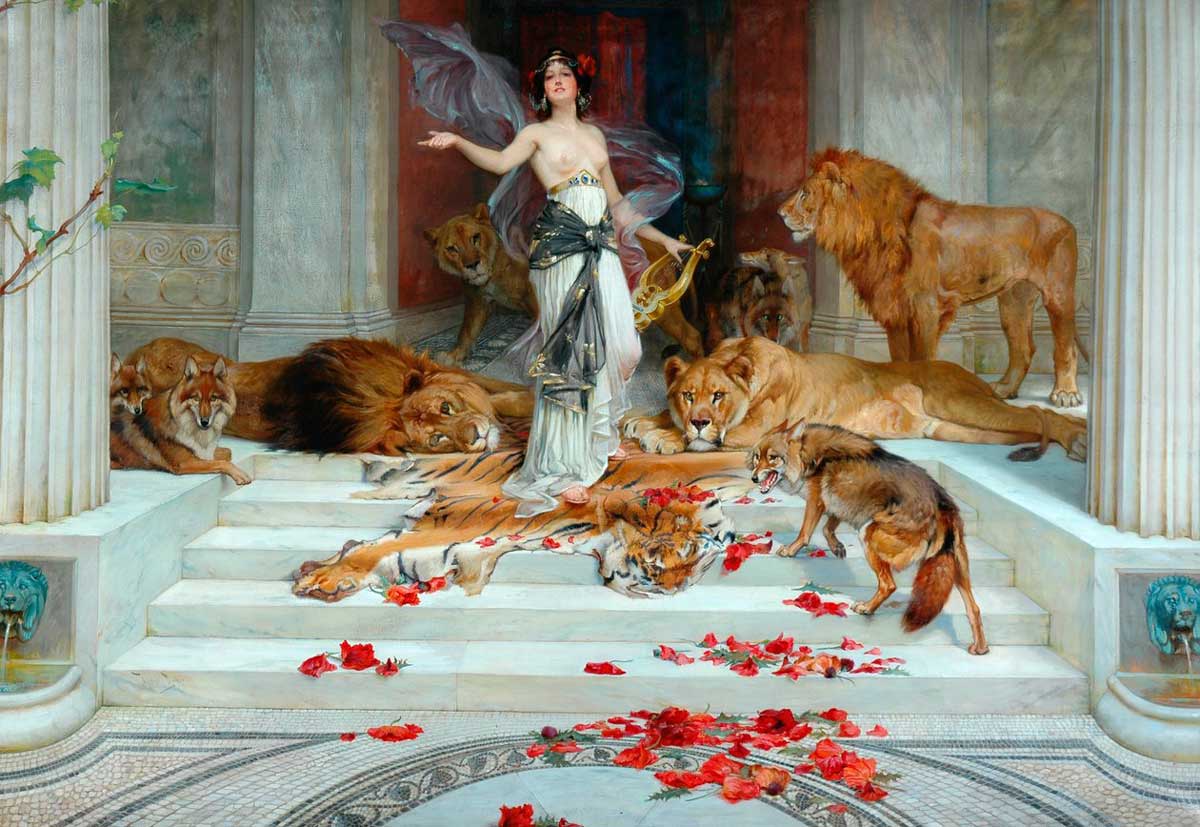
In Book X of Homer’s Odyssey, Odysseus and his crew arrived on the island of Aeaea, home of the cunning and dangerous Circe, who turned many of the crew into pigs. With the help of Hermes, Odysseus resisted Circe’s attempts to control him and convinced her to lift the spell on his men.
After reconciling, Circe told him that to find his way home, he had to travel to Hades and consult with the seer Teiresias, who alone knew the way home for Odysseus, and what he would find when he got there.
For this, Odysseus had to travel to the edge of Okeanos, the river encircling the world, and pass through into Hades, where he had to perform a ritual to summon the dead.
A Ritual at the Edge of the World
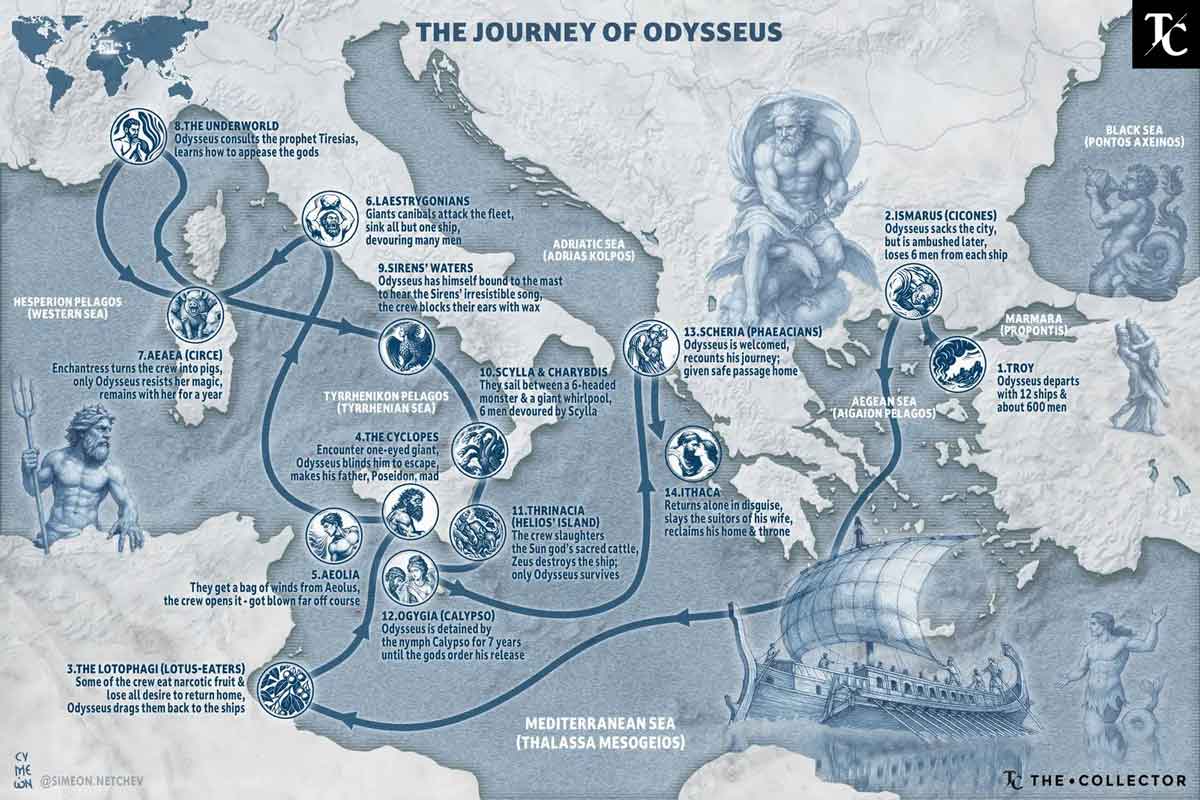
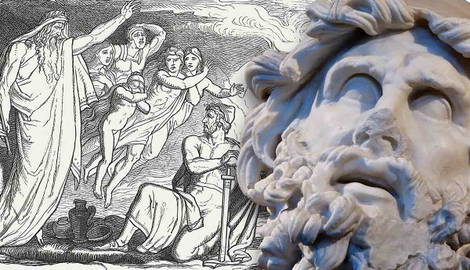
As per Circe’s instructions, Odysseus and his crew traveled westwards to the land of the Cimmerians, a misty place drenched in perpetual night. Upon arriving, he prepared a ritual to summon the dead. He dug a trench and poured into it a drink ritual, offering honey, milk, wine, and water. He then made promises of sacrifices to the ghosts for when he returned to Ithaca. Finally, he slit the throats of two sheep and let the blood flow into a trench.
This final, powerful act was the key that drew forth the dead. Among them were people from all walks of (un)life, from warriors cut down at Troy, to women who died in childbirth, all desperate to taste the blood which would temporarily allow them to remember, and crucially for Odysseus, to speak with the living.
Speaking With Elpenor
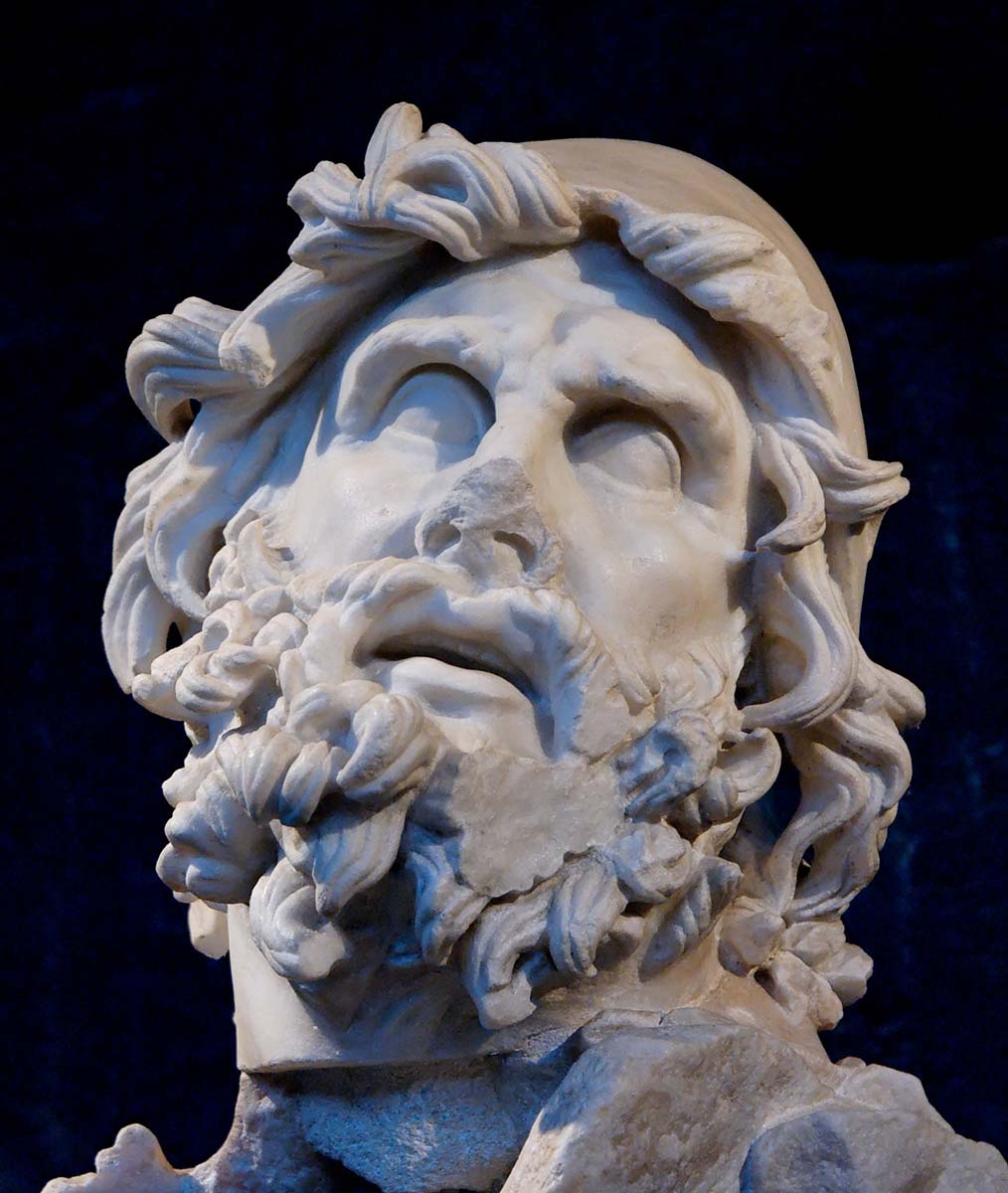
Odysseus drew his sword, ready to protect the blood from being touched until he had consulted with Teiresias. The first shade to approach was none other than one of Odysseus’ own men, Elpenor, who had died on Aeaea. Narrated in book X of the Odyssey almost as an afterthought, Odysseus gave no thought to burying or mourning Elpenor, who fell off a roof while drunk and broke his neck.
This brings to the fore the theme of timē, the basic dignity afforded to the dead in ancient Greek culture. While most heroes search for kleos, the glory of their deeds that lives on after they have passed, Elpenor asks for something far more modest. He died an embarrassing and ignominious death, and his body lay where it fell, his death unknown to his comrades.
Having died so recently, Elpenor was able to communicate with Odysseus. Warning that his spirit could bring divine wrath upon the expedition, Elpenor beseeched Odysseus to return to Circe’s island and give him proper funeral rites so that he might rest in peace. Without hesitation, Odysseus agreed to Elpenor’s request.
Then, to his great dismay, Odysseus saw his mother, Anticleia, who was alive when Odysseus left Ithaca for Troy. Odysseus wept, but despite his heartache, he would not allow her to reach the blood before he had had a chance to speak to Teiresias.
Teiresias and the Prophecy
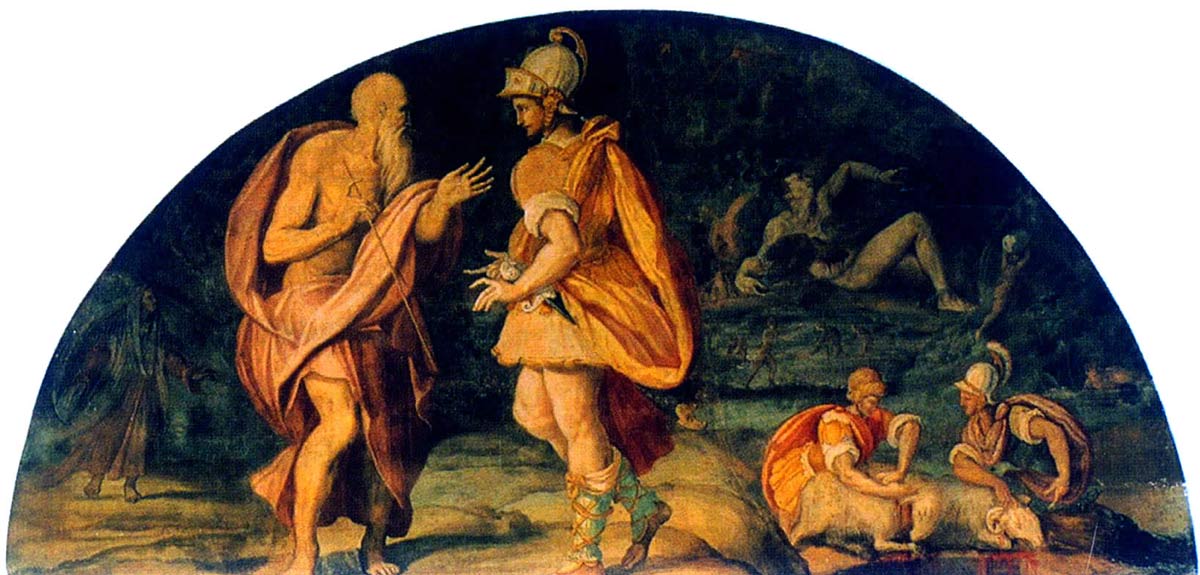
Finally, Teiresias appeared and drank the blood. He immediately recognized the “son of Laertes,” and warned him of Poseidon’s wrath, for the god of the sea was still angry at Odysseus for blinding the cyclops, Polyphemus.
Teiresias offered Odysseus visions of the future and warnings for what had to be done to return to Ithaca and to appease Poseidon. He stated that if the Cattle of the Sun were harmed on the island of the sun god, Helios, then disaster would strike, killing Odysseus’ crew and sinking his ship. And even if Odysseus survived, he would return to Ithaca to find his house filled with suitors competing for his wife’s hand in marriage, while they entertained themselves at Odysseus’ expense.
He then warned that even at this point, Odysseus still had to appease the wrath of Poseidon by undertaking another task, carrying an oar inland to the people who know nothing of the sea, and making a sacrifice.
Odysseus Speaks to His Mother
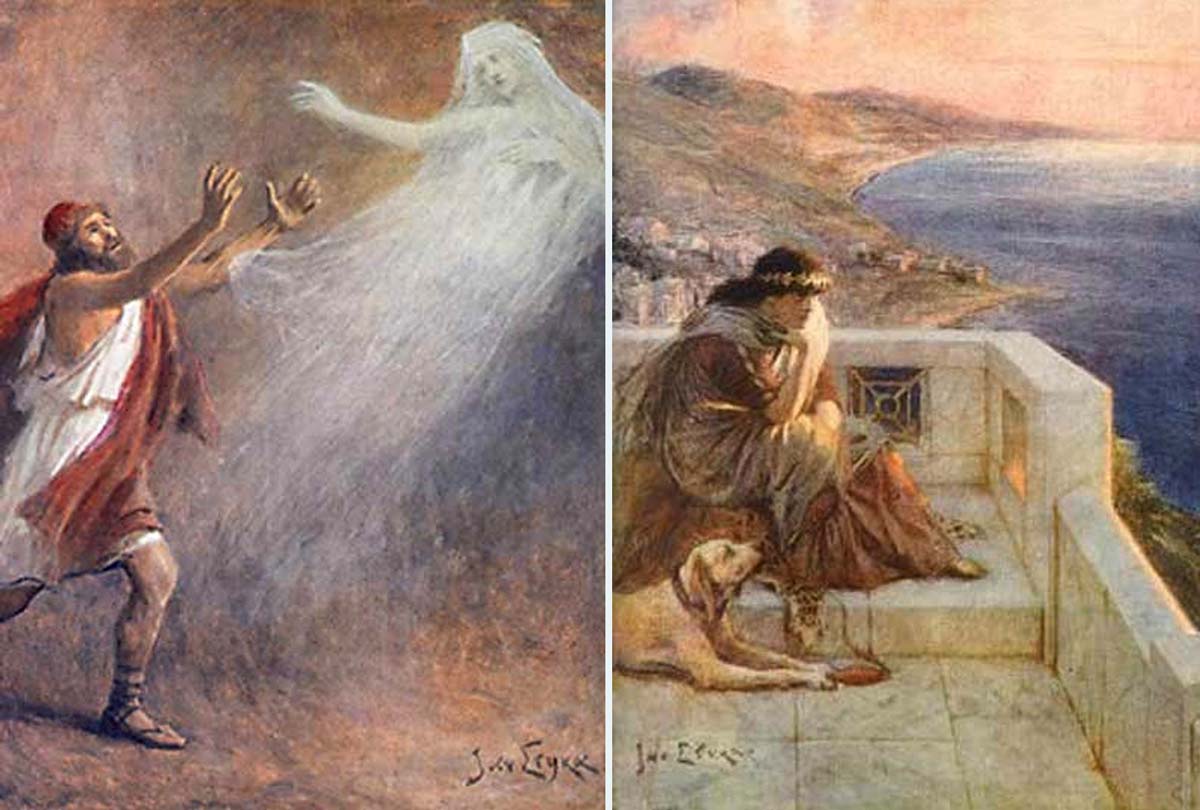
After Odysseus had finished speaking with Teiresias, he spoke with his mother. She drank from the blood and recognized her son, confused as to why he was in Hades, but still alive. Odysseus explained his wanderings and why they brought him to Hades. Odysseus had many questions of his own. First among them was enquiring as to how his mother died.
She replied that she had died from longing for her son to return, just as Odysseus’ father was dying too, living a life of grief and akin to poverty. Meanwhile, Odysseus’ wife, Penelope, and son, Telemachus, were steadfastly awaiting his return. Odysseus then tried to embrace his mother, but she, having no corporeal form, slipped through his arms.
Meeting a Host of the Dead
After speaking with his mother, Odysseus saw a number of other shades with whom he was familiar. Tyro, Antiope, and Alcmene, three women of importance, Odysseus noted as having borne famous heroes to the gods. The Odyssey then lists a number of women among the dead, their importance determined by the children they bore and with whom.
The subsequent passages in the Odyssey read as a maternal genealogy list rather than a statement of heroic deeds. This contrasts sharply with the male spirits seen by Odysseus, who are noted for their actions and their positions of power, as well as their misdeeds and offences to the gods.
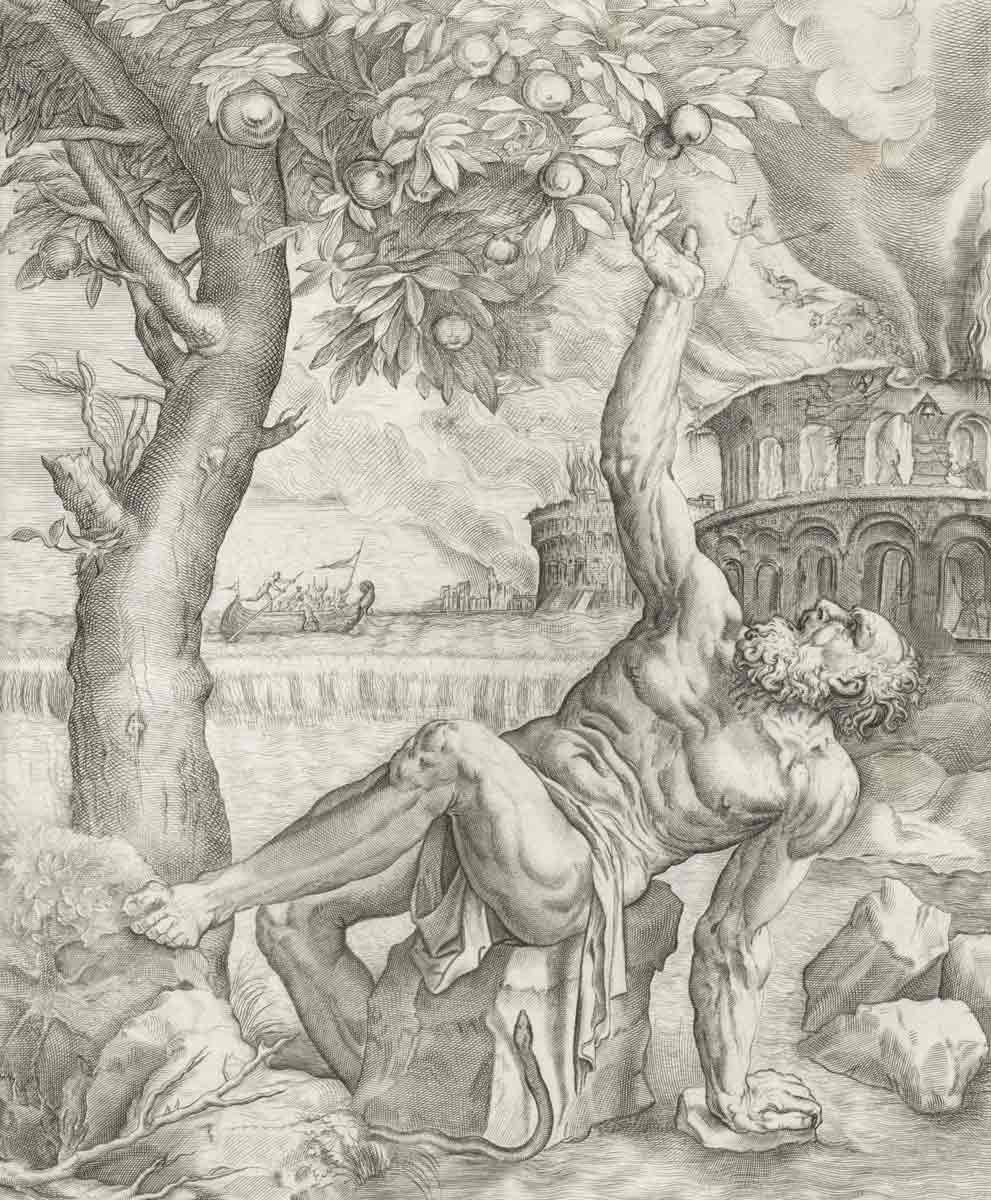
Odysseus saw Minos, the son of Zeus, who judges those who enter Hades. He saw Orion, the giant huntsman, and the mighty Heracles. In torment, he saw Tityos, who had been violent towards Leto, a beloved mistress of Zeus (and a powerful Titaness). Tityos lay pinned to the ground while vultures tore at his bowels. Tantalus, too, suffered. For stealing ambrosia from the gods (assumed in later traditions, but not directly stated in the Odyssey), he spent eternity in thirst and hunger, standing in a pool of water from which he could not drink and in arm’s reach of fruits that would slip away from his grasp.
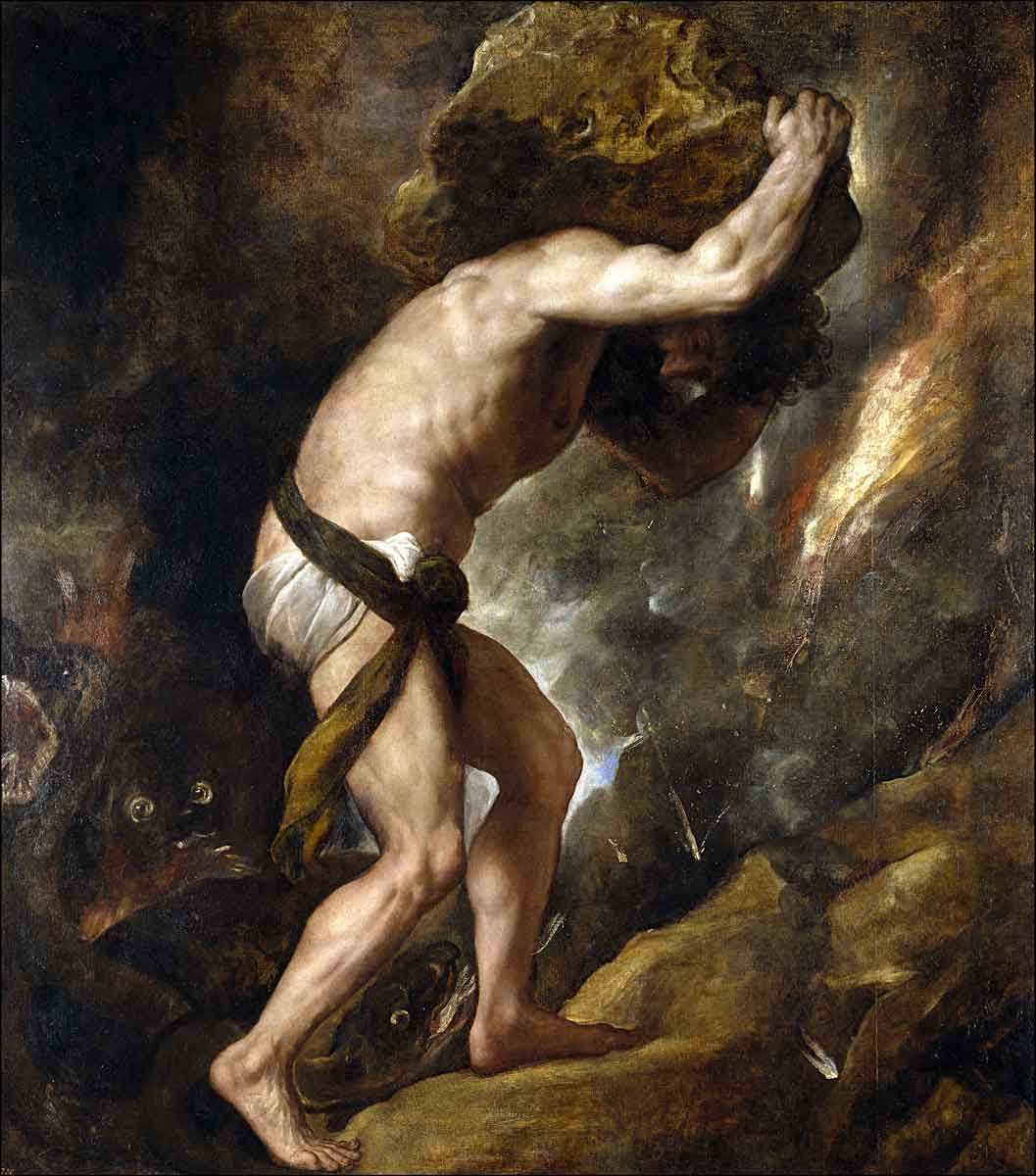
Then there was the famous Sisyphus, who thought to outsmart Zeus. For his hubris, he was forced to push a boulder up a hill only for it to tumble down near the apex, forcing the damned soul to start over for all eternity. Although the reason for his punishment is similarly not actually mentioned in the Odyssey.
Odysseus spoke with the heroic Achilles, who had perished at Troy. The mighty warrior asked after his son and father, and added that he would rather be alive as a servant living a common life than a lifeless hero lording over the dead.
Odysseus was saddened to see the spirit of Agamemnon, the king of Mycenae and the brother of Menelaus. Agamemnon explained that he was killed after returning home from Troy, betrayed by his wife, Clytemnestra, who conspired with her lover Aegisthus. Here, Agamemnon is a lesson that even after the dangers of returning home have been avoided, there are still deadly obstacles to overcome, and this proves to be true in the case of Odysseus, too, who has to deal with his wife’s many suitors.
Through all these conversations Odysseus has with the dead, Homer paints a tragic, bleak picture. No matter how one lives, there is only suffering in death. Even the greatest heroes regret not enjoying life to the fullest.
Departing Hades
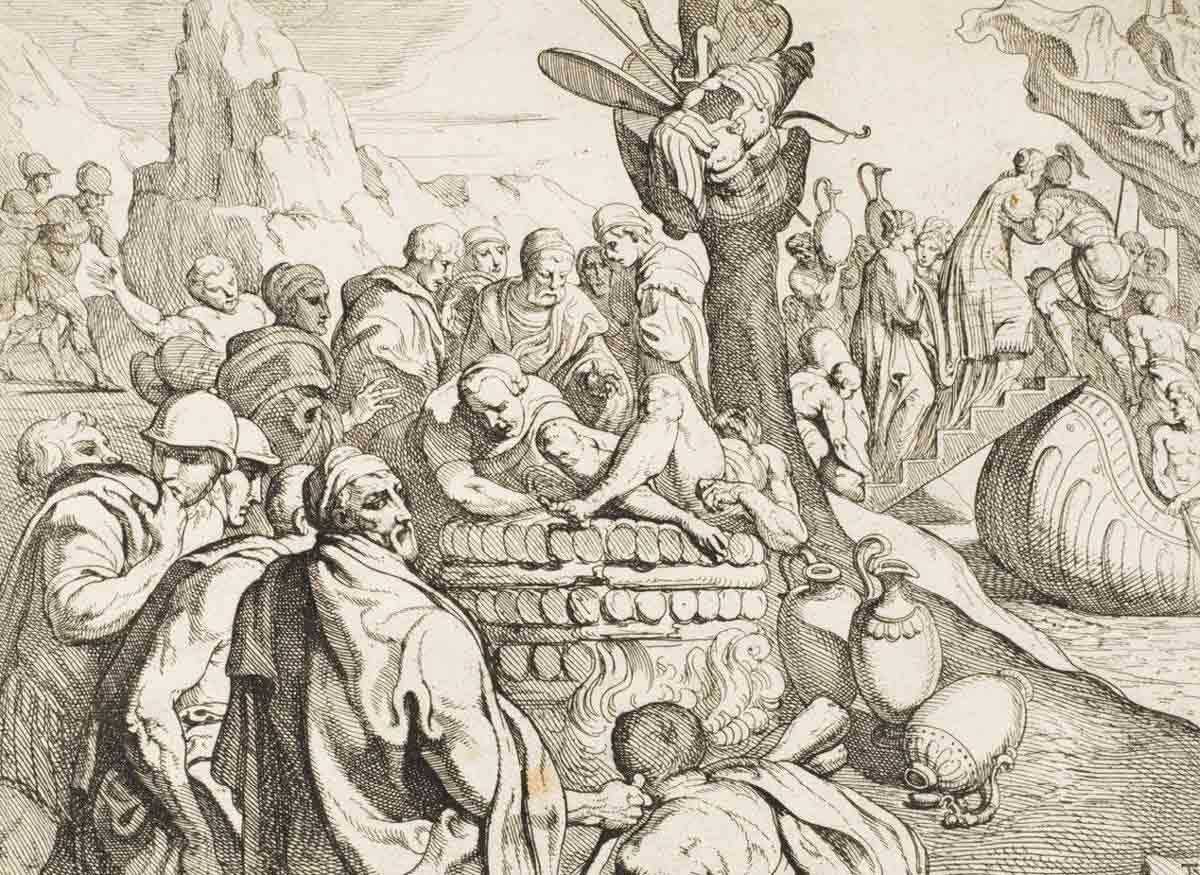
While there were many shades that Odysseus still wished to see and speak with, he feared Persephone would send to him the Gorgon (likely Medusa, but not named in the Odyssey), and so he bade his men to enter the boats and left the realm of the dead behind, returning to the island of Circe.
As soon as they arrived on Aeaea, they retrieved Elpenor’s body and cremated it with proper funerary rites. Circe knew of Odysseus’ arrival and greeted him and his crew with food and drink. After Odysseus related his tale to Circe, she gave him more advice and warnings for the journey ahead, detailing the dangers of the Sirens, the Wandering Rocks, as well as Scylla and Charybdis.
From his visit to Hades, Odysseus was forced to confront the results of his actions, from abandoning his family to the duty he had to his crew. Homer used this part of the story for exposition. It is a pause in the action of the Odyssey for contemplation.
More importantly, from a pragmatic sense, was the navigational knowledge Odysseus gained, allowing him to chart a course home, although it would still be many years before he would set foot on Ithaca.