
Although Odysseus is the epic’s central figure, it is the characters surrounding him that reveal the Odyssey’s deeper reflections on human nature. The poem explores struggles that extend beyond mythological spectacle, engaging with questions of fate, endurance, loyalty, and moral responsibility. From divine intervention to human resilience in the face of loss and temptation, these themes remain immediately recognizable. By examining characters other than the protagonist, it becomes clear that the Odyssey is shaped by an intricate web of forces that define both Odysseus’s journey and the epic’s lasting meaning.
1. Telemachus: A Son’s Search for Identity
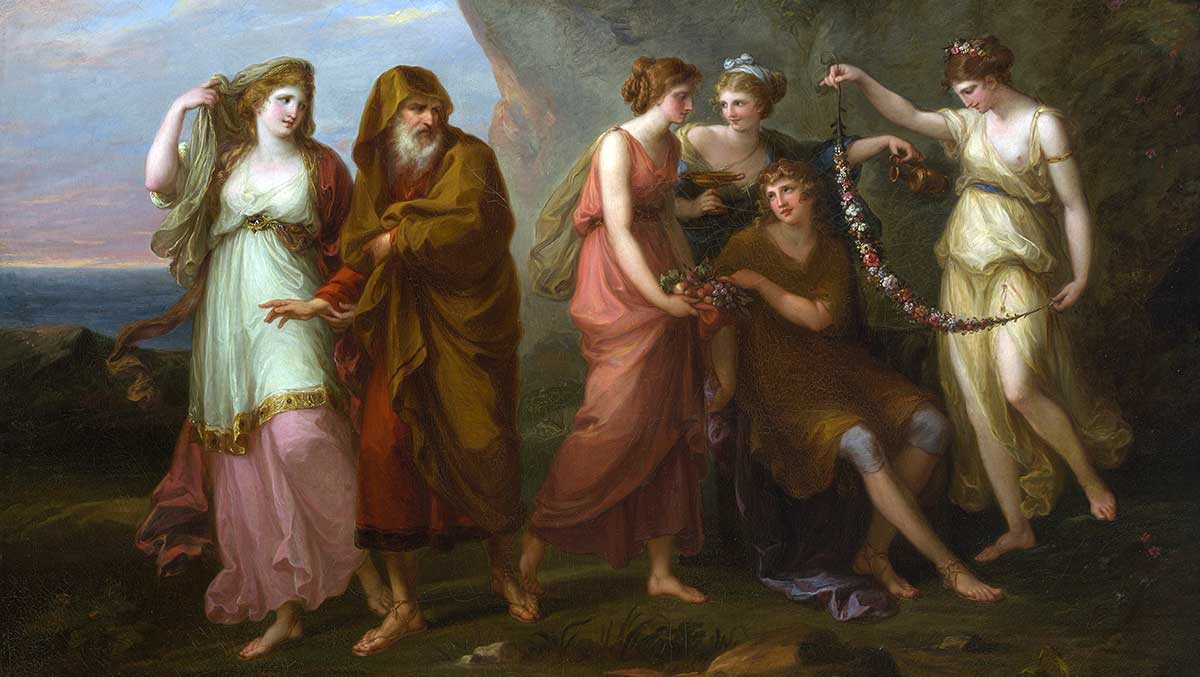
The opening of the Odyssey follows Telemachus, Odysseus’s son and heir. His father had departed nearly 20 years earlier to fight in the Trojan War and has still not returned. Telemachus struggles to assert his authority within his own household. Believing the king to be dead, more than 100 suitors occupy the palace, consuming its wealth, abusing the servants, and relentlessly courting Queen Penelope in an effort to claim the throne.
As Telemachus worries about the future of his home, the goddess Athena appears to him in the disguise of Mentor, an old friend of Odysseus. She urges him to leave Ithaca in search of news about his father. When Athena transforms into an eagle and flies away, Telemachus realizes that these were the words of a divine figure. The following day, he sets sail on a black ship with 20 oars, almost as if he were walking in the footsteps of his father.
Telemachus visits Nestor in Pylos, who recounts the events of the last 20 years, and encourages the young man to assert himself as a leader. In Sparta, Menelaus reveals that Odysseus is alive, but trapped on the island of Calypso. He also confirms the murder of the famous king Agamemnon.
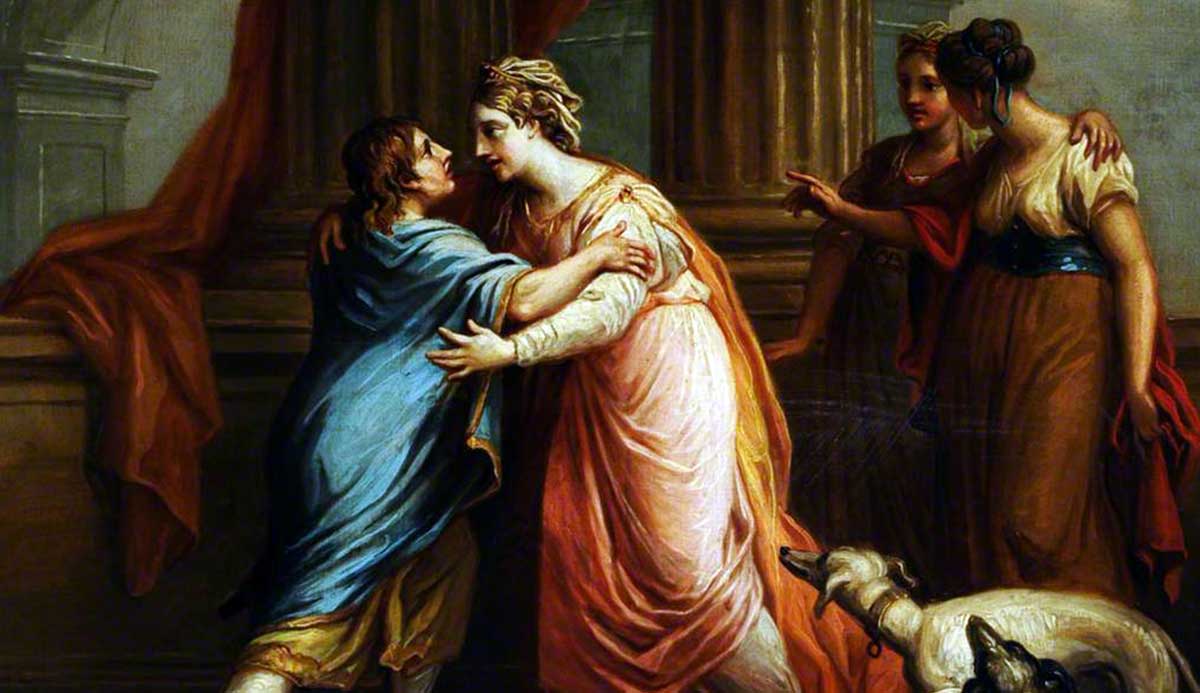
Through these tales, the Trojan War is no longer understood as merely stories of glory, but as a plight in surviving its aftermath. Telemachus also realizes that his father’s absence was wrought by misfortune. As he listens to legends of kingship grounded in memory, Telemachus feels a new breath of life and is swept with a feeling of purpose.
Returning to Ithaca, Telemachus asserts himself as the future of the kingdom. No longer the shadow of his great father, his is a story of a son in search of identity and meaning, and the resolve found in battling one’s struggles.
2. Penelope: The Endurance That Saved Ithaca
Queen Penelope was renowned in the ancient Greek world not only for her loyalty, but also for her intelligence and resilience equal to that of her husband. As the daughter of Icarius of Sparta and a cousin of Helen, whose abduction sparked the Trojan War, Penelope belonged to the highest ranks of Greek nobility. Her strength of character preserved Odysseus’s household during his absence and allowed him to reclaim his position upon returning to Ithaca.
Before her marriage, Penelope attracted many powerful suitors intrigued by her political status and her qualities of self-restraint and intellect. Her father sought to secure an advantageous alliance. Despite lacking great wealth or military fame, Odysseus distinguished himself through his mental capacity, which mirrored hers. Penelope deliberately chose Odysseus, and thus, one of history’s most legendary unions was forged.
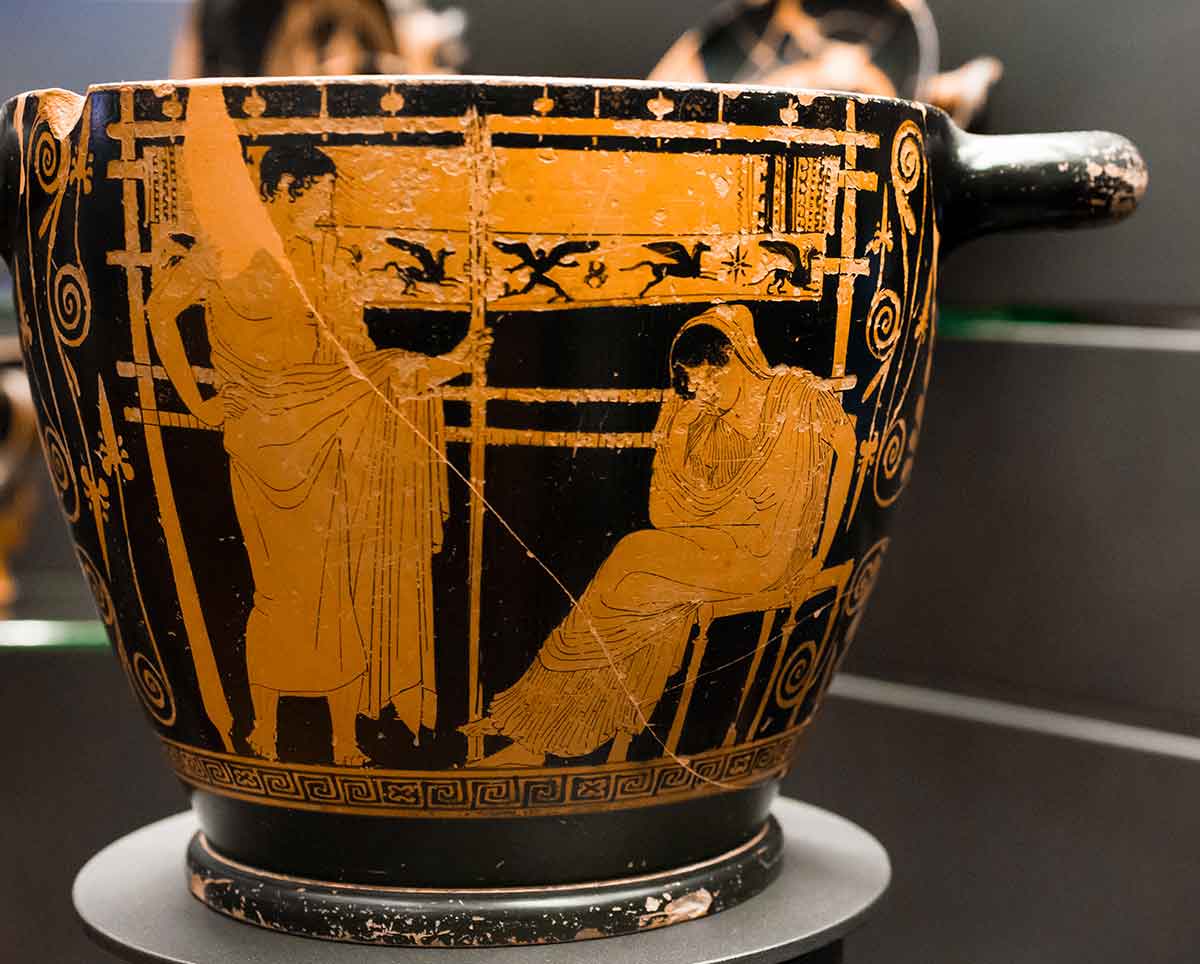
Penelope’s most memorable act is the weaving ruse. Pressured by suitors who sought to claim Odysseus’s throne, she promised to choose a new husband only after completing a burial shroud for Odysseus’s father. Every day she wove, and every night she secretly unraveled her work, delaying her remarriage. Through this deception, Penelope maintained authority while appearing compliant to the wishes of her courtiers.
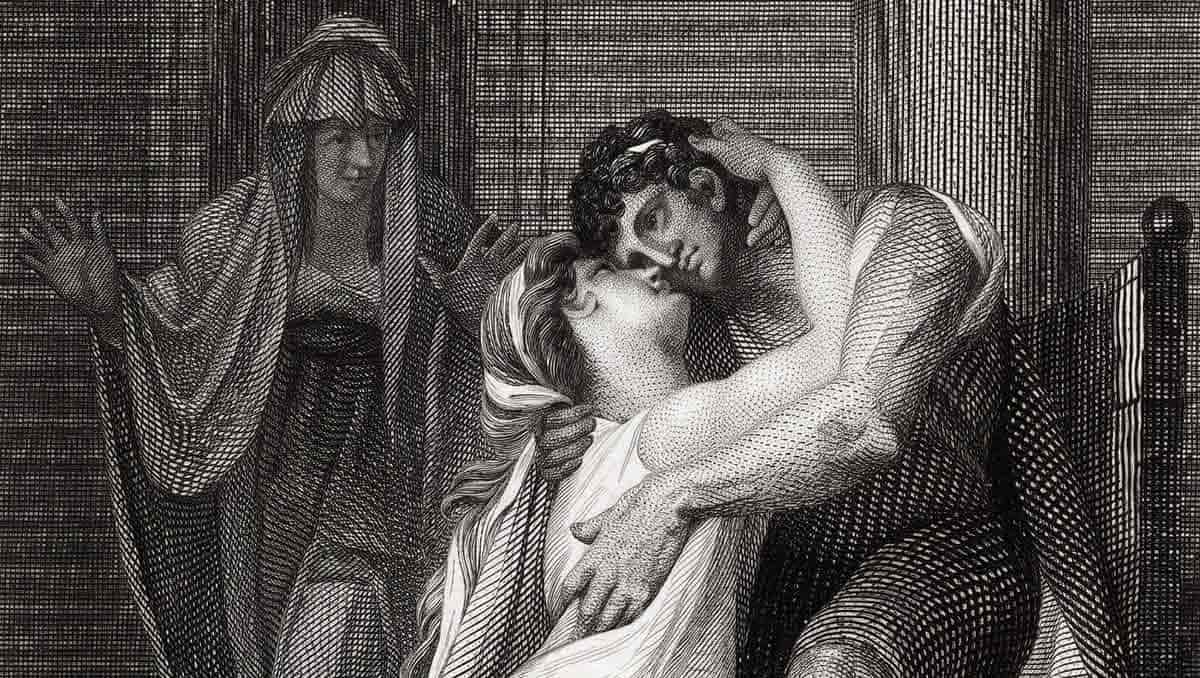
When Odysseus returns and defeats the suitors, he reveals his identity to his wife. Penelope is ever careful and discerning. She orders a servant to move their bed out of the bedchamber. Odysseus immediately objects, describing how the bed was built from a living olive tree, rooted in the ground. By exposing his knowledge of the bed’s secret construction, Penelope and Odysseus finally reunite after 20 years.
It is Penelope’s intelligence and endurance that lead to the salvation of Ithaca. Without her, Odysseus would return to a kingdom in ruin.
3. Athena: The Goddess Who Sets the Story in Motion
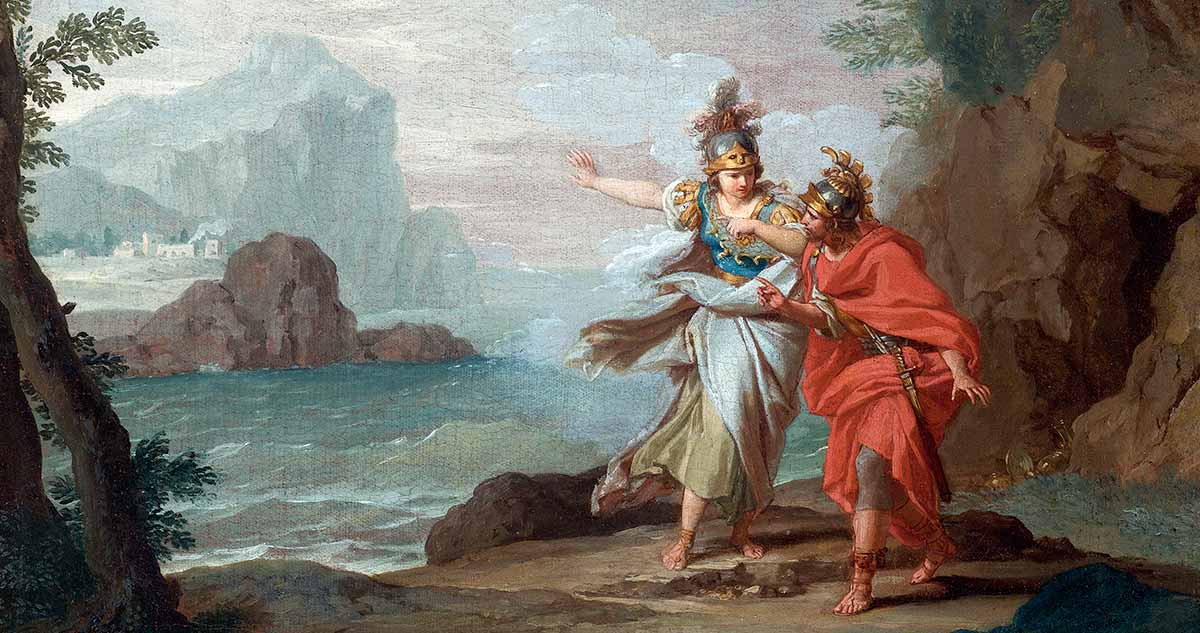
A central theme in the Odyssey is the ever-looming presence of divine intervention. The gods’ undeniable, though not omnipotent, role in Odysseus’s story becomes evident in the opening pages of the poem. It is the goddess Athena’s hand that sets in motion the chain of events that ensures Odysseus’s survival and return.
The epic opens on Mount Olympus, where Zeus reflects on the tendency of mortals to blame the gods for their own misfortunes. He argues that humans suffer beyond the plan of fate because they act recklessly, with hubris and excess being their demise. Athena interrupts by drawing attention to the prolonged hardships endured by Odysseus, despite his having committed no recent offense. She presents him as a rare case of undeserved suffering that contradicts Zeus’s own moral logic.
Appealing to reason rather than compassion, Athena persuades Zeus, who orders Hermes, the messenger god, to demand Odysseus’s release from Calypso. From this point onward, Athena carefully shapes the conditions of the hero’s return. She ensures that Odysseus enters Ithaca in disguise, so that he can observe the corruption within his household before acting. Her mediation allows justice to unfold deliberately rather than chaotically.
When the families of the dead suitors seek vengeance, threatening a cycle of perpetual bloodshed and civil war, Athena appears in all her might. With a cry of divine authority, she orders an end to the violence and imposes peace.
4. Poseidon: The Vengeance of the Sea and the Cost of Pride
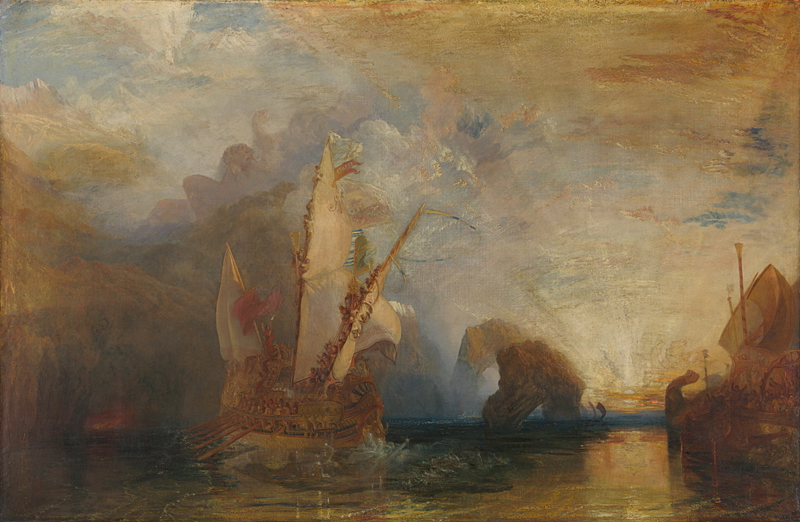
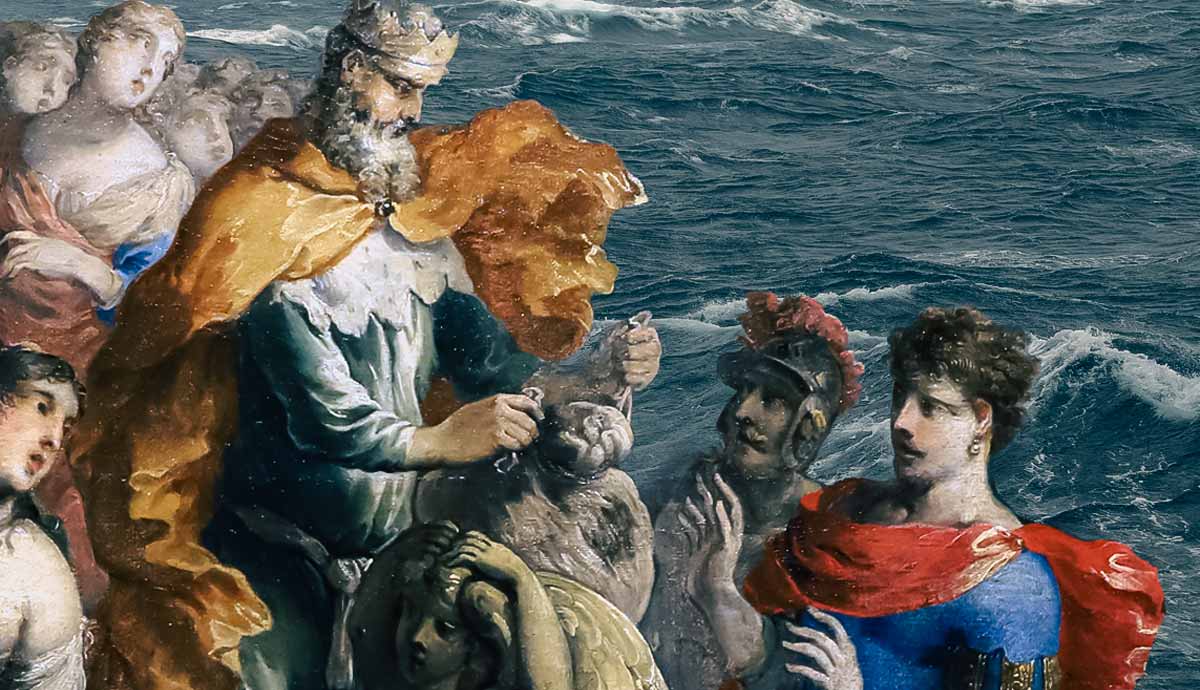
The image of a lone ship battling the wrathful waves of the sea as its captain longs to complete his voyage is one of the most enduring symbols of the Odyssey. The deep waters separating Odysseus from home represent the unknown and the primordial, a realm where deadly creatures prey upon unsuspecting wanderers. It is therefore narratively powerful that the epic’s principal divine antagonist is Poseidon, the god of the sea.
Early in Odysseus’s journey home, he and his crew are captured by the Cyclops Polyphemus, the son of Poseidon. Odysseus blinds his captor and escapes, but Polyphemus, enraged and humiliated, raises his hands to the sky and prays to his father. He asks that Odysseus never reach home, or, if fate demands his return, that he arrive alone and in misery. This prayer emphasizes the epic’s moral universe, in which divine power is not absolute, and even the greatest gods cannot violate fate, even if they can twist it.
After reaching the safety of his ship, Odysseus, unable to resist claiming his triumph, shouts back to the Cyclops and reveals his true name. This moment of hubris proves pivotal. A private victory becomes a public, cosmic offense. It is no longer a stranger that provoked and wronged Polyphemus, but Odysseus of Ithaca himself, and Poseidon could now exact vengeance with the legitimacy of divine order.
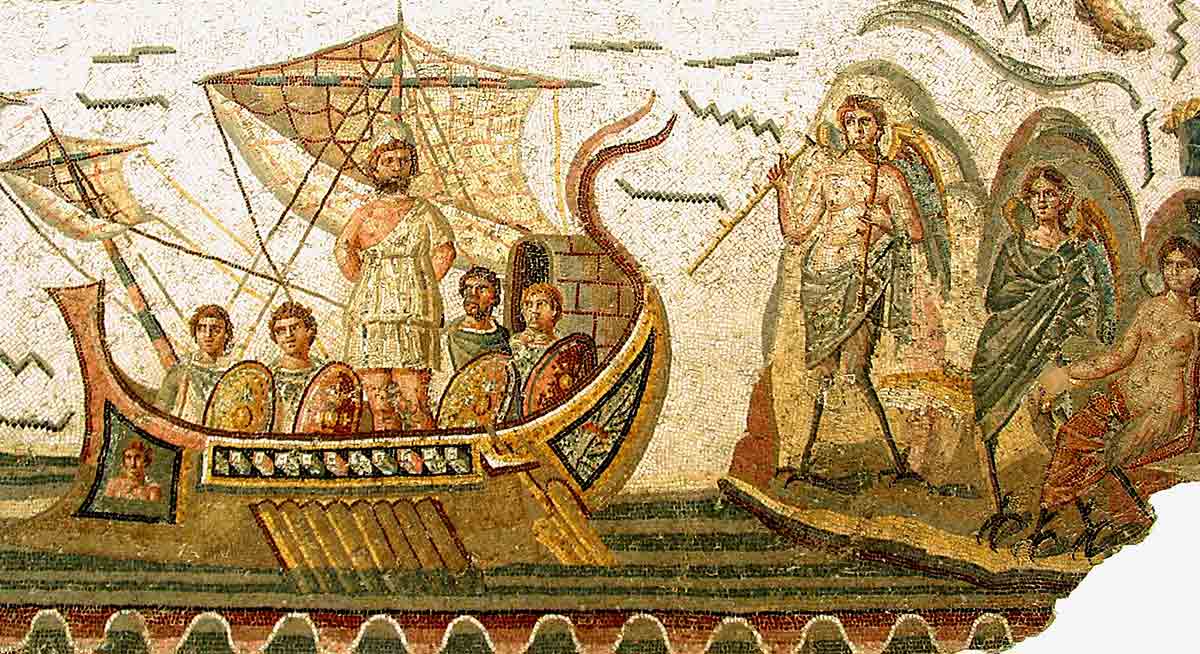
As the journey continues, the sea becomes perilous. Storms shatter ships and scatter Odysseus’s crew, and every moment is a struggle for survival against treacherous waters. Years later, after Odysseus is released from Calypso, Poseidon unleashes a violent storm that nearly kills him. Only through endurance and the aid of lesser divinities does Odysseus survive to reach Ithaca.
Poseidon’s wrath is not villainous, but punishment meted out to those who forget their humility and disregard the limits of the moral world in which they exist. His feud with Odysseus serves as a reminder that cleverness is not morally exempt, and excess and arrogance inevitably invite consequences.
5. Calypso: Refusing the Temptress’s Offer

Following the destruction of his ship, Odysseus arrives at the island of Ogygia, exhausted and isolated. The name Ogygios means “primal” or “from the earliest age,” evoking deep antiquity and timeless stillness. As the sole inhabitant of this place that sits outside normal time and space, the nymph and deity Calypso rules over Ogygia.
She nurtures Odysseus and tends to his wounds, sheltering him from the pain of the outer world. On this island, Odysseus faces perhaps his toughest test, as Calypso promises him immortal life free from suffering if he remains by her side. Claiming that her beauty and power surpass even that of Penelope, the enchantress’s offer sounds as seductive as it is comforting. After years of painful endurance, what can be more appealing than an escape from plight, the curse of old age, and the anxieties of the world?
Though under her spell, Odysseus refuses the proposal through persistent fortitude. Although he shares her bed at night, each day he sits by the shore, staring out at the sea with longing for Penelope, for Ithaca, and for home. He deliberately exhibits his grief and yearning for Calypso to witness. When she confronts him, Odysseus earnestly acknowledges her allure and that of her offer, but insists that he would rather face the woes of a mortal man than live eternally with no memory or identity, without a home.
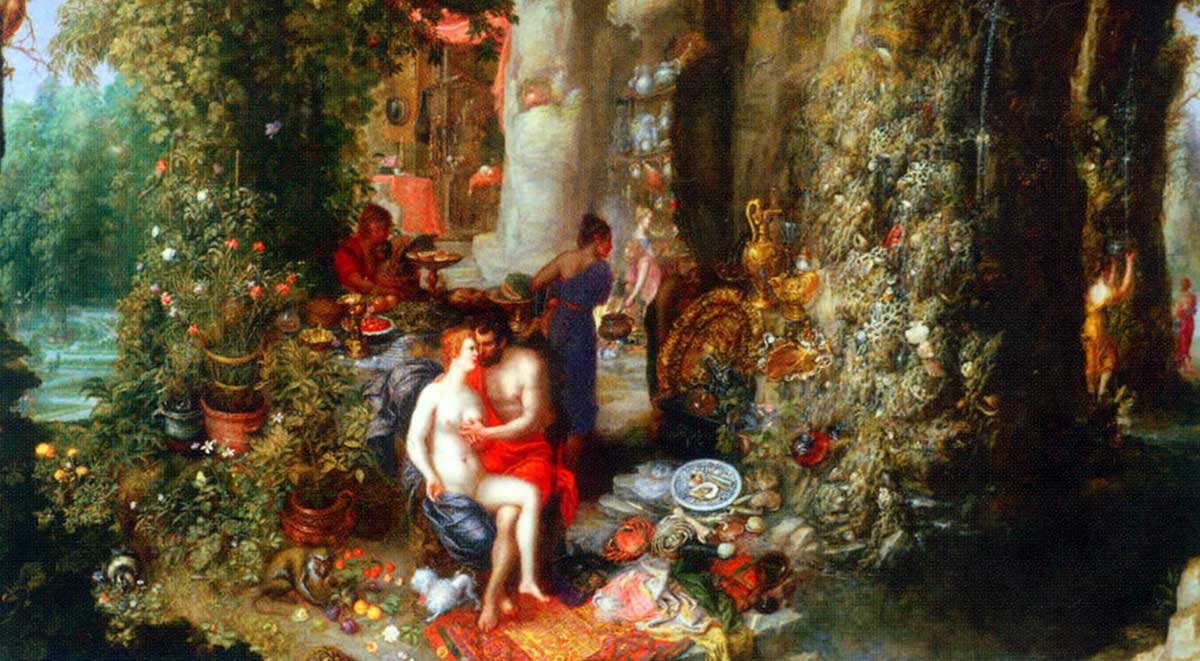
Calypso’s enchantment ends when Hermes, at Zeus’s bidding, commands the release of Odysseus. She immediately complies, but cautiously warns the hero of the gods’ proclivity for deceiving mortals, suggesting that Zeus may have concealed a trap and that he is being sent to sea only to bear further punishment.
In an epic that, through myth, illuminates the profoundest of human struggles that are grounded in reality, Calypso’s lure exposes one of the Odyssey’s most important messages. By refusing eternal comfort, Odysseus chooses a mortal life shaped by struggle, but fulfilled by the richness of belonging and purpose.