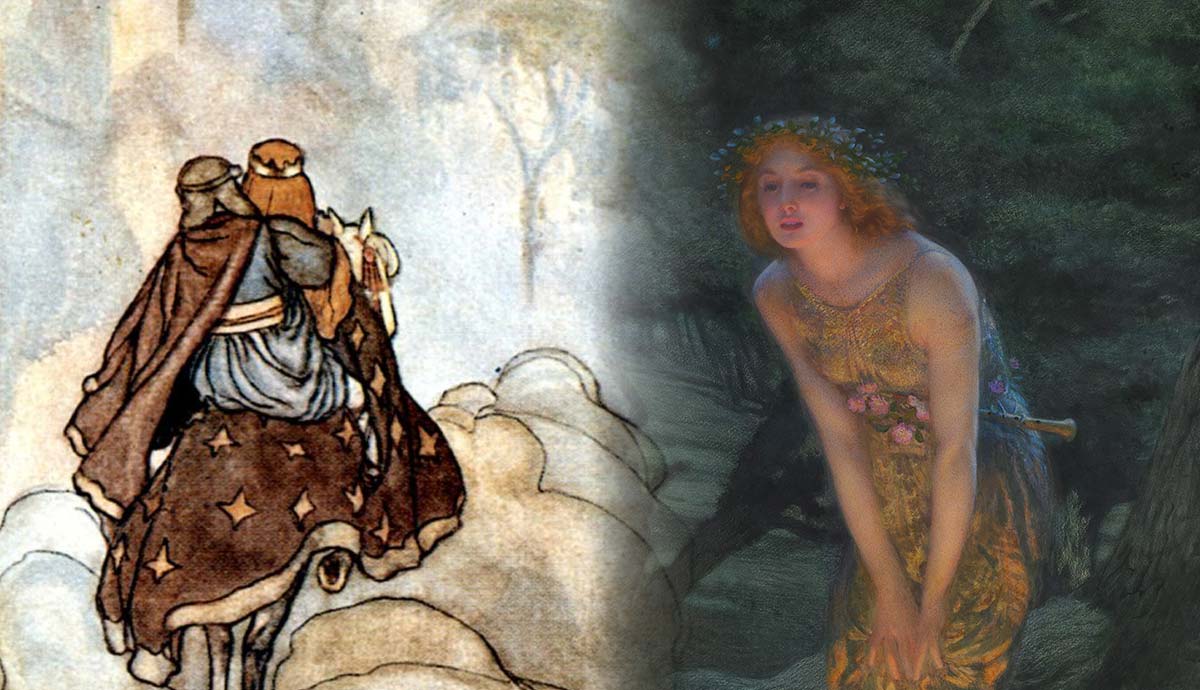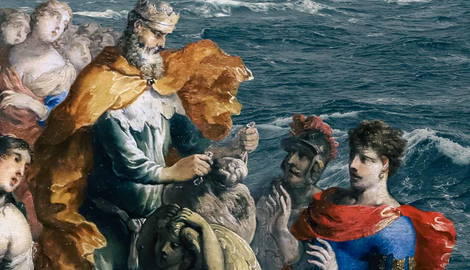

What should have been the end of a horrendous journey, full of trials and tribulations, turned into one of the most depressing events in Homer’s epic. A bag, gifted by Aeolus, its contents sealed, had been the instrument of a swift journey home. Mistaken for treasure, it is opened, and the travelers are blown completely off course, thus extending their journey by many years.
Meeting Aeolus
After dealing with the Cyclops, Polyphemus, Odysseus and his crew set sail and eventually arrive at a “floating” isle; the home of Aeolus, a mortal entrusted by the gods to keep the winds.
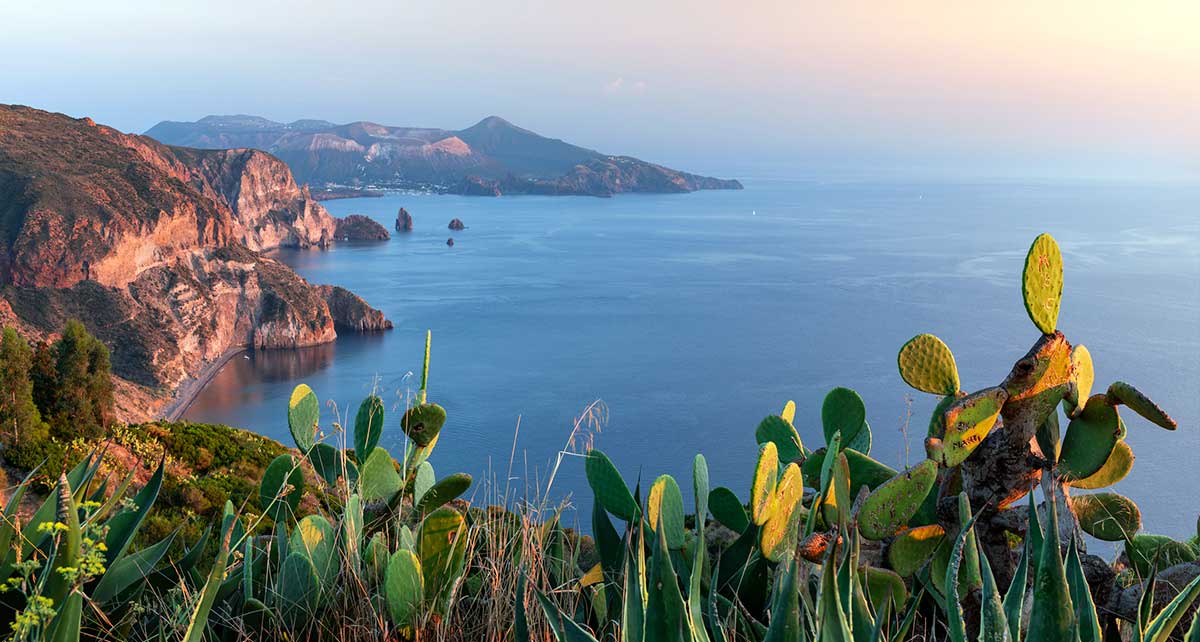
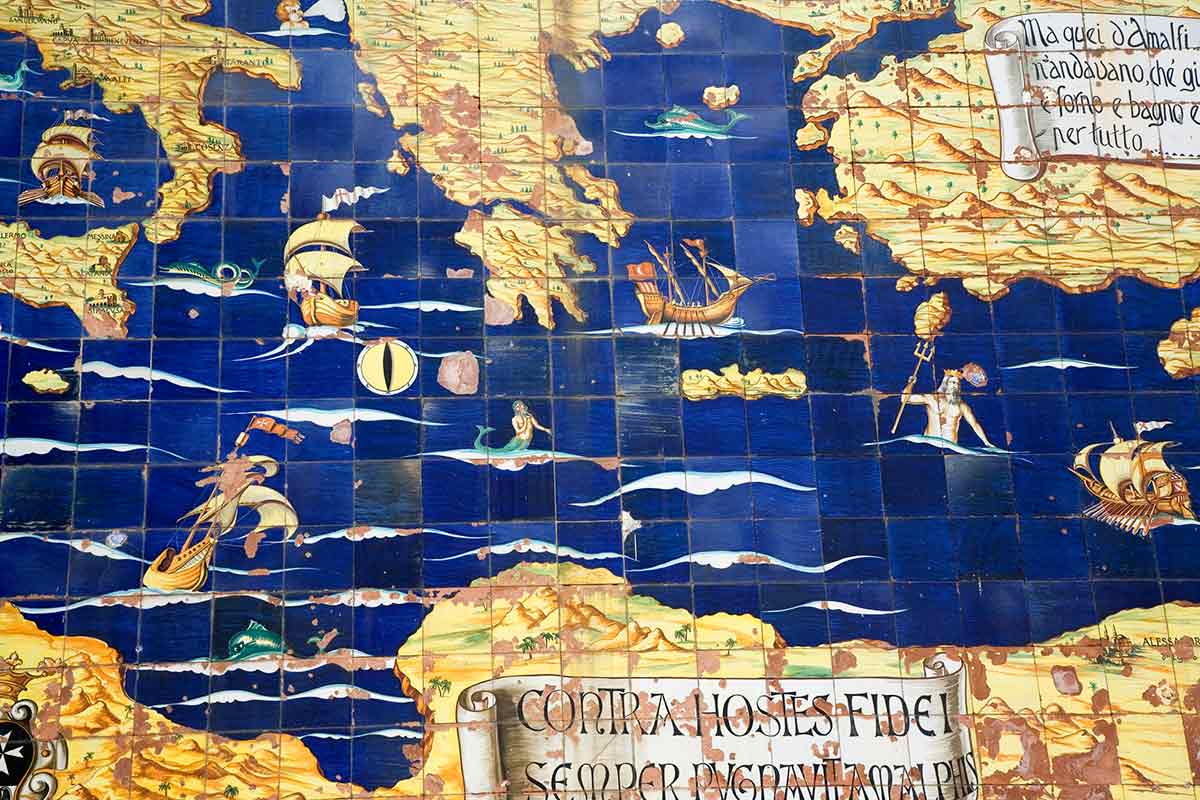
Homer describes the island as being surrounded by a wall of unbreakable bronze and sheer cliffs, suggesting the island does not literally “float,” but is atop a peak that juts from the water.
In reality, the Aeolian Isles are an archipelago of volcanic islands north of Sicily. Named after Aeolus, they are also notable for their sheer cliffs owing to their volcanic nature. Whether one of these islands is the one Odysseus visits is a subject of supposition and can never be ascertained for certain.
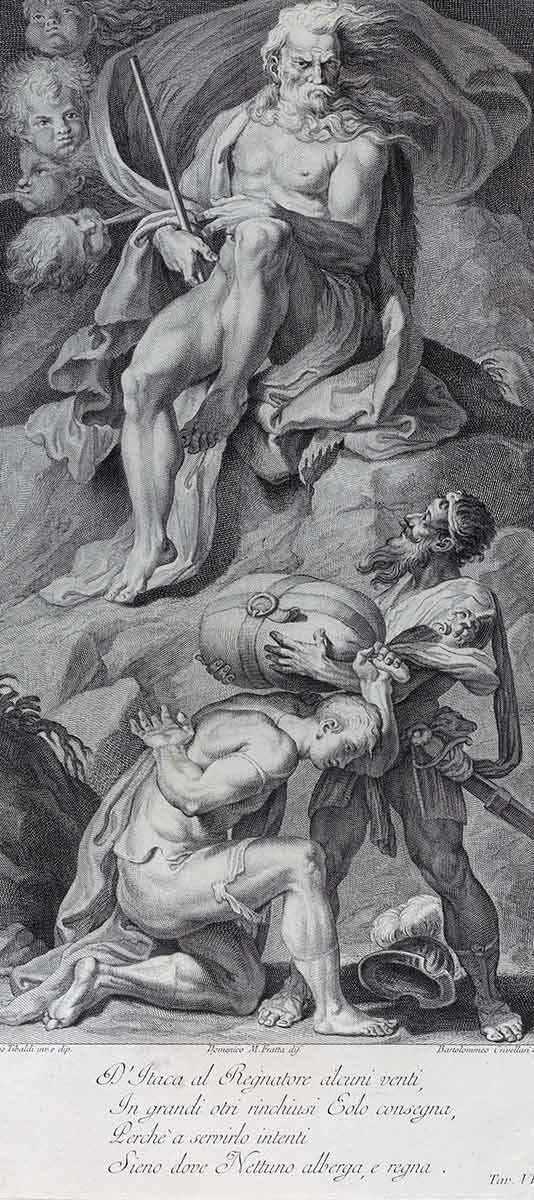
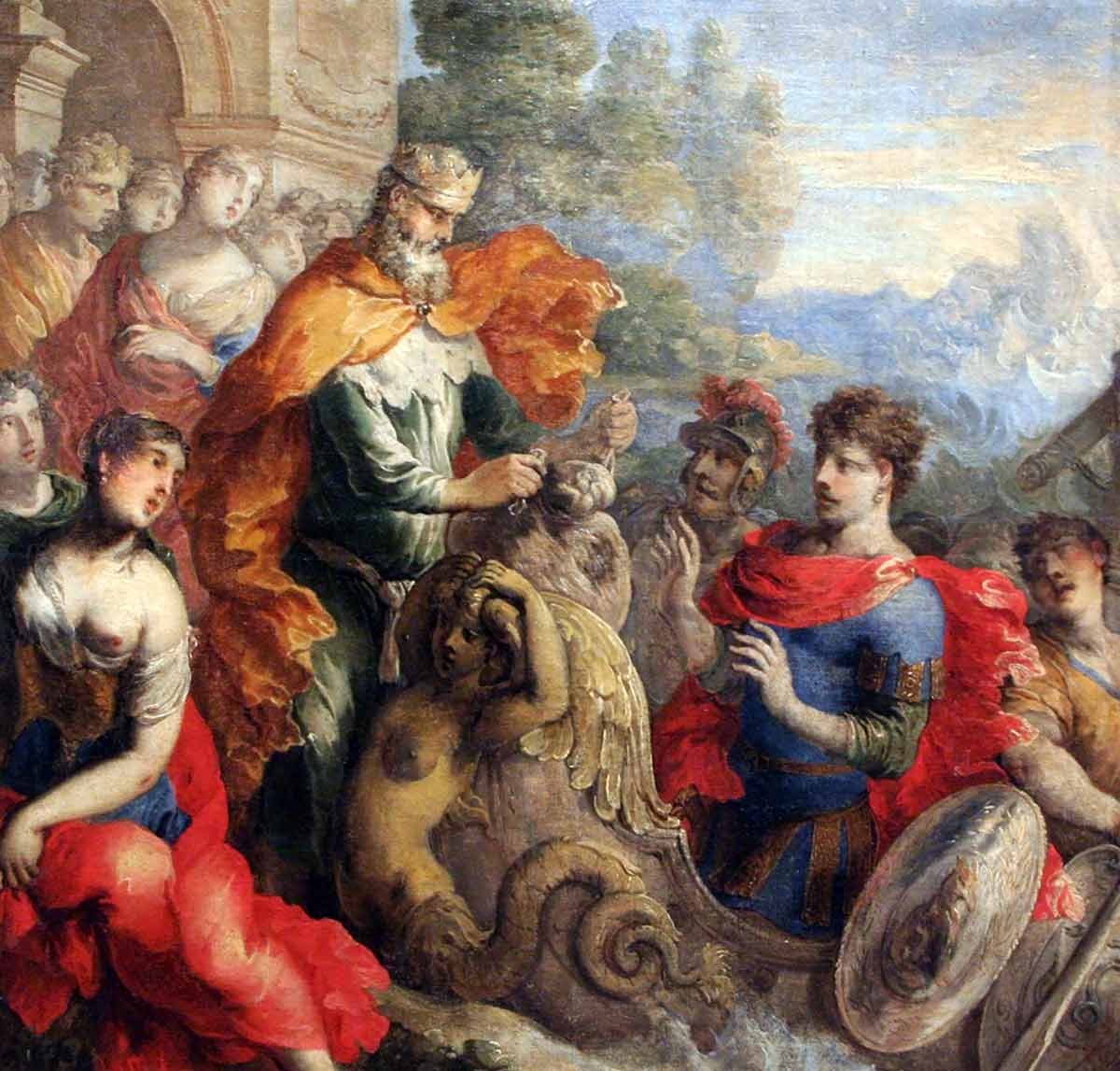
Ruling over this isle is Aeolus, who has twelve children—six sons who are also husbands to his six daughters, and they live a utopian life in a palace, spending their days feasting. When Odysseus arrives, he is treated with hospitality. He recounts his story to Aeolus, who is generous and helps Odysseus on his journey. Aeolus gives the hero a gift of a bag in which are contained the winds that would work against Odysseus, leaving free the West Wind to blow Odysseus home.
Opening the Bag
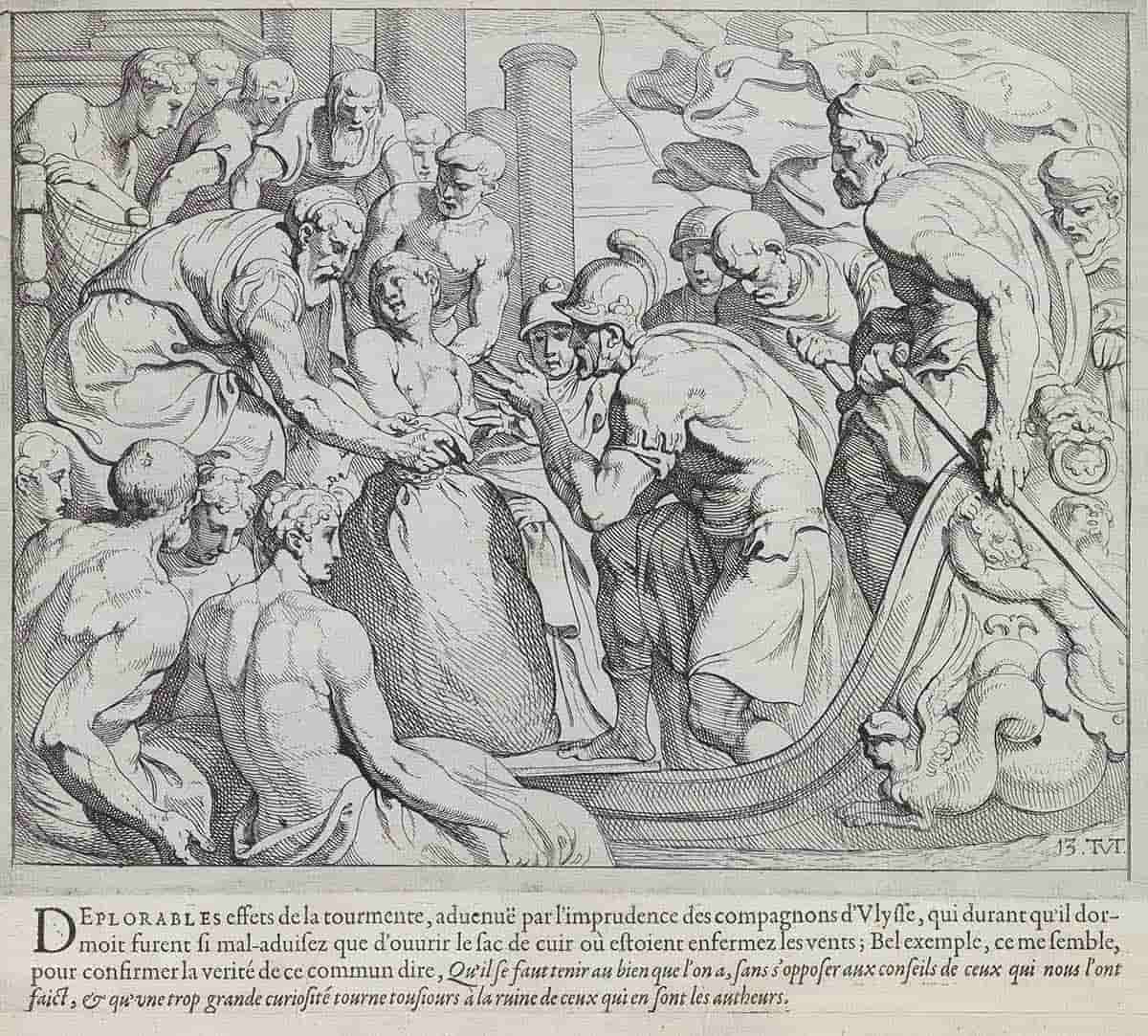
A smooth journey, however, does not come to pass. While in sight of Ithaca, the gift given by Aeolus is undone by the folly of Odysseus and his men. Odysseus fails to tell his men what is in the bag, and his men believe it contains gold and silver.
Jealous that Odysseus would return home with such treasure while his men endured the same journey, the crew opens the Bag of Winds while Odysseus sleeps, and the winds are released, blowing the ships wildly off course, back to the Aeolian Isles.
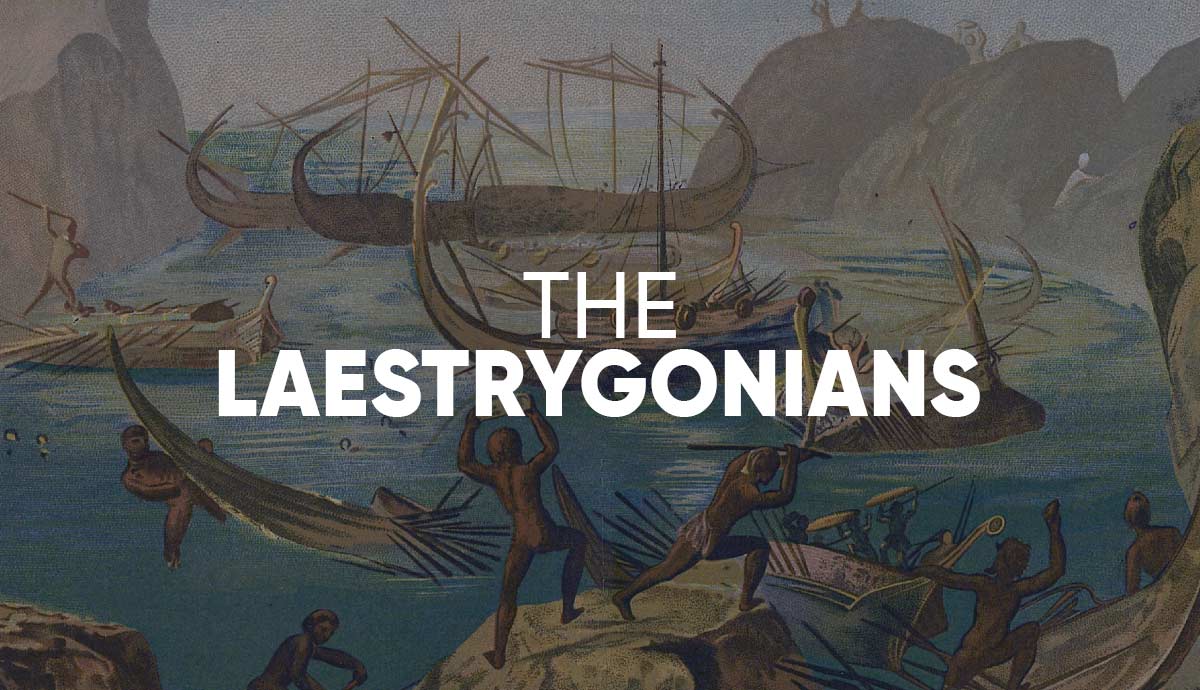
Odysseus beseeches Aeolus for his help, blaming his men for the mistake, but this time Aeolus is angered and demands they be gone from his isle. And so, with great despair, Odysseus and his men set forth once again and continue their journey, which would take many years to complete. Their next stop would be the shores of lands ruled by the Laestrygonians, where most of Odysseus’ men would be killed.
Fate, Free Will, and Human Error
Many of the trials of the Odyssey are brought about by monstrous attacks, divine intervention, and other elements beyond Odysseus’ control. Here, however, Odysseus and his crew are their own worst enemy.
When reciting the story, Odysseus takes collective responsibility with the line “The West wind which was fair for us did he alone let blow as it chose; but it all came to nothing, for we were lost through our own folly.“
When beseeching Aeolus, however, Odysseus frames the incident as the fault of his men, citing, “My men have undone me; they, and cruel sleep, have ruined me.” For his own error, he blames not himself, but sleep.
Later in the story, Odysseus recounts the tale to Penelope, and Homer sums up the narrative, leaving out blame altogether. The author states, “…but it was not yet his fate to come to his dear native land, nay, the storm-wind caught him up again.”
The source of the disaster is thus framed in uncertain terms. Is Odysseus to blame for not telling his men, or are his men to blame for letting their envy dictate their actions? Or is the blame squarely on the head of fate?
Symbols and Emotions
The episode with the winds of Aeolus also carries certain significant weight as being symbolic of timeless ancient Greek beliefs and their modern parallels.
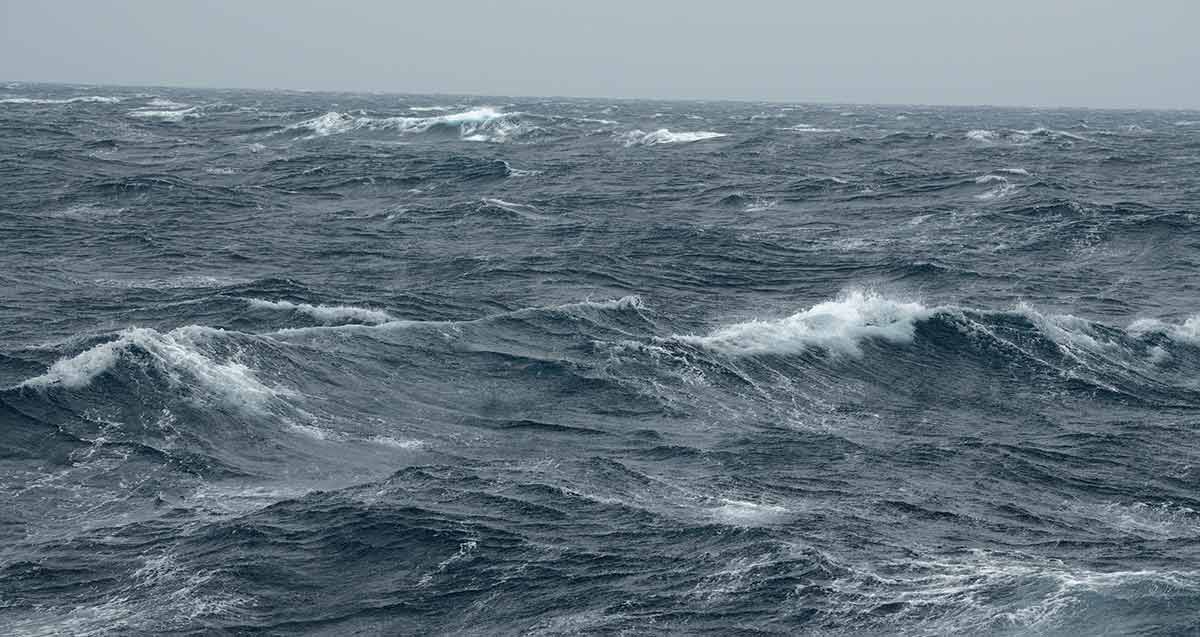
Meteorological elements shape human existence, but they are completely beyond human control, if not now, then certainly not in the ancient past. And although Aeolus is mortal, the gift he bestows on Odysseus is divine. It represents the favor of the gods. As such, it was something to be cherished and protected. It is also a symbol of xenia, the sacred custom of hospitality, which honored Zeus and Athena, both of whom were patrons of foreigners.
The actions of Odysseus and his crew are examples of carelessness— a grave affront to the clemency of the gods. Aeolus gives him this precious gift through the highest form of xenia, and it is squandered through inattentiveness, secrecy, and envy— major aspects of hubris.
Odysseus begs Aeolus for a second chance, but mercy is withheld. The guest-host relationship was disrespected and broken. What was done will not be undone. Odysseus and his crew’s poor judgment is irreversible and leads to terrible consequences, as the journey home will encounter many years of horrific encounters and gruesome death. This is a prime example of trust being broken and the results of such actions. In this, the Bag of Winds is a parallel to Pandora’s Box (or jar), written about by Hesiod, where misfortune is the result of curiosity and disobedience.
With the Bag of Winds, anger and regret are the results of ignorance and envy— an immutable dynamic as common today as it was 3000 years ago in the world of the ancient Greeks. Ultimately, it leads to defeat and despondence.
Aeolus in Modern Times
Like many other episodes in Homer’s Odyssey, the metaphor of Aeolus’ gift and what happened with it are themes in modern language and thought. It represents the timeless occurrence of when victory is within sight, only to be dashed by poor decisions or negligence. In this, the story is akin to the saying, “snatching defeat from the jaws of victory”— a feeling of disappointment commonly felt by sports fans watching their teams throw away a significant lead to lose an event. The Bag of Winds represents a single avoidable mistake that leads to complete failure.
Meanwhile, in historical and pop culture, “Aeolus” has come to represent many things that are connected to the wind, and is referenced in literature for this reason. Emerson famously invokes Aeolus when talking about the power of steam:
“He no longer waits for favoring gales, but by means of steam, he realizes the fable of Æolus’s bag, and carries the two and thirty winds in the boiler of his boat.”
—Ralph Waldo Emerson, Nature
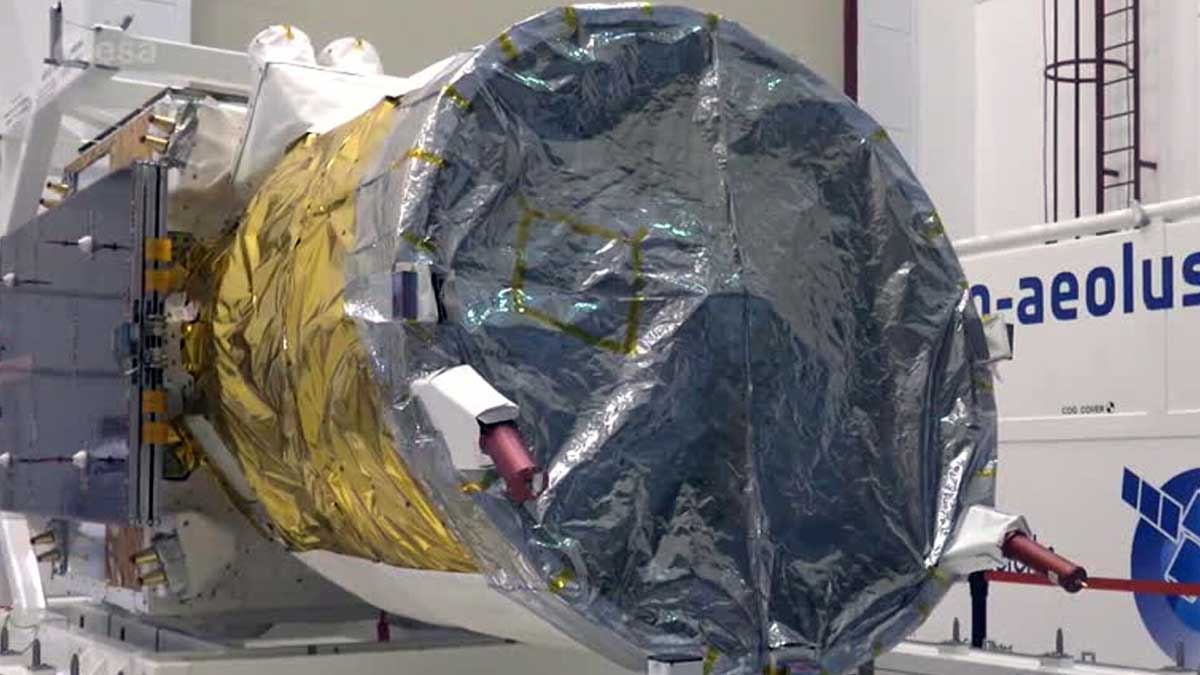
In more recent years, Aeolus appears in the Percy Jackson lore as the master of the winds tasked with fulfilling weather requests, which drives him quite mad. And in the real world, Aeolus was the name of the European Space Agency’s wind-mapping satellite.
Aeolus is not a major character in the Odyssey, or any subsequent works which mention him, yet his influence has been profound. Likewise, Odysseus’ contact with him, and the episode involving the Bag of Winds, occupy just a few lines written almost 3000 years ago. Despite this, the resonance throughout history has been far more significant than Homer might ever have expected.