
What price would you pay for ultimate power? In 193 AD, the Roman Empire was in the grip of a political crisis. Two emperors, Commodus and Pertinax, had been murdered in less than 100 days. The imperial capital was paralyzed by the power vacuum. Pertinax had been slain by the disaffected Praetorians, who had now sequestered themselves in their fortified castra. There, behind the walls, they entertained increasingly extravagant offers from two rivals, Didius Julianus and Titus Sulpicianus. They were prepared to auction the empire.
Fall of the Antonine Dynasty
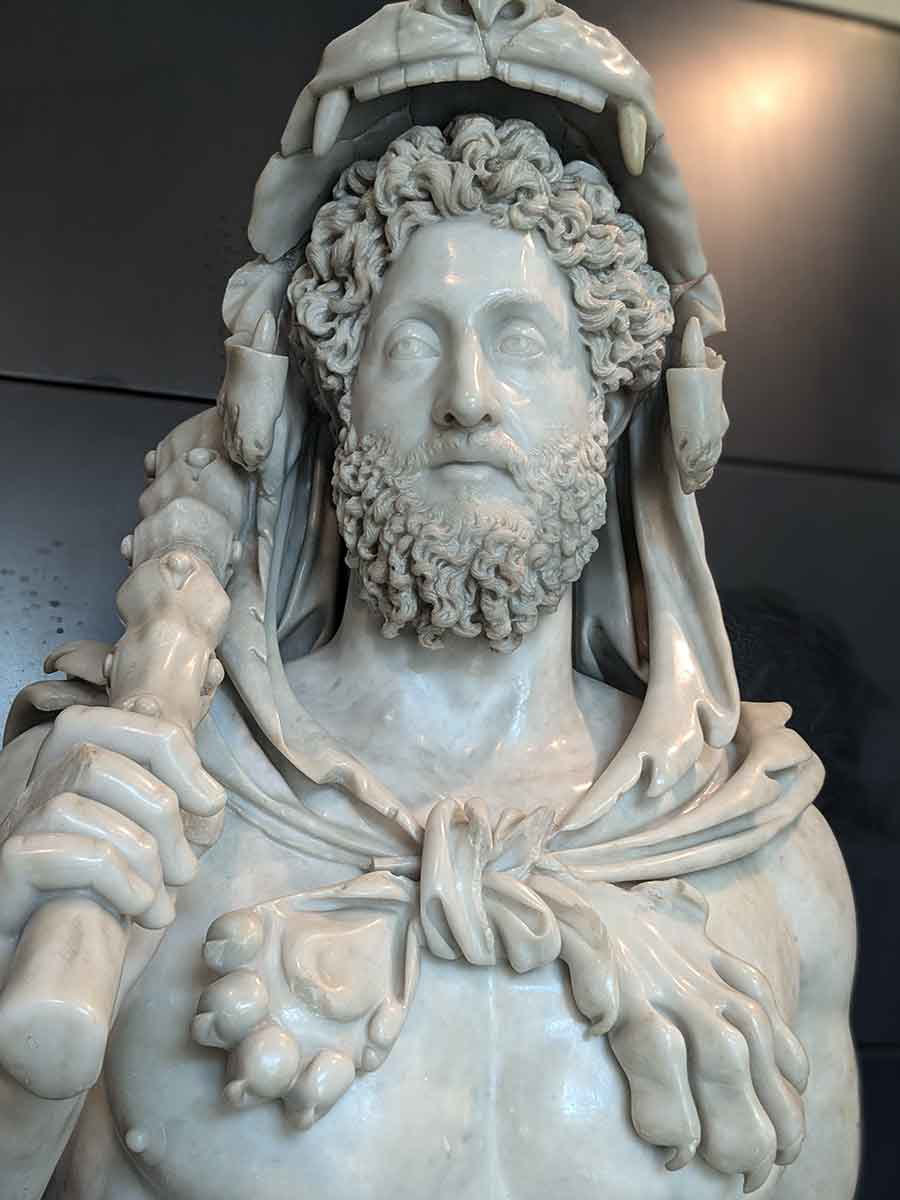
The Roman Empire’s Golden Age came to an especially inglorious end on New Year’s Eve, 192 AD. The emperor Commodus was murdered in a conspiracy hatched by a group of disaffected senators, supported by a handful of the emperor’s favorites, including his mistress. Although he survived the attempted poisoning, the enfeebled Commodus was dispatched by a wrestler, Narcissus, who throttled him while he bathed. Commodus had been the son of Marcus Aurelius, perhaps the most celebrated Roman emperor, but he had fallen far short of the example set by his father. Delusions of grandeur and divinity had seen Commodus masquerade as first a gladiator and then the hero, Hercules!
The death of Commodus was also the death of the Antonine dynasty. It was characterized by smooth and ordered succession, using adoption to mark out capable heirs. The use of adoption saw the succession praised as meritocratic, though family connection was still a central factor. Nevertheless, when Marcus Aurelius elevated his youthful biological son, who proved unsuited for the role, the illusion was shattered. He died with no heir, hereditary or adopted, leaving a power vacuum at the center of the Roman Empire.
The Rise and Fall of Pertinax
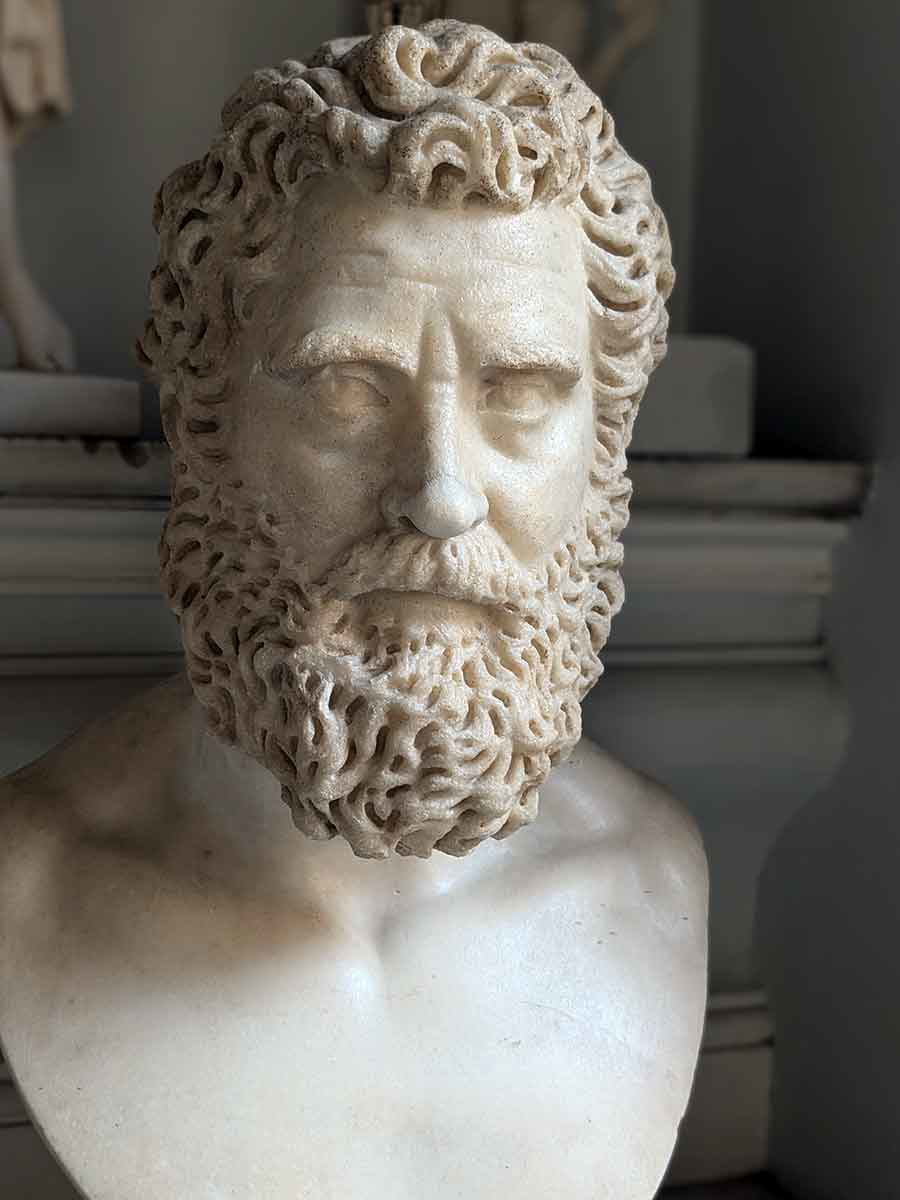
In reality, the conspiracy appears to have had a replacement in mind from the outset. An older senator and Commodus’s partner in the consulship, Publius Helvius Pertinax, was elevated as emperor the very next day. While sources like Cassius Dio avoid attributing any complicity to Pertinax, the speed at which events unfolded suggests his participation in the coup. Pertinax expressed a wish to emulate Marcus Aurelius, which included showing senatorial deference. But in contrast to the venerated emperor, he blocked his son from being recognized as “Caesar,” which would have made him his heir.
Pertinax tried to restore a semblance of order to the city, but this brought him into conflict with the Praetorians, the imperial guard in Rome. He tightened discipline, and the donative he offered upon his accession, as was customary, was considered miserly. The excuses proffered in the sources include the perilous state of the imperial treasury after Commodus’ many and varied excesses. According to the Historia Augusta, an entertaining if not always reliable source, Pertinax even held an auction of Commodus’ belongings in a bid to raise capital. He reportedly sold Commodus’s concubines, robes of silk, a gladiator’s toga, and cups in the shape of phalluses. But the imperial firesale would do Pertinax no good. Angered by their benefactor’s stinginess, the guards advanced on the imperial palace and slaughtered the old man in cold blood. Pertinax had been emperor for just 87 days.
Praetorians: Emperor Makers
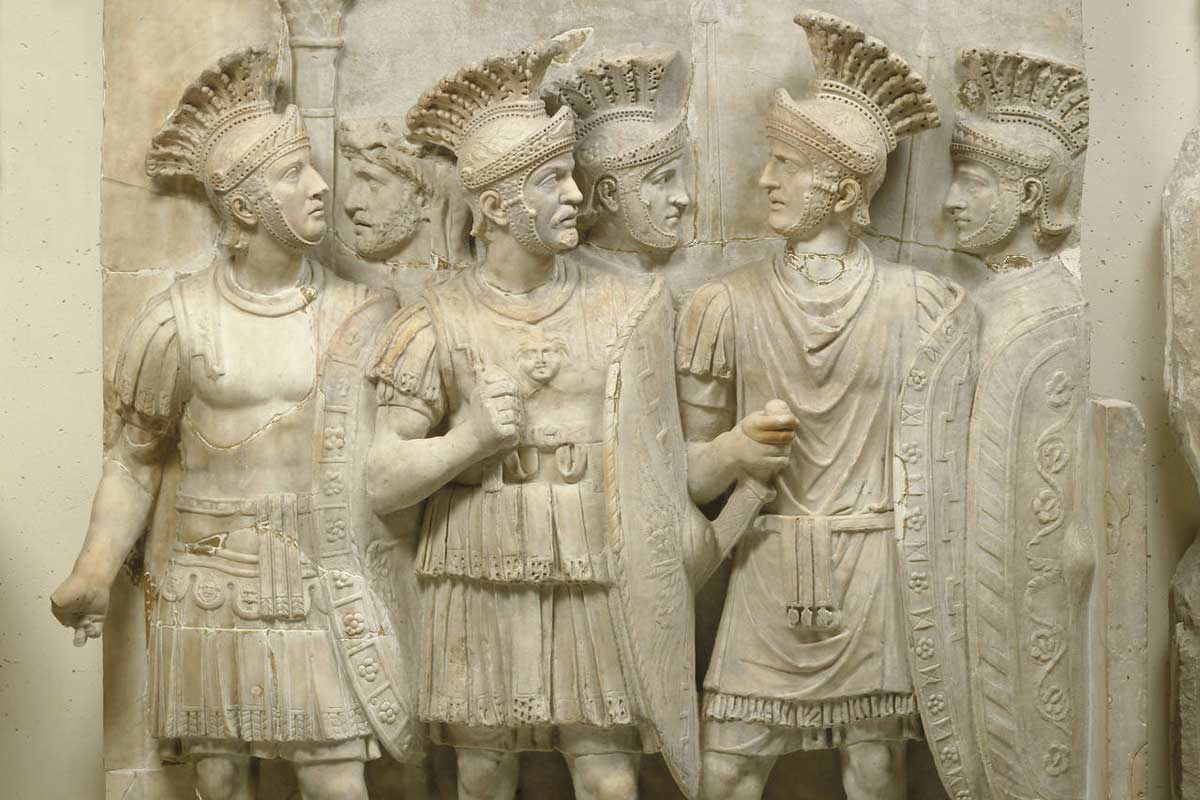
The Praetorian Guard predated the rise of imperial rule in Rome. As early as the 2nd century BC, the cohors praetoria was charged with guarding the commanders of the Republic’s armies. During the turbulent years of the civil wars that saw republic become empire, the praetorians were posted inside the capital to protect Octavian Caesar. It was an ominous indication of the broader political changes coming. This was the first time soldiers had been permanently stationed inside Rome’s sacred boundary, the pomerium. Tacitus recounts that, in the early years of the Augustan period, there were nine Praetorian cohorts. This was equivalent to about 4,500 men, the same number as a legion. Three of these cohorts were stationed in Rome itself, and the rest in Italy. It was their responsibility to maintain peace in the peninsula.
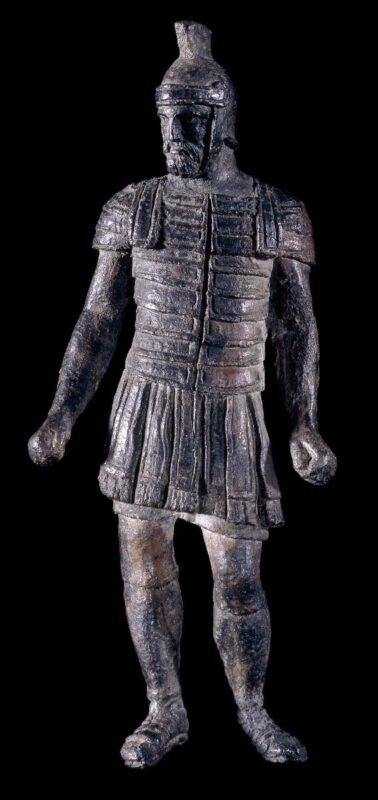
The Praetorians enjoyed a number of distinct perks that distinguished them from standard soldiers in the Roman legions. Their period of mandatory service was shorter and their pay was higher. On the death of Augustus in 14 AD, his adopted son and successor, Tiberius, was faced with legions revolting in Pannonia and on the Rhine, protesting pay disparity between themselves and the Praetorians.
The Praetorians were also an exceptionally influential group in imperial history. Their proximity to the emperor gave them power, and they filled both military and administrative roles, making them key political players. Infamously, Sejanus, a Praetorian Prefect under Tiberius, became so powerful that Tiberius called him the partner of his burdens; he then tried to usurp power for himself. History is littered with Praetorian plots, as the disaffected guardsmen orchestrated the removal of emperors who failed to meet the demands for higher and higher pay. This was Pertinax’s fate. The Praetorians had grown accustomed to high pay and easy service during the reign of Commodus. Pertinax threatened this and had to be removed.
An Imperial Auction: Emperors and Donatives
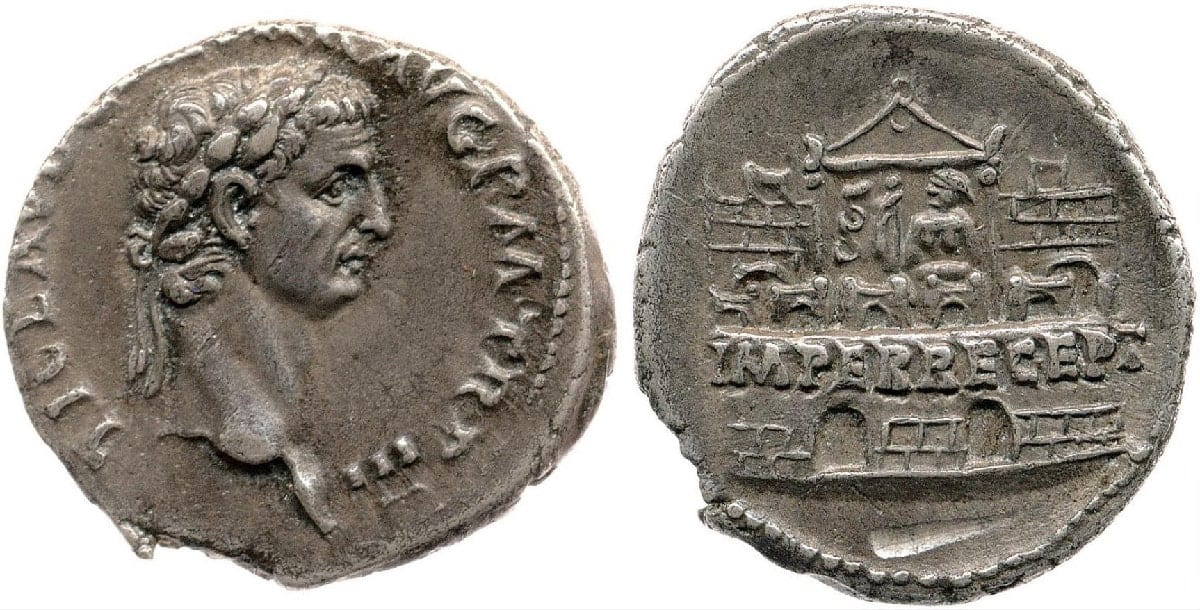
To get a sense of who and what was important to the emperor, follow the money. Cassius Dio’s narrative excoriates Commodus’s inordinate expenditure, including on sycophants and partners-in-perversion. Obviously, not all emperors spent their money on this. However, almost every emperor offered a donativum, a cash gift, to the Praetorians at the outset of their reign.
This precedent was established early when Augustus bequeathed a significant sum, 250 denarii per man, to the guard in his will. Similar or smaller sums could also be paid to the guards to commemorate special occasions. This might include the adoption of an imperial heir. The inevitable consequence of the increasing prominence of the Praetorians in imperial politics was the increasing expenditure made by emperors upon their accession.
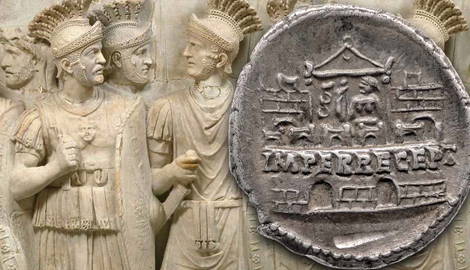
The first of the big increases was paid by Claudius, who was famously installed as emperor by the guards after Caligula’s assassination in 41 AD. By far the most egregious instance of the influence of the Praetorians on the course of imperial politics was, however, the “auction” they conducted from the walls of their castra after Pertinax’s death in 193, as two rivals bid progressively more and more extravagant donatives to buy Praetorian support.
Rival Buyers: Didius Julianus and Titus Sulpicianus
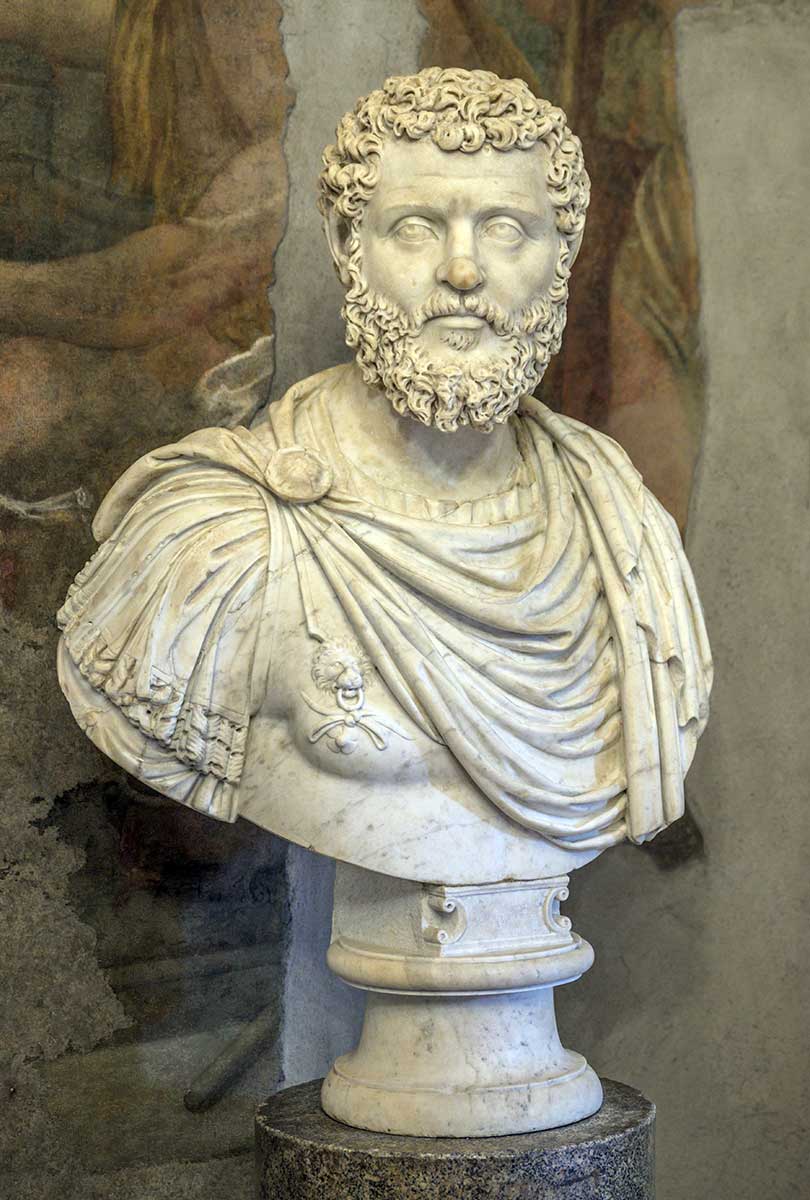
If the Historia Augusta is to be believed, Didius Julianus had been close to the centers of imperial power throughout his life. The anonymous biographer describes Julianus as being raised in the house of Domitia Lucilla, the mother of Marcus Aurelius. Such connections helped Julianus’ career, with the emperor supporting his election to the crucial positions of aedile and later praetor. Thereafter, he appears to have enjoyed a successful, if not remarkable, career. In fact, his success is implied by having avoided execution in the reign of Commodus.
The life and career of Titus Flavius Claudius Sulpicianus is less well known, although he served as the proconsul of Asia in 186 AD. More important than his political career are Sulpicianus’ familial connections. He had married the daughter of Titus Flavius Titianus, the Prefect of Egypt under Hadrian. His daughter from that marriage, Flavia Titiana, was then married to Pertinax. The relationship between the two men led to Sulpicianus being promoted to the role of Urban Prefect in Rome. It also meant he felt well-placed to fill the void left by his son-in-law’s untimely end.
The Auction
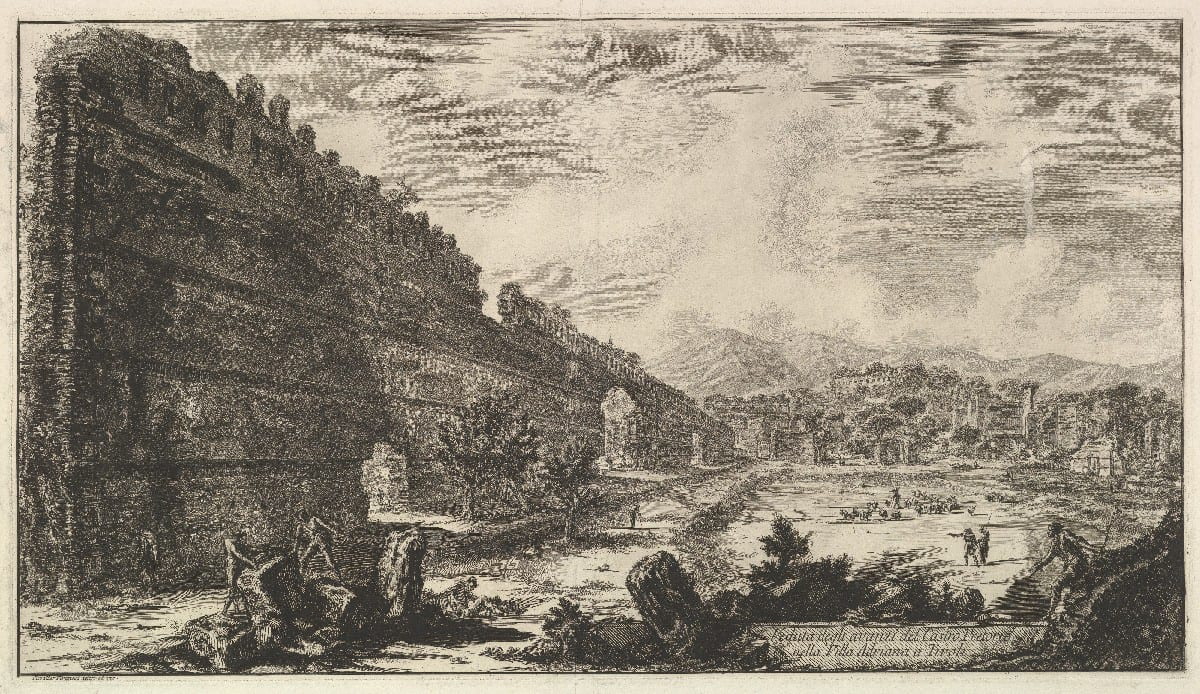
So it was that in late March 193, Julianus and Sulpicianus found themselves in the unedifying position of appealing directly to the Praetorians, barricaded in their castra, to recognize them as the new emperor. What Cassius Dio likens to an “auction” was actually just the escalation of donative offerings made by both Julianus and Sulpicianus. Soldiers acted as intermediaries, dashing between the two prospective buyers.
At one point, the staggering offer of 20,000 sesterces made by Sulpicianus seemed on the verge of winning the day. As he was in the camp itself, while Julianus was locked outside, Sulpicianus must have felt sure that he had done enough. Julianus, however, not to be outdone, simply went all-in. Foregoing the incremental raising that appears to have characterized the “negotiations” until that point, he jumped ahead with a ludicrous offer of 25,000 sesterces. The Praetorians could not believe their ears. Plus, they were also concerned about potential reprisals from Sulpicianus, as they had murdered his son-in-law. Julianus was welcomed into the Praetorian castra and declared emperor. Backed by the arms of the Praetorians, the senate had no choice but to defer to their wishes and acclaim their new emperor.
Julianus Temporarily Triumphant: The Year of Five Emperors
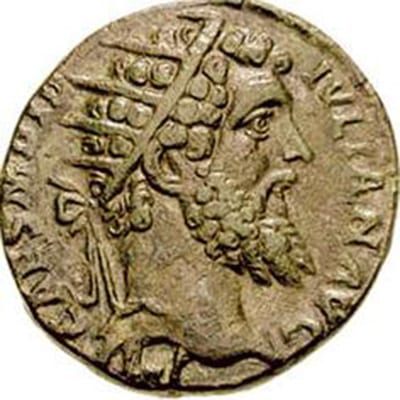
Whatever elation Didius Julianus felt at reaching the zenith of Roman politics was short-lived. In the Circus Maximus, Julianus was bombarded by the scathing abuse hurled down on him by the crowds, while the Praetorians, by now fully aware that Julianus had offered them a sum he simply could not afford, were openly disdainful of the new emperor. This is, at least, how Herodian describes the situation in the spring of 193. The Historia Augusta begs to differ, suggesting that Julianus actually gave the Praetorians as much as 30,000 sesterces. It does agree with Herodian, however, that the people at large “detested Julianus.” He could not have expected to hold imperial power for long.
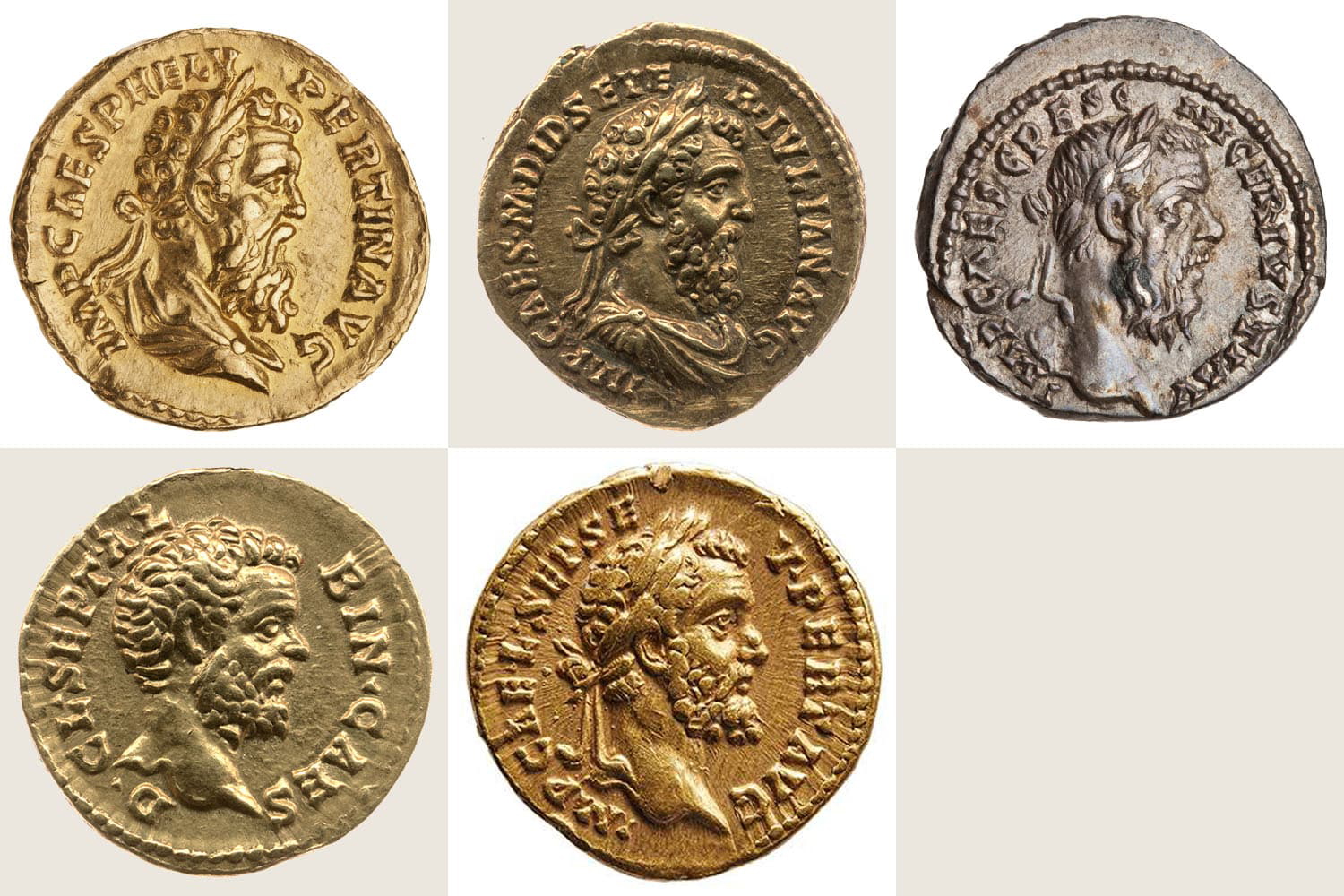
Julianus’ fate was sealed by events outside of Rome. News traveled more slowly in antiquity, and once awareness of Pertinax’s death reached the provinces, three rival claimants to the imperial power all declared their intentions. Julianus’ rivals were three military commanders. To the east, the governor of Syria, Pescennius Niger, was by far the most popular choice, with the audience in the Circus entreating Pescennius to come to their aid.
At the other extreme of the empire’s territorial limit, there was Clodius Albinus, the governor of Britain. Albinus was a native of Hadrumetum in North Africa, but he came from an aristocratic family, which gave added heft to his claim. The third claimant was also a native of North Africa. Septimius Severus was born in the city of Lepcis Magna (modern Libya), but in 193 found himself the governor of Pannonia. This region, to the north of Italy, was the base of a significant number of legions, who acclaimed their leader as emperor. Although he lacked the popular support of Pescennius or the aristocratic lineage of Clodius, Severus was by far the most astute of the rivals. Acting decisively, Severus mobilized the Pannonian legions and marched on the imperial capital.
Buyer’s Remorse: Septimius Severus in Rome
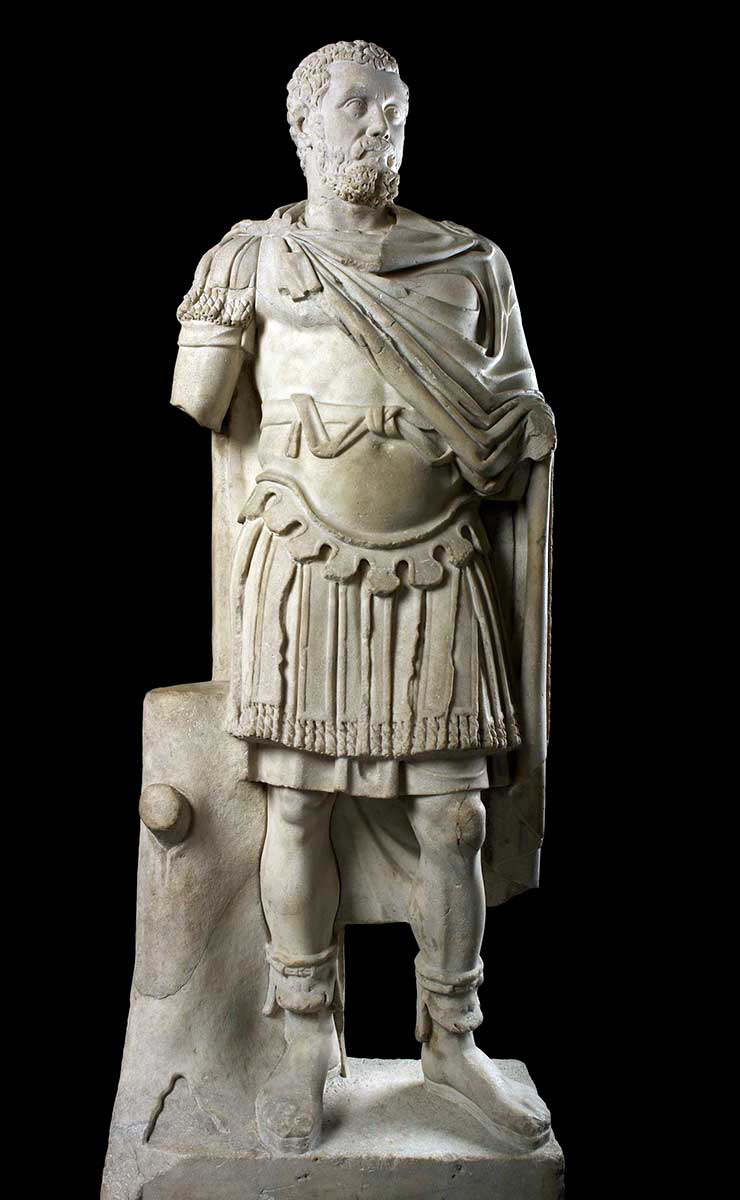
News of the uprising provoked panic in Rome. Julianus ordered the senate to declare Severus a public enemy and made ready his forces against the rapid advance. Cassius Dio’s account of the days that followed presents a striking visual of the imperial capital as a castra. Everywhere one looked, there were men-at-arms, including war elephants, as the embattled Julianus tried to drill his soldiers into some semblance of battle-readiness. Unfortunately for him, the Praetorians, who had carried him into power by his purse strings, were wholly unsuited to battle. In his account, Cassius Dio is barely able to contain his delight in reporting the ineptitude of the hated guards: “the Praetorians did nothing worthy of their name and of their promise, for they had learned to live delicately.”
Julianus even went so far as to attempt to fortify the palace, but in vain. Severus continued to advance without hesitation, and the agents sent by Julianus to dispatch the public enemy by treachery failed. Other men sent forth against Severus promptly joined the advancing general. The Praetorians were also descending into panic at the news of Severus’ indomitable advance. As he marched on the capital, letters were sent ahead, promising mercy if the killers of Pertinax were surrendered. The consul, Silius Messalla, heard of this development. Assembling the senate in the Athenaeum, Julianus was sentenced to death, Severus was named emperor, and Pertinax received divine honors. Julianus, not invited to attend this meeting of the senate, was reclining in the palace when the soldiers arrived to dispatch him after 66 days as emperor.
Unfortunately for the senate and people of Rome, although Severus was now the master of the imperial capital, the civil war was far from over. The year 193 AD became known as the “Year of the Five Emperors,” and Severus had other rivals to overcome.