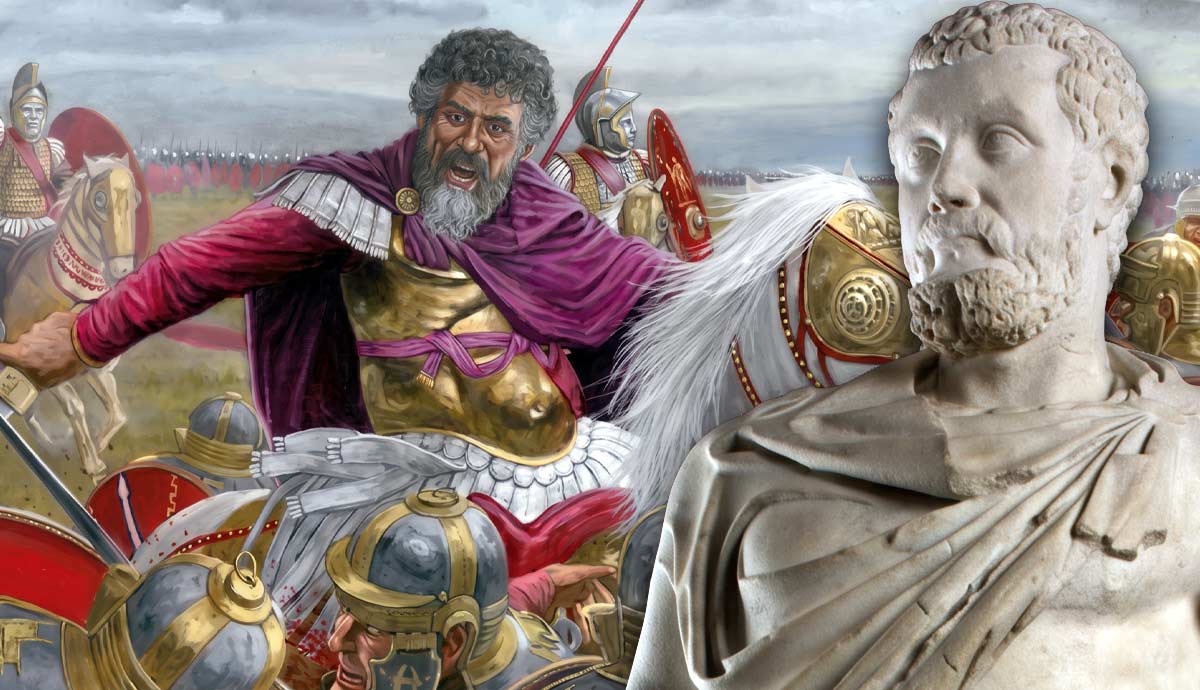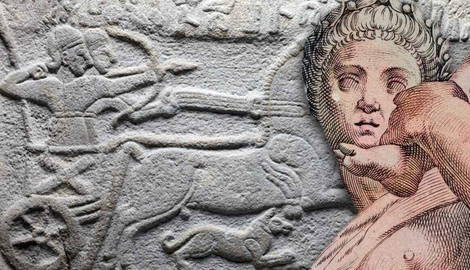

When Heinrich Schliemann uncovered the site he claimed to be Troy at modern-day Hisarlik, he sparked a century-long effort to connect the Greek legends of the Trojan War with the surviving material culture from the Bronze Age and references in Hittite texts from the period. The Hittite texts refer to Troy as Wilusa and also mention a man named Attarsiya from a land called Ahhiyawa, who once led raids across western Anatolia. Some believe Attarsiya was the Hittite name for Atreus, the mythic father of Agamemnon, who led the Greek assault on Troy. How likely is this connection?
Who Was Atreus?
Atreus was a king from the Peloponnese, the father of Agamemnon and Menelaus, known by the patronymic Atreidai, and a descendant of the mythological Tantalus. Atreus is best known for triggering a family curse, subsequently known as the Curse of Atreus, that damned Atreus and his descendants to a cycle of familial violence and vengeance.
According to the 1st- or 2nd-century AD mythographer known as Pseudo-Apollodorus in his Library of Greek Mythology, Atreus and his brother Thyestes were summoned to Mycenae to decide which of them would be king. They came to an agreement that whoever could produce a golden fleece would be named king. Atreus was confident in his victory because a golden lamb had been born in his flock, and he had hidden away the fleece in a chest. What Atreus didn’t know was that his wife and Thyestes were having an affair, and she had given him the fleece.
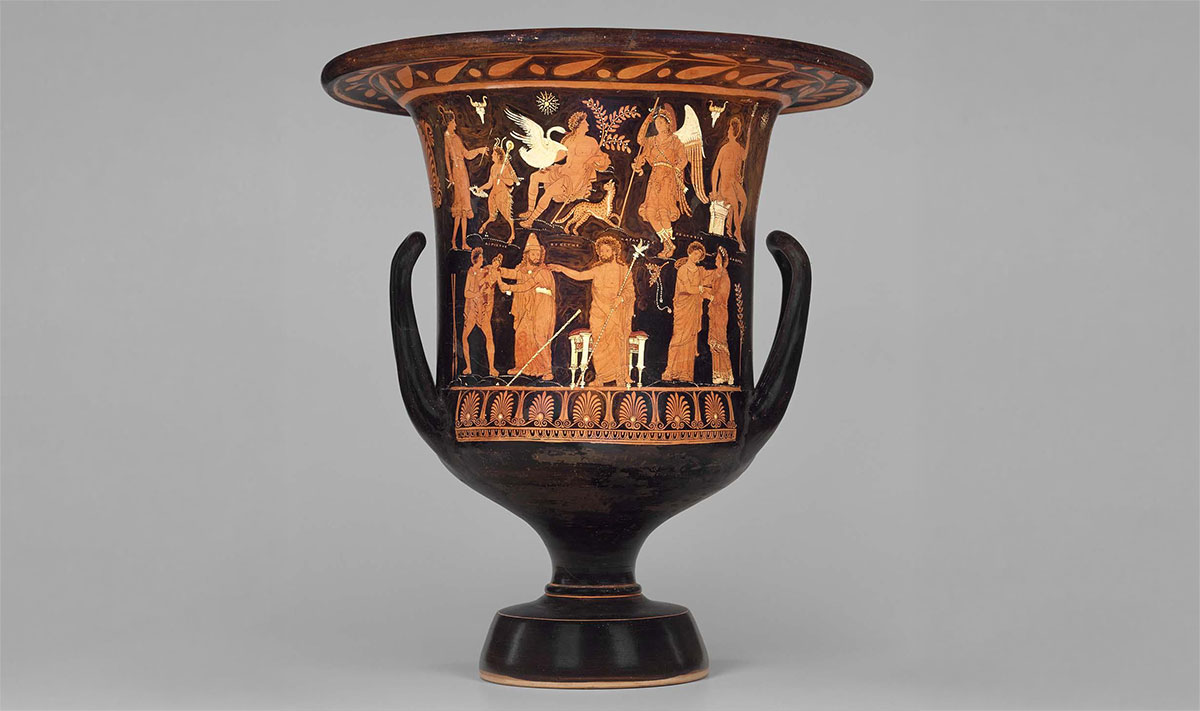
Thyestes produced the fleece and became king. Zeus sent Hermes to Atreus to reach an agreement with his brother that Atreus would become king if the sun reversed course. Thyestes agreed, and the sun promptly set in the east. Atreus became the new king, and Thyestes was exiled.
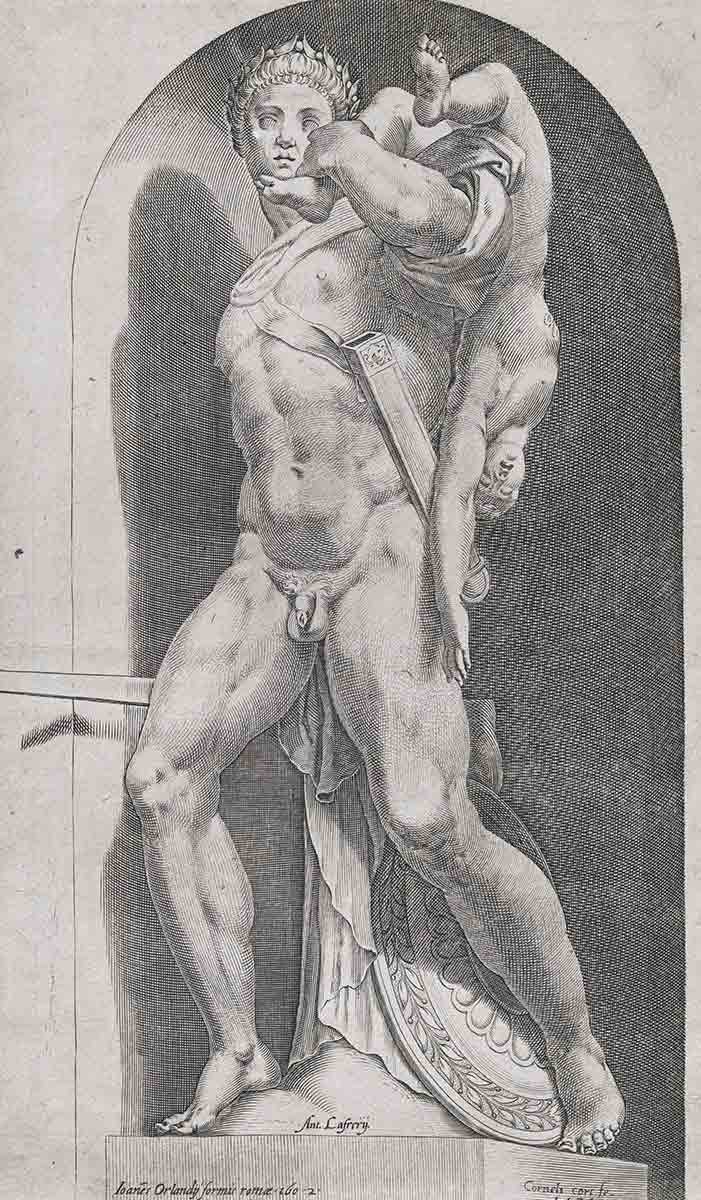
Atreus later learned of the affair and plotted revenge. He invited Thyestes back to Mycenae under the pretense of reconciling. In reality, he had killed Thyestes’ sons, dismembered them, boiled them, and served them to Thyestes. Only when his brother had eaten some of his own sons did Atreus reveal what he had done and sent Thyestes away again.
Thyestes visited an oracle and asked how to get vengeance on his brother. He was told that he would have his revenge if he fathered a son by his own daughter, Pelopia. Another version of the story has him receiving a more cryptic oracle and unknowingly committing incest with his daughter under the cover of darkness. The son that was born was Aigisthos (Aegisthus). Pelopia left Aigisthos in the wilderness to die of exposure, but he was found and brought to Atreus, who raised him as his own, ignorant of the baby’s parentage. When Aigisthos came of age, he learned that Thyestes was his true father and what Atreus had done. He killed Atreus and restored the kingdom to Thyestes.
Who Was Attarsiya?
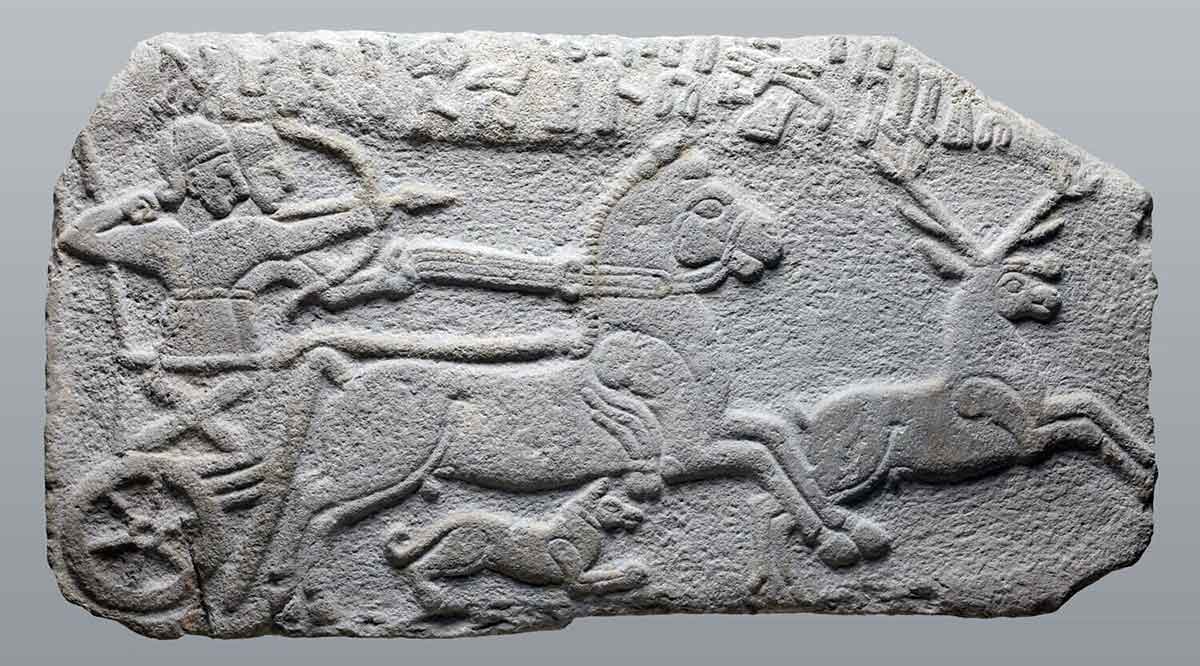
Attarsiya (or Attarissiya/Attarissiyas) was a king from a land the Hittites knew as Ahhiya or Ahhiyawa. He is mentioned in Hittite texts known as the Madduwatta Indictment, which were tablets written by the Hittite king Arnuwanda to his vassal, Madduwatta. The tablets dictate the crimes of Madduwatta, who regularly violated his oath of loyalty to the king.
Madduwatta came to Hittite territory as a refugee on the run from Attarsiya, who chased him out of his lands. The king of the Hittites got rid of Attarsiya, likely through military intervention, but the text is not specific. He then installed Madduwatta as a vassal king in western Anatolia. At an unspecified future date, Attarsiya returned with 1,000 infantry and 100 chariots to kill Madduwatta. The Hittite king sent an army to oppose Attarsiya, again driving him away and back to his homeland.
A “man from Ahhiya” is also mentioned on tablets that describe an oracular ritual involving the examination of animal organs. A key detail is that the text describes the man of Ahhiya as an “enemy.” Given that an enemy from Ahhiya attacked western Anatolia, it is likely that this text is about Attarsiya.
Where Is Ahhiyawa?
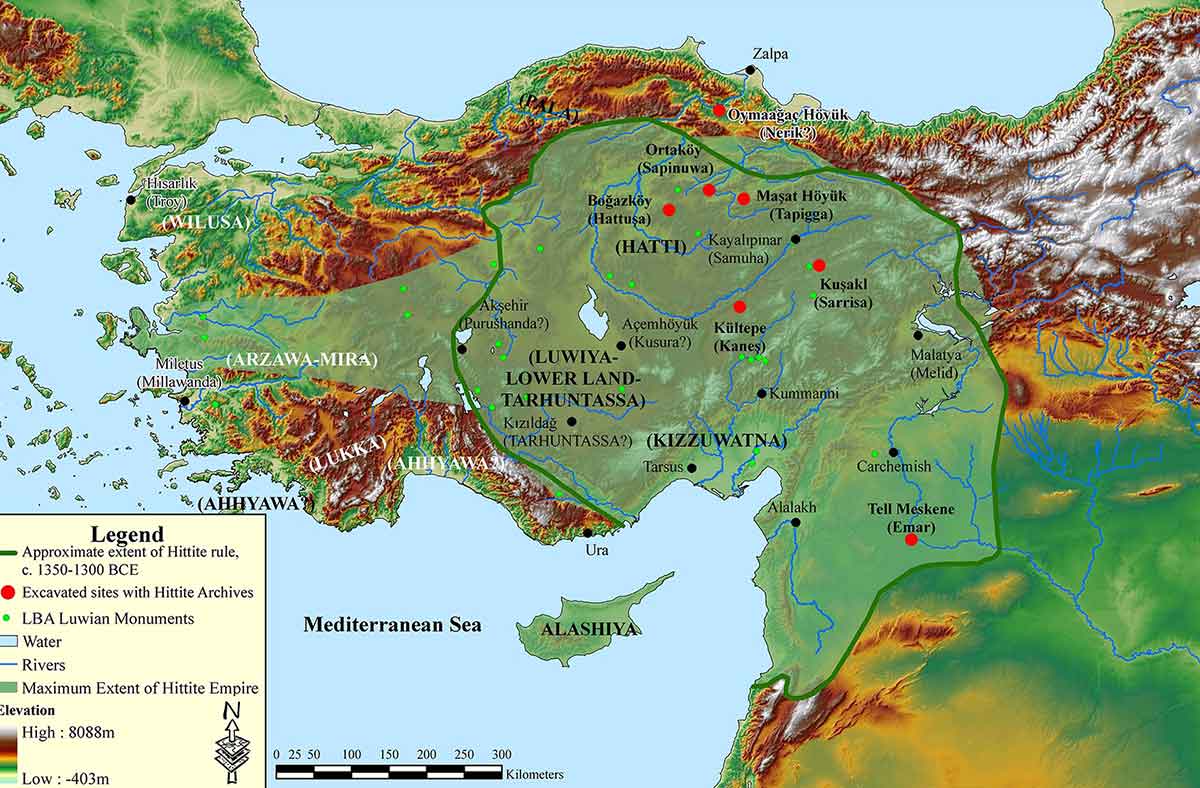
There are several Hittite texts that refer to a land called Ahhiyawa, but its location remains unclear. In 1924, Emil Forrer proposed the theory that Ahhiyawa was the Hittite form of the word Achaia, which referred to the Greeks as a collective in Homer’s Iliad. The topic has since been hotly debated. While linguistically, the forms Achaia and Ahhiyawa cannot be proven to be related, there is plenty of convincing evidence in support of this idea.
The Mycenaeans were precursors to classical Greek civilization. As evidenced by archaeological finds in Anatolia, there was active trade between the Mycenaeans and the Hittites. The Mycenaeans established settlements on the western coasts of Anatolia and nearby islands. It makes sense that the Hittites would have had contact with the Mycenaeans.
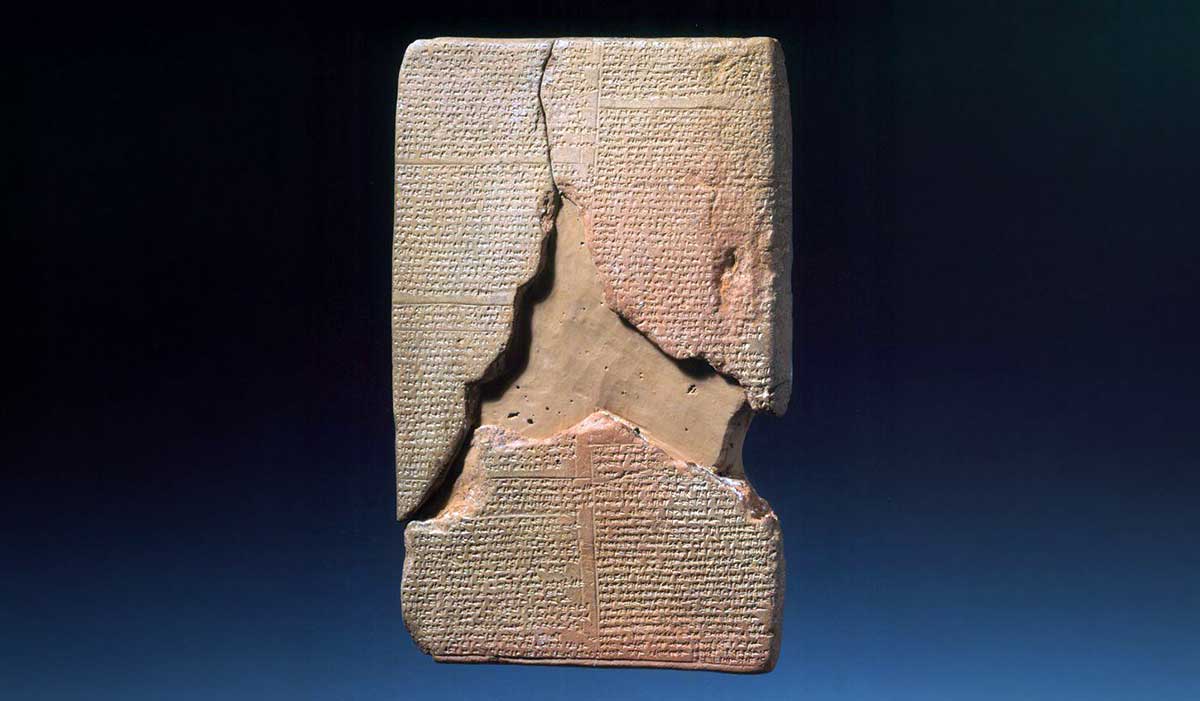
Another convincing piece of evidence comes from the Tawagalawa Letter. In it, the Hittite king, thought to be Hattusili III, addresses a king from Ahhiyawa about a man named Piyamaradus conducting raids on his territory. In the letter, arrangements are made for Piyamaradus’ return to Hittite custody. The Hittite king addresses the Ahhiyawan king with respect and refers to him as “my brother,” indicating the degree to which Hattusili considers him an equal. Hittite kings referred to lesser kings as suppliants. It was only kings of equal standing and power, such as the pharaoh of Egypt, that he called brother. This shows that Ahhiyawa was not some small kingdom, but a formidable power on par with Egypt and the Hittites. The only culture that would fit such a description is the Mycenaeans.
Alternative Explanations
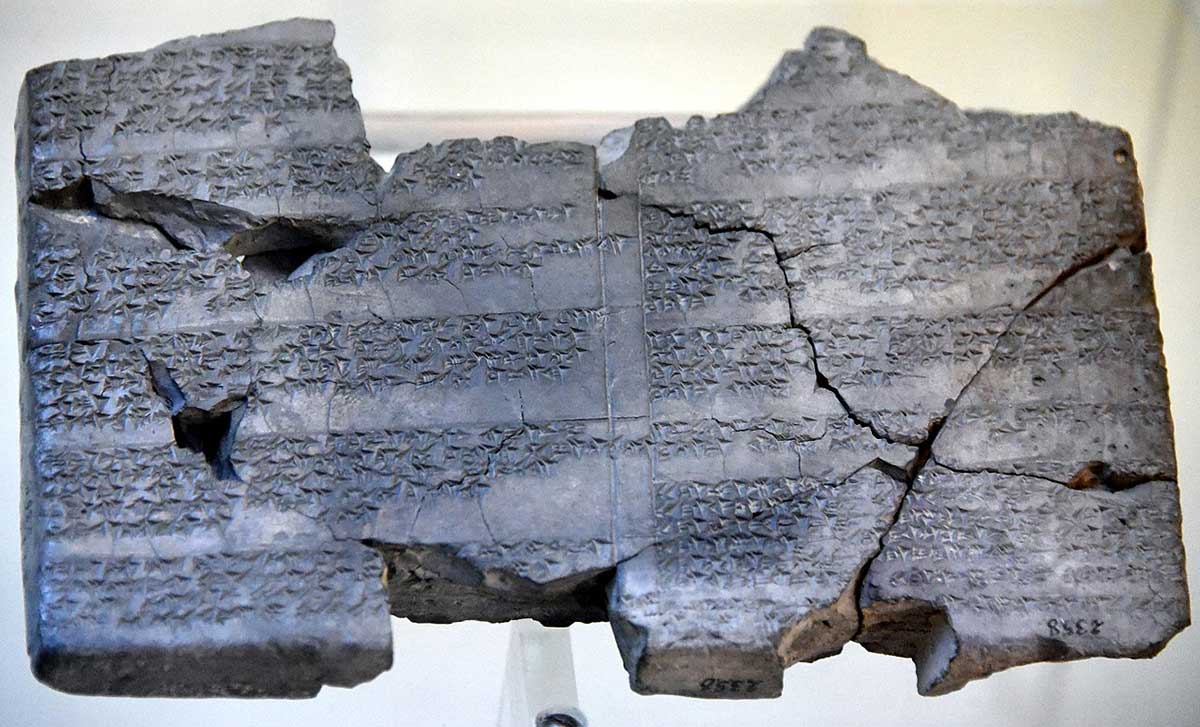
Despite these points, skepticism persists regarding this argument, and alternative interpretations of the evidence exist. In his article “Woher kam der Mann von Ahhiya?” (“Where did the man from Ahhiya come from?”), Markus Egetmeyer argued that Ahhiya was the island of Chios. Linguistically, it makes as much, if not more, sense than the Ahhiya/Achaia connection. In simple terms, the initial aspirated consonant in Chios becomes transcribed as “Ahh-” in Hittite, and the “-ya” is a typical Anatolian suffix for place names. Thus, Ahhiya becomes Chios.
In other texts, the Hittite king entreats the gods of Ahhiya and of Lapza for aid. General consensus among historians is that Lapza is the island of Lesbos, which is visible from the Seha River Lands of Anatolia, just 5 km off the coast. If it is not assumed that Ahhiya is Achaia, then the search for Ahhiya would logically be best conducted around Lesbos, given that the texts provide a geographic location through the pairing of Ahhiya and Lazpa. When entreating these foreign gods, it would make more logical sense for the Hittite king to invoke a god within the same geographical and cultural sphere as Lesbos, rather than from far-off Greece.
It is also possible that Ahhiya/Ahhiyawa was located in southwestern Anatolia. Attarsiya raided along the southwestern coasts, indicating a base of operations nearby. Ahhiya was also allied with nations such as Arzawa and Millawanda, both in western Anatolia, and engaged in joint military activity with them. Again, this would make more sense if Ahhiya were located on the mainland or the nearby islands.
Is Attarsiya Atreus?
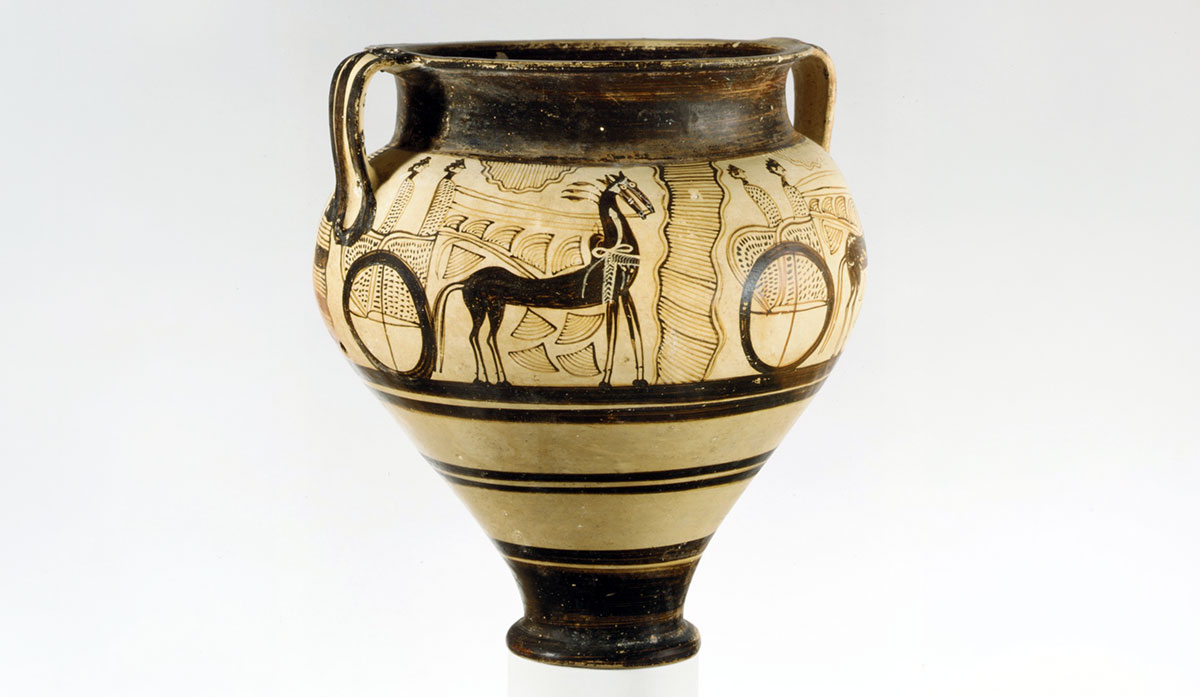
Historians have made a strong argument that the king Attarsiya mentioned in Hittite sources could have been the Greek king Atreus, the father of Agamemnon and Menelaus, but this is only one possible interpretation of the fragmentary evidence. While the identification would certainly neatly wrap up an ancient mystery, without further evidence, it remains just a theory.
It is also worth noting that this interpretation would rely on the Trojan War occurring around the 12th century BC, which is the traditionally suggested date. However, the Trojan War, if it occurred at all, may have taken place centuries later. With so many questions still unanswered, this puzzle is missing some essential pieces.
Sources
- Bryce, T. R. (2002). “The Trojan War: Is There Truth behind the Legend?” Near Eastern Archaeology, 65(3), 182–195.
- Egetmeyer, M. (2002). “Woher kam der Mann von Ahhiya?” Kadmos 61, no. 1-2: 1-36.
- Mountjoy, P. A. (1998). “The East Aegean-West Anatolian Interface in the Late Bronze Age: Mycenaeans and the Kingdom of Ahhiyawa,” Anatolian Studies, 48: 33–67.
- West, M. L. (2001). “Atreus and Attarissiyas,” Glotta, 77(3/4): 262–266.