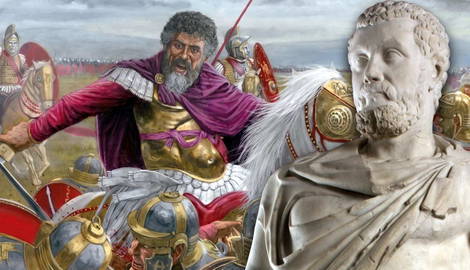

When the emperor Commodus died on New Year’s Eve, 192 AD, the Roman Empire’s Golden Age came to an abrupt end. In the years of civil war that followed, Septimius Severus fought to defeat a series of rivals. His final showdown was with Clodius Albinus at the Battle of Lugdunum in February 197. This battle in southern Gaul became known as the largest in Rome’s history. In the midst of the brutal fighting, Septimius Severus was unhorsed and looked like he would lose the Empire and his life.
Prelude to Power: Who Was Septimius Severus?
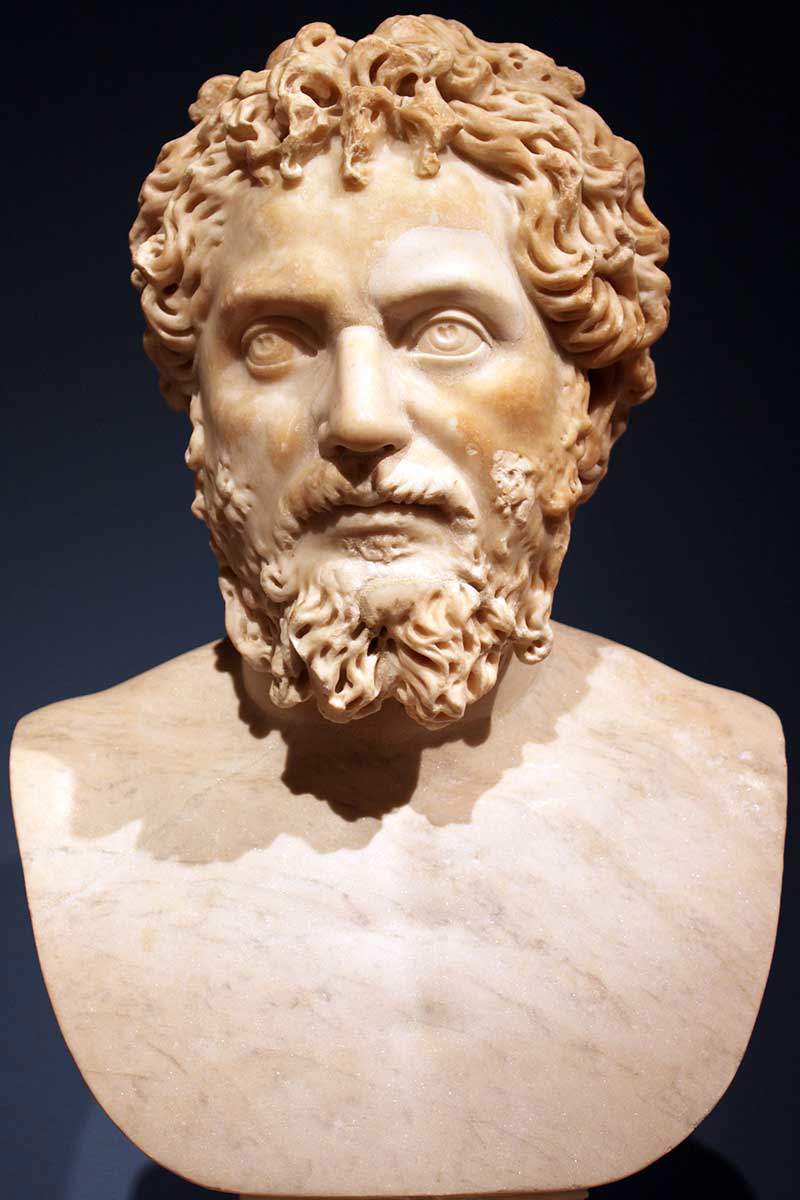
Septimius Severus was, according to the sources, a highly superstitious man. Later in his life, as he reclined amidst the luxury and grandeur of the imperial palaces on the Palatine Hill, he would have been able to cast his eyes to the ceiling to look at the horoscopes that had ordained his journey to the summit of Roman power. Born in 145 AD in the city of Lepcis Magna, a prominent port city on the Mediterranean coast of modern Libya, Severus’ life provides an extraordinary illustration of the cosmopolitan nature of the Roman Empire in the late 2nd century AD. The early years of his life were dedicated to the typical roles an ambitious man was expected to fulfill as he worked his way up the cursus honorum.
Over the course of his early career, his administrative and military posts would take him from Sardinia to Syria. It just so happened that, as the political situation in Rome descended into chaos and violence at the end of 192, Severus was exceptionally well-placed. He was acting as the governor of Pannonia (roughly modern Hungary), and able to command a formidable force of legions should the right opportunity arise.
Civil War: Commodus’ Downfall and the Five Emperors
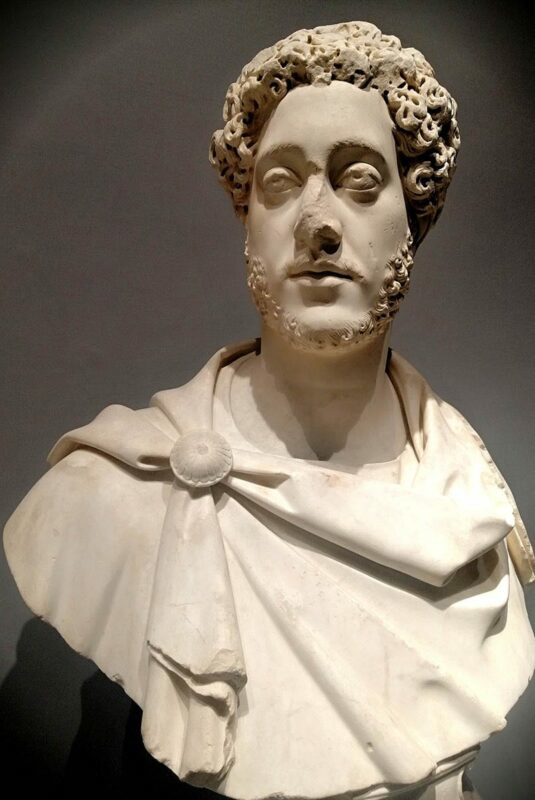
On New Year’s Eve, 192 AD, patience in Rome finally snapped. For too long, the Senate, Rome’s traditional political aristocracy, had been cowed by the volatile and violent megalomania of the emperor Commodus. Where once he had masqueraded in the arena as a gladiator, now he appeared to have taken total leave of his senses: he had begun to refer to himself as Hercules. As he wallowed away the evening in his bath, the senatorial conspirators initiated their plan. A poison was administered to Commodus in his wine. Unfortunately for the conspirators, the emperor appeared to have a deceptively strong constitution, and he vomited up the toxic tincture. Aware that their plans hung in the balance, the conspirators ordered Narcissus, a favorite wrestler, to go into the bathhouse and throttle the stricken Commodus.
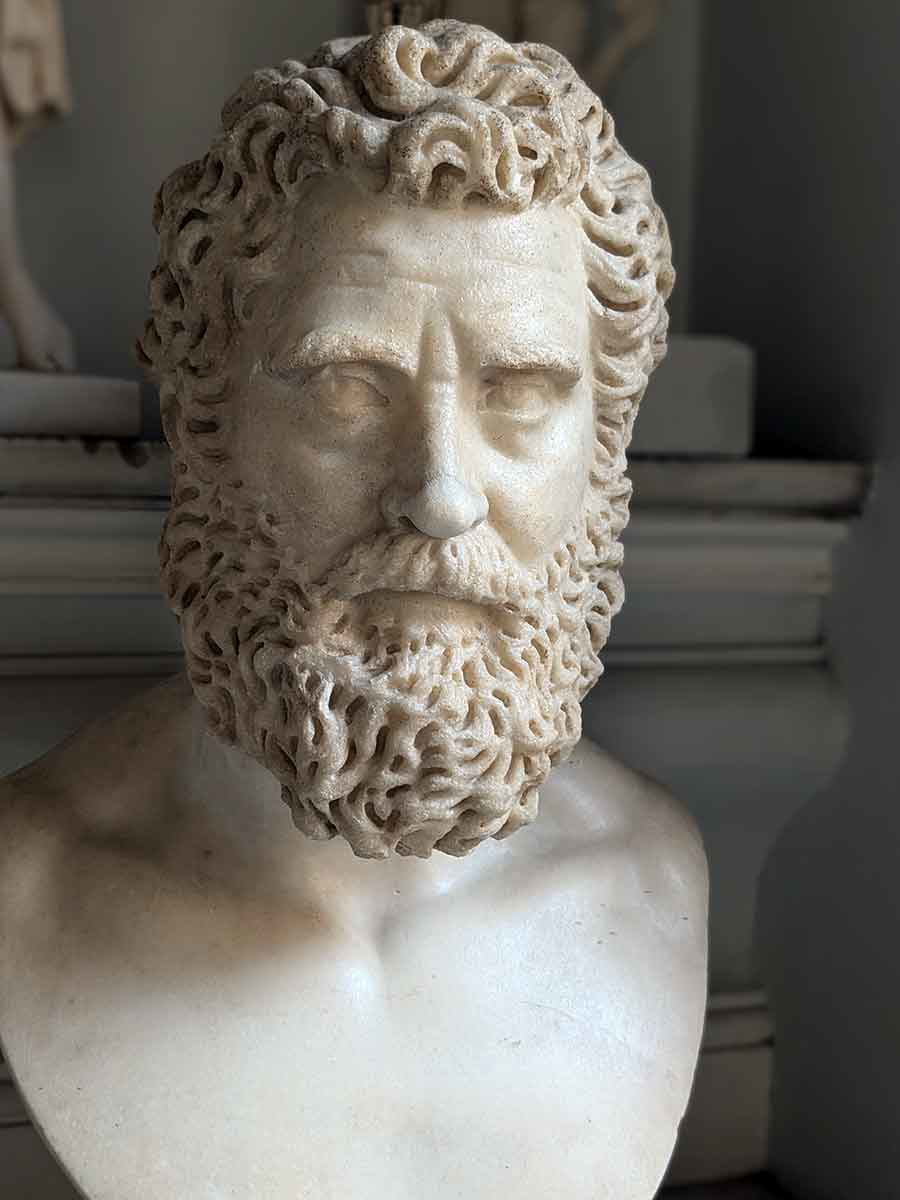
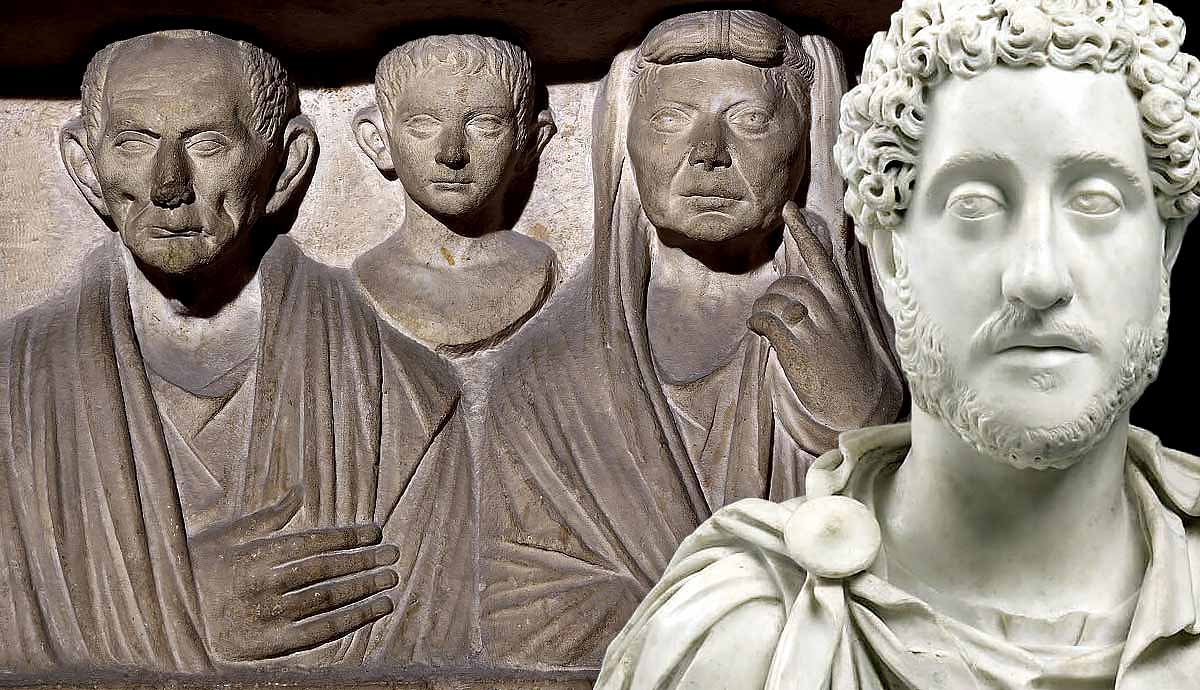
With Commodus’ death, the age of the Antonines, the emperors responsible for the Roman Empire’s so-called “Golden Age,” was over. The question now was who would succeed the heirless Commodus? The first man chosen was the elderly senator Pertinax. His rise to power represented the culmination of an extraordinary career from humble beginnings. But his hold on authority was weak. The Praetorians, used to an easy, well-remunerated life under Commodus, did not take kindly to the stringent cutbacks of the new emperor, so they murdered him.
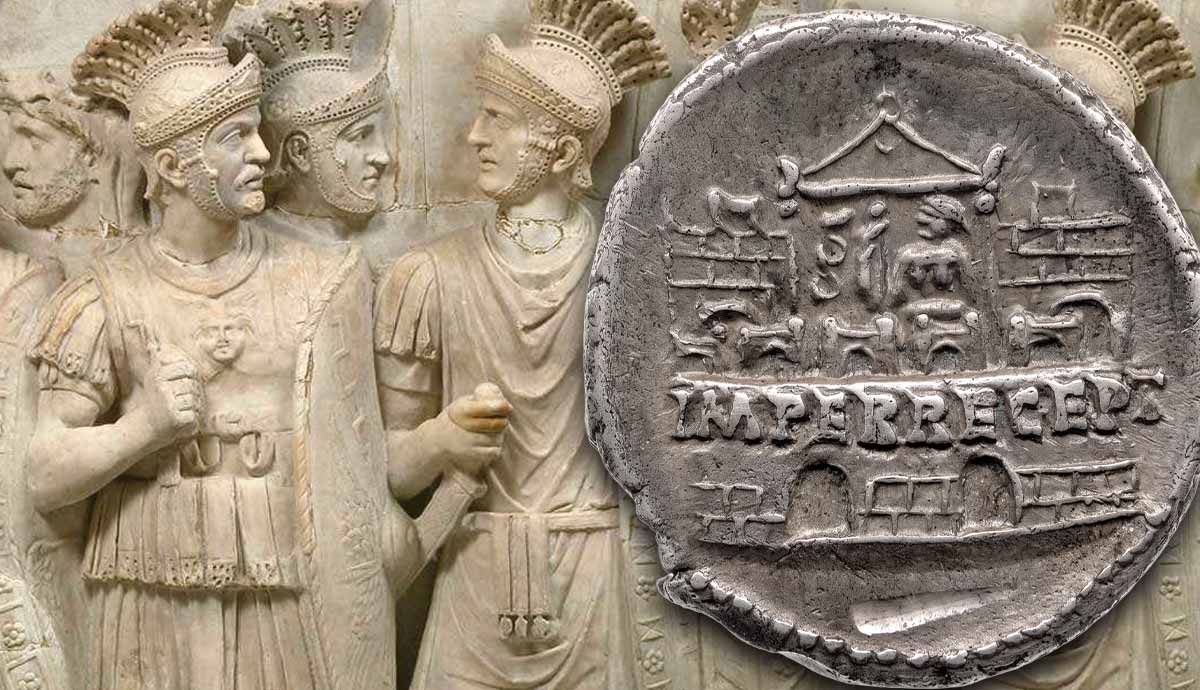
Realizing the gravity of what they had done, the guards retreated into their castra (fortified camp) and waited. They were approached by two men, each desirous of being the new emperor. What followed was the infamous “auction” for the empire, with the two offering increasingly extravagant sums to the Praetorians for their support. In the end, the highest bidder was Didius Julianus.
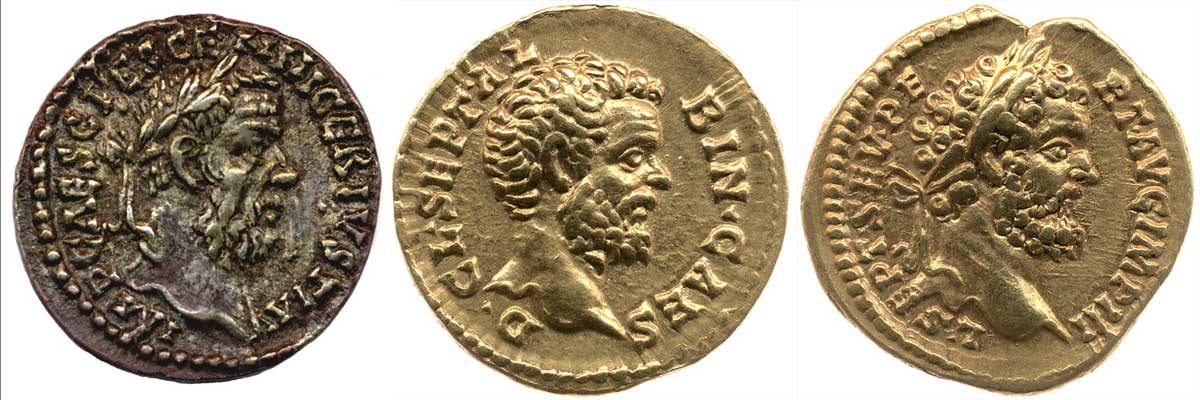
However, when news of Pertinax’s death and Julianus’ elevation became common knowledge around the Empire, a series of other men were acclaimed by the provincial legions under their control. The year 193 AD was to be remembered in history as the “Year of the Five Emperors.” In Syria, there was Pescennius Niger, and in Britain and Gaul, Clodius Albinus. To the north of Italy, at the head of the formidable Pannonian legions, Septimius Severus was acclaimed. Presenting himself as the avenger of Pertinax, he stole a march on his rivals and advanced on the capital, where Julianus was killed and Severus recognized as the new emperor.
Friends to Foes: Severus and Clodius Albinus
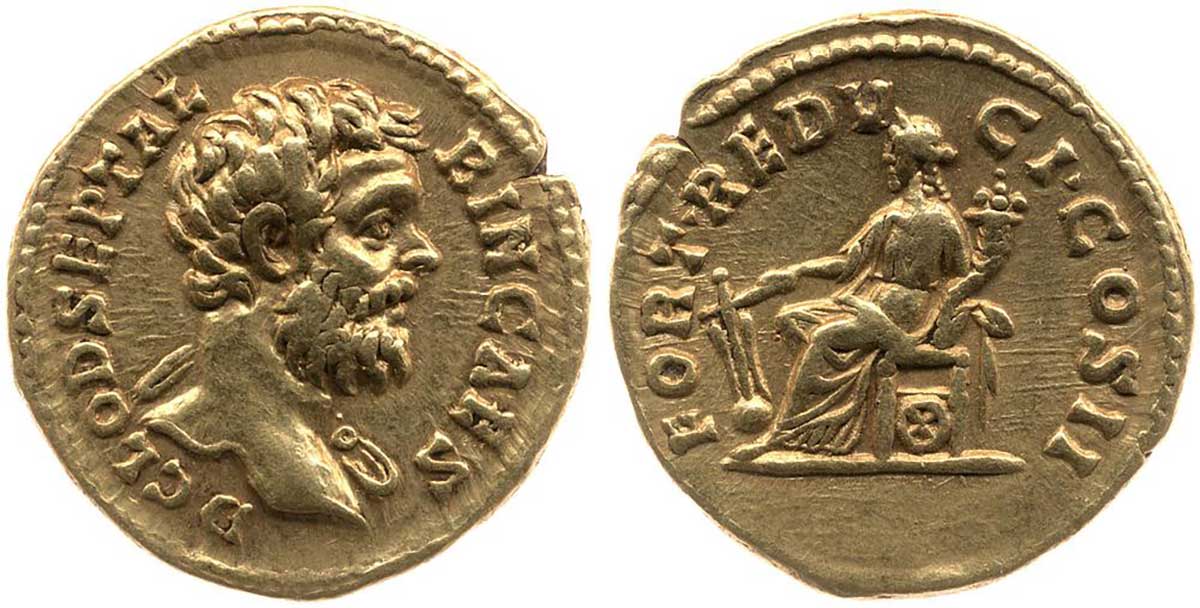
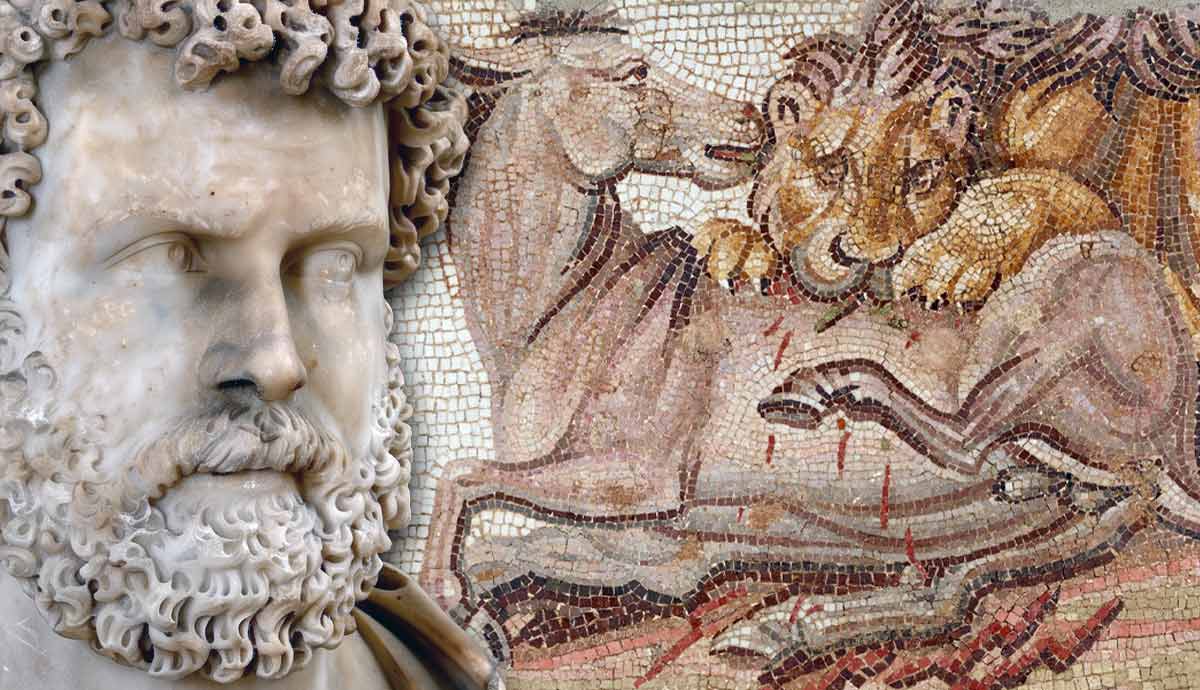
Now the master of Rome, Severus still faced threats on both sides. In the 16th century, Niccolo Machiavelli would describe Severus as embodying the traits of both the Lion and the Fox, as he displayed all of his cunning when concocting a plan to confront his rivals. The scheme was simple: divide and conquer.
First, Severus convinced Albinus to become an ally. The governor of Britain was assured by Severus that the two could be colleagues in power. Severus would be the senior “Augustus,” but he would recognize Albinus as his junior partner and “heir.” He did not formally adopt Albinus as his son, as the emperors of the previous century had done, but the arrangement was suggested through nomenclature, with Albinus taking Severus’ names. With his western flank secured, Severus could turn his attention to Niger in the east.
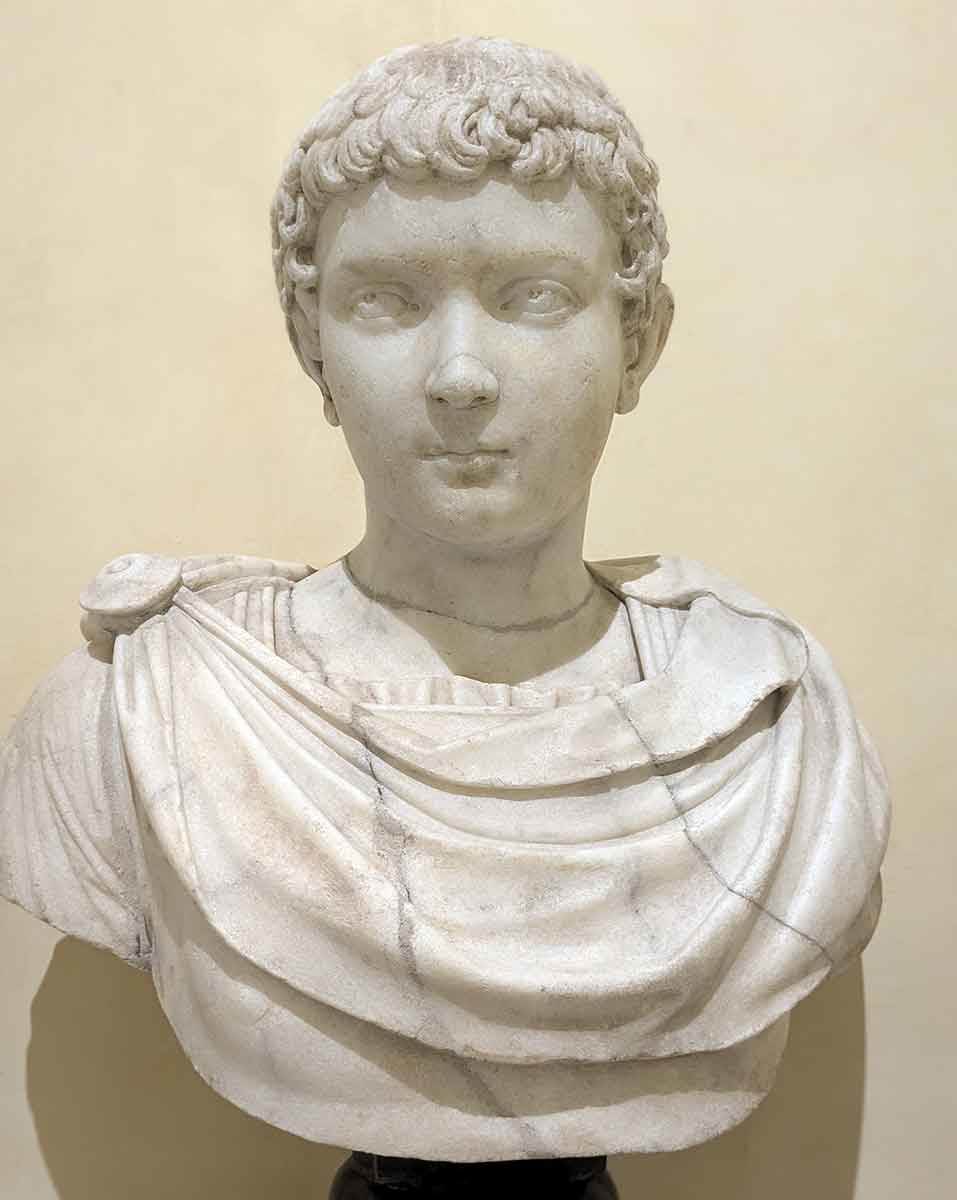
Niger was defeated by Severus’ forces at the Battle of Issus in late 194 AD. This was the same battleground on which Alexander the Great had vanquished the Persian forces centuries previously. It would also prove a springboard for Severus’ own Parthian War. This was ostensibly a punitive war against the eastern territories that had allied with Niger, although the contemporary historian Cassius Dio caustically remarked that it simply allowed Severus to amass glory and support.
On his return from the east, now with only a single rival to contend with, Severus broke decisively with Albinus. Reneging on his original promise to recognize Albinus as the imperial heir, Severus elevated his own son, Lucius Septimius Bassianus, better known as Caracalla, to the position of imperial heir. The final, decisive battle of this protracted period of civil war was looming. It would be fought at Lugdunum, in southern Gaul.
Showdown: The Battle of Lugdunum
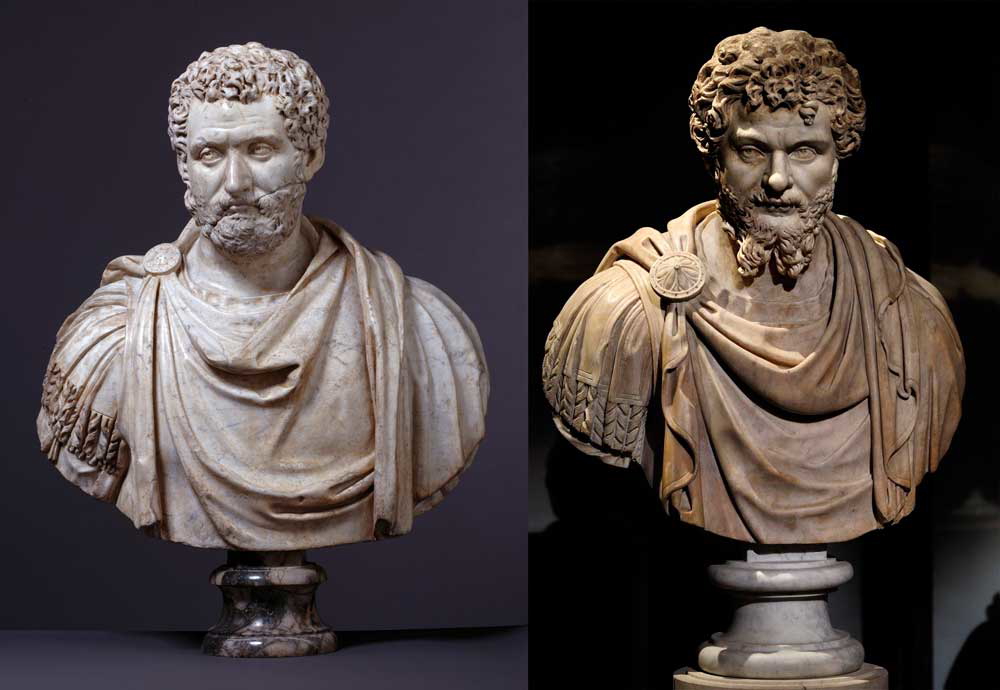
The city of Lugdunum (modern Lyon) was a place Severus knew well. Earlier in his career, he had been the governor of Gallia Lugdunensis, of which Lugdunum was the capital, and it was there, in 187 AD, that Severus married Julia Domna. The daughter of a Syrian priest, Julia was Severus’ second wife and would go on to be one of the most formidable women in imperial Roman history.
However, despite Severus’ happy memories of the Gallic city, it was Albinus who seized it as a base of operations, having marched his legions from Britannia through Gaul. He was able to draw on the support of a number of key allies, including the governor of Hispania. Initial skirmishes between the two forces were inconclusive. Albinus’ soldiers were unable to break through Severus’ frontline defenses, which, crucially, guarded the Alpine passes into Italy. Another skirmish at Tinurtium (modern Tournus) was similarly inconclusive.
The lines of the decisive battle were drawn up on February 19, 197 AD. It was going to be the largest battle between Roman forces in history. Although it is almost certainly an exaggeration, Cassius Dio records each side fielding 150,000 combatants, giving a clear indication as to the vast scale of the armies. Unfortunately, Cassius Dio, along with the other sources for the battle, do not give detailed narratives of the combat itself. Cassius Dio does note that Severus was a more skilled soldier than his adversary. Nevertheless, Severus would need all of his skill, and a significant slice of luck, to emerge triumphant.
On the Brink: Severus Unhorsed
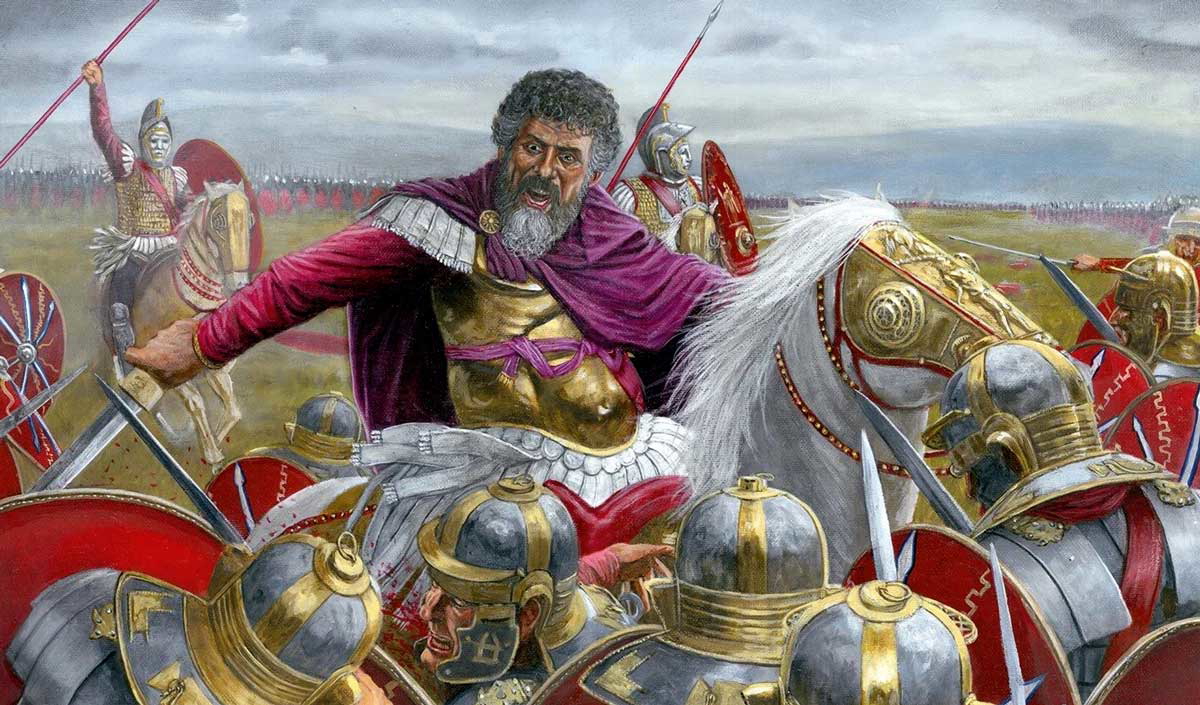
For a long time, the battle hung in the balance, as each side endured shifts in momentum and fortune. Severus’ left wing managed to break Albinus’ right and pursued the fleeing enemy back to their camp, where they were massacred. However, while Severus’ left flank was busy plundering the remnants of the enemy camp, his own right wing was falling foul of Albinus. They were lured into a charge by the seemingly desperate plight of Albinus’ left wing. As they closed on the enemy, who had already discharged their javelins, Severus’ soldiers tumbled into the carefully concealed ditches dug by Albinus’ soldiers. The slaughter was terrible, as horses and men alike were ruthlessly butchered.
Seeing the plight of his men, Severus rushed into the melee with the Praetorians in support. It was almost a catastrophic error of judgment. In the crush, Severus was unseated from his horse. There, as the soldiers of Albinus closed in on the blood soaked fields at Lugdunum, it must have seemed to Severus that his time as emperor was going to be exceptionally bloody and ultimately all too brief.
Out of the Jaws of Defeat: Severus’ Victory at Lugdunum
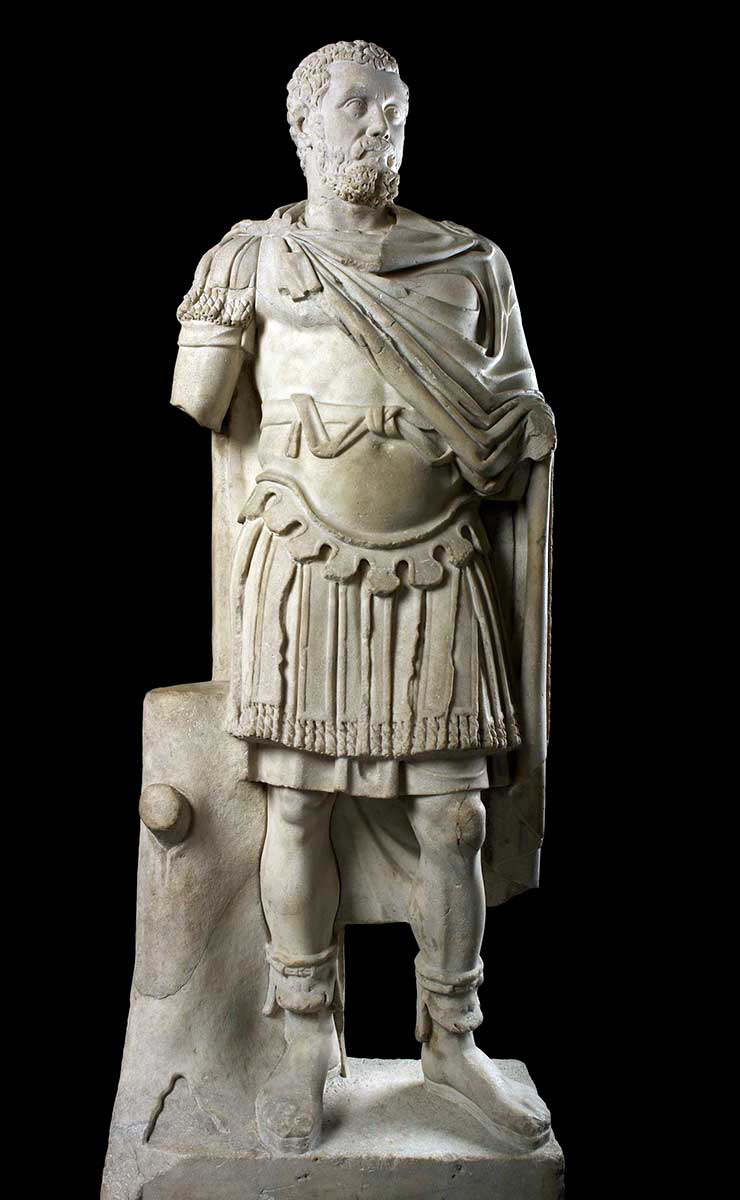
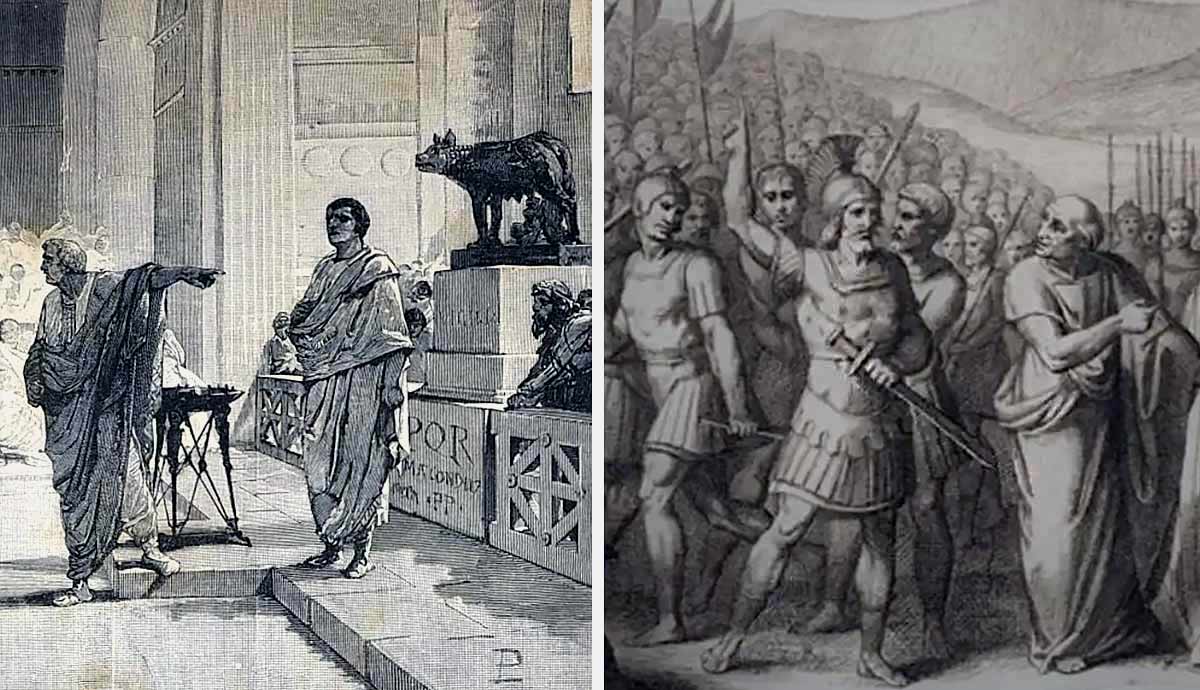
Unhorsed and facing death or, far worse, his capture by the enemy, Severus rushed to rally what troops he could. All around him, they were fleeing from the carnage caused by the hidden ditches protecting Albinus’ left flank. Throwing off his cloak and drawing his sword, Severus harangued the stricken soldiers. He hoped that he could either shame his men into standing their ground with him, or die anonymous in the melee and avoid the ignominy of capture and whatever cruel fate Albinus likely had in store for him.
Severus’ desperate ploy worked. Enough of his men regained their composure to stand their ground with their beleaguered leader. Turning back to face the advancing enemy, they routed their pursuers. It was at this moment that Quintus Maecius Laetus, leading Severus’ cavalry on the day, finally rode into action. Some historians have cynically questioned whether Laetus’ delay was due to his waiting to see which way the tide was turning before choosing a side. Regardless, his intervention was crucial, with the cavalry charge decisively turning the battle in Severus’ favor. Albinus, recognizing defeat, fled into Lugdunum, where he took his own life. After almost five years of constant civil war, political intrigue, and bloodshed, the day, and the Empire, was finally Severus’ alone.
Aftermath: The Severan Empire
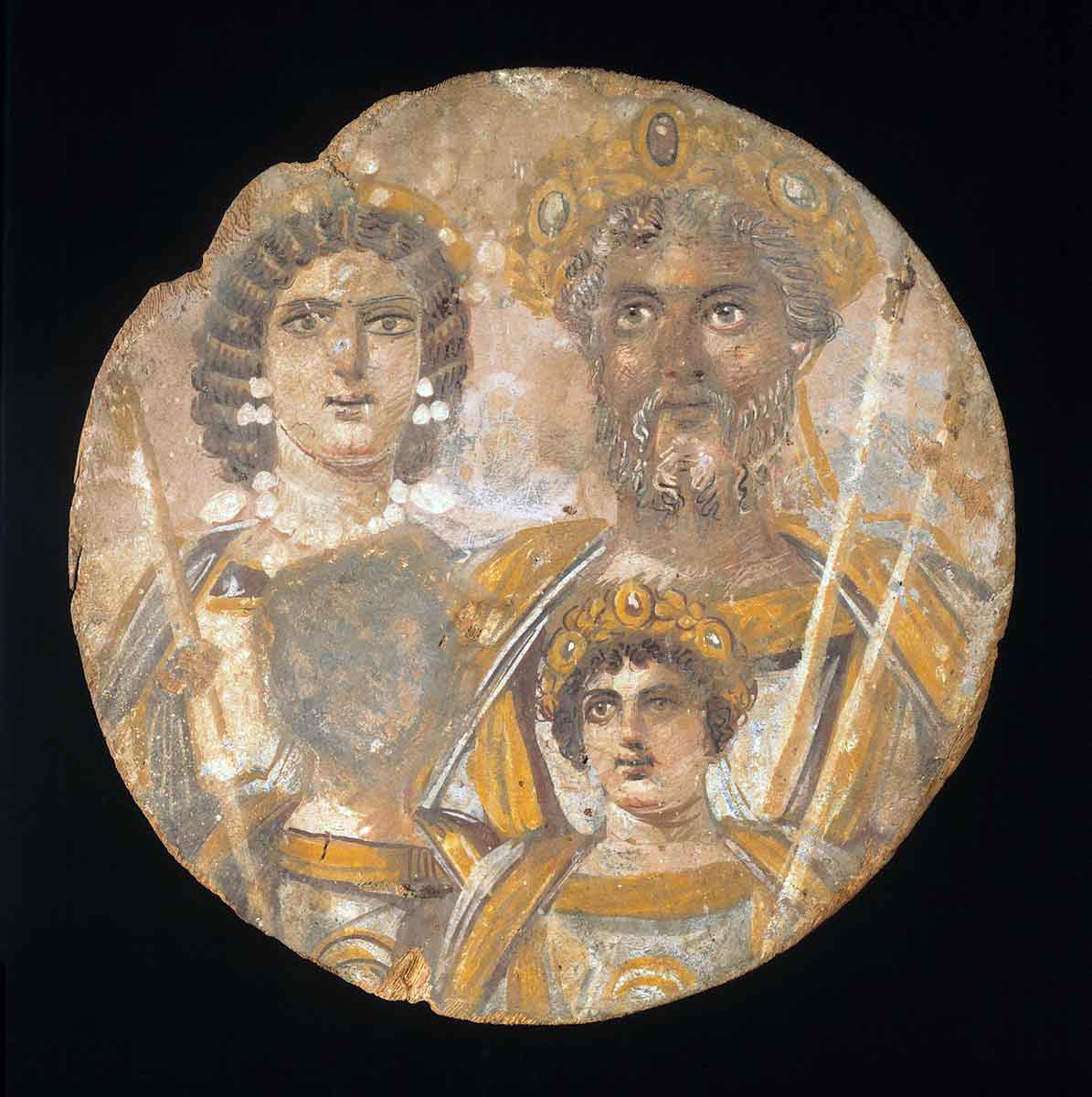
Severus showed no clemency to his former rival. The body of Albinus was retrieved from Lugdunum and brought before the undisputed ruler of the empire. The corpse was desecrated as the new emperor gave full reign to his rage. It was an ominous sign of things to come for those who had not backed him in the civil wars. He would soon return to Rome where, before an aghast senate, would praise the cruelty of Sulla in a speech, before turning his vengeance on the disloyal magistrates, who were executed and their wealth seized.
When Severus was unhorsed in the thick of the fighting, and as his men were dying in the charnel houses of the disguised trenches before Albinus’ lines, he must have thought the day was lost. It was a moment of desperate courage, and the timely intervention of Laetus, which won the day for Severus. It ushered in a new imperial dynasty, the Severans, who would rule the Empire for the next three and a half decades.