
In the spring of 193 AD, ancient Rome was engulfed in political chaos. The new emperor, Didius Julianus, had only a tenuous hold on the power he had purchased from the Praetorians. He was not universally accepted, and across the Empire, rival claimants emerged in the infamous “Year of the Five Emperors.” In the distant west, Clodius Albinus, an aristocratic Roman from North Africa, was serving as governor of Britain. He decided that he might also have a chance to rule Rome, and he came close to succeeding.
African Origins: Who Was Clodius Albinus?
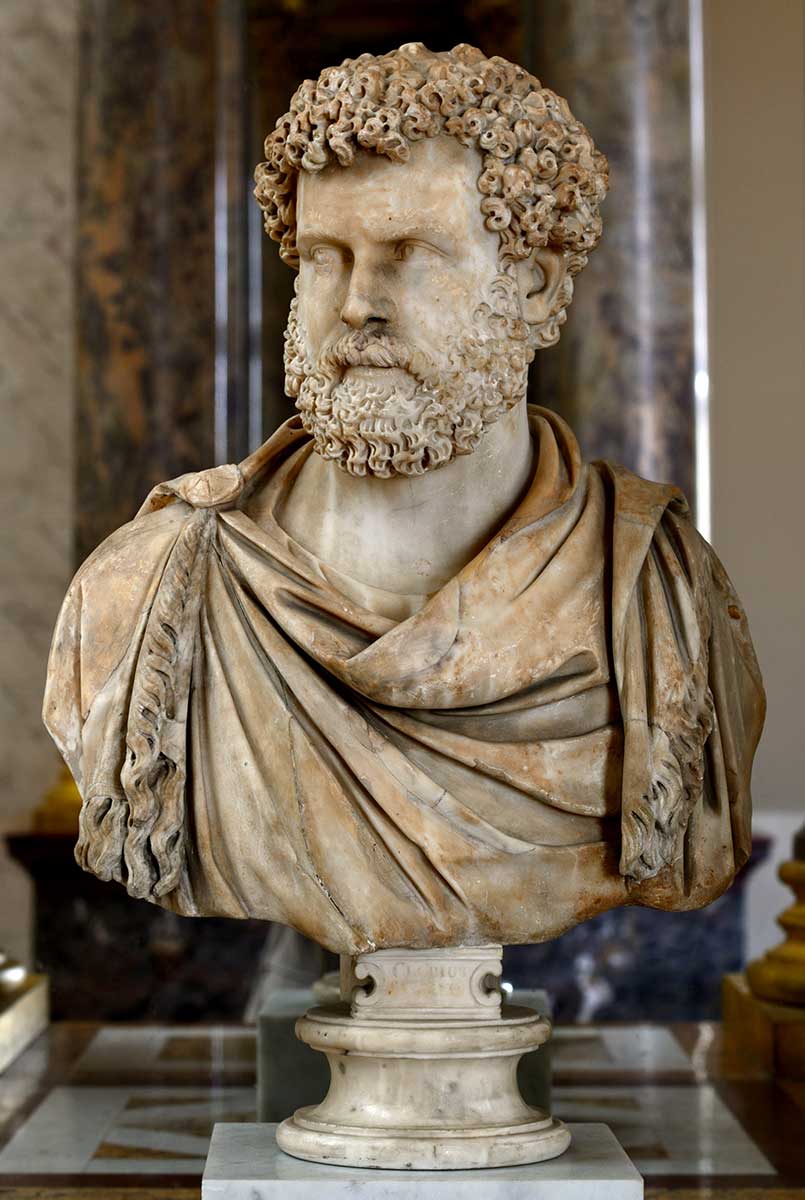
In around 150 AD, Decimus Clodius Albinus was born in the North African city of Colonia Concordia Ulpia Trajana Augusta Frugifera Hadrumetina. Originally a Phoenician city founded in the 9th century BC, Hadrumetina was made a Roman colony by Emperor Trajan in the early 2nd century AD. Previously, it had a long history with Rome. During the Second Punic War, the city provided shelter to Carthaginian soldiers who had been defeated in the Battle of Zama in 202 BC. In the Third Punic War, the Hadrumetine government sided with the Romans.
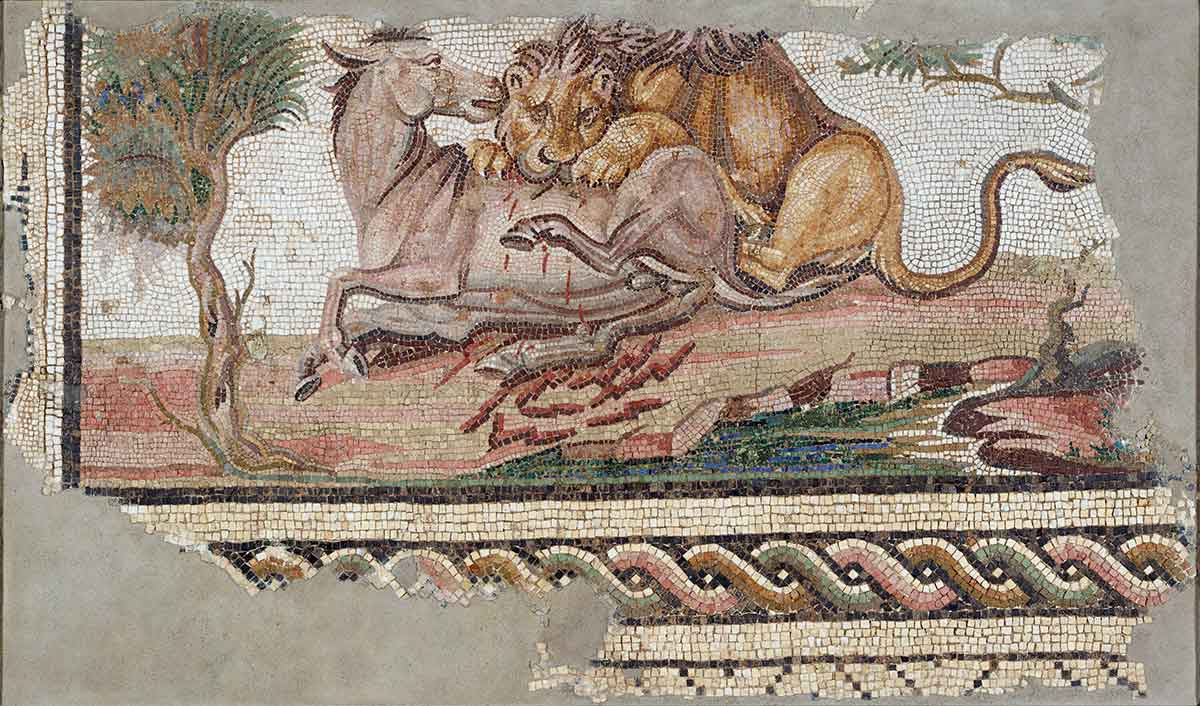
Carthage’s destruction in 146 BC allowed Hadrumetum to grow in size and stature in North Africa, even minting its own bronze coinage for a time. Due to its fertile hinterland, the city continued to grow wealthier as an important node in the Empire’s grain supply. Although it is a notoriously unreliable source, the Historia Augusta describes Clodius as coming from an aristocratic family in Hadrumetum, which could trace its descent back to Roman nobility. Allegedly, he was so remarkably pale when he was born that he was given the name “Albinus.”
Political Chaos: Clodius Albinus in 193 AD
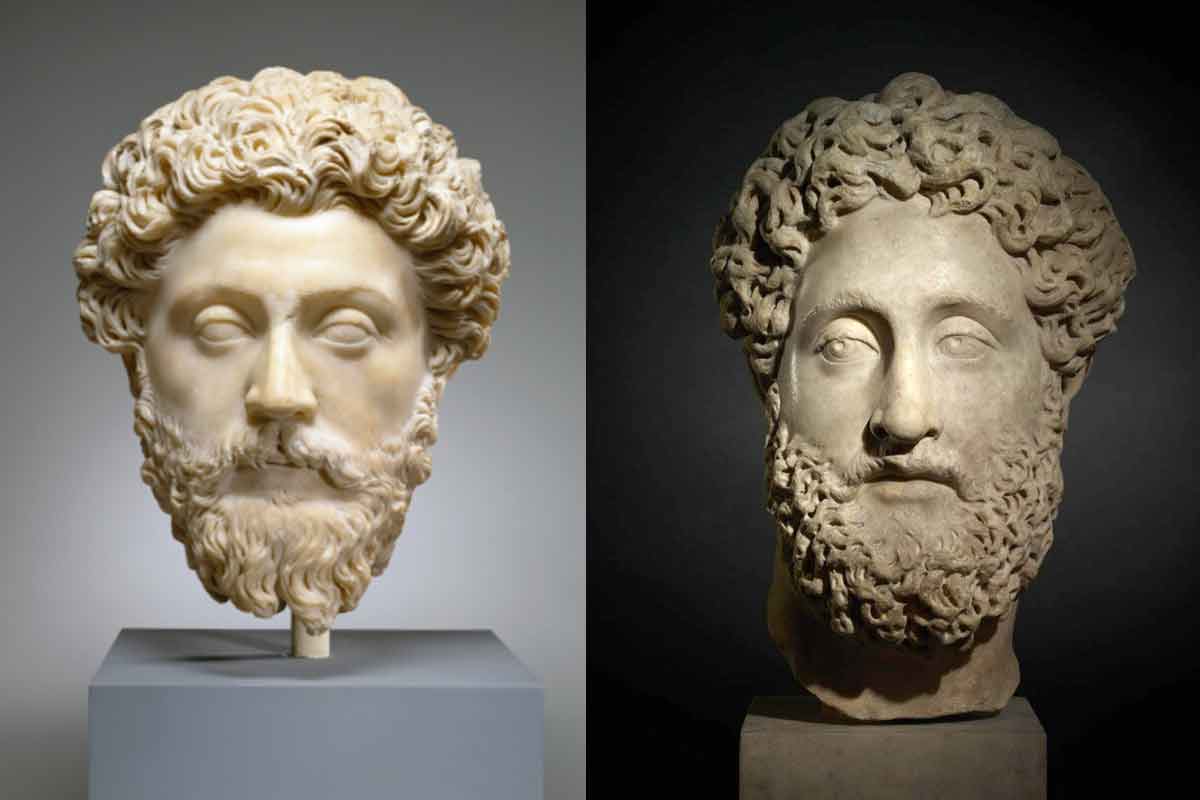
A dearth of evidence from other sources associated with this period of imperial history means that we must rely on the Historia Augusta. The anonymous biographer describes how Albinus was educated in Greek and Latin, as expected, in Africa. It says that then Albinus entered military service and enjoyed a stellar career, even catching the attention of the Emperor Marcus Aurelius. It claims that during the revolt of Avidius Cassius in 175 AD, Albinus maintained the loyalty of the Bithynian legions to the emperor.
Details of his career after this point are hazy. The Historia Augusta claims that Commodus transferred Clodius to a command in Gaul, where his victories over the local inhabitants earned him acclaim. Where credulity is stretched is in the claim that Commodus was so impressed by Clodius’ successes in Gaul that he offered to make him the imperial heir by offering him the title Caesar. Another striking claim made by the biography is that during Clodius’ praetorship, games were organized, and it was in these that Commodus first took part in gladiatorial combat.
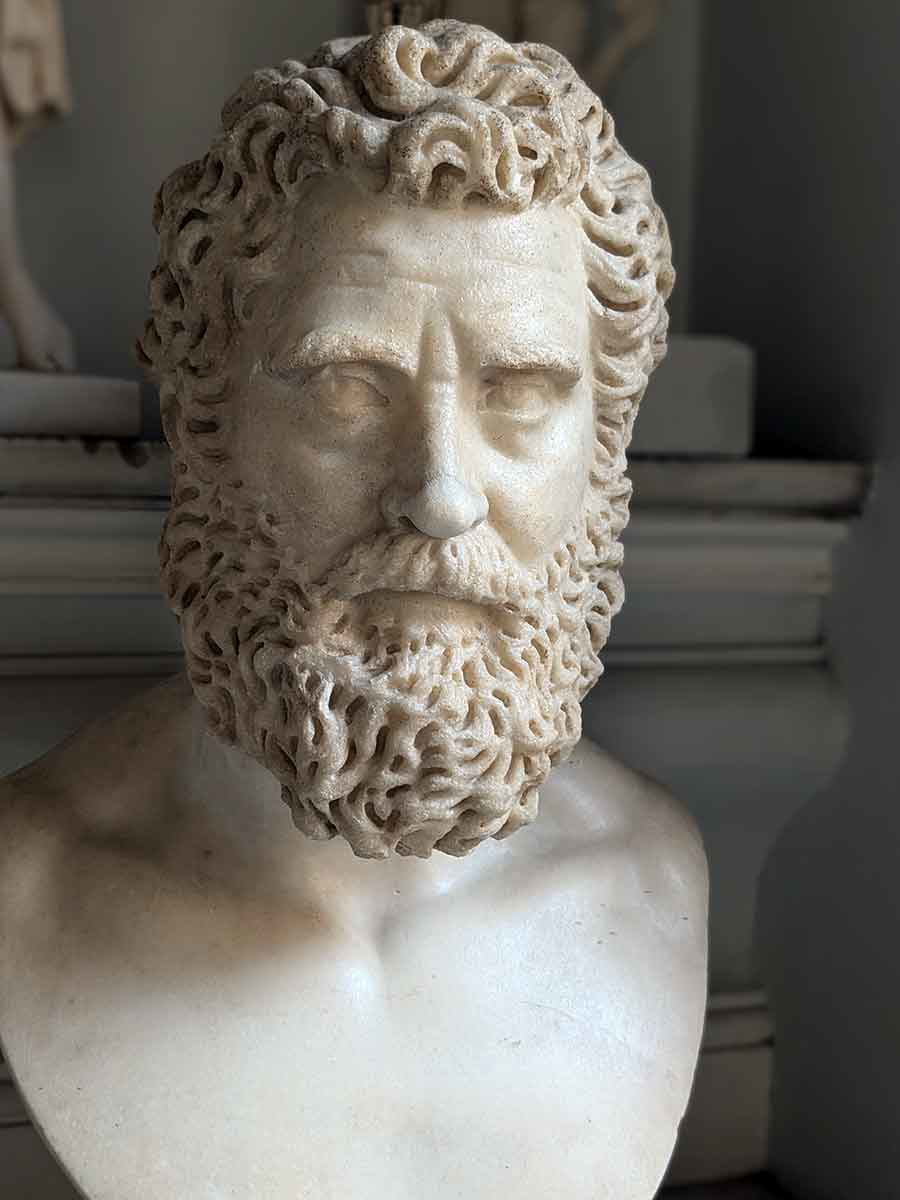
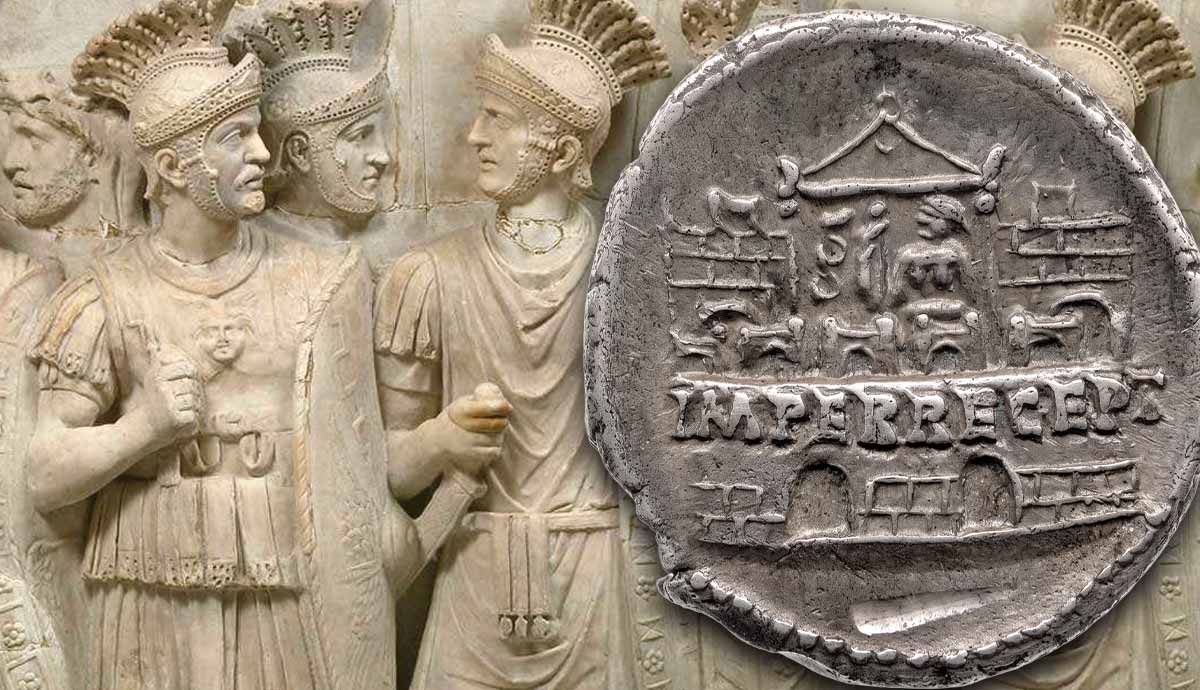
But more concrete evidence of Albinus’ high standing came in 193 AD. This was an extraordinarily tumultuous year in Roman politics. Characterized as the “Year of the Five Emperors,” the Empire descended into political chaos following Commodus’ murder. First, the elderly senator and Commodus’s partner in the consulship, Pertinax, was made emperor. This lasted 90 days before falling foul of the praetorian guards. Then, the Empire was “purchased” in an auction, with Didius Julianus outbidding Titus Sulpicianus. Julianus was not a universally popular choice. Although his largesse had won over the praetorians, others were less than enamored with their new ruler.
Around the Empire, rivals quickly emerged. In the east, the governor of Syria, Pescennius Niger, was acclaimed by the legions under his control. North of Italy, the governor of Pannonia, Septimius Severus, was similarly acclaimed by his soldiers. Finally, to the west, Clodius Albinus, then the governor of Britain, was also acclaimed as imperator. Four imperial rivals was an untenable situation: the stage was set for civil war.
The Lion: Clodius’ Alliance With Severus
In his 16th-century treatise, “The Prince,” the Florentine diplomat Niccolò Machiavelli used ancient Roman rulers as models to instruct modern leaders. Septimius Severus was a figure of particular interest to the Florentine, who likened the ancient general to both a lion and a fox. In other words, he could demonstrate both strength and cunning to maximize opportunities. This was especially true in the period between 193 and 197 AD.
Severus was the quickest of the imperial rivals to react to his acclaim in 193. Mobilizing his soldiers in Pannonia, he marched rapidly south. Entering Rome, Didius Julianus was deposed and executed, leaving Severus in command of the imperial capital. Now, he was faced by a different problem: he was caught between two enemies, Pescennius Niger in the east and Clodius Albinus to the west.
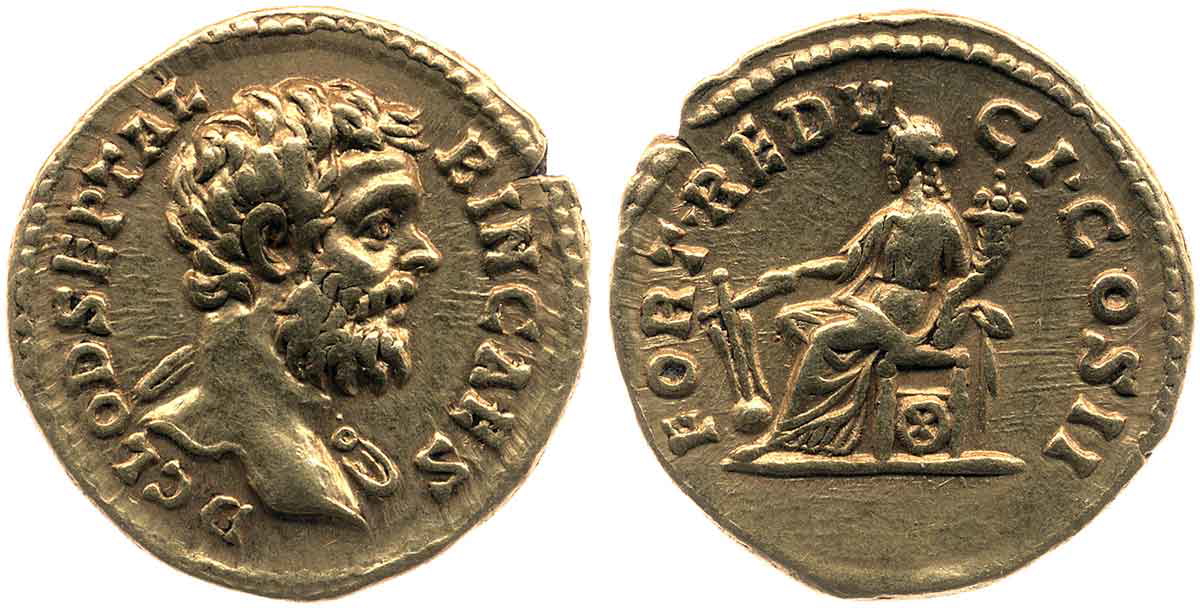
Severus demonstrated his fox-like cunning. Recognizing the challenge posed by the two rivals, Severus decided to adopt a strategy of divide and conquer. Overtures were made to Clodius to form an alliance. Severus offered Clodius the chance to be his Caesar, effectively making him the imperial heir. Clodius agreed to the terms, adding the name “Septimius” to his own nomenclature. His identification as Decimus Clodius Septimius Albinus, which appeared on coinage and in inscriptions, communicated this new imperial alliance, as did the two men sharing a consulship in 194. With Clodius placated, Severus could turn his attention to Pescennius.
The Fox: The Break Between Clodius and Severus
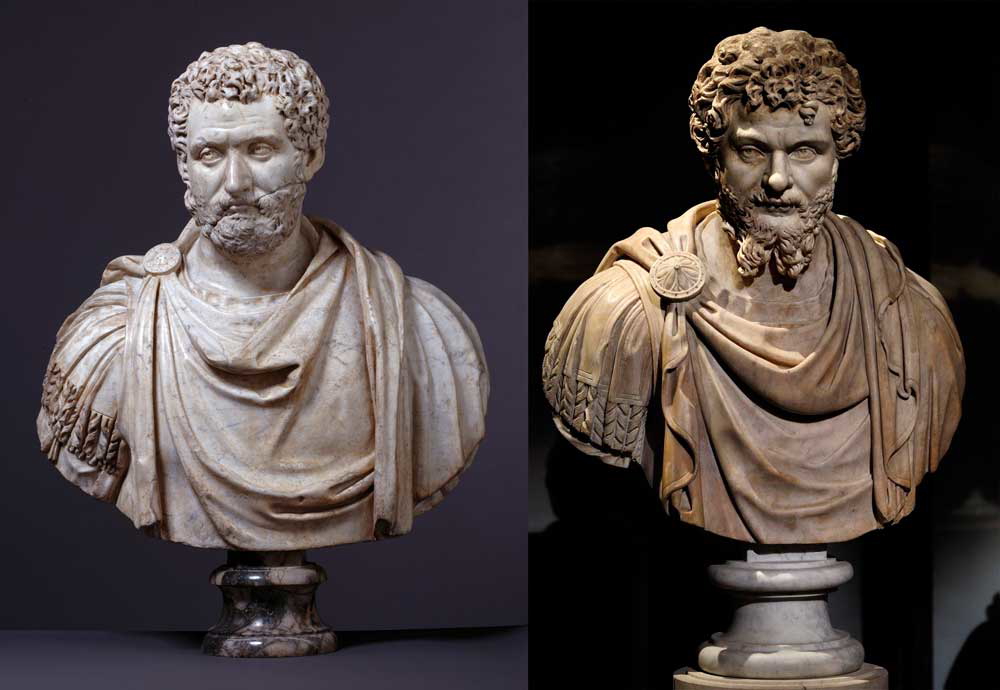
Severus launched his campaign against Pescennius in 193. Much as he had done with Didius Julianus previously, Severus was able to achieve a decisive and rapid victory over his rival. The final defeat of Pescennius came in 194 at the Battle of Issus; this was the same battlefield on which Alexander the Great had defeated the Persians in 333 BC.
Although the city of Byzantium remained defiant, Severus felt secure enough to launch a campaign against cities that had allied with Pescennius on the Empire’s eastern frontier. Known as Severus’ First Parthian War, the purpose of this campaign is not clear. Cassius Dio, the senatorial historian, was cynical and claimed it was a means for Severus to rake in more glory and booty. A more practical consideration was that it allowed Severus to incorporate Pescennius’ soldiers into his own army, offering the Roman forces a common enemy.
Whether he foresaw the break coming or not is unclear, but after Severus’ triumph in Parthia, he no longer needed Clodius. On the return from the east, Severus began to turn against Clodius. The decisive split came with Severus’ elevation of his eldest son, Lucius Septimius Bassianus, better known to posterity as Caracalla, as his heir. Clodius had been supplanted, again opening the door for civil war.
Showdown: Clodius Albinus and the Battle of Lugdunum
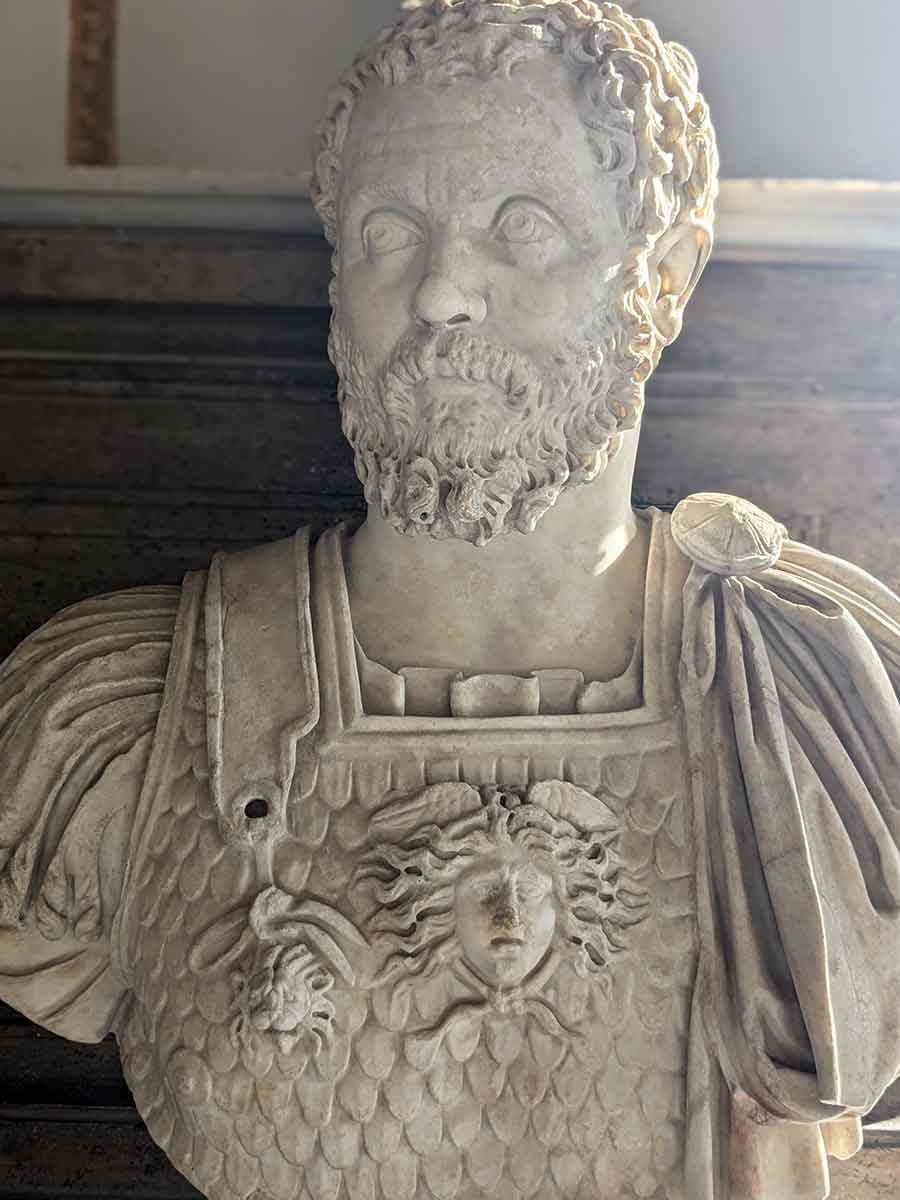
Upon receiving the news, Albinus gathered legions from Britannia and marched south through Gaul. There, he established his headquarters in the city of Lugdunum, modern Lyon. The city had long been a strategic settlement in the Empire. Albinus was not alone, having been joined by the governor of Hispania, Lucius Novius Rufus. From his command center at Lugdunum, Clodius attacked the legions loyal to Severus stationed nearby, but with little impact. In particular, Clodius could not breach the Alpine passes into Italy, which had been reinforced by Severus.
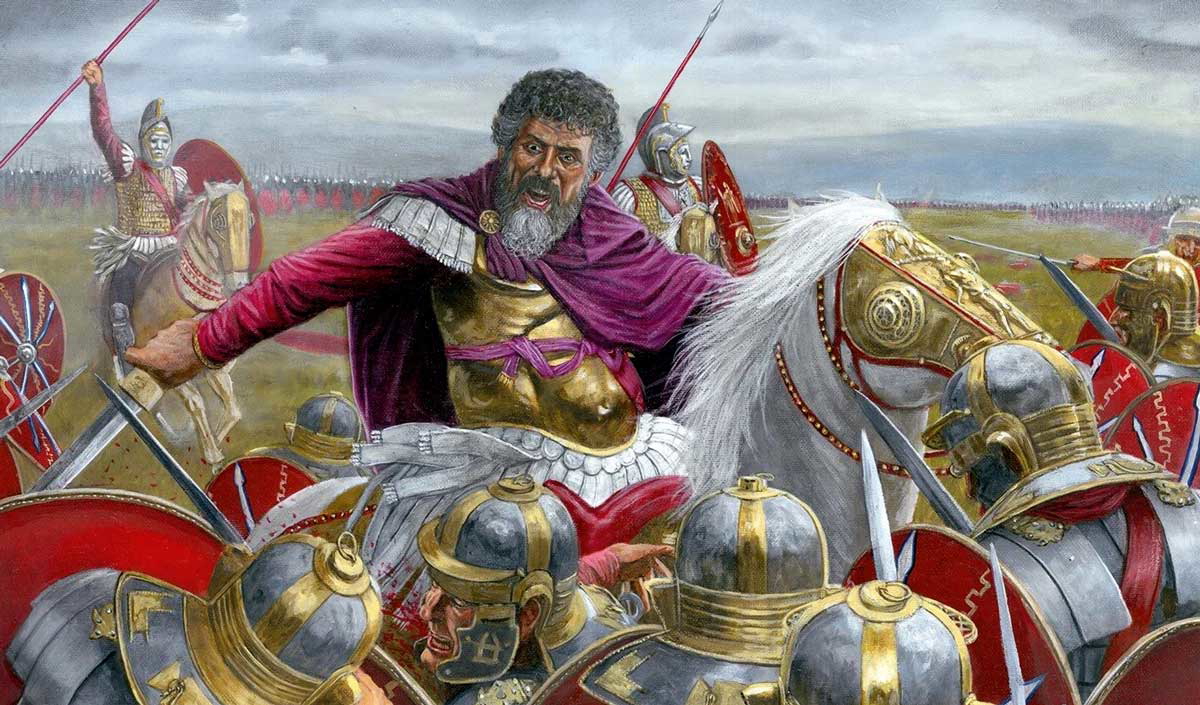
Severus advanced his forces westward from the Danube provinces. He engaged in an initial skirmish with Clodius’ forces at Tinurtium, modern Tournus, which was inconclusive. Clodius withdrew from the settlement and instead drew up his forces at Lugdunum. There, on February 19, 197, the two imperial forces assembled and prepared for battle. The clash would be the largest battle in Roman history. Numbers are hard to ascertain with certainty. Cassius Dio records as many as 150,000 men on each side. While modern historians consider this total logistically impossible for a single battlefield engagement of the era, the figure underscores the massive structural mobilization of the battle. Both Severus and Clodius were present to lead their forces on the day, recognizing the pivotal moment.
The outcome of the battle was on a knife-edge throughout the day. Although Severus’ right wing was able to devastate Clodius’ camps, his own left wing suffered appalling losses. It was while his men were being savaged by Clodius’ forces that Severus himself was unseated from his horse. He was able to desperately rally his men and preserve his life. The day was won for Severus by the timely intervention of Laetus, his cavalry commander. He had seemingly been reluctant to join the fray to begin with, perhaps on the basis of self-preservation, or with a view to his own political ambitions. When he did, the cavalry’s charge broke the resolve of Clodius’ forces. The day and the Empire belonged to Severus.
After Lugdunum: Clodius’ Legacy in the Severan Empire
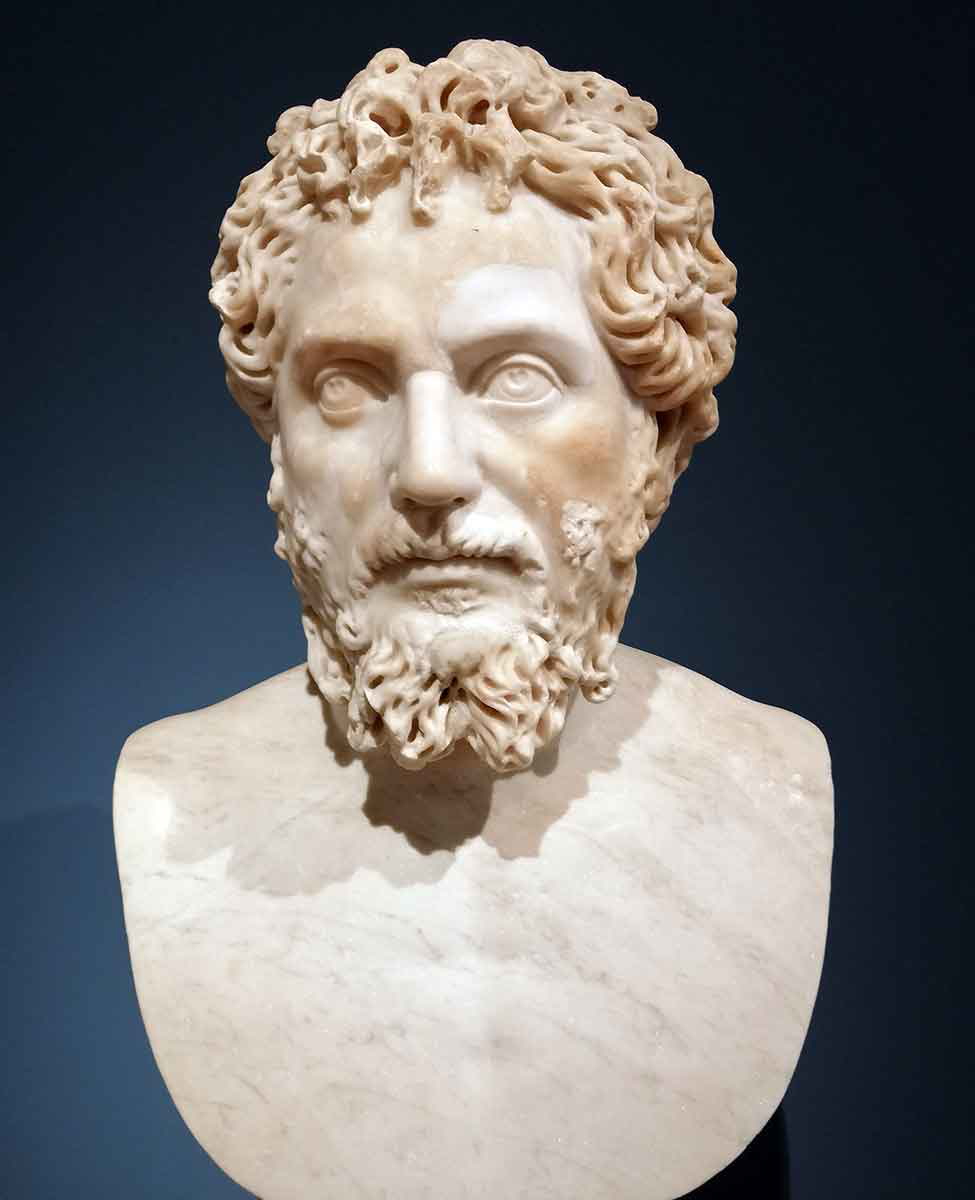
With his forces in flight, Clodius also fled from the battlefield at Lugdunum. Seeking shelter in a house beside the Rhone, the short-lived Caesar took his own life. Severus raged over the corpse of his fallen rival. Presented with Clodius’ corpse, the body was desecrated, decapitated, and the head dispatched to Rome. There, it was displayed publicly, a grisly warning to those who defied the new emperor. Clodius’ memory was condemned, and statues and inscriptions of Severus’ rival were desecrated.
Clodius’ defeat confirmed Severus as the undisputed ruler of the empire. The dynasty that he had established by the elevation of his eldest son would rule the Empire until the assassination of his grand-nephew, Severus Alexander, in 235. The Severans were the last imperial dynasty prior to the political and military turbulence of the mid-3rd-century crisis. As for Severus, he remains notable as the first Roman emperor to hail from Africa. He was a native of Leptis Magna, a city on the Mediterranean coast of North Africa. What tends to be forgotten is how his status as the first African emperor of Rome was a close-run competition. It was only his deception and defeat of Clodius Albinus, the native of Hadrumetum, in 197, that secured Severus’ enduring legacy.