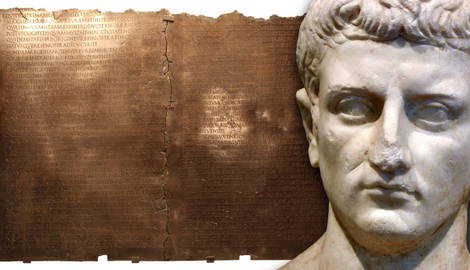

In 1528, a draper from Lyon made a remarkable discovery. Rummaging through his vineyard on the Croix-Rousse Hill in the north of the city, he unearthed the remains of a bronze tablet. This object recorded a significant event in the city’s ancient Roman past. It records the speech given by the emperor Claudius in 48 AD, when he successfully argued for the inclusion of monied, land-owning Gauls in the Roman Senate. As well as a momentous political and social moment in Roman history, the so-called Lyon Tablet, or Tabula Lugdunensis, offers a wonderful glimpse into the character of Claudius.
Locating the Lyon Tablet: Ancient Lugdunum
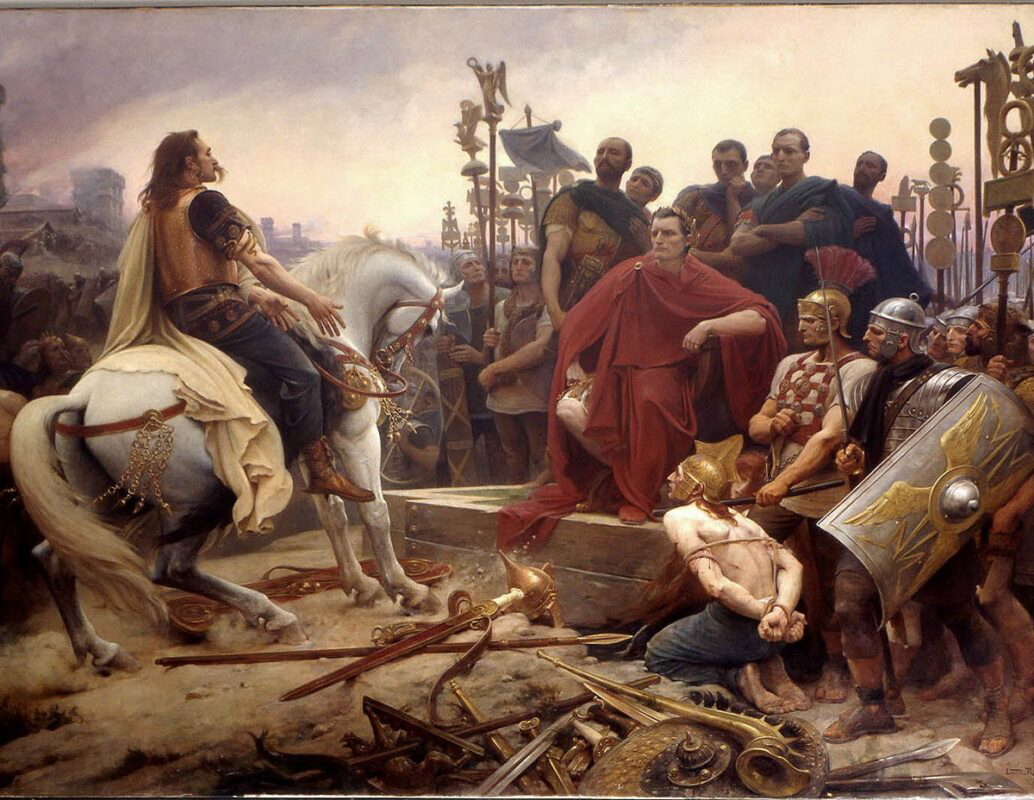
The city of Lugdunum (modern Lyon) was located in east-central Gaul, within the Roman province of Gaul. While there had been human settlement on the site for millennia, the Gallic settlement dated from the 4th century BC, and became the administrative heart of the region following its formal founding as a Roman colony in 43 BC. The entirety of Gaul was brought under Roman control by Julius Caesar between 58 and 50 BC, but his account of his campaigns in Gaul (De Bello Gallico) provides no comment on Lugdunum. After Caesar’s assassination in 44 BC, the Roman settlement that would become known as Lugdunum was established by Munatius Plancus.
The city quickly went from strength to strength. As early as 20 BC, the city had its first aqueduct, which was to be one of four. Lugdunum was soon established as the administrative heart of Roman Gaul, while its proximity to the ever-problematic German frontier also consolidated its importance.
The city’s strategic significance was illustrated by the Roman investment in roads in the region. The Via Agrippa started at Lugdunum and ran north to both the Atlantic and toward the North Sea, with two further branches heading toward the Rhine River, and south, toward the ancient city of Massalia (Marseille).
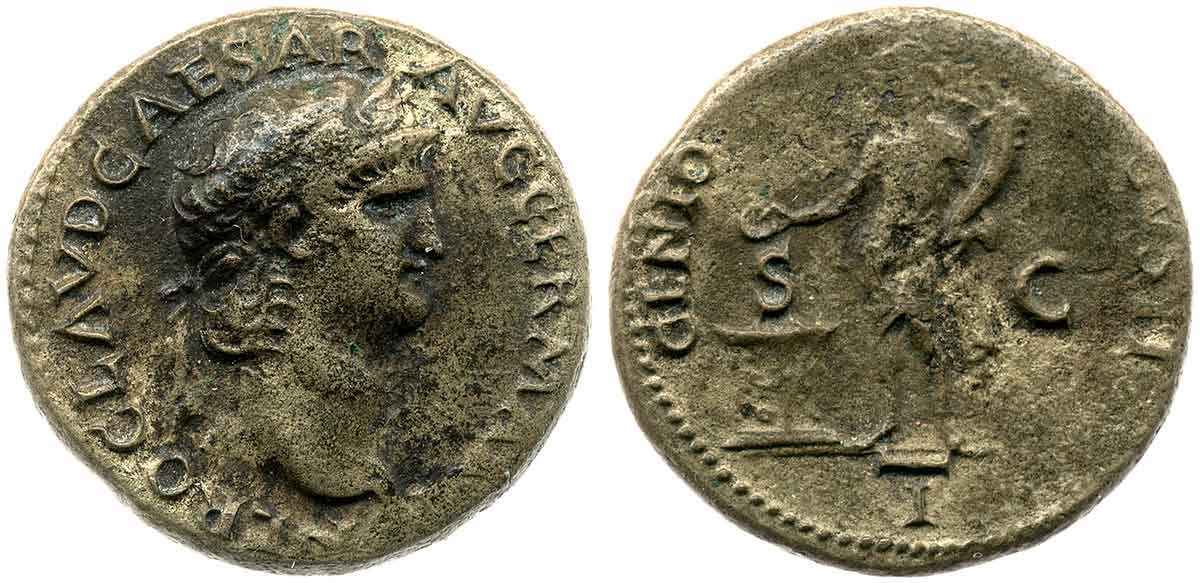
The importance of Lugdunum was confirmed by the establishment of a mint in the city during the imperial period. When it was established in 15 BC, the mint at Lugdunum was the only one producing gold and silver coinage in the entire empire. It would retain this prestigious position until the middle of the 1st century AD, when the emperor Nero moved coin production back to the imperial capital in 64 AD.
Native Son of Lugdunum: Emperor Claudius
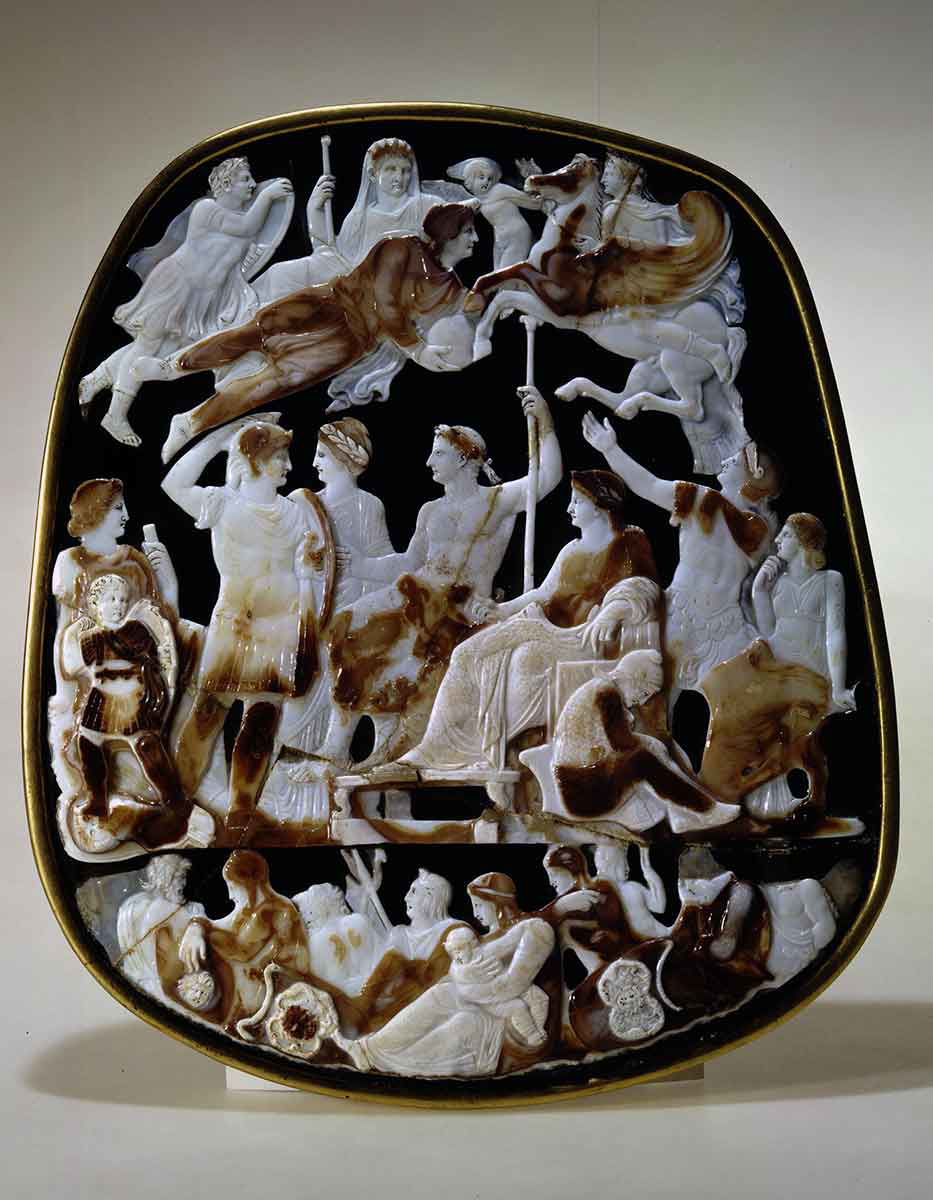
As the mint’s establishment suggests, the advent of the principate under Augustus helped make Lugdunum one of the empire’s most significant cities. Over the course of the 1st century AD, the Gallic city was closely entwined with the history of the Julio-Claudians, Rome’s first imperial dynasty. Augustus himself is said to have visited the city at least three times, while the city’s proximity to the imperial frontiers with Germania ensured that it played host to a number of the empire’s military luminaries. These included Agrippa, Drusus, and the future-emperor Tiberius. The socio-political and cultural changes in the empire that resulted from the advent of autocracy also contributed to changes at Lugdunum.
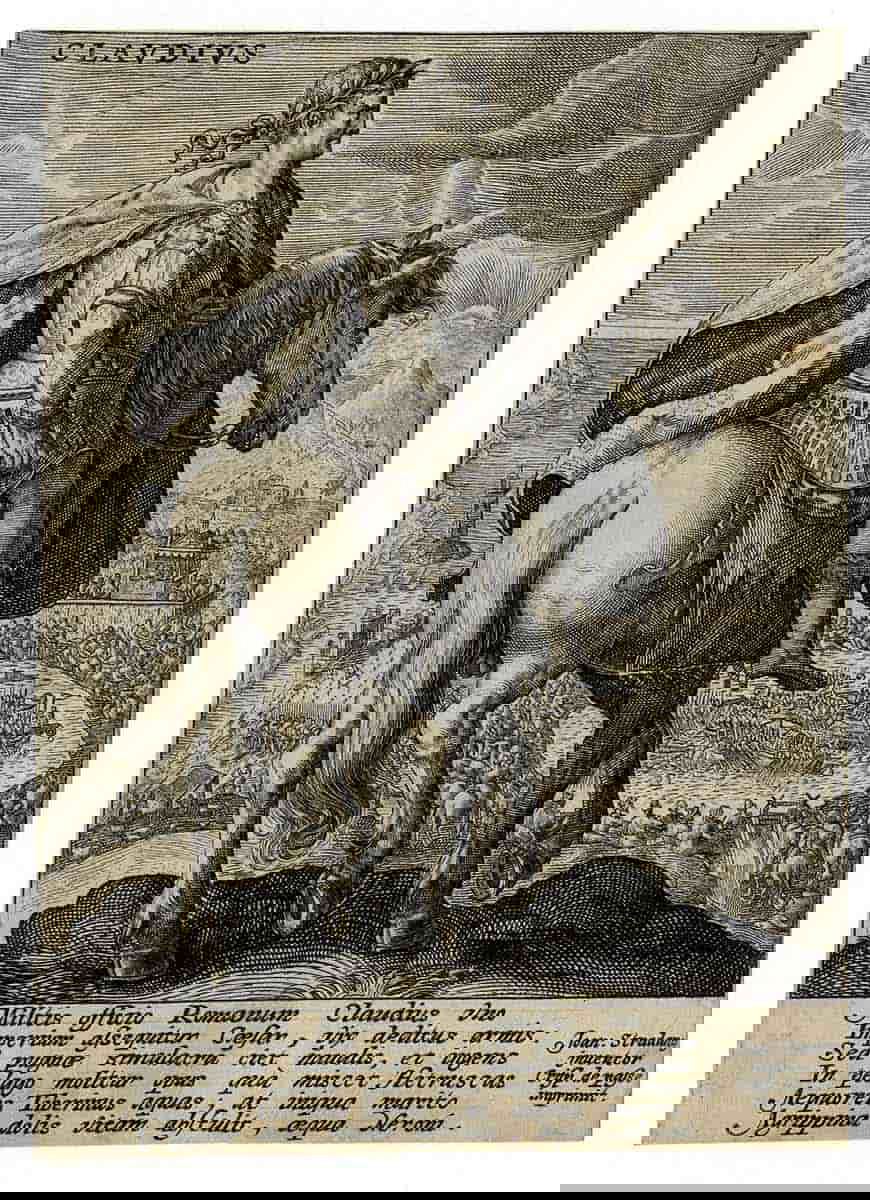
However, the Julio-Claudian most closely associated with Lugdunum was Claudius, perhaps one of the most unlikely of emperors. He was born in the city in 10 BC, while his father, Drusus, was stationed there as the governor. Through his lineage, Claudius was certainly closely connected to the imperial dynasty. Through his father, he was the grandson of Augustus’s wife Livia, and her first husband, and he was the son of Antonia the Younger, Augustus’s niece. Nevertheless, a weakness in his legs combined with a stammer ensured that for a long time, Claudius was kept far removed from the imperial pecking order.
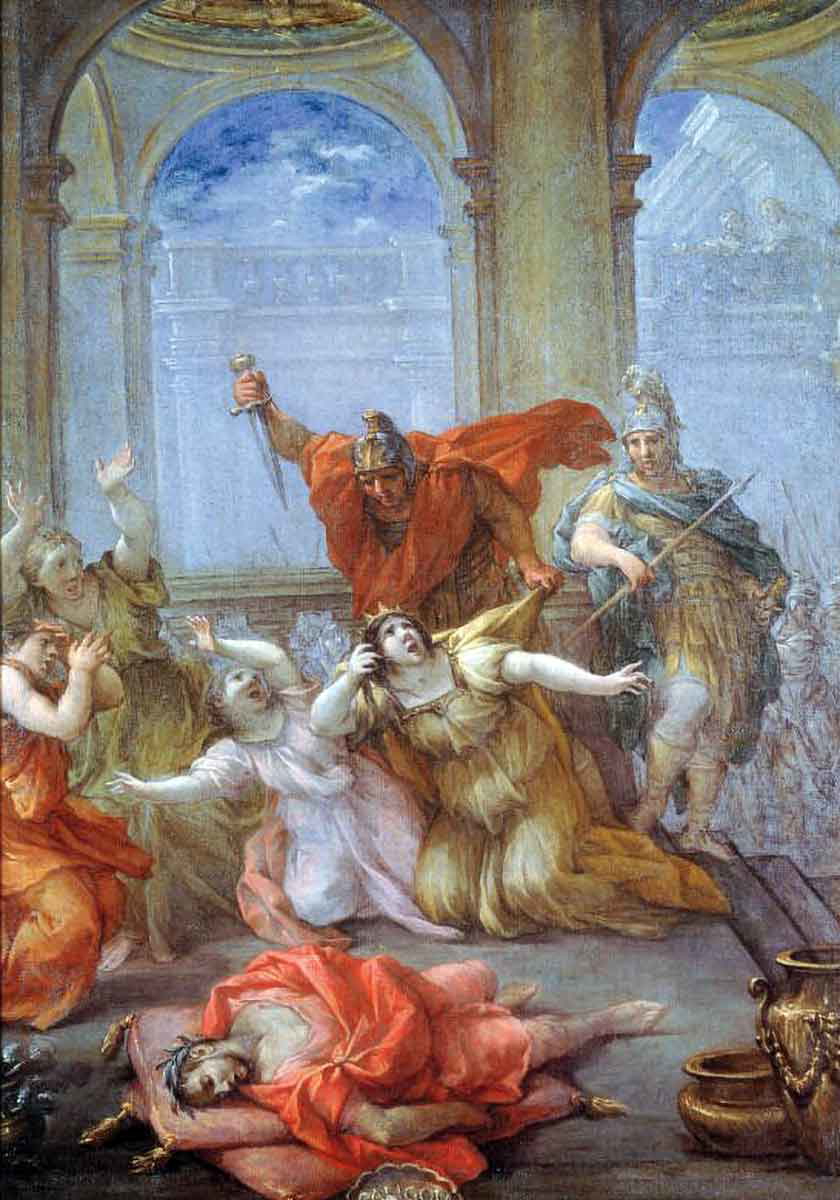
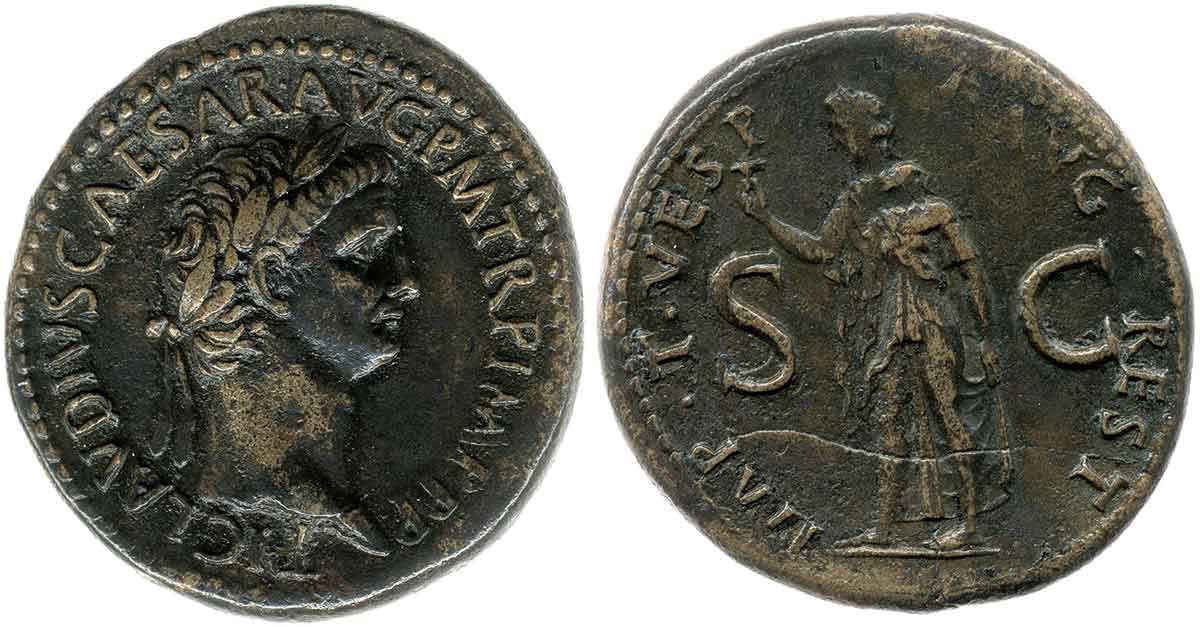
It was a surprise to many then, when, following the assassination of Gaius Caligula in 41 AD, the Praetorian Guards picked the cowering Claudius as the next emperor. With his accession, Claudius became the first Roman emperor born outside Italy. An inkling of his imperial destiny is perhaps hinted at in Suetonius’s biography of the emperor. This records that the day of Claudius’s birth in Lugdunum coincided with the dedication of an altar to Augustus in the city, thereby linking Claudius to the first princeps.
Friends and Foes: Claudius and the Senate
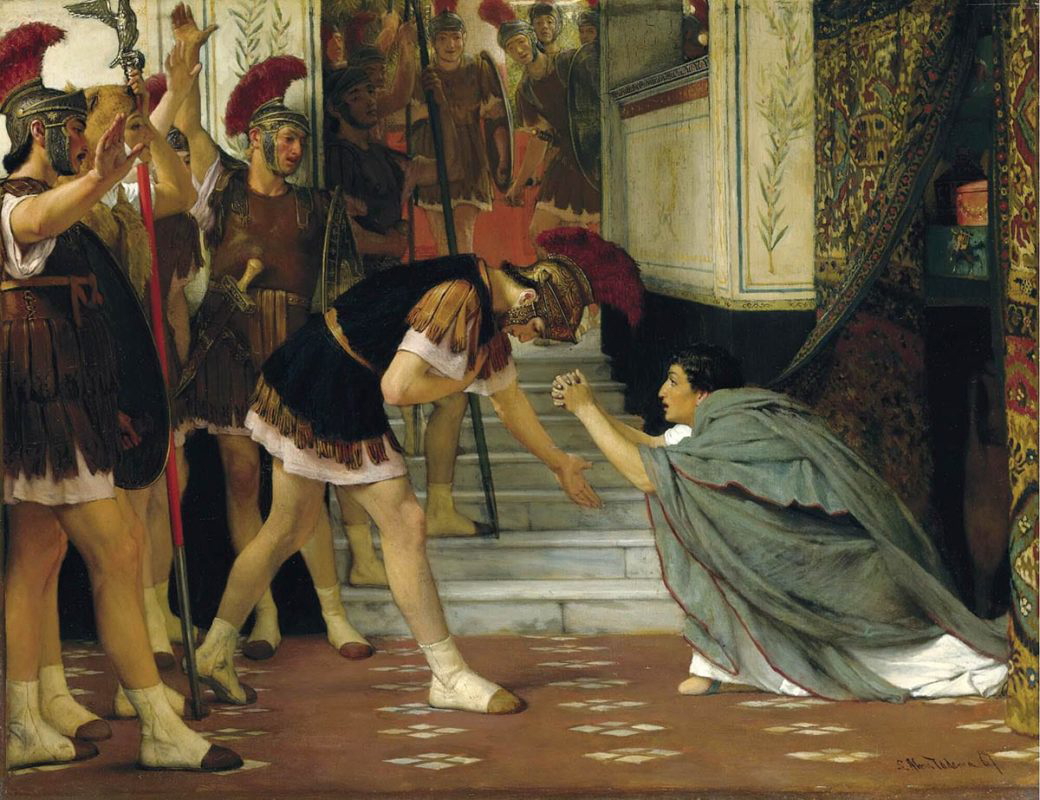
The nature of his accession at the insistence of the Praetorians ensured that Claudius’ reign was marked, at least initially, by an attempt to work closely with the Roman Senate. Although the political agency of the Senate was by this point largely a facade, it did an emperor no harm to adopt a collaborative approach, at least superficially.
Claudius’s conciliatory measures are recorded in a variety of sources, including Suetonius and Cassius Dio. The latter describes how the provinces of Macedonia and Achaia (Greece) were restored as senatorial provinces, a privilege removed by Tiberius several decades earlier. The imperial biographer also described the new emperor’s deference. “He refrained from taking the forename Imperator,” says Suetonius, and “recalled no one from exile, except with the approval of the Senate.”
Unfortunately for Claudius, his attempts at reconciliation were not met with universal warmth. Although none of them were ultimately successful, a number of plots were made against Claudius’ life. These soured relationships between the emperor and the Senate. Mistrust prompted changes in the empire’s administration. Men close to the emperor, rather than senators, were appointed to important posts.
In particular, Claudius gained a notoriety for the extensive use of freedmen throughout the imperial administration. Some of these became highly influential, with Narcissus becoming perhaps the most controversial. This freedman, put in charge of imperial correspondence, accumulated vast wealth and influence. The rise of these courtiers to such prestigious positions did not further engender Claudius’ popularity with the Senate.
Senatorial Reform: Claudius and the Lyon Tablet
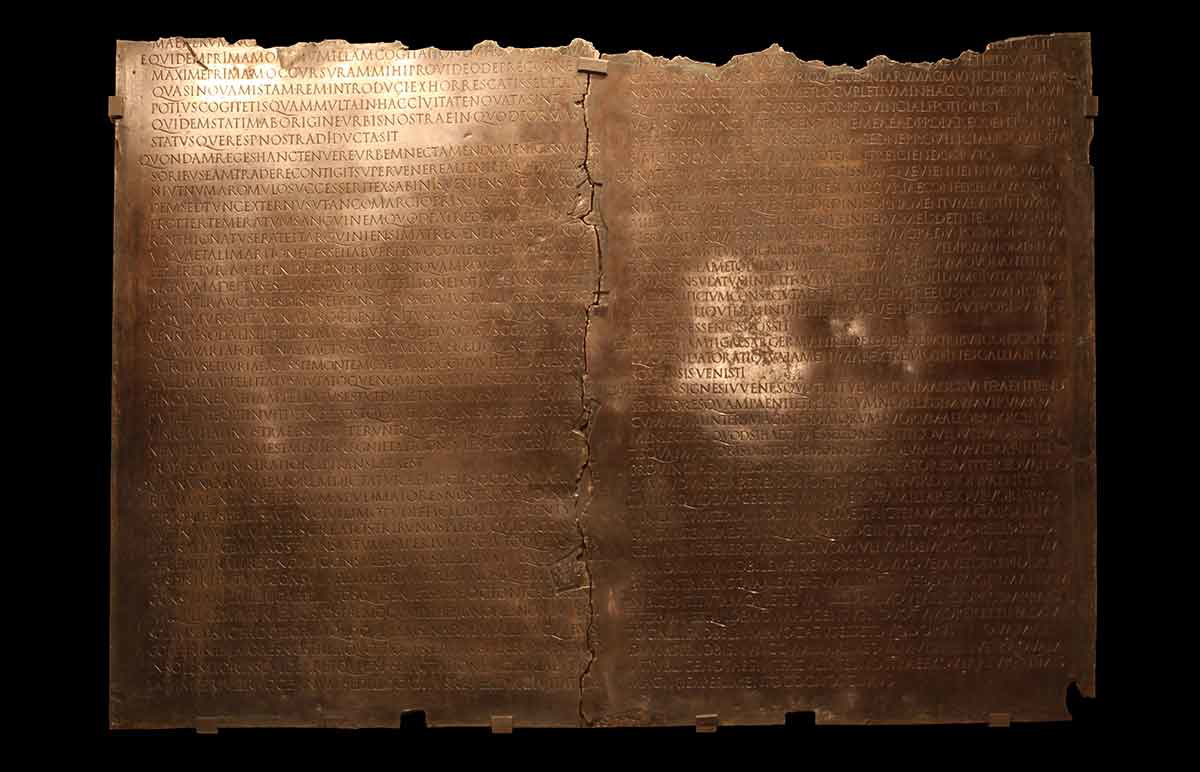
As emperor, Claudius not only sought to ensure he worked with the Senate, but also to reform the shape of this traditional body of magistrates. This, perhaps, was one of the reasons for his faltering popularity among Rome’s aristocratic classes. The emperor’s reforms included removing members of the senatorial class who no longer met the qualifications for consideration. The same process was applied to the equestrian class. However, by far the most significant of Claudius’ reforms to the Senate are those recorded on the so-called Lyon Tablet.
This document records a speech by the emperor made before the Senate in 48 AD. In the speech, Claudius proposed admitting monied, landed citizens from further Gaul into the senatorial class. This would allow these men to become senators of Rome. While some provincials had been admitted previously, including from closer Gallia Narbonensis, the changes proposed by Claudius in this speech would have profound consequences for the future political makeup of the empire. Not least, the rise of provincial men to the senatorial class would result in emperors themselves hailing from the provinces. In the early 2nd century AD, Trajan and Hadrian, natives of Hispania, would rise to power. At the end of the century, Septimius Severus, a native of Lepcis Magna in North Africa, would become the first emperor from outside of Europe.
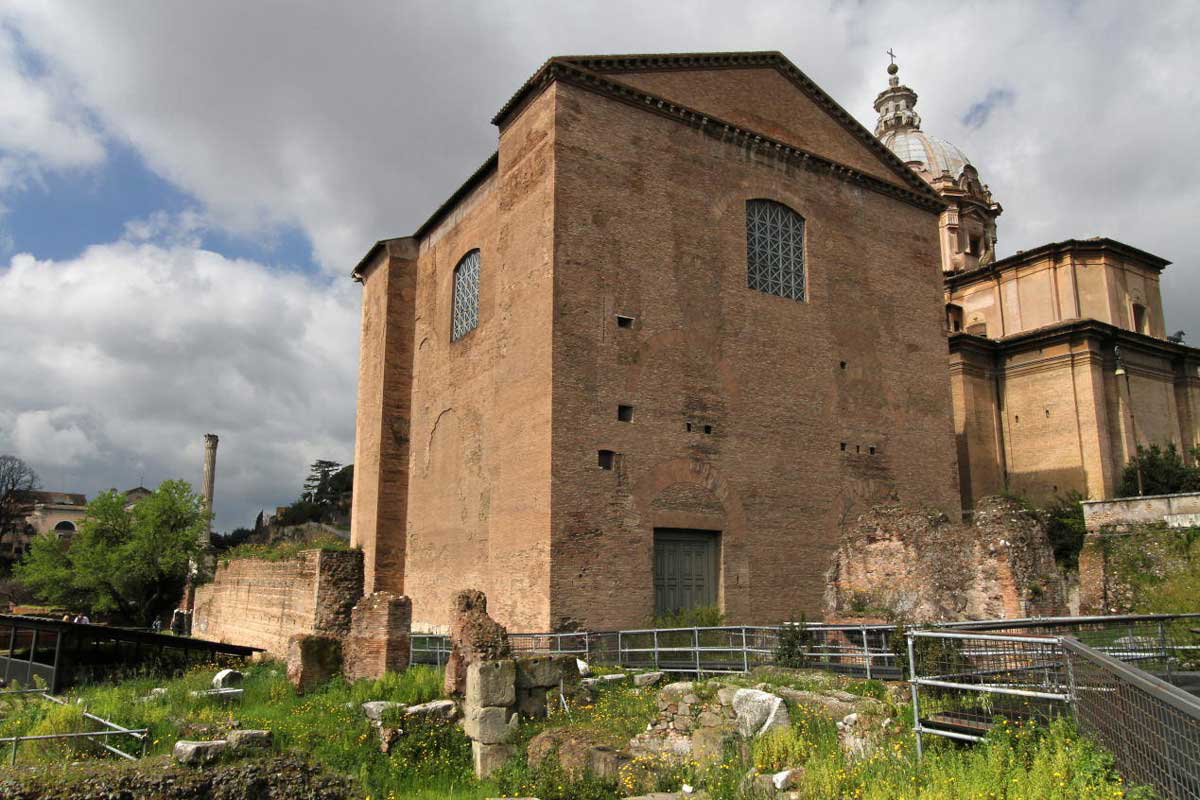
The speech recorded in the Lyon Tablet is not only of great historical value for its insight into the political changes in the Roman Empire. It is also a wonderful document for gaining an insight into Claudius the man. He was a trained historian, having been tutored by none other than Livy in his youth.
Perhaps unsurprisingly, therefore, the speech recorded on the Lyon Tablet begins with a long-winded digression on Roman history. This encompasses the city’s regnal history, taking in figures such as Romulus, Numa, and Tarquin. The point of such digressions, it is argued, is to help Claudius convey an image of himself as a staunch traditionalist, aware of the values that underpinned Roman society, including a suitable degree of respect for the Senate as an institution.
The speech is not all dry. Claudius’s non-scholarly side does emerge in places. He even jests with the audience that the Senate had already permitted at least one man from beyond their usual geographic limits, namely, himself, since he was born in Lugdunum!
The Historians’ View: The Lyon Tablet in Other Sources
It is thought that the Lyon Tablet was set up by residents of Lugdunum to commemorate the passing of Claudius’s motion and their newfound status. The decree would have permitted men from Lugdunum to enter the Senate once they had met the required financial and other thresholds.
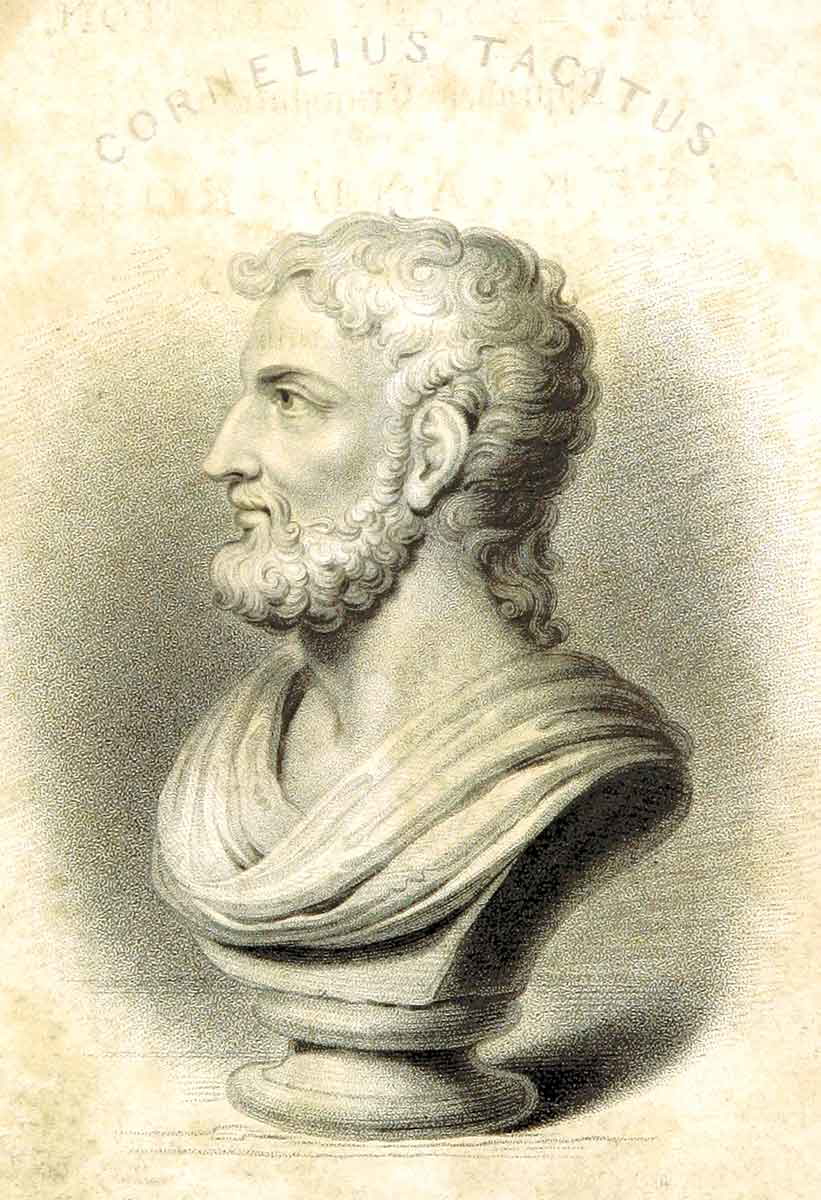
The Lyon Tablet is not the only source for this speech. It is also described in some detail by the historian, Tacitus. In book 11 of his Annals, the senatorial historian notes how the discussion of extending senatorial membership provoked animated debate on both sides. Those against the extension were aghast at the apparent weakening of Rome’s primacy within her empire. Rome, they asserted, “was not yet so moribund that she was unable to supply a deliberative body to her own capital!”
Curiously, Tacitus’s representation of Claudius’s participation in the debate differs quite substantially from that which is recorded in the Lyon Tablet. For one thing, the historian’s version is considerably shorter; Claudius’ digression on Rome’s early history, for instance, is absent. He also does away with any inkling of the emperor’s sense of humor that rings out from the text preserved in the Lyon Tablet.
The cause of these differences has long provoked debate among classicists. It is possible that Tactius’ brevity reflects the historian’s narrative goal. Rather than recording verbatim the contents of the debate, and therefore having to include Claudius’s lengthy asides on Rome’s ancient kings, the historian condensed down the speech to its most relevant details. For the senator, these would have been the debates surrounding the constitutional implications of extending senatorial privileges.
After the Lyon Tablet: Impact on the Empire
Although Tacitus describes the impassioned discussion over the incorporation of wealthy men from Gaul into the Senate, the motion ultimately passed in 48 AD. This is largely unsurprising. As much as Claudius might have tried to appear conciliatory toward the Senate, the inherent nature of an autocracy left little scope for political resistance to an emperor’s wishes.
The people of Lugdunum probably erected these bronze plaques to commemorate the decision. They would have served as an enduring monument to their full incorporation into the Roman Empire. The city itself would go on to fulfill a crucial role in the empire’s history, with the largest battle ever fought taking place at Lugdunum in 197 AD. Likewise, if the tablets preserved the full speech, as seems likely, the tablets were a celebration of the city’s imperial benefactor, Claudius.
Considering that shortly after his death, the emperor Claudius would be pilloried in Nero’s Rome as more of a pumpkin than a princeps, it is perhaps fitting that the city of his birth would erect so fascinating a monument to one of Claudius’s most significant acts as emperor.