
The complex and highly advanced civilization of ancient Egypt produced some of the world’s most spectacularly decorated tombs ever created in the Valley of the Kings. Here, we explore some interesting facts about the men who built these tombs and what we know about their lives.
How Ancient Egypt’s Trash Reveals Its Workers’ Secrets
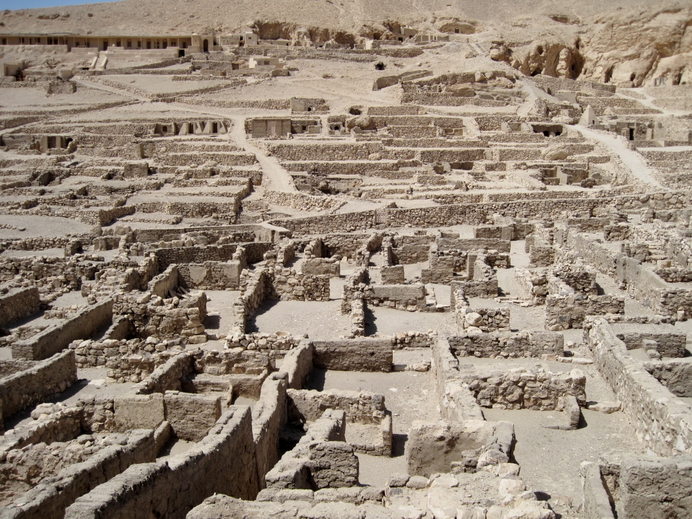
If you’re not an archaeologist, it may seem unlikely that we could know anything about these workers who lived thousands of years ago. But, on the contrary, we know a lot about them, their habits, and how they worked from the waste they left behind.
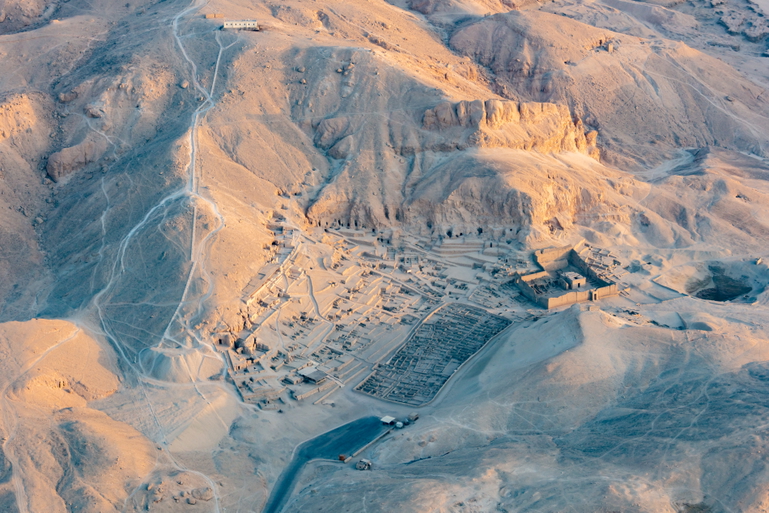
The men who built the tombs in the Valley of the Kings lived together in a village called Deir el-Medina, working in a system similar to the modern production line. They used strict record-keeping to divide labor and resources, which they monitored carefully and with impressive precision.
The residents of Deir el-Medina had a refuse pit where they disposed of documents and drawings that were inscribed on limestone and pottery. The large, deep pit became a treasure trove, shedding light on the lives of these ancient people and providing more details than for any other ancient Egyptian community.
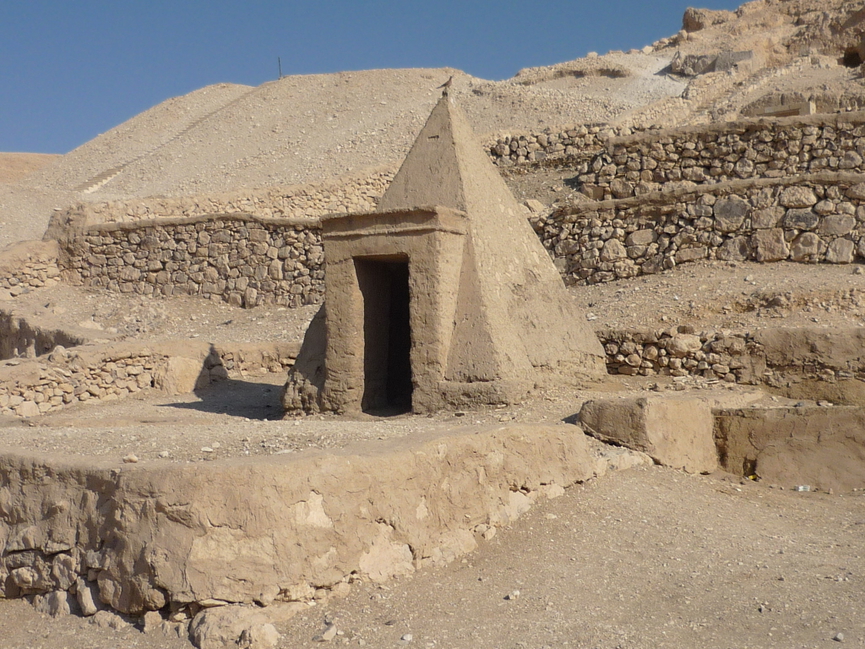
From these findings, archaeologists have learned that during the workweek, which was ten days long, the men who worked on the tombs didn’t go home at night. The path back to the village was far too treacherous to follow after dark, so they would stay in huts on a ridge above the Valley of Kings.
In the winter, there were sometimes only ten hours of sunlight during the day. To walk back to their village for a midday break was also out of the question. The trek was an hour and a half round-trip, further requiring them to stay in these huts.
On the plus side, their location above the valley provided extra security from tomb robbers.
From their trash, we have also learned that the team of workers consisted of roughly 40 to 120 men and were divided into two halves, the “left side” and the “right side.” This meant the men were permanently assigned to work on one side of the tomb — an interesting tidbit that shows a resemblance to the production lines of the Industrial Revolution where workers were assigned to a single job.
Egyptian Foremen Controlled Almost Everything
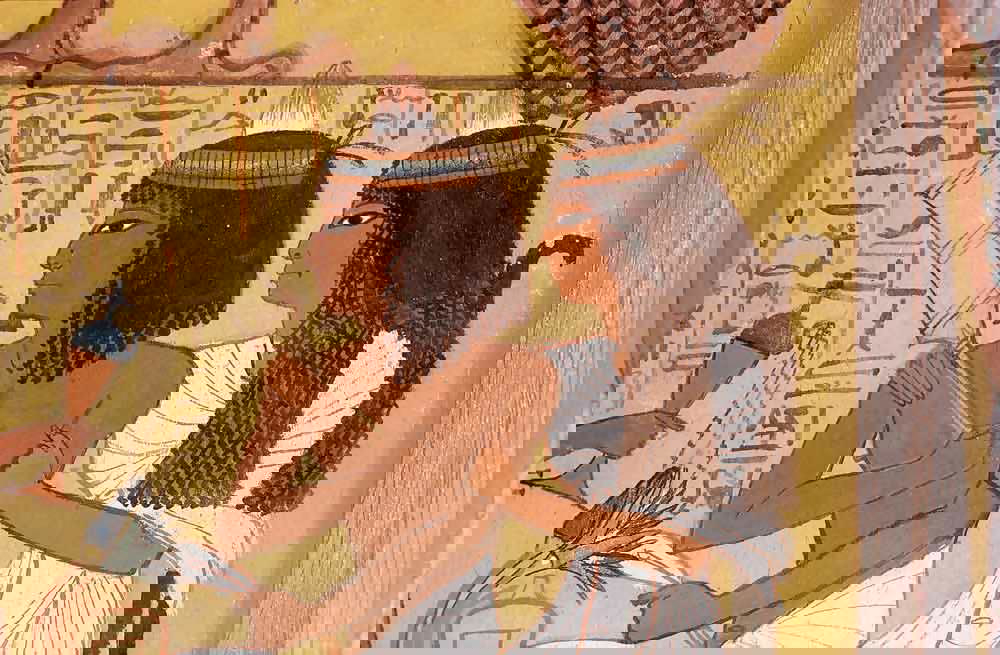
The foreman was the person in charge of the entire operation. There were typically two foremen, one for each work gang. They supervised all the tools and materials used, among other responsibilities.
In the Valley of the Kings in ancient Egypt, the position of foreman was often hereditary. They were chosen from existing tomb workers and, as payment, earned higher rations than the workers of lower ranks.
Some of their other duties beyond the supervision of tomb-building included representing the crew in relations with higher authorities, dealing with strikes over unpaid wages (which they normally distributed), and deciding legal disputes among the crew by taking oaths or acting as a witness.
Foremen would also inspect tombs in the workers’ cemetery and deal with any inquiries into a worker’s death. Still, their main duties were receiving blunt tools, issuing new ones, and dealing with the wood and paints necessary for the workman’s tasks.
As you can see, the foreman had a lot of responsibility and was in control of much of the workers’ lives.
The Tomb Builder Who Became a Criminal
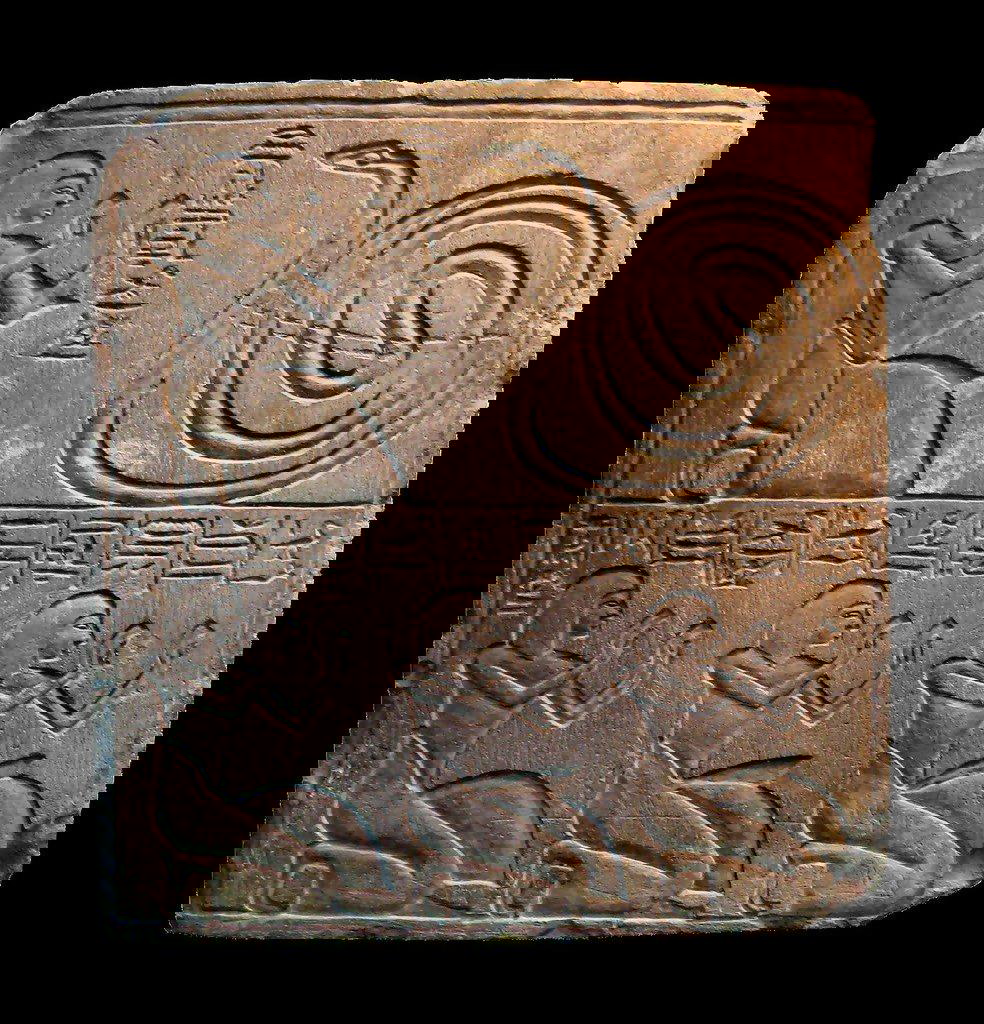
As you can imagine, with all the power that foremen were given, many took advantage of their position. One such foreman was a man named Paneb, who led a scandalous life and committed many crimes.
He was accused of having gained his position as foreman through bribery, and from there, his crimes continued. He was accused of, among other things, sexually assaulting a married woman, creating violent disorder, stealing valuables from tombs, and even urinating on a royal sarcophagus.
Scribes Recorded Every Detail of Working Life
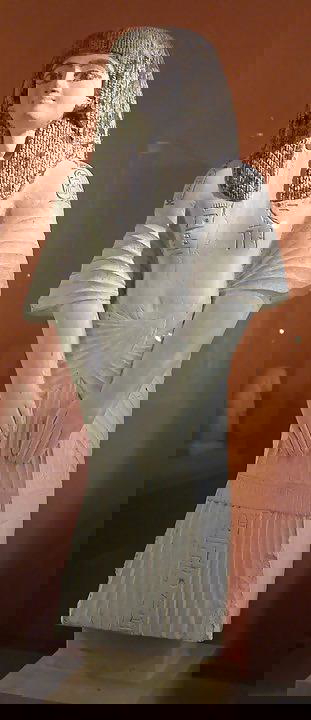
Similar to foremen, scribes were often given hereditary positions. Many scribes followed in their fathers’ footsteps and were assigned to keep records of the activities and wages of the crew. Workers were usually paid primarily in grain, so when scribes were keeping records of crew wages, they were typically dealing with grain or beer.
They also communicated with higher administrators while receiving, issuing, and accounting for the construction materials used in the tomb-building projects.
The Tomb Builders Had Plenty of Days Off
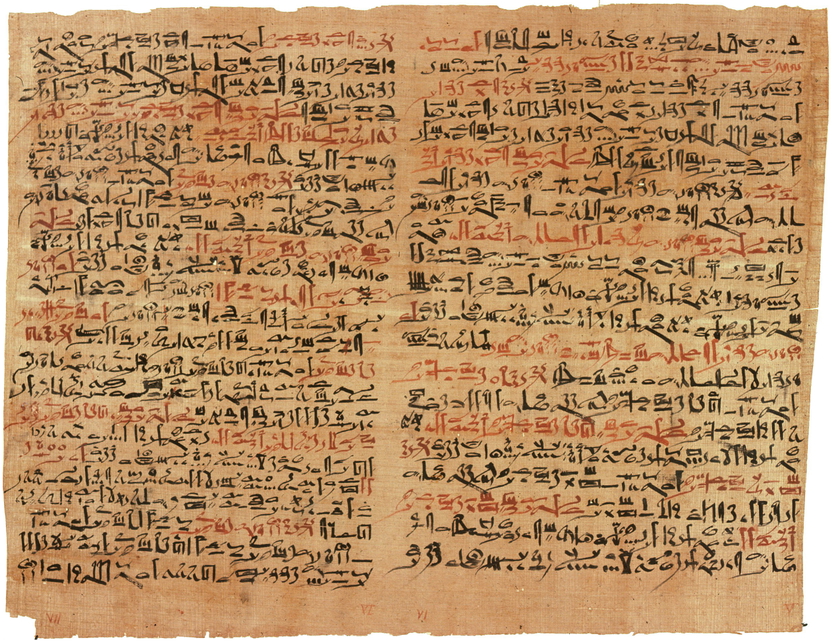
As mentioned previously, the Egyptian workweek was ten days long during the construction of the tombs at the Valley of the Kings. Months were three ten-day weeks long (30 days), and the last two days of each week and the first day of each new week were considered non-work days.
Since the ancient Egyptians were highly skilled at accounting and documentation, it was an important task of the scribes to take attendance each day, noting any reasons why a worker didn’t show up.
Archaeologists have found that the most common excuse for absence was illness, including eye troubles, scorpion stings, and aching hands and feet. Almost as common an excuse was taking time off to engage in private projects for superiors.
Other reasons tomb builders might have taken off work were for personal business like building their house or a tomb for a family member. They might also take off work to brew beer for an upcoming feast.
Speaking of feasts, it was also relatively common to take off work to attend a feast or religious event, to drink the beer they made, because of a death in the family, or because they were fighting with their wife or a friend. Ancient Egyptians were just like us!
Ok, maybe not — but the assumption that ancient Egyptian tomb builders were always working seems to be quite false. In reality, workers would often only work one day a week on the tombs. It seems modern-day humans have more trouble taking time off work than the Egyptians did.
Tombs Had Special Security and a Whole Team to Keep Them Running
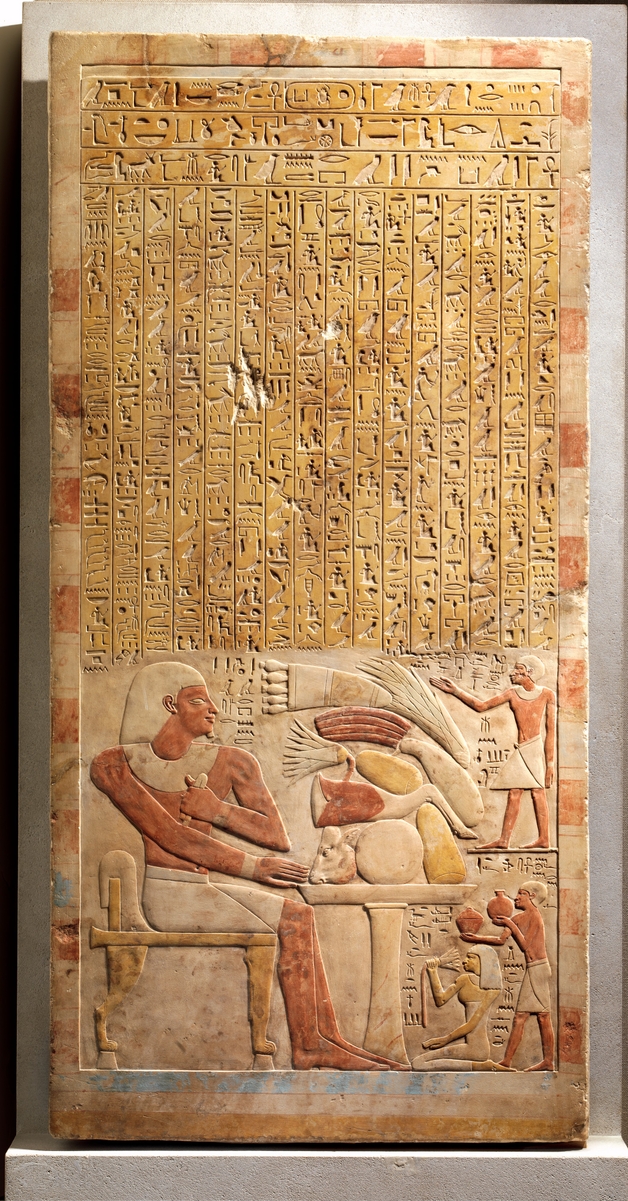
Tomb construction was also supported by guardians, doorkeepers, police, and servants.
At any given time, one or two guardians would guard entrances and distribute tools. Copper chisels were the most valuable tool that was used, and when they became blunt, workers would go to the guardians to exchange them for sharp ones. It was the guardians’ job to weigh the chisels and ensure they lost weight from usage.
Doorkeepers secured the tomb entrances, delivered messages, fetched the grain that was used to pay the workers, and acted as witnesses.
Police completed security duties, as you might expect. They protected the royal tomb and inspected plundered tombs.
The tomb-builders also had servants, who did tasks like baking bread, fetching water, and doing laundry.
Young unmarried men worked in junior roles and could later enter the workforce. These boys were still paid, although less than the actual workers, and would perform small odd jobs. These jobs must have been desirable since fathers often paid bribes to get them for their sons.
How a Royal Tomb Was Built
Many pharaohs died before their tombs were finished. Since many tombs were left in various stages of completion, we have an understanding of the stages involved in building a royal tomb.
First, the rough shape and dimensions of the final tomb would be hewn. They followed a prepared plan, and since only a few men at a time could work due to the space constraints of the narrow tomb entrances, the others would clear out the rubble.
To illuminate any of the work that was done beyond where sunlight penetrated, the ancient Egyptians used candles made out of old clothing or yarn greased with fat or sesame oil. The candles were under heavy surveillance because many workers would try to steal some of the fat and oil for home use.
Next, the workers would smooth the surface they had just cut with chisels. They plastered the smoothed walls with gypsum to smooth out any remaining cracks or blemishes. Finally, they laid whitewash on top to fill in the smaller pores.
When one pharaoh died and another ascended the throne, it was a time of celebration for the workers. Royal tombs were built to please the pharaohs while they were still alive, but once they were dead, the project would often stop, and construction began on the new pharaoh’s tomb.
The Artists Behind the Tombs Remained Anonymous
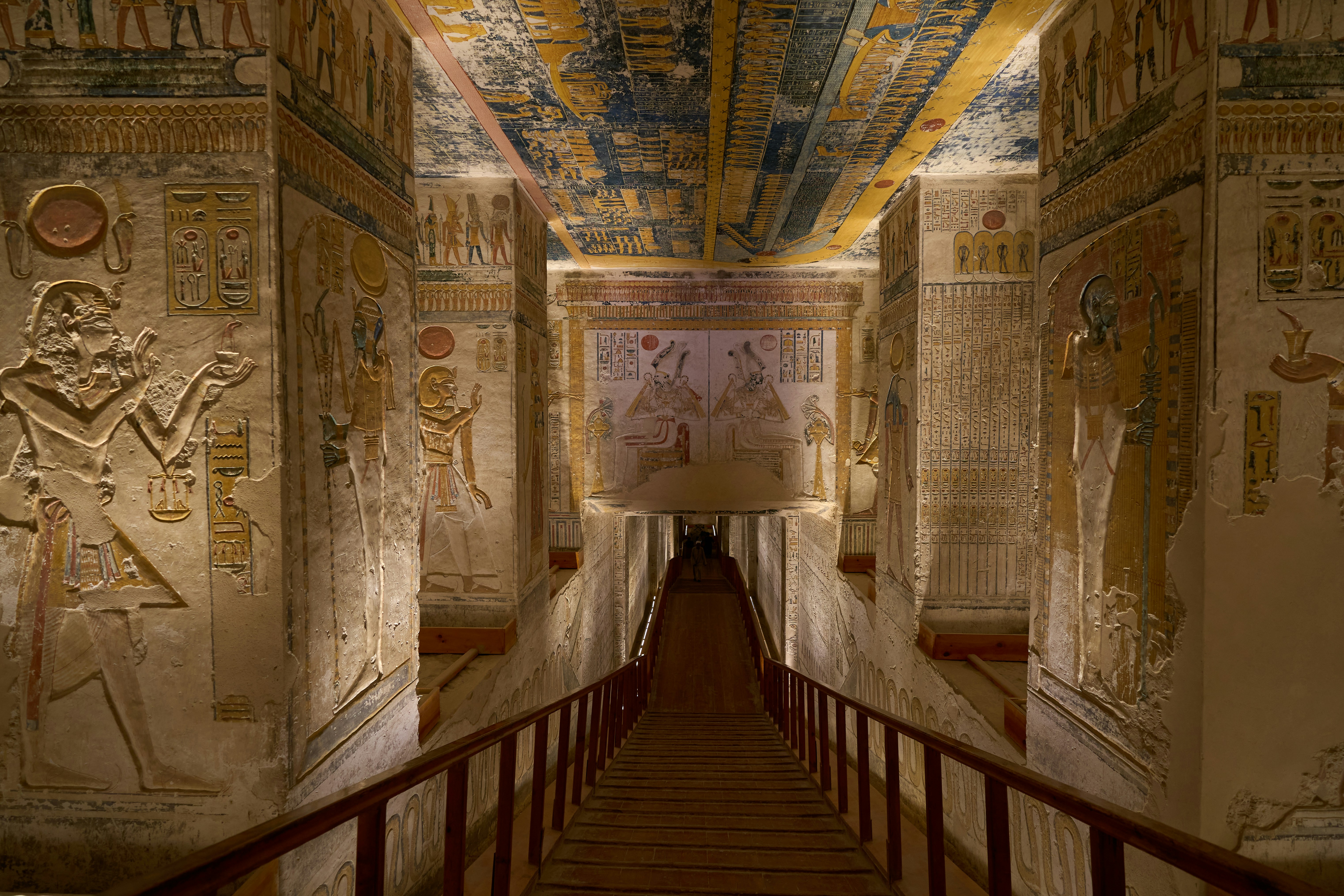
Artists in ancient Egypt were not celebrated in the way they are today. Artists would work in assembly-line situations, just like tomb builders, and most of the artwork that decorated the Valley of Kings was attributed to the person who commissioned the work, not the artist.
Most artists were high-ranking workers and artists’ sons, and they collaborated with sculptors to complete specific designs.
Artists would subdivide a portion of the wall by holding a string dipped in red ink tightly across it, creating a grid. They used these grids to guide figure placement, and the first drafts were done in yellow ochre.
Then, they rendered red placement sketches before completing more detailed drawings with corrections done in black.
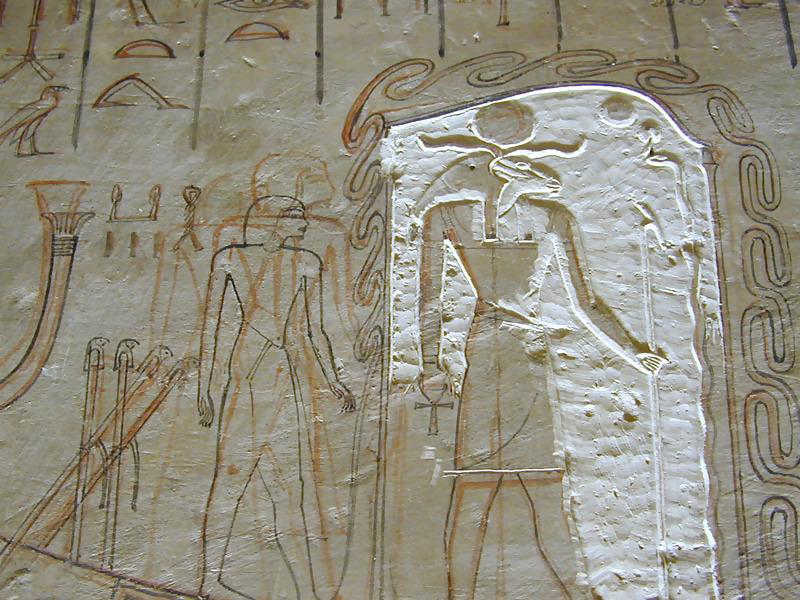
From there, sculptors would carve the walls following the sketches done by the artists. They would sculpt from the base of the wall and work their way upward, carving outlines first and interior details later.
After the carvings were completed, artists would come back in and paint the carved surface by applying one color at a time.
Overall, the artistic process of building the royal tombs in the Valley of the Kings was a huge collaborative effort and a massive part of ancient Egyptian culture and hierarchy that would have been repeated in some form in all of Egypt’s tombs and temples.