
When Cyrus the Great created Achaemenid Persia in the 6th century BC, he had to face a problem as big as his new empire. How to govern a vast realm that stretched across three continents? Millions of people, dozens of cultures, and strong local chieftains made it impossible to rule by force alone. Cyrus needed a surveillance system that allowed him to observe every corner of his vast empire. Classical Greek historians described this surveillance system as the “King’s Eyes” and “King’s Ears.” At the center of this system were elite inspectors who reported directly to the king.
The Imperial Security Crisis Faced by Cyrus the Great
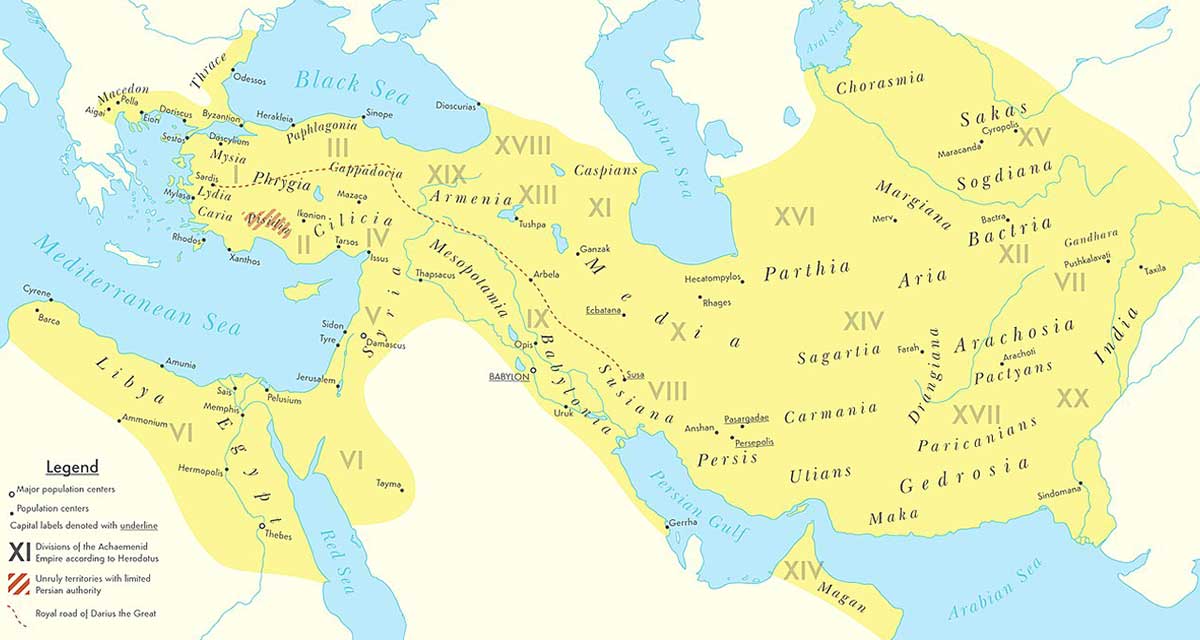
By the end of the 6th century BC, the Achaemenid Empire stretched from Anatolia and Egypt in the west to the edges of Central Asia in the east. As such, it included diverse cultures, each with unique linguistic and administrative diversities. To more easily control such a large territory, the Achaemenid government created a satrapal system that divided the empire into administrative units governed by satraps. Satraps were direct royal representatives who collected taxes, implemented royal policy, and maintained order.
In theory, the satraps answered directly to the king. Some ancient accounts, such as Herodotus, emphasize the difficulties caused by corruption, false reporting, and even rebellion. Whether he records true reports or exaggerations, the distance between the center and periphery was a real challenge for the Persian king.
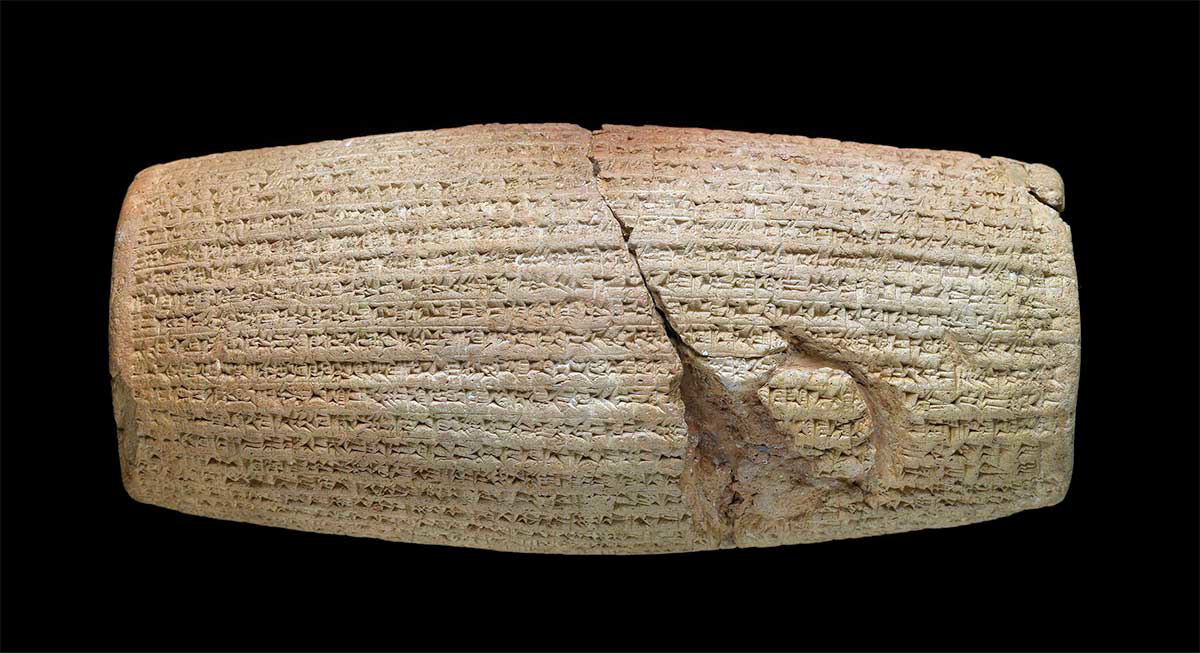
After Cyrus the Great conquered Babylon in 539 BC, he had to carefully manage the Babylonian elite. Although we have no information about any major Babylonian rebellion, the very fact that the Persian rulers invested heavily in securing loyalty tells us that the threat of rebellion existed.
Permanent state troops could quell possible rebellions, but they could not prevent the slow growth of discontent among the population, bribery, and conspiracies among the elites. Force was not enough; foresight was needed. It is in this context that “King’s Eyes” appeared. They were not an integral part of the army or administration, but a separate channel of communication. They reported to the king directly, without the control or filtering of information by the satraps.
Who Were the King’s Eyes and Ears?
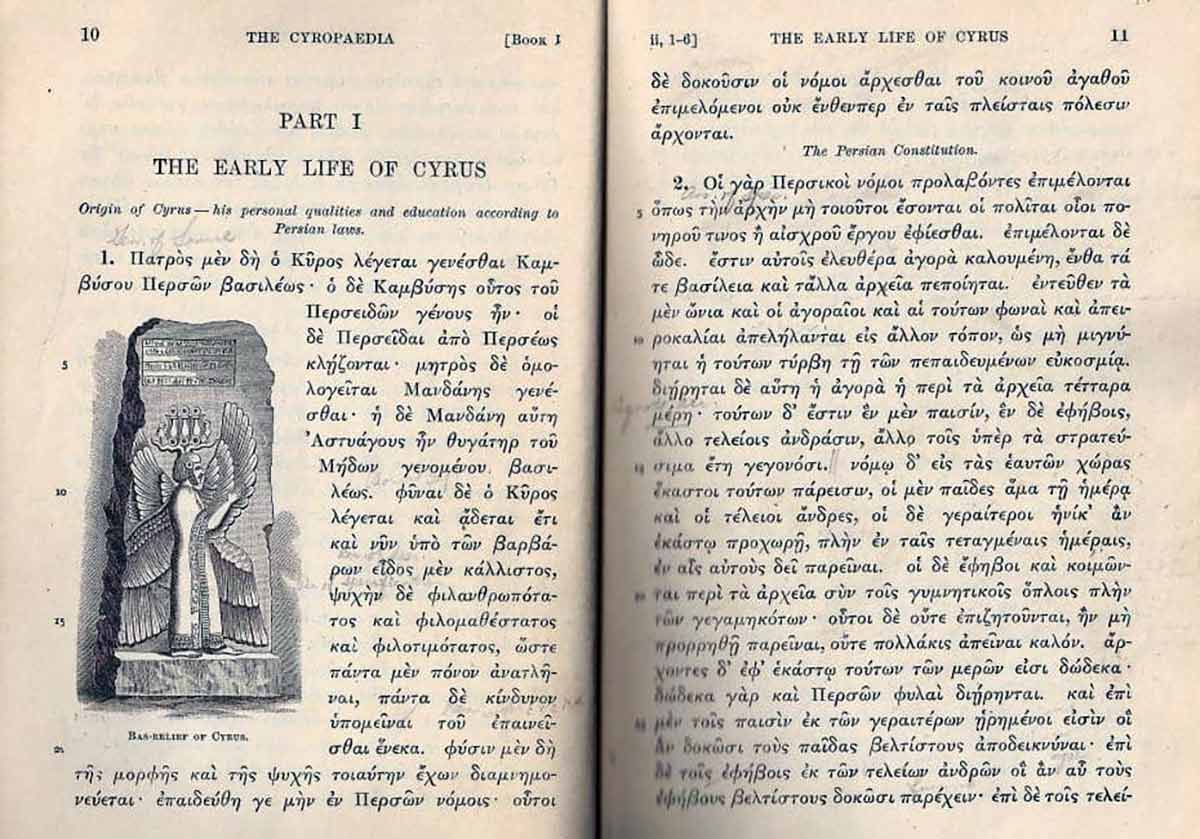
What we know about the King’s Eyes mostly comes from ancient Greek writers, foreigners observing a threatening force from a distance. The clearest description comes from Xenophon, who portrays the King’s Eyes as officials authorized to travel throughout the empire observing provincial administration, who report directly to the king. Although Xenophon is not known for historical accuracy, his description largely matches what we know of Achaemenid methods of royal oversight.
“We have noticed also that this regulation is still in force, whether it was instituted by Cyrus, as they affirm, or not: year by year a man makes the circuit of the provinces with an army, to help any satrap that may need help, to humble any one that may be growing rebellious, and to adjust matters if any one is careless about seeing the taxes paid or protecting the inhabitants, or to see that the land is kept under cultivation, or if any one is neglectful of anything else that he has been ordered to attend to; but if he cannot set it right, it is his business to report it to the king, and he, when he hears of it, takes measures in regard to the offender. And those of whom the report often goes out that “the king’s son is coming,” or “the king’s brother,” or “the king’s eye,” these belong to the circuit commissioners; though sometimes they do not put in an appearance at all, for each of them turns back, wherever he may be, when the king commands.”
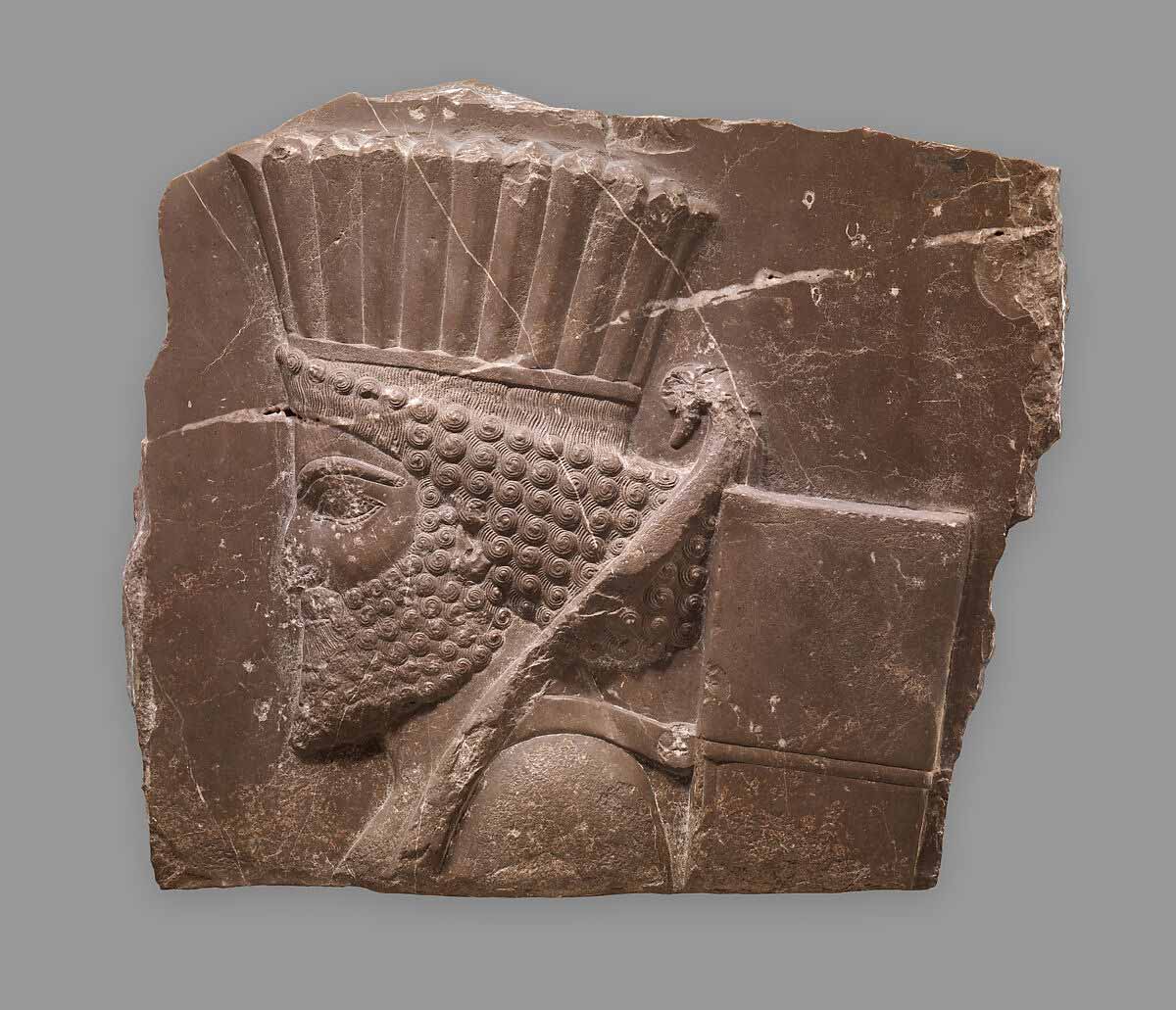
Despite their reputation, these officials were not spies in the modern sense. They were not operating covertly among the people. They were almost certainly members of the imperial administration, military commanders, or trusted courtiers whose loyalty had already been proven. With such authority, they could freely examine financial records, investigate complaints, review military readiness, and evaluate the satrap and his rule. In this way, they provided the king with unfiltered information.
The “King’s Eyes” traveled along a well-developed network of roads, making use of relay stations and official lodgings used by other royal officials. They did not operate alone. Given the nature of their work and their status within the empire, they almost certainly always had to be accompanied. In particularly sensitive areas, they were accompanied by a military escort that provided security.
The Royal Road as the Core of Persian Spycraft
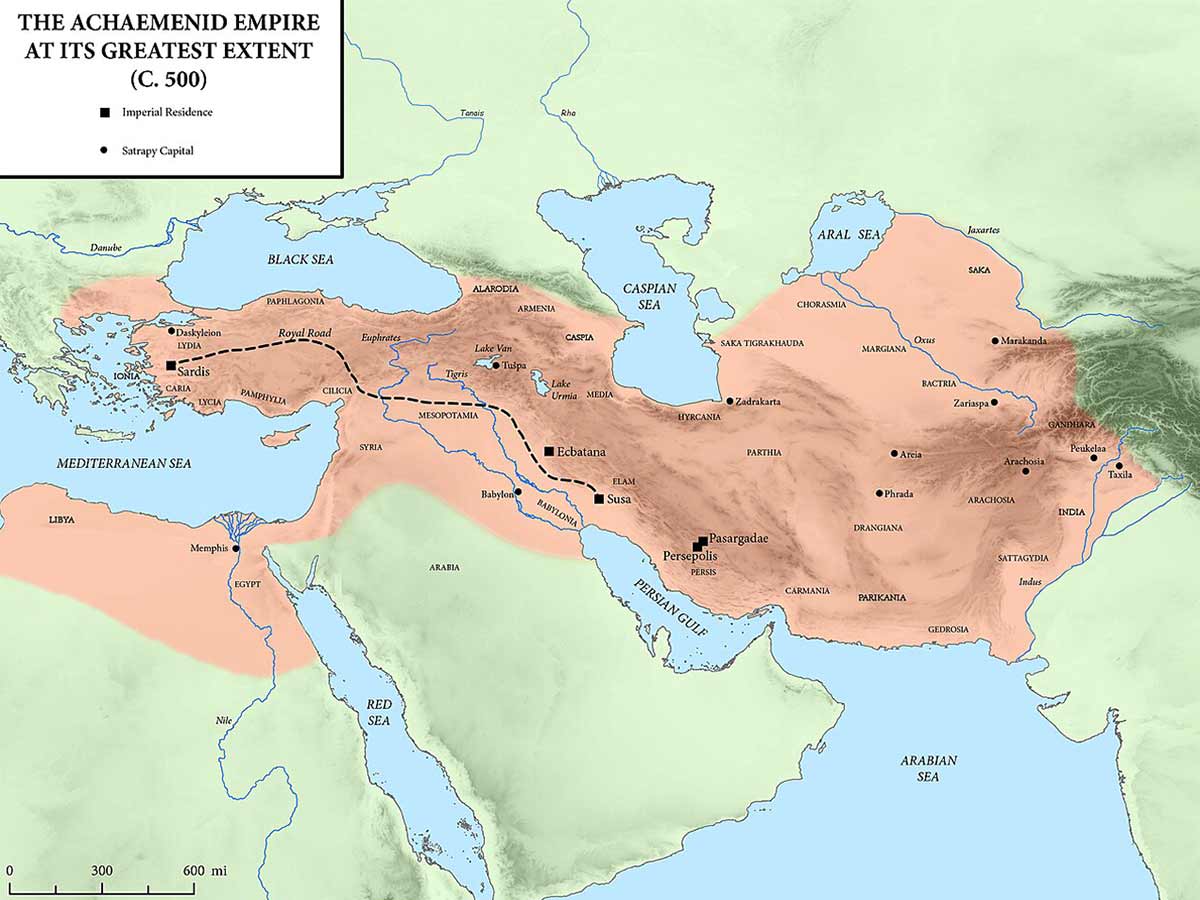
The Achaemenid Empire constructed one of the greatest logistical achievements of the ancient world: the Royal Road. Although parts of the road existed long before Persia, it was completed by the Achaemenids in the 5th century BC, connecting administrative centers from Asia Minor to the Iranian plateau. It stretched for approximately 2,600 kilometers, and a traveler could move from one end to the other in nine days on horseback or 90 days on foot.
There were several relay stations along the Royal Road where couriers and even the King’s Eyes could rest, obtain fresh horses, and then continue their journey without significant delay. The Greek historian Herodotus praised the speed with which the king’s messengers conveyed information along the Royal Road.
“There is nothing mortal which accomplishes a journey with more speed than these messengers, so skillfully has this been invented by the Persians. For they say that according to the number of days of which the entire journey consists, so many horses and men are set at intervals, each man and horse appointed for a day’s journey. Neither snow nor rain nor heat nor darkness of night prevents them from accomplishing the task proposed to them with the very utmost speed. The first one rides and delivers the message with which he is charged to the second, and the second to the third; and after that, it goes through them, handed from one to the other, as in the torch race among the Greeks, which they perform for Hephaestus. This kind of running of their horses the Persians call angareion.”
After conquering Persia, Alexander the Great recognized the value of the Royal Road and used it to transport troops, officials, and resources. The route was then maintained by the Seleucid and Parthian Empires.
Psychological Warfare and the Art of Total Information Control
Perhaps more important than what the King’s Eyes and Ears actually observed was the insecurity they created among the satraps and provincial elites. The satrap could never know when the king’s inspector might arrive, and he could never know what information reached the king’s court. This unpredictability served as a powerful deterrent. Even if inspections were relatively rare, the possibility of a sudden inspection dissuaded many satraps from questionable actions.
There is no evidence that these officials could dismiss the satraps themselves. Instead, their report triggered a larger investigation or an intervention by the king that could have led to the removal or even execution of the satrap.
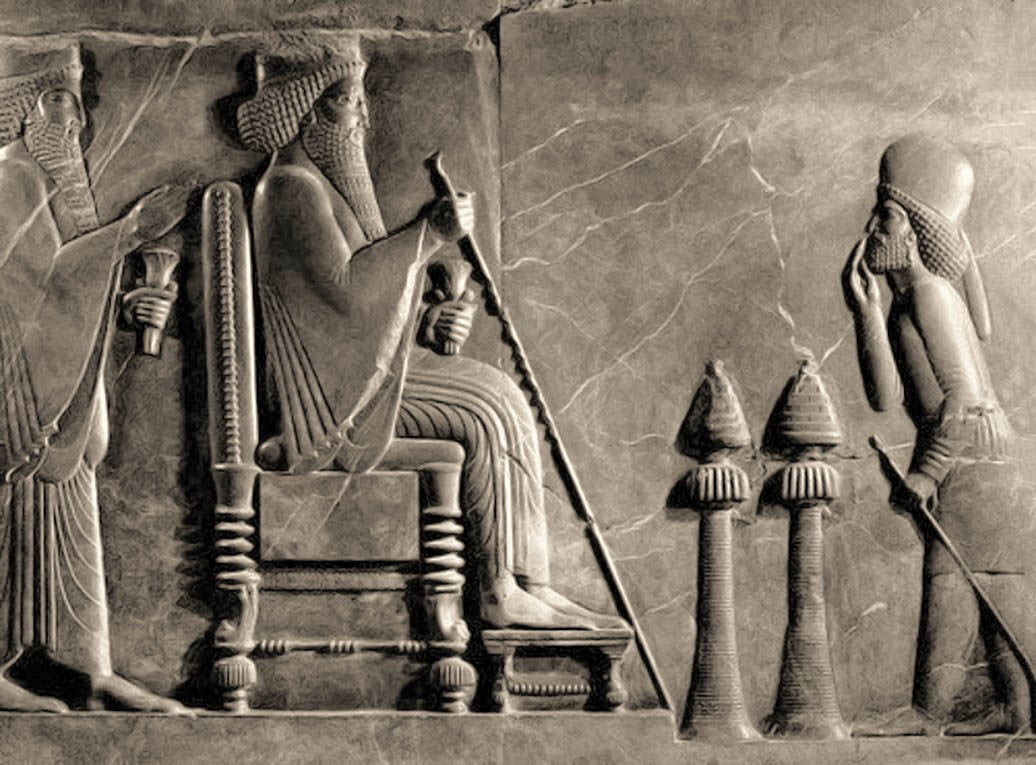
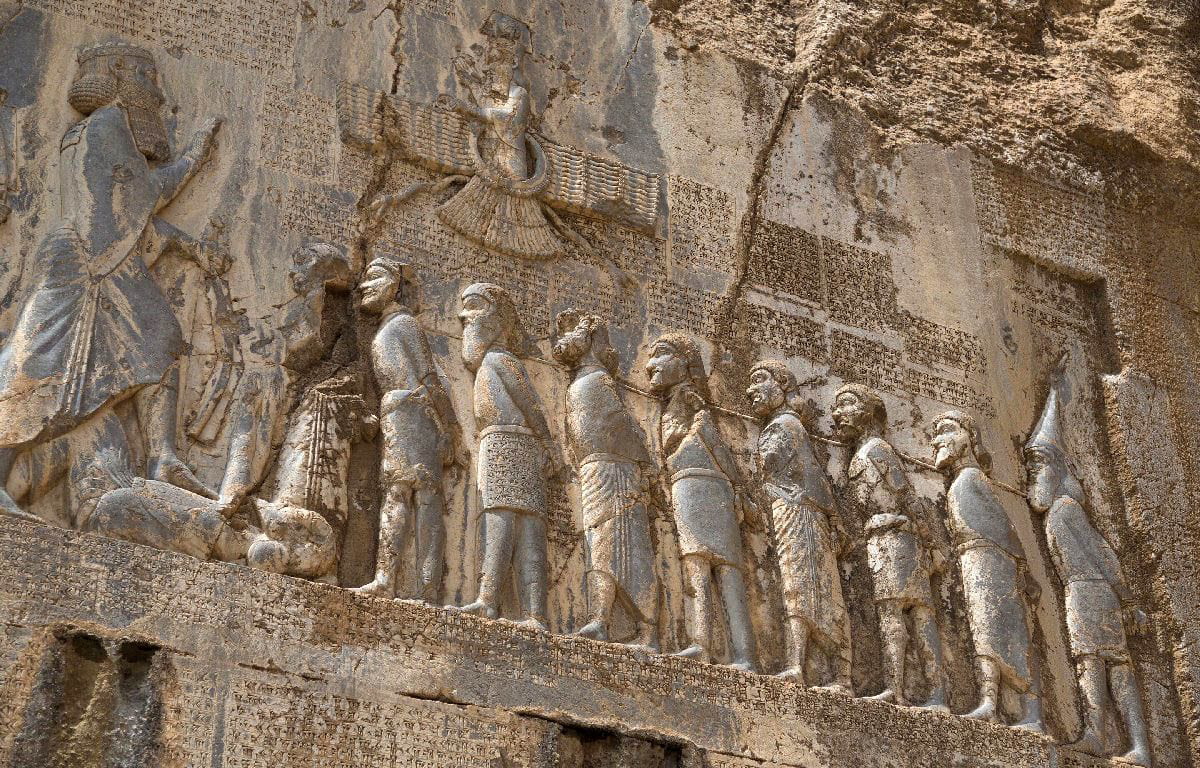
We have a good example from the reign of Darius I. Shortly after assuming the throne in 522 BC, Darius faced a wave of rebellions. Particularly fierce rebellions broke out in Babylon, Elam, and Media. Most of what we know about this turbulent episode comes from the Behistun Inscription, carved into a rock in western Iran. This inscription is considered Darius’s official account of how he defeated numerous challengers to the throne from various provinces.
“This is Arakha. He lied, saying: ‘I am Nebuchadnezzar, the son of Nabonidus. I am king in Babylon.'”
Part of Behistun Inscription
The revolts described in the Behistun Inscription tell us that in several cases the satraps were able to rally supporters and challenge the authority of the central government, at least briefly. Darius understood that he needed more than an army to secure his rule. He needed accurate information about events far from the royal court.
The King’s Eyes vs Roman Speculatores: Two Different Models of Ancient Intelligence
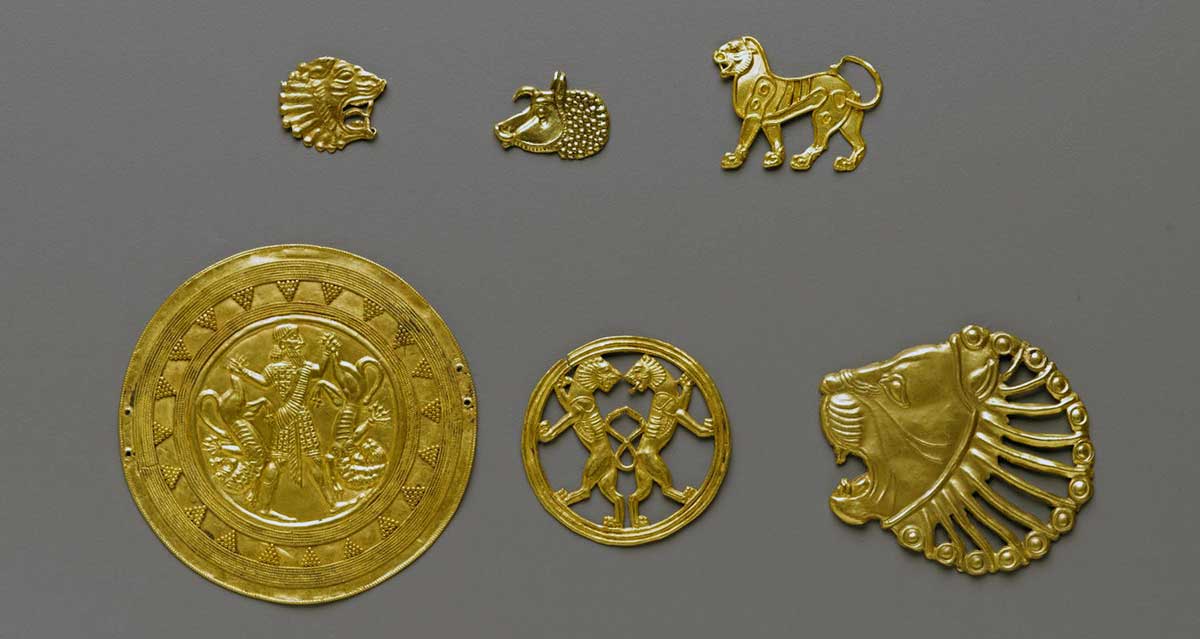
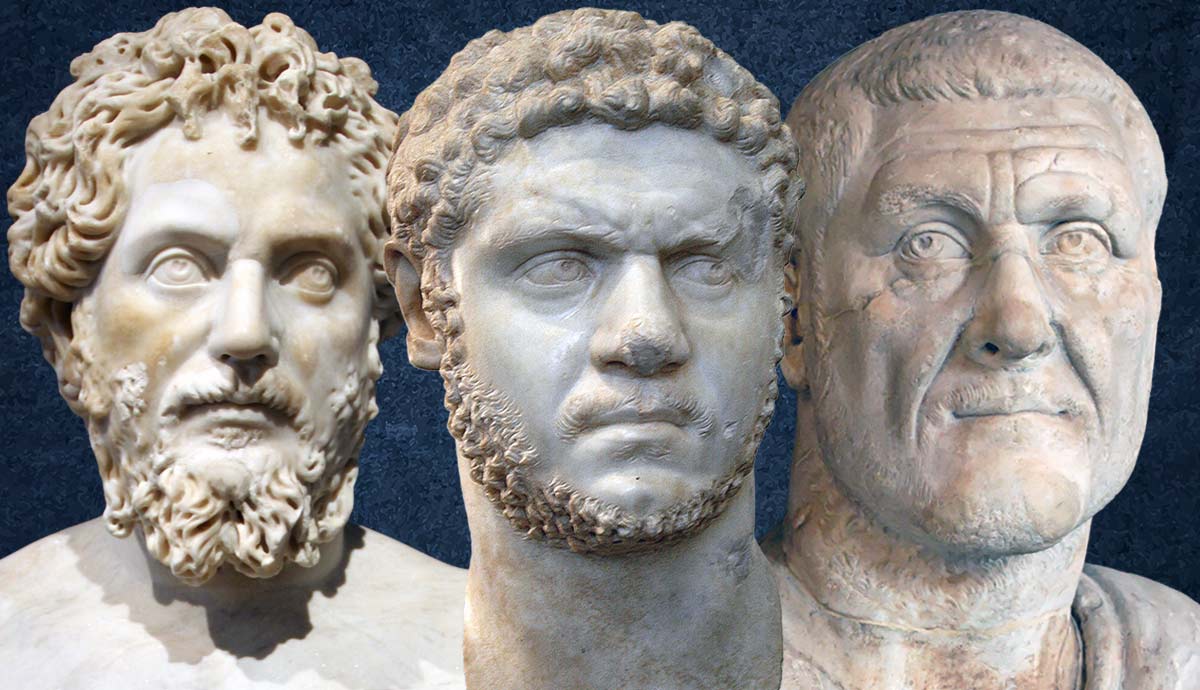
Centuries after the Achaemenid Empire, the Roman Empire developed its own methods of surveillance. Among the most significant was a special unit of speculatores. Although both the speculatores and the King’s Eyes and Ears were in charge of gathering information, their methods differed considerably.
The King’s Eyes were primarily traveling representatives of the king who oversaw the provincial administration and reported directly to the court. They were essentially a top-down invention. The Roman speculatores emerged organically from the Roman Empire’s militarized state structure. They were originally soldiers as part of military units, but over time, they started to report directly to the imperial court. Their duties included scouting the battlefield, carrying messages, escorting important persons, and assisting in security operations.
Despite their different approaches to intelligence gathering, both states ruled vast territories and understood the same important thing. Their empires could not survive through force alone. They depended on accurate information from trusted insiders about events taking place far beyond the ruler’s immediate presence.