
Wolves didn’t simply transition from apex predators to loyal companions in an instant. It was a slow, deliberate path that coincided with humanity’s evolution. When wolves left their packs during hard winters, they trailed behind nomadic tribes because of food scraps. The wolves slowly intermingled with humans and formed a stable relationship that survives to this day.
The Harsh Reality of the Last Glacial Maximum
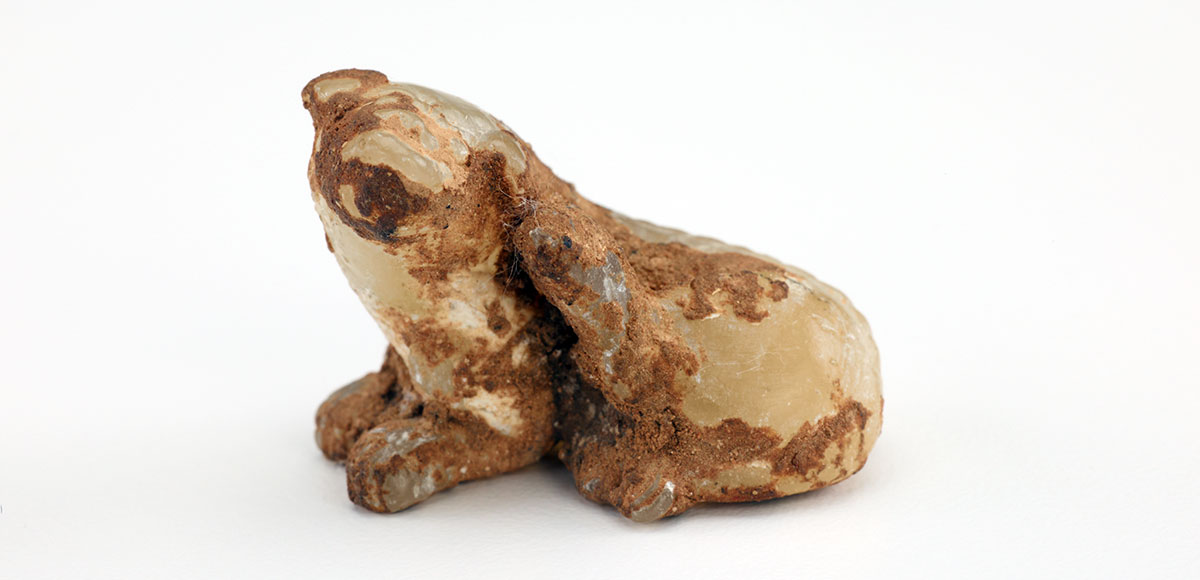
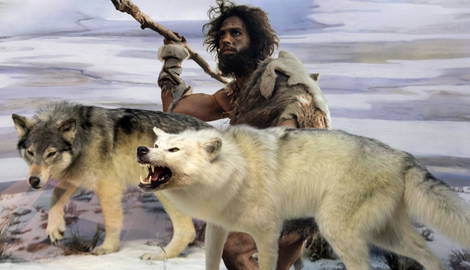
Life during the last Ice Age was extremely difficult. Former apex predators found that the changing landscape didn’t favor them anymore, especially with the declining megafauna populations. Predators were forced to seek alternative food sources, which led them to notice Homo sapiens. While Ice Age wolves did pick off a stray human or two, they also followed the nomadic tribes and ate their megafauna scraps. Both groups had the same meat sources, such as horses and mammoths. It didn’t take long for the wolves to realize that tracking and following humans was more beneficial to their stomachs than going after large prey themselves.
Why Freezing Landscapes Forced Canids to Follow Human Tribes
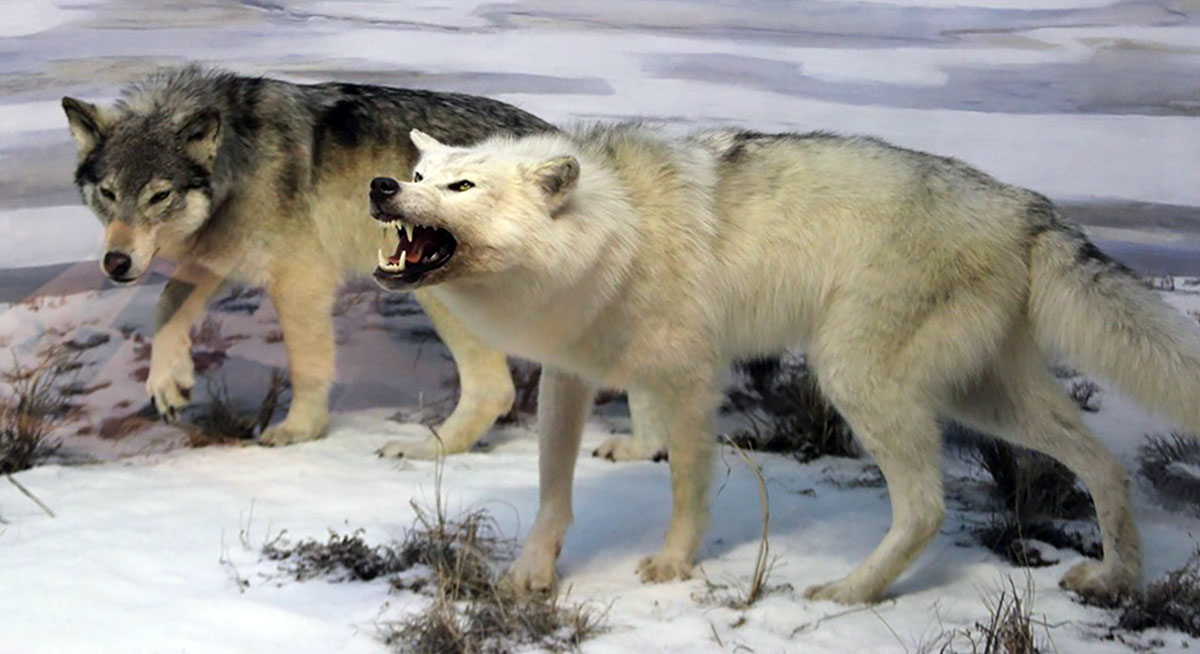
Apex predators required high caloric diets, and hunting in packs really took its toll on their appetite by increasing it. Human hunters were more efficient in their hunting skills, so they spent less energy killing their prey. This created a reliable surplus of carcasses, so the wolves only had to scavenge for their meals. Only wolves with lower adrenaline levels or who displayed less aggression managed to tolerate proximity to human tribes. Other Ice Age wolves with higher adrenaline stayed farther away and relied on their old wild ways. Lone wolves and abandoned pack members heavily relied on their scavenger skills when they followed humans. Because they had more frequent meals and relative safety near humans, they reproduced successfully and passed their low-adrenaline traits to their offspring.
The Commensal Pathway and How Self-Domestication Altered Wolf Behavior
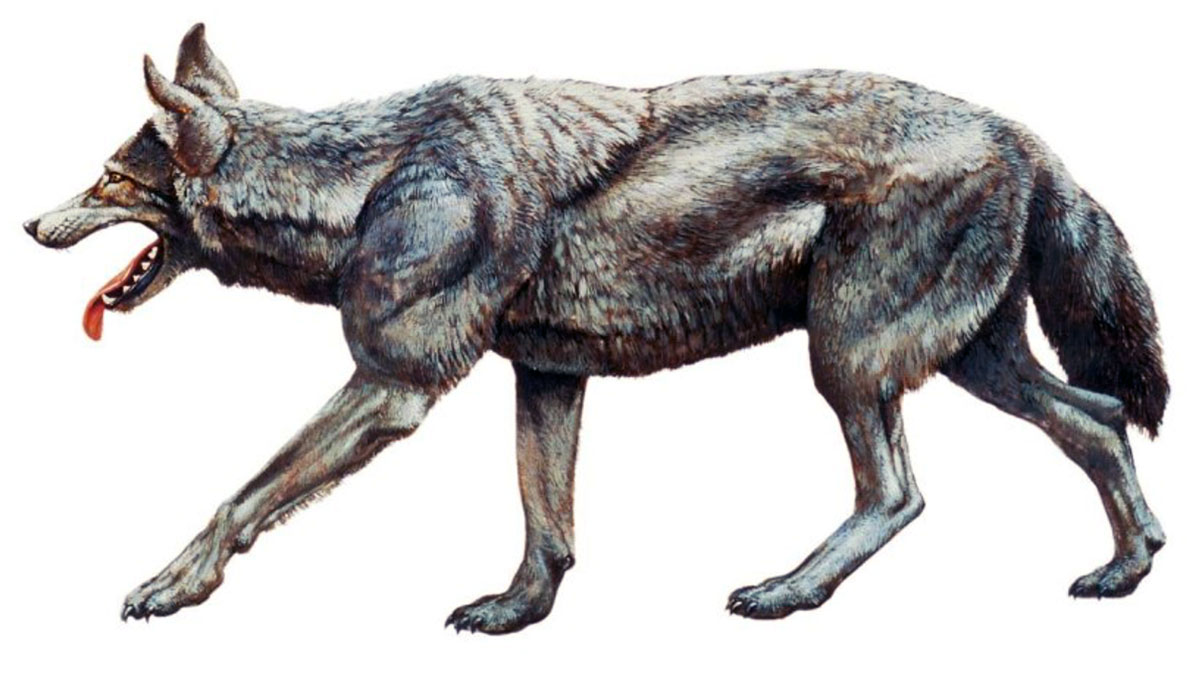
Humans and wolves evolved along a commensal pathway that was a multi-generational process. As humans acclimated to wolves, they brought the wolves into their camps and began cohabiting. Humans learned how to work with wolves to take down prey, and they also began selective breeding to nurture specific traits. Because wolves ate refuse from human camps, they gained mutations that allowed them to digest starch and have lower baseline cortisol or stress levels. By choosing to reside with humans, these Ice Age wolves diverged from the wild wolf gene pool.
How Shifting Neurochemistry Forged a Permanent Interspecies Bond
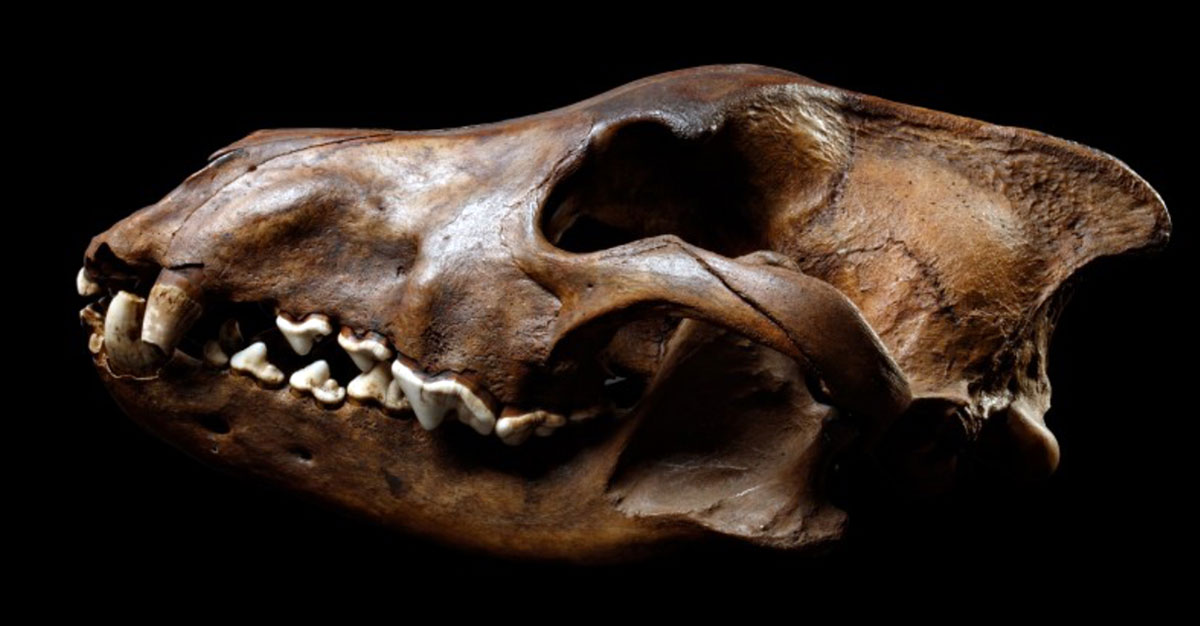
Because ancient Ice Age humans practiced selective breeding, they slowly altered the wolves’ physiology. This is an example of Belyaev’s domestication syndrome, where humans breed wild animals for their friendliness and tame behavior towards humans. The domesticated wolves needed less of their wilder traits. Melanin production and skeletal structure, for example, evolved through generations of selective breeding. Mutual oxytocin feedback loops were also exhibited by the human and wolf symbiotic relationship, so ancient wolves learned to adapt their facial expressions and vocalizations to communicate with humans. There was also a reciprocal survival dynamic as wolves became scouts and hunting allies.
Archaeological Evidence of the Earliest Canine Companions
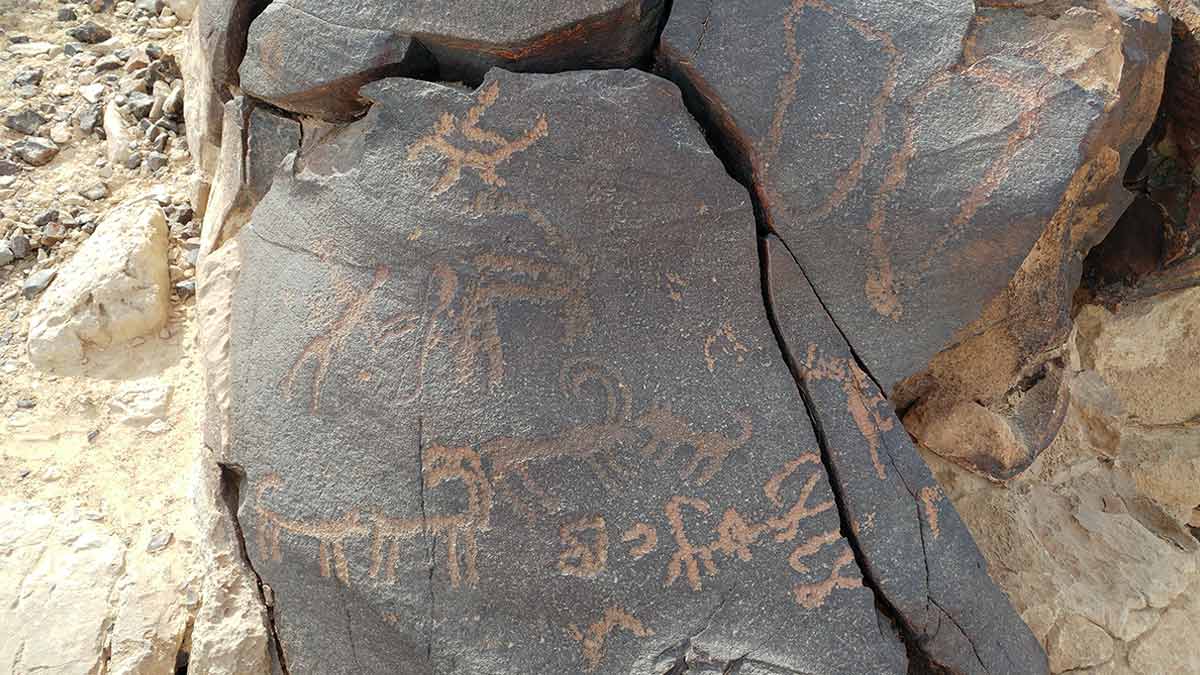
What is also interesting is that when ancient canine bones are tested with isotopes, the results show they had a diet that matched ancient human hunter-gatherer food profiles rather than wild wolf diets. 30,000-year-old dog skeletons were found in the Goyet Caves in Belgium and the Předmostí in the Czech Republic. There are even Paleolithic grave sites where humans and dogs were co-buried. This demonstrates the important coevolutionary relationship between humanity and canines that continues to this day.