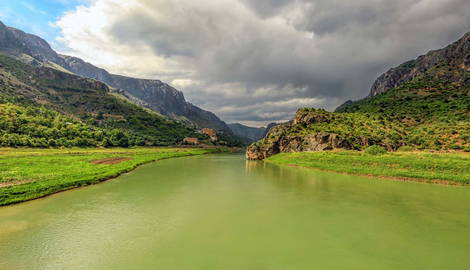

Human survival has always depended on water. Important ancient waterways were the Nile, the Tigris, Euphrates, Ganges, and the Yellow River that determined whether civilizations survived or thrived. To better understand these rivers, ancient people deified them and worshiped them to control and pacify the mighty bodies of water. These sacred waters influenced religious pantheons, political authority, and shaped the civilizations that created them.
The Hydrological Foundations of Early Human Faith
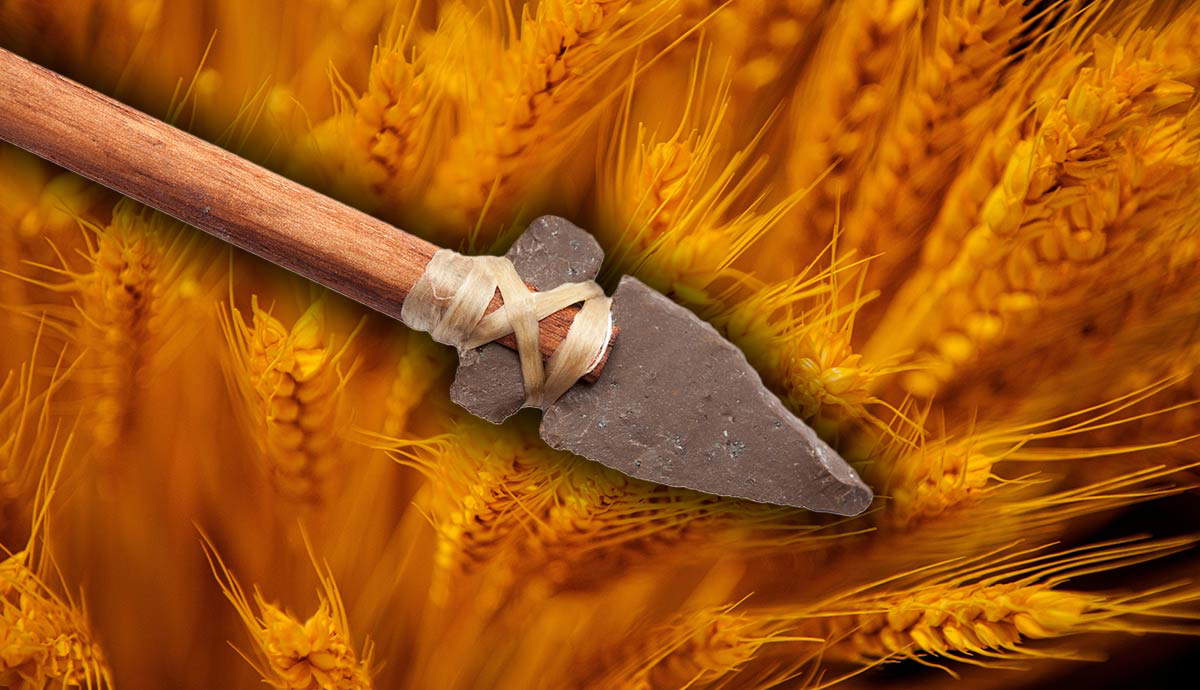
During the Neolithic Revolution, humans went from hunter-gatherer societies to agrarian societies that required them to settle near large rivers. These rivers were the life-giving sources for these cultures, so they came to regard them as gods. Humans have a natural tendency to want to explain life, and that can be done by creating gods that control the world around them. These life-giving rivers were personified and were viewed as living entities that had to be worshipped. Most ancient civilizations also had creation myths in which the first instance of life came from primordial waters.
How Flood Dynamics Shaped Perceptions of the Divine
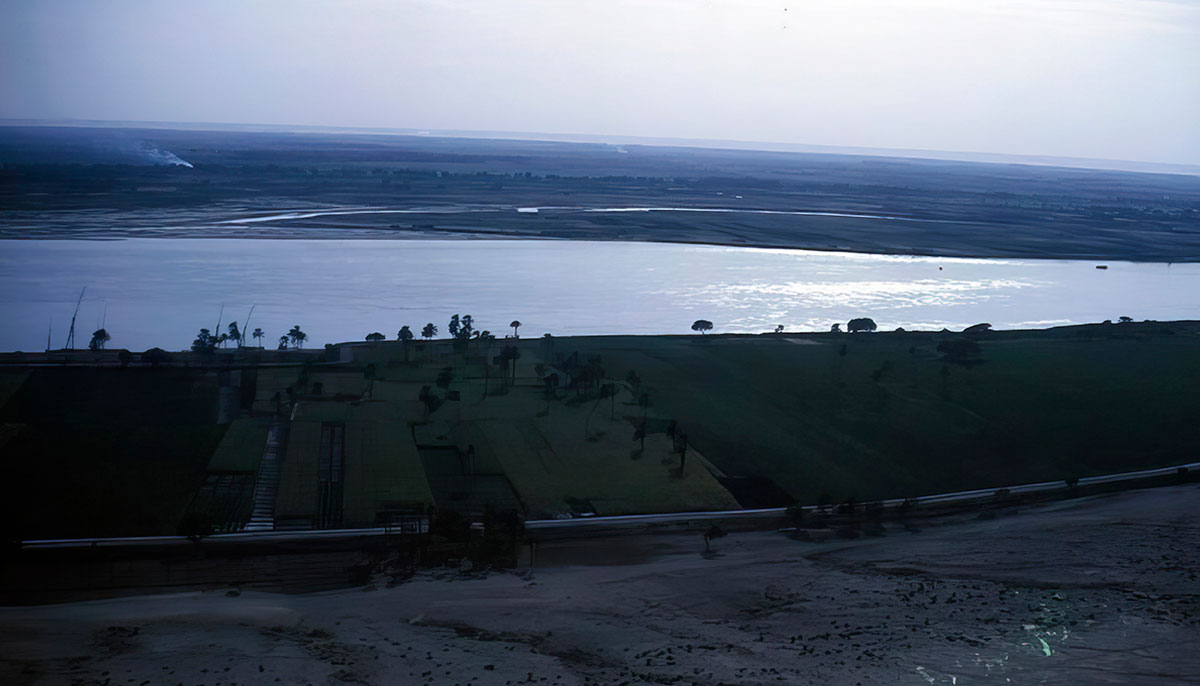
The Nile is arguably the most famous ancient river, and it had a predictable schedule where it flooded, then receded. Hapi was the ancient Egyptian god of the annual flooding, when rich silt was deposited on the river’s banks. His arrival was a celebration, but other rivers like the Yellow, Tigris, and Euphrates were more chaotic.
Tiamat is an ocean goddess from Mesopotamia who mated with Abzû t to create the Babylonian pantheon. She was regarded as a monster despite being the mother of all things.
Hebo (the Yellow River) was also a scary god to behold because the river caused many unfortunate drownings and was known to alter course on a whim. In order to appease the gods, ancient rituals were needed, and they could be serious, with sacrificial offerings.
Sacred Waters and the Architecture of Spiritual Purification
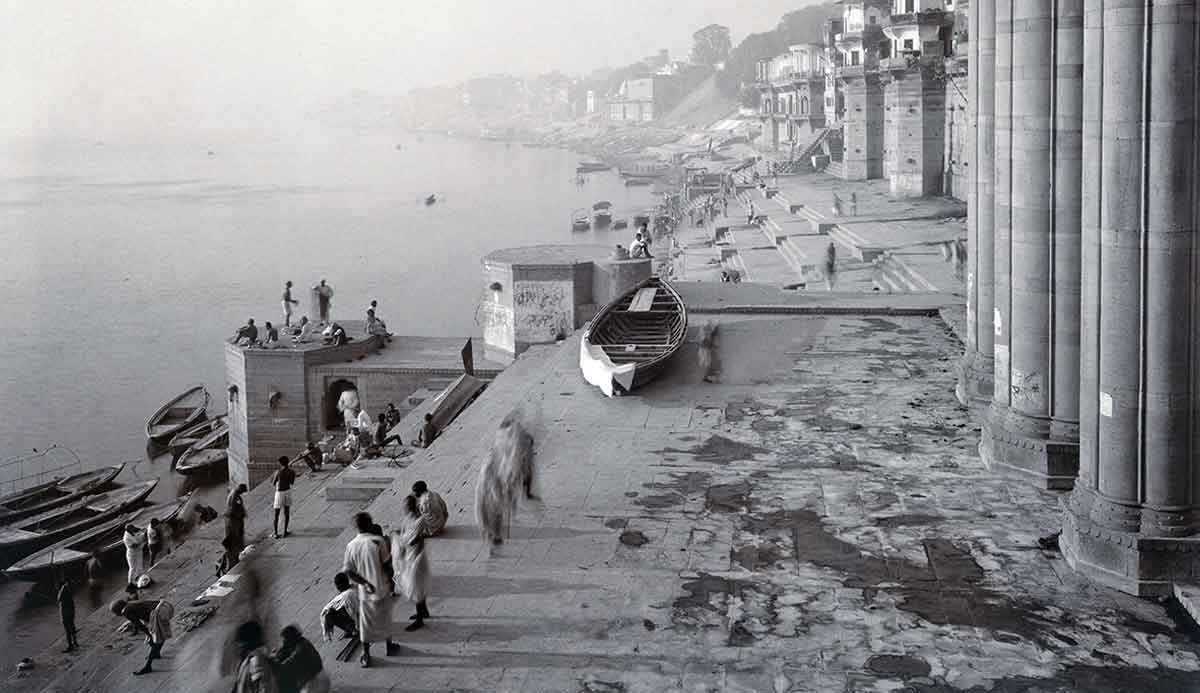
In ancient civilizations, water played an important spiritual and practical role in people’s lives. Water represented life, but it was also viewed as a physical and spiritual cleansing tool. The Ganges is the most sacred river in Hinduism. It is believed to be the source of life, and Hindus make sacred pilgrimages or tirtha to bathe in its waters. It’s similar to how Egyptians priests would cleanse themselves or offer libations to the dead to symbolize rebirth.
In ancient Mesopotamia, lustral water was used to bathe feet and hands before entering temples, to anoint kings, and for its medicinal properties believed to be found in the ceremonies. Rivers, like the Ganges, still draw millions of people to their banks for spiritual purifications
Hydraulic Control and the Divine Legitimacy of Ancient Monarchs
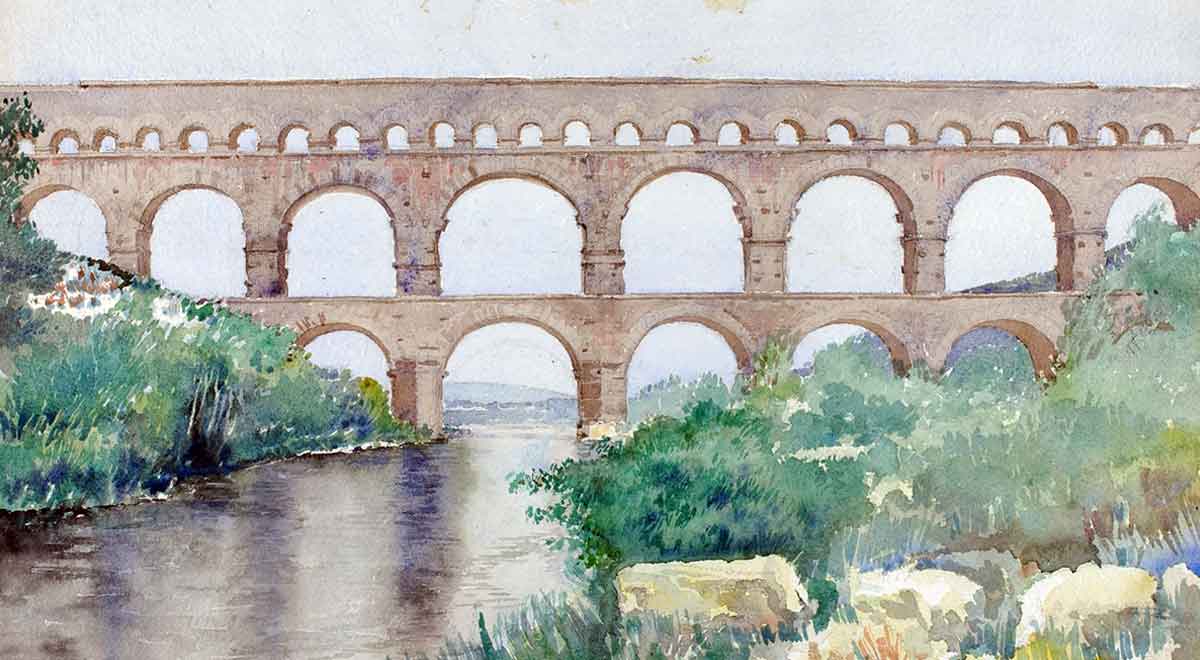
Kings, priests, and other ruling classes monopolized access to rivers and used them to maintain their dominance over people. To bring water to civilizations and demonstrate their power, rulers undertook massive engineering projects as instructions from divine mandates. Huge projects like canals, dykes, and aqueducts were constructed, showing how rulers controlled rivers to bring water to their people. However, if projects failed or rivers flooded and caused catastrophe, the ruling classes were blamed and lost their dominance.
The Enduring Legacy of Ancient River Deities
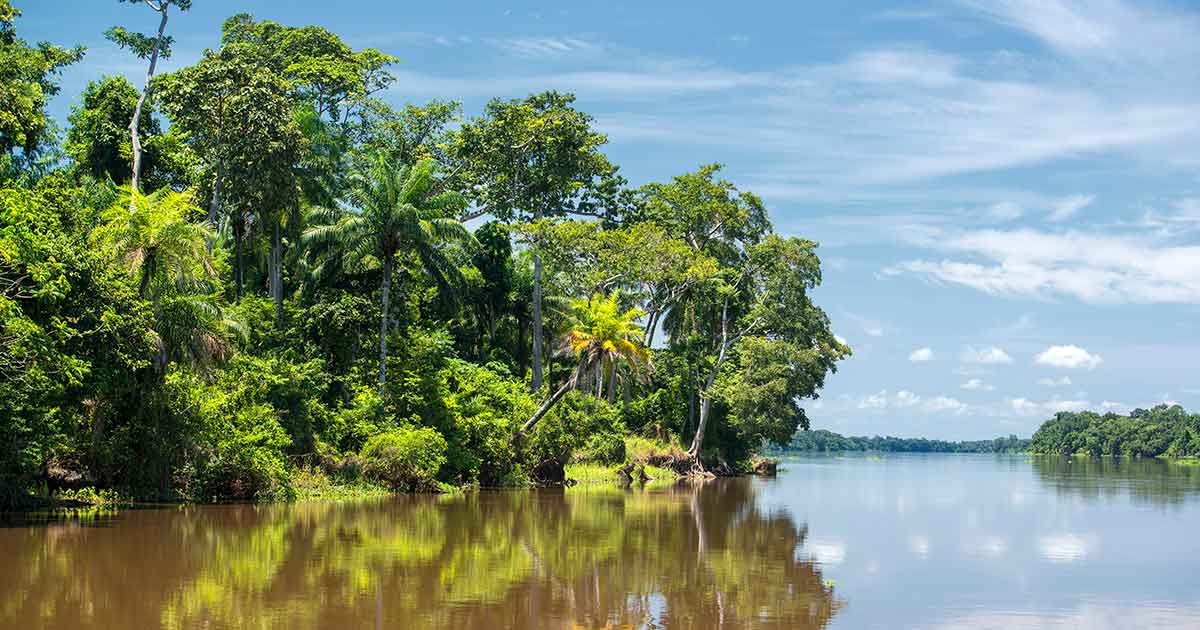
Throughout the ancient world, rivers were viewed as sacred sites that brought either life or death. Over time, worship of the actual river changed to ceremonies tied to later religions, such as cleansing/purification. The symbolism remained, but it was incorporated as cultures and religions shifted.
Dependence on water is a factor that is as old as humanity and one that will never change. Rivers are still viewed as important resources in the modern world; they may not be worshipped, but they are still regarded as sacred in that they must be preserved and protected.