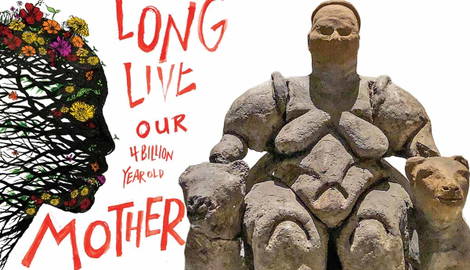

Mother Nature has been depicted in many ways throughout history. Modern culture portrays her as a gentle, benevolent woman, but to ancient civilizations she was a dual force capable of destruction as much as she was bestowing life.
Her power was raw, chaotic, and could never be harnessed by humanity. Over the centuries, different artistic renderings of the earth goddess evolved, including Paleolithic survival figurines, crowned rulers, and sacred mountain landscapes. These all reflect humanity’s constant struggle to make sense of the world around them.
Paleolithic Venus Figurines and the Sacred Mechanics of Survival
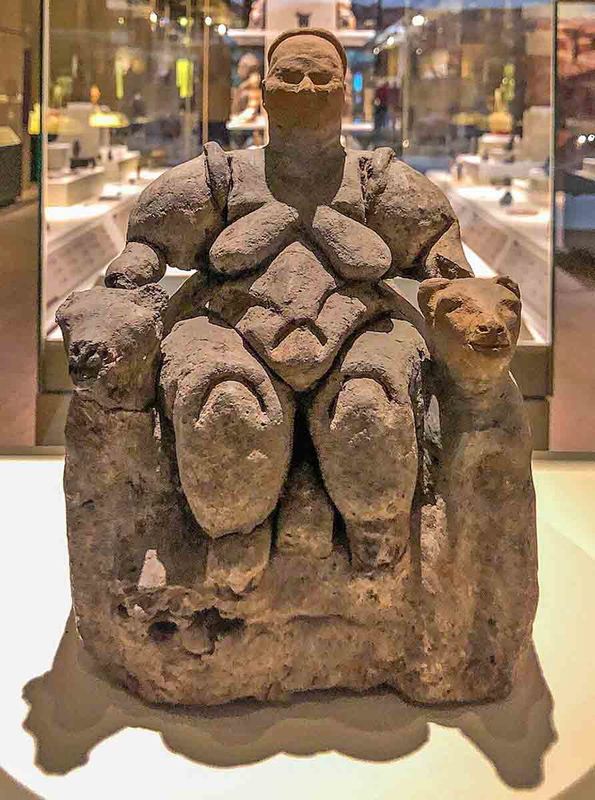
To the ancient people of the Upper Paleolithic era, Mother Earth represented fertility. She was a nameless goddess, and her iconography included faceless heads, large, exaggerated breasts, prominent hips, and voluptuous abdomens. This is seen in the Venus of Willendorf (c. 30,000–25,000 BC) and the Neolithic Lady of Çatalhöyük (c. 6000 BC). These early societies worshipped a raw force of feminine nature that bestowed life and destruction. These people spent their entire lives simply surviving and were concerned with fertility. They didn’t give their goddesses names or faces, because they weren’t concerned with individual personification.
Why Did Anatolian Deities Rule Alongside Apex Predators
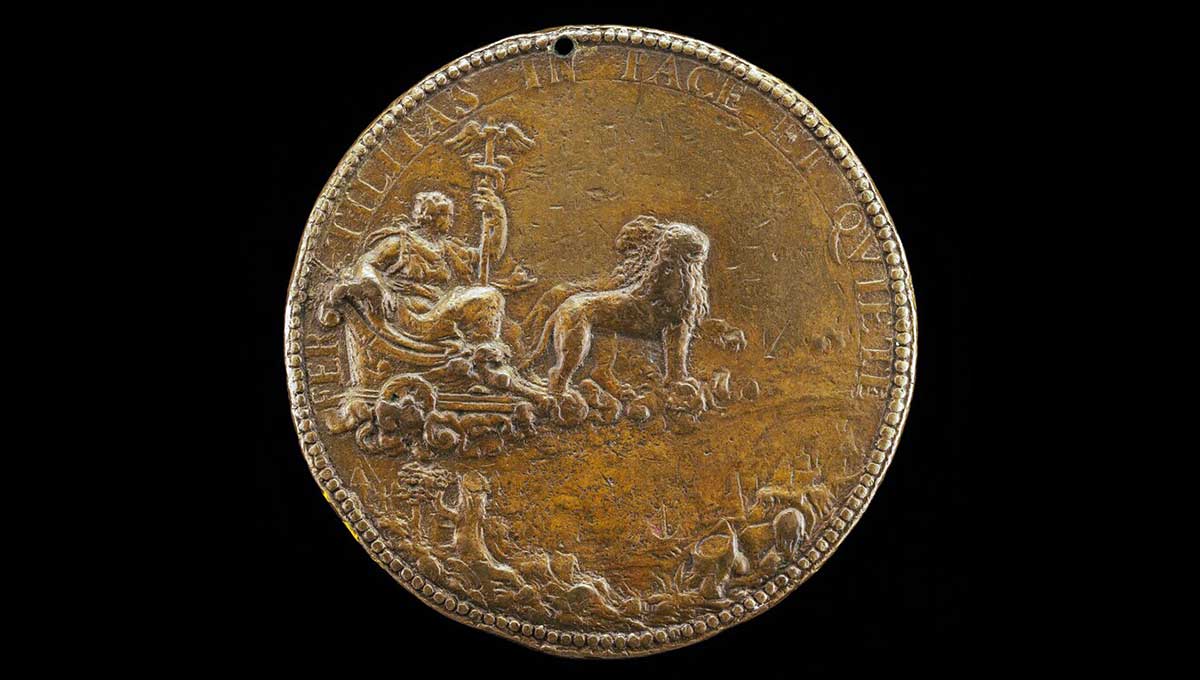
Mother Nature meant something entirely different to the Anatolians. Her name was Cybele, and she was associated with the untamed wilderness. She was depicted on a throne flanked by man-eating lions. A specialized version of her, known as the Artemis of Ephesus, has multiple breasts and is covered in bull testes, with her entourage of wild animals featuring leopards and stags. This earth goddess represented human dominance over nature, instead of merely agriculture. It demonstrates the shift of humanity from simply surviving to learning how to thrive and build societies.
Gaia and the Destructive Cost of Elemental Greek Earth
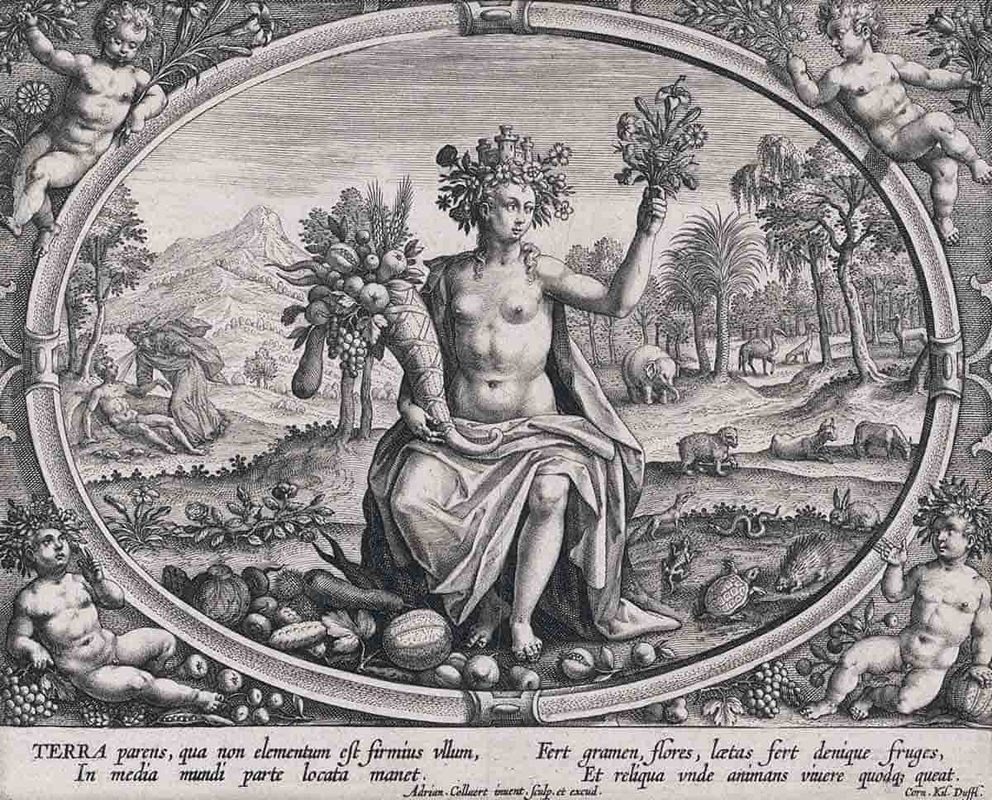
In Greco-Roman myths, Mother Earth was known as Gaia or Terra, and she manifested from soil. She was the mother of everything in the known universe, including Uranus, the sky god, the Titans, the Cyclopes, and primordial ocean deities. She was also the grandmother of the Olympians, and had many other children, but she was one of the first incarnations of a dual earth goddess. Mother Earth birthed beautiful gods and creatures that coincided peacefully with humanity, but she was also the mother of tumultuous, chaotic creatures like Typhon, Tartarus, and other lamentable creations that were harmful to humans.
How Andean Cultures Worshipped Pachamama as Sacred Topography
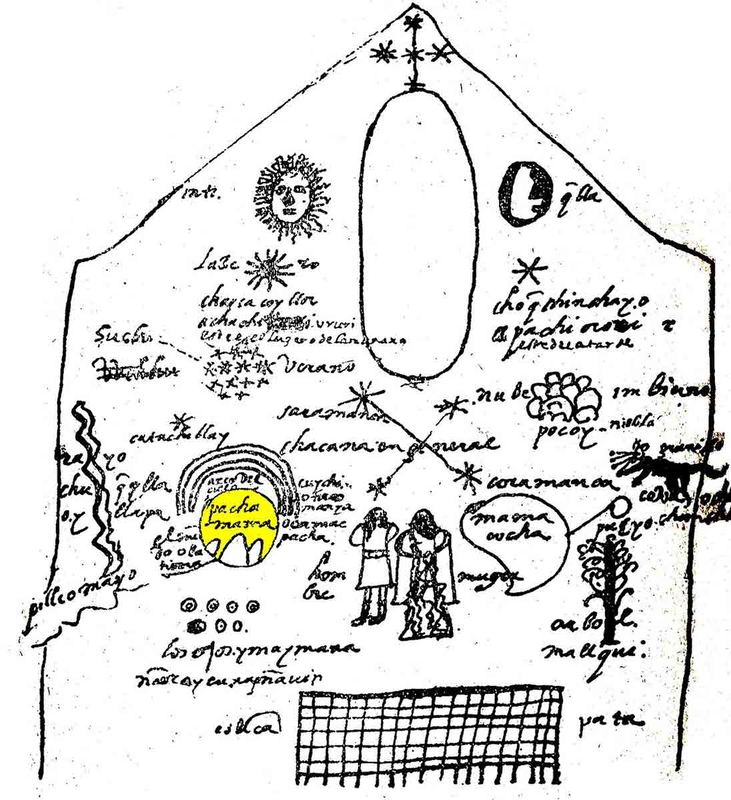
Pachamama was the Andean (Incan) mother goddess who was the manifestation of the entire universe. In fact, her name translates to “Mama Cosmos.” She technically didn’t have a human form, and her worshippers depicted her with sacred rocks, trees, water channels, and agricultural terraces. Her (pago a la tierra-literally means pay the earth) ritual practice required offerings to maintain the universe’s cosmic balance and prevent negative events, such as crop failures, earthquakes, or storms.
The Shift From Feared Elemental Power to Modern Nurturing Figurehead
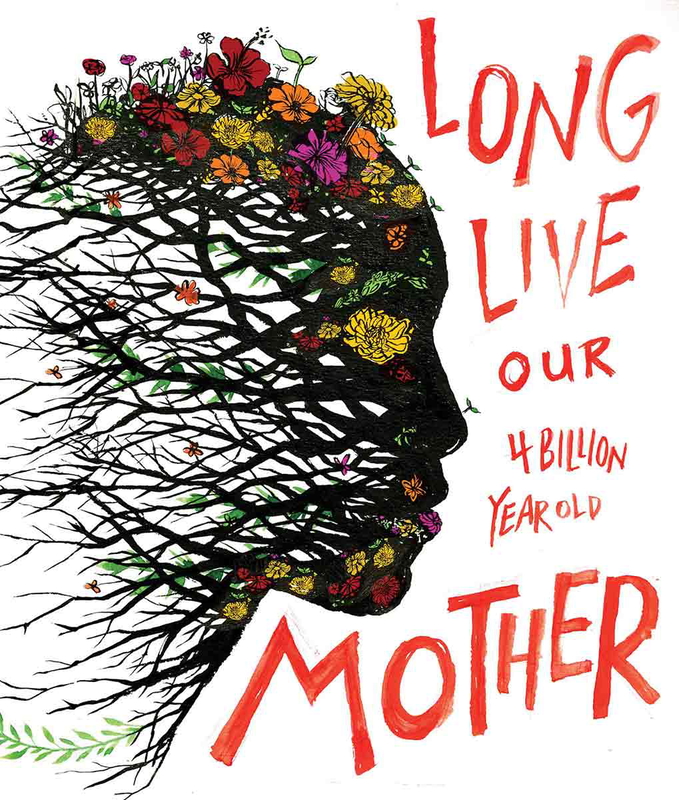
As humanity evolved, their dependence on a mother goddess waned, and their perception of nature also changed. Nature was no longer a loathsome force to be fearful of; instead, it was simply another part of existence that humanity had conquered, or seemingly so. Nature is still a force to be reckoned with, and the dual depictions of Mother Earth remain true.