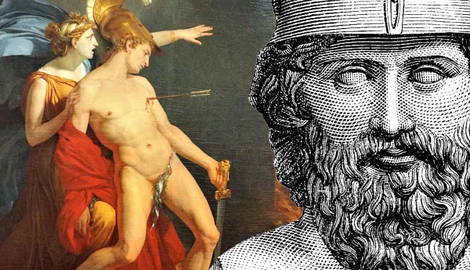

Themistocles and Alcibiades, talented political and military strategists, played a prominent role during the Persian and Peloponnesian Wars. Though Themistocles’ naval strategies secured the Greek victory over Persia, he was later accused of collaborating with the Persians. Alcibiades was a charismatic military hero, but his political manipulation and shifting loyalties contributed to Athens’ defeat in the Peloponnesian War. Their tragic fates pose a haunting question: can a hero ever outrun the label of traitor?
Themistocles and the Athenian Navy
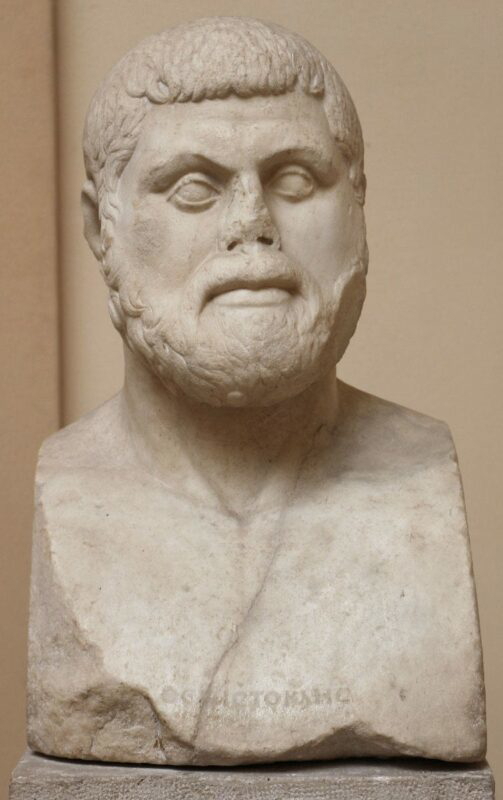
Themistocles was born into a minor aristocratic family in Athens. He rose to prominence as a supporter of Athenian democracy and owed his rise up the political ranks to the support of the people.
In 493 BC, Themistocles was elected archon, one of the nine chief magistrates of the city. In the 480s, as Athens faced the threat of invasion from the Persian Empire, the discovery of the Laurion silver mines brought Athens a huge windfall. Rather than distributing the proceeds among the people, Themistocles proposed building a fleet of 200 triremes to establish Athens as a naval power.
The Athenian fleet was constructed within a matter of months and crewed with trained sailors. The city’s skilled rowers were divided into crews by the autumn of 481 BC, and Athenian soldiers were added to the crews for necessary training during the winter. When King Xerxes of Persia invaded Greece in 480, Themistocles was ready to meet the challenge.
Themistocles and the Greco-Persian Wars
During King Leonidas of Sparta’s heroic defense at the pass of Thermopylae, Themistocles protected his flank at sea by posting his fleet at Cape Artemisium. The Persian attacks against the Greek fleet were inconclusive, but the fall of Thermopylae compelled Themistocles to withdraw towards the island of Salamis near the Isthmus of Corinth, where the main allied land army awaited the arrival of Xerxes’ Persians.
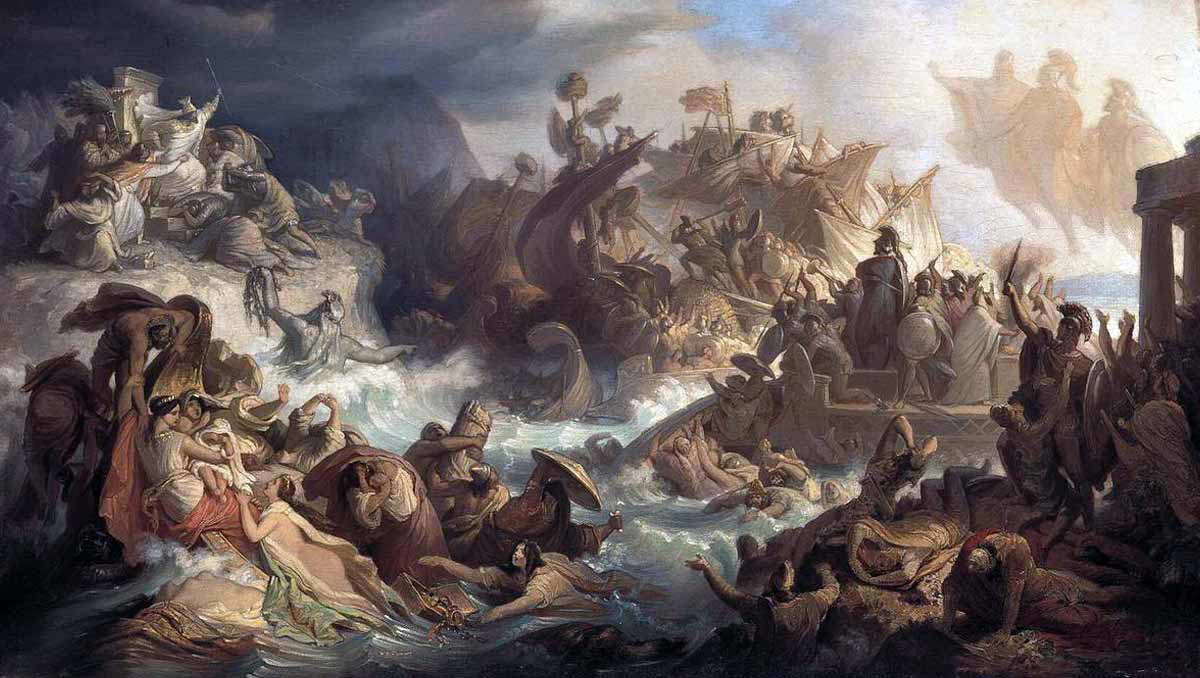
Although Athens was left defended and was sacked by the Persians, Themistocles recognized that his hopes of victory lay in his fleet. Themistocles’ skills included a talent for deception. He sent his household slave, Sicinnus, into the Persian camp to give the impression that the Greek fleet was on the brink of collapse. The Persians were encouraged to sail into the straits of Salamis to attack Themistocles. Xerxes was confident of victory and chose to observe the battle from a golden throne on Mt. Aegaleus overlooking Salamis.
The Persians were surprised when Themistocles and his men proved to be formidable adversaries as battle was joined in late September, 480 BC. Within the confines of the straits of Salamis, the Persians could not exploit their numerical superiority. With the Persian sailors suffering from exhaustion, the main Greek fleet emerged from the shelter of the shore and devastated the Persian fleet.
While Athens’ Peloponnesian allies contributed a significant number of ships to the Greek fleet, Themistocles and the Athenians have received most of the credit for the victory at Salamis, which led Xerxes to leave his army and return to Persia.
Why Did Themistocles Enter Persian Service?
Themistocles’ victory at Salamis fueled his arrogance. When he built a temple to “Artemis of the Best Counsel” next to his house, it was a sly reminder that his ideas were best for the city. Themistocles was dismissed as commander of the Greek navy, although he would later return to prominence as an advocate for fortifying the Athenian harbor at Piraeus.
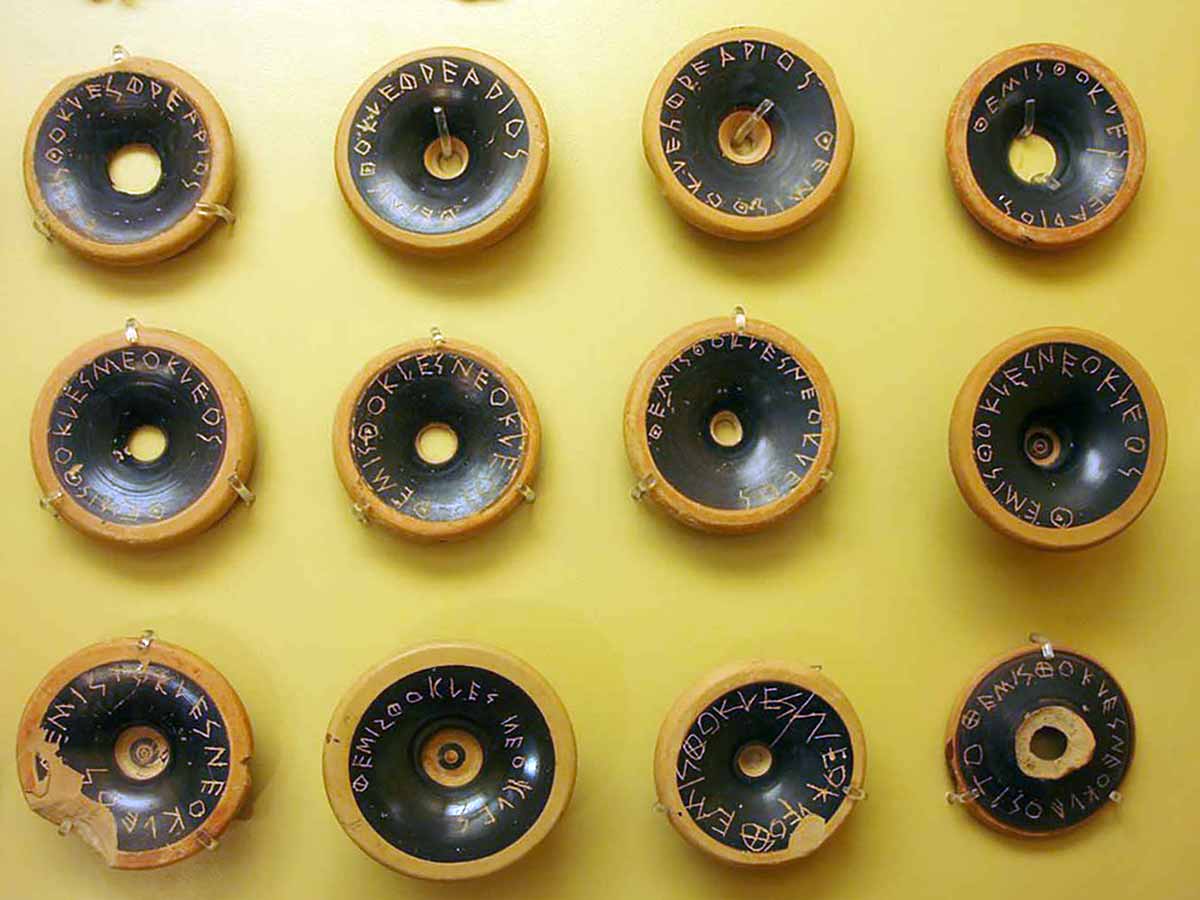
His hubris eventually led to his ostracism and exile in 471 BC on trumped-up charges of being pro-Persian. Themistocles’s enemies, particularly the Spartans, accused him of plotting with the Persians. They spread stories of a treasonous conspiracy with the Spartan general Pausanias to betray Greece to King Xerxes. As a result, the Athenians changed his exile to a death sentence.
Since the Greek world was no longer safe for him, Themistocles fled to the Persian court and sought the protection of his former rival King Xerxes. The Persian king granted him asylum, and Xerxes’ son Artaxerxes I later appointed him the Governor of Magnesia in Asia Minor. In Athens, this appointment was the ultimate betrayal and justified concerns about Themistocles’ loyalty.
Themistocles died in 459 BC at the age of 65. In his Life of Themistocles, the biographer Plutarch shared a popular and ironic account of Themistocles’ death: As the Greco-Persian Wars continued, Artaxerxes offered Themistocles the opportunity to lead a Persian invasion of Greece. Themistocles refused and chose to drink poison rather than displease his Persian benefactors or wage war against his home city.
Alcibiades: The Young Athenian Warrior
Born in 450 BC less than a decade after Themistocles’ death, Alcibiades was an Athenian general and politician who would prove an even more controversial figure.
Alcibiades was the son of Cleinias, a prominent Athenian politician. After Cleinias’ death in battle in 447, Alcibiades and his brother were entrusted to the guardianship of their father’s close political ally, the great Athenian statesman, Pericles. Alcibiades was famously tutored by Greek philosopher Socrates and appears in three of Plato’s dialogues.
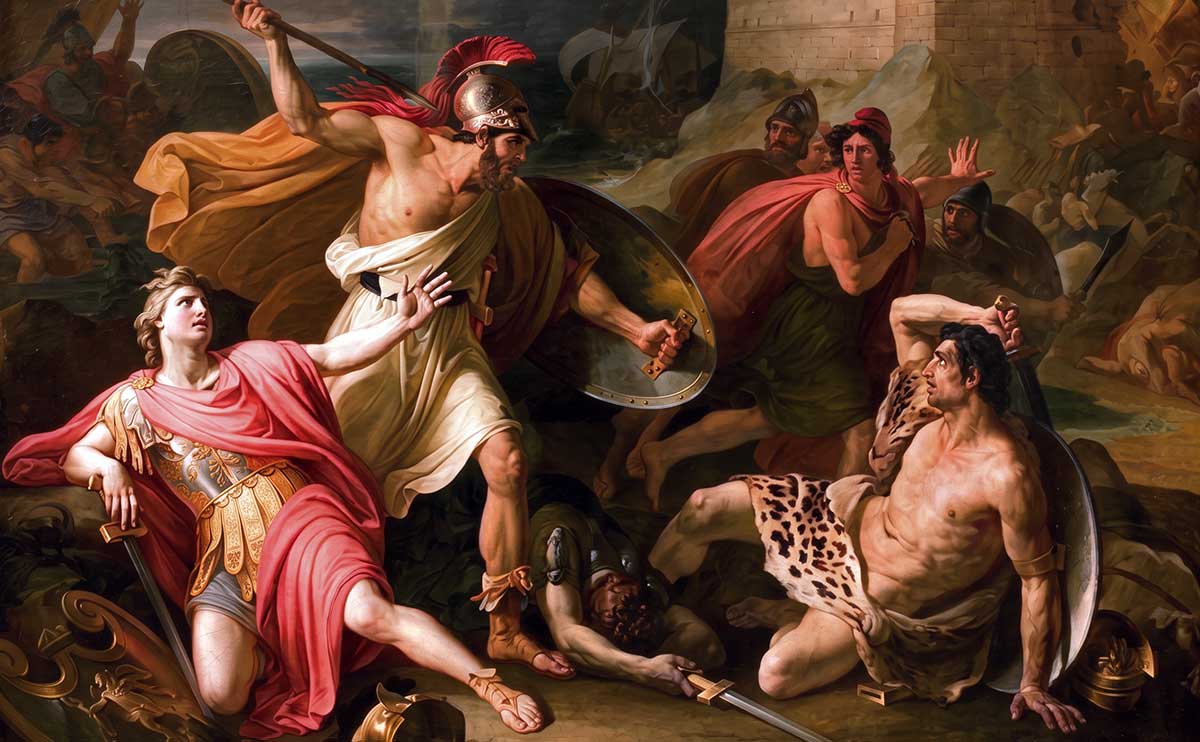
In 432 BC, Alcibiades had his first taste of hoplite warfare at the Battle of Potidaea, located on a narrow peninsula in northern Greece. He charged into the heart of the melee, fighting with conspicuous bravery before he was wounded. Socrates rescued him by standing over him and parrying attacks by enemy hoplites.
The Athenians were victorious, and Alcibiades received a suit of armor and a victor’s wreath as an award for bravery. This was a great honor and established Alcibiades’ reputation as the model Athenian warrior.
The Athenian victory at Potidaea was a factor in the outbreak of the Peloponnesian War in 431 BC, as Sparta and Athens fought for hegemony over the Greek world. Pericles hoped to win the war by evacuating the population of Attica into the city of Athens and defend themselves behind the city walls. He was confident that the Athenian navy would defeat the Spartans at sea. The Spartans raided the countryside around Athens and hoped to provoke the Athenians to leave their city and fight a pitched battle. However, Pericles’ strategy crumbled as Athens was devastated by the outbreak of plague. Pericles and two of his sons succumbed to the disease in 429.
The Sicilian Expedition
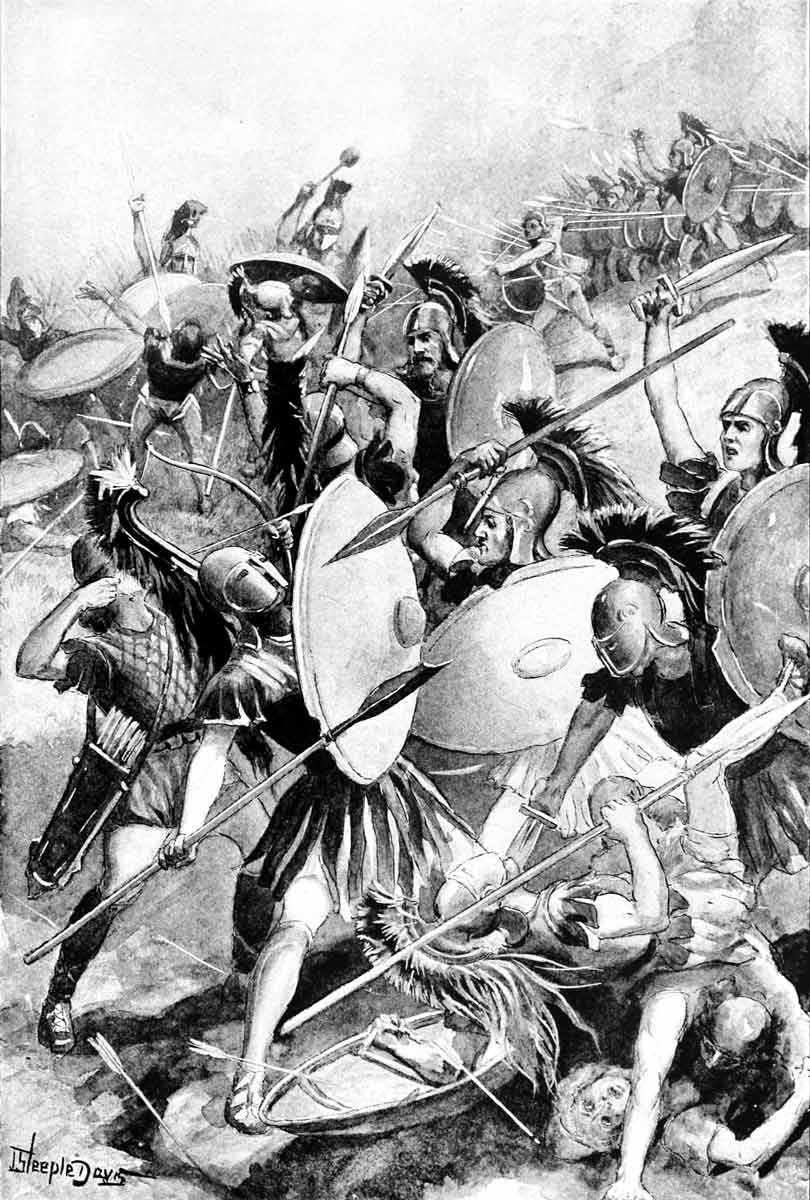
In an effort to seize the initiative, the Athenians expanded the war into the Peloponnese and occupied the key city of Pylos in 425. However, the Athenians continued to suffer setbacks and their depleting treasury led to a peace agreement in 421 brokered by the Athenian statesman Nicias.
The young and ambitious Alcibiades undermined Nicias’s credibility by accusing him of favoring the Spartans. Alcibiades proposed alliances with Argos, Elis, and Mantinea to surround Sparta. In 418 Athens joined Argos in a campaign against Sparta and was defeated at the Battle of Mantinea.
Alcibiades bolstered his public prestige with multiple victories in prestigious chariot-racing competition at the Olympic Games in 416 BC. Despite frustration with the unending war, Alcibiades proposed an expedition to Sicily, targeting the wealthy city of Syracuse to fill Athenian coffers.
In 415, a force of 27,000 soldiers and sailors and 140 triremes sailed for Sicily under the joint command of Athenian generals Nicias, Alcibiades, and Lamachus. The ensuing siege of Syracuse proved a fiasco owing to disagreements between the commanders, leading to Alcibiades’ fall from grace and the complete annihilation of the Athenian expeditionary force.
Even before the Athenians departed for Sicily, Alcibiades’ political rivals spread rumors that he was involved in sacrilegious behavior and was seeking to undermine Athenian democracy. Alcibiades hoped that a successful campaign in Sicily would neuter his political enemies, but the failure of the Sicilian Expedition strengthened his enemies, who accused him of wanting to become a tyrant.
Alcibiades’ Betrayal
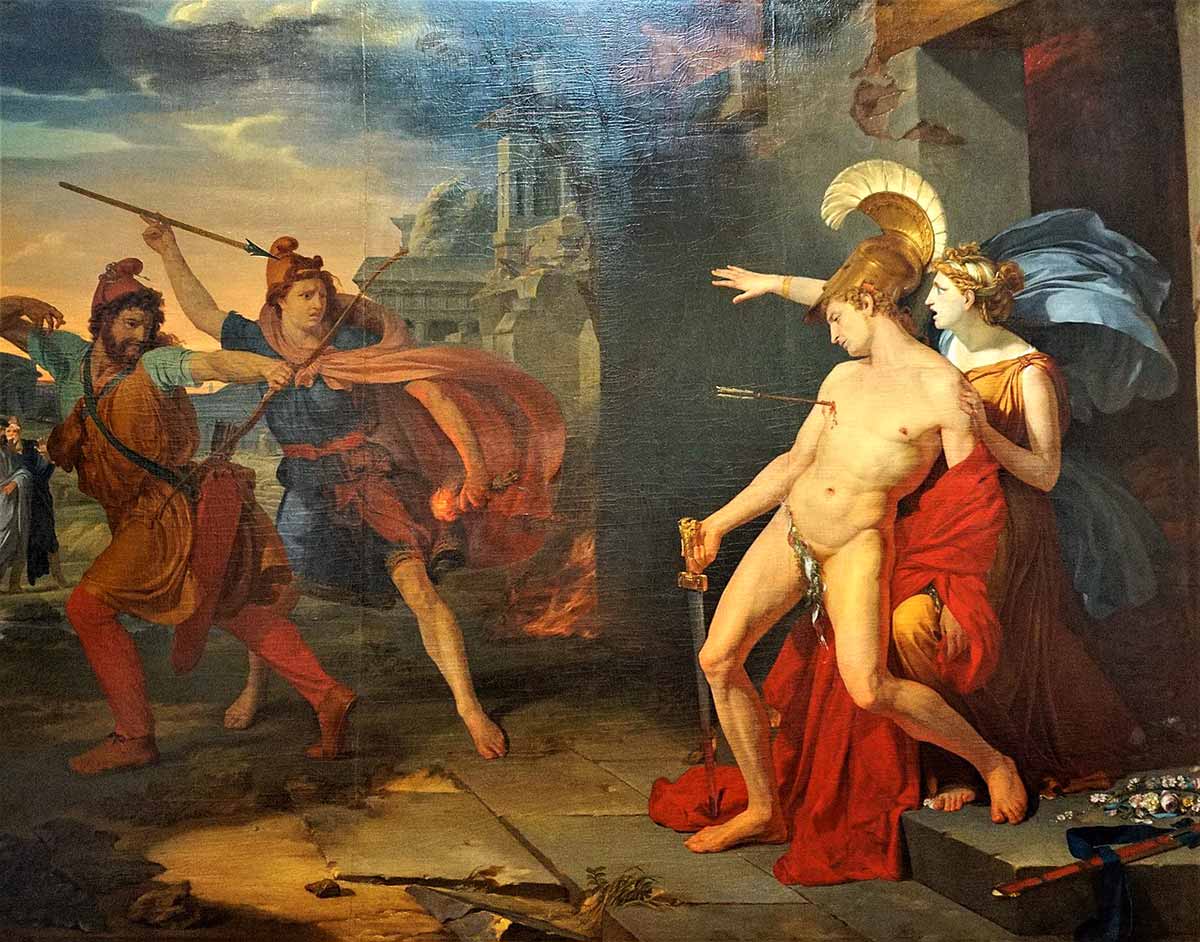
Eventually, Alcibiades realized that he would not be able to maintain his command in the Athenian army. He was forced to leave in shame with no victory. With no other recourse, he threw himself upon the mercy of the Spartans. He advised the kings of Sparta how to defeat Athens at the smallest cost. He urged the Spartans to support the garrison at Syracuse and to build a ring of fortlets around Athens.
The fortlets would be located at Decelea, a village on the south slopes of Mt. Parnes 15 miles north of Athens. It was close to the silver mines of Laurion so that the Spartan garrison could interfere with the mines operations. Without this mine, Athens’ wealth would decline, the economy would suffer, and allies would lose respect for her power.
Alcibiades’ advance was bearing fruit for the Spartans, but he undermined his position at the Spartan court by conducting an affair with Timaea, the wife of King Agis II of Sparta. When Timaea gave birth to a baby boy named Leotychidas, she made no secret of his paternity and Alcibiades was forced to flee.
Like Themistocles, Alcibiades fled to Persia, where he served as a military advisor. In 411, a new oligarchic government in Athens recalled him to service in an effort to obtain Persian support against the Spartans. Alcibiades won a series of victories on land and sea and returned to Athens in triumph in 407 BC. However, he was soon defeated at the Battle of Notium in 406 and compelled to flee to Persia once again. Alcibiades’ military genius nevertheless continued to make him a threat to the Spartans. In 404 BC, he was killed by assassins dispatched by the Spartan general Lysander.
Flawed Geniuses
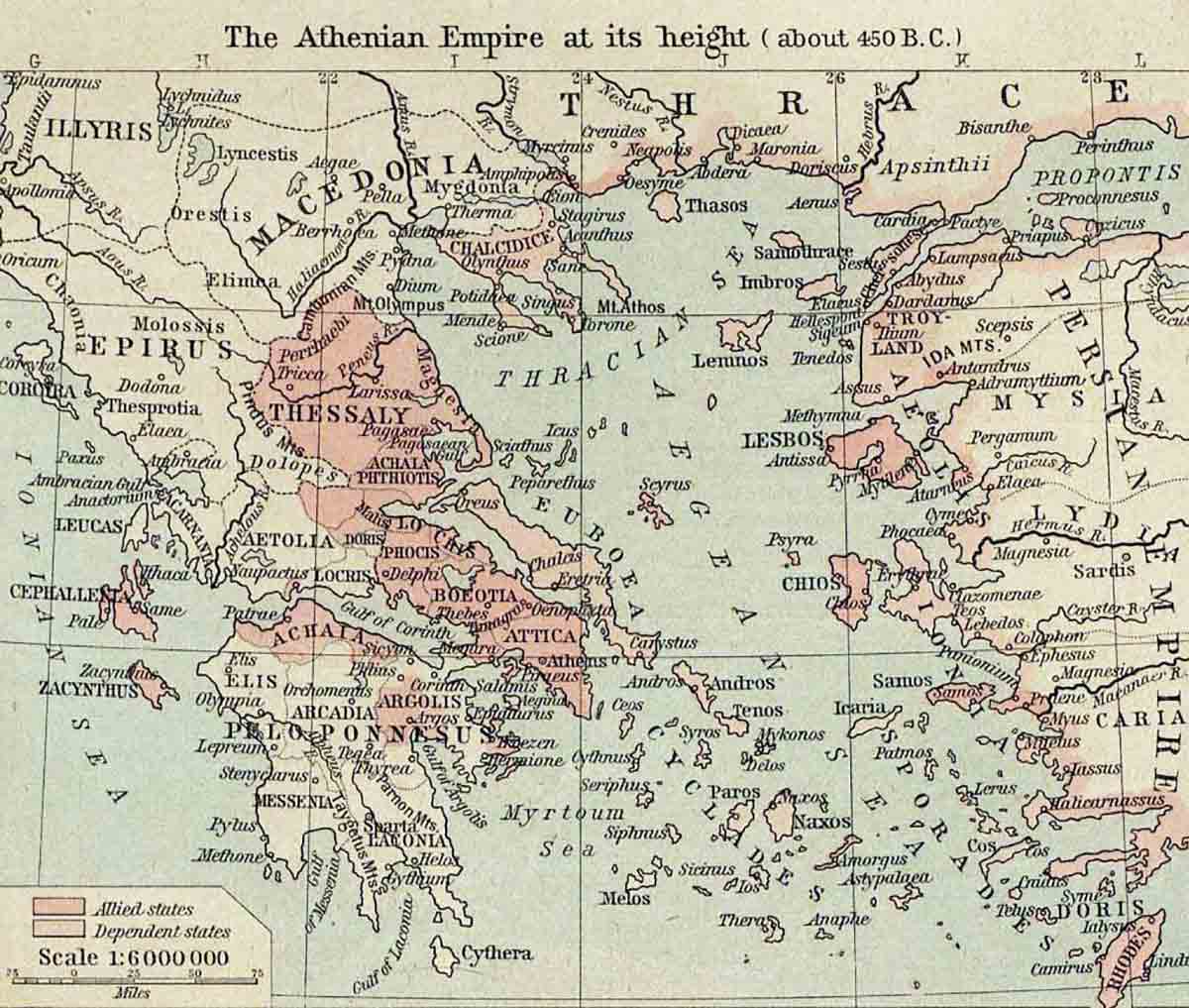
Like tragic Greek heroes trapped by fatal flaws and lured to their destiny by hubris, neither Themistocles nor Alcibiades was able to escape the label of traitor during their lifetimes. They were brilliant military strategists, charismatic politicians, and staunch advocates for their city, but their success created jealousy and attracted critics. Their pride led them to make poor decisions and both died as exiles in the Persian Empire.
Despite these similarities, the reputation of the two men have diverged significantly over the centuries. Themistocles is primarily celebrated for his victory over the Persians at Salamis, and his service in the Persian Empire is mostly forgotten. By contrast, Alcibiades is better remembered for his colorful life and his reputation for treachery than his genuine military talents.