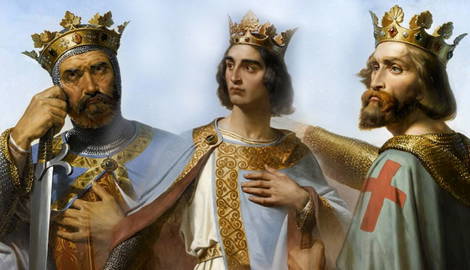

While Pope Urban II initiated the First Crusade at the Council of Clermont in 1095, the expedition lacked a single leader. Instead, a loosely organized coalition of nobles from Western Europe would take charge and vie for leadership. Drawing upon the tactical brilliance of the Normans and the piety of the French, these men were responsible for the success of the First Crusade. Five of these men stood out as the most formidable leaders of the expedition and are here ranked by their contribution to the ultimate victory.
Who Led the First Crusade to Victory?
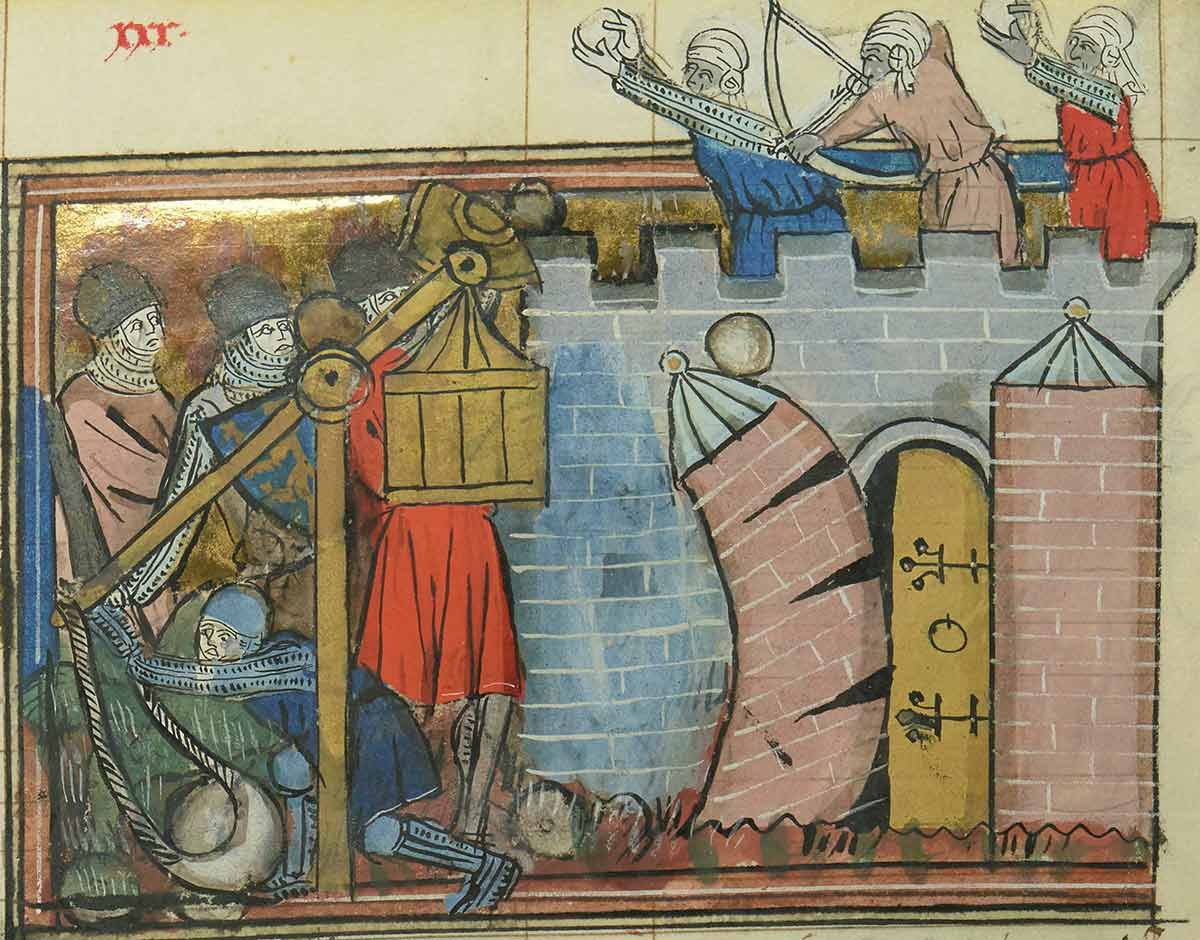
Unlike the Crusades that followed, the First Crusade did not attract the participation of kings. Instead, the leaders of the First Crusade were princes and noblemen. This absence of royal involvement left a power vacuum, and no overall leader emerged consistently throughout the expedition. Each secular leader brought with him his own retinue, and although fighting for the same cause, the Crusader army cannot be described as one unified force.
At various points, usually following their success in a particular engagement or as a result of diplomatic success, one of the many secular leaders would increase their significance and seemingly emerge as the preeminent leader. However, overall control of the Crusader force was never to belong to one man alone.
Five individuals emerged from among the many leaders of the First Crusade who contributed greatly to the success of the expedition. Godfrey of Bouillon became the first ruler of Jerusalem thanks to the significant role he played during the expedition. His younger brother, Baldwin of Boulogne, departed from the main crusader army in 1098 to capture the city of Edessa, thereby gaining a significant victory. Raymond IV of Toulouse, the richest and eldest leader of the First Crusade, was a highly respected and influential member of the group. Bohemond of Taranto, a Norman by both blood and tactics, was instrumental in acquiring the city of Antioch. His nephew, Tancred of Hauteville, was an ambitious but poor youth who distinguished himself from the outset of the expedition.
1. Godfrey of Bouillon: The “Ideal” Knight and First Ruler
Godfrey of Bouillon ranks as the most significant of the First Crusade leaders due to his central role in both the conquest and defense of Jerusalem.
Godfrey, Duke of Lower Lorraine, responded enthusiastically to Pope Urban’s call for the Crusade. Leading a retinue numbering perhaps as many as 40,000 men alongside his brothers Eustace and Baldwin of Boulogne, his was one of the larger contingents.
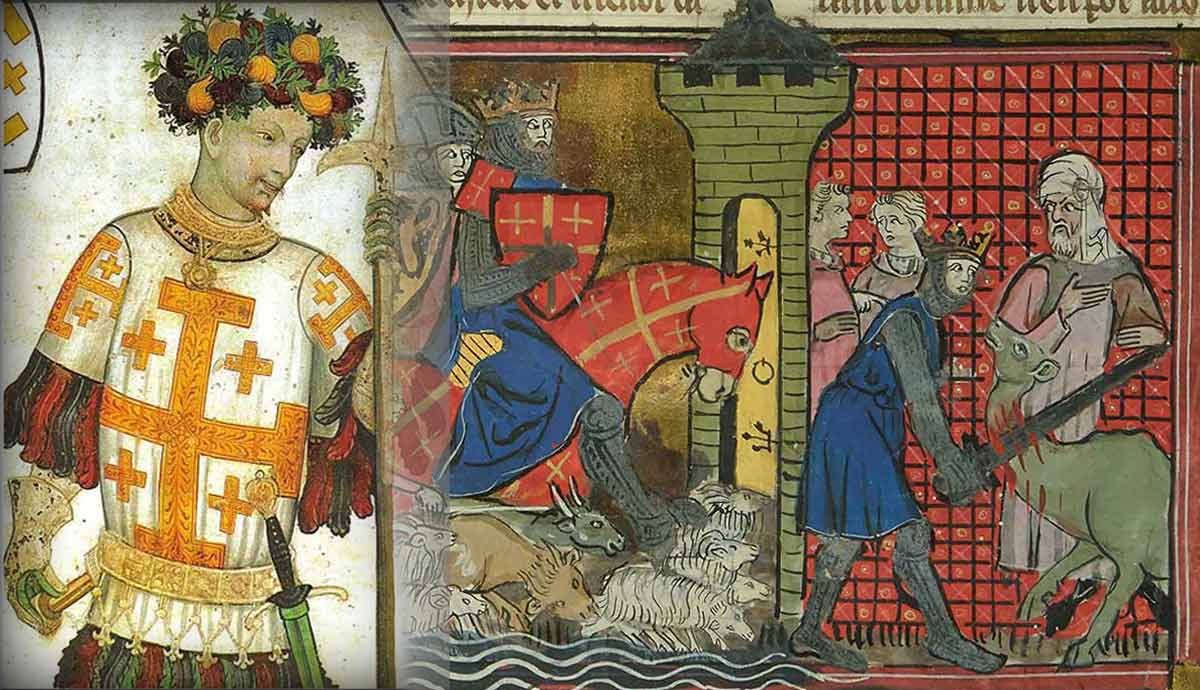
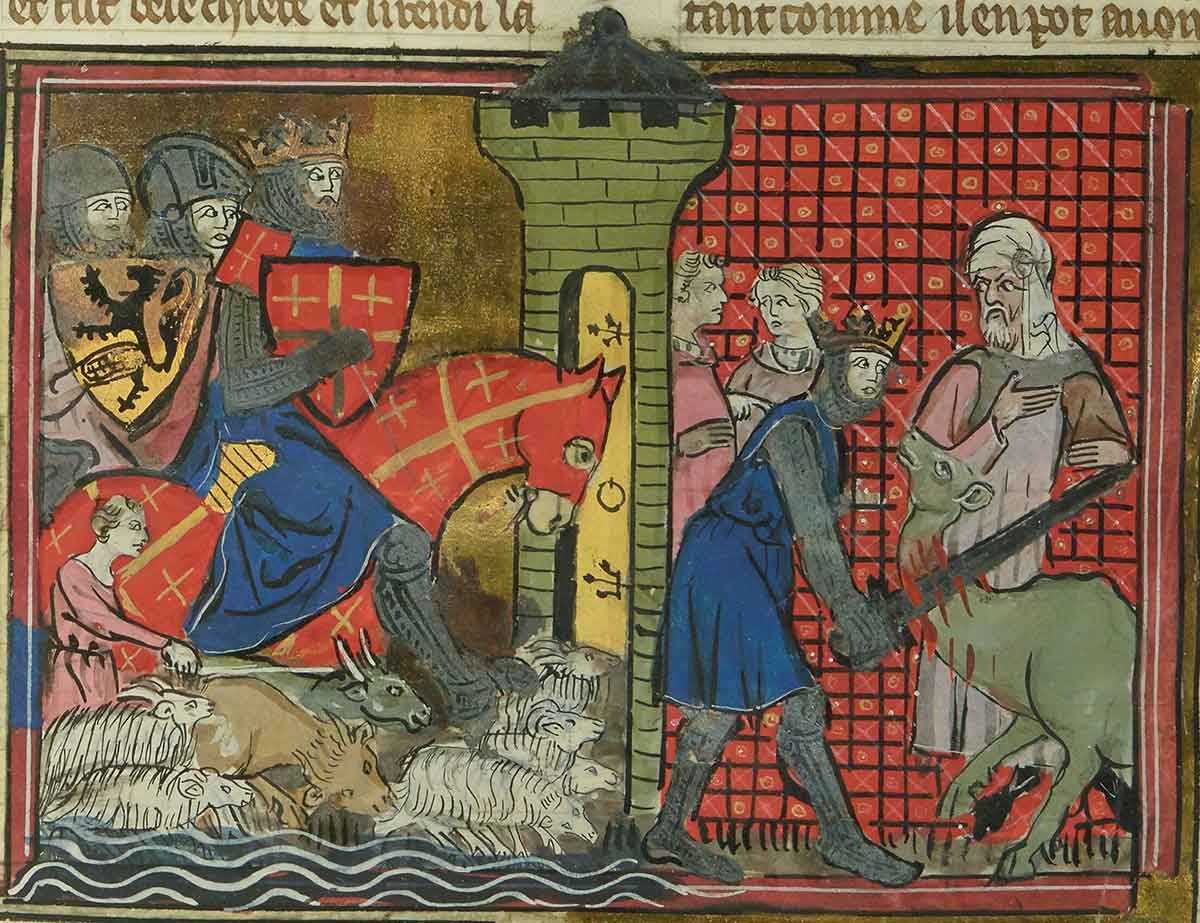
Godfrey distinguished himself on the First Crusade and earned the status of a legendary hero with exceptional strength. Following the Battle of Dorylaeum in July 1097, Godfrey saved the life of a poor crusader by single-handedly slaying a bear with his sword. He earned further distinction at the Siege of Antioch (October 1097–June 1098) when Godfrey clove a man in two. Such was the strength of Godfrey that his sword slashed through the rider, whose upper body fell to the ground as his lower body remained seated on his horse. Godfrey’s strength was later tested by Muslim noblemen who witnessed Godfrey decapitate a camel with a single stroke of his sword.
A generous leader, Godfrey’s reputation only increased as the Crusade traveled towards its ultimate goal. Once Jerusalem was taken, Godfrey was offered the kingship of Jerusalem. Although he refused the title of king and refused to wear a crown in the Holy City, he did agree to govern the city. His piety drove him to acknowledge Christ as the only king in Jerusalem, and instead, he opted for the title “Defender of the Holy Sepulchre” or “Advocate of the Holy Sepulchre.”
Godfrey’s successful defense of Jerusalem against the Fatimids of Egypt at the Battle of Ascalon in August 1099 prevented the loss of the newly acquired kingdom in its infancy. Godfrey was instrumental in consolidating the kingdom of Jerusalem in its early days, but died within a year of assuming his office.
Godfrey of Bouillon’s military prowess, his reputation for military leadership and his resulting popularity ultimately made him the most significant leader of the First Crusade.
2. Baldwin of Boulogne: The Pragmatic Architect of Edessa
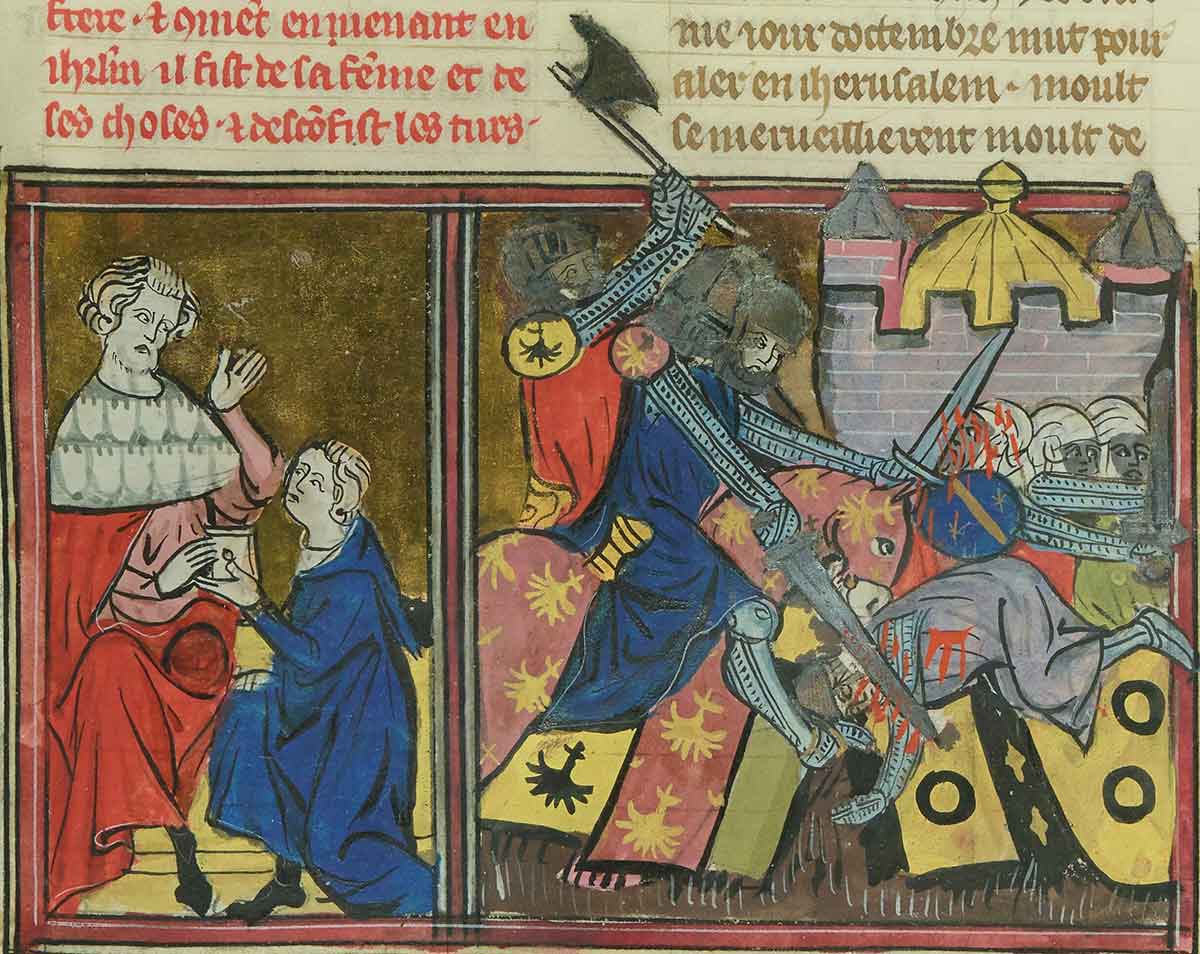
Baldwin of Boulogne earns a high position in this ranking for his political pragmatism and his role in establishing one of the first Crusader States.
The youngest of three brothers, Baldwin was originally destined for a career in the Church. His limited prospects may have been a factor in his decision to embark on the expedition. The presence of his first wife, Godehilde, and their children on the First Crusade suggests Baldwin intended to settle in the Holy Land and carve out a kingdom for himself.
After his wife’s death, which appears to have occurred sometime after the Battle of Dorylaeum, Baldwin left the main Crusader army. He was in the company of Tancred, nephew of Bohemond of Taranto, to explore the surrounding lands. During this expedition, Tancred captured the city of Tarsus. As Baldwin approached the city, he could see Tancred’s banner, which had been raised on the highest tower. Baldwin perceived this as an insult and demanded that the banner be brought down as other, more powerful leaders, with larger armies, were present on the crusade. After this quarrel, Tancred moved on to Mamistra, leaving Tarsus to Baldwin.
During Baldwin’s time at Tarsus, three hundred of Bohemond’s men, en-route to join Tancred, arrived at the city. They wished to gain entry; however, Baldwin refused the men, and they were forced to camp outside the city. The enemy slaughtered these men during the night. Upon this discovery, Baldwin’s men of lesser rank took up arms against him. Later, Baldwin rejoined the main Crusader army, where he was reconciled with his men and Tancred after he was reprimanded by his brother Godfrey.
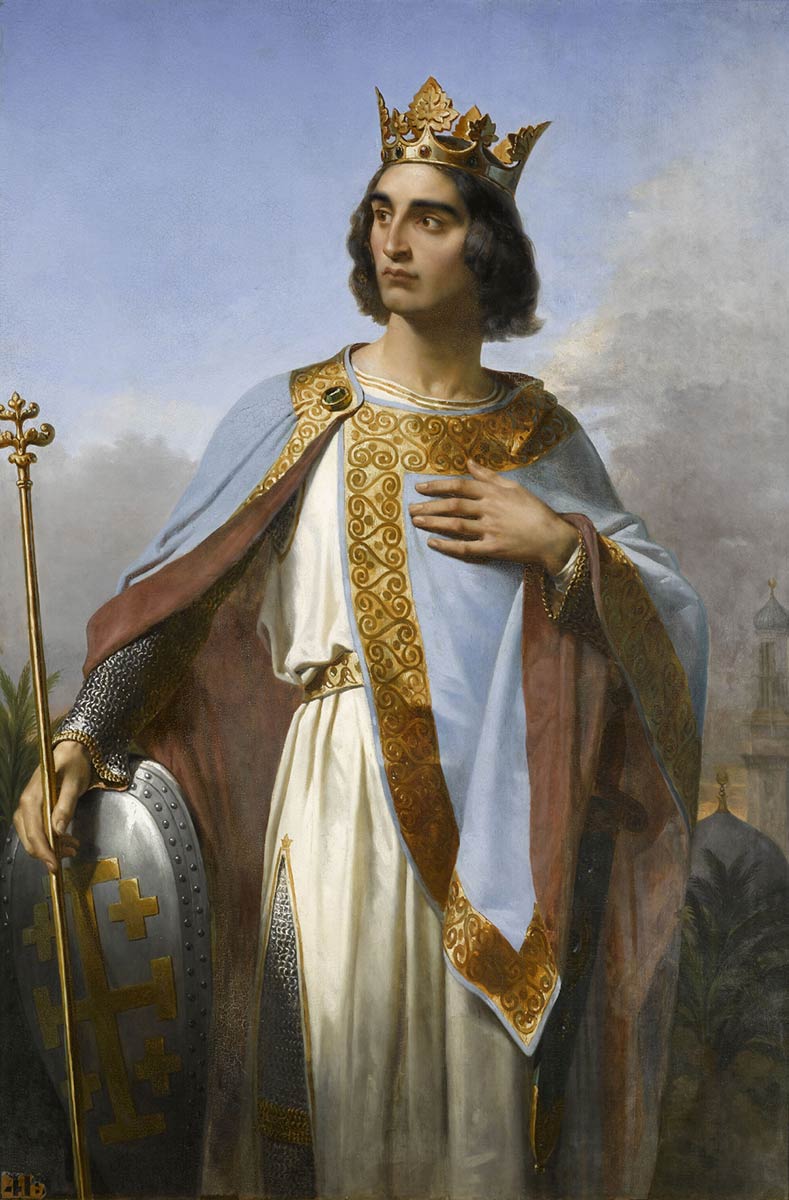
Baldwin had established connections with the local populace during his time at Tarsus. He had learned of the troubles of the Armenians in Edessa, who toiled under the rule of the Seljuk Turks. Baldwin left the main army once again for Edessa, where he was welcomed as a liberator. The local population rose up against their oppressors, and Baldwin was made Count of Edessa. The acquisition of this city gave the crusaders a stronghold in the north and strengthened their position as they laid siege to Antioch.
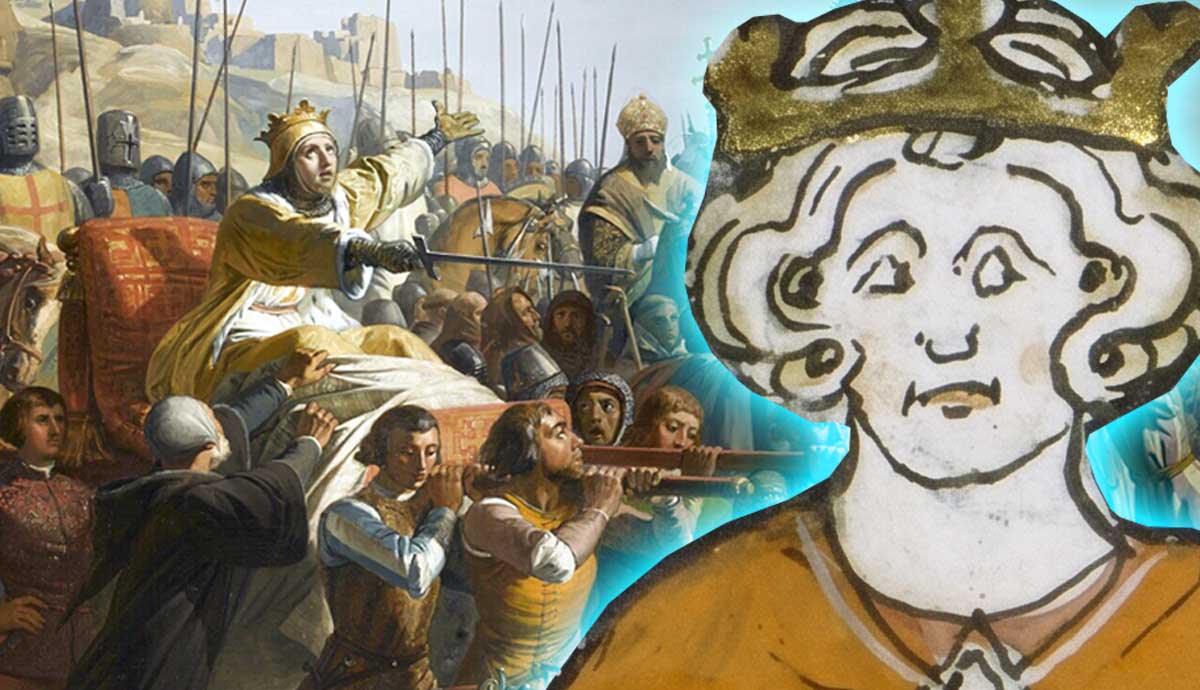
Baldwin remained Count of Edessa until July 1099, when he was called to Jerusalem to succeed his recently deceased brother, Godfrey, as ruler. Baldwin had no pious objections to royal titles and ruled as King Baldwin I until his death in 1118.
3. Raymond IV of Toulouse: The Pious Elder Statesman
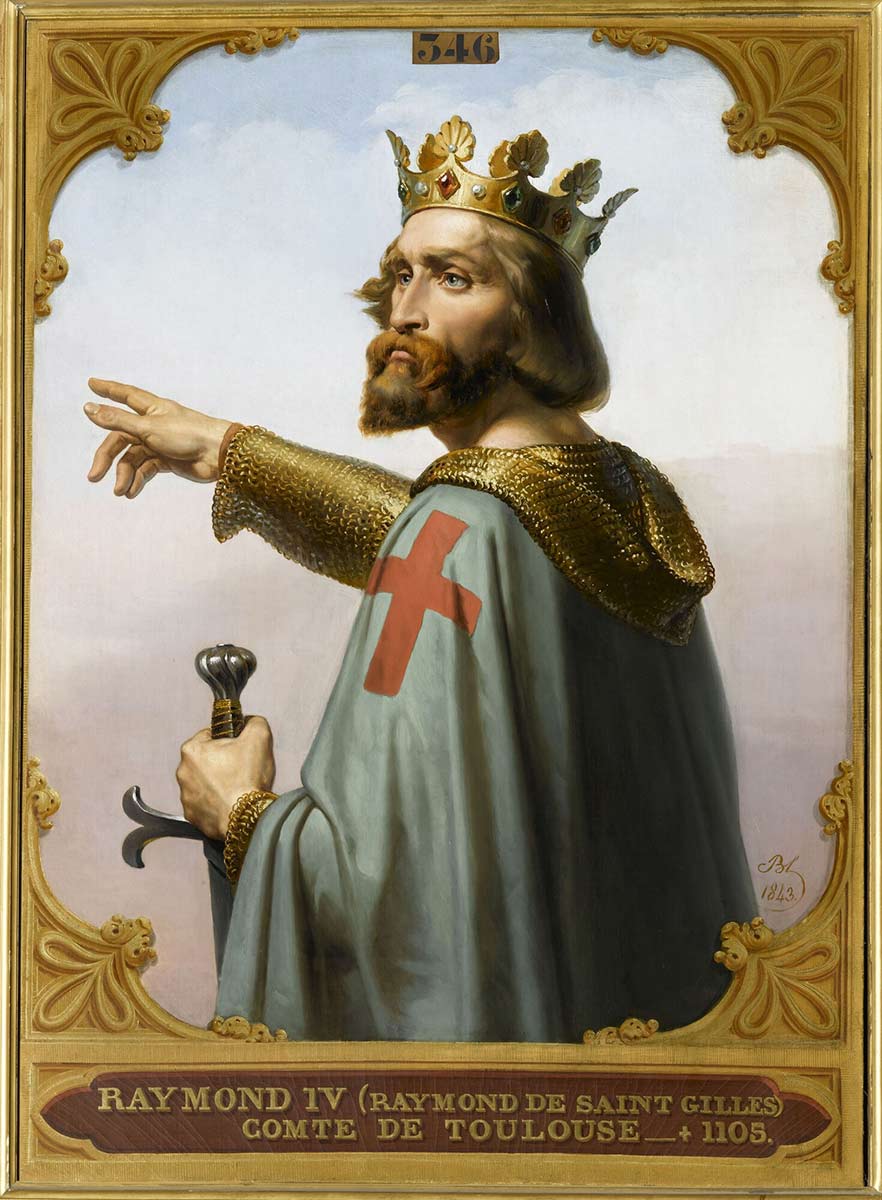
Despite his wealth and influence, Raymond IV of Toulouse ranks lower due to his divisive leadership and frequent conflicts with fellow crusaders.
Raymond was about 55 years of age when he joined the First Crusade. A deeply pious man, Raymond had previously expressed a desire to die in the Holy Land and was an enthusiastic supporter of Pope Urban’s proposed expedition. Indeed, Raymond may have even met with Urban prior to his call for the Crusade at the Council of Clermont and perhaps had a hand in the conception of the Crusade. One of the first to take the cross, Raymond was the richest of all the crusade leaders. This enabled him to travel with an incredibly large retinue, which included his wife, Elvira and the Papal Legate, Adhemar, Bishop of Le Puy.
When he reached Constantinople in spring 1097, Raymond refused to swear an oath of loyalty to the Byzantine Emperor Alexius Comnenus as the other leaders had done. Raymond took issue with the notion of swearing allegiance to the Emperor, which he considered to be contrary to his crusading vow, and was less interested in helping to return any former Byzantine lands to Byzantium. Instead, he was persuaded to swear an oath of friendship to the Byzantine Emperor and created an alliance against Bohemond of Taranto, an enemy of both Raymond and Alexius.
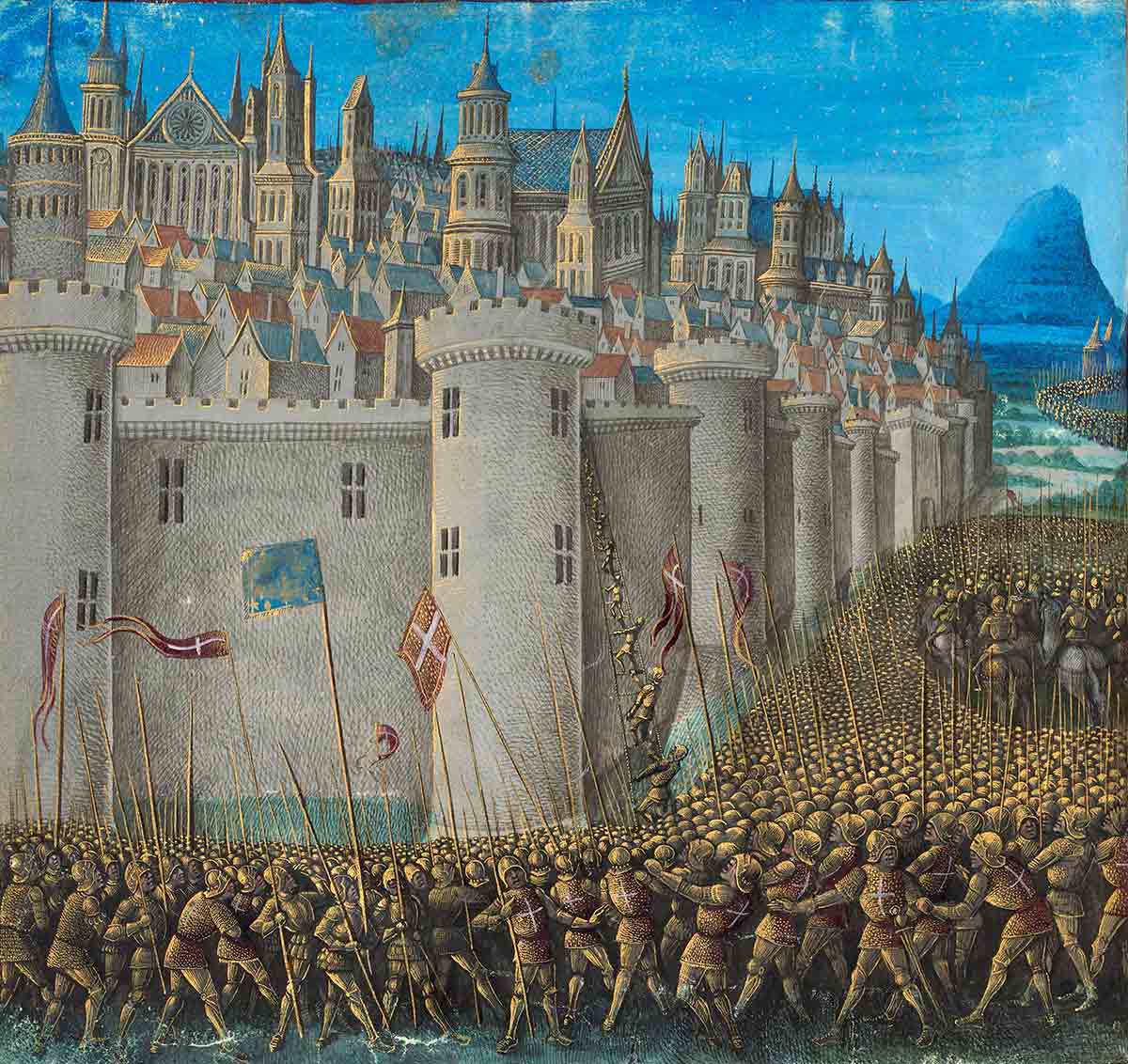
Raymond sent his army to Antioch in autumn 1097, believing the city had been abandoned by the Seljuk Turks. This thwarted the plans of his rival, Bohemond, who had designs on the city for himself. The city was not abandoned, and the siege would last for nine months until Bohemond found a way into the city. Raymond held parts of Antioch but initially refused to hand them over to Bohemond, reminding him of his oath to Alexius.
The quarrel between the two leaders continued over the legitimacy of the relic of the Holy Lance, which was discovered in Antioch by Peter Bartholomew. Raymond and his supporters declared the relic to be legitimate, whereas Bohemond openly doubted its authenticity.
Tasked with leading the Crusade from Antioch to Jerusalem, Raymond was still obsessed with his rivalry with Bohemond and attempted to take Tripoli. This distraction only hindered the main army, which eventually convinced him to move on to Jerusalem after achieving little in Tripoli.
Raymond was offered the crown of Jerusalem but declined the invitation, citing piety as the reason for his refusal. His rivalry with his fellow leaders continued after Godfrey took the title “Advocate of the Holy Sepulchre,” and his refusal to help Godfrey take the city of Ascalon following the Battle of Ascalon deprived the Crusader States of this city for another half a century.
Raymond did not return home as many other crusade leaders did in 1099 but remained in the Holy Land, where he died in 1105. Raymond’s actions both during the First Crusade and after the establishment of Jerusalem, whether for the overall good or not, helped to shape the course of events. While undoubtedly important, his inability to cooperate effectively limited his overall impact on the success of the expedition.
4. Bohemond of Taranto: Siege Breaker
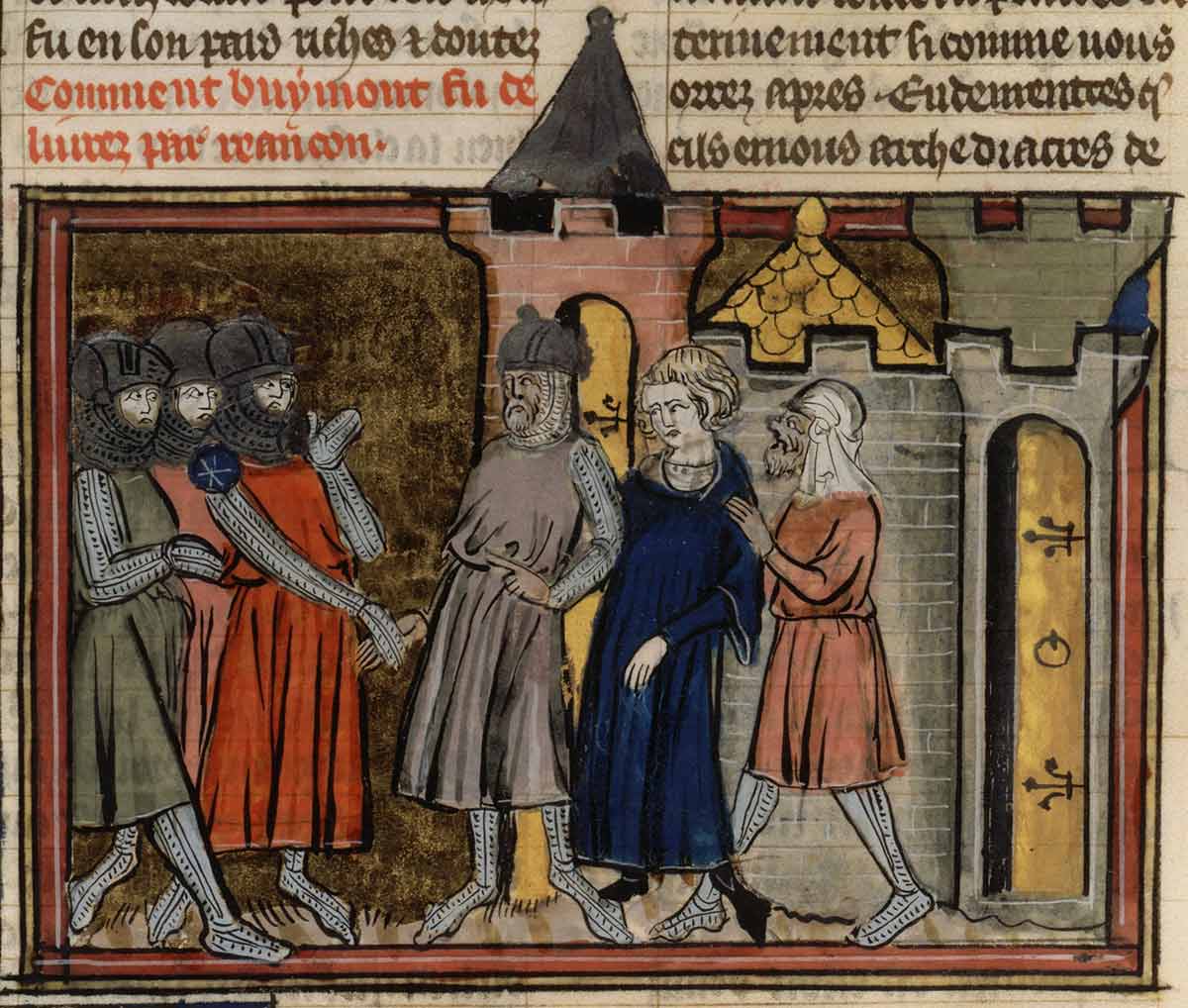
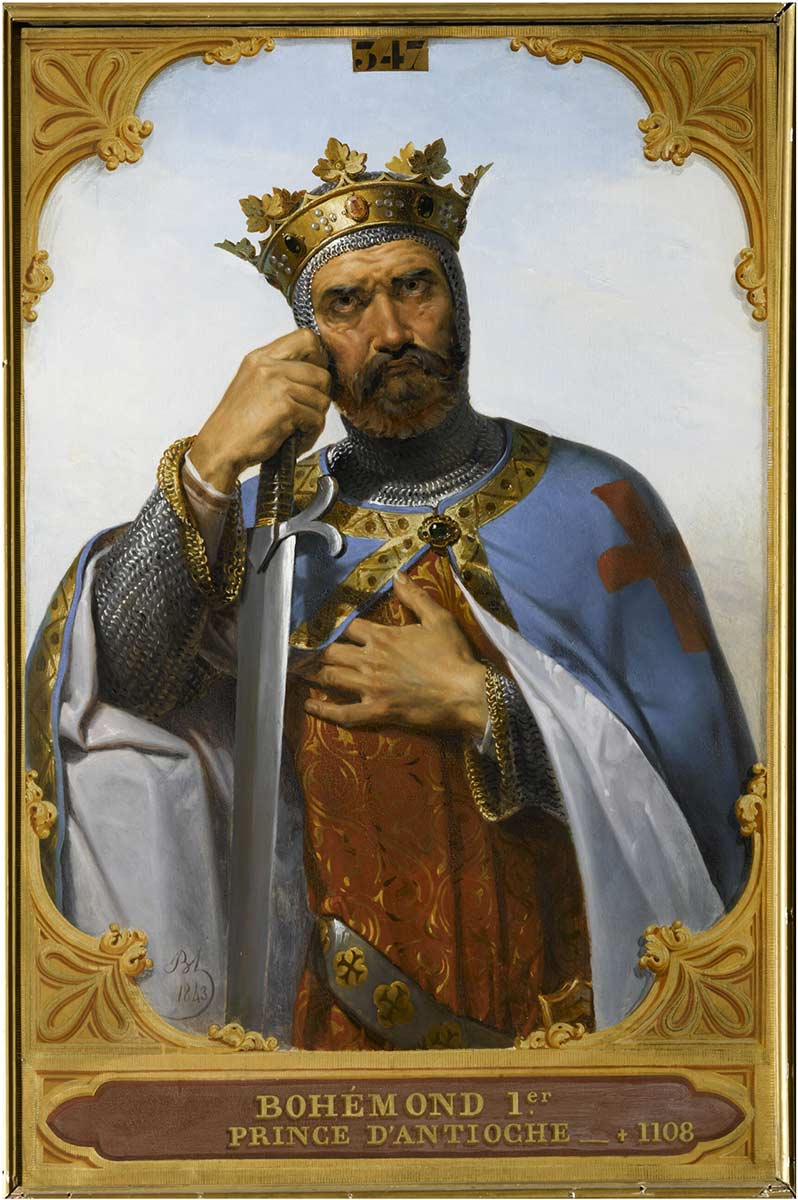
Bohemond of Taranto stands out as one of the most tactically gifted leaders of the First Crusade, particularly in his capture of Antioch. Yet his personal ambitions and conflict with Byzantium ultimately place him below those whose contributions were more unified.
Originally christened Mark, Bohemond grew to be an exceptionally tall man with broad shoulders and was consequently renamed Bohemond after a legendary giant. Bohemond was the son of the Norman warlord Robert Guiscard by his first wife. Bohemond was passed over in favor of younger half-siblings from Guiscard’s second wife, and although he was given Taranto in Southern Italy, he lost control of his lands to these half-siblings following his father’s death in 1085. This informed Bohemond’s decision to embark on the First Crusade.
The Byzantine Emperor, Alexius Comnenus, was suspicious of Bohemond; the pair were well acquainted, for Bohemond had participated in his father’s Southern Italian campaigns against the Emperor. Arriving at Constantinople with an assembled force of around 3,000 well-armed men, Alexius was alarmed. Moreover, unlike other contingents, Bohemond’s south Italian Norman force was well accustomed to fighting in the East. Bohemond had an additional advantage; he could speak Greek, and members of his force spoke Arabic. This gave him a distinct advantage regarding his communication with Alexius and the Byzantines and enabled him to build relationships with local powerbrokers in Asia Minor.
Once Bohemond had sworn an oath of fealty to Alexius, promising to return to him any former Byzantine lands which were taken on the First Crusade, he took the crossing into Asia Minor. The first objective was to seize Nicaea, and Bohemond was instrumental in the success of this siege. Thanks to his local knowledge and ability to communicate, he was able to arrange supplies for the Crusading army. His troops also played a key role in capturing the city.
The Crusaders reached Antioch in October 1097 and began a nine-month siege. The siege was eventually broken when Bohemond made contact with an Antiochene local named Firuz. Bohemond convinced Firuz to betray his people and allow the Crusaders into the city. He showed not only cunning but also exceptional bravery in the subsequent battle for the city. Once Antioch was in the crusaders’ hands, Bohemond claimed the city for himself, which brought him into conflict with fellow leaders, in particular Raymond of Toulouse. Bohemond refused to relinquish Antioch to Alexius as per his oath and established himself as Prince of Antioch.
Bohemond’s acquisition of Antioch enabled the Crusaders to establish secure supply lines as the rest of the army made its way towards Jerusalem. His conflict with Alexius regarding Antioch continued beyond the end of the First Crusade until his death in 1111, but Antioch would remain in the possession of the Latin Crusader States until 1268.
5. Tancred of Hauteville: Ambitious Crusading Warrior
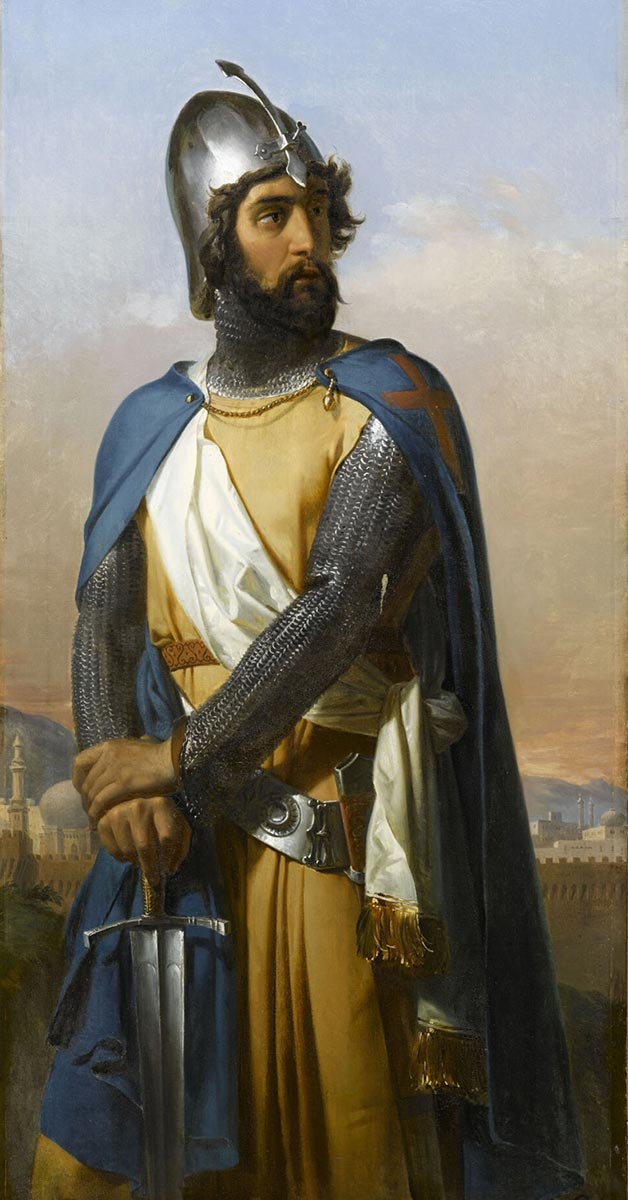
Often regarded as a secondary leader of the Crusade, Tancred of Hauteville was nevertheless an influential figure in shaping the course of the First Crusade and the Latin East. Tancred, though a capable and ambitious commander, ranks lower due to his secondary role and reliance on more senior leaders.
Tancred was probably only in his late teens when he accompanied his uncle, Bohemond of Taranto, on the First Crusade. He was the poorest and the youngest of all the crusade leaders and remained his uncle’s second-in-command throughout the expedition and beyond the First Crusade.
A penniless prince, Tancred distinguished himself on the First Crusade with his military prowess. Contemporary accounts note Tancred’s eagerness to engage in battle and his sometimes reckless behavior in his pursuit of glory.
When Bohemond remained in Antioch, Tancred was eager to make a name for himself under the walls of Jerusalem and joined the army under Godfrey of Bouillon and Raymond of Toulouse. Serving under these superior leaders, Tancred continuously distinguished himself in battle, thereby gaining a reputation for bravery and martial brilliance. Tancred’s financial dependence upon others is a probable explanation for his eagerness to place himself in danger to distinguish himself.
After the capture of Jerusalem, Tancred established himself as Prince of Galilee, and he acted as regent in Antioch for his uncle during his absence and then for Bohemond’s son during his minority. He died in Antioch in 1112, one year after his uncle.
These Five Men Redrew the Map
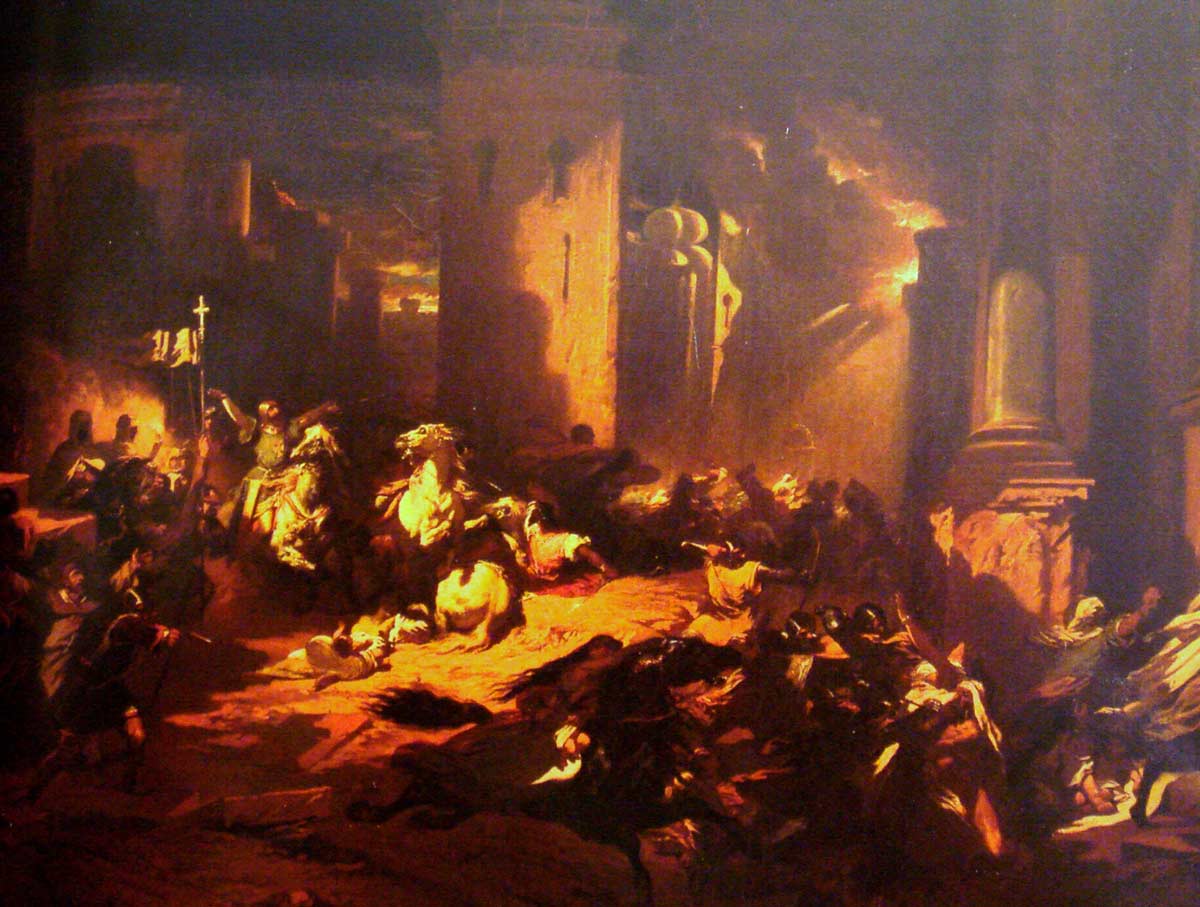
Without the tactical brilliance and martial strength of these five individuals, the First Crusade might have ended in failure. The capture of Jerusalem in July 1099 was considered to have been a miracle. It saw tens of thousands of men fighting on unfamiliar territory thousands of miles from home without a single commander. Successful leadership was imperative to make the expedition a success, and these five leaders brought their wealth of knowledge and military experience to the mission.
These leaders were fundamental in securing Jerusalem, but they also played a part, not always for good, in events following the First Crusade. Their actions and decisions shaped the Latin East, and their contributions extended beyond the First Crusade. While all five played crucial roles, their contributions were not equal, with Godfrey of Bouillon emerging as the most influential leader of the First Crusade. Godfrey’s reputation as one of the greatest medieval knights would only be enhanced over the centuries.