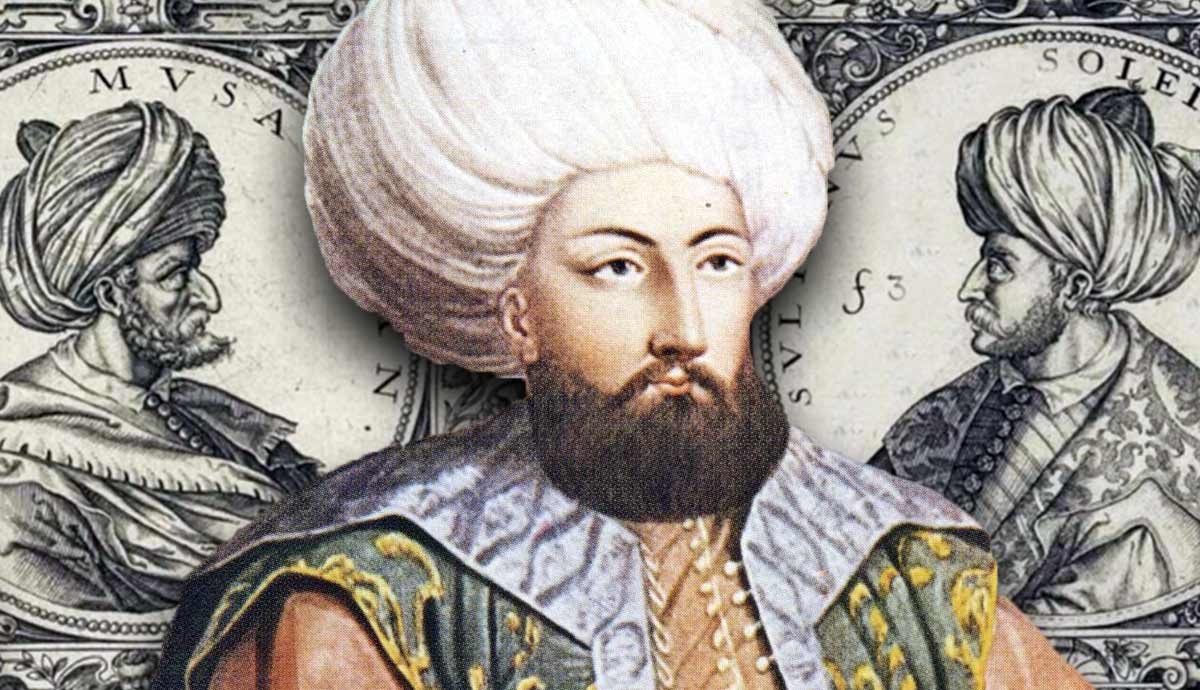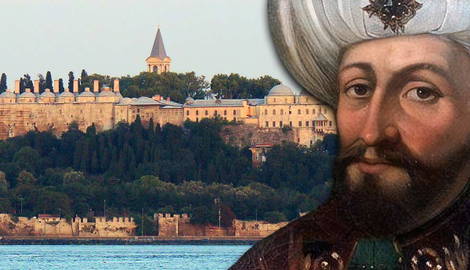

In January 1595, 19 ebony-robed coffins draped in velvet stretched in rows from the Imperial Gate of Topkapi Palace. The coffins, carried by palace servants and slaves, belonged to 19 brothers and were heading toward the mausoleums containing the remains of their father, Sultan Murad III, and other relatives.
Nothing in Ottoman history had ever looked as macabre. Their death was the result of a directive from their eldest brother, the new sultan, Mehmed III, who had intentionally made their execution his very first official act. The massacre had been carried out in accordance with the Law of Fratricide, a chilling political law that prioritized the security of the state over the lives of princes.
Why the Ottoman Empire Prioritized State Survival Over Royal Blood

A brief look into the history of succession laws can explain Mehmed III’s seemingly horrific actions. When an Ottoman Sultan died, his eldest son did not automatically inherit the throne. Instead, each and every living son of a sultan shared an equal claim to his father’s throne. As such, princes often engaged in violent struggles with their siblings over succession. An infamous example of what could happen when Ottoman princes went to war with each other was the Ottoman Interregnum. During this 11-year civil war between the sons of Sultan Bayezid I, the entire empire was thrown into chaos and was nearly torn apart.
To avoid more bloody conflicts, the Ottomans introduced royal fratricide into their culture. In the new system, if a new Sultan ascended to the throne, he would have his brothers killed to avoid any threats to his reign. Fully aware that rivals could one day use these living male siblings as figureheads for a rebellion against him, Mehmed III acted quickly when his father, Sultan Murad III, died on January 15, 1595. He left his provincial governorship in Manisa and traveled to the Ottoman capital of Istanbul to ascend the throne. On becoming Sultan, he proceeded to have his 19 younger brothers killed.
Safiye Sultan and the Harem Politics Behind the Mass Execution
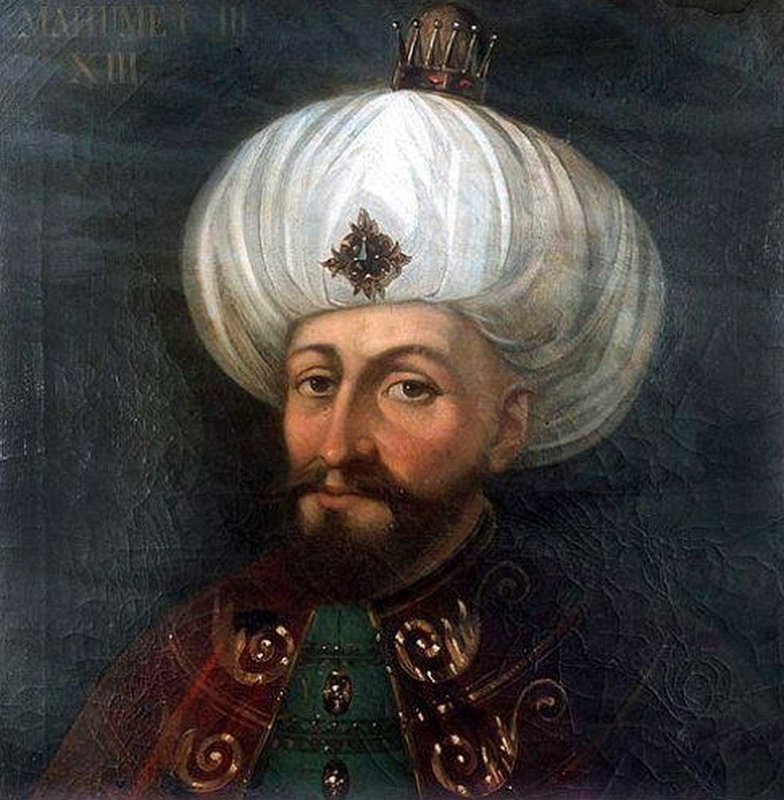
Additionally, the political environment of 1595 was strongly affected by what is often referred to as the Sultanate of Women. During this period, the mothers and concubines of Sultans wielded political power from behind the scenes. Safiye Sultan, Mehmed III’s mother, was, for example, a major force in the ongoing political schemes of the palace. This was complicated by another aspect: all 19 brothers were born to different concubines within the confines of the imperial harem. Naturally, each mother wanted her son to become Sultan to preserve her position and influence. Through the executions, Mehmed III’s mother, who also influenced his decision, consolidated her power within the palace. And so, it is believed that she had a hand in the executions.
The Silk Bowstring Ritual That Shook the Imperial Capital
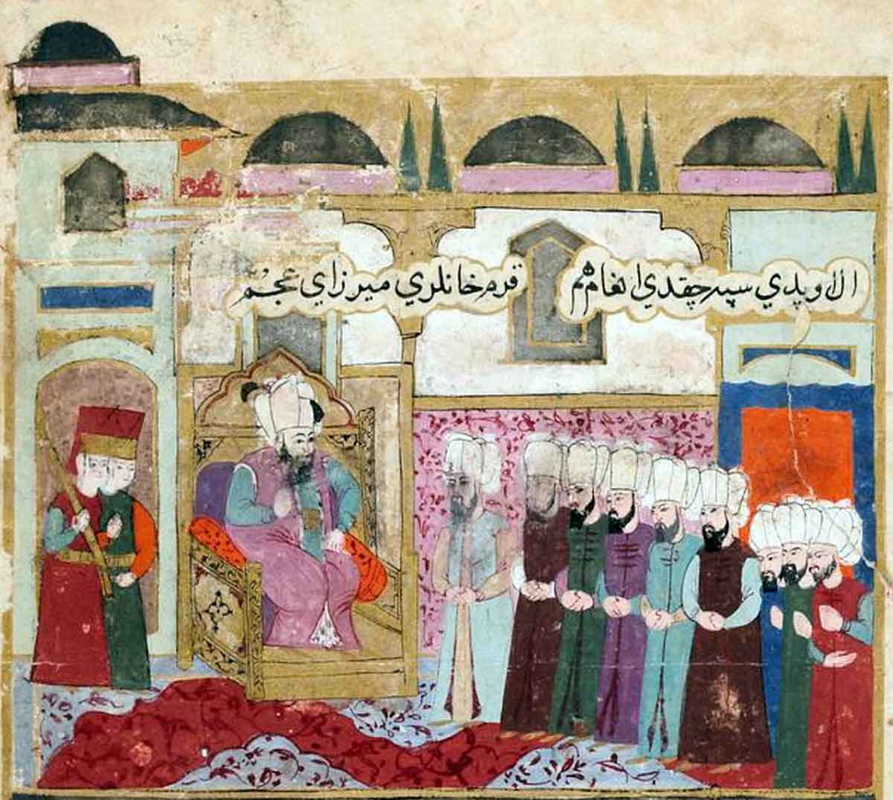
Mehmed III’s young brothers were executed using traditional methods. They were garroted with a silk bowstring because spilling royal blood was forbidden in Ottoman tradition. Chroniclers wrote that Istanbulites watched in distress at the sight of so many coffins, and soon, the act would mark the end of legal mass fratricide in the pursuit of state survival.
Although Mehmed III secured the stability he was looking for, the executions deeply wounded the Ottoman psyche. The 1595 bloodshed, in particular, altered the foundational beliefs of Ottoman governance, and a growing wave of public dissent, combined with the ethical qualms of the elite, led to the gradual erosion of this deeply ingrained law.
And so, when Mehmed III died in 1603 at the age of 37, his 13-year-old son, Ahmed I, who had inherited the throne, declined to kill his brother Mustafa. The horror of the coffins had stuck too heavily in Ahmed’s mind, and so he changed the traditions of the Ottoman dynasty.
How Ahmed I Ended Mass Fratricide and Built the Imperial Cage

Rather than executing royal kin, he created a system of confining them within the palace walls, a system known as the Kafes, or Cage. Under this system, confined princes were not permitted to venture beyond the palace walls. Despite the psychological toll on many sultans, the practice halted the large-scale dynastic killings initiated by Mehmed III.
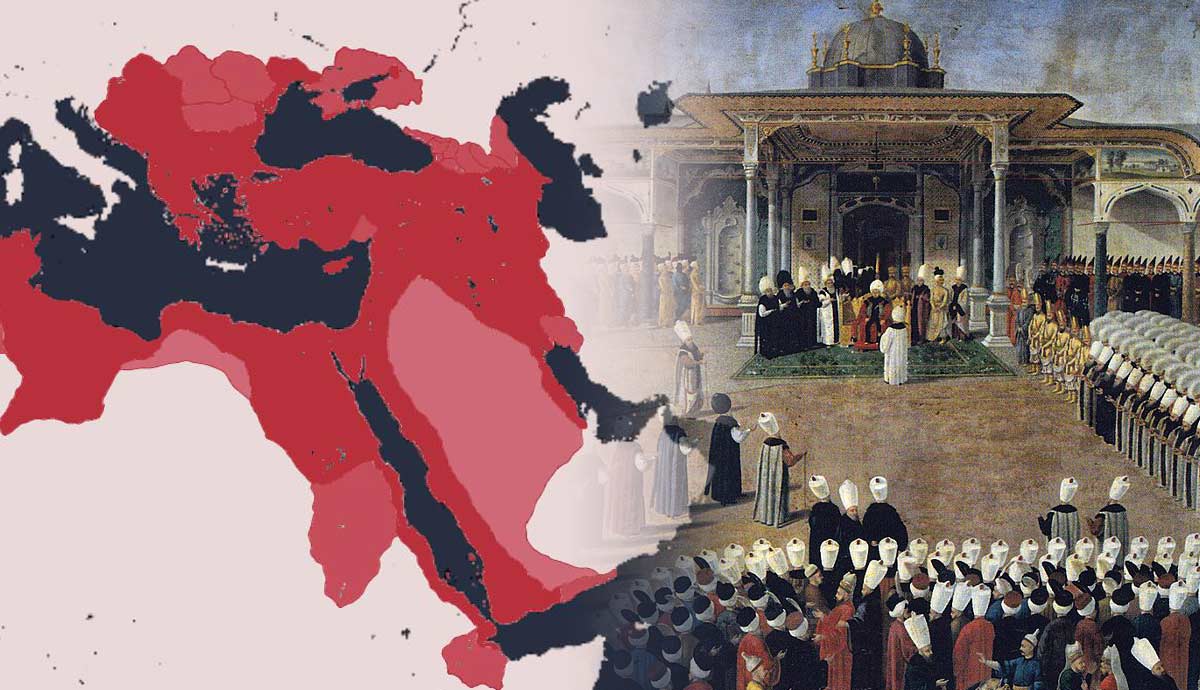
By modern standards, Mehmed III’s actions seem barbaric, but based on 16th-century Ottoman rules, they were seen as a measure for self-preservation. At the time, the Ottoman Empire stretched across three continents, and any fracture in central power risked the loss of whole provinces. Consequently, the action was seen as a duty to prevent Fitna, or civil strife, which had plagued previous Islamic empires.