
Wartime transportation has always existed, as war consumes supplies as well as lives. However, transportation expanded during the Great War using rail and trucks. Front-line troops quickly received supplies distributed by truck from railheads. Arguably, the heaviest continual fighting took place in Europe at moderate distances.
Transportation in World War II matured, able to supply everything needed on a truly global scale. The Allies tackled this Herculean task, having the necessary resources. The Axis and Allies both used new technology and older methods. American general Omar Bradley once said, “Amateurs talk tactics, but professionals study logistics.” A side can possess all that’s needed. But getting what’s required where needed is an entirely different matter.
How Planes, Ships, and Trucks Resupplied Global Fronts
Transport in World War II used two methods from the Great War: naval convoys and rail. Two newer modes emerged during the interwar years: trucks and planes. These two would add scalability and flexibility when used correctly, especially when combined with the older methods.
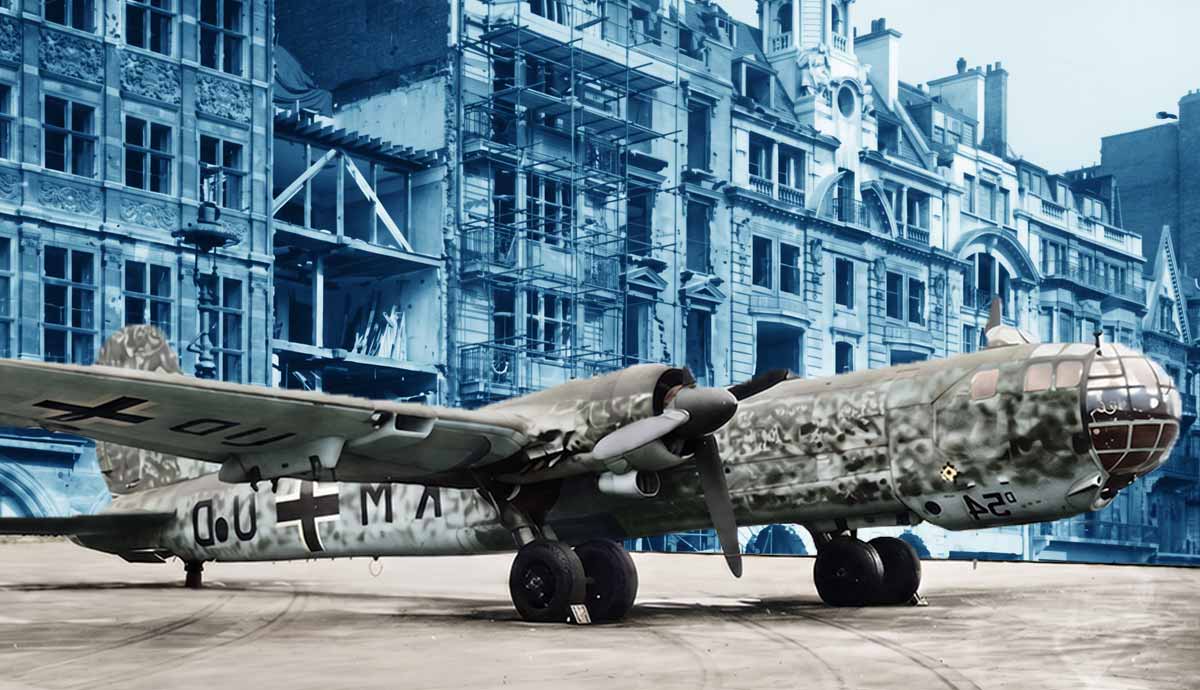
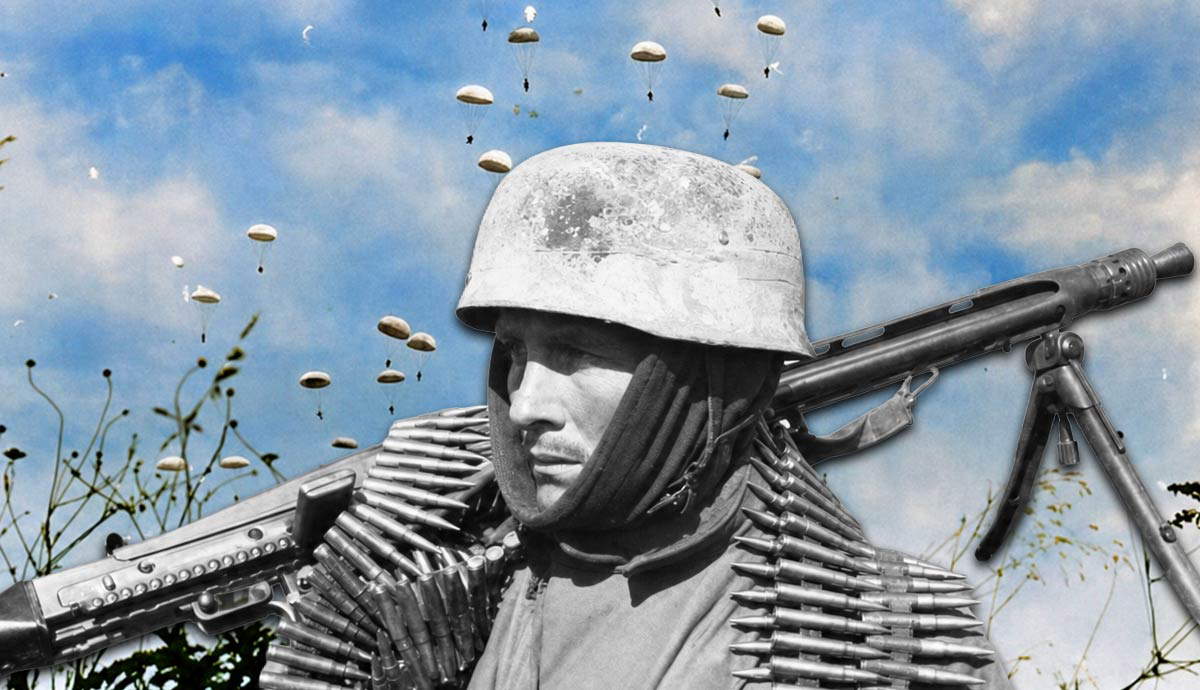
Transport planes enabled troops to be flown, dropped, and resupplied. During the Wehrmacht’s invasion of the West, German paratroopers captured Belgium’s Fort Ében-Émael. Towing gliders, Luftwaffe Junkers transports deftly deposited them atop the fortress, considered to be the world’s strongest. The fortification fell within hours.
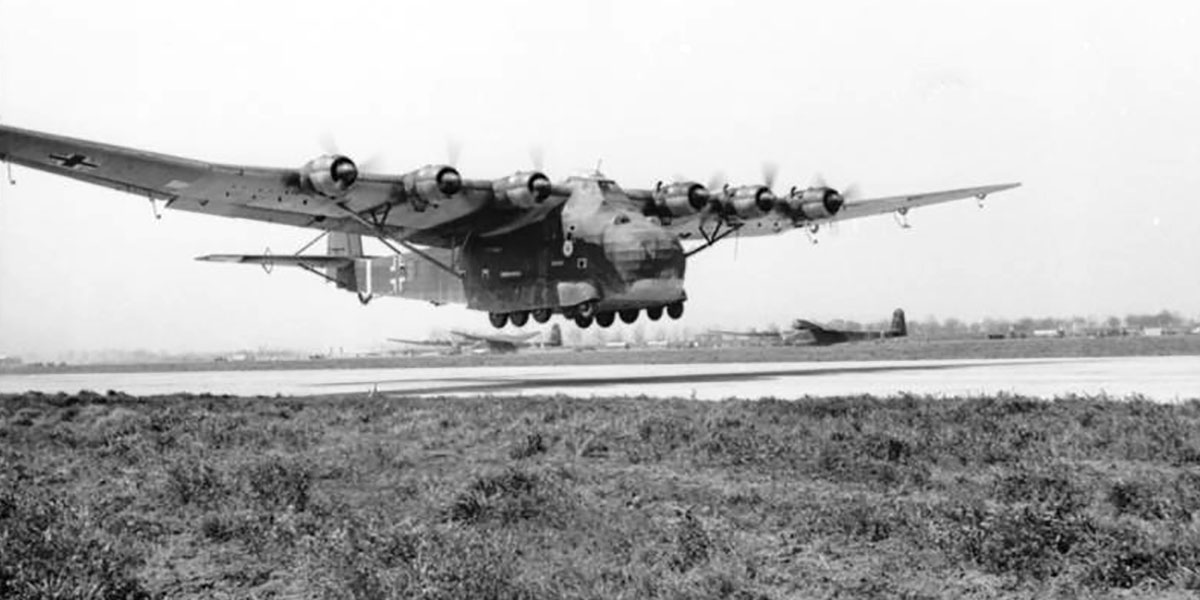
As the war continued, larger planes like the Me 323 Gigant (Giant) emerged, capable of carrying tanks, trucks, supplies, and men. Other instances include the Hump, the Allied aerial supply run over the Himalayas from 1942-1945. This involved 600-plus planes that flew in over 680,000 tons of supplies and kept China in the war.
Over oceans, the tried-and-true naval convoy system became transportation’s secret sauce. They enabled the Allies, particularly the United States, to supply the war effort. Convoys faced formidable obstacles.
How Effective Were Allied Convoys and Division Supply Lines?
By late 1942, convoys had supplied the British 8th Army in Egypt and landed 100,000 American troops in North Africa during Operation Torch. The naval force here numbered 350 warships and 500 merchant ships. Caught in this Allied vice, the Axis troops gradually collapsed, with a final surrender occurring in Tunis on May 13, 1943.
Simultaneously, naval transportation kept US troops going for the Pacific Island-hopping campaign. The convoys did the job from 1942’s Guadalcanal invasion to 1945’s Okinawa landings. That meant 28 US Army and Marine divisions fought without interruption.
Motorized transportation played its part, too. Used for hauling supplies or soldiers, trucks kept armies on the move. Allied divisions possessed hundreds of vehicles, whereas the Axis relied more on horses and rail. A US Army infantry division averaged 2,000 or more trucks. An armored division contained even more. Germany’s reliance on rail prepared them efficiently for 1941’s Operation Barbarossa, history’s biggest invasion.
Where Did WWII Supply Chains Face Treacherous Terrain and Enemy Fire?
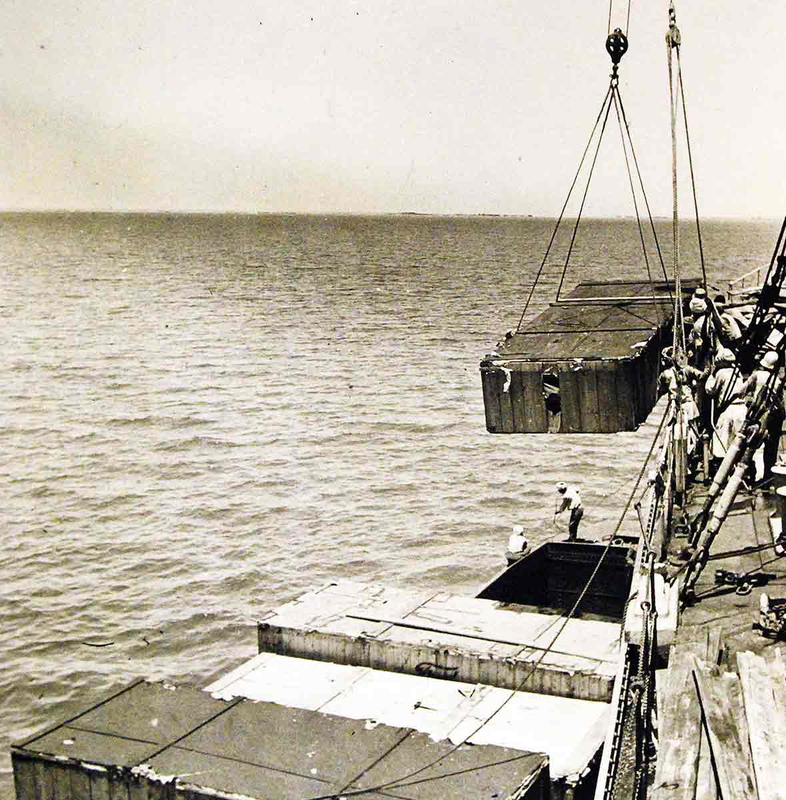
World War II operations occurred under vastly different conditions that challenged even the most organized engineers. Not all transportation worked the same way; for example, trucks were needed in the mountains.
Mountains, plains, lack of infrastructure, and enemy action never ceased. At first, the Persian Corridor, created in August 1941 to aid the Soviet Union with Lend-Lease supplies, seemed like a nightmare. Iran had only antiquated rail lines and few roads across mountains or deserts. After the Allied arrival, engineers quickly built modern tracks and improved the roads.
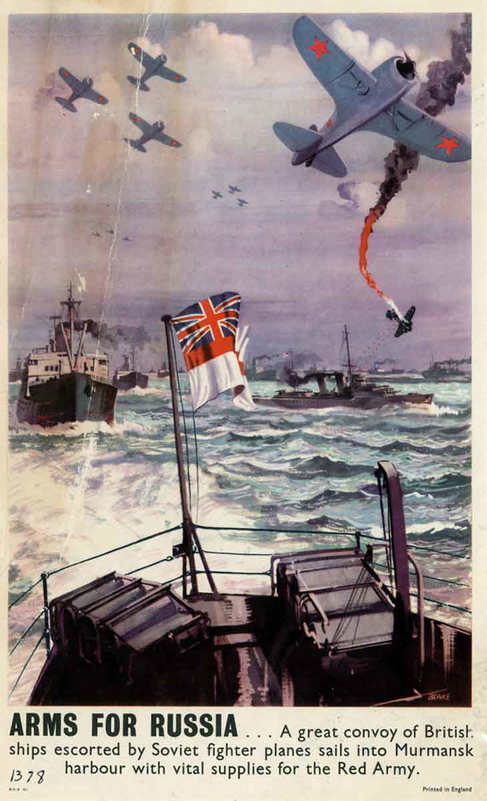
By mid-1942, the Persian Corridor operated smoothly, far from Axis interference. Only weather and terrain still challenged the flow. Both sides fiercely clashed thousands of miles away in the North Atlantic. The Allies knew that Atlantic convoys offered the quickest route to the northern Soviet port of Murmansk. As a year-round ice-free port, Murmansk’s railroads connected to vital distribution points. But the Germans fought bitterly to destroy Allied convoys carrying crucial supplies, especially early in the conflict.
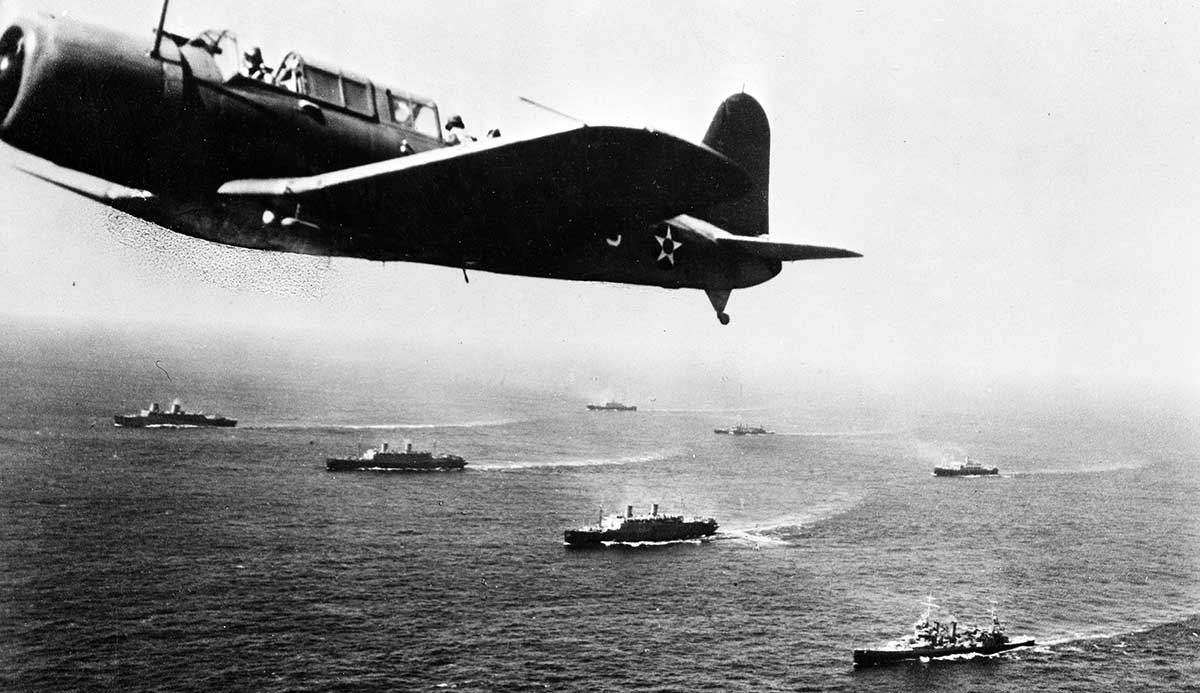
The German Luftwaffe and Kriegsmarine relentlessly hammered these convoys, occasionally winning. For Convoy PQ17, 23 out of 34 ships went down between June 27 and July 4, 1942. The Germans sank 85 merchant ships and 16 warships in their efforts. Yet despite repeated attempts from occupied Norway, the Allies delivered four million tons by 1945. The Murmansk convoys kept Russia fighting, plugging gaps left open by the German occupation of the Soviet industrial base.
So, with just a few samples out of hundreds, transportation’s role in successful World War II operations is demonstrated. Logistics didn’t make headlines, but its contribution to winning the war was vital.