
To the modern eye, a Celtic knot or a spiraling triskelion is a beautiful pattern. But to an ancient Celtic druid, it was a map of the human soul. The ancient Celts encoded the world around them with symbols, etched into stone, bronze, and gold. More than decorative motifs, every loop of a knot and every turn of a spiral was a deliberate statement about the nature of existence within the Celtic worldview. Join us in decoding seven ancient Celtic symbols and what they reveal about Celtic culture and ideology.
1. The Tree of Life and the Bridge Between Worlds
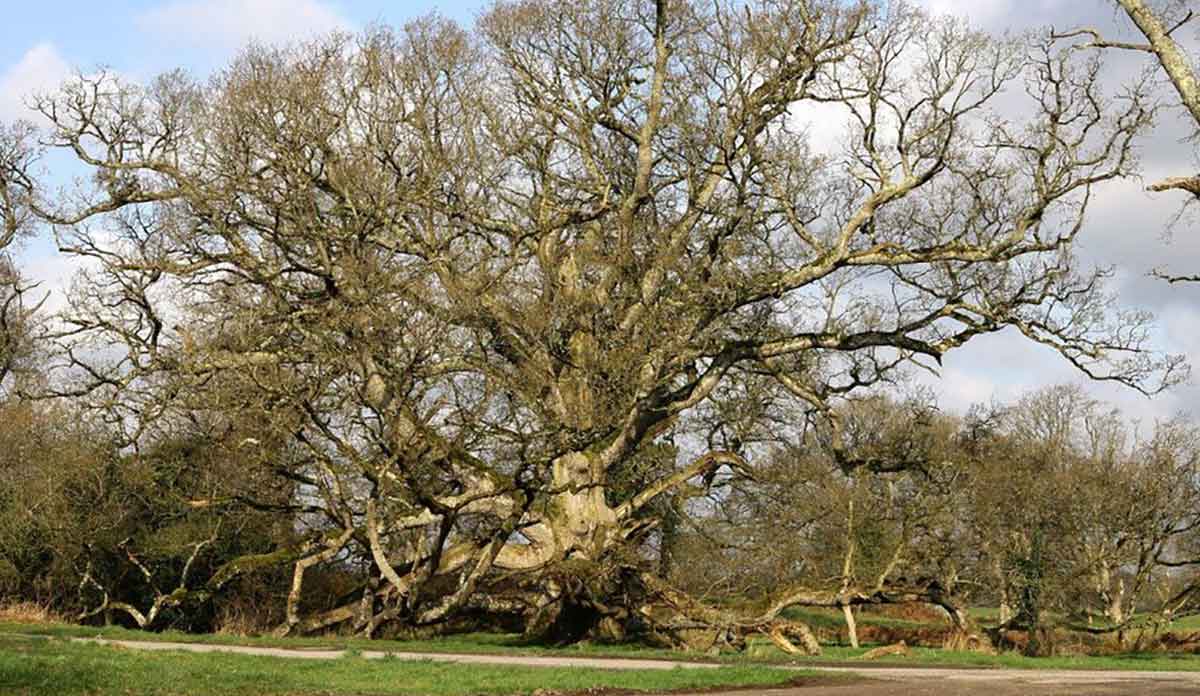
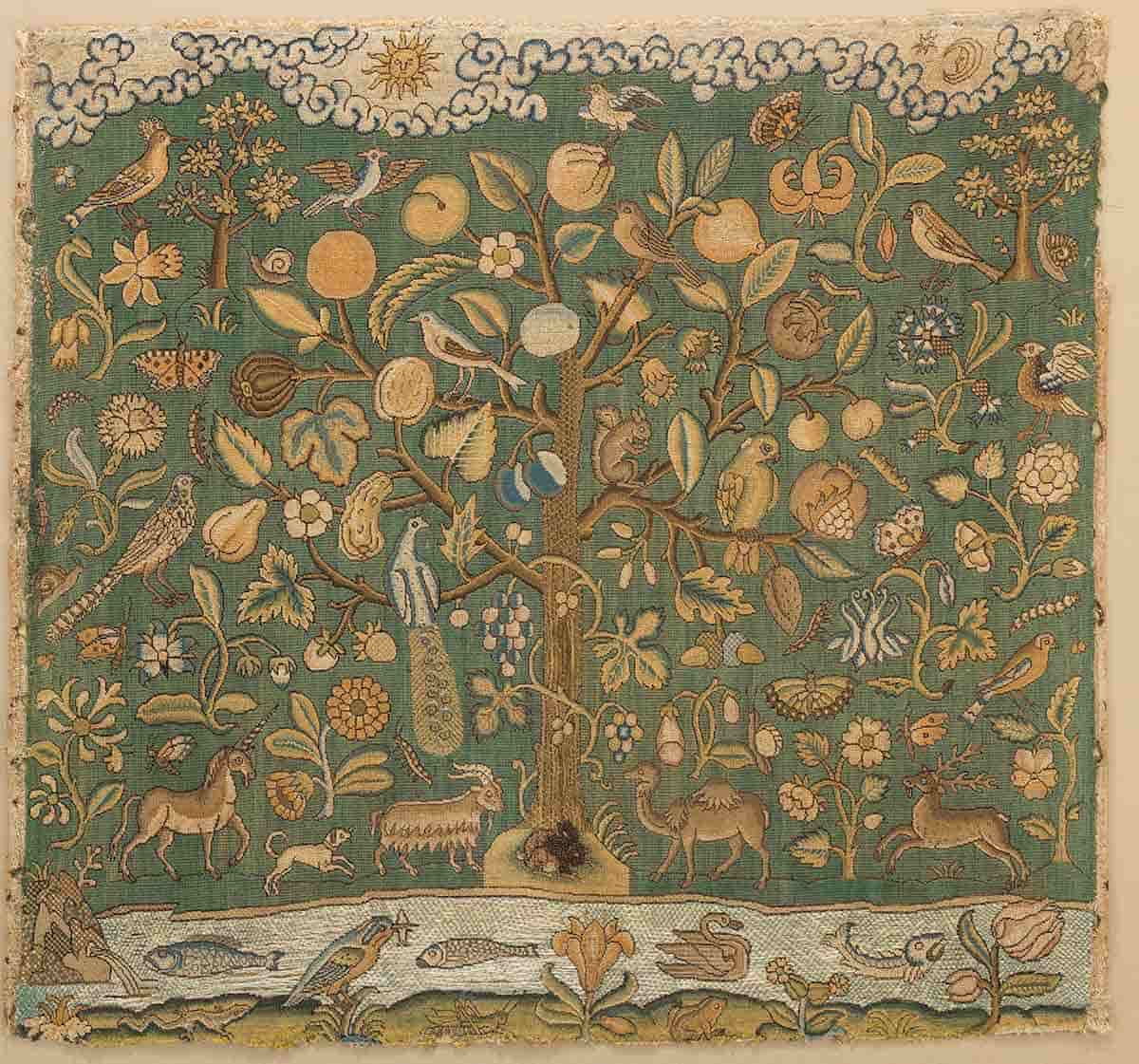
Known as the Crann Bethadh, the Tree of Life was integral to Celtic iconography. In Celtic cosmology, the Tree of Life was a unifying symbol that embodied the backbone of the cosmos. Its branches reach up into the sky and the realm of the gods, and its roots dig deep into the underworld realm of the ancestors and the supernatural, connecting all.
Trees were seen as sacred for their medicinal properties, and were woven into mythological stories. Different types of trees often had individual associations within folklore. The oak tree was the most sacred. Druids took their name from the oak tree (duir), and were called “oak knowers.” The oak may have been singled out because they are more likely than other trees to be struck by lightning, or because they host mistletoe vines, also considered sacred.
Communities planted an oak tree, called a bíle, at their center as a focal point for governance and identity. Warfare practices included felling an enemy’s sacred tree to undermine their spiritual power. In AD 982, Malachy II, the High King of Ireland, deliberately destroyed the sacred tree of the O’Brien clan at Magh Adhair in County Clare, uprooting it and hacking it to pieces.
A lone tree found in a clearing was considered a fairy tree where the veil between the living and supernatural was especially thin, so it could act as a gateway between worlds. Felling such a tree was taboo.
2. The Dara Knot and the Strength of the Oak
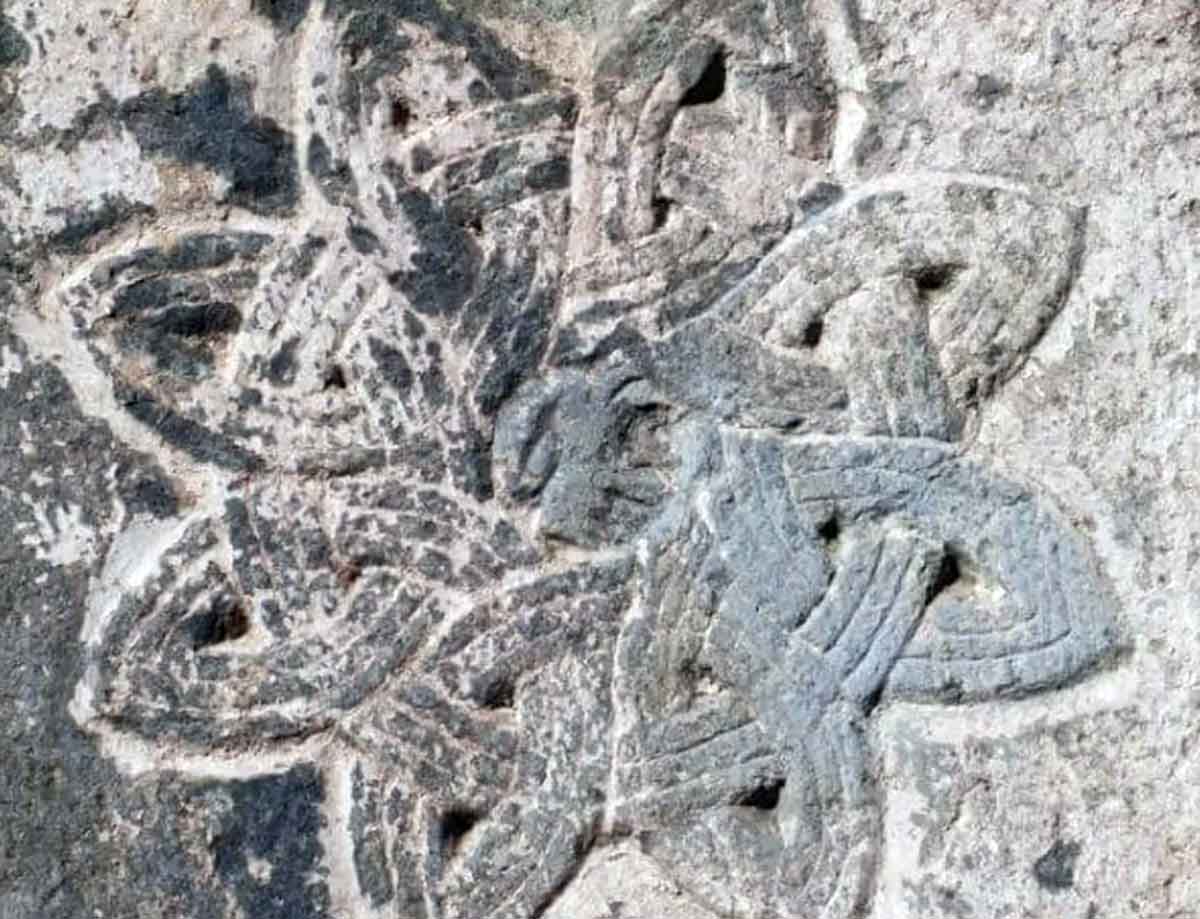
The Tree of Life was not the only Celtic symbol inspired by the oak tree. The Dara Knot, or oak (duir) knot, is an artistic interpretation of the extensive root system of an oak tree.
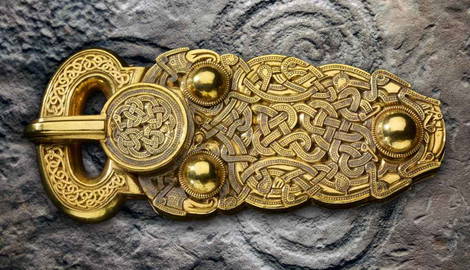
Various versions of the Dara Knot have been found inscribed in stone and on paper in post-Roman Britain and Ireland as part of what is called the “Insular Art Style” or “Hiberno-Saxon Art.” At its core, this art style incorporated earlier Celtic iconography with Anglo-Saxon, Germanic, Mediterranean, and Christian influences. It is famously exemplified by the pieces found in the Sutton Hoo ship burial in England.
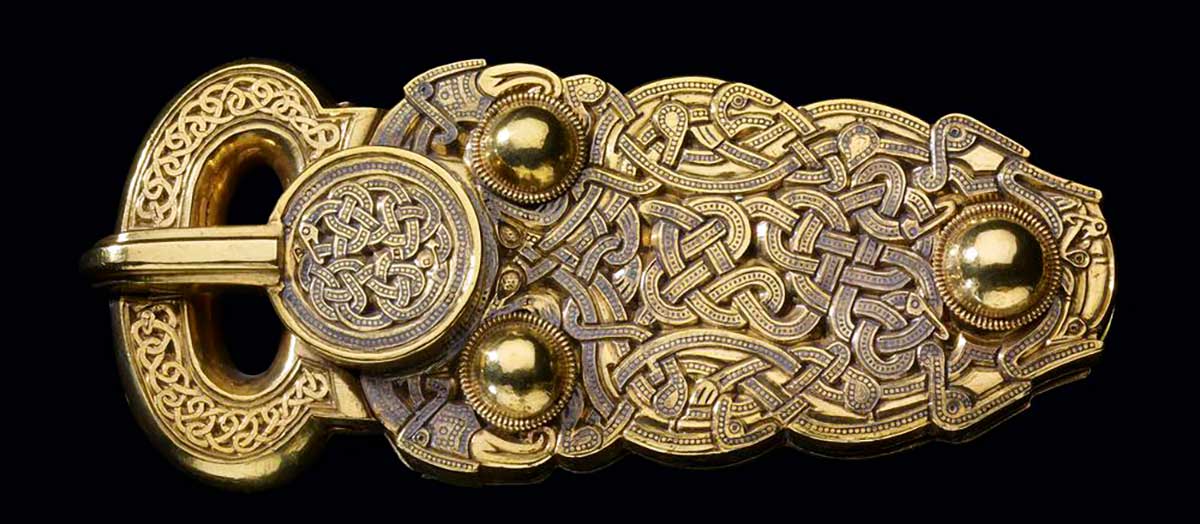
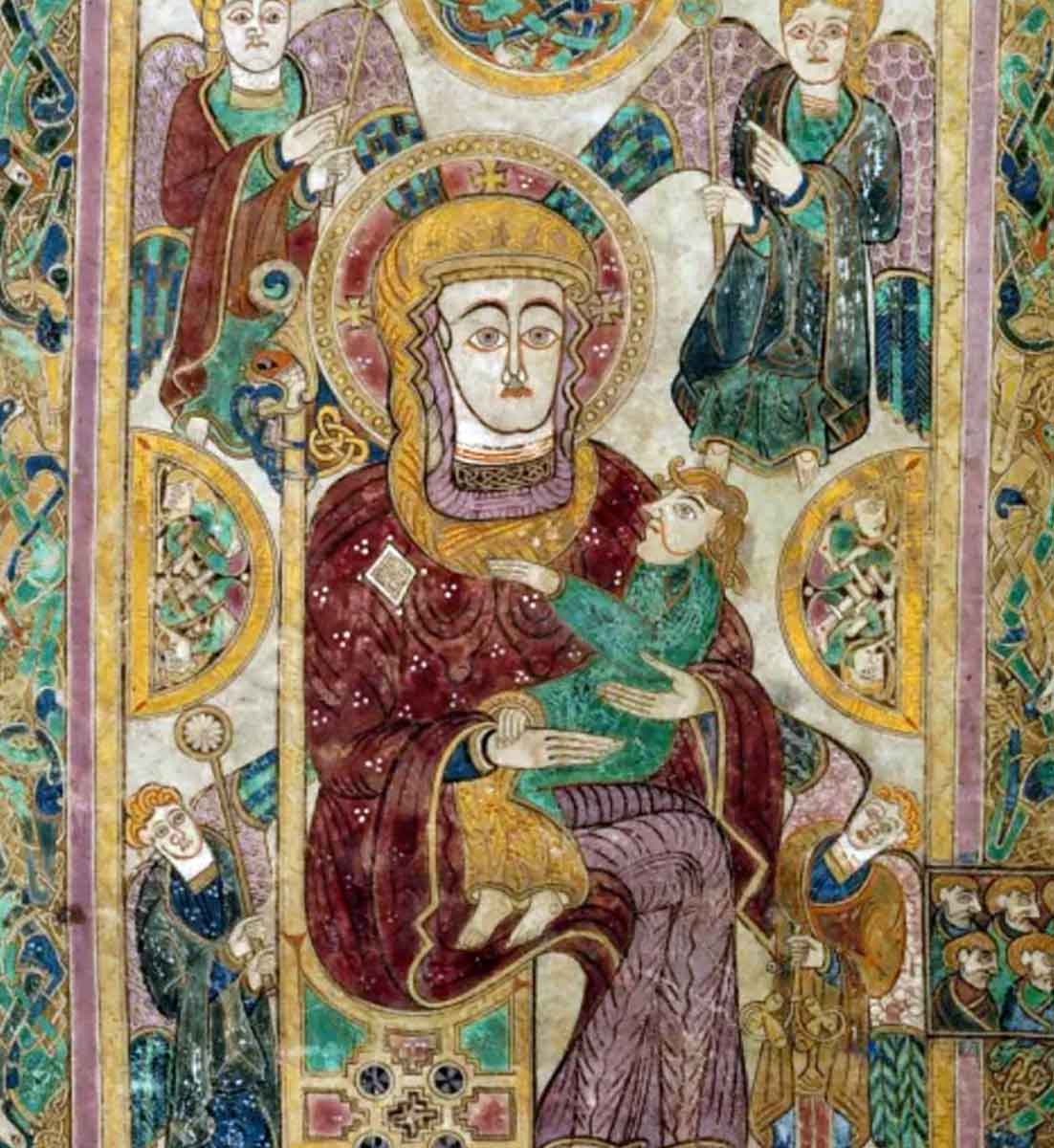
Manuscripts were often illuminated with decorative Celtic knotwork. But the ancient Dara Knot had no concrete design. It is a variety of designs with interwoven lines that twist around themselves in an infinite pattern with no clear beginning or end. This represented the interconnectedness of all things.
3. The Shield Knot and the Mathematics of Spiritual Protection
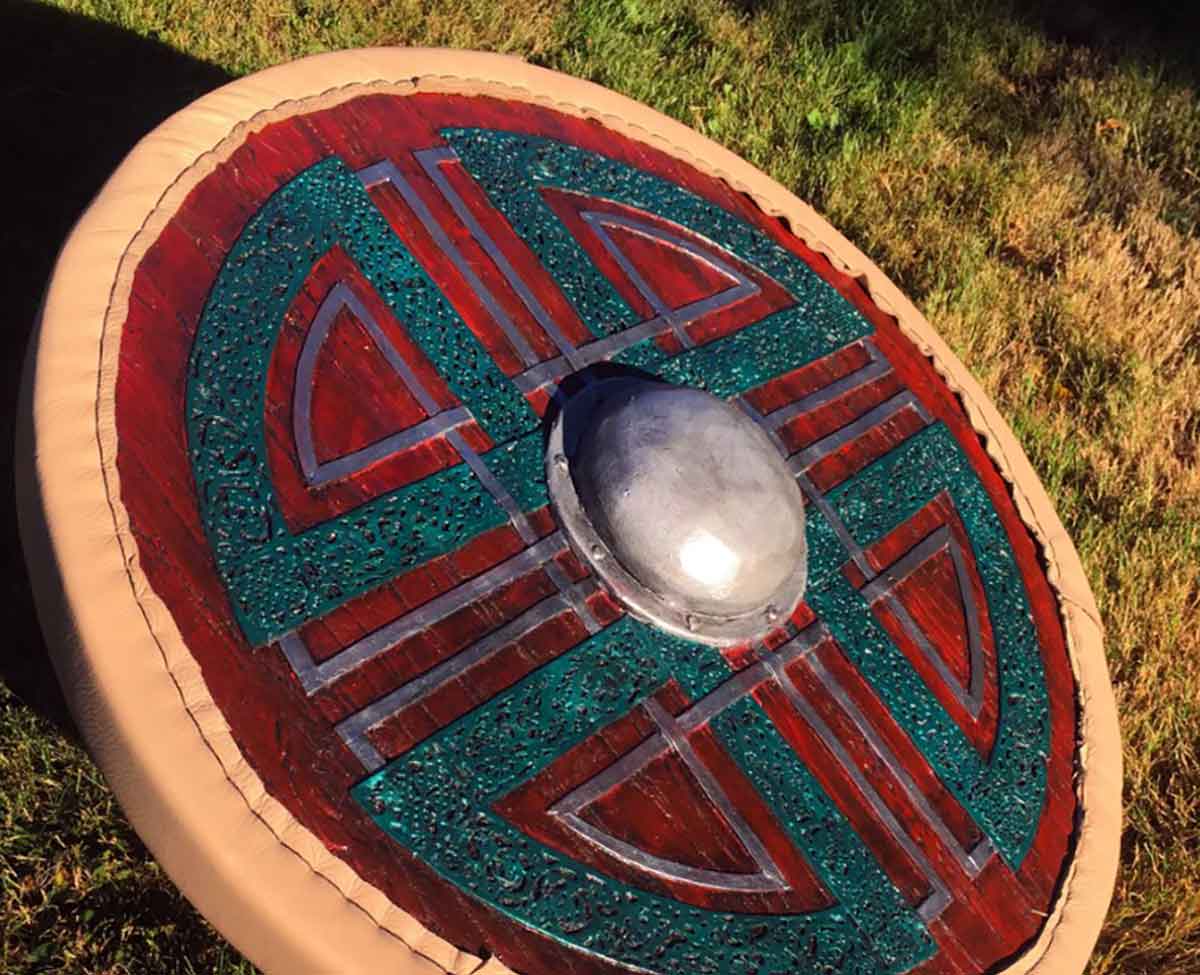
Celtic knotwork was believed to act as a sacred shield. The fact that knots had no beginning or end helped create an unbreakable spiritual barrier. Consequently, it was common for knotwork to appear on shields, radiating out from the central iron boss, and on other types of armor. For example, archaeologists have found the symbol on sword scabbards, perhaps to protect the valuable weapon from breaking.
Shields and armor often used a four-cornered knot, which can be traced back to ancient times, but took on a specifically Celtic design between AD 600-800. It was named a Shield Knot during the Celtic Revival. It stands out from other Celtic knotwork because it usually has a square at its center, giving it a more structured geometric appearance.
The Shield Knot was also used off the battlefield, for example on lintels above doors to protect the space from anyone entering with ill intentions. It also commonly appears on the High Crosses found across Ireland, probably to protect the church and their flock.
4. The Triskele and the Eternal Motion of the Three Realms
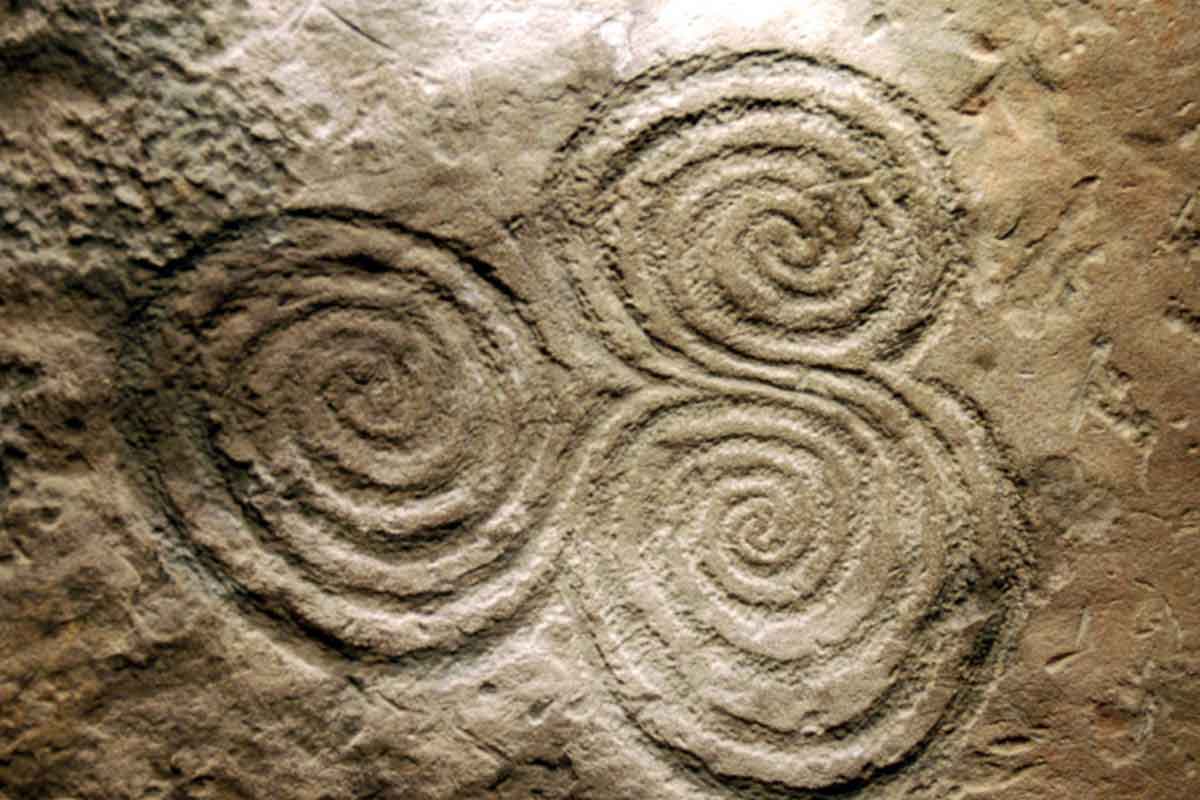
The triskele, or triskelion, is a triple spiral symbol that can be traced as far back to the Neolithic period at sites such as Newgrange in County Meath, long before the Celts were established in Ireland. The symbol with three interlocking spirals stemming from a central point became an important symbol in Celtic art.
The motif symbolizes the ancient belief that all life changes in cycles. It also links with the number three, considered sacred by the Celts. There were three fundamental forces (sky, earth, and sea), three aspects of time (past, present, and future), and the three aspects of man (mind, body, and soul). The number three appears repeatedly in the Celtic world.
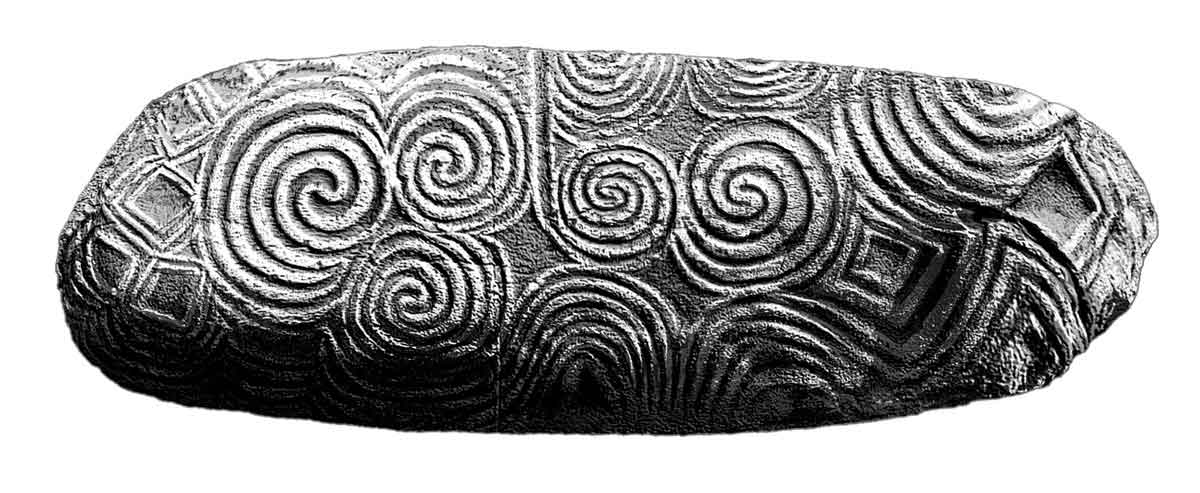
The Triskele’s continuous motion is suggestive of the dynamic balance between the essential elements of the cosmos, which almost always exist in threes.
5. The Triquetra and the Versatility of Three
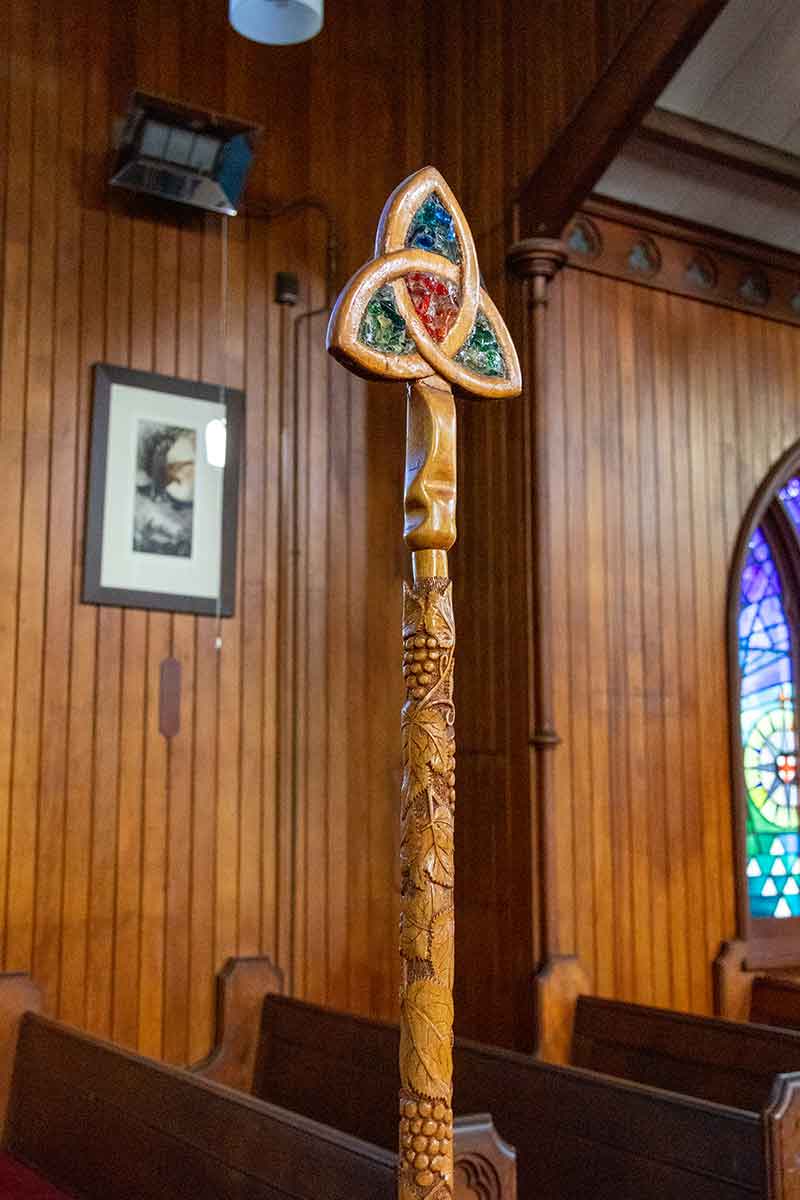
The Triquetra is also a common Celtic symbol that reflects the importance of the number three. It is a form of knotwork, as a single, unending line is used to create a highly structured, interwoven knot assembled from three proportionate loops that reflect the cycle of life, death, and rebirth, and unity, harmony, and eternal interconnectedness.
The origins of the symbol are unknown, and the Triquetra is found across Europe, India, and beyond. From the 7th century AD onward, the Triquetra appears frequently in illuminated manuscripts such as the Book of Kells, as do many geometric Celtic patterns, as well as on metalwork, stone carvings, and the Anglo‑Saxon frithstools.
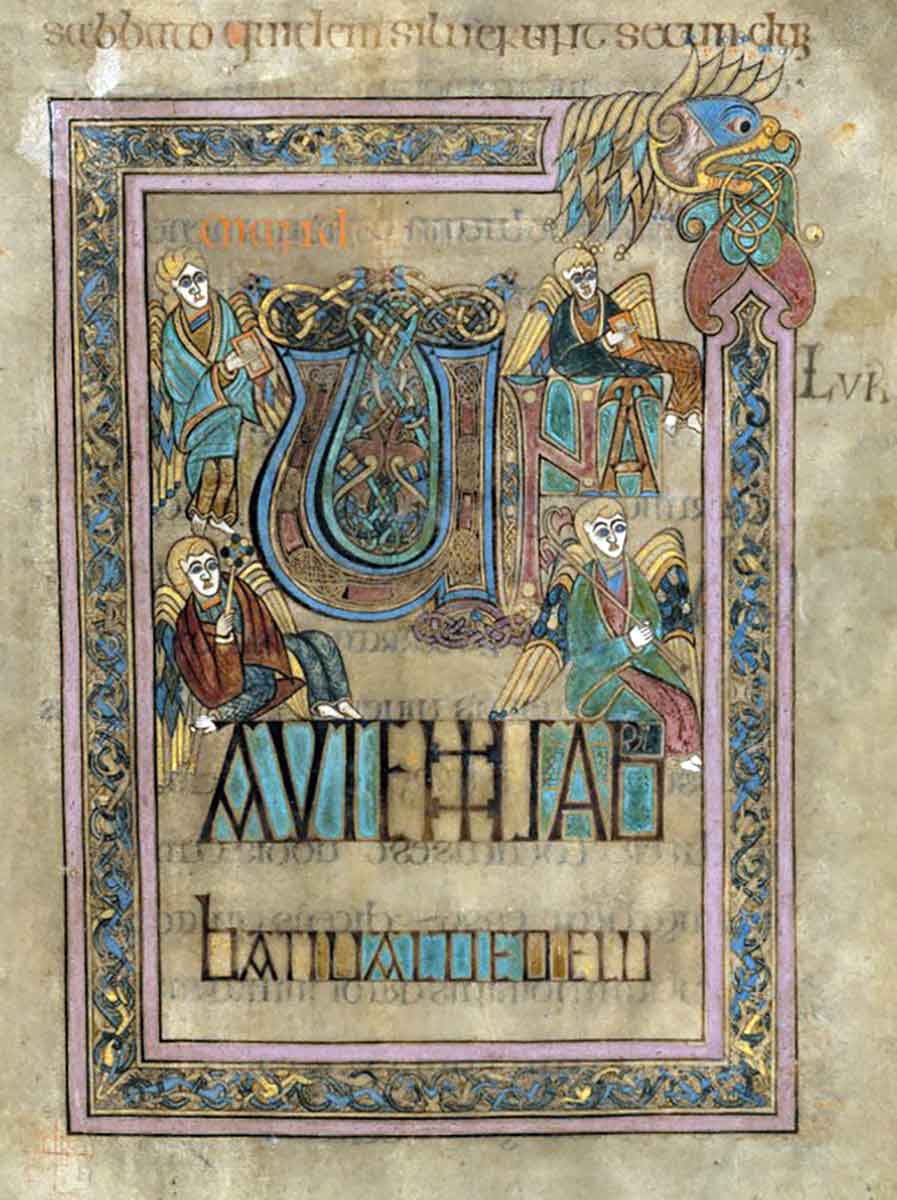
In later centuries, the Triquetra was adopted into Christian iconography as a symbol of the Holy Trinity. In modern Neopaganism, the Triquetra is linked with the triple goddess archetypes: Maiden (youth and potential), Mother (creation and nurturing), and Crone (wisdom and fulfillment). The knot’s continuous line reinforces the idea that these stages are not separate, but interconnected within a sacred cycle.
6. The Awen and the Three Rays of Divine Inspiration
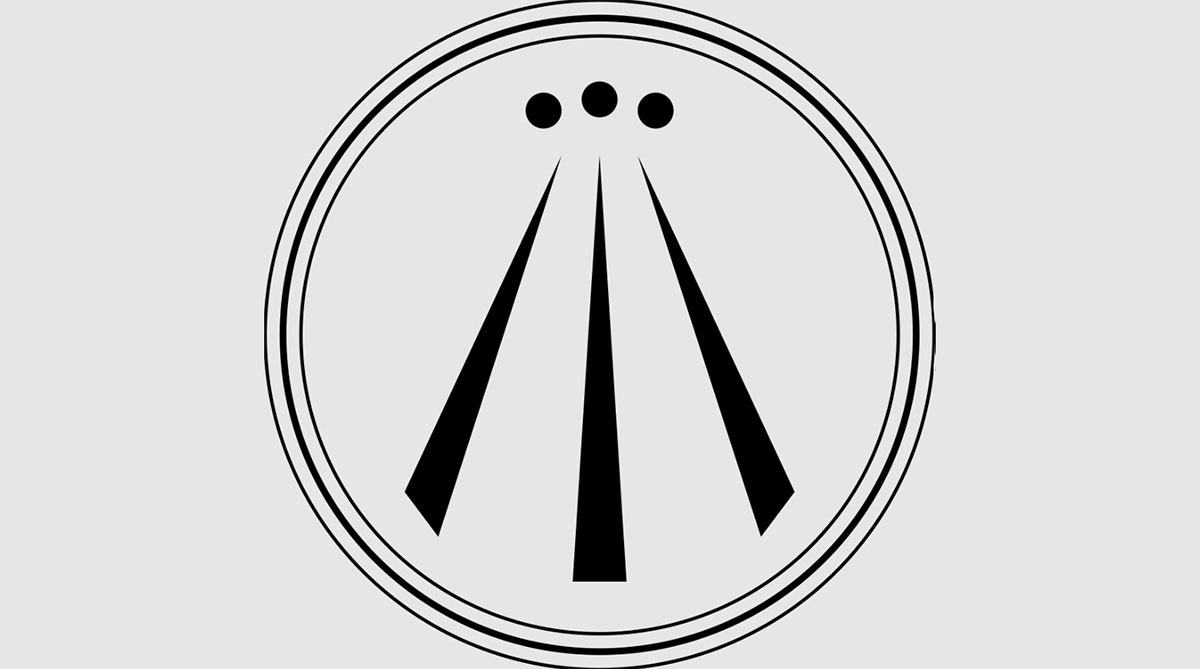
The Awen symbol also reflects the importance of the number three, but this symbol is only found around Wales and Cornwall. Nevertheless, the Awen is one of the most recognizable symbols in modern Druidry, expressing the idea of divine inspiration flowing into the world. It comprises three upright rays, rising towards a single point, often enclosed in a circle. Three dots often appear above the rays.
The name Awen comes from Welsh, where “awen” refers to poetic or creative inspiration, a force believed to guide bards, seers, and storytellers. Although the concept appears in medieval Welsh literature, the visual form of three radiant lines is a later development from the Celtic Revival. The rays are interpreted in many ways, but often as inspiration, creation, and completion. For modern druids, it has become a bardic symbol, linking artistic expression with divine guidance. More than just for artists, it is a sign of inner awakening and spiritual connection.
7. The Serpent and the Sacred Cycle of Rebirth
Perhaps one of the most iconic yet most mysterious Celtic symbols is the serpent. While in modern society, the snake is seen as an evil or malicious creature, in much of ancient Europe, snakes were revered. Before the rise of Christianity, the Celts associated snakes with fertility, healing, and rebirth. They were also linked with the underworld and with the earthly elements.
The winter retreat of snakes into the ground was thought to bring them into contact with supernatural entities of the underworld. Their subsequent return in spring signaled renewed harmony between the human world and the supernatural domains. During their resurgence in spring, through their abundant offspring and their shedding skin, snakes symbolized fertility, healing, and rebirth.
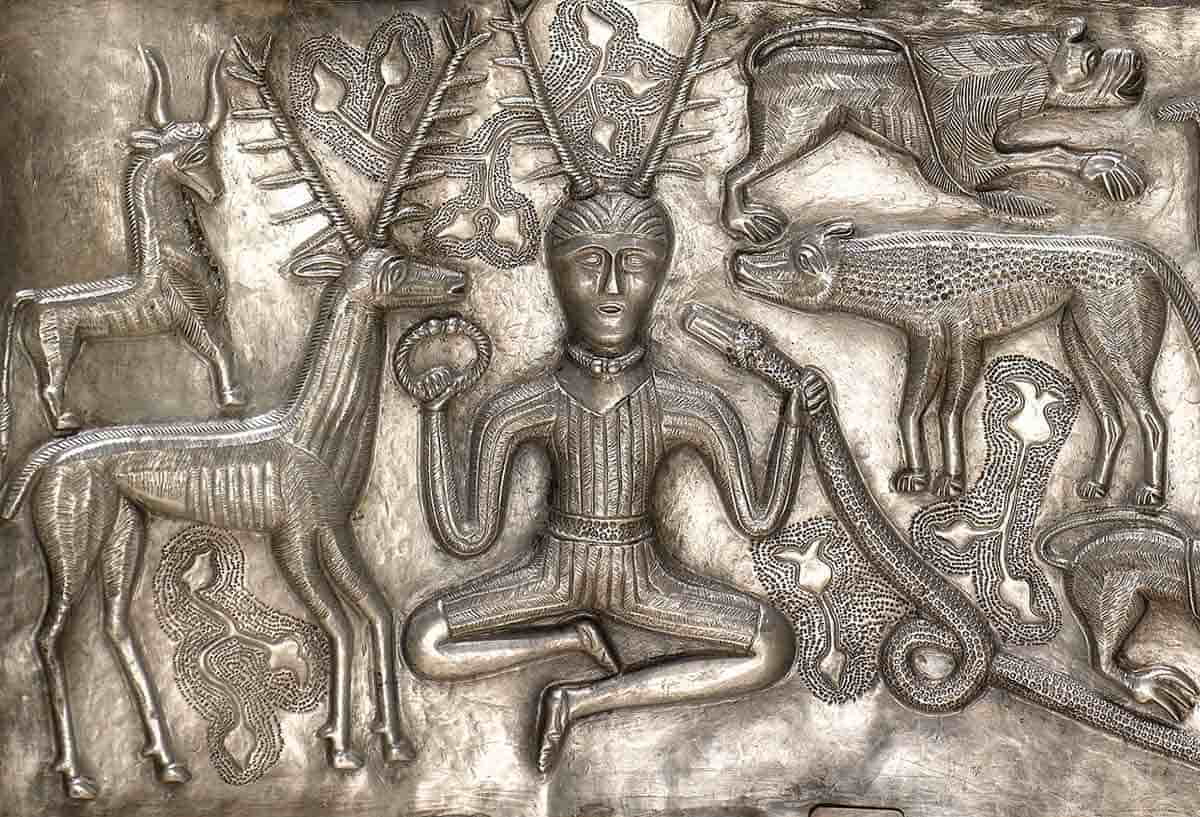
Celtic deities such as Sirona and Cernunnos were closely linked with serpents. Sirona was a goddess of healing while Cernunnos was a horned god of fertility and the underworld. Snakes are often depicted within Celtic knotwork, with their rope-like bodies providing the unending lines to form the knot designs. Such images reinforced the snake’s role as a potent symbol of regeneration, vitality, and the mysterious forces that shaped the natural and spiritual worlds.
Why the Iconography of the Celts Still Resonates Today
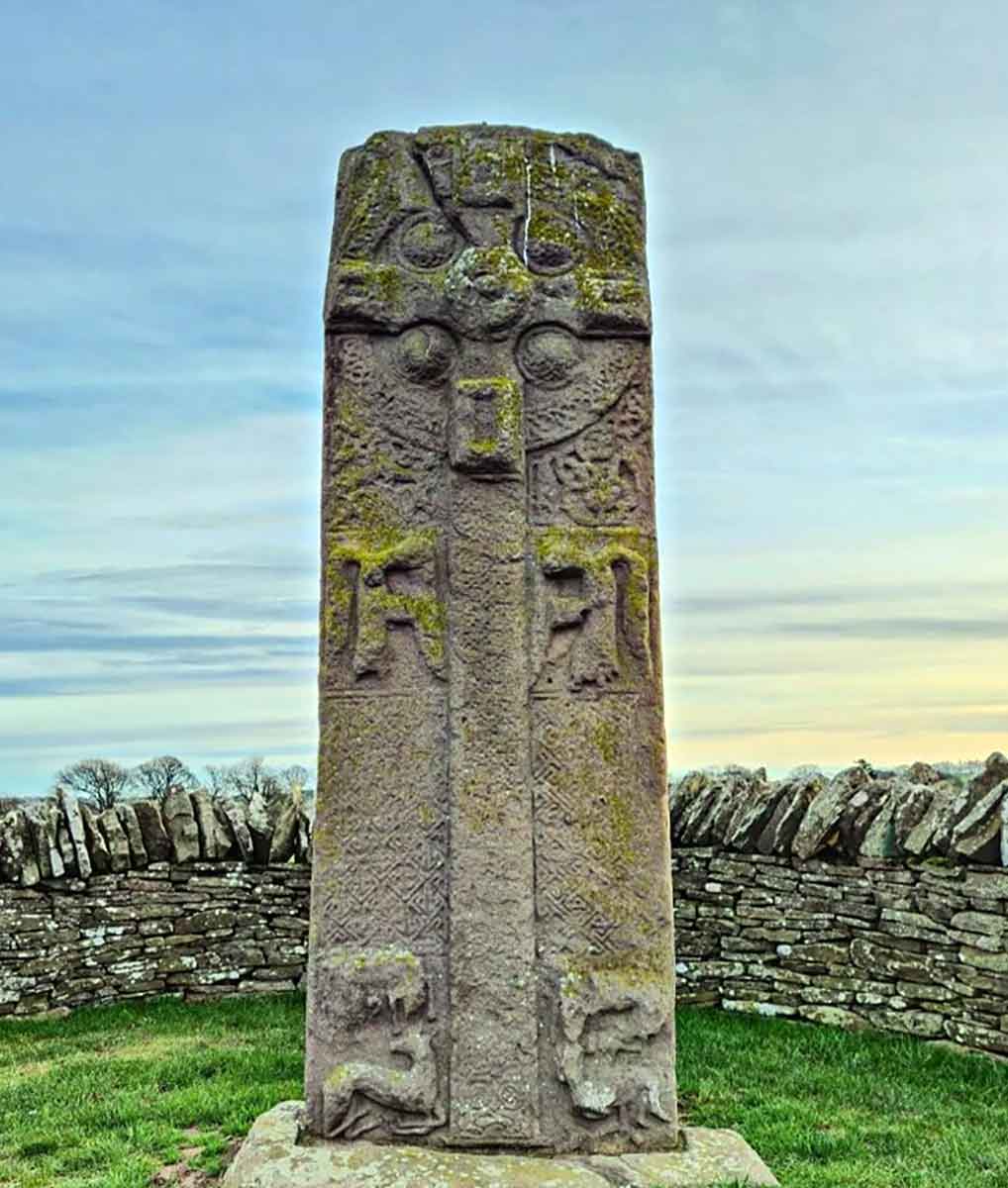
While we know from Roman observers that the ancient Celts were literate, they were not in the habit of creating written records until Medieval times. This means that their symbols are some of our most important direct gateways into ancient Celtic culture. Symbols were never merely decorative, but expressed how the Celts understood the world and what they valued.
The high levels of precision in the Celtic symbols show that symmetry, patterns, and repetition were important. Combined with looping, non‑linear forms, Celtic symbols reflect a belief that life moves in cycles rather than straight lines, a perspective that feels increasingly meaningful in today’s complex digital age, where experiences are often disjointed and fleeting.
Celtic symbols emphasize wholeness, balance, and the idea that all things remain connected even as they embark on inevitable change. In this way, these ancient designs continue to offer a sense of grounding and unity that bridges past and present.