
The supernatural has always played an important role in British mythology and folklore. This is reflected in the British landscape, where ancient Britons created mysterious caverns, constructed monumental stone circles, and named natural phenomena for the supernatural. This article shares 10 of the most magical places in Great Britain that continue to captivate pilgrims, storytellers, and seekers of the mystical.
1. Glastonbury Tor
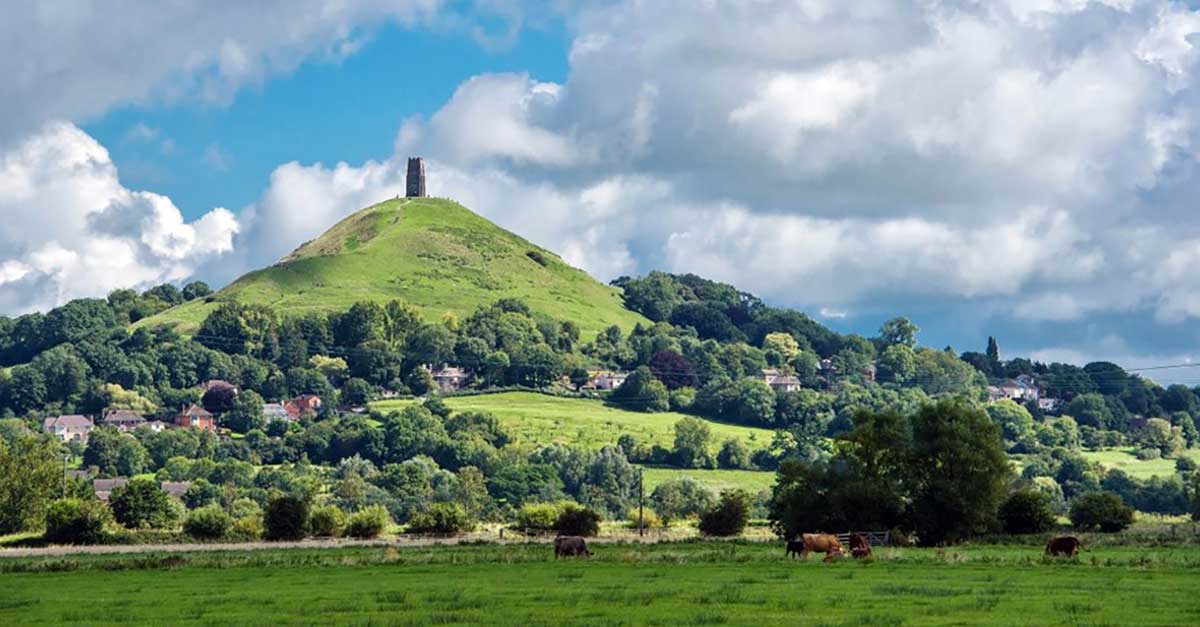
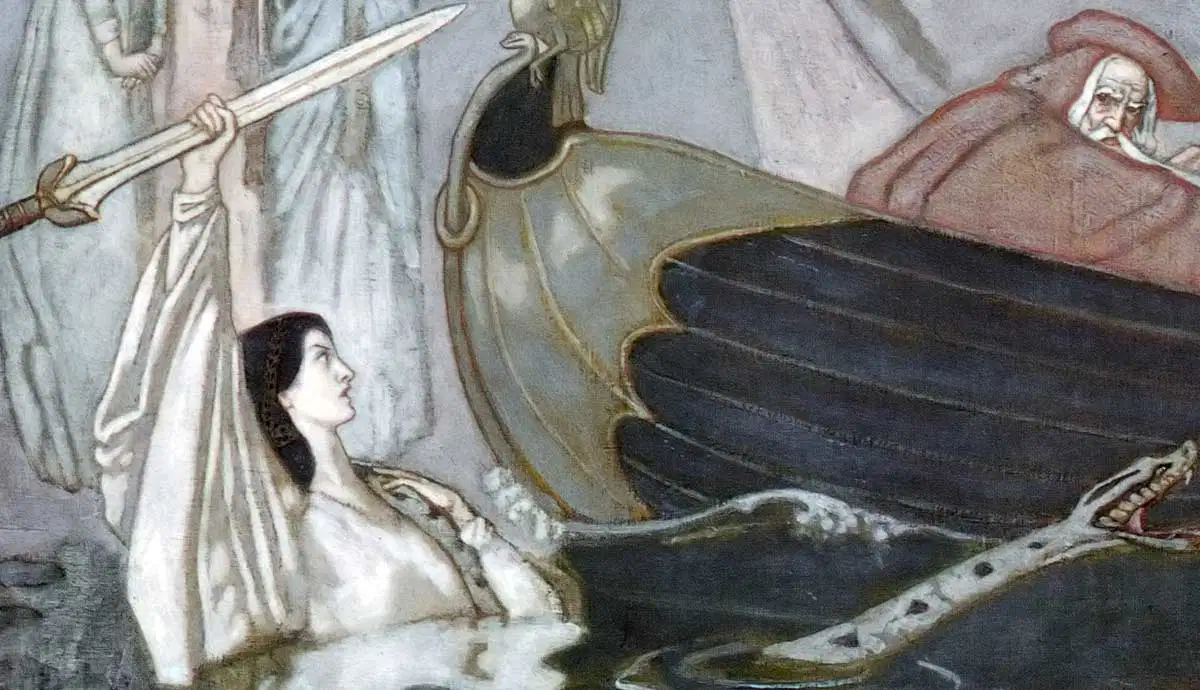
Glastonbury Tor is a legendary hill in Somerset, England, steeped in myth, spirituality, and folklore. Rising dramatically above the Somerset Levels, Glastonbury Tor is crowned by the roofless tower of St Michael’s Church, a Grade I listed building. The site has long been associated with Arthurian legend, with many believing it to be the fabled Isle of Avalon, where King Arthur was laid to rest, and Excalibur returned to the Lady of the Lake.
Celtic mythology also ties the Tor to the fairy realm of Annwn, where a deity of the underworld, Gwyn ab Nudd, resides with the Cauldron of Rebirth. Moreover, Annwn is said to be accessed through hidden caves beneath the hill. Later Christianized legends situate the site within narratives of the Holy Grail and Joseph of Arimathea.
2. Old Man of Storr
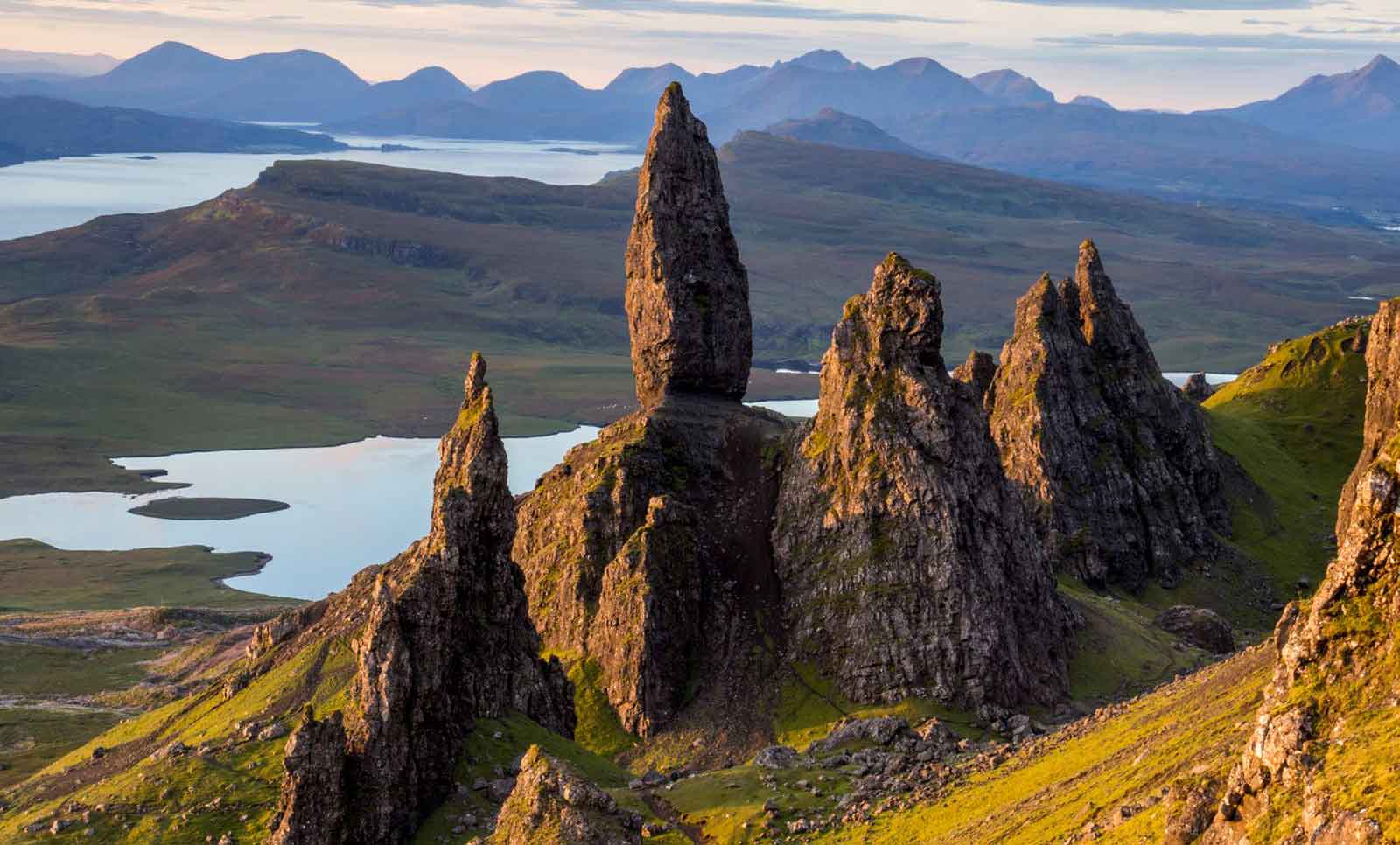
The Isle of Skye is home to a host of mystic sites, but perhaps few as impressive as the Old Man of Storr. The mountain itself is called Storr, while the Old Man of Storr refers to the specific rocky outcrop, which has two main tales explaining the imposing formation.
Both myths center upon a giant couple, an old man and his wife, fleeing from attackers. In the first iteration, the old man, Bodach, was traveling with his wife, Cailleach, away from the attacking men. The pair turned around to look at their foes, and when they looked back at one another, they were turned to stone. In another instance, the same couple is turned to stone by Balor of the Baleful Eye, a dark king of the evil Irish Fomorians, a race that fought against the Irish gods.
3. Devil’s Dyke
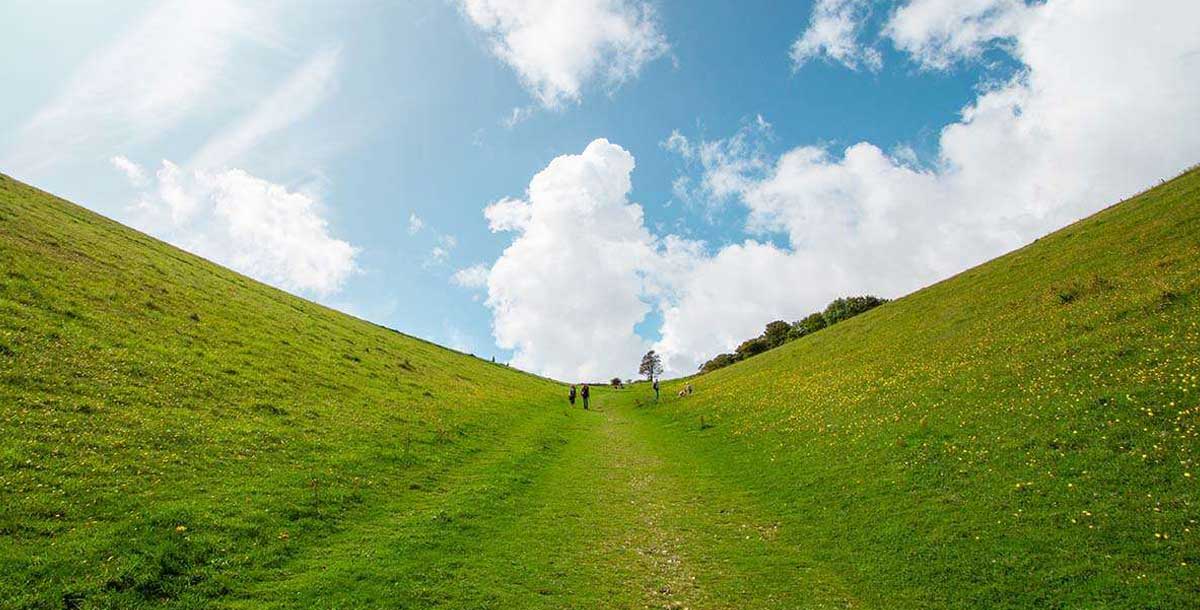
In the quiet West Sussex village of Poynings is a large fissure called the Devil’s Dyke. Surrounded by the majestic scenery of the South Downs National Park, the Devil’s Dyke is so dramatic that it has been thought to have been created by supernatural powers.
In a very early version of the story, a giant and a giantess (husband and wife) died and were buried next to each other, creating the dyke. Some versions suggest that they may have tried to destroy the village at some point before their deaths, but the original mythologies have been lost to time.
When Christianity spread through England, and churches sprang up in the village, the story emerged that the devil was so enraged that he created the dyke with the intention of drowning Poynings. The mounds of earth he moved created the nearby hills, but he was distracted from his work when an elderly woman reflected the light of a candle to make the devil believe it was morning.
4. Ben Cruachan and Loch Awe
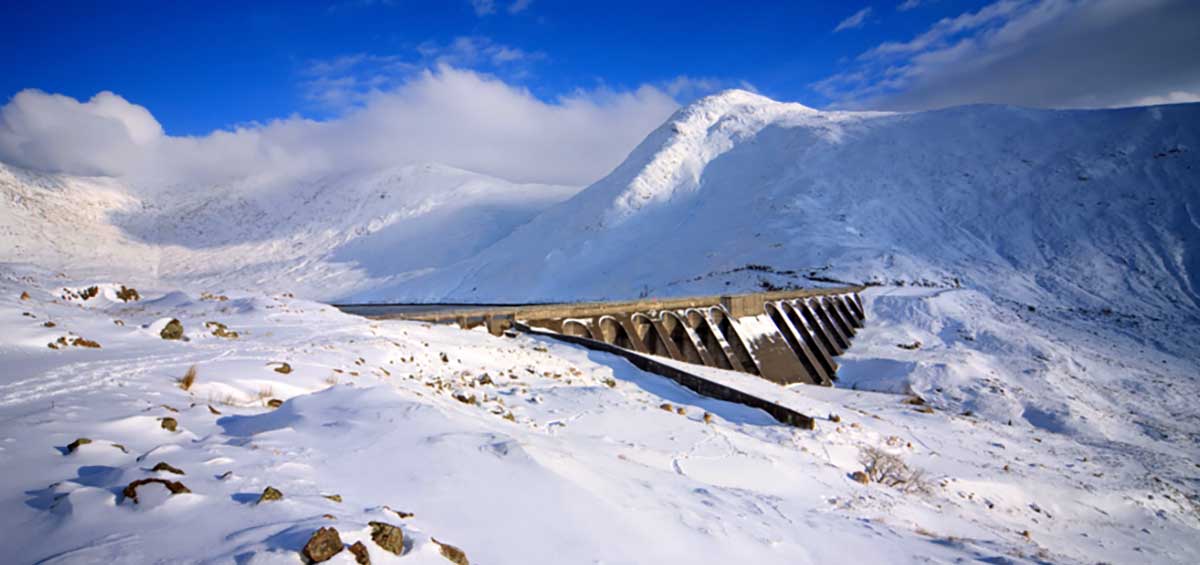
The Cailleach, the Scottish crone goddess, has long been thought to reside on Ben Cruachan, a mountain overlooking the captivating Loch Awe. The legend tells of the Cailleach guarding a well at the top, which she covered with a large stone each night and then removed in the morning to let the water flow again. However, one night, the Cailleach forgot to cover the spring. This caused the valley below to flood, forming Loch Awe.
For a long time, a waterfall poured from Ben Cruachan, which has now been channeled for a hydroelectric power station. In deep regret, the Cailleach turned to stone, now believed to be the rock formation in Glen Etive. Likely because of their mythical origins, the waters of Loch Awe are the rumored home of a menagerie of fantastical creatures.
There is the Big Beast of Loch Awe, an eel-like beast with 12 legs that can be heard breaking the ice on the loch on winter nights. Another is the water bull of Loch Awe. This bull is supernaturally large and roams the surrounding fields, but was once a corporeal animal. It is said that the daughter of a local farmer met a young man by the loch and fell in love, only to discover he was a dangerous kelpie. In response, she released the strongest of her father’s livestock, the bull, who fought and killed the kelpie but also died in the conflict.
5. Aquae Sulis Baths
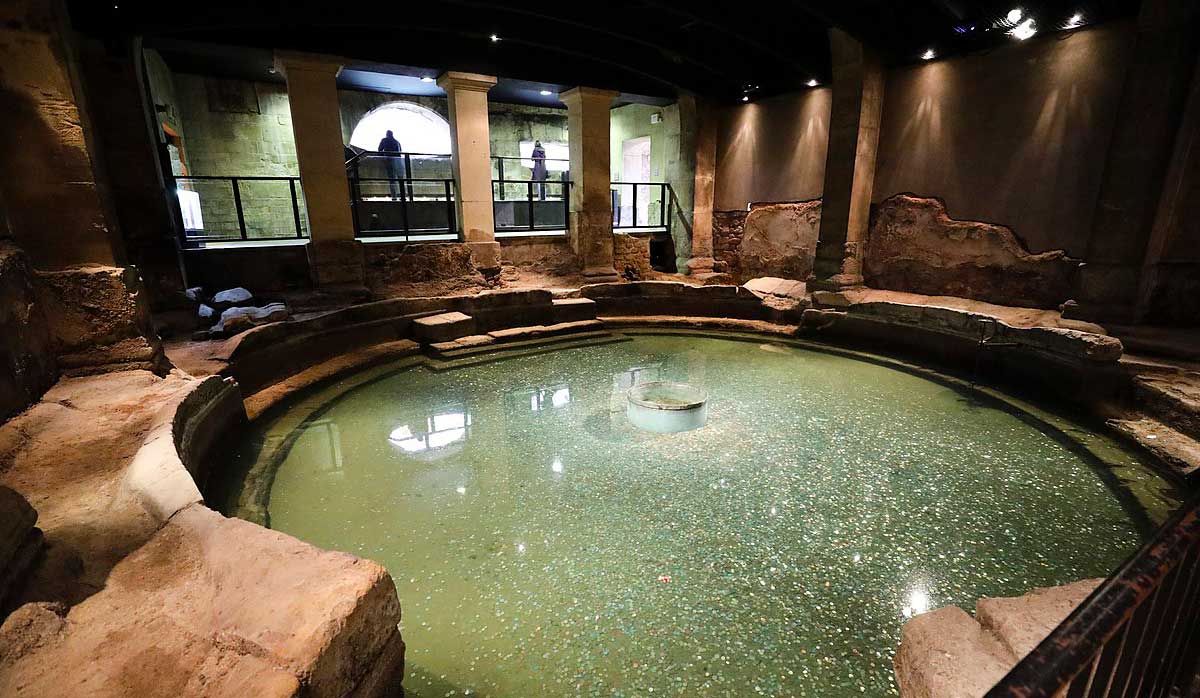
The city of Bath in the Southwest of England is renowned for its Roman Baths, but the sacred waters had been spiritually significant for hundreds of years beforehand. A series of subterranean hot springs was considered sacred by the Celtic inhabitants and dedicated to the indigenous goddess Sulis.
Archaeological evidence suggests the thermal and mineral-rich pools have attracted people for over 2,000 years. The goddess Sulis was associated with healing and prophecy, and votive offerings have been found across the site. When the Romans conquered Britain, they were equally enamored with the springs and conflated Sulis with their own goddess, Minerva.
This led to the worship of the Romano-British goddess Sulis-Minerva in the Roman city of Aquae Sulis. Later traditions in the Medieval period suggested the pools were founded by the king and magician, Bladud. Moreover, the current architecture dates back only to the Victorian era. Thus, traversing through the historic tourist attraction creates an immense sense of enchantment as you observe elements from Celtic England through to the 1800s.
6. Cadair Idris
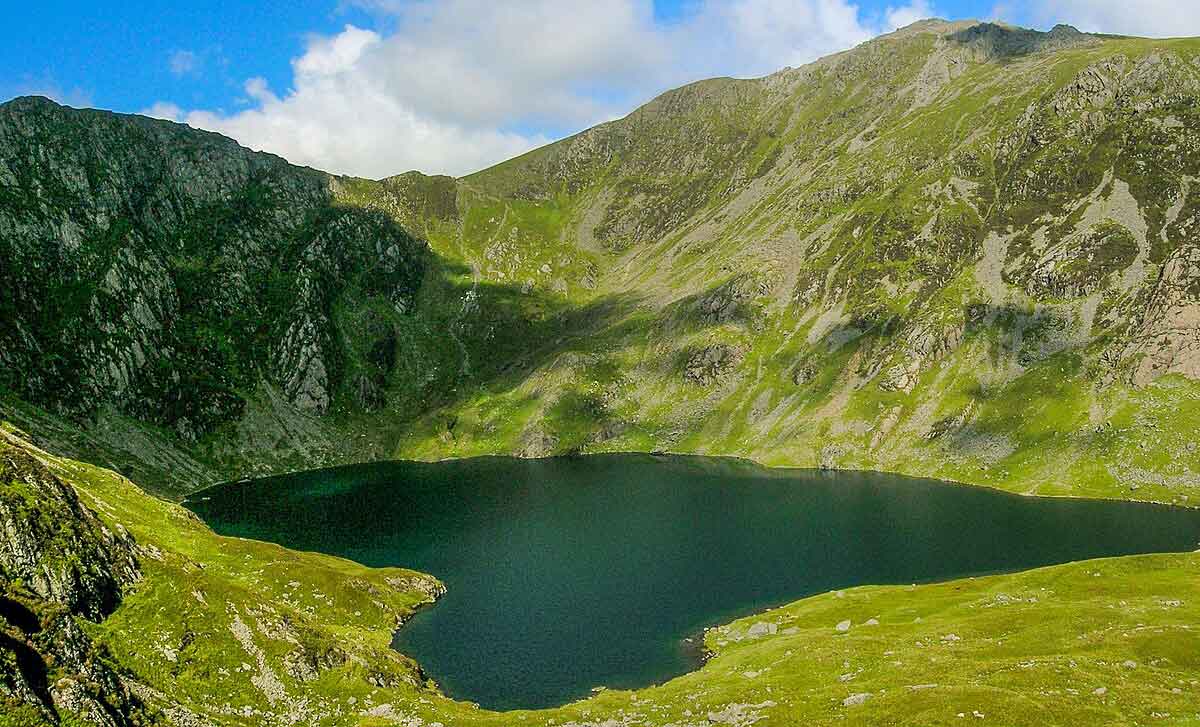
In Snowdonia National Park, North Wales, amongst a myriad of towering hills lies the range of mountains known as Cadair Idris. The title translates to the “chair of Idris,” who was once the prince of the giants. The highest peak is called Penygader, which means the top of the chair or the stronghold.
Not only was Idris royalty among giants, but he was also a talented astronomer and bard. He supposedly often sat atop the peaks gazing at the stars. There is a tradition that states if you spend a night in Idris’s chair, a specific shallow impression on a particularly wide jutting rock near the summit, you would be found the following morning either a poet, insane, or dead.
The mystical mountains have also been home to continuing otherworldly and magical phenomena throughout the years. Historically, it has been said that Druids and then witches gathered in the area during the pagan Sabbats. There is an infamous hoof print in the rock, which is thought to have been left by the devil at one of these Sabbats.
Additionally, Gwyn ap Nudd, the fairy king, also rides through the peaks on his royal hunts. Fairy folk have resided in the area for centuries. According to locals, they bestow great gifts on those who show them kindness, while they play mischievous tricks on those who do not.
7. Peak Cavern
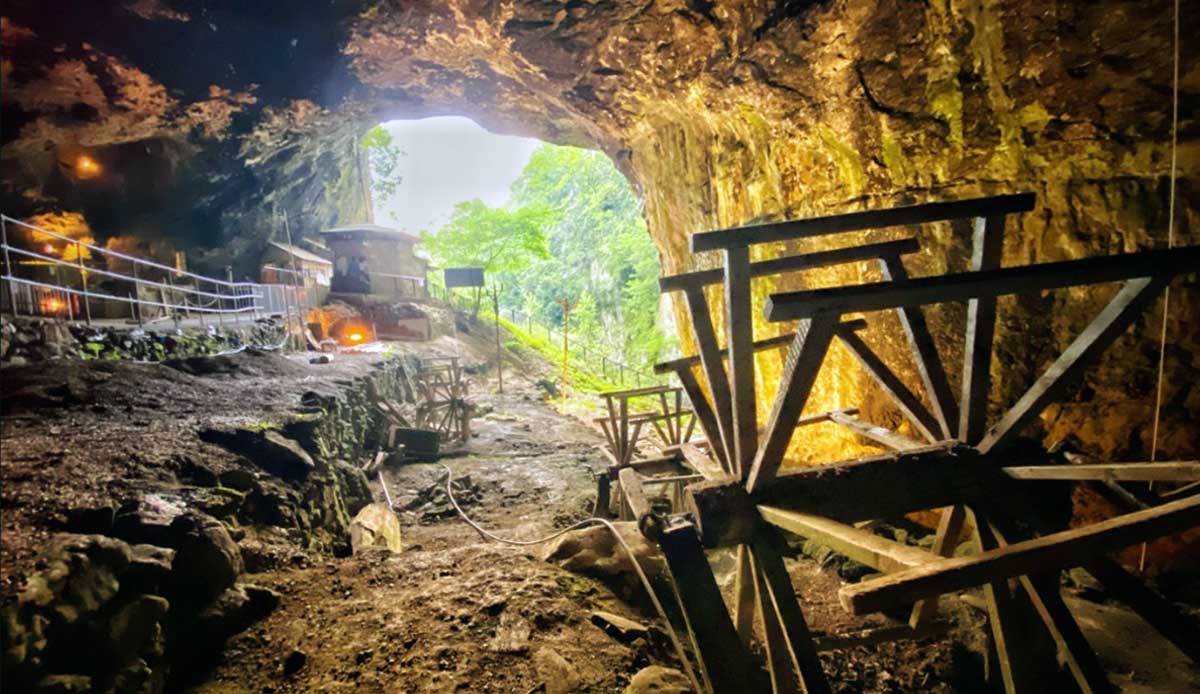
The British mainland is home to multiple mountain ranges and some of the largest cave networks in the world. Peak Cavern, amusingly nicknamed the Devil’s A*se, in Derbyshire, has the largest cave entrance in Britain.
Adjacent to an impressively rugged gorge, Peak Cavern has long been thought of by locals as a doorway to the underworld. Its opening is 60 feet high and 100 feet in width. Furthermore, an ancient river runs into the mouth, and during an excavation, multiple Celtic offerings were located nearby.
Local folklore holds that the cave has been home to a host of tormented spirits, including lost hikers, miners, and rope makers. Over the years, many criminals allegedly hid in Peak Cavern before it became a tourist attraction. As a result, visitors have described a ghostly atmosphere and an orchestra of unexplained sounds, including distant footsteps and disembodied voices.
8. Zennor
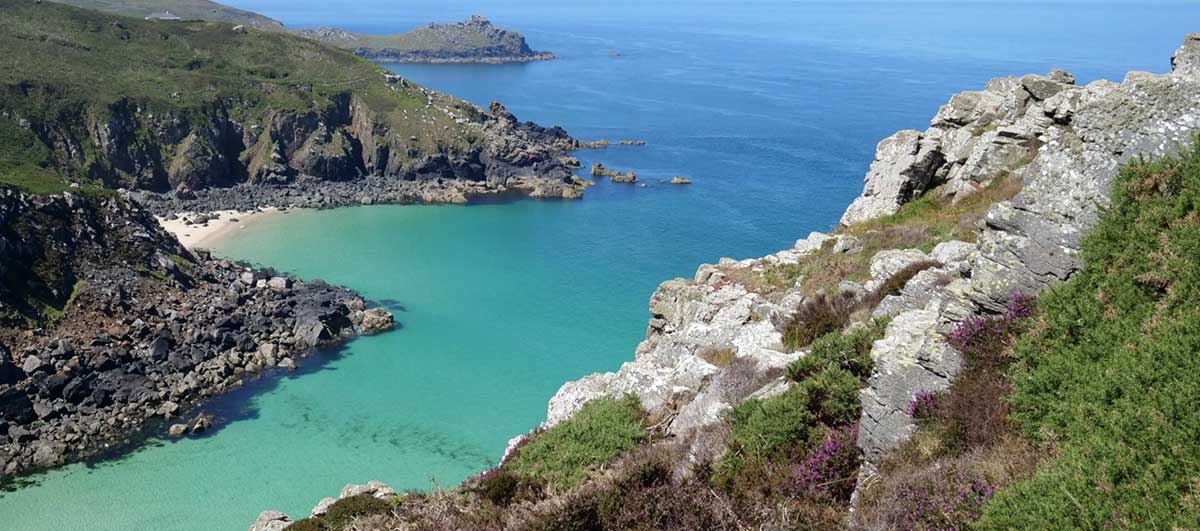
The county of Cornwall has the longest coastline in England, boasting just under 700km. Unsurprisingly, the picturesque beaches are the perfect setting for numerous magical or unexplained events. One such legend is about the mermaid of Zennor, linked to a cliff-top village near the popular vacation town of St. Ives.
The tale begins with a young man named Mathey, who sang in the church choir and became infatuated with a beautiful yet mysterious woman named Morverwen. Last seen walking towards the cliffs, the couple was never seen again.
Years later, fishermen encountered a mermaid who said their anchor was blocking the entrance to her home as she returned to her children and husband, Mathey. Anxious not to upset the mermaid, the fishermen swiftly hauled the anchor and returned to the village. Back in Zennor, the crew validated the community’s suspicions: Mathey had been lured to the mermaid realm under the water.
9. Uig Fairy Glen
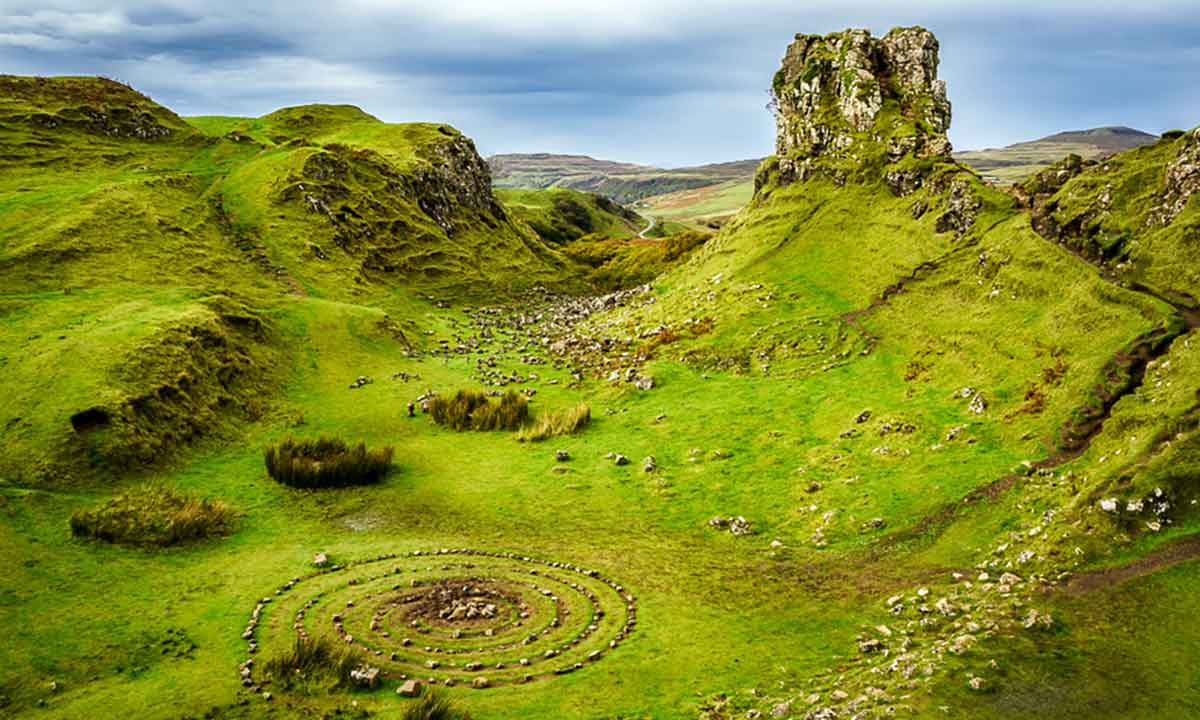
Across Britain, there are numerous sites associated with fairies, but perhaps the most famous is the Uig Fairy Glen on the Isle of Skye. Not far from the aforementioned Old Man of Storr, nestled above the village of Uig on the Trotternish Peninsula, the Fairy Glen is a series of conical hills, grassy ridges, and tranquil lochans. The landscape has been sculpted by ancient landslides and erosion. With its whimsical appearance, a connection with fairies and the supernatural has long been established.
Although no specific ancient legends are tied directly to the glen, its miniature, otherworldly terrain has led locals and visitors alike to imagine it as a dwelling place of supernatural beings. The largest rock formation, named Castle Ewen, is often regarded as a fairy fortress, and visitors sometimes arrange stones into spirals or circles as offerings or symbols of connection to the unseen world. Folklore warns, however, that disturbing natural features or leaving permanent marks may anger the fairies, reflecting broader Scottish traditions of respect for sacred landscapes.
10. Stonehenge
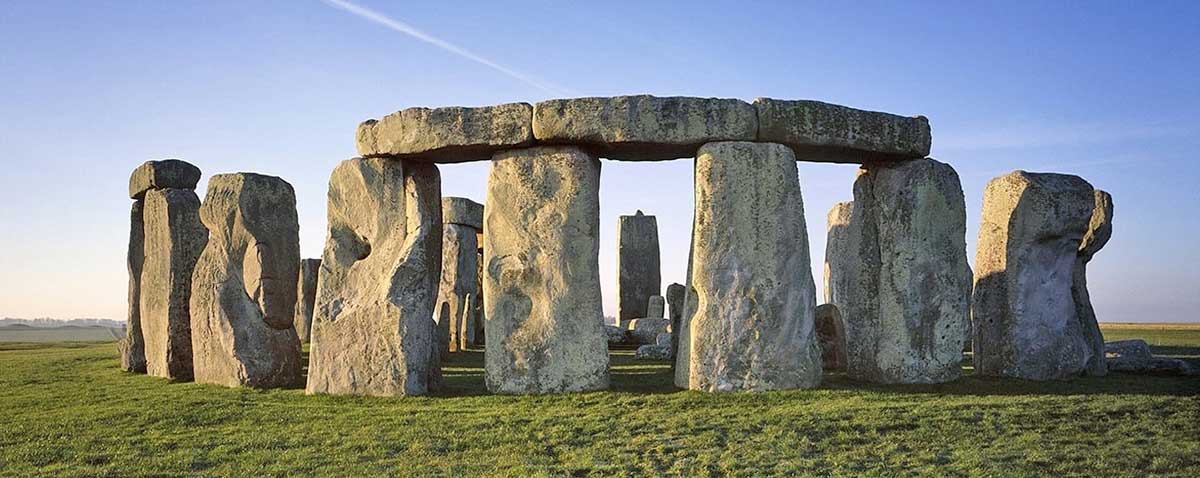
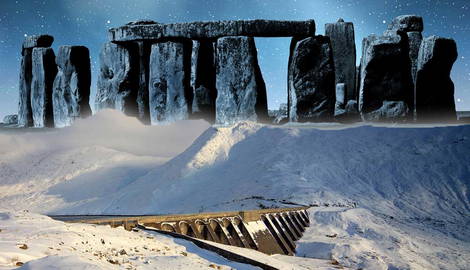
Stonehenge is both a prehistoric monument and a powerful symbol of pagan spirituality. Constructed in several phases between roughly 3000 BC and 1600 BC, Stonehenge began as an earthen henge with timber posts, then evolved into the iconic circle of massive sarsen stones and smaller bluestones transported from Wales. It is yet to be confidently confirmed how these materials were brought to the site and how the heavy stones were erected.
Archaeological evidence suggests it functioned as a ceremonial site, burial ground, and astronomical observatory, aligned with solstices and equinoxes. These alignments indicate its builders’ deep concern with cosmic cycles, reinforcing its role as a sacred temple of the sun. In later centuries, Stonehenge became entwined with pagan traditions, particularly those of the Druids, who were imagined to have conducted rituals among the stones.
Although modern archeology disputes direct Druidic origins, the association persists, especially in contemporary Pagan and Wiccan practices. Today, thousands gather at Stonehenge during the summer solstice to celebrate renewal and cosmic energy, echoing ancient rites. Folklore also imbues the monument with magical qualities. Medieval legends claimed the wizard Merlin transported the stones from Ireland, while others saw them as saturated with healing powers.
This fusion of myth, ritual, and landscape ensures Stonehenge remains not only a historical marvel but also a living nexus of pagan spirituality and magical imagination. Moreover, with little to indicate why it was constructed in the first place, the site’s unexplainable origins combined with its continued significance make it one of the most famous mystical sites worldwide.