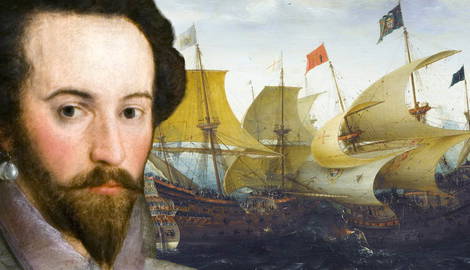

The religious wars between the Protestant powers of England and the Netherlands against Spain encouraged state-sanctioned private raiding activity against Spanish treasure fleets bringing silver to Europe. Privateers such as Sir Francis Drake, Sir Walter Raleigh, and Piet Hein became national heroes and greatly enriched themselves in the process.
Spain’s Empire of Silver
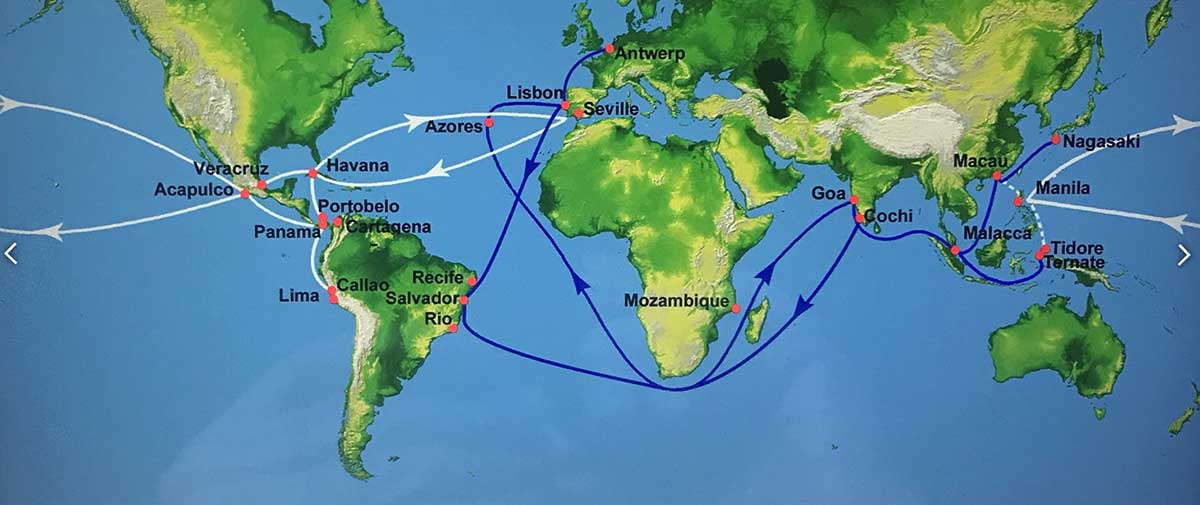
Ever since Christopher Columbus’s arrival in the Americas, the Spanish Empire sought to mine as much gold and silver in the Americas as possible and ship them back home. In the 1500s, the first Spanish ships heading back to Europe carried whatever the European settlers and the local tribespeople could find. By the 1540s, the Spanish discovered massive silver deposits in Potosí in Bolivia and Zacatecas in Mexico.
The Spanish colonial authorities experimented with new mining techniques to extract the silver out at faster rates. This meant that more ships were needed to transport the silver back across the Atlantic Ocean. Additionally, other European powers and pirate gangs found the Spanish treasure ships valuable targets. This led to the formation of shipping convoys to protect silver-laden galleons headed across the ocean.
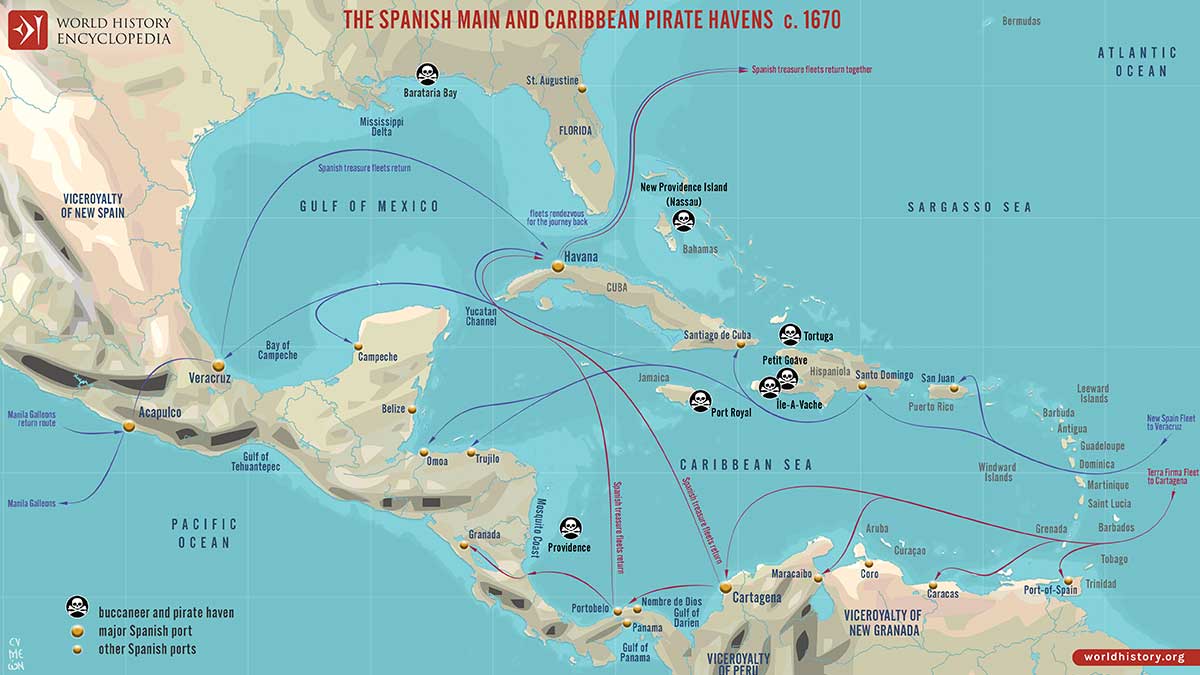
Spain developed two major overseas trade routes for its silver. The first was the Transatlantic voyage, consisting of ships headed from ports in the Americas (Veracruz, Havana, and Portobelo) to the Spanish port of Seville. In 1571, the Spanish developed another trade route going from Acapulco in Mexico to Manila in the Philippines. From Manila, the silver flowed into China, which had a high demand for silver for its currency system, in exchange for goods like silk and porcelain. The Spanish peso or “piece of eight” became the world’s first truly global currency due to its consistent quality and wide circulation.
The Art of Privateering
The Spanish monopoly on the silver trade enabled the court to finance its conflicts with European rivals. In the religious wars that engulfed Europe after the Protestant Reformation, the Spanish Habsburgs were staunch defenders of the Roman Catholic Church and financed its army and navy through the wealth gained from its overseas colonies. When Dutch Calvinists revolted against Spanish rule in 1568, the Spanish found themselves locked in a brutal struggle with the rebels and deployed substantial forces in the Low Countries. Subsequently, Spain also intervened in France’s Wars of Religion and aimed to overthrow the Tudors in England in part because of its departure from Catholic doctrine.
From the perspective of Spain’s enemies, the silver fleets were a tempting strategic target. The Dutch rebels and the English government initially lacked the naval resources to take on the Spanish navy directly, which was one of the strongest in Europe. Therefore, they both decided to embrace a tactic practiced before, but at a far grander scale than previous governments had envisioned. Queen Elizabeth I of England, facing threats from King Philip II of Spain, issued letters of marque to merchant captains authorizing them to attack Spanish ships. Since these maritime raiders carried these attacks as private enterprises, they were known as privateers.
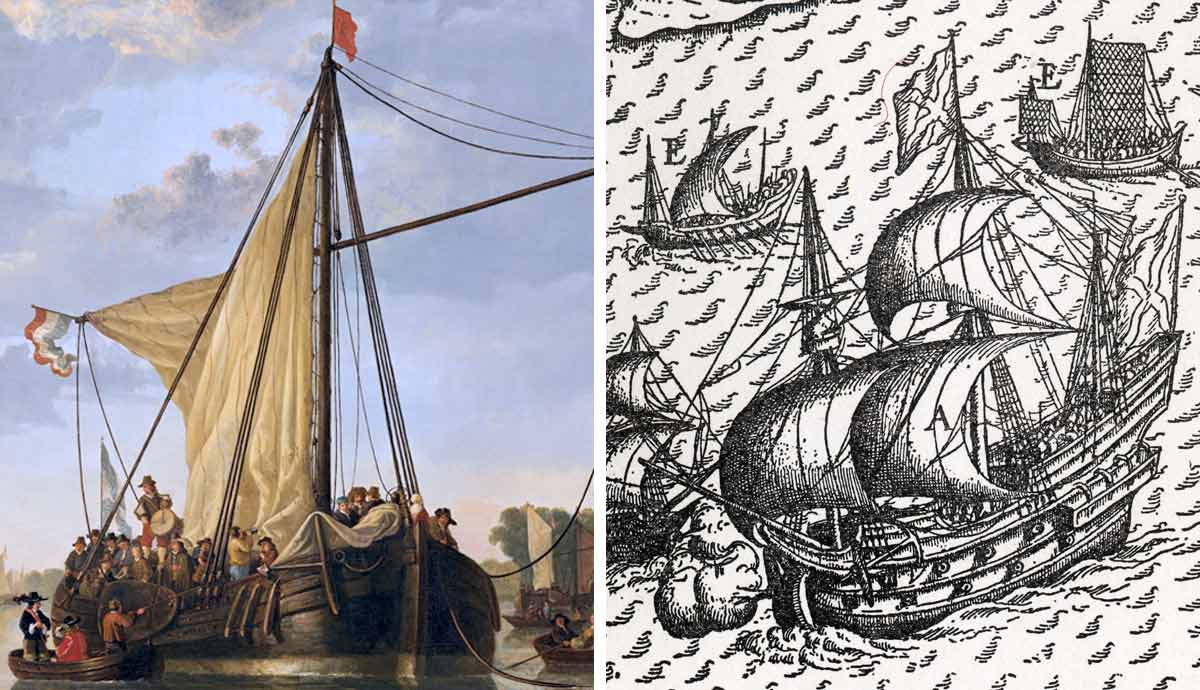
At the same time, the Dutch rebels were relying on a fleet of ships called the Watergeuzen that could prey on Spanish merchantmen. These fleets were the predecessors of the Dutch navy and many of the earliest Dutch admirals served aboard them. The Watergeuzen managed to seize several ports from the Spanish, giving them a base to operate from. As the war went on, the scale of the attacks increased drastically.
The English Sea Dogs
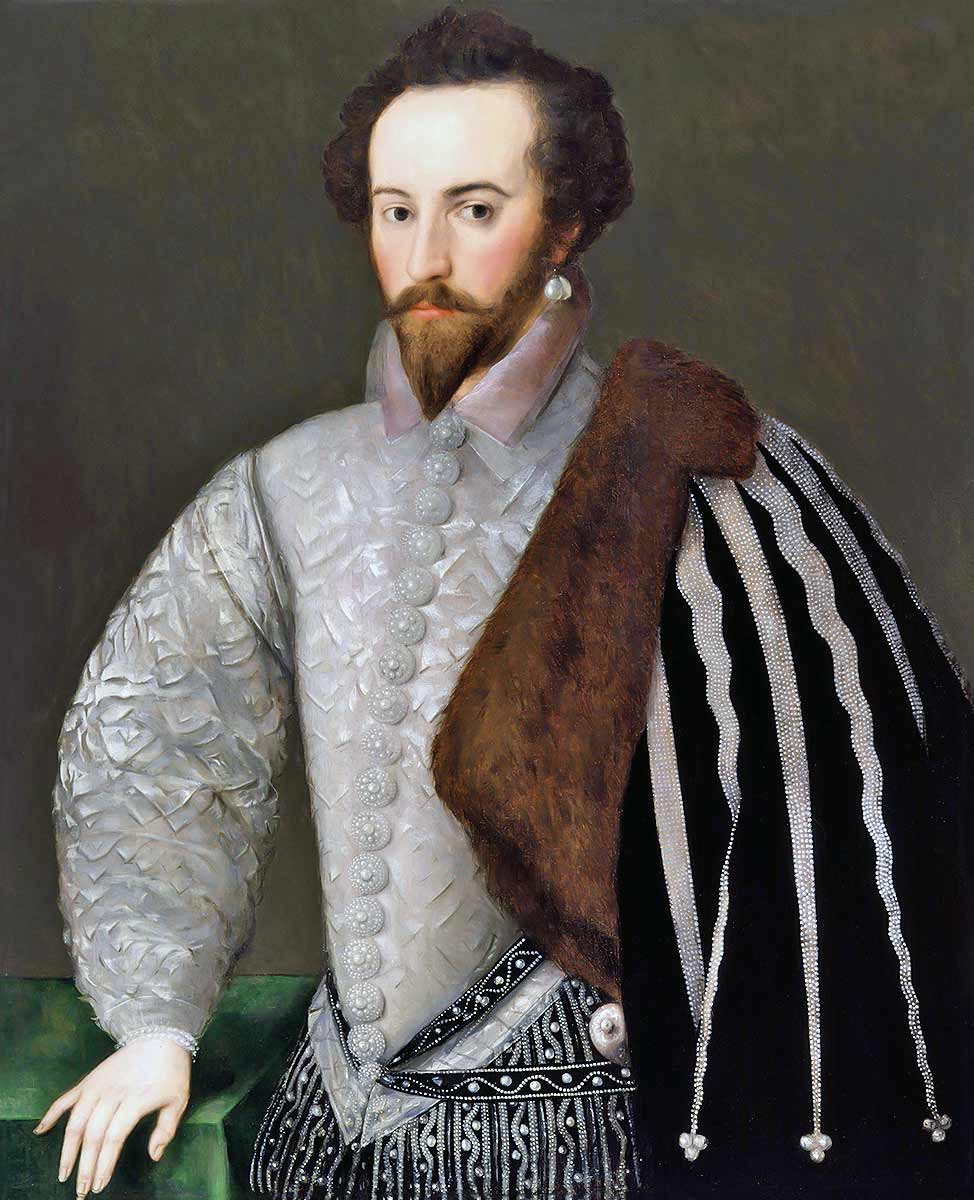
As mentioned above, Queen Elizabeth I of England sought to target Spanish convoys with a strategy of aggressive commerce raiding. To do this, she was able to rely on the support of several ship captains who were granted letters of marque. These men, including captains such as Sir John Hawkins, Sir Walter Raleigh, and Sir Francis Drake, became known as Elizabeth’s ‘Sea Dogs’.
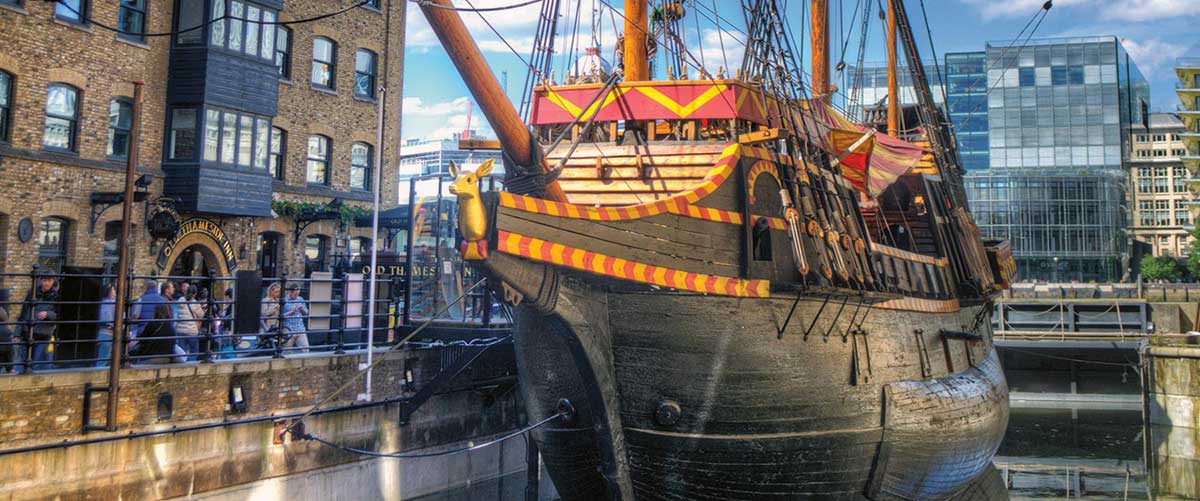
The accomplishments of these captains were notable and ensured that Spain’s naval dominance came to an end during the Eighty Years’ War. From 1577 to 1580, Sir Francis Drake became the second ship captain to circumnavigate the globe. Drake attacked Spanish shipping and colonies in the Americas in his flagship, the Golden Hind. By the time he returned, he had cargo worth more than double England’s annual revenue. This was far from his only exploit. In 1587, he led a raid on the Spanish port of Cadiz with other English warships and privateers, destroying much of the Spanish fleet at anchor and delaying the sail of the Armada by a year. His conduct as second-in-command of the English fleet that defeated the Armada only added to his reputation as a captain.
Sir Walter Raleigh cruised up and down the Spanish convoy routes from the West Indies, destroying or capturing Spanish and Portuguese (both nations were under Spanish rule between 1580 and 1640) vessels bearing riches, including silver. His colleague, Sir John Hawkins, helped design a faster, more efficient hull for English warships so that they could outrun and outsail their Spanish counterparts. The ‘Sea Dogs’ were major innovators in naval strategy and tactics that the Royal Navy continues to study to this day.
Famous Dutch Privateers
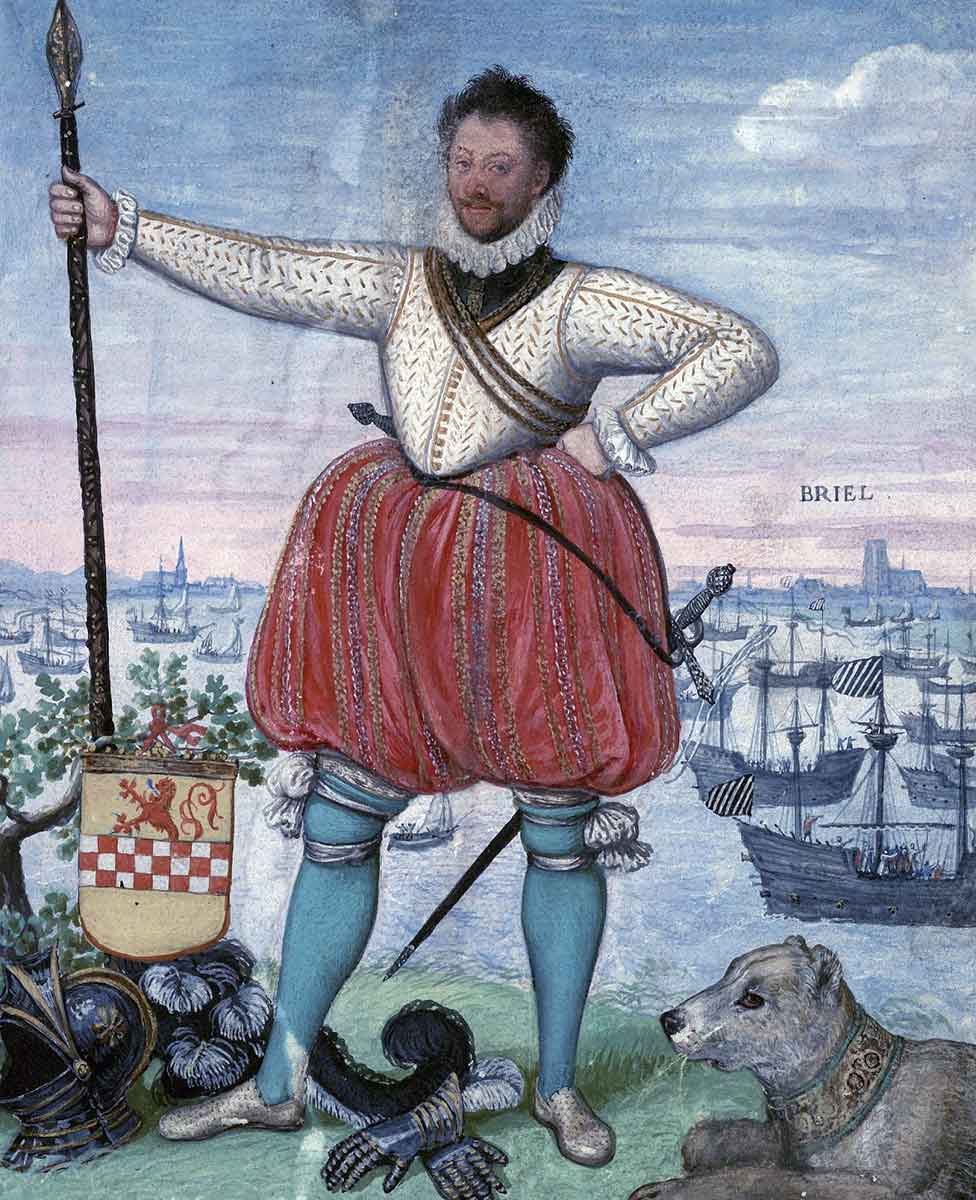
The Dutch also had a formidable legion of privateer captains who inflicted serious damage on the Spanish during the Eighty Years’ War. Men such as Piet Hein, Willem de la Marck II, and others used skilled tactics and well-constructed warships to deal major blows to Spanish commerce. The Watergeuzen proved to be integral to the Dutch war strategy and formed the basis of the Dutch States Navy.
Similar to their English counterparts, the Dutch privateers relied on letters of marque. However, one major difference was that the Dutch Watergeuzen were overseen by the two main Dutch trading conglomerates, the East India Company (VOC) and the West India Company (GWC). Both corporations helped the Dutch create overseas colonies and pillage Spanish shipping. Their captains furthered the goals of both companies’ boards and the States General by enriching the country and helping build the Dutch Empire.
Throughout the war, the actions of the Watergeuzen proved to be no less bold than the English ‘Sea Dogs’. One of the most celebrated Dutch naval captains in history, Admiral Piet Hein, took several warships and privateers and seized a Spanish convoy laden with silver from under the guns of the fortress in Havana harbor. Other Dutch captains preyed on Spanish and Portuguese ships returning to Iberia with goods, including mined materials from the colonies. As the war went on, these ships improved their performance and devastated Spanish overseas trade.
Cooperation Between the English and Dutch Privateers
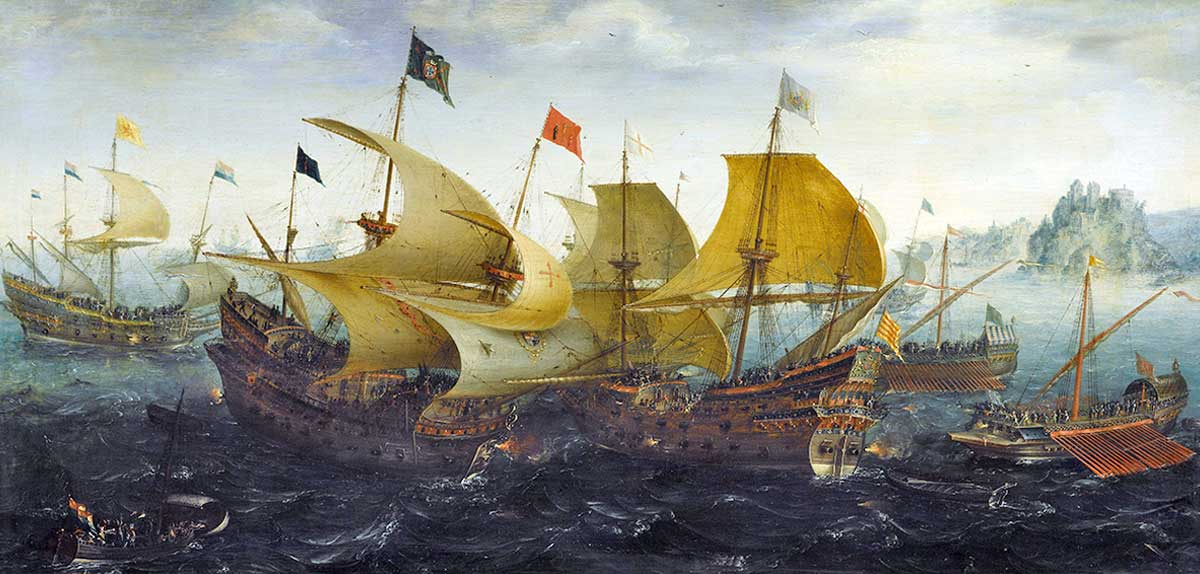
From 1585 to 1604 and 1625 to 1648, the Dutch were allied to the English, owing to their Protestant faith and their shared hostility towards Spain. In 1585, the Treaty of Nonsuch affirmed English support for the Dutch rebels, ensuring that English and Dutch ships could work together to target Spanish convoys. This led to a period of extensive collaboration until the treaty was suspended in 1604.
The famed English spymaster, Sir Francis Walsingham, created a network of agents around Europe to track Spanish movements on land and at sea. His agents reported on when Spanish ships left harbor or were due to arrive from the colonies. This flow of information enabled English and Dutch privateers to attack Spanish and Portuguese shipping at will. Both countries’ naval captains launched joint attacks to maximize their damage against Spanish convoys arriving from the colonies. This collaboration continued until the English signed a peace treaty with the Spanish in 1604 but resumed in 1625.
The most famous examples of this partnership took place during the defeat of the Spanish Armada in 1588 and the assault on Cádiz in 1596. England mustered every ship it could to repel the Spanish fleet, including privateers, armed merchantmen, and purpose-built naval vessels. The Dutch used a mixed fleet of warships and privateers to prevent the Duke of Alba’s Spanish army from sailing to England from the Netherlands. Eight years later, when the Earl of Essex sacked Cádiz, he led an Anglo-Dutch fleet. In 1625, the English attacked the Spanish port again with less success and relied on help from Dutch ships to secure the English Channel.
Privateering After the Eighty Years’ War
In 1648, the Dutch secured Spanish recognition of their independence through the Treaty of Münster. The English had made a peace treaty with the Spanish in 1604, but resumed hostilities with the Spanish later on. Both countries found themselves struggling to rein in their privateer captains after years of letting them run amok against Spanish and Portuguese shipping.
In 1604, the Treaty of London temporarily halted the conflict between the English and Spanish. The newly crowned King James I agreed to stop issuing letters of marque and cease attacks on Spanish/Portuguese shipping. However, many privateer captains were reluctant to give up their rich enterprises. This led many of them, including captains Jack Ward or Peter Easton, to embrace piracy. They continued attacking Spanish and Portuguese ships without letters of marque, and were soon attacking ships sailing under any flag, creating a crisis for London and contributing to the “Golden Age of Piracy”.
The Dutch had a better system for getting their privateer captains under control. They could continue enriching themselves after 1648 by remaining employed with the GWC or VOC. In other cases, they received formal commissions with the Dutch States Navy. However, some Dutch Watergeuzen also took to piracy. Claes Compaan went from being a privateer to being a pirate until he reached an agreement with the Dutch authorities. Jan Janszoon converted to Islam and began sailing with the Barbary pirates on the North African coast.
Despite the problems both England and the Netherlands faced with privateers going rogue, both countries utilized privateers very effectively against the Spanish. While they didn’t destroy the Spanish silver trade, they weakened Spain’s naval dominance. They also contributed to the development of both the British and Dutch Empires later in the 17th and 18th centuries.