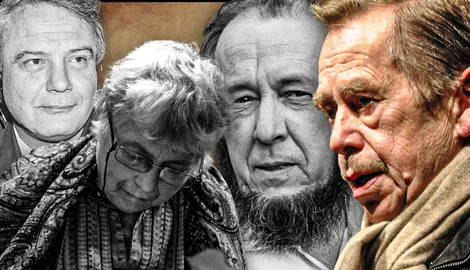

While the number of people who defied the Soviet regime and spoke out against the Kremlin’s oppressive regime numbered far more than eight, a key number of individuals came to represent the dissident movement as a whole. Despite suffering harsh penalties, including imprisonment and exile, these dissidents’ unwavering determination kept the voice of opposition alive in the Soviet Union. Here, we examine eight brave dissidents who defied the oppressive communist system and spoke out in favor of liberty, justice, and human rights.
1. Andrei Sakharov: Physicist and Activist (1921-1989)
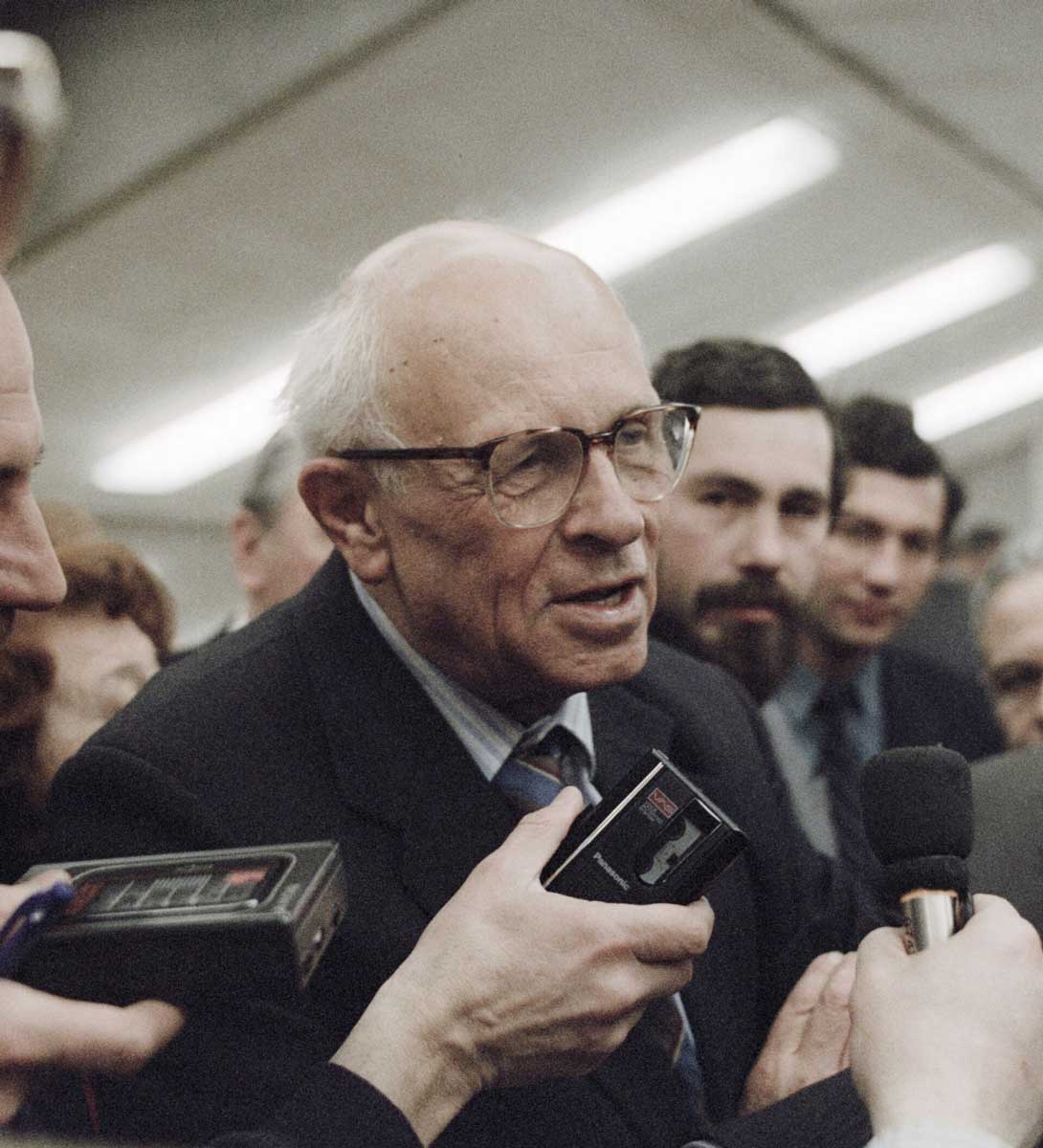
The first dissident on our list is perhaps the most widely known, the nuclear physicist and anti-war advocate Andrei Sakharov. In the 1950s, Sakharov began to express the moral implications of his work and became a vocal opponent of Soviet nuclear proliferation. In his 1968 essay “Reflections on Progress, Peaceful Coexistence, and Intellectual Freedom,” Sakharov defied the Soviet regime and directly criticized its policies on nuclear weapons and human rights. This essay was one of a number of publications that Sakharov used to express his concern with the moral direction of the Soviet Union, which, over the preceding decade, defined him as a key anti-establishment figure. For his role as a vocal critic of nuclear proliferation, Sakharov was awarded the Nobel Peace Prize in 1975.
It wasn’t until the Soviet invasion of Afghanistan in 1979 that Sakharov faced the serious consequences of his dissident career. For his role in public anti-war protests, Sakharov, along with his wife, was exiled to an apartment in the closed city of Nizhny Novgorod in 1980, where he continued to live under increased scrutiny and surveillance. Sakharov nevertheless kept up his writing and correspondence with the outside world despite his exile.
He remained in exile until 1986, when the reformist leader of the Soviet Union, Mikhail Gorbachev, allowed him to return to Moscow. Sakharov continued his work until his death in 1989. Sakharov remains a legendary figure of the Soviet dissident movement, and in 1988, the European Union established the Sakharov Prize in his honor. His contributions to science are still used today, with multiple nations working on his design for the Tokamak Nuclear Fusion Reactor, promising clean energy for all.
2. Aleksandr Solzhenitsyn: Author and Historian (1918-2008)
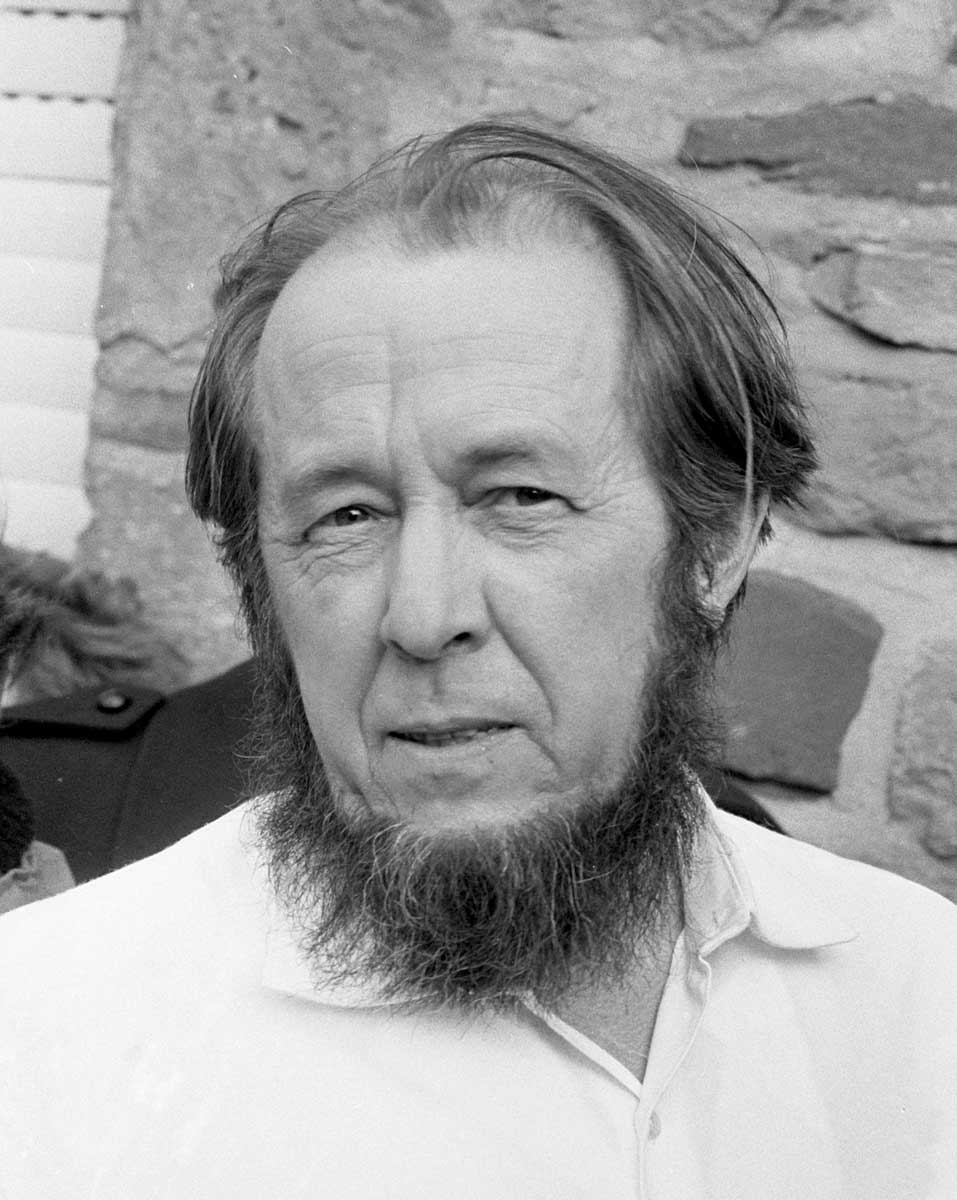
Second only to Andrei Sakharov as the most prolific Soviet dissident thinker was Aleksandr Solzhenitsyn. Solzhenitsyn became a fierce opponent of the Soviet system after his experience serving as a captain in the Red Army. After he privately criticized Soviet leader Joseph Stalin, Solzhenitsyn was arrested by security forces and spent eight years in Stalin’s system of labor camps, known as the Gulag.
His time in the Soviet prison camp system led him to write about his experiences in his defining book, The Gulag Archipelago, which was completed between 1958 and 1968. The monumental work was distributed through the dissident underground network and exposed in intricate detail the horrific truth of Stalin’s forced labor camp system.
The Gulag Archipelago made its way out of the Soviet Union. It was published in the West in 1973, where it exposed to a global audience the horrifying truth of the mechanics of Soviet oppression. Solzhenitsyn’s work attracted attention to the condition of political prisoners in the USSR on a global scale. As a result of his dissident writings, Solzhenitsyn was forced to leave the Soviet Union in 1974 after his citizenship was taken away from him.
He found refuge in the US, where he lived for the next twenty years, continuing to write and speak out against Soviet communism. Solzhenitsyn returned to Russia in 1994 after the collapse of the Soviet Union, where he continued his political and literary endeavors until his death in 2008.
3. Natan Sharansky: Refusenik and Advocate (1948-)
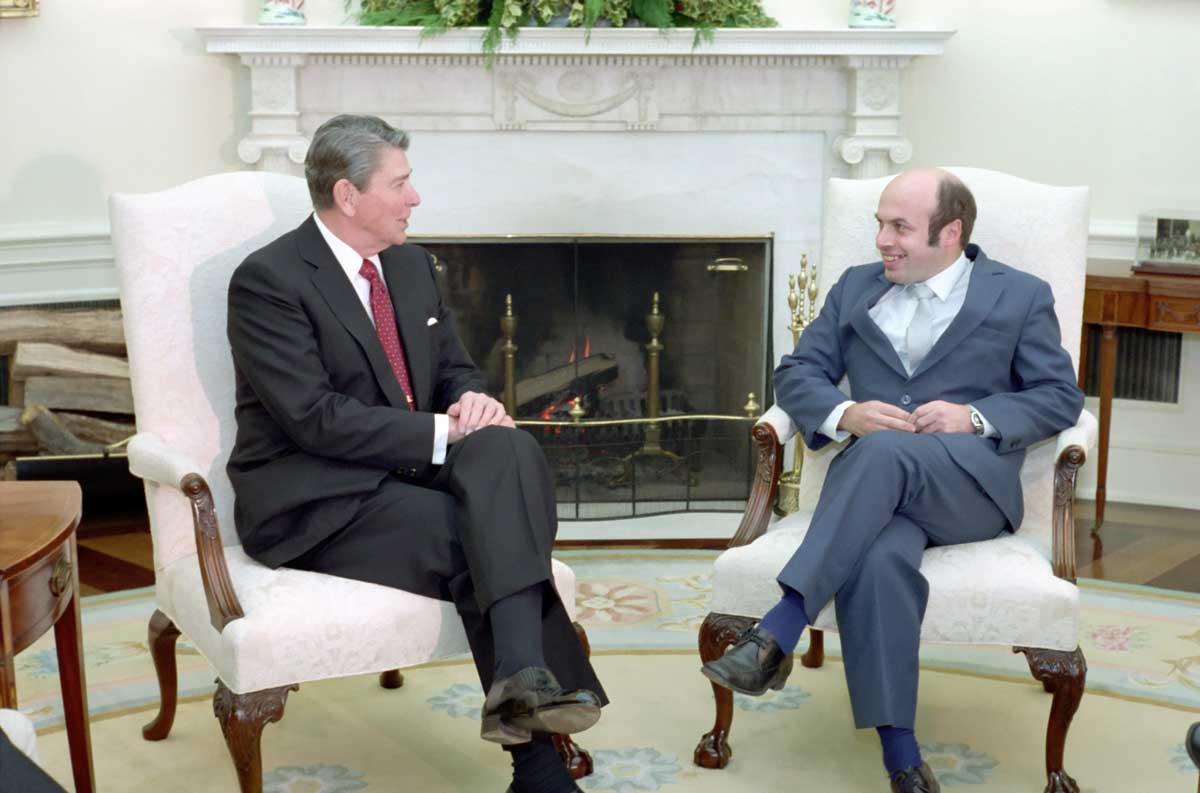
Anatoly Sharansky, who later went by Natan, was a widely respected dissident leader. Originally born in Ukraine, Sharansky was part of a group of Soviet Jews who were termed “refuseniks.” This term referred to the fact that many Soviet Jews were refused permission to emigrate from the USSR to the state of Israel. Sharansky was a vocal proponent of the rights of Soviet Jews and was frequently the target of the Soviet state because of his actions.
In 1977, Sharansky was arrested by Soviet authorities and accused of treason and spying for a foreign power. While the charges were unfounded, Sharansky was given a thirteen-year prison sentence that included time at a forced labor camp and solitary confinement, where he was subject to harsh treatment. Throughout his imprisonment, Sharansky maintained his innocence and remained a vocal opponent of the Soviet regime on behalf of the refuseniks.
When Mikhail Gorbachev became the leader of the Soviet Union, he set about righting the wrongs of his predecessor by releasing Soviet dissidents. As part of this process, Sharansky was released in 1986 after a long campaign by human rights organizations and the United States. After he was released from prison, he adopted Israeli citizenship and moved to the country with his family, where he has lived ever since.
As an Israeli citizen, Sharansky became a prominent member of the government and was appointed Deputy Prime Minister in 2001. In a tragically ironic twist of fate, Mikhail Gorbachev declared himself to be the first refusenik of Russia after the Russian government forbade him from leaving the country in 1992.
4. Vladimir Bukovsky: Writer and Whistleblower (1942-2019)
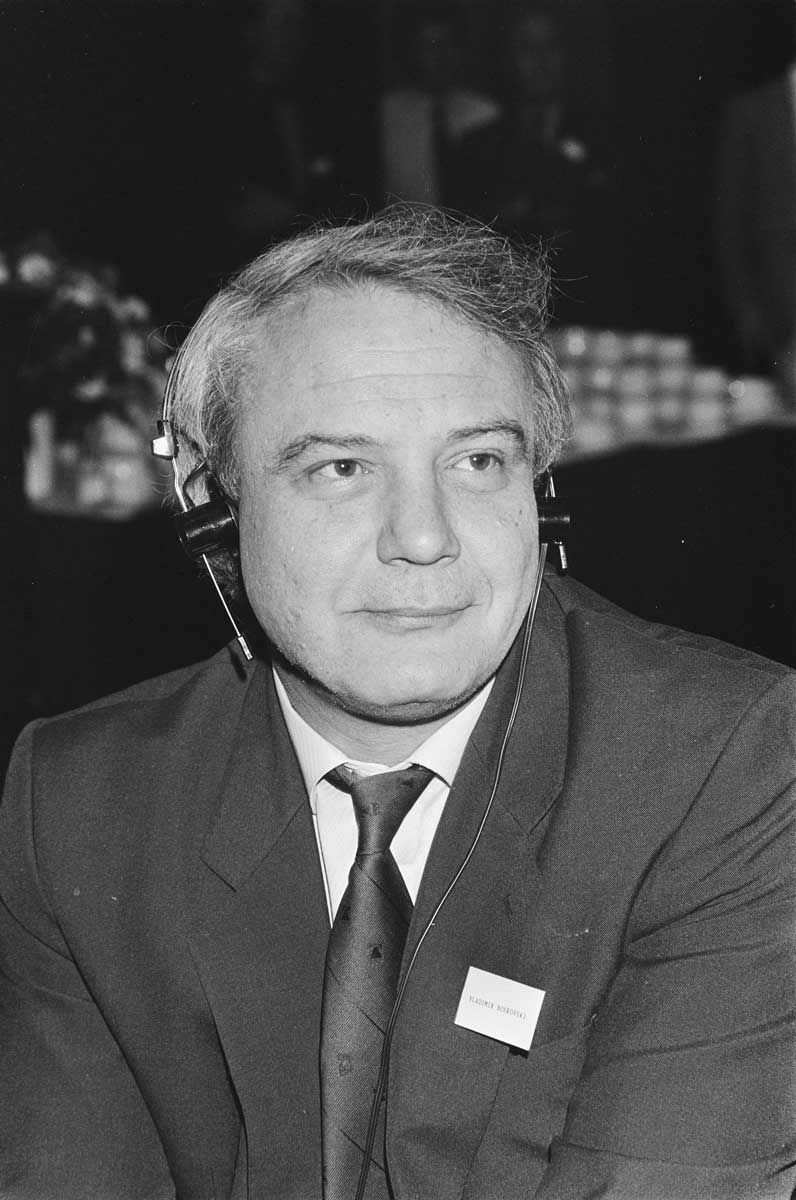
To silence dissent and quell opposition, the Soviet Union frequently used harmful psychological torture on its subjects. One such method was placing a mentally healthy individual into a cramped ward of a psychiatric hospital and forcing them to take psychedelic substances. The resulting experience would often lead to permanent psychological damage. The dissident who risked his life to reveal this harmful practice to the rest of the world was Vladimir Bukovsky, a writer and political prisoner who was incarcerated for his activism for a total of 12 years, spending time in prisons, labor camps, and mental hospitals.
He exposed the Soviet Union’s harmful practices by smuggling a number of sensitive documents out of the country. These documents were then prepared into a damning dossier by Western activists. Once the reality of these documents reached the wider psychiatric community, there was a widespread outcry, and the Soviet Union was accused of using the profession as a means of silencing dissent.
In 1971, Soviet authorities arrested Bukovsky for leaking these documents and put him on trial for “anti-Soviet activity.” He was sentenced to two years in a foreign labor camp and exiled for five more. Bukovsky was granted his freedom in 1976 when he was exchanged in return for Luis Corvalán, the leader of the communist coup in Chile. Bukovsky settled in the UK, where he carried on with his activism, writing, and public speaking. Bukovsky gained respect and affection from people all around the world for his steadfast commitment to the cause of freedom and human rights. He died in 2019, leaving a brave and honest legacy in his wake.
5. Joseph Brodsky: Poet and Exile (1940-1996)
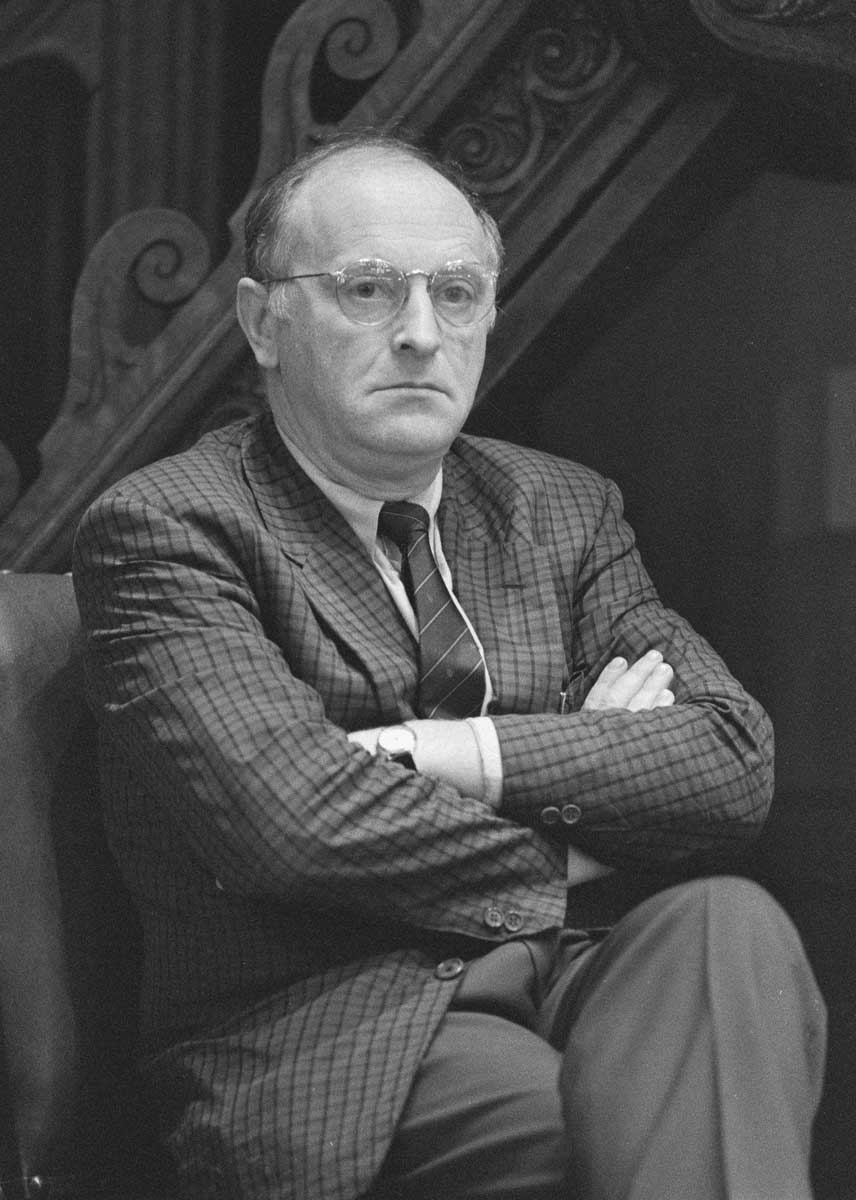
Throughout history, political dissidents have used the power of the written word to undermine and challenge authority. Joseph Brodsky was a prolific Soviet writer and dissident who published underground works of literature that challenged the government. Brodsky was born in 1940 in Leningrad and became a popular poet of the underground publication network known as samizdat (literally, “self-publishing”).
Brodsky became a target of Soviet authorities due to his writing style, which often examined the brutality of Soviet life and oppression. After years of underground writing, Brodsky was arrested by security forces in 1964 and given a harsh sentence of eighteen months of hard labor in an Arctic prison camp. After protests by Soviet cultural figures and Western governments, Brodsky’s sentence was eventually overturned, and he was allowed to return to Leningrad.
His experience in prison had not dissuaded Brodsky from writing, and he continued to do so until 1972, when Soviet authorities expelled him from the USSR. He eventually moved to the United States, where he found fame and respect among his peers. In 1987, Brodsky was awarded the Nobel Prize in Literature and lived in New York until his death in 1996. Brodsky’s tremendous sense of humanity, profundity, and insight are still acknowledged qualities of his writing. His legacy serves as evidence of the ability of literature and the arts to confront and overcome oppression.
6. Václav Havel: Playwright and President (1936-2011)
During the Soviet period, the Kremlin’s influence extended far beyond the USSR’s borders. The Soviets exercised a huge sphere of influence over Eastern Europe that became known as the Soviet Bloc. Dissent in those countries that fell under its influence was dealt with more often by local authorities; however, the Soviet Union was just as ruthless with dissidents outside its official borders as within.
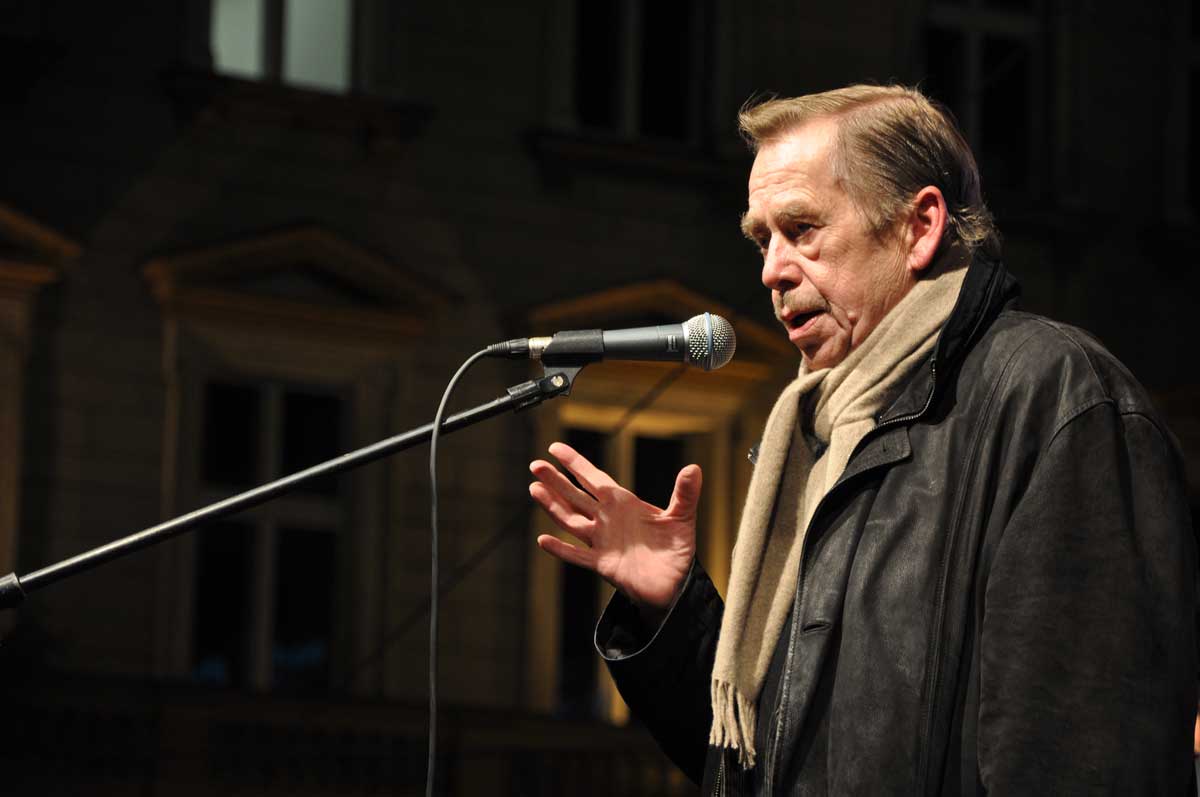
In Czechoslovakia, one such dissident who deified the Soviet Union and eventually won his freedom was Václav Havel, a playwright, essayist, and political firebrand. Havel was a key player in Czechoslovakian resistance to Soviet authority. His writings, which attacked the dehumanizing features of Soviet totalitarianism, helped galvanize the Czech independence movement.
One of Václav Havel’s most significant actions was co-writing Charter 77. The charter was a human rights manifesto that urged the government of Czechoslovakia to abide by international human rights treaties and release political prisoners. The document formed a focal point for a movement within Czechoslovakia that rebelled against Soviet authority.
Because of his dissident activities, Havel was often imprisoned by government authorities. However, he remained steadfast in his commitment to human rights. Havel played a key role in the 1989 Velvet Revolution, which saw Czechoslovakia’s communist regime removed from office in a peaceful revolution. After the nation gained its independence, Havel was elected as the nation’s first democratic president. His bravery in opposing authoritarianism and his dedication to human rights have made a lasting impression on the world.
7. Natalya Gorbanevskaya: Poet and Protester (1936-2013)
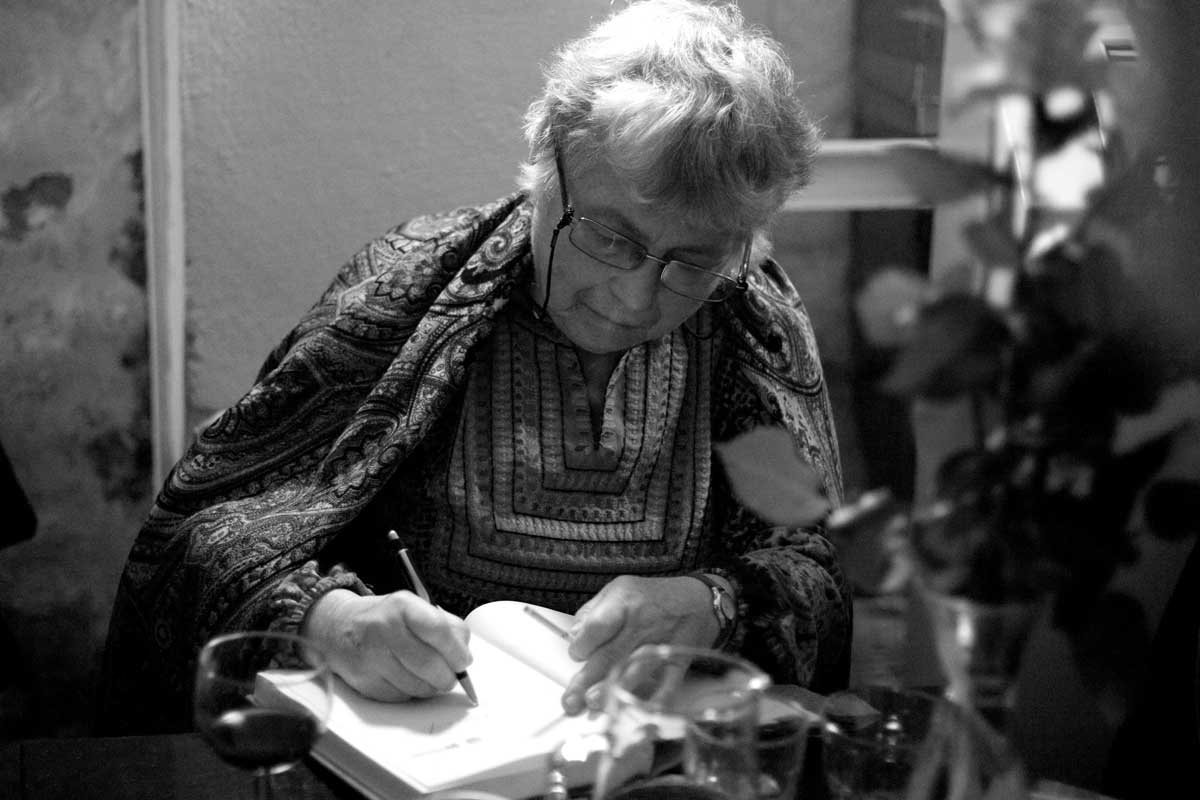
Born in Moscow on May 26, 1936, Natalya Gorbanevskaya was a Russian poet, translator, and civil rights activist. Along with several fellow dissident writers, Gorbanevskaya founded the Samizdat journal Chronicle of Current Events to spread information on civil rights abuses in the Soviet Union.
When the Soviet Union invaded Czechoslovakia in 1968 to crush the Prague Spring, Gorbanevskaya and several other dissidents took to Moscow’s Red Square to protest the brutal actions. This brazen act of political dissent made Gorbanevskaya a target of the Soviet security services, who ordered her to be imprisoned against her will in a psychiatric hospital for many years. Gorbanevskaya eventually won her freedom and left the USSR in 1975, when she traveled to Europe and continued her work as a writer and translator of Polish literature.
8. Lyudmila Alexeyeva: Historian and Humanitarian (1927-2018)
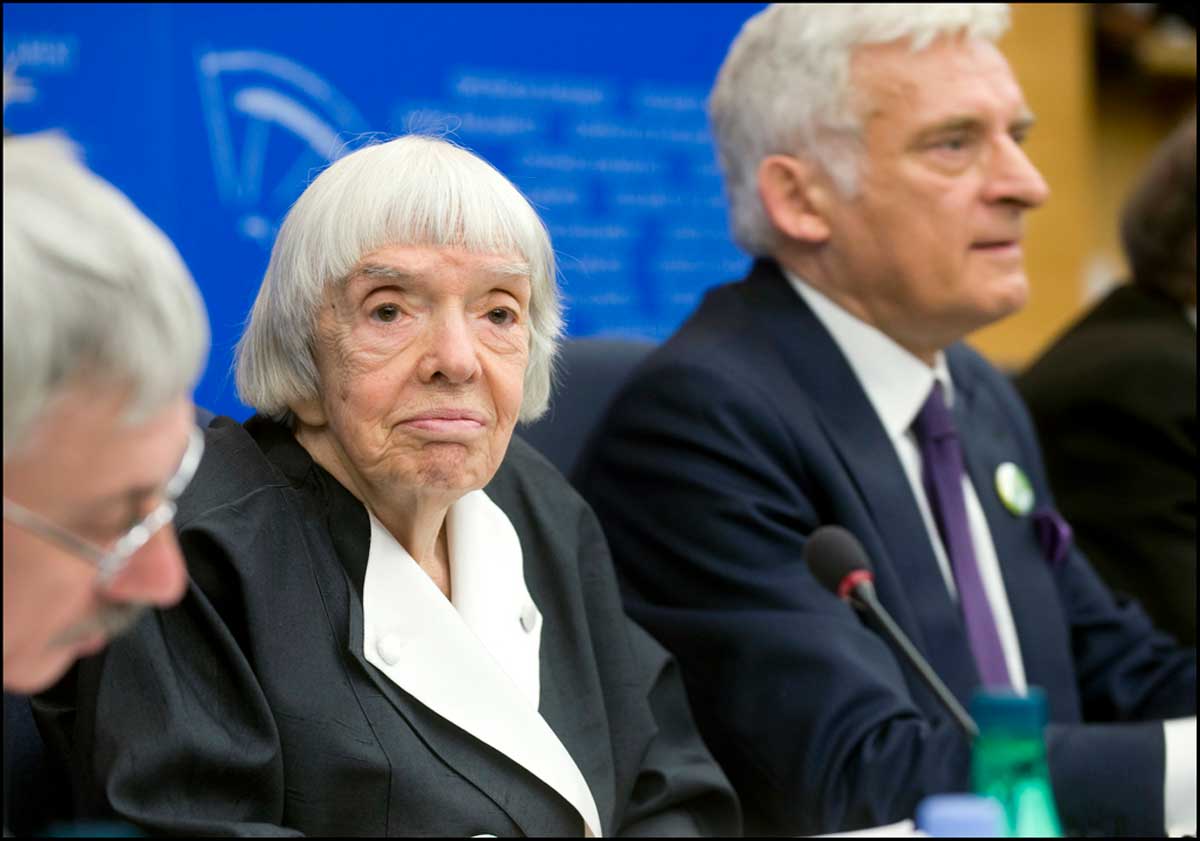
One of the most long-lived dissidents who defied the Soviet Union was Lyudmila Alexeyeva. Born in 1927, Alexeyeva lived through the horrors of World War II and Stalin’s purges. Her early life remained relatively free from controversy until the 1960s when Alexeyeva joined a movement of dissidents and intellectuals to publish the underground newspaper Chronicle of Current Events. The journal was circulated using the Samizdat underground network and exposed human rights abuses in the USSR.
In 1975, the Soviet Union signed the Helsinki Agreement, a document pledging to cooperate with other nations and to protect human rights. Alexeyeva, along with dissident Yuri Orlov, founded the Helsinki Watch Group to ensure the Soviet Union adhered to the promises it had made in the agreement. In 1977, Alexeyeva was told by Soviet authorities to abandon her work or be sentenced to years in a forced labor camp. Instead, she chose to leave Moscow for the northern United States, where she became the public voice of the Soviet dissident movement and wrote two books.
After the Soviet Union collapsed, Alexeyeva returned to Moscow and revived the Moscow Helsinki Group, which began to monitor human rights violations in post-communist Russia. Alexeyeva continued her work until she died in 2018. She remained a regular fixture in the pro-democracy movement and frequently appeared at anti-government protests. In 2022, the Russian government dissolved the Moscow Helsinki Group, citing that the group’s own charter prevented it from upholding human rights. However, many believe the Russian government dissolved the group to silence dissent in the wake of its invasion of Ukraine.