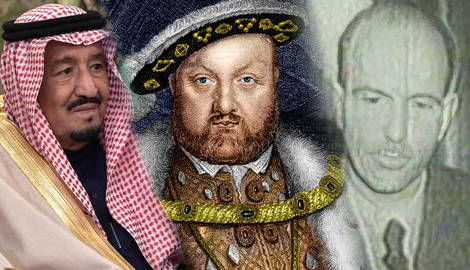

Most nations today describe themselves as some sort of republic with a considerable degree of democracy. While there are indeed authoritarian rulers today, the prevalence of absolute rulers (complete dictators) has diminished significantly since the beginning of the Age of Enlightenment in the late 1600s. What were the characteristics of this system of governance? Why did the once-popular system of autocratic monarchies fall out of favor, and how did this erosion of popularity occur? Which monarchies still exist today, and do these remaining monarchies still bear traces of this autocratic rulership?
Setting the Stage: The Dark Ages
Prior to European monarchies was the Roman Empire, which covered at its peak most of Western and Central Europe, parts of Eastern Europe, and parts of North Africa and the Middle East. When this empire eroded and collapsed by about 450 AD, an era of relative lawlessness and ignorance swept the land due to the loss of Rome’s military protection, maintained infrastructure, and libraries. Between the 5th and 9th centuries existed the Dark Ages, so named for its lack of progress and enlightenment. This term is ambiguous, as little agreement exists on whether it encompasses the entire medieval period, which ended with the Renaissance, or whether the Middle Ages (medieval Europe) should be considered separate.
The term “Dark Ages” became popular due to the lack of historical records about society and advancements. Some consider the Dark Ages to be Early Medieval, which lasted until the Norman invasion of England in 1066, while Late Medieval is sometimes known as the Middle Ages. 1066 begins the history of the English kingdom, which remains in popular culture the most prominent monarchy. While much of Europe suffered through a period of backwardness and struggle after the collapse of the Roman Empire, the Byzantine Empire (formerly the Eastern Roman Empire) flourished.
Medieval Europe and Autocratic Rulers
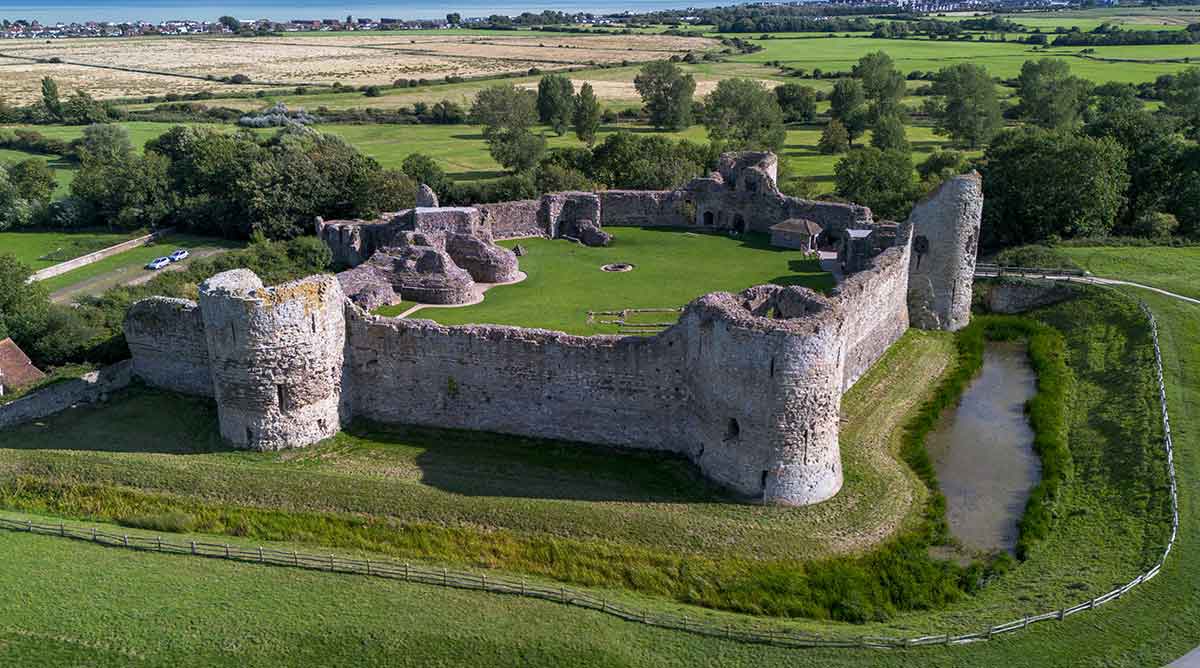
After about 1066, larger kingdoms began to form in western and central Europe. These are the images many Westerners conjure when hearing about monarchies: kings, queens, castles, et cetera. Of course, there were many powerful kings prior to 1066 in Europe, though we know less about them. These early monarchies, characterized by familial lineage to the throne, were mostly autocratic (dictatorial), with kings—much more common than queens—having total executive power. Power during the early medieval period, often known as the Middle Ages, was primarily based on military might.
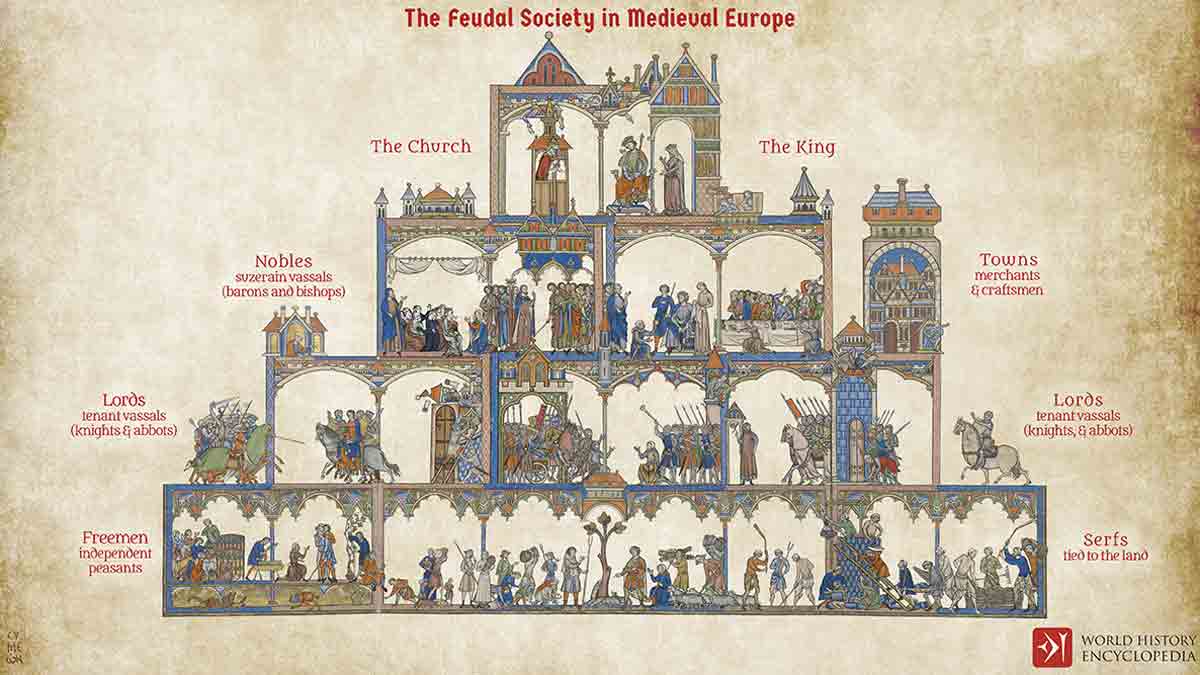
Military leaders could create their own kingdoms and establish monarchies, transferring power to their sons upon their deaths. Most kingdoms during the early Middle Ages were small and were overthrown or defeated by neighboring kingdoms frequently. Peasants (working-class people) accepted monarchies for their protection. A feudal system, sometimes known as a manorial system, allowed lower ranks of nobility, allied with the king, to govern tracts of land and protect the peasantry… in exchange for fealty (unquestioned loyalty) and taxes. Some regions had serfs who were essentially slaves and served the manor (hence the term manorial system) in exchange for food, shelter, and protection. Kings and lower nobility had absolute power over most peasants, especially serfs.
1215: The Magna Carta Limits Autocratic Power
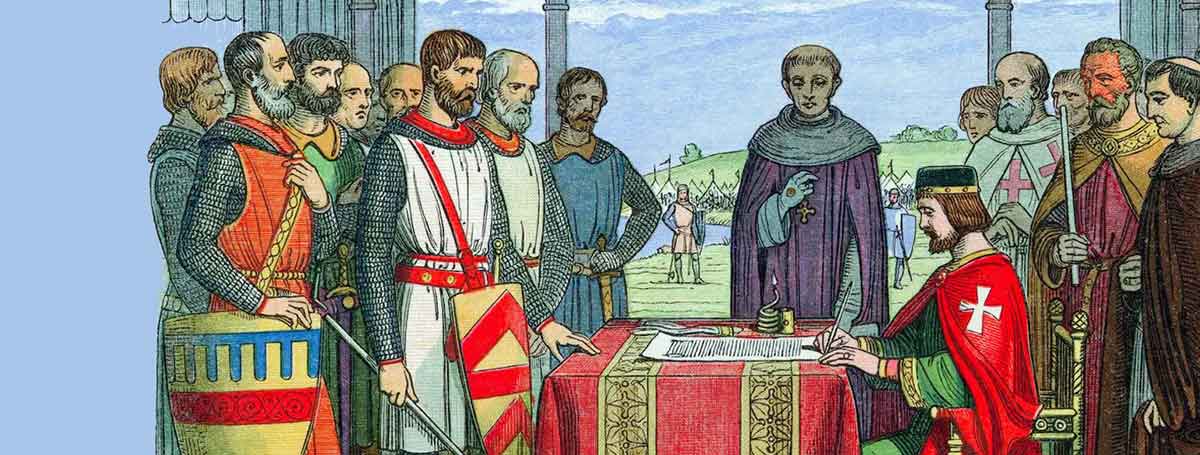
European kings needed loyal noblemen (dukes, earls, and other lords) to govern the nether reaches of their kingdoms. These noblemen were taxed and expected to serve the king loyally, such as by providing knights and soldiers for military campaigns against other kingdoms or during the Crusades. Periodically, various noblemen would grow dissatisfied with the monarch (king or queen) and decide to rebel, attempting to take the throne. Pressure from such dissatisfied barons led King John of England to sign the Magna Carta in 1215, which was the first document to dispute the philosophy of the Divine Right of Kings and put limits on the monarch’s power.
The Magna Carta began a power struggle between monarchs and their subjects. Many kings and queens argued that they had a divine right to rule as they saw fit, as they were God’s representatives. This was epitomized by King Louis XIV of France, the “Sun King,” who strengthened ties between his monarchy and the Catholic church.
During the late Middle Ages, European monarchs often reinforced their power by allying themselves with religious leaders, thus threatening rebellious subjects with damnation. Famously, King Henry VIII of England broke with the Catholic church in 1532 and created the Church of England, making himself an absolute ruler. This [in]famous king, who executed many of his wives, is considered the epitome of an autocratic ruler.
Age of Enlightenment Leads to Constitutional Monarchies
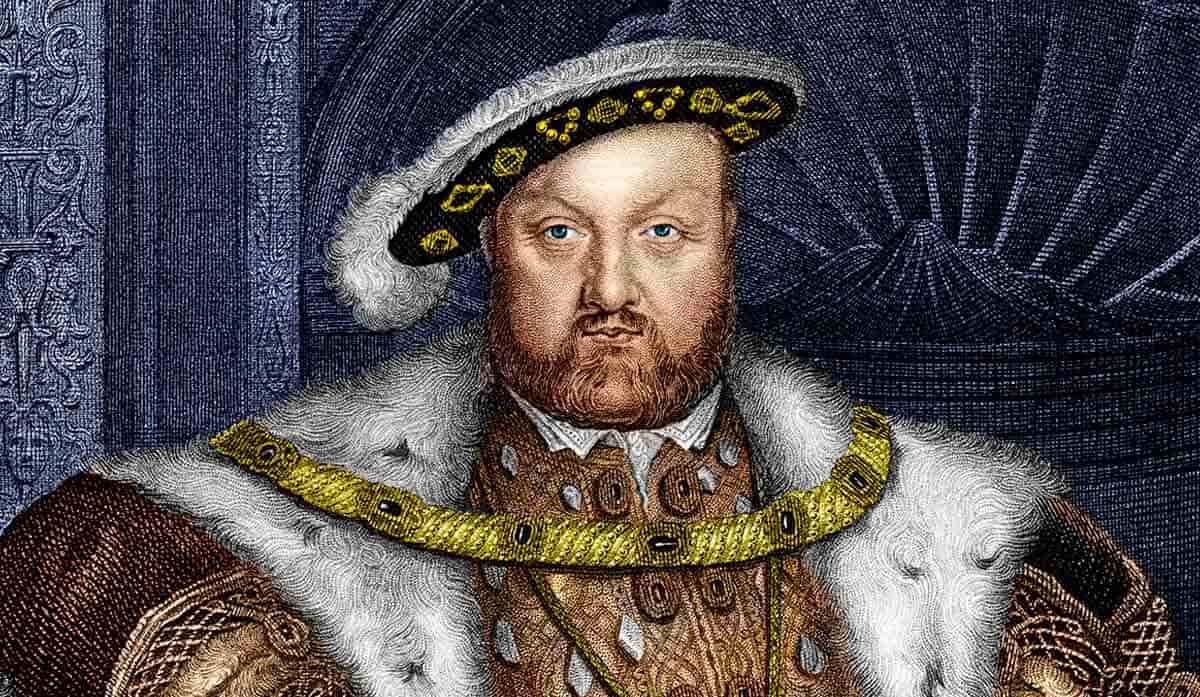
King Henry VIII executed up to 72,000 people during his reign (1509-1547), often for crimes like treason and heresy, and thus, his reign may be considered the peak of autocratic monarchies in Europe. By the 1500s, most small kingdoms had been absorbed into nation-state kingdoms, ruled by autocratic monarchies, and these large kingdoms fought against each other for resources. Religion had long spurred monarchies to action, such as supporting the Crusades between 1096 and 1291, and sparked the Thirty Years’ War in 1618. This war enveloped all major monarchies of continental Europe, with England also contributing troops to assist Protestant monarchies.
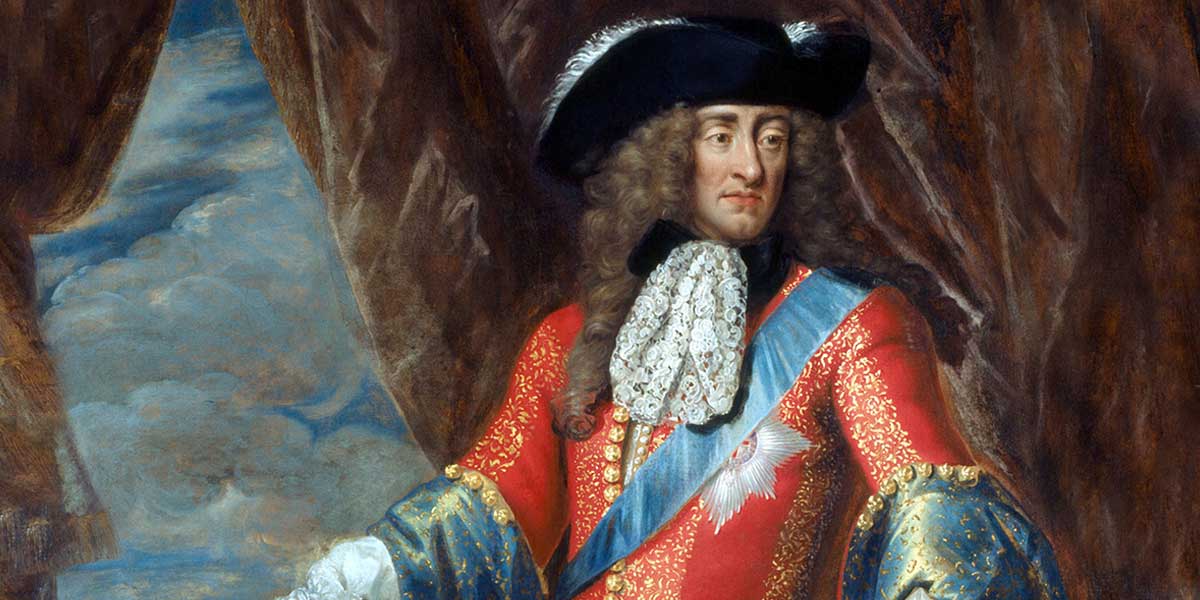
The complexity of governance during the conflict weakened absolute monarchies by putting more non-nobles in decision-making bureaucratic positions. Although this temporarily strengthened monarchs by removing the need for lesser nobles as decision-makers, it allowed bureaucratic agencies to continue operating even without the monarch’s input. This meant that, when the Age of Enlightenment turned many people against absolutism and toward democracy, governments could maintain function.
Previously, people had accepted absolute monarchies as necessary to maintain governance and order. The rise of bureaucracies with non-noble executives allowed the people the ability to govern themselves. To remain in power, many monarchs worked with their legislatures, such as England’s Parliament, and shared executive authority, such as after the Glorious Revolution in England in 1688-89.
The French Revolution: Monarchies in Danger
The Glorious Revolution created the first constitutional monarchy, with the king forced to accept more formal limits on his power. Rigors from the War of Spanish Succession in the early 1700s raised taxes on the peasantry across Western Europe and increased hostility toward the ruling monarchies. At this time, virtually all of Europe was governed by monarchies, most of them autocratic. However, the Enlightenment inspired many people to seek democracy, especially in the aftermath of the successful American Revolutionary War against Britain—arguably the most powerful European monarchy.
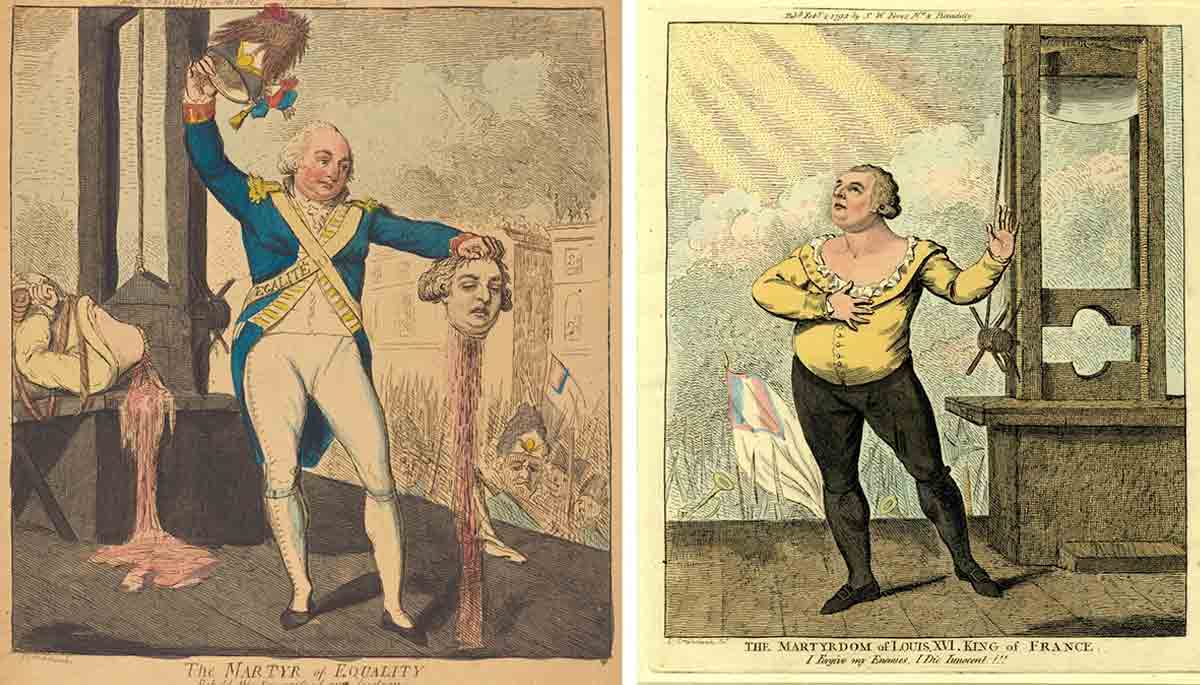
France and Spain, both monarchies and historical enemies of Britain, assisted the Thirteen Colonies in their war to become the independent United States of America. Ironically, King Louis XVI of France aided the American Revolution against Britain… and helped inspire the later French Revolution against his own regime. Wartime spending damaged the French economy, strongly influencing the outbreak of revolt in 1789. The French Revolution (1789-92) overthrew the once-powerful monarchy, shocking European monarchs, who fought unsuccessfully to quell the revolution and its brutal radicalism. The War of the First Coalition (1792-97) saw Austria and Prussia unite to protect the imprisoned French monarch.
Post-Napoleon: Monarchies Resurge
Although King Louis XVI was executed in 1793, with the revolutionaries emboldened by unexpected French victories in the French Revolutionary Wars against Austria and Prussia, his eventual replacement, Napoleon Bonaparte, also chose to rule as an autocrat. In 1804, the former general crowned himself emperor and set off to conquer Europe. His invasion of Russia in 1812 proved to be his undoing, with allies turning against him as he eventually retreated. In 1814 and 1815, an allied coalition led by Britain, Prussia, and Russia finally defeated Napoleon and sent him into permanent exile.
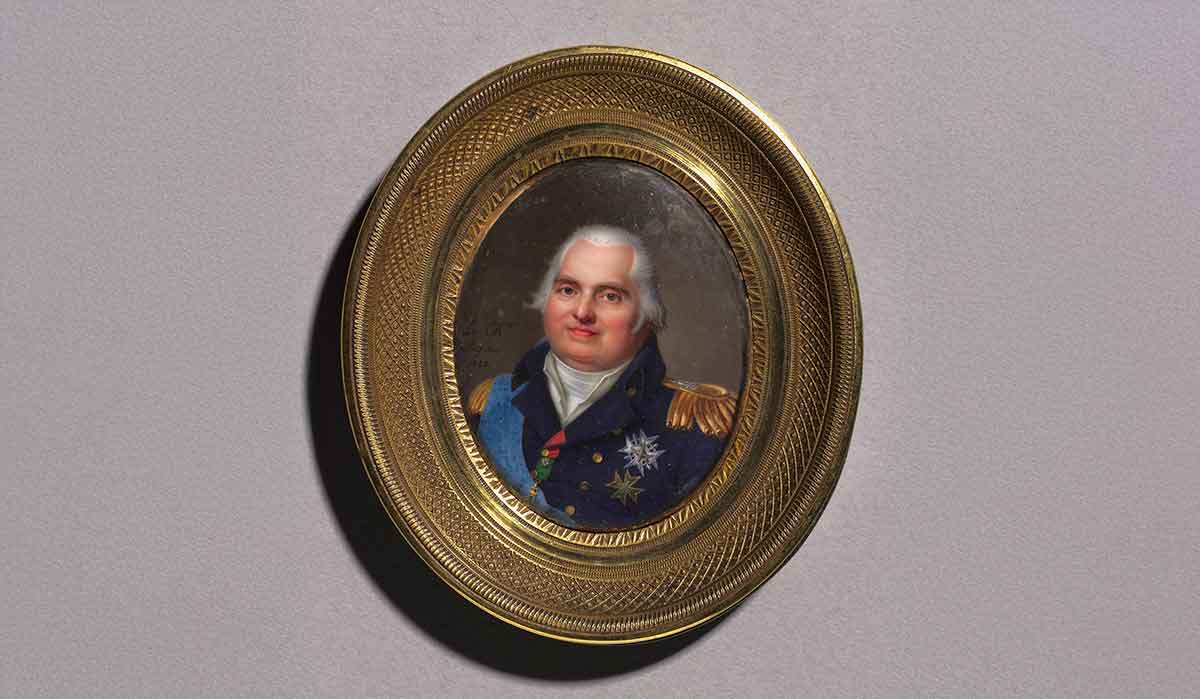
In a major blow to democracy, the Sixth Coalition restored the French monarchy with the Bourbon Restoration. King Louis XVIII, the younger brother of Louis XVI, was a relatively weaker king than his predecessors, likely due to fears of revolt and the military presence of France’s historic enemies. His successor, Charles X, attempted to return the monarchy to autocratic leadership after his coronation in 1824. This quickly became unpopular, especially due to an economic recession, and a revolution in 1830 forced him to flee the country.
1870s: Monarchies No Longer Undisputed Powers
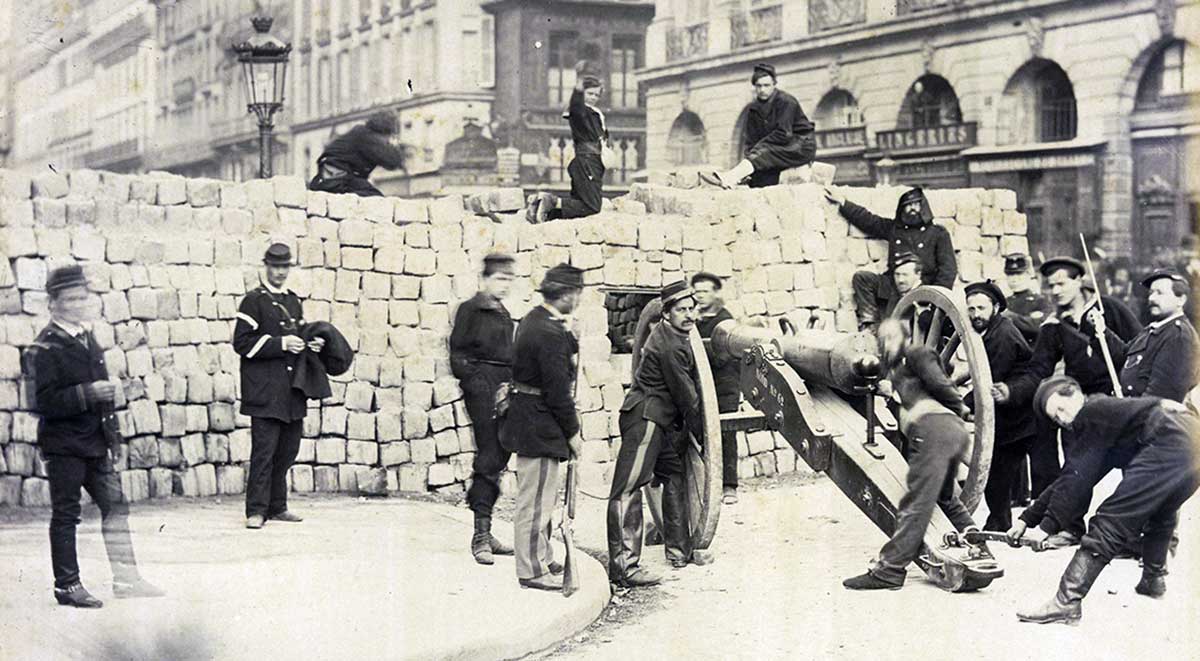
The July Revolution of 1830 in France sparked a ripple effect across Europe, similar to how the American Revolution helped influence independence movements in the Western Hemisphere. In France, a new monarchy allowed for the principle of popular sovereignty, or the power of the people. Faced with unrest, many monarchies were forced to make liberal reforms. 18 years later, another wave of revolutions rocked Europe. Again, some liberal reforms were made, but monarchies themselves remained entrenched.
In 1870, the unification of small states to create the modern nations of Germany and Italy occurred, providing geopolitical counterweights to the traditional monarchy powers of Britain, France, and Spain. The new nation of Germany handed France an unexpected military defeat in the Franco-Prussian War, shocking European observers. Defeated after only 10 months of war, Emperor Napoleon III was forced to abdicate his throne, ending the French monarchy and replacing it with a republic. Monarchs were no longer automatically the most powerful leaders in Europe, creating a new paradigm.
World War I and II: Monarchies Crumble
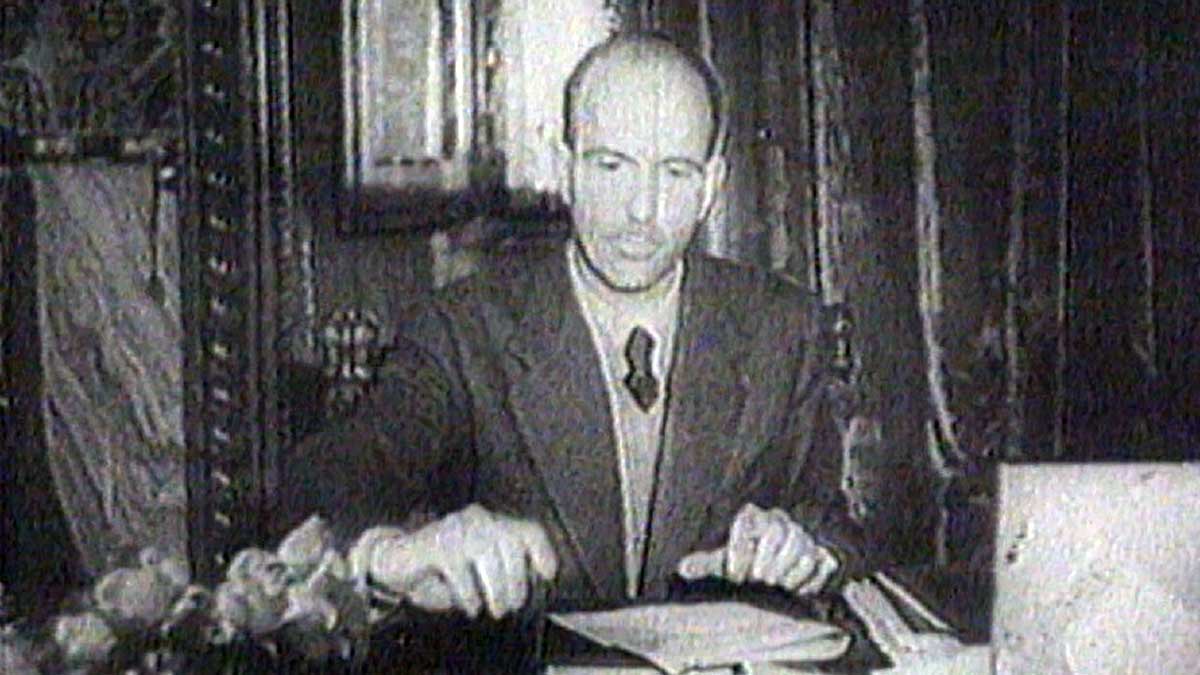
Monarchs still existed during World War I but saw their power wane due to the need for professional bureaucratic leadership during the industrialized and technological conflict. Many monarchies were overthrown during the conflict, which began with the assassination of Archduke Franz Ferdinand of Austria-Hungary in 1914. In 1917, the Russian monarchy was overthrown during the Communist Revolution, with Tsar Nicholas II and his family executed in July 1918 by radicals. The end of World War I in 1918 saw the collapse of several remaining monarchies: Germany replaced its Kaiser with a republic, the Austro-Hungarian Empire replaced its emperor with a republic as well, and the Ottoman Empire was replaced by Turkey and abolished its sultan.
The handful of remaining monarchies in continental Europe at the outbreak of World War II in 1939 were in serious jeopardy. By this point, few could be considered to have autocratic power. Many in central and eastern Europe were quickly made mere figureheads to powerful strongmen leaders, such as King Victor Emmanuel III of Italy, leaving most governance up to de facto (in reality) dictator Benito Mussolini. By 1945, Britain remained the only monarchy in Europe not to be occupied by foreign troops during the war. Italy voluntarily abolished its monarchy in 1946 and became a republic. In Eastern Europe, monarchies in Bulgaria, Romania, Albania, and Yugoslavia were abolished by socialists during the outset of the Cold War.
Despite Post-War Reforms, Some Monarchies Remain
After World War II, social movements ran counter to the tradition and conservatism of remaining monarchies. Several Middle Eastern monarchies were abolished in the 1950s, including Iraq, Egypt, and Tunisia. In these nations, citizens felt that the monarchies were too subservient to Western powers like the United States and Britain. As colonialism withered and former colonies in Africa and Asia gained their independence from Britain and France, many people also sought to replace autocratic monarchies with republics. In a final blow to the international power and prestige of the two most powerful former autocratic monarchies, Britain and France, the United States rejected their use of force during the Suez Crisis of 1956; the United States could call the shots for the West.
Although several monarchies remain in Europe, few hold any real power and are mostly ceremonial. Britain’s monarchy remains the wealthiest and most active but is strictly governed by Parliament’s laws. Lesser-known monarchies still exist in Spain, Sweden, Belgium, Denmark, the Netherlands, and Luxembourg, and in all of them, the monarch is considered a representative of the state only.
Some of these monarchs have occasionally voiced pointed opinions, creating controversy regarding their proper role as diplomats. Outside of Europe, monarchies still exist in Africa (Uganda, Eswatini, and Lesotho), Asia (Malaysia, Cambodia, Thailand, and Bhutan), and the Middle East (Jordan and Saudi Arabia). The Pacific Island nation of Tonga also has a monarchy.
Autocratic Remnants? Today’s Powerful Monarchs
While Europe’s remaining monarchs are mostly ceremonial, with some even taking normal day jobs, some monarchs in the Middle East and Asia still possess executive power. The Sultan of Brunei maintains executive power under that nation’s 1959 constitution, though its small size allows it to retain a relatively small government and rely on allies, such as Britain (from which it gained independence in 1984) and the United States, for defense. Some executive authority is still vested with the King of Cambodia, though he is now elected from among members of the royal bloodline, making him a rare elected monarch.
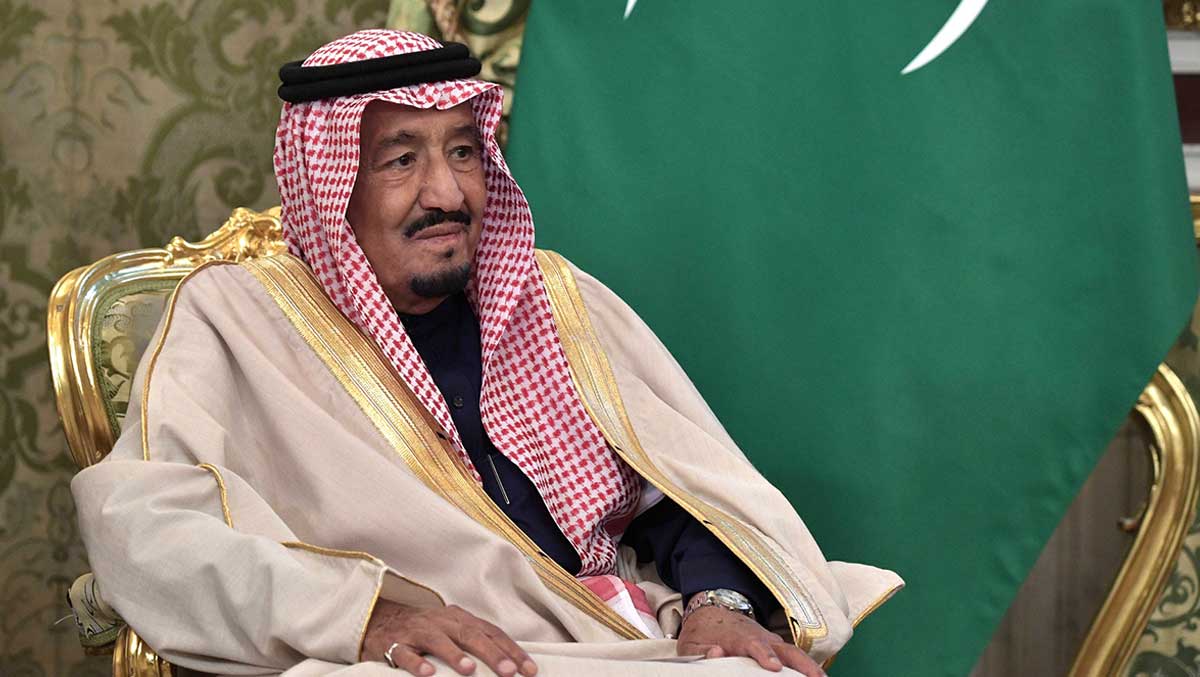
The most powerful autocratic monarchy remaining belongs to Saudi Arabia, which is an absolute monarchy adhering to no legislature-created constitution. The 1992 Basic Law declares that the Quran is the nation’s legal constitution. Saudi Arabia has little functioning democracy, making it similar to most of the Middle East, though its relative wealth from petroleum exports prevents significant unrest.
The king acts as the final arbiter of laws, as well as the head of government and the commander-in-chief of the military. In 2003, some reforms were put in place allowing the popular election of some officials and the establishment of committees to investigate allegations of human rights violations, but most observers still consider the monarchy to be repressive and anti-democratic.