
We are used to thinking that science and occultism are matters that inherently contradict each other. However, in the early days of modern medicine, many believed that some unseen forces could be useful for healing and balancing the human body. The most influential of those believers was the 18th-century physician Franz Mesmer, who became a celebrity doctor and toured around Europe with his seances of mesmerism or animal magnetism that supposedly cured all existing illnesses. Read on to learn more about Franz Mesmer and his highly contested theories.
Who Was Franz Mesmer?
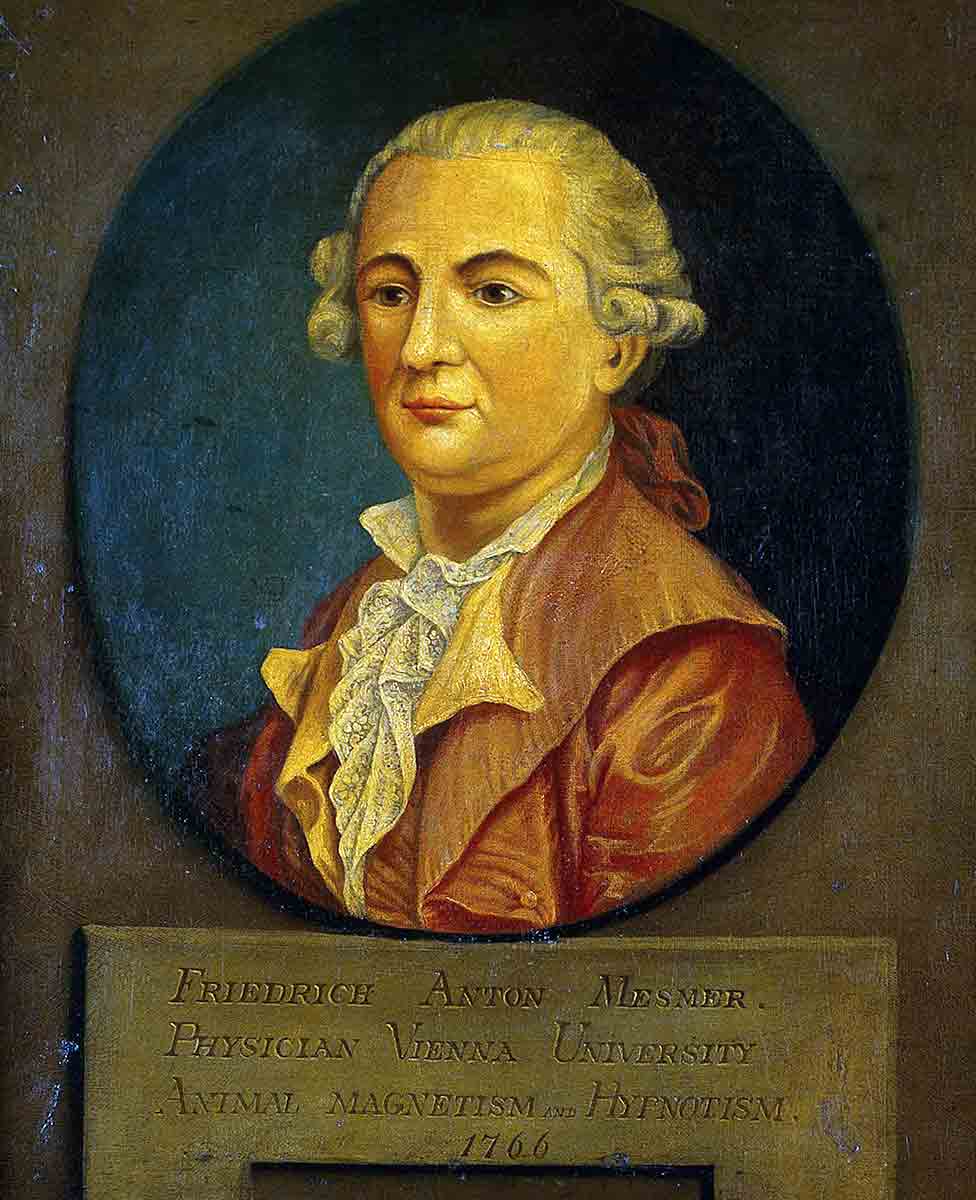
Celebrity healer Franz Mesmer, the protege of Marie Antoinette and one of the most influential figures of 18th-century quasi-science, had an astonishing career full of ups and downs. Raised in a large and poor German family, he moved from his native village to study theology and medicine in Austria. The influence of both disciplines, often contradictory in our mind, gave rise to a unique and outstanding body of work that Mesmer produced and promoted all around Europe. Although disproven, Mesmer’s healing practices were in high demand during his life. He became a friend of Mozart and Haydn and enjoyed the favors of European royal courts until his ambitions exceeded his talents.
Mesmer started developing his theories while he was still a medical student. In his dissertation, he explored the supposed healing powers of stars and planets. He claimed that the movement of cosmic bodies caused transformations in the alleged fluid field shared by every object in the Universe. Thus, by learning the astronomical movement patterns, it was possible to treat illnesses and improve an individual’s overall health. Mesmer was neither the first nor the last person to rely on astrology or invisible fluids in medical practice, but he was truly one of the first celebrity healers and charlatans who convinced thousands of people of his talents.
Humorism: The Early Precursor of Mesmerism
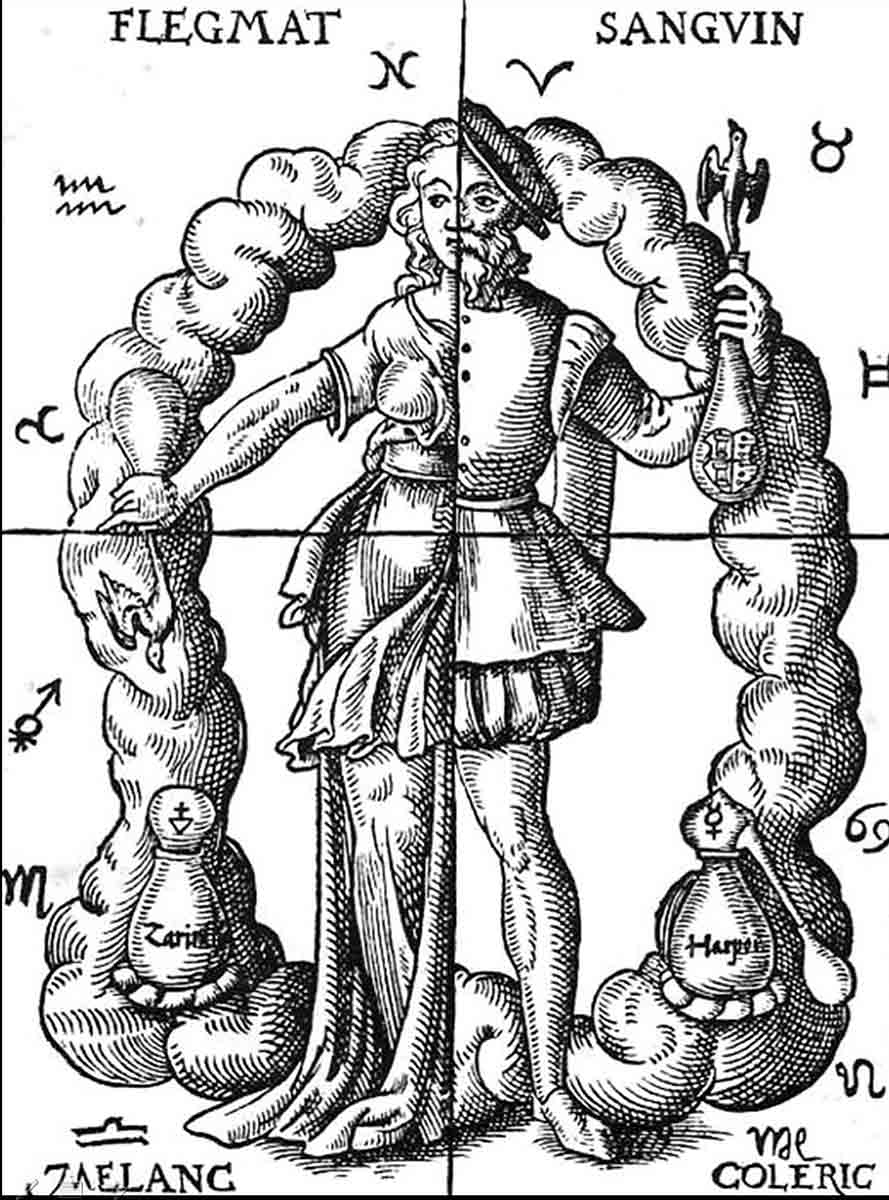
Some historians note that instead of inventing something new, Mesmer reinvented the old classics and wrapped them into a fashionable package of hand passes and ritualistic seances. Already, the ancient physicians of Greece and Rome, including the famous Hippocrates, described the so-called humoral theory, or humorism.
According to the theory, human bodies ran on four different fluids present simultaneously: blood, phlegm, yellow bile, and black bile. Any physical or mental illness was rooted in the unbalanced amount of any of these fluids. At the same time, each human had their own ratio of them, which helped to form their unique character and temper. From the theory of four fluids, ancient physicians developed the theory of four temperaments: sanguine, phlegmatic, choleric, and melancholic, each dominated by blood, phlegm, yellow bile, and black bile, respectively. The excessive amounts of each fluid could allegedly cause unexplainable fits of unmotivated cheer, anger, melancholy, or total passivity.
According to ancient doctors, all four fluids were products of digestion and thus could be altered with a proper diet or exercise. In severe cases, however, they required more extreme medical practices, such as bloodletting or forced vomiting. By the 18th century, humoral theory had fallen out of fashion and had been disproved by scientists. Today, some of its remnants can be found in alternative medicine or popular psychology.
Animal Magnetism: Mesmer’s Seances
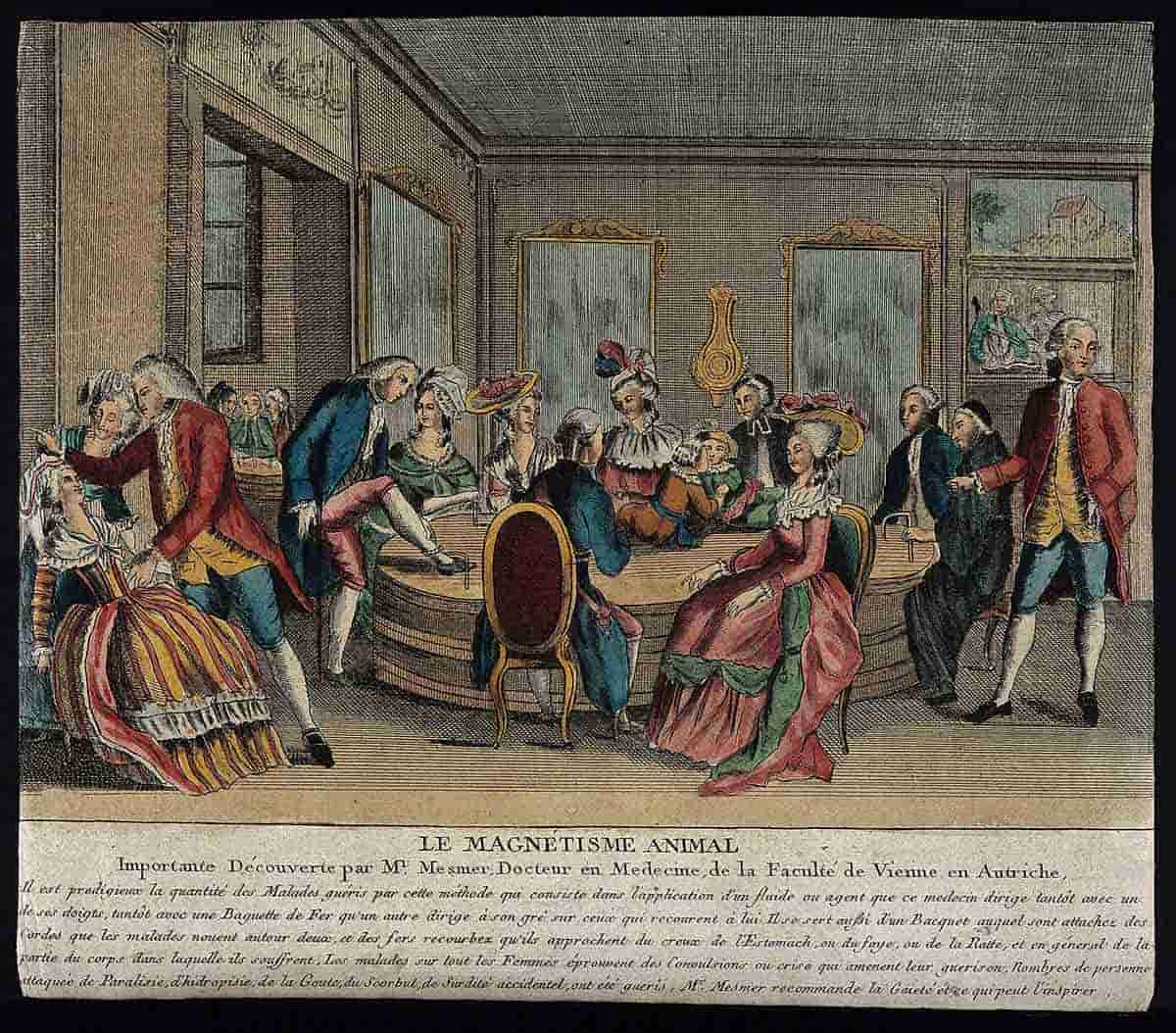
Franz Mesmer reworked the humoral theory by proposing the concept of magnetic fluid produced by human bodies surrounding them like an invisible aura. In his opinion, illnesses were caused by disturbances in this fluid field. Mesmer believed that by affecting this field with magnets and metal poles, he could restore the balance and channel the fluids in the right direction.
Mesmer started his seances by carefully listening to his patients’ complaints and assuring them that their illnesses would soon be cured. Dressed in a long purple gown, he then made hand passes and performed ritualistic movements with mechanisms. Initially, he used magnets to balance the animal magnetism of his clients. With metal rods, Mesmer claimed to create artificial tides that would relieve his patients from their symptoms. Later, he decided to trust his own supposed powers instead of mechanisms and ditched the extra instruments altogether. Soon, when the demand for Mesmer’s services exceeded his capabilities, he started to offer group seances. There, animal magnetism passed through up to two dozen of his clients at once, with them seated around a tub filled with metal rods.
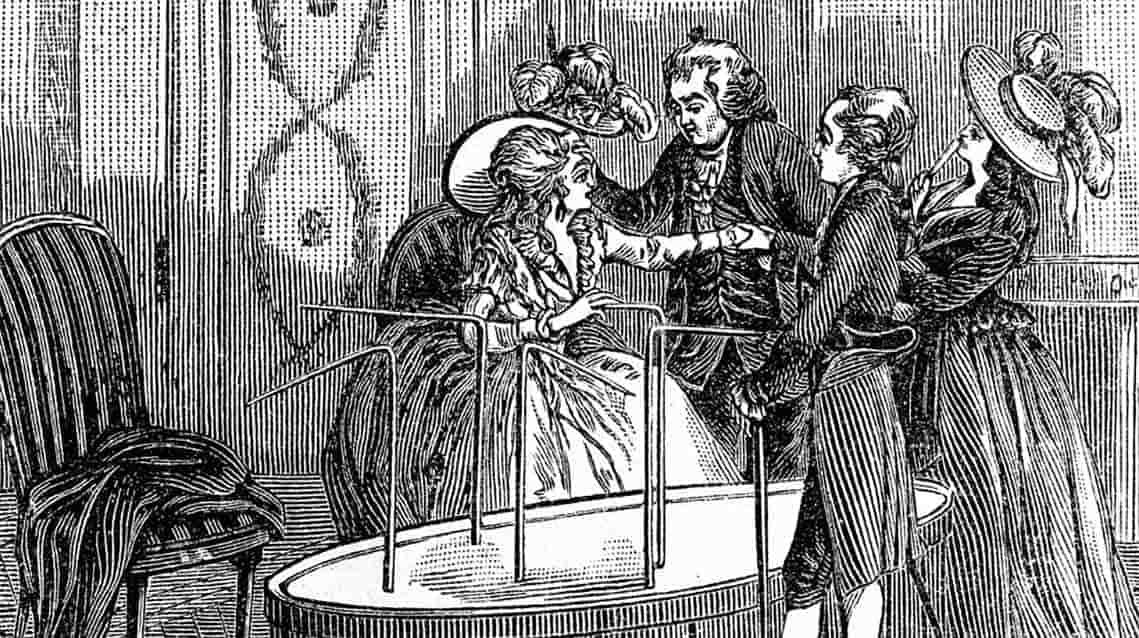
Deliberately or not, the majority of Mesmer’s patients were women. Proponents of mesmerism believed that women’s magnetic fluid was much weaker than men’s and required more control. In Mesmer’s time, the most frequent diagnosis applied to women in almost any kind of mental or nervous distress was hysteria. Hysteria was a supposedly nervous condition with a list of possible symptoms large enough to account for almost any sort of emotion or behavior. Mesmer worked with hysteric patients and treated them with much more respect than the majority of doctors.
Instead of labeling them as hysterical due to the supposed weakness of their sex, he offered them a solution, however questionable it might seem today. The quasi-scientific appeal of Mesmer’s practice validated these women’s concerns for their health and indeed offered some relief by creating a safe and trusting space. This, however, did not make Mesmer’s methods any more credible. Over the years of performing in Vienna, he developed an astonishing sense of self-importance, greatly overestimating the possibilities of his method.
Mesmer’s Fall From Grace

After several years of working in Vienna, Mesmer’s luck ran out since his ambitions mismatched his actual abilities. A charismatic and convincing public figure, Mesmer was relatively successful in treating minor mental issues or psychosomatic symptoms yet had no actual medical qualification to treat physical illnesses. His reputation in Austria collapsed after a failed attempt to cure a blind piano player. Tricks that could possibly work on Viennese ladies suffering from anxiety did not cause the same placebo effect on severe physical traumas. Right at the same time, rumors started to spread about Mesmer’s alleged affairs with some of his patients. The imbalanced and unethical relationship between a doctor and his patient was concerning enough for the 18th-century public.
Soon, the entire of Austria regarded Mesmer as a charlatan and a fraud, mocking him in the press. To avoid further implications of scandal without sacrificing his ego, the celebrity healer rapidly moved to France in 1778. There, he quickly won the favors of the main Austrian representative abroad—the scandalous French Queen Marie Antoinette. Soon, Mesmer reestablished his reputation by treating the bored audience of Versailles and other royal premises.
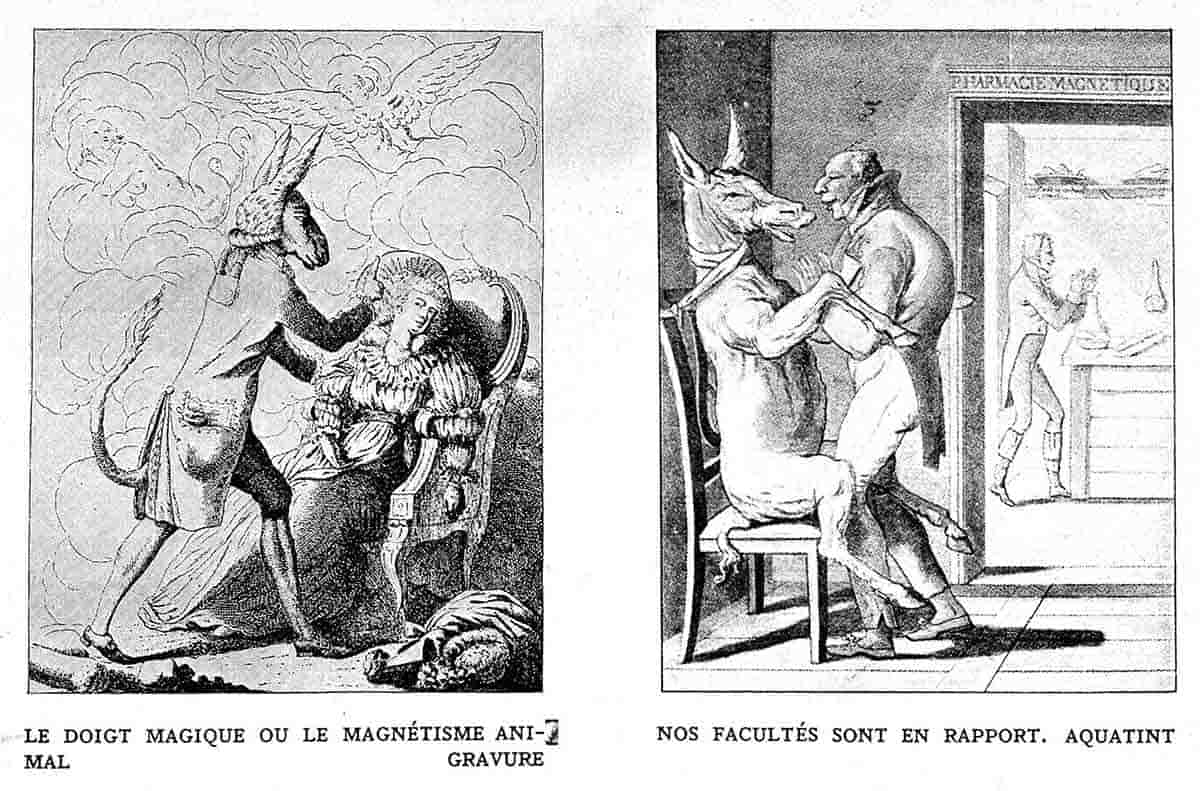
Still, Mesmer’s questionable methods and already tarnished credibility have reached France soon enough. In 1784, a special commission led by none other than Benjamin Franklin, the first US ambassador to France, was launched in order to research Mesmer’s claims. Over several months, the commission conducted blind tests and trials with several focus groups. The investigation has shown that mesmeric methods worked only when patients were aware of it. Some were offered magnetized water and reported that they immediately felt better after drinking it. Others received the same liquid without announced qualities and did not notice any difference. Thus, Mesmer was exposed as a fraud and went into exile again, but he never lost genuine faith in his extraordinary abilities. He continued his practice in Switzerland until he died in 1815, almost forgotten.
Franz Mesmer’s Impact
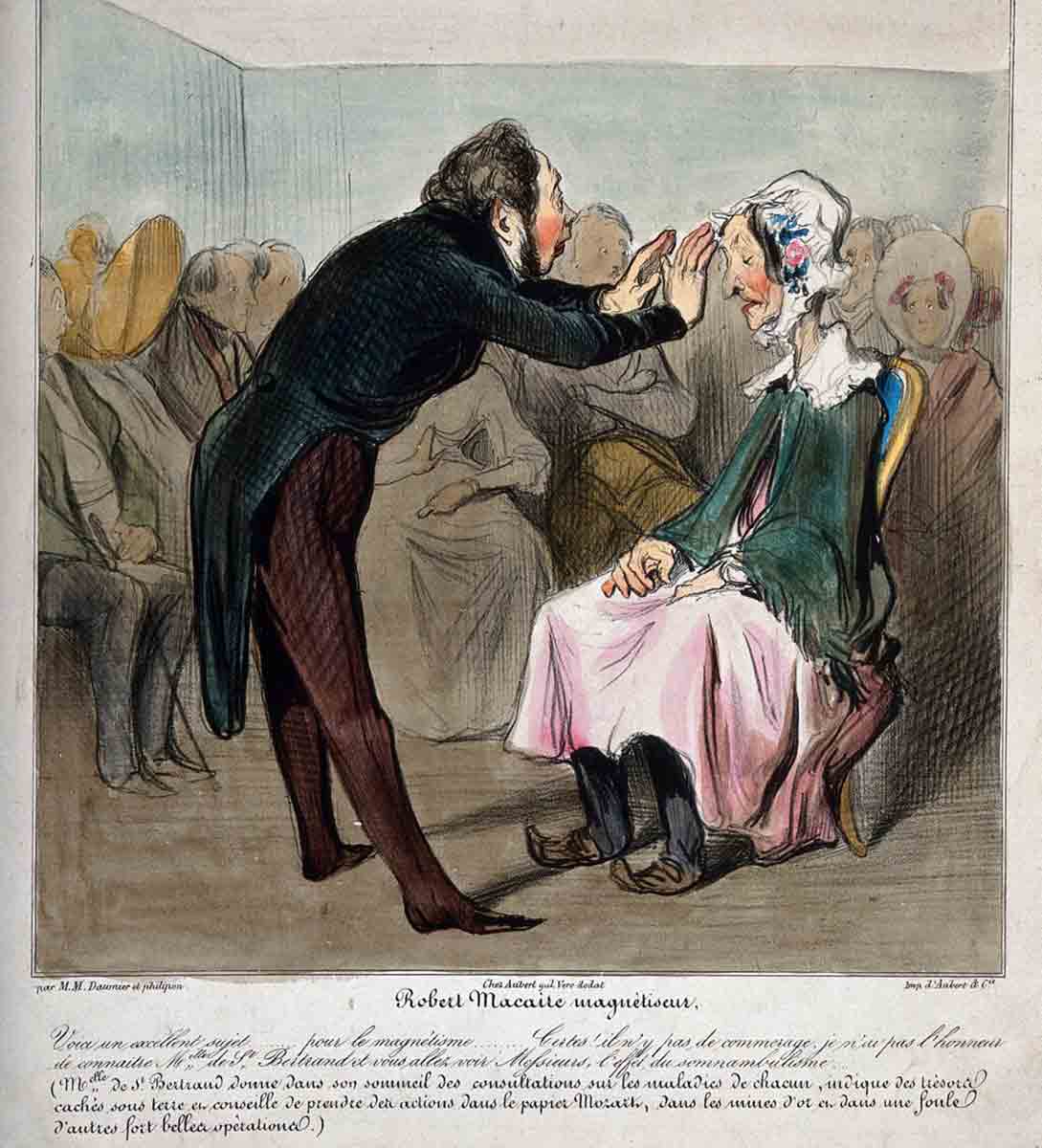
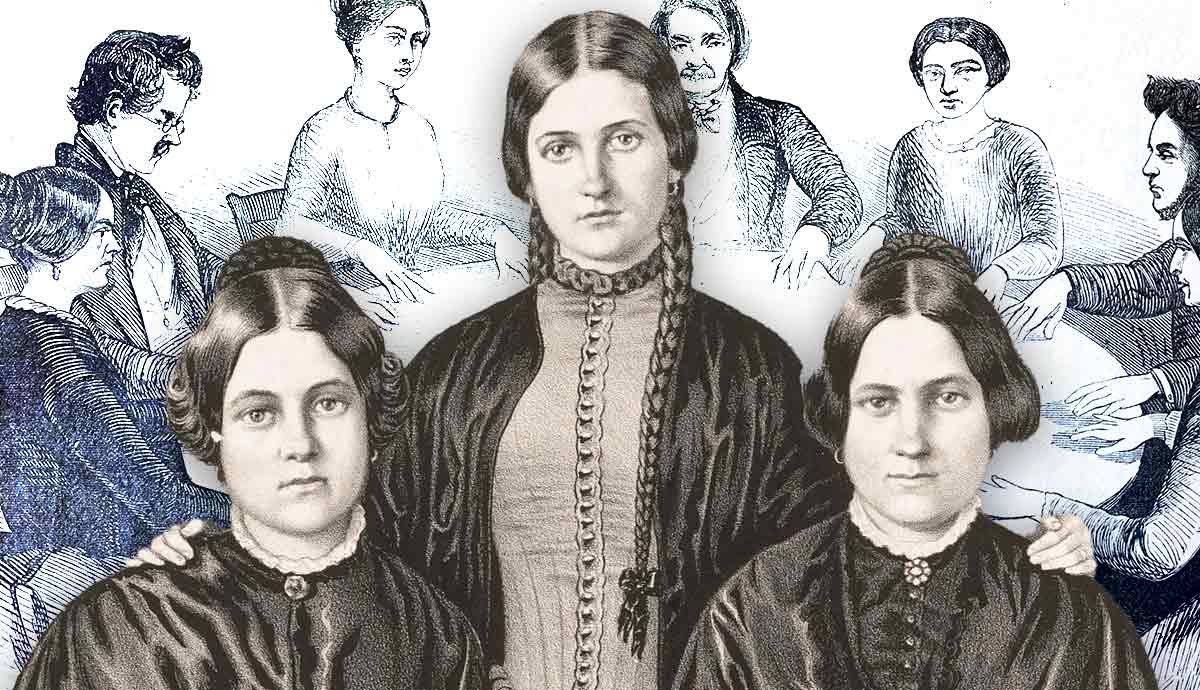
Although Mesmer’s theories were disproven quite a long time ago, his impact was significant enough to alter the course of Western cultural history. Over the years, Mesmerists’ beliefs in invisible fields surrounding humans settled and found a new place among the nineteenth-century movement of Spiritualism. Similarly to Mesmerism, spiritualists claimed to apply scientific methods and concepts to the exploration of unseen forces and, vice versa, study the natural world through occult means.
Unlike widely accepted medicinal practices, late-stage mesmerism promoted the idea that a cure was not universally distributed through an unbiased medium like a pill or vaccine but through a specific person (Mesmer) or his followers, possessing unique skills. This further moved Mesmer and his theories from the domain of scientific method towards alternative medicinal practices often applied in cults.
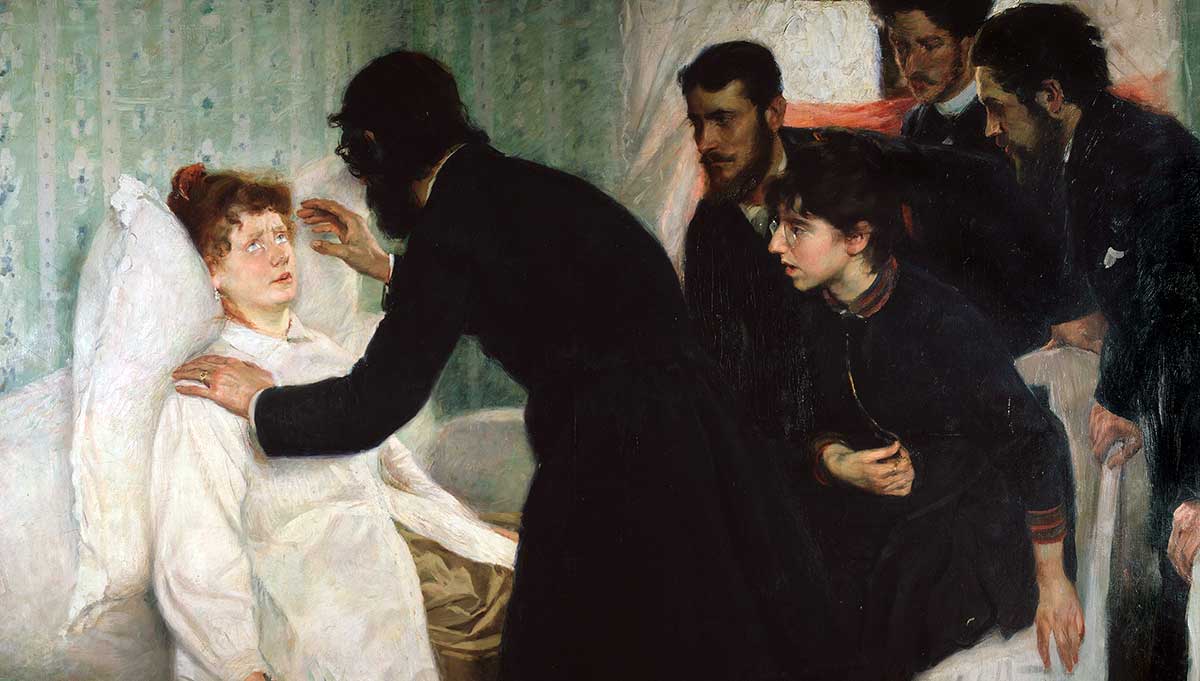
Apart from the promised healing effect, mesmerism was entertaining to watch. A mesmerist made mysterious hand passes, magnets hovered above the patients’ heads, and strange instruments intrigued and impressed enough to make some forget about their pains and concerns. Moreover, many mesmeric seances were public, with participants holding hands to pass the magnetic fluid through each other. In such an environment, people were ready to share emotions and experiences. Even the staunchest of skeptics felt the urge to agree with the impressed crowd. In a way, Mesmer helped revive the old practice of exorcism by giving it a new fashionable look, with a physician instead of a priest and animal magnetism instead of demon possession.
Mesmer’s practice became almost synonymous with spiritualist fraud and trickery. Particularly, rumors of his affairs with his patients created a media archetype of a charlatan exploiting his female clients. Still, the remnants of his practice found their way into other popular yet controversial domains like hypnotherapy.