
Around AD 550, a group of envoys arrived at the Yamato Court in central Japan from the Baekje Kingdom, a major state on the Korean Peninsula. The group came to the court to present Emperor Kinmei, the reigning monarch, with a gilt-bronze Buddhist statue of Shakyamuni along with several related scriptures. To the monarch, the statue was a formal gift that was unfamiliar. However, to the families vying for power in his court, the arrival of Buddhism sparked a political debate and subsequent conflicts.
Inside the Toxic Clan Rivalries That Divided the Yamato Court
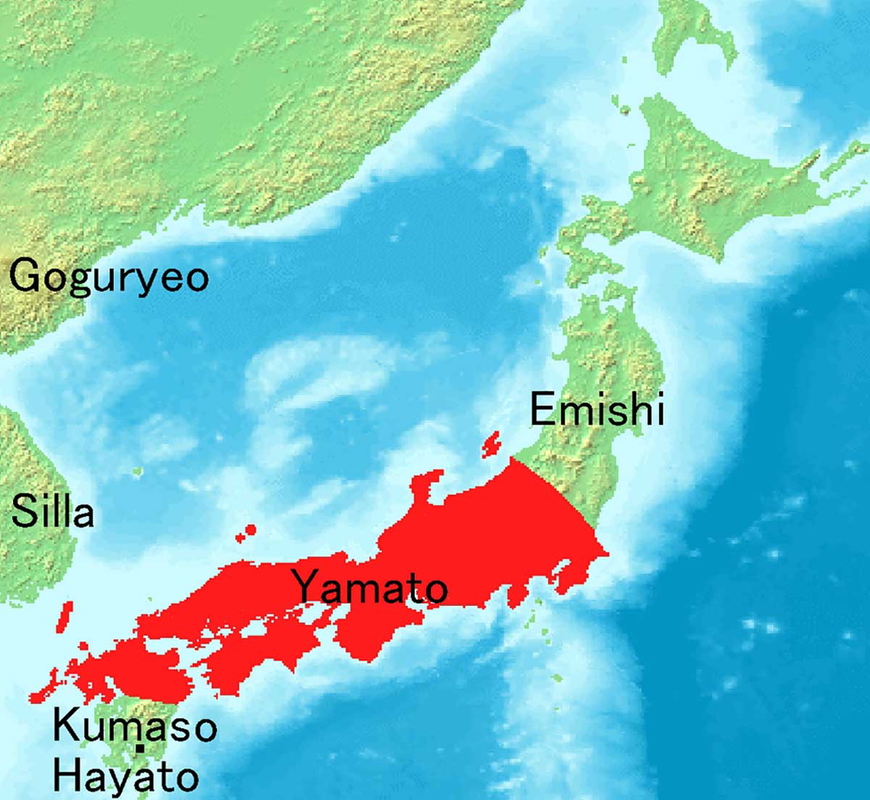
During that period, the Yamato Court relied on various powerful families to handle certain responsibilities. Military and ritual operations, for example, were run by the Mononobe clan, while the Nakatomi and Imbe clans were the official ritual experts and were in charge of carrying out sacred ceremonies. Over time, the Mononobe and Nakatomi gained influence by claiming descent from ancient heavenly deities. As such, they vigorously opposed foreign religious influences.
Meanwhile, Soga no Iname led the Soga clan, who managed the state treasury and maintained connections with foreign groups. Because of their exposure to other religions in nations such as China and Korea, they saw Buddhism as a religion with the potential to strengthen the state with new ideas.
Once Emperor Kinmei received the Buddha statue, he was concerned about offending the local deities. As a result, he allowed the Soga clan to keep the statue at their Mukuhara residence. Shortly afterward, a smallpox epidemic spread through the Asuka region in Japan and killed many people. Later, Mononobe no Okoshi and Nakatomi no Katsumi, from the Mononobe and Nakatomi clans, respectively, convinced Kinmei that the local kami (supernatural beings) were displeased, blaming the outbreak entirely on the acceptance of the foreign deity. They received permission to burn the Soga clan’s temple hall, which they did, and threw the statue into the Horie Canal. As the plague eventually got worse, a political rivalry emerged between the clans that lasted for many decades.
The Brutal War for the Throne That Changed Japanese History Forever
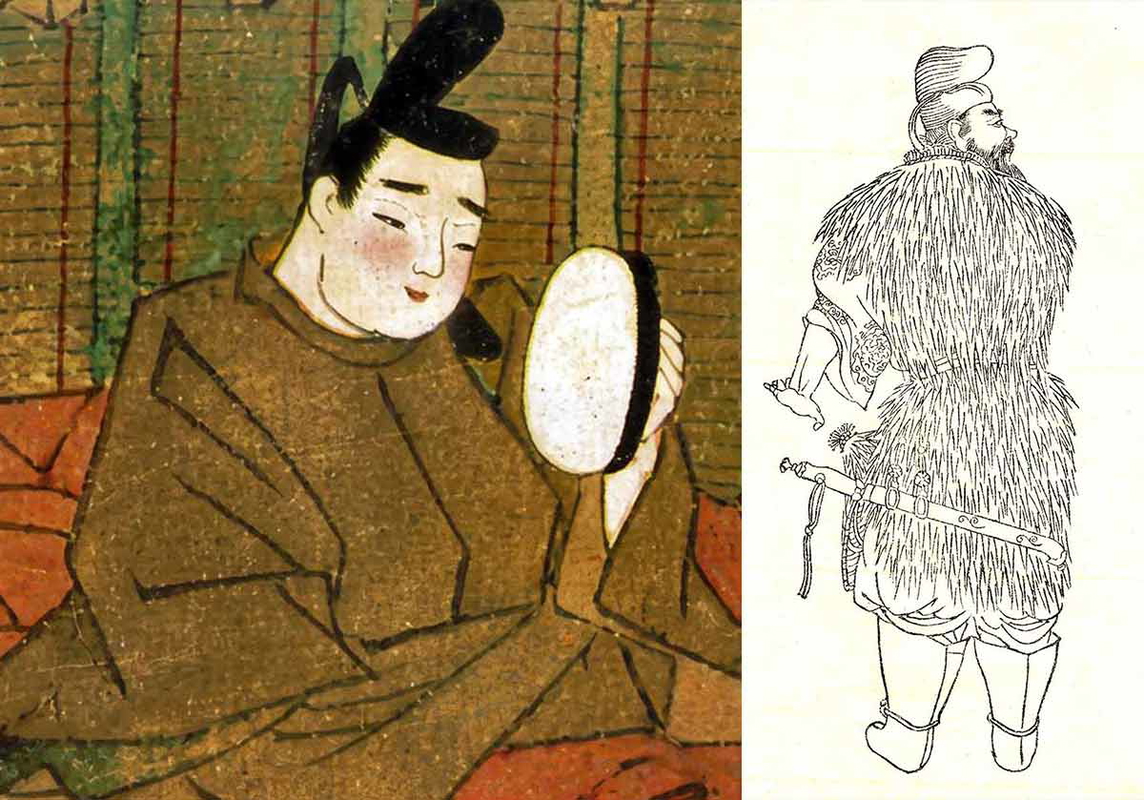
Following the death of Emperor Yomei in 587, the feud turned into a war over the throne. Soga no Umako, leading the Soga clan following his father Iname’s death, battled the Ōmuraji Mononobe no Moriya of the Mononobe clan over successors to the throne. Moriya firmly advocated for the succession of Prince Anahobe (who was soon killed) to secure political dominance, while the Soga faction backed Prince Hatsusebe.
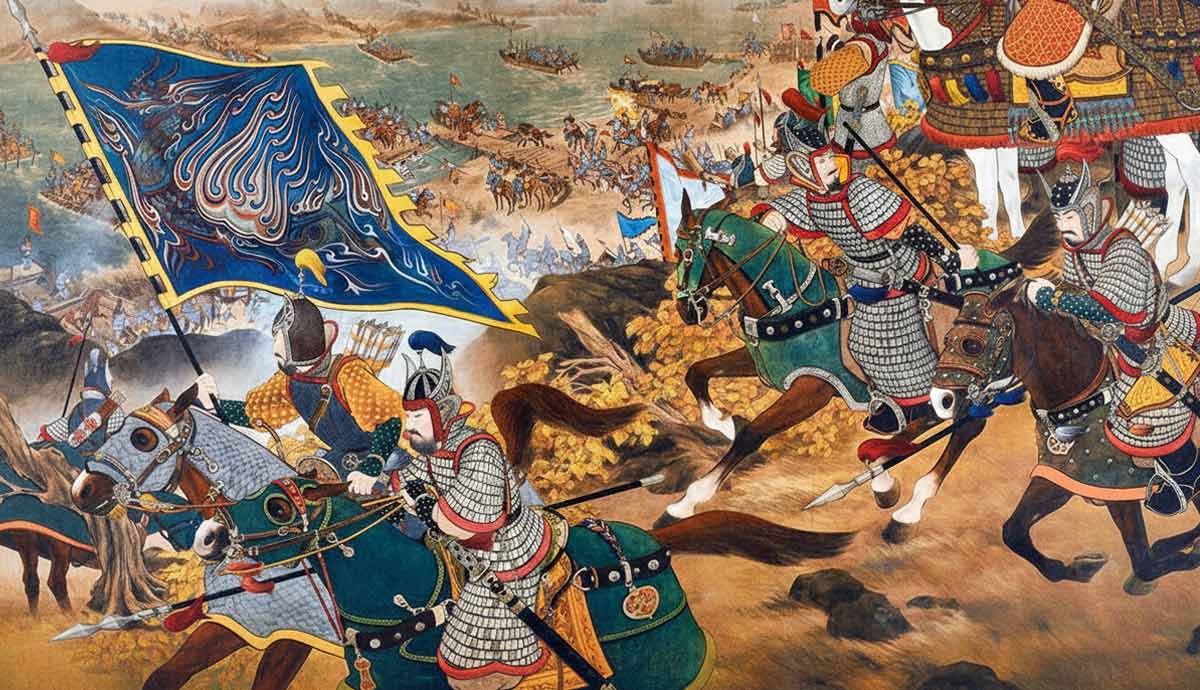
Umako led a Soga coalition, along with Prince Shōtoku and other imperial princes, to strike first. The conflict soon moved into the Mononobe stronghold at their Kawachi estate. According to the Nihon Shoki, the Soga forces faced fierce resistance. An archer named Tomi no Ichi is said to have shot and killed Mononobe no Moriya with an arrow, ending the Mononobe resistance and fulfilling the promise to build Shitennō-ji.
How the Ruthless Soga Clan Used Assassination to Seize the Empire
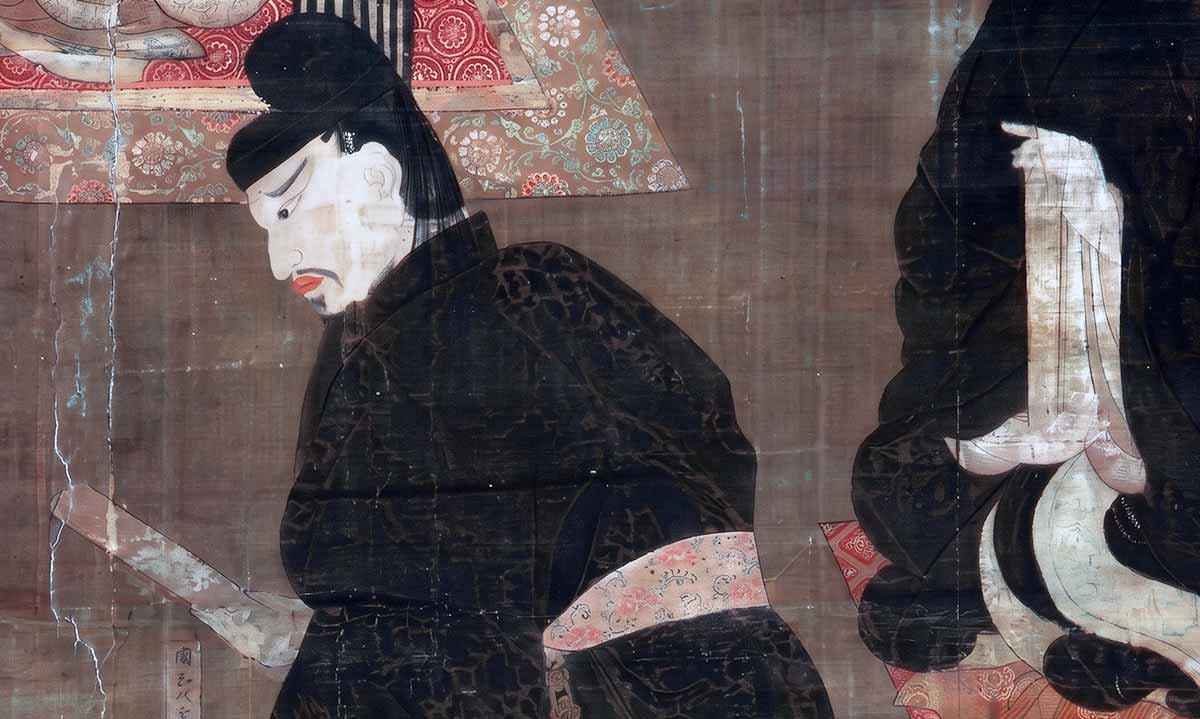
With their primary rivals dead, the Soga clan became even more influential and later came to dominate the court during the Asuka Period. Under the leadership of Soga no Umako, the Soga clan was involved in the 592 assassination of Emperor Sushun, which was carried out by an assassin named Yamato-no-aya-no-koma (a member of the Aya clan). The next ruler was Empress Suiko. She ruled with her influential nephew, Prince Shōtoku, serving as her chief advisor from 593 to 622. As the power of the Soga clan grew, Buddhism became deeply integrated into the Yamato Court. Craftsmen and builders traveled from the Korean kingdom of Baekje to construct temples and cast statues of Buddha.
How a Foreign Faith Reshaped Japanese Government and Law
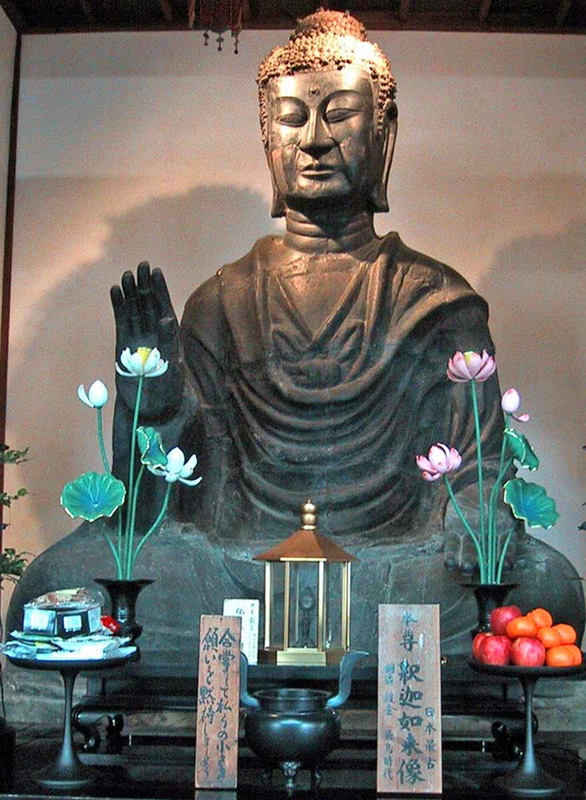
More temples began appearing in the Yamato region, including one of the first major temples, Asuka-dera in Asuka, which was built in 596 and helped promote the growth of the new faith. The religious expansion spurred increased cultural exchange and court reforms. Furthermore, during this era, the court began developing new ways of government administration. Over time, it moved toward a more centralized imperial state modeled on Chinese systems of administration.
When it came to written laws, Prince Shōtoku is credited with creating the Seventeen-Article Constitution, traditionally dated to 604. It is considered to be Japan’s first official constitution. The document was mainly based on Confucian and Buddhist ideas.