
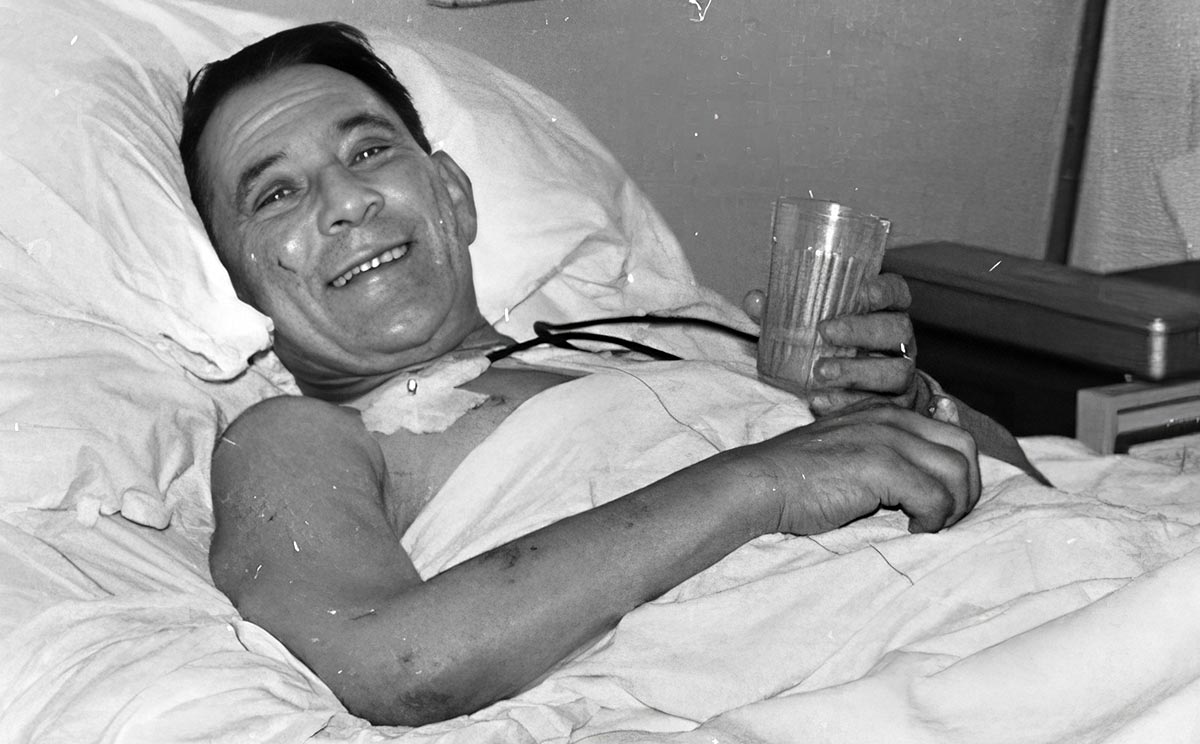
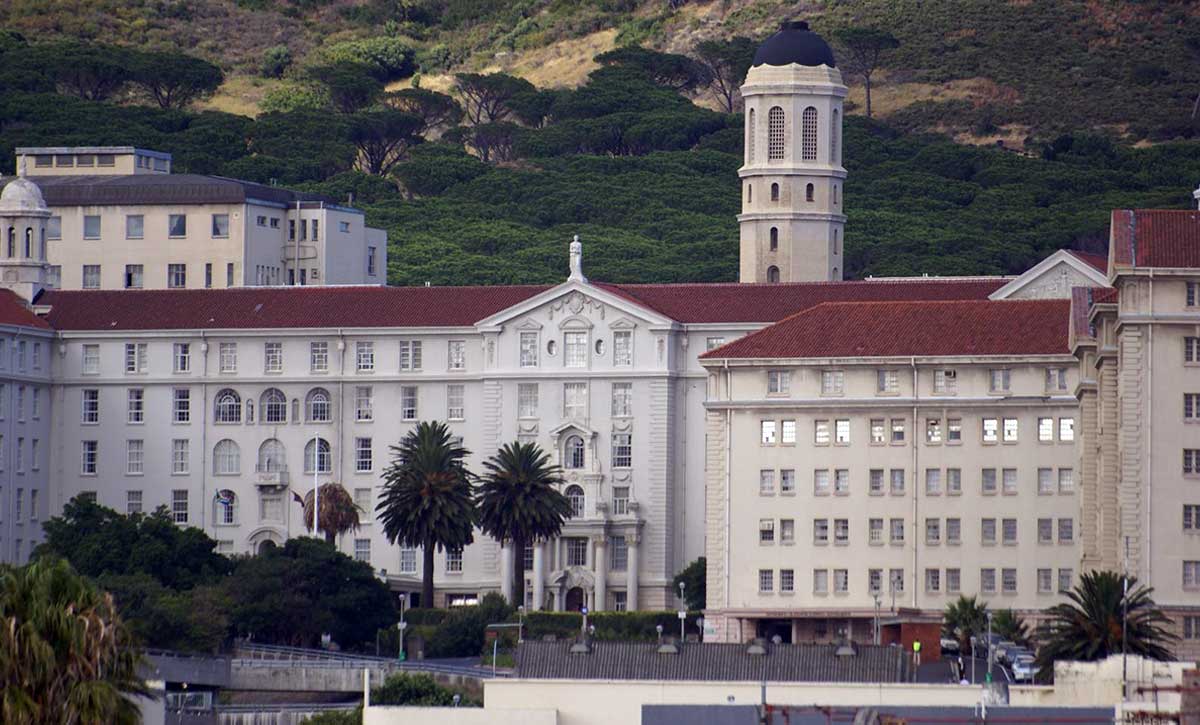
It was a mild Summer morning on December 3, 1967. In an operating room in Groote Schuur Hospital in Cape Town, South Africa, the heart of a woman resumed its rhythmic beating. The woman’s heart, however, was beating in the chest of a man—Louis Washkansky—the recipient of the world’s first heart transplant.
How this happened is a tale of audacity, tragedy, and triumph.
The Transatlantic Surgical Race
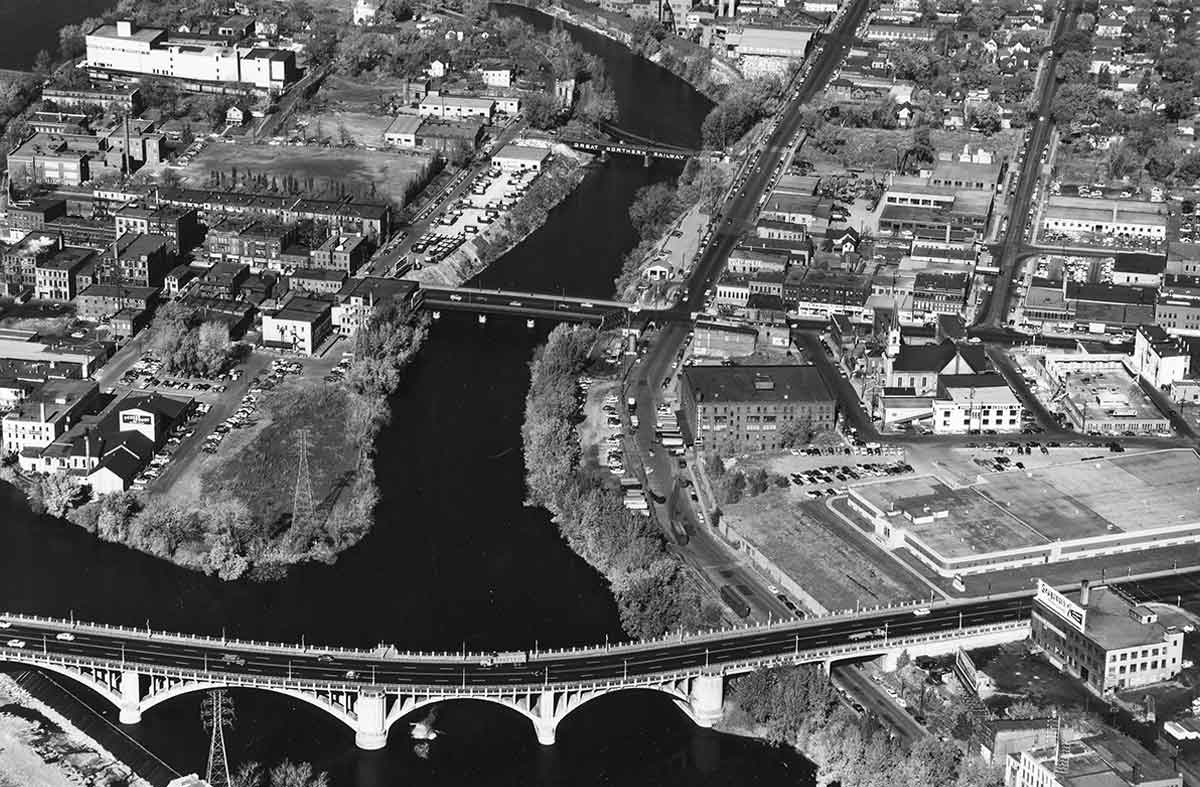
On the other side of the world in the United States, much groundwork had been laid for heart transplants; at the forefront of this effort was Doctor Norman Shumway, who was well acquainted with a young South African doctor named Christiaan Barnard.
Barnard, who had earned his master’s at the University of Cape Town, studied further with a two-year scholarship at the University of Minnesota, which brought him into contact with some of the world’s leading organ transplant doctors
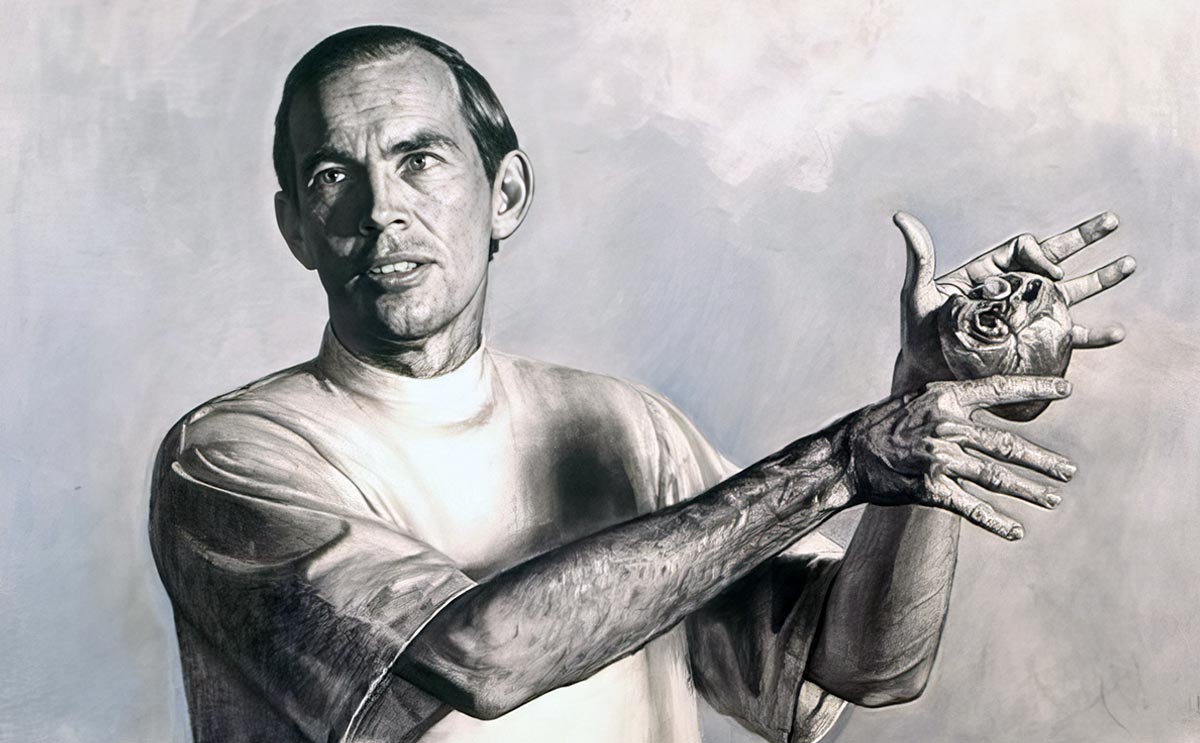
Barnard described his time in the United States as “the most fascinating time in my life,” and he learned valuable techniques from prominent doctors such as Shumway, Clarence Walton Lillehei, Owen Wangensteen, and Richard Lower. In 1958, he returned to South Africa, armed with new skills, techniques, and knowledge in the field. He was appointed head of the Department of Experimental Surgery at Groote Schuur Hospital, and in 1960 he flew to the Soviet Union to meet with Vladimir Demikhov, a pioneer in the organ transplant field, who had performed the first thoracic heart transplant in an animal.
By the mid-1960s, technology and techniques had improved dramatically, enabling a high rate of success for organ transplants, and in the United States, work continued in the field at pace.
The race was certainly on to perform the first heart transplant, but the United States medical community was held back by legal fears over the definition of death, throwing confusion over when a donor’s heart could be removed from their chest. In the US before 1968, death was determined by the point at which a heart stopped beating, creating a quandary for heart transplants. In South Africa, doctors had more authority in determining when a patient was dead, and this dynamic played out in the case of the first heart transplant.
Unsung Heroes and the Shadows of Apartheid
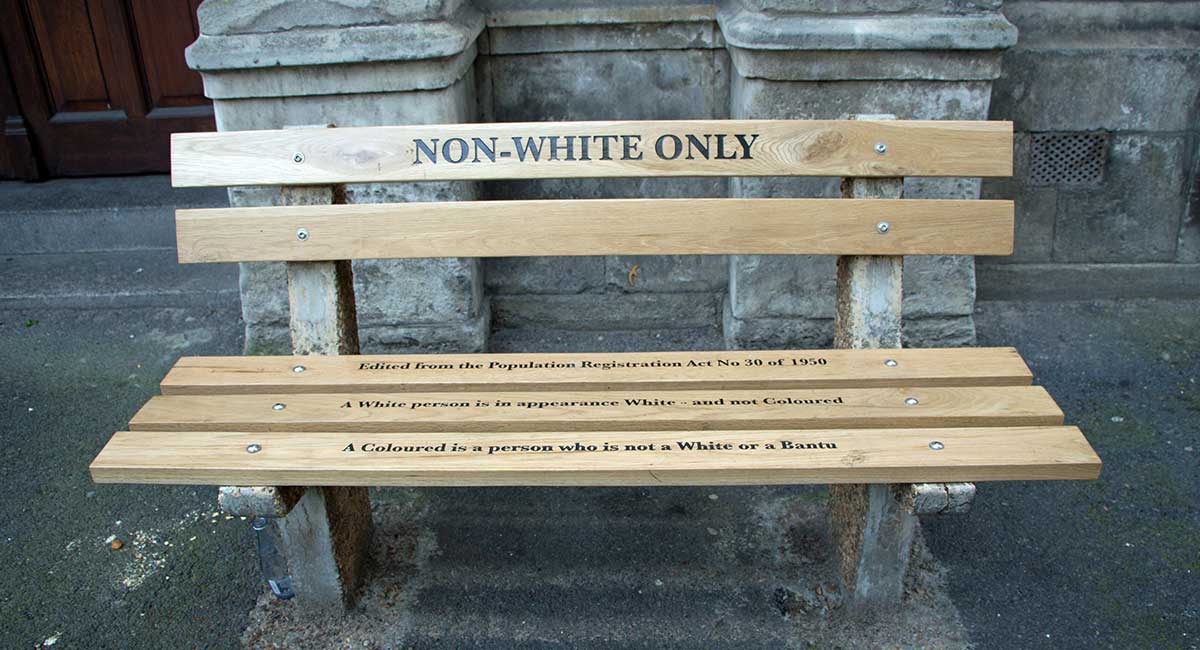
Despite the cooperative work of pioneers in the field, the ideological backdrop to these events was at opposite ends of the political spectrum. Relations between the United States and South Africa were deteriorating due to South Africa’s policy of apartheid, and the Soviet Union was certainly no friend of either country and would fuel proxy wars against both.
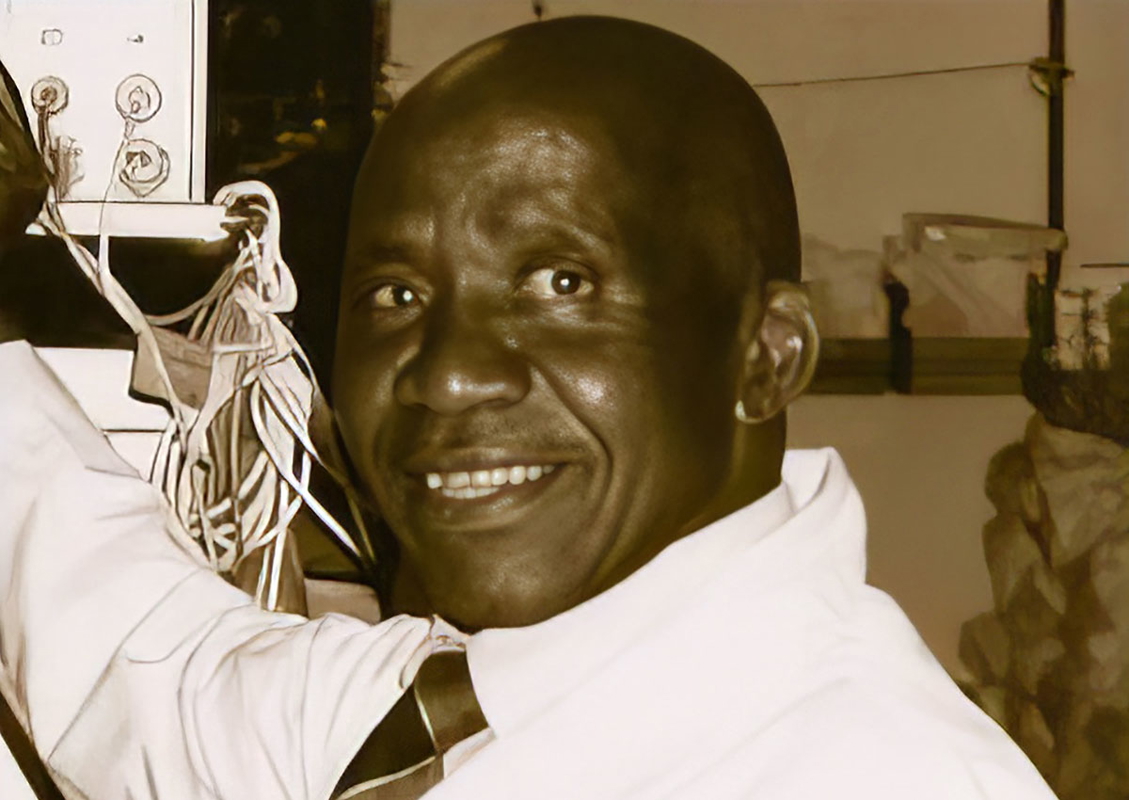
So important was the work that policies were shifted and bent. However, they still had a massive effect, especially in South Africa, where Black people were the targets of racial suppression. A prominent figure in this dynamic was Hamilton Naki, a self-taught medical assistant to Christiaan Barnard. As a Black man, Naki was denied access to opportunities for medical advancement.
While there is controversy surrounding whether Naki was actually present at the first heart transplant, his skill in the field cannot be denied; he helped develop techniques in the 1970s, and he became renowned for his skill in liver transplants. Regarding this, Barnard was noted as saying, “So technically, he is a better surgeon than I am.”
Indeed, Barnard had great respect for the man, but despite Naki’s prominence, he was poor. He sent most of his money to his family in the Eastern Cape where they lived in a single-room house without electricity or running water, and only had enough money to put one of their five children through high school. Such was the reality of apartheid.
The Breakthrough Surgery in Cape Town
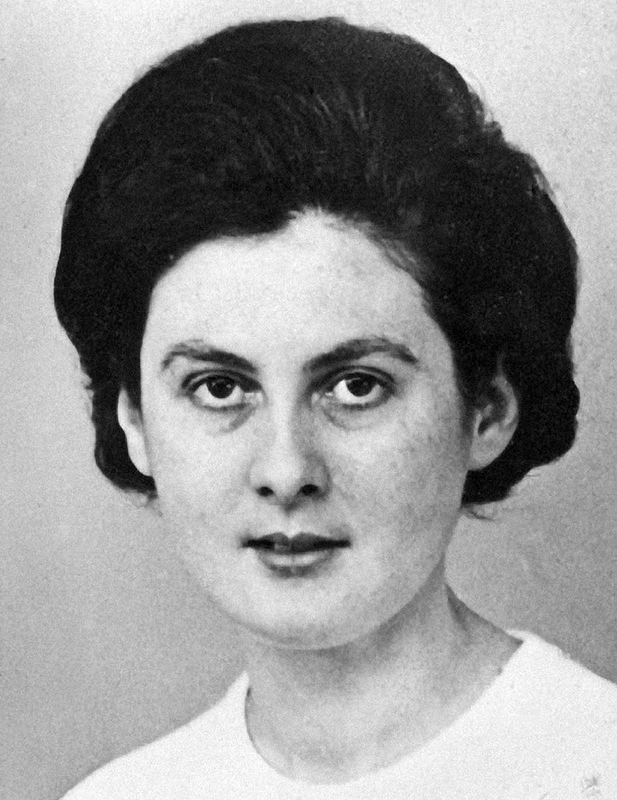
On the afternoon of December 2, 1967, Denise Darvall, a young woman, was struck by a driver who failed to see her while she was crossing the road. Her mother, Myrtle, was with her and died at the scene.
In hospital, Denise was confirmed to have suffered catastrophic brain damage, but a blood transfusion and a respirator kept her heart beating. With eyes full of tears, her father, Edward, who had witnessed the scene and the death of his wife, gave consent for his daughter’s heart to be transplanted.
At around 1:00 in the morning of December 3, 1967, the operation began. Barnard headed the surgical team of 30 members who diligently worked to perform the first heart transplant. After several hours, the operation was completed successfully, and Washkansky’s wife, Ann, was telephoned with the news.
Darvall’s kidneys were donated to a ten-year-old boy, Jonathan van Wyk, which caused controversy in South Africa, as Van Wyk was Black, and apartheid laws strictly enforced the separation of racial groups.
Eighteen Days Inside an Ethical Crucible
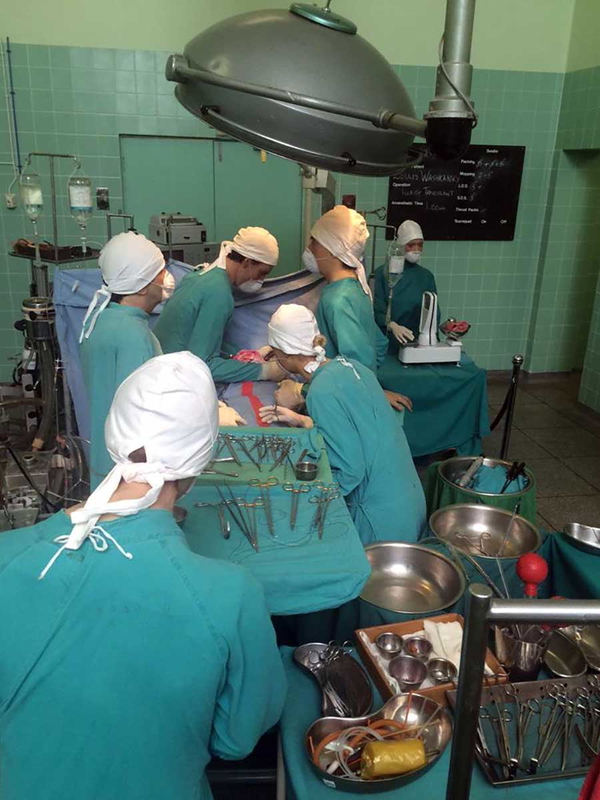
While transplanting a heart requires steady hands and complex techniques, postoperative complications present additional challenges, as human immune systems need to be suppressed to avoid organ rejection. With a suppressed immune system, patients are at higher risk of infection.
Determining whether a patient is rejecting an organ or suffering from infection was difficult, and this dilemma was very apparent in the case of Louis Washkansky. His initial recovery was excellent, but after around two weeks, Washkansky developed radiographic infiltrates in the lungs, which the surgical team initially identified as rejection rather than infection. The immunosuppressants issued weakened his immune system, aiding the infection, and Washkansky died of pneumonia and septicemia 18 days after the operation.
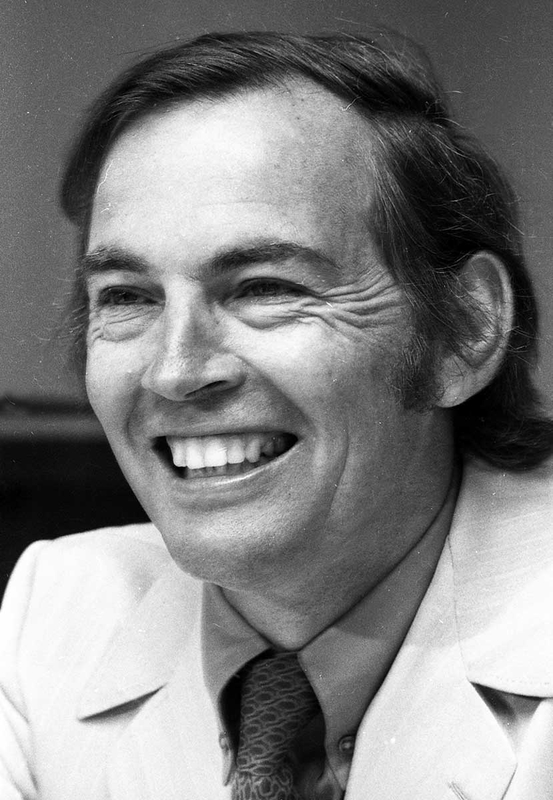
Despite the sad ending, the procedure was a breakthrough that proved that heart transplants were possible. Further developments built upon what had been learned increased the chances of survival and the life expectancy of recipients. Ultimately, the procedure became standardized the world over, and Christiaan Barnard went down in history as a pioneering legend who not only achieved a world-first but did so with respect and compassion.