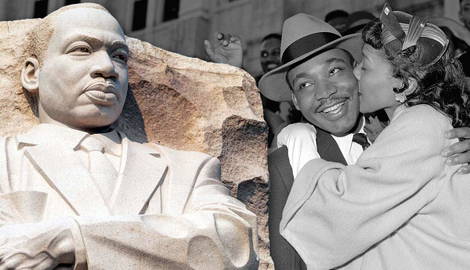

There’s no denying the impact that Martin Luther King, Jr. had on America’s Civil Rights Movement. His policy of nonviolence combined with religious tenets was widely accepted by many of those fighting for freedom, but his enemies were numerous. King’s vocal opposition to the status quo resulted in violent attacks against him, including numerous assaults and even the bombing of his home. Unfortunately, King would suffer an early death at the hands of an assassin. Who was this man, and how did he kill one of America’s brightest lights during its darkest days of racial tension?
An Energizing Force
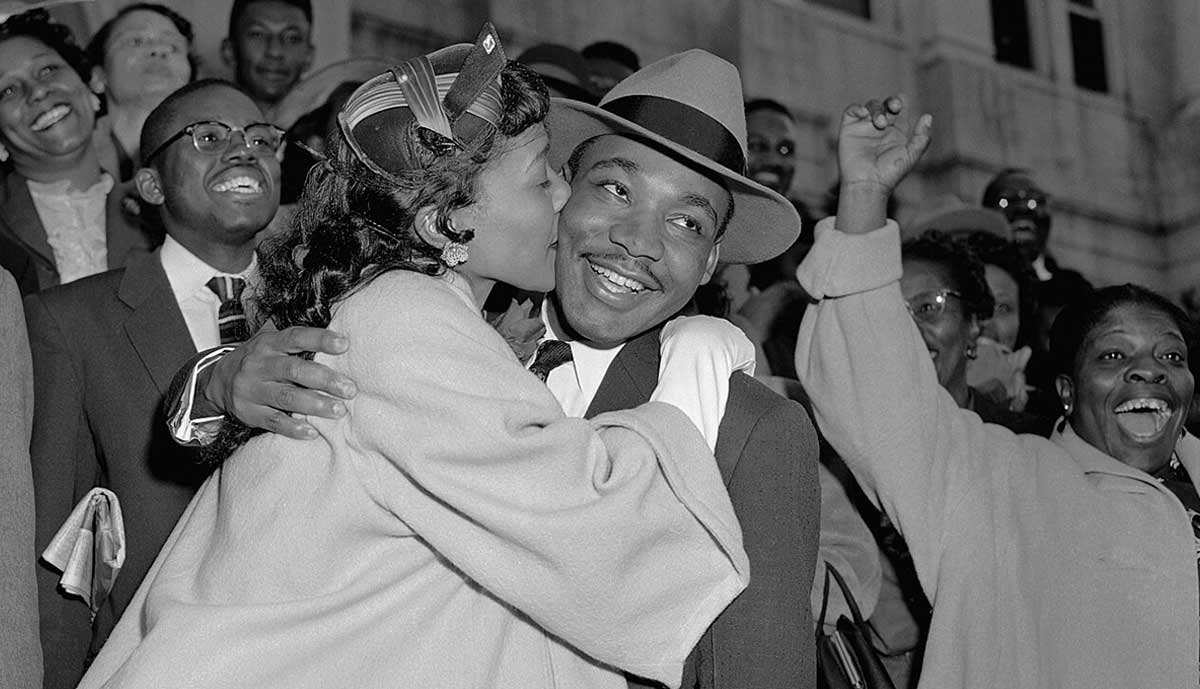
Martin Luther King, Jr. was a driving force behind the American Civil Rights Movement in the mid-20th century. Perhaps the figure most associated with the civil rights struggle, King was both celebrated and reviled by America’s citizenry.
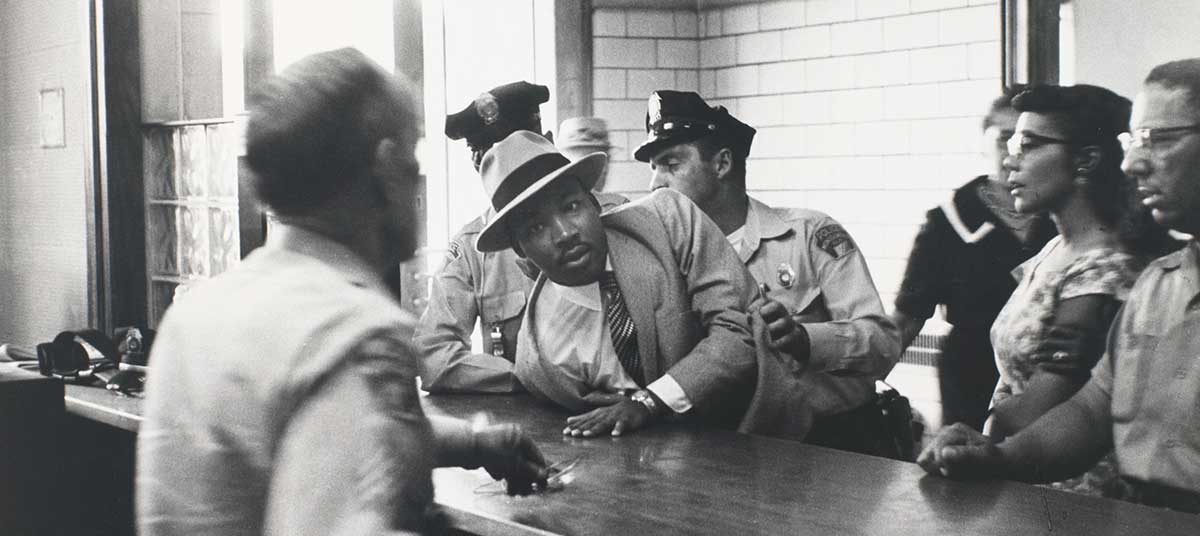
King had a background as a pastor and combined his religious beliefs with his advocacy efforts. Married with four children, he was especially active in the late 1950s into the 60s, traveling the United States, particularly the South, to lead protests, speak with officials and the public, and support local causes. He promoted nonviolence in his efforts but didn’t shy away from breaking the law if the situation necessitated it, particularly if the law was racist in nature. King was arrested twenty-nine times as a result of his advocacy work.
In addition to his arrests, King suffered numerous assaults, and his home was bombed. In 1958, an attempt was made on his life. Izola Ware Curry approached him at a book signing at a department store in Harlem. She asked him if he was really Martin Luther King, Jr., and when he replied with an affirmative, she stabbed him in the chest with a seven-inch letter opener. Curry claimed that she had been stalking King for some time, believing him to be a communist.
King was taken by ambulance to the hospital, where it was determined that the blade had narrowly missed his heart. He underwent a thoracotomy, which went well, but his hospital stay was complicated by a bout of pneumonia. True to his philosophy of nonviolence, not long after his surgery, King made a statement affirming this tenet and claiming no ill will towards Curry. Curry was found to be criminally insane and committed to Matteawan State Hospital. After two weeks, King was released from the hospital and never suffered any further complications from the assassination attempt.
Progress Made
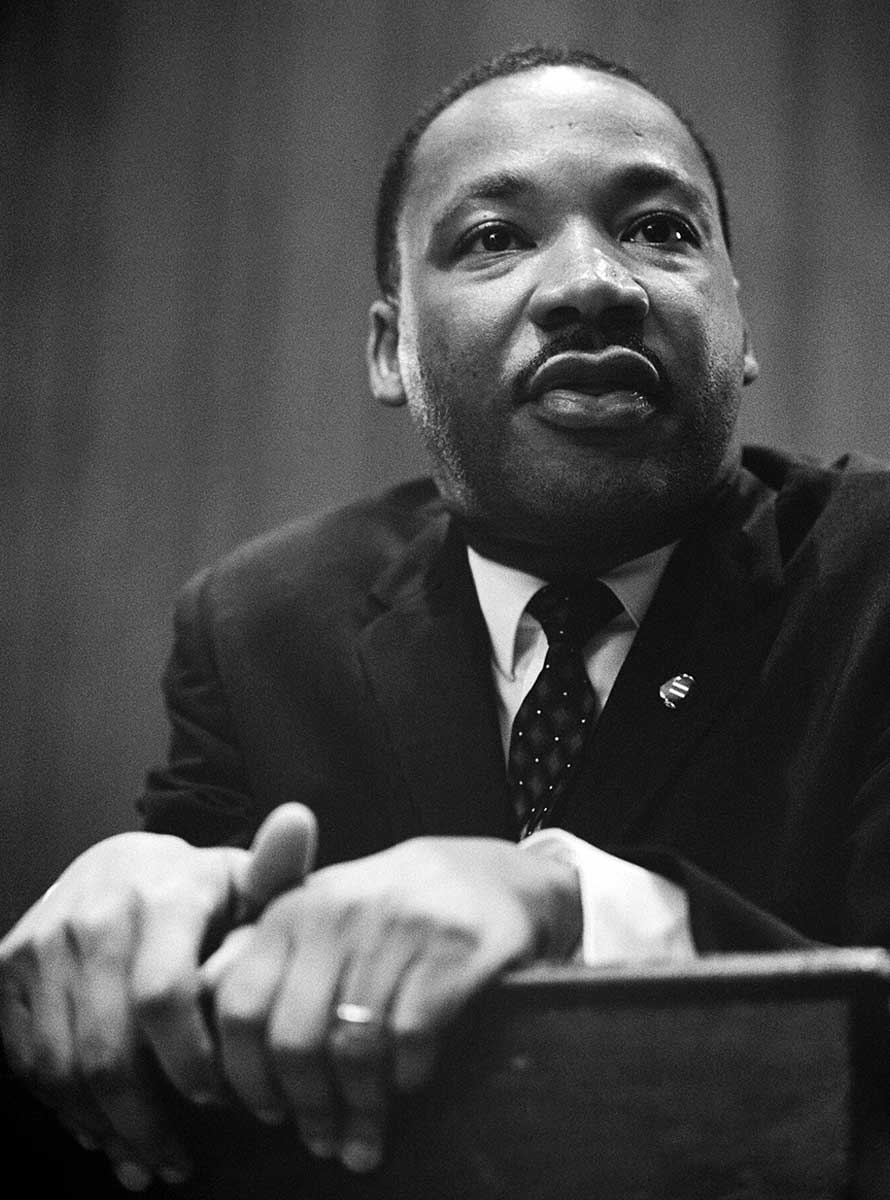
Though many political leaders rebuffed King’s actions, calling him a “troublemaker,” he began to make serious strides in his work. His famous “I Have a Dream” speech, presented during the March on Washington for Jobs and Freedom in 1963, remains iconic today. He saw the passage of the Civil Rights Act in 1964 and the Voting Rights Act in 1965 and was awarded the Nobel Peace Prize in 1964. However, on April 4, 1968, King’s work came to an untimely end.
An Assassin Strikes
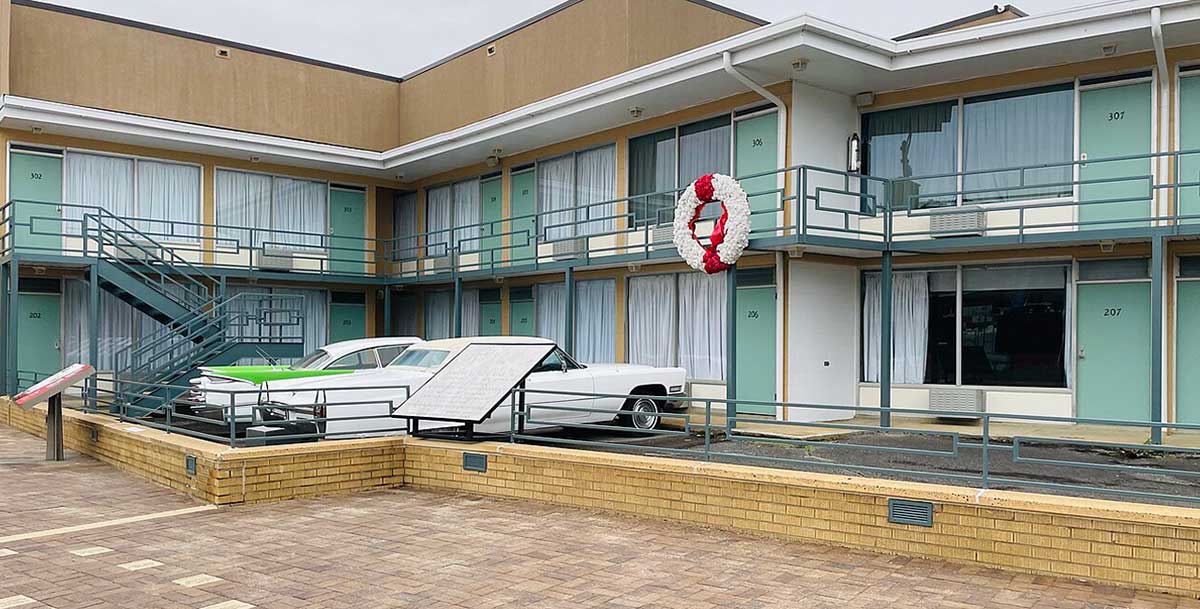
On April 4, King was in Memphis, Tennessee, where he had recently traveled to lead a march of striking sanitation workers who were campaigning for better pay and treatment. He was staying at the Lorraine Motel with his colleague, Ralph Abernathy, and the two were preparing to travel to the home of a local minister for dinner.
Just before 6 PM, the pair exited their hotel room, pausing on the balcony to speak with an associate who was standing in the parking lot below. Minutes later, a shot was fired, appearing to originate from the window of Bessie Brewer’s Rooming House, located across the street. The single shot, fired from a .30-06 rifle, entered the right side of King’s face and neck, resulting in immediate profuse bleeding. The police reaction was quick, as King was under surveillance by the Memphis Police, and several officers were located nearby. Nonetheless, King was soon unconscious as he was rushed to the hospital about two miles away.
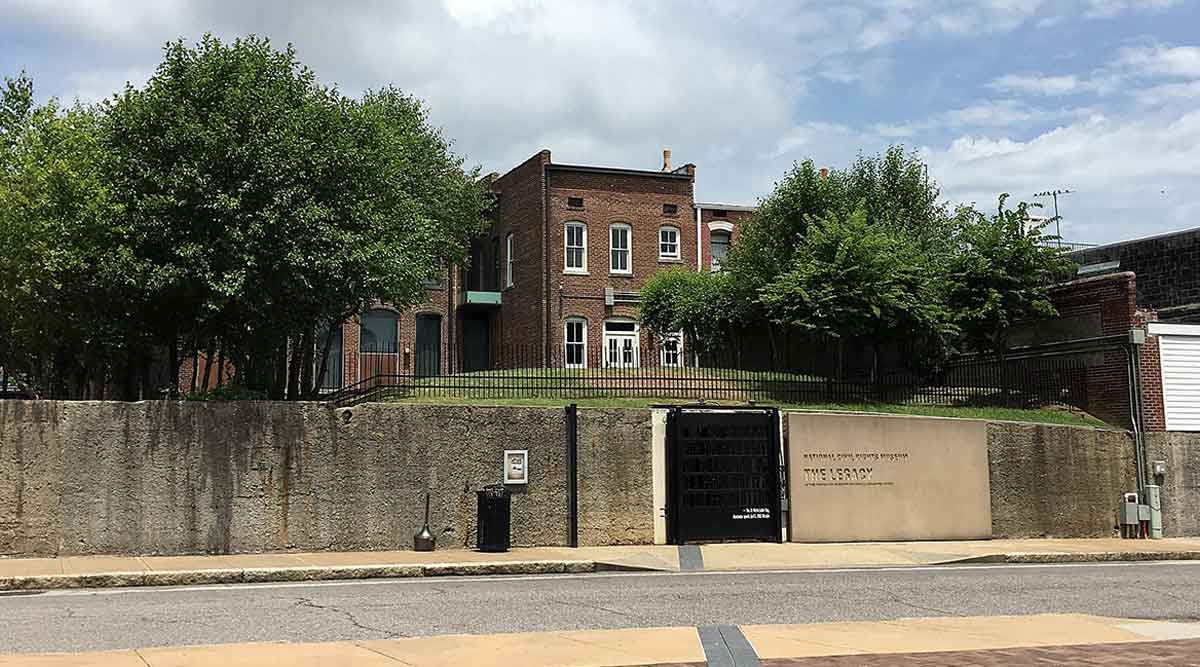
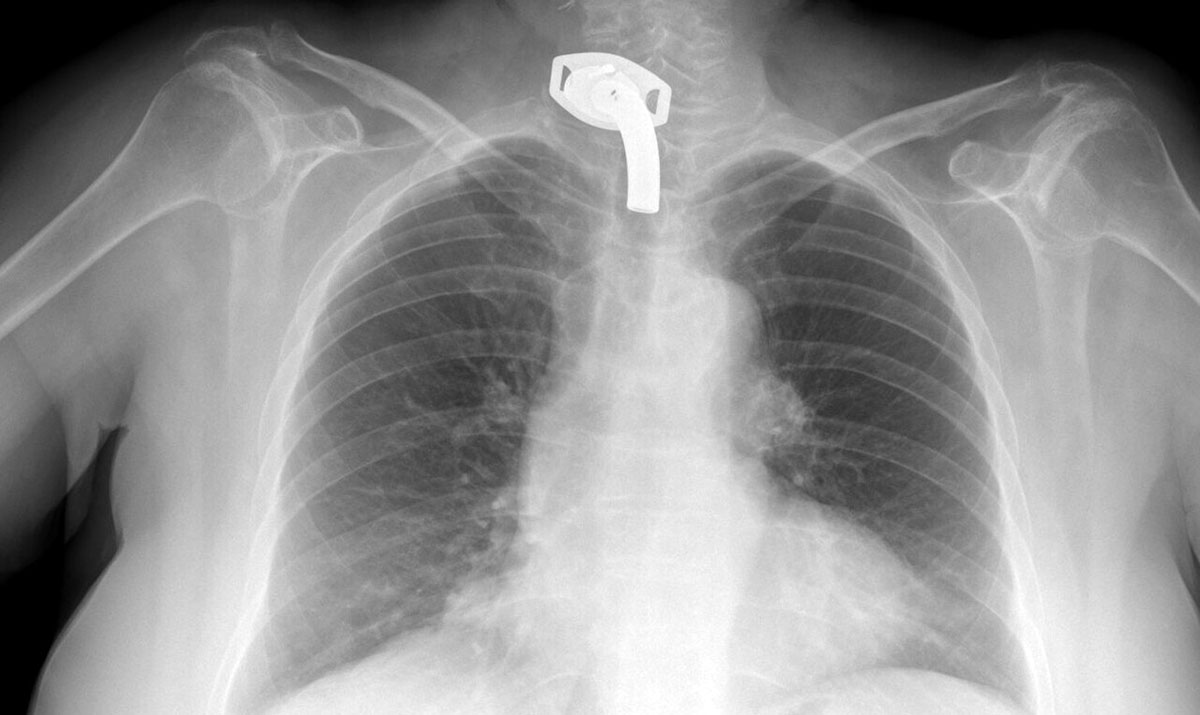
When King arrived at the hospital at 6:15 PM, he remained unconscious with irregular respiration. Still bleeding, his pulse was weak. A team of doctors, including multiple surgeons, immediately attended to him in the emergency room, administering IV fluids and beginning blood transfusions. The doctors had to perform a tracheostomy, creating an incision into the windpipe, to keep King breathing despite his traumatic wounds. The medical professionals soon discovered that multiple large veins and arteries in King’s neck were severely damaged from the bullet.
Further exploration found damage to King’s lung, spine, and spinal cord, with the bullet still resting near his left scapula, or shoulder blade. It was determined that if King were to survive, he would be a quadriplegic, unable to utilize any of his limbs. Although the blood transfusions were continued, King’s blood pressure began to drop. He was losing too much blood. In addition, his damaged organs and tissues were unable to properly circulate the blood that remained. This condition, known as hemodynamic collapse, would lead to King’s demise. At approximately 6:45 PM, several of the doctors agreed that King showed no signs of life, but the administering of lifesaving measures continued for several more minutes, including fluids, CPR, and the use of a ventilator. Martin Luther King, Jr. was declared dead at 7:05 PM.
Even though medical progress has been significant since the 1960s, injuries such as King’s, where there is extensive damage to the large vessels in the head and neck area, are still devastating, with poor prognosis for survival. From a modern lens, it appears that King’s care under the doctors was sufficient, and the bullet wound was lethal regardless of any measures that could have been taken at the time. An autopsy was conducted, confirming the doctors’ findings.
Who Killed King?
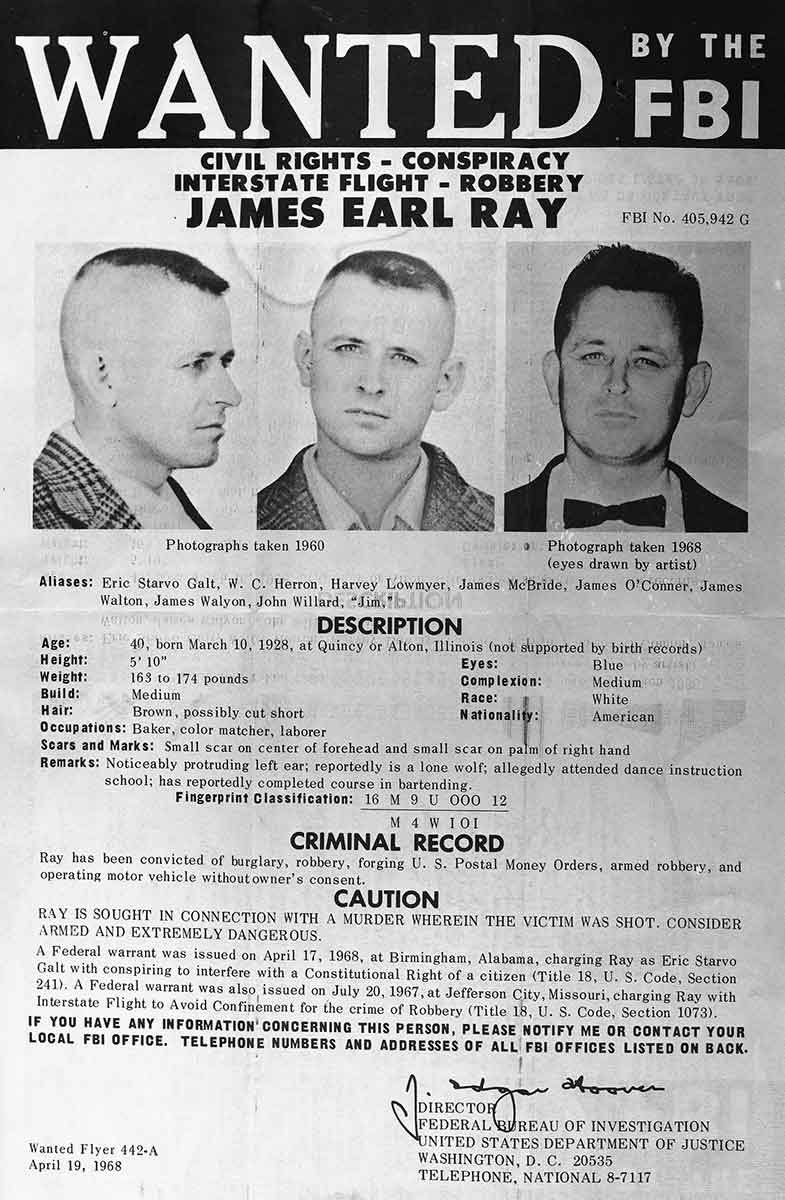
Within hours of King’s shooting, Memphis police had an idea of who they were looking for. A bundle of evidence, including the weapon that killed King, was located, apparently dropped by the suspect as he fled the boarding house. The FBI joined the investigation, and a manhunt was underway. On April 19, fingerprint matching was completed on the evidence, and the suspect was identified as James Earl Ray. Ray had escaped from prison some time before the assassination and continued dodging the law until June 8, when he was arrested at Heathrow Airport in London. Ray confessed to the crime, and after extradition to the US, took a plea deal to avoid the death penalty. Sentenced to 99 years in prison, Ray would die in confinement due to liver failure in 1998.
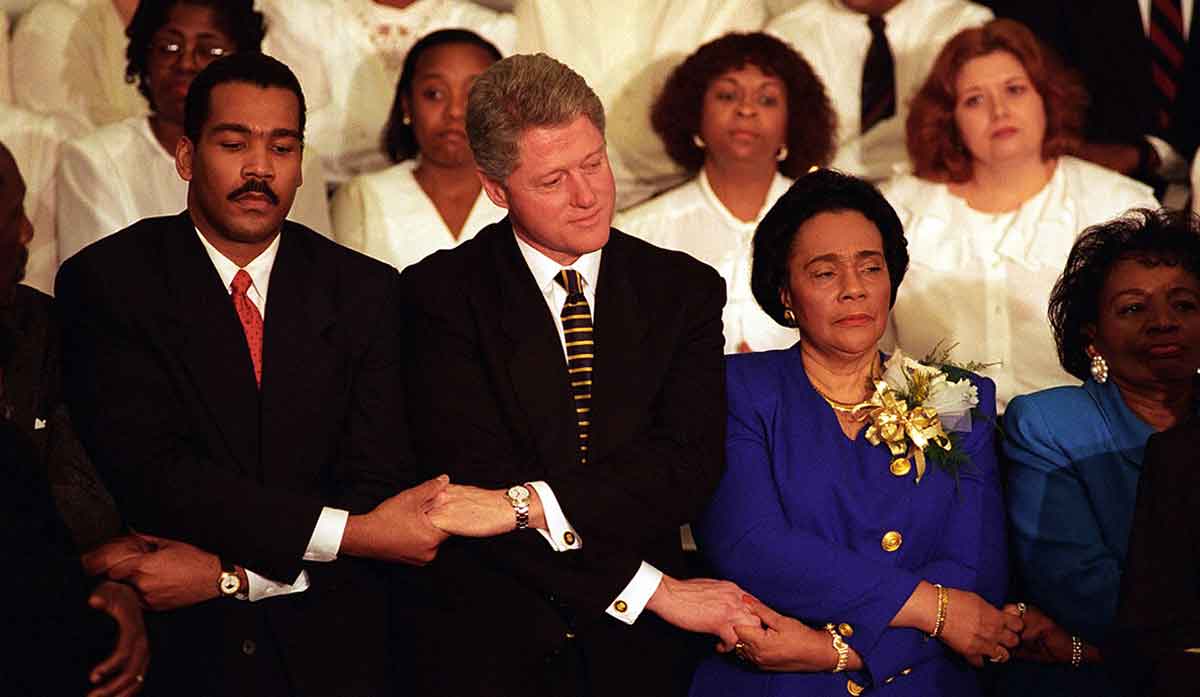
Despite Ray’s initial confession, conspiracies and doubts arose around the assassination. Ray recanted his statement within three days of his guilty plea and requested a new trial. Questions were raised about whether or not Ray acted alone, whether the US government was involved, or perhaps the police.
In 1976, an investigation into the circumstances surrounding the assassination began, re-examining King’s situation along with that of the murdered John F. Kennedy. The final report concluded that there may have been additional actors in the assassination plot with Ray, but did not identify any conclusively. The report also concluded that there was no evidence of government involvement in the killing of King. Ray continued to claim his innocence, and members of King’s family supported his appeal for a new trial, which he was never granted. Investigations into the assassination continued into the 1990s, but no major breakthroughs were officially recognized.
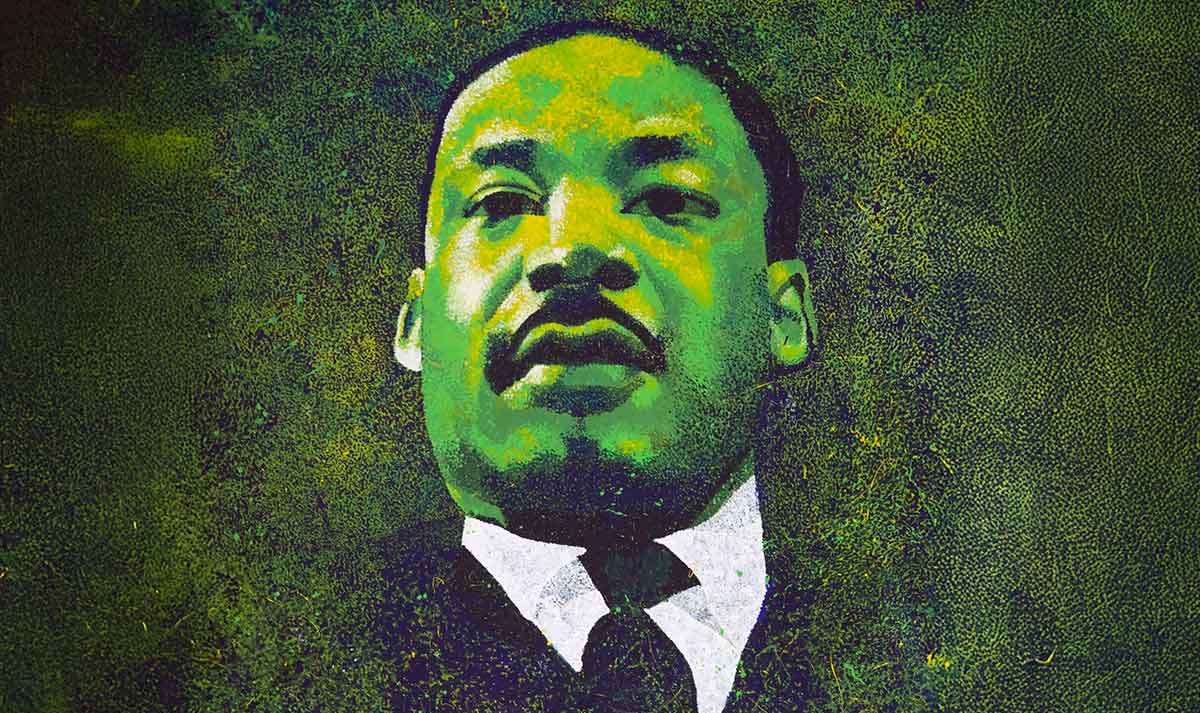
Though the context remained murky, the end result was the same. One of America’s most promising and inspiring figures was struck down in his prime. Riots followed in the weeks after King’s death, a great contrast to his motivations and beliefs in nonviolent action. The fight for civil rights and the end of racism in the United States eventually continued but without one of its most notable leaders. King’s work remained unfinished, but his legacy is enduring.