Over the course of the last sixty years, countless individuals have made crucial yet largely unacknowledged contributions behind the scenes at NASA. With sophisticated calculations and inventing ingenious engineering solutions, these unsung NASA heroes have directly influenced the direction of space exploration and contributed to some of the most outstanding events in human history. In this article, we explore the stories of eight of these figures, from behind-the-scenes trailblazers to skilled mathematicians, engineers, and true visionaries.
1. Katherine Johnson: The Human Computer
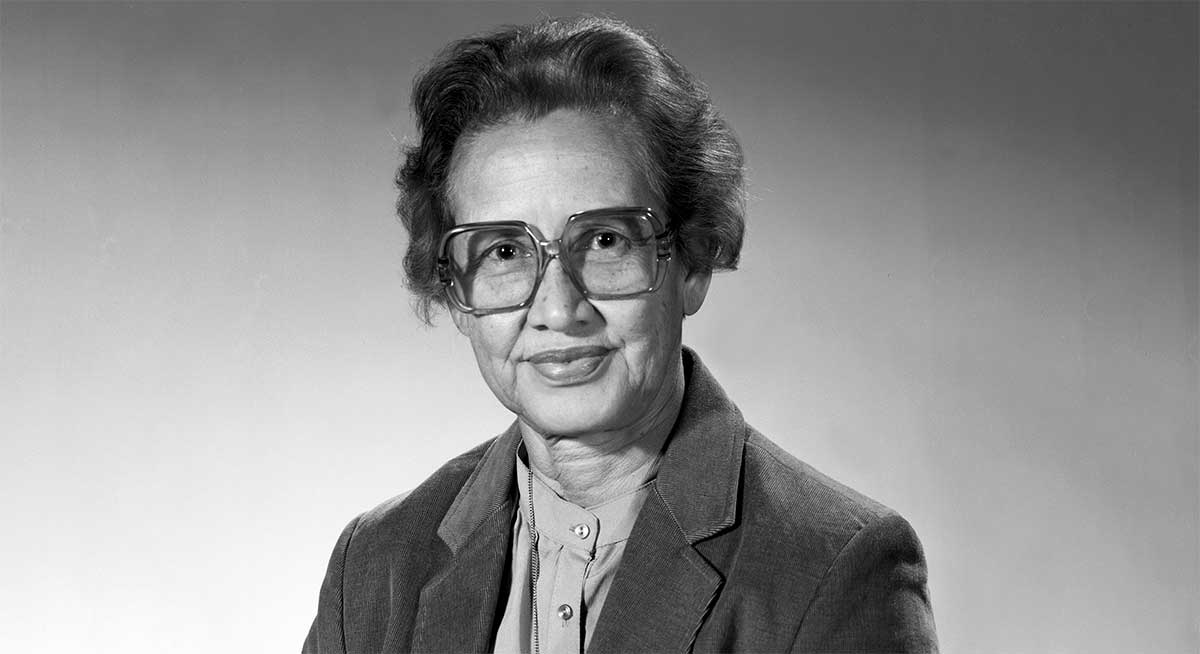
Creola Katherine Johnson, from West Virginia, was a highly talented mathematician who contributed significantly to the success of the American space program while working at NASA. During her thirty-three years there, Johnson calculated the precise orbital mechanics needed for the agency’s early space missions, including Project Mercury and the legendary Apollo 11. Her unparalleled expertise in calculating complex launch trajectories, orbital windows, and return schedules earned Johnson the nickname of the “human computer” as she possessed mechanical precision and reliability when calculating complex sums. After successfully working on the Apollo missions to the Moon, Johnson continued her career at NASA and contributed to the early plans for a manned Mars mission as well as the Space Shuttle program.
Johnson had to overcome significant barriers as one of the first African American women to work as a NASA scientist. She originally started her career while working at the government agency which eventually became NASA, the National Advisory Committee for Aeronautics. One of Johnson’s finest hours was working as part of the team that calculated the complex return trajectory for the ill-fated Apollo 13 crew after mission control aborted the mission. Despite her considerable contributions to the American space program, Johnson was a relatively unknown figure throughout much of her life. However, towards the end of her life, Johnson was awarded the Presidential Medal of Freedom by Barack Obama in 2015 and was inducted into the National Women’s Hall of Fame in 2021.
2. Mary Jackson: A Hidden Figure
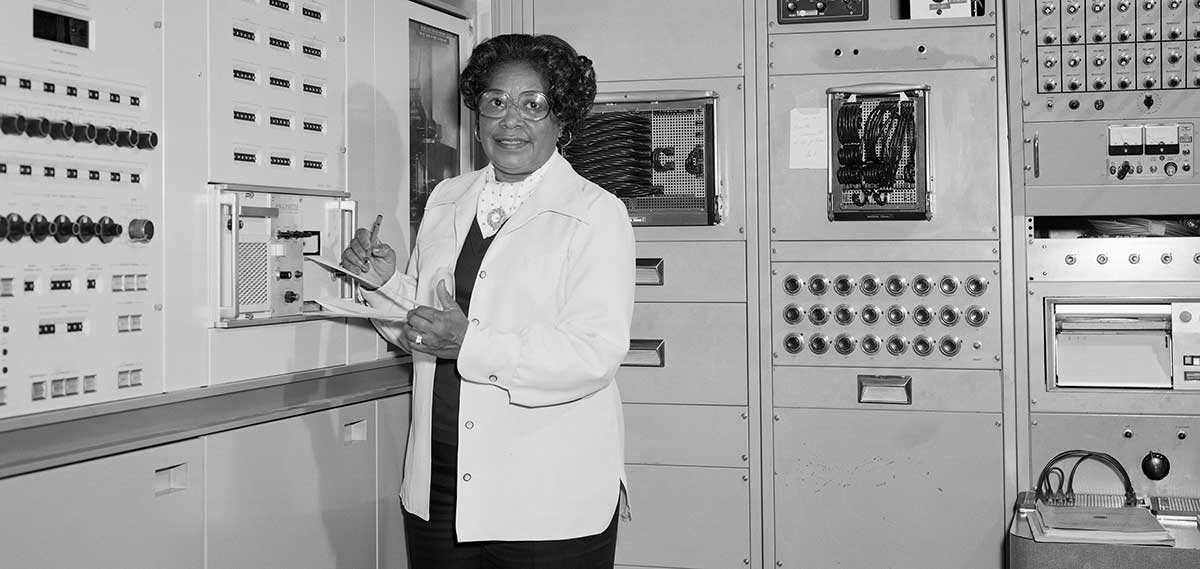
In the same vein as Katherine Johnson, Mary Jackson was an African American mathematician and aerospace engineer who contributed greatly to America’s space program while working at NASA. She began her career in 1951 while working as a literal human computer at the segregated West Area Computing division at Langley Research Center. Jackson went on to become the first Black female engineer at NASA in 1958 after she passed a series of stringent engineering exams. Jackson worked at the space agency for thirty-four years, during which time her considerable expertise contributed to the successful completion of a number of NASA projects. She eventually ended her career as one of the agency’s most senior engineers, enjoying the respect and recognition she deserved.
However, despite the fact that her work at NASA earned her a prestigious engineering position, Mary Jackson’s future prospects at the agency were limited due to the fact that she was an African American woman. As a result, Jackson decided to become a manager at NASA, where she advocated for a change in the hierarchical nature of the engineering department. As the manager of the Federal Women’s Program and Affirmative Action group within NASA, Jackson focused her energies on increasing employment opportunities for women and people of color within the science, mathematics, and engineering fields. Jackson’s efforts helped influence the hiring practices of countless government agencies, paving the way for the next generation of pioneering female engineers.
3. Margaret Hamilton: A Software Pioneer
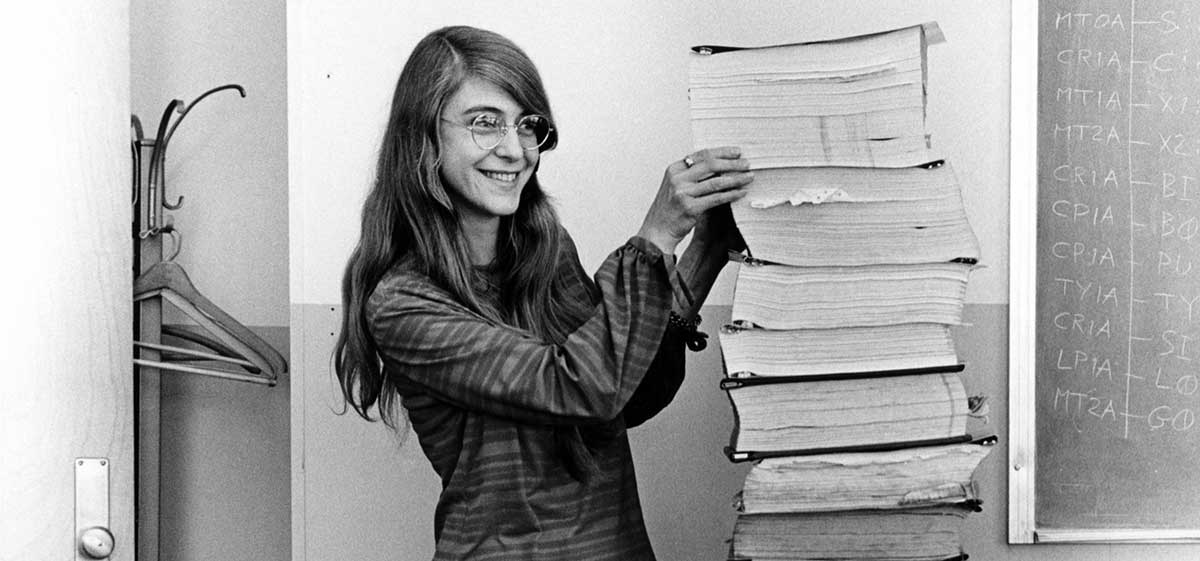
Margaret Hamilton is one of the most influential computer scientists of the twentieth century and a key unsung figure who helped develop the onboard flight software for NASA’s Apollo program. While working as the director of Software Engineering at the Instrumentation Laboratory at MIT, Hamilton and her team were crucial to the success of the early Apollo missions including the historic moon landing. The software which Hamilton helped create even prevented an abort mission failure during the final descent by the lunar module as the handling computer reported an overload to the Apollo crew.
Margaret Hamilton was one of the first NASA scientists to refer to their work as software engineering, a distinction that set apart the emerging field of software from the traditional hardware engineering departments. This distinction helped the field to become recognized as a crucial part of a larger space engineering field. Hamilton’s innovative software includes a number of unique functionalities, such as error detection, which allows NASA astronauts to diagnose and respond to potential issues in real-time. This ensured the safe completion of countless lunar missions and laid the groundwork for modern software engineering practices.
4. John C. Houbolt: Pioneer of the Lunar Orbit Rendezvous
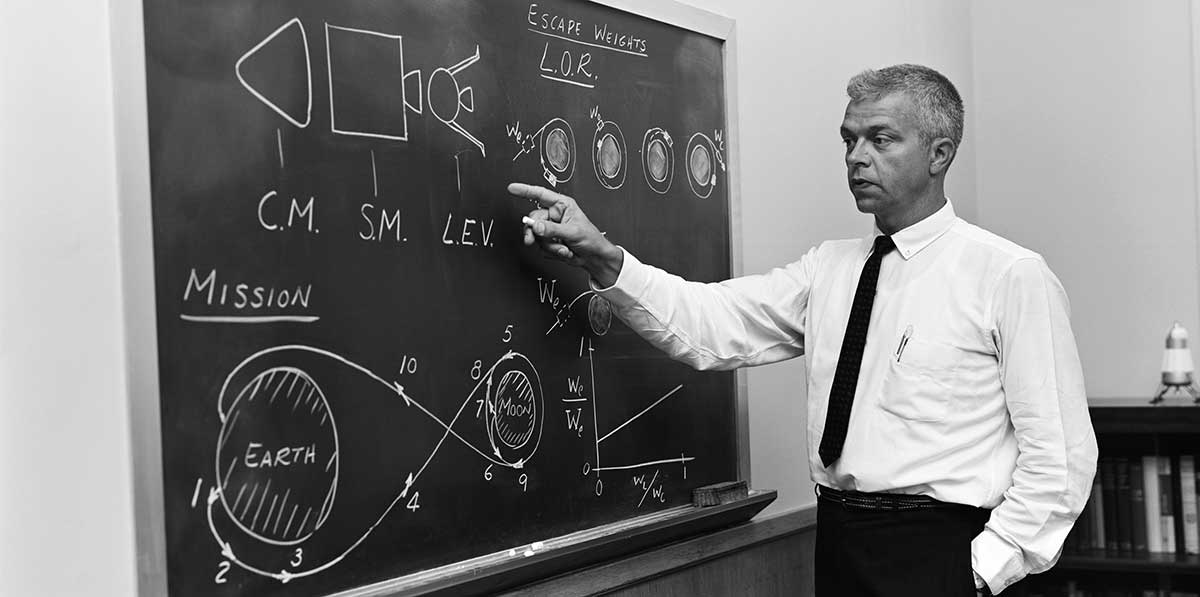
John Cornelius Houbolt was a NASA aerospace engineer who pioneered the Lunar Orbit Rendezvous procedure vital to the success of America’s Apollo program. Houbolt’s proposed method involved the incorporation of a separate lunar module that would decouple from the command module while in the Moon’s orbit and subsequently land on the moon. The lunar landing module would then separate from the descent stage, and a smaller capsule would rendezvous again with the command module and return to Earth. The decision by NASA in 1962 to adopt Houbolt’s proposal saved NASA a considerable amount of time and human resources that allowed the Apollo 11 mission to be completed before the end of the decade.
Houbolt began his aerospace career while working at the National Advisory Committee for Aeronautics, which later was restructured and became NASA. Throughout his career at the space agency, Houbolt received a number of accolades, including NASA’s own Exceptional Scientific Achievement Medal in 1963. However, Houbolt’s greatest contribution was the tenacious campaign and advanced calculations he undertook in order to convince NASA’s management that the Lunar Orbit Rendezvous could work. Houbolt was proven correct when, on July 20, 1969, the crew of Apollo 11 successfully landed on the Moon using his calculations.
5. JoAnn Morgan: NASA Trailblazer
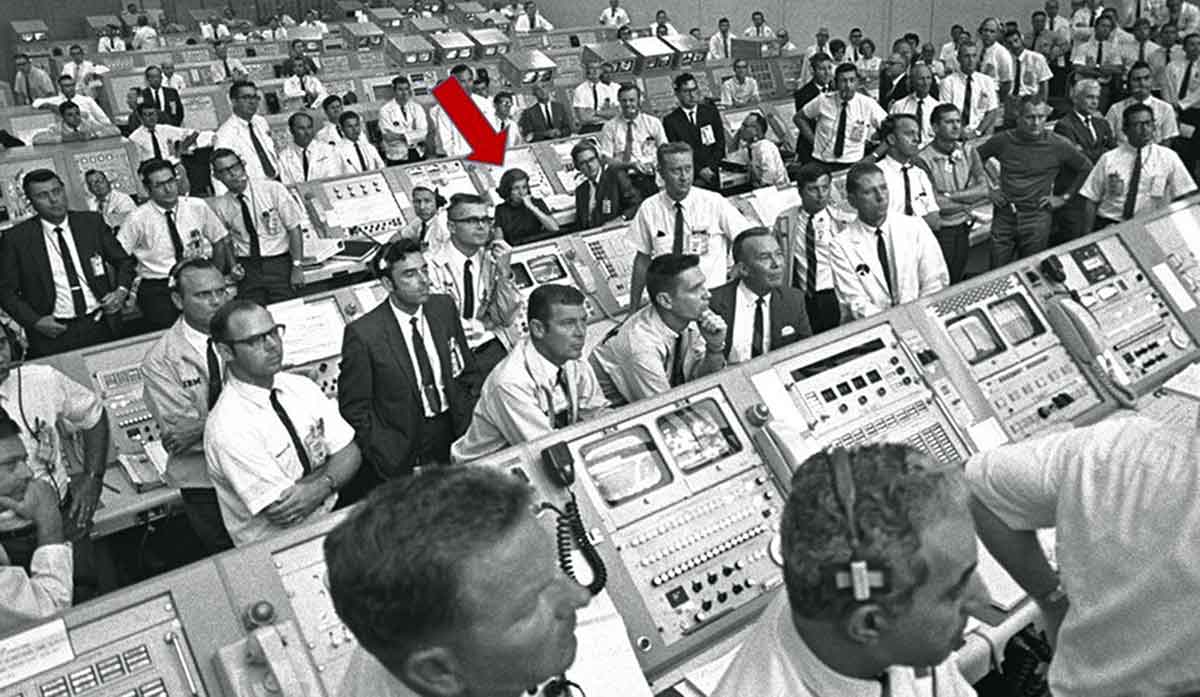
JoAnn Morgan is another unsung NASA hero who pioneered the role of women within the agency and worked as a trailblazing aerospace engineer. At the height of her career within the agency, Morgan became the first female engineer to work at the Kennedy Space Center and the first woman to serve in an executive capacity within the department. Morgan began her career in 1958 when she started work as an engineering assistant within the Army Ballistic Missile Agency. Morgan joined NASA soon afterward where she worked on building rockets for space exploration over a career spanning forty-five years. Notably, Morgan has gone down in history as the only female engineer to be present in the control room during the launch of Apollo 11 in 1969.
Following the success of the Apollo 11 launch, Morgan’s career within NASA took off. She was awarded a Master of Science degree from Stanford University in 1977 and was later promoted to the Chief of the Computer Services Division within NASA. Towards the end of her career, Morgan worked as both the NASA Director of External Relations and Business Development. Despite the significant challenges faced by women in the male-dominated arena of space exploration and engineering, Morgan paved her own way and set the stage for future generations to take the lead.
6. Jack Garman: The Unsung Hero of Apollo 11
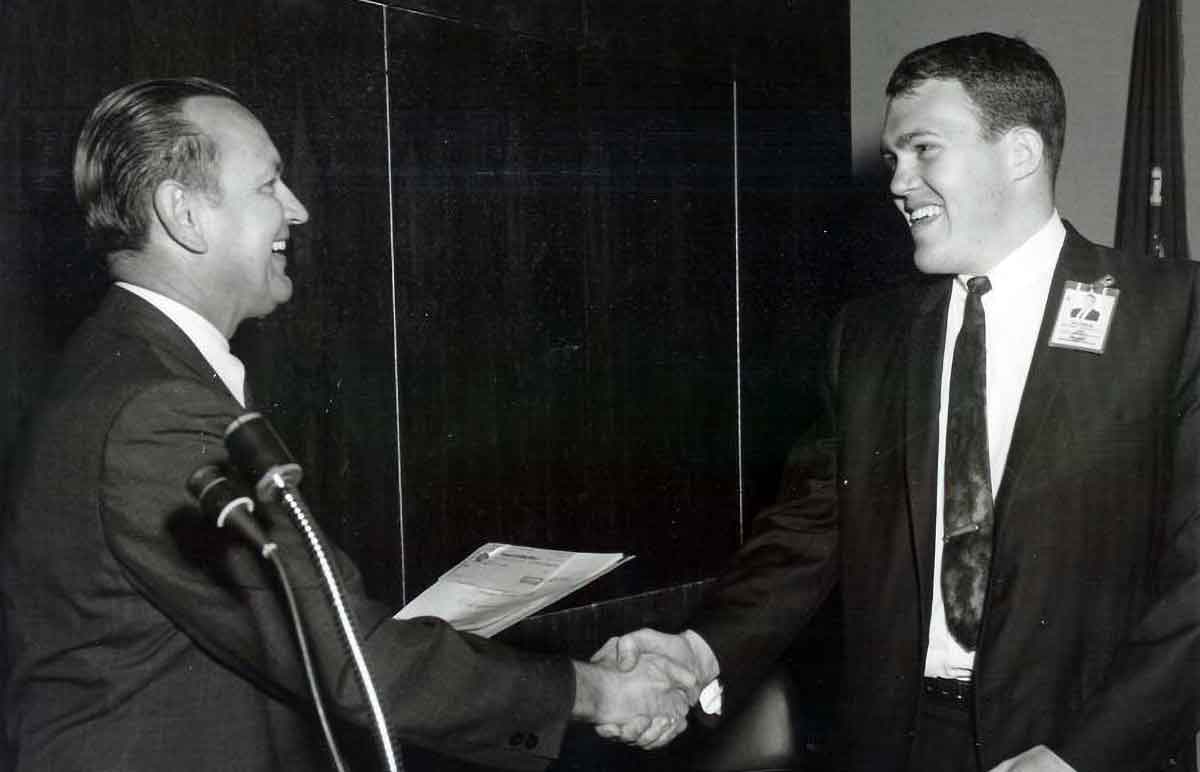
Jack Garman was a pivotal figure and unsung hero during NASA’s race to the moon. Garman is best known for his work during the Apollo 11 lunar landing as a computer engineer at Mission Control, who helped to avert a catastrophic error during the landing on July 20, 1969. The error was caused by a design oversight within the Lunar Module’s guidance system, which set off computer alarms just minutes before the scheduled landing. With his detailed knowledge of the design behind the Apollo lander’s guidance computer, Garman advised the crew that the alarms were not critical and gave the go-ahead for the final descent.
Garman was hired by NASA at the age of just 21. He continued to work as a specialist in the onboard computers used by the Apollo mission as well as the Guidance Program. Before the moon landing, Garman had prepared in advance a comprehensive list of all possible program errors and alarms along with their correct response. This list proved vital as Apollo 11 approached the lunar surface, and Garman was able to give a decisive diagnosis of the computer errors.
7. Frances Poppy Northcutt: A Key Figure During Apollo 13
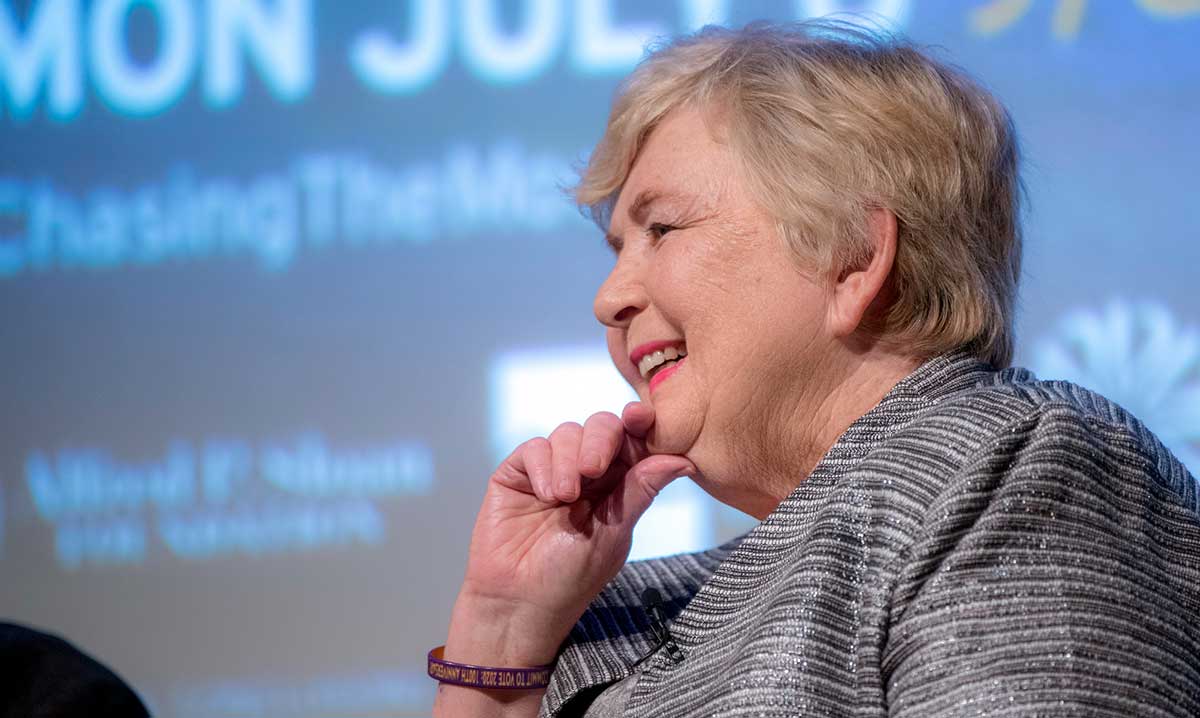
Frances Northcutt, also known as Poppy, is a NASA engineer who was the first female engineer to work in mission control during the Apollo program. Northcutt began her career working as a human computer at an aerospace agency contracted by NASA. Her work at the agency quickly earned her a promotion to the technical department, where she became the first woman ever to take on that role. While at NASA, Northcutt worked in the Mission Planning and Analysis Room and played a key role during the Apollo 8 mission. During her work within this department, Northcutt was responsible for the extensive calculations that were used to help determine the amount of fuel Apollo 8 could burn during maneuvers and return to Earth.
Northcutt was also an important figure during the Apollo 13 mission crisis. After an oxygen tank exploded on board the craft, putting the lives of the crew in danger, Northcutt and her fellow engineers were tasked with finding a solution to the problem. She worked around the clock to calculate the maneuvers that would be needed to slingshot Apollo 13 around the moon and back to Earth. For her role in solving the crisis, Northcutt and her team were awarded the Presidential Medal of Freedom.
8. Frank Malina: An Early Rocket Pioneer
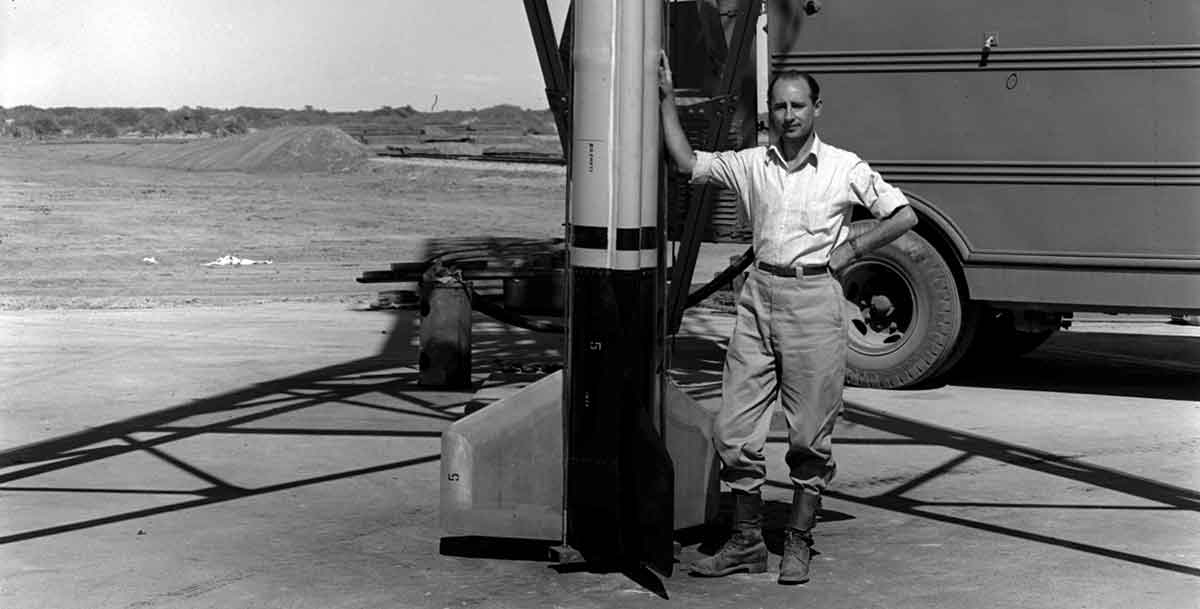
One of the earliest unsung heroes of NASA history, Frank Malina was an engineer and rocket expert who contributed greatly to the early advances in space exploration. Malina studied mechanical engineering at the California Institute of Technology, where he earned a doctorate degree in 1940. While studying at Caltech, Malina and a group of fellow students researched early rocket propulsion systems in the remote region of Arroyo Seco. This research group laid the foundations for what would become later NASA’s research and development team known as the Jet Propulsion Laboratory. Malina went on to serve as a director at the JPL where his team launched the first American rocket to enter space in 1945.