
During the Space Race, the Soviet Union played a vital role in pushing the boundaries of space exploration and achieved a number of groundbreaking technological milestones that changed history. From the launching of the first-ever artificial satellite, Sputnik, to sending the first man into space, the Soviet space milestones achieved during the 20th century are historic feats that sparked global interest in space exploration and proved the USSR could compete with NASA in outer space. Here are eight Soviet space milestones that defined an era.
1. The Launch of Sputnik 1: The First Satellite In Space
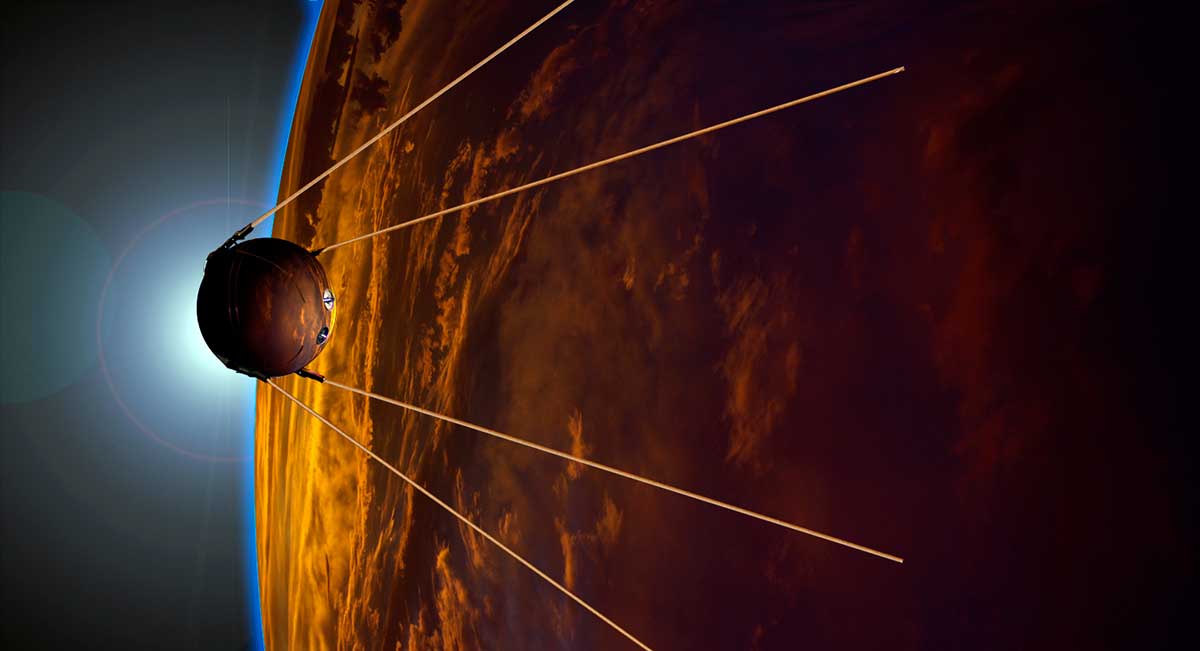
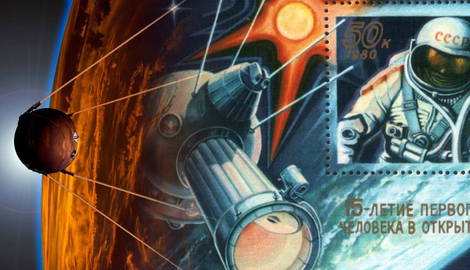
On October 4, 1957, the Soviet Union launched the first-ever artificial satellite, Sputnik 1, into Earth’s orbit, marking a historic achievement in space exploration and achieving a major victory for the USSR in the space race. The Sputnik satellite was a polished metal sphere approximately half a meter across with four radio antennas attached. These antennas transmitted radio pulses detectable around the world. Sputnik’s elliptical orbit allowed it to orbit the Earth’s most densely populated areas as well as some remote regions of the globe.
While it may have dealt a serious blow to the United States’ ambitions for dominance in the Space Race, the launch of Sputnik 1 coincided with a period of increased international cooperation. The year of the launch was part of a project known as the International Geophysical Year, an initiative set up by scientists around the world to restart collaboration that had been paused during the Cold War. However, the successful launch of the satellite triggered what became known as the Sputnik crisis in the United States, a period of intense heightened domestic tensions that led to increased advancements in the American space program. Moreover, tracking the orbit of Sputnik around the globe provided observers with valuable scientific data, including an insight into the density of the upper atmosphere as well as its chemical properties.
The radio transmitters on board the satellite transmitted a continual signal for three weeks until the onboard batteries were depleted. During its lifespan, Sputnik 1 orbited the Earth approximately 1,440 times and traveled a distance of 70 million kilometers. However, without any onboard propulsion system, the satellite steadily fell victim to Earth’s gravity, and on January 4, 1958, Sputnik burned up in the atmosphere.
2. Yuri Gagarin: The First Human Spaceflight
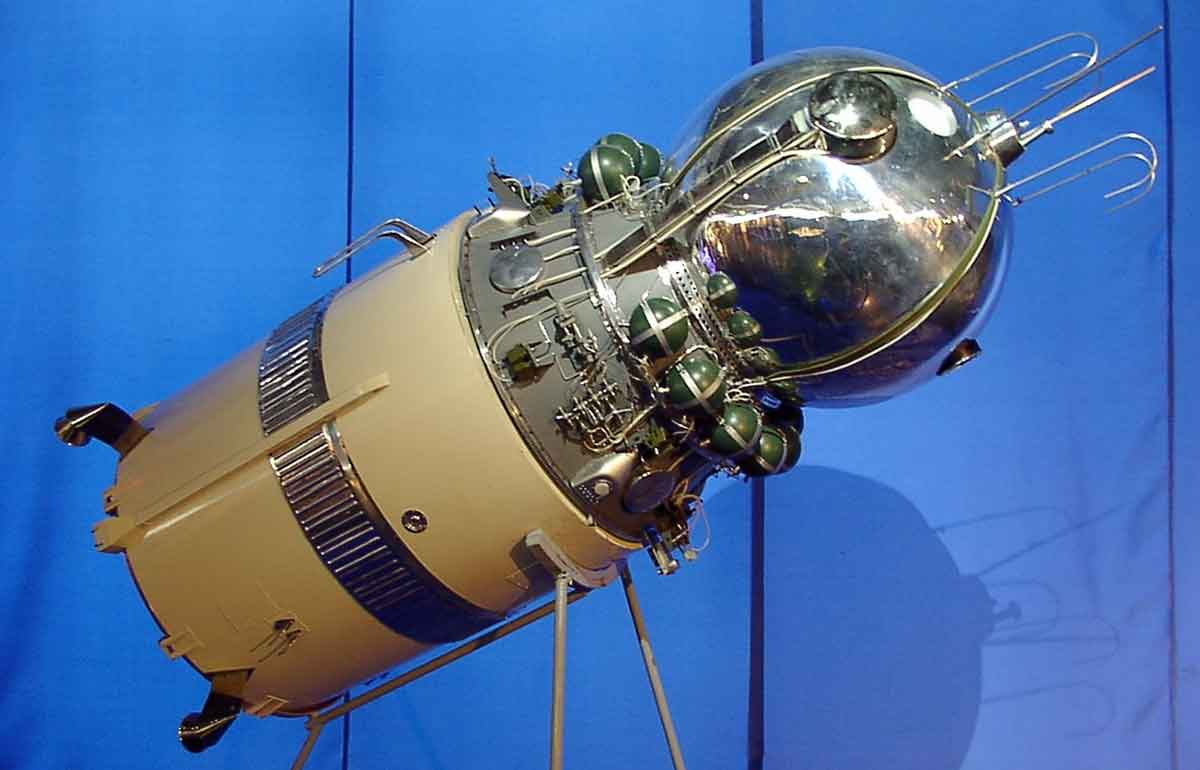
One of the Soviet space program’s crowning achievements came in 1961 when, on April 12th, cosmonaut Yuri Gagarin became the first human to travel into space aboard the Vostok 1 space capsule. From humble beginnings, his parents were both workers on a collective farm. Gagarin went on to study engineering while completing his pilot training in 1957. After graduating, Gagarin began training in the Soviet space program and was chosen as a candidate for the historic Vostok 1 mission.
The first manned space flight in history lasted approximately one hour and thirty minutes, in which time the Vostok 1 capsule orbited Earth at an altitude of three hundred kilometers. Gagarin returned to Earth as a hero after his successful mission, earning him countless honors, including the Order of Lenin and being named a Hero of the Soviet Union. Statues were built to celebrate the historic flight, and even streets across the entire USSR were renamed in Gagarin’s honor. The Soviet space achievement was a significant blow to NASA, who ramped up their own plans to put an American astronaut in space.
3. Luna 2: The First Spacecraft To Reach The Moon
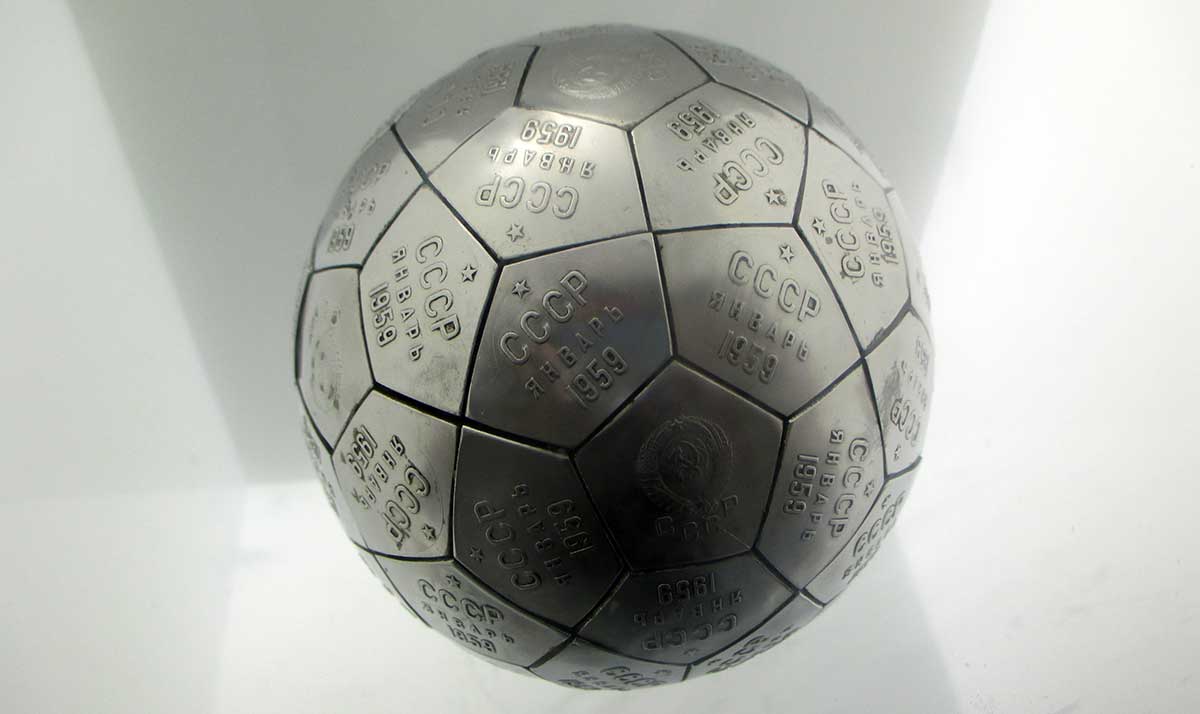
The Soviet Luna 2 probe was the first spacecraft to reach the Moon on September 12, 1959, and the first man-made object to make contact with another celestial body. The success of the Luna 2 probe was a key step in the Soviet Union’s own race to the Moon and paved the way for a series of similar missions. The Luna 2 probe impacted the surface of the Moon in a planned descent. Upon impact, the craft released a cloud of sodium, which allowed observers back in the USSR to track the trajectory of the flight. Moreover, in a propaganda boost for the Soviets, the Luna 2 probe was equipped with pendants engraved with the symbol of the USSR, which were scattered across the lunar surface.
While the Luna 2 probe did not conduct any significant scientific studies or report any groundbreaking data about the composition of the Moon, it was a significant milestone in space exploration. The successful mission demonstrated that the Soviet Union was capable of advanced interplanetary maneuvers and was on track to put a man on the Moon.
4. Luna 9: The First Spacecraft to Land on the Moon
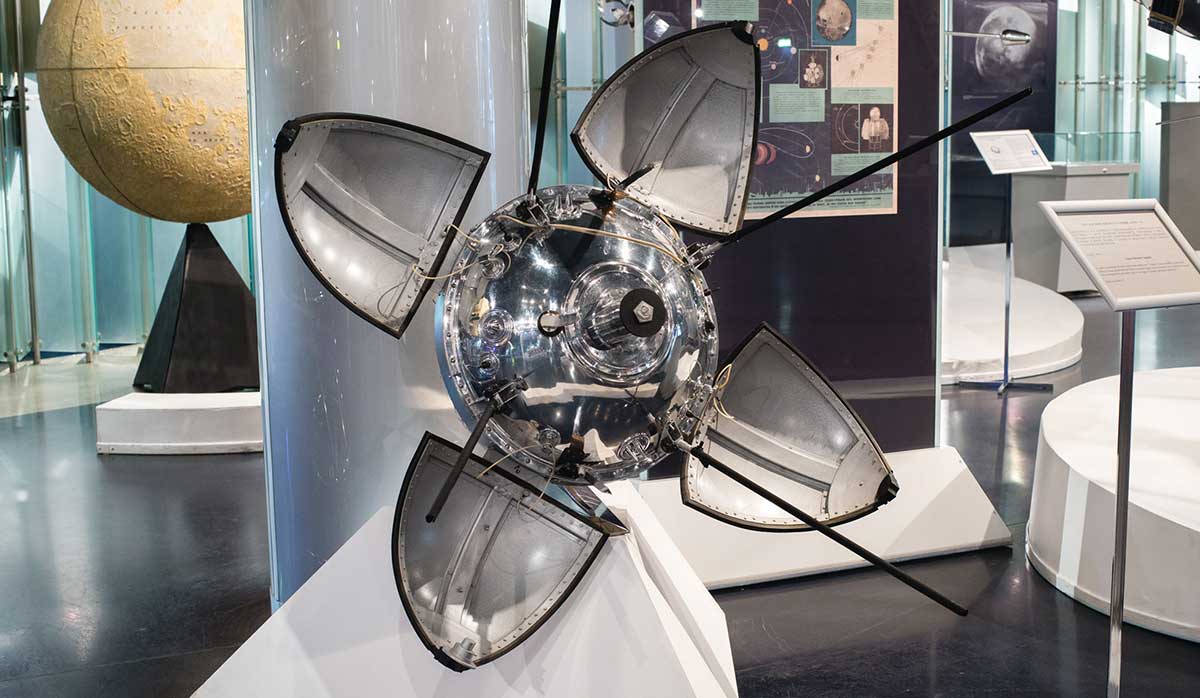
Just a few short years after the successful completion of the Luna 2 mission, the Soviets launched the Luna 9 spacecraft. On February 3, 1966, Luna 9 was the first spacecraft to land on the moon and transmit photographic data from the surface. The mission was highly significant as prior to the landing, many engineers at NASA and in the Soviet Union thought that the dust covering the surface of the Moon would cause any spacecraft to sink.
Luna 9 was also equipped with a television camera, which broadcast images from the lunar surface, as well as a radiation detector. During the mission, a total of four panoramic images were broadcast back to Earth, showing the lunar surface in detail for the first time. The successful completion of this mission, as well as the radiation data it recorded, provided crucial information for future missions to the Moon. The mission lasted until February 6, when the spacecraft’s internal batteries were finally depleted. In just a few days, Luna 9 had proven once again that the Soviets were leading the Space Race.
5. The First Woman in Space: Valentina Tereshkova
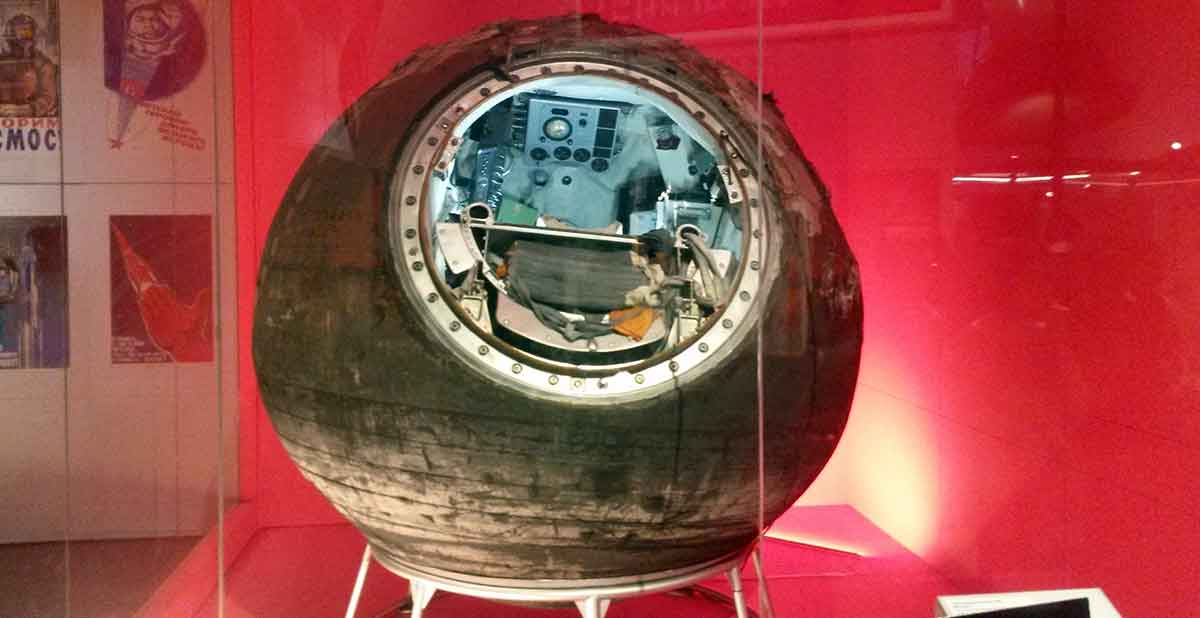
Not content with putting the first man in space, the Soviet Union set its sights on sending the first woman into orbit as well. Valentina Tereshkova was chosen to be the first woman to travel into space, and on June 16, 1963, on board Vostok 6, she successfully entered Earth’s orbit and circled the globe for seventy-one hours. Despite the fact that she was not actually a trained pilot, Tereshkova’s former training as a skydiver had given her the edge over other candidates and qualified her to begin training in the Soviet cosmonaut program.
During her time in orbit, the Vostok 6 capsule briefly rendezvoused with the Vostok 5 spacecraft piloted by Valery Bykovsky, a significant milestone in space exploration as it was the first time two manned missions were in space at the same time. Upon returning to Earth, Tereshkova was awarded the title of Hero of the Soviet Union and the Order of Lenin. After she retired from the Soviet space program, Tereshkova pursued a career in politics and became an elected member of the Russian parliament.
6. Voskhod 1 and 2: The First Space Walk
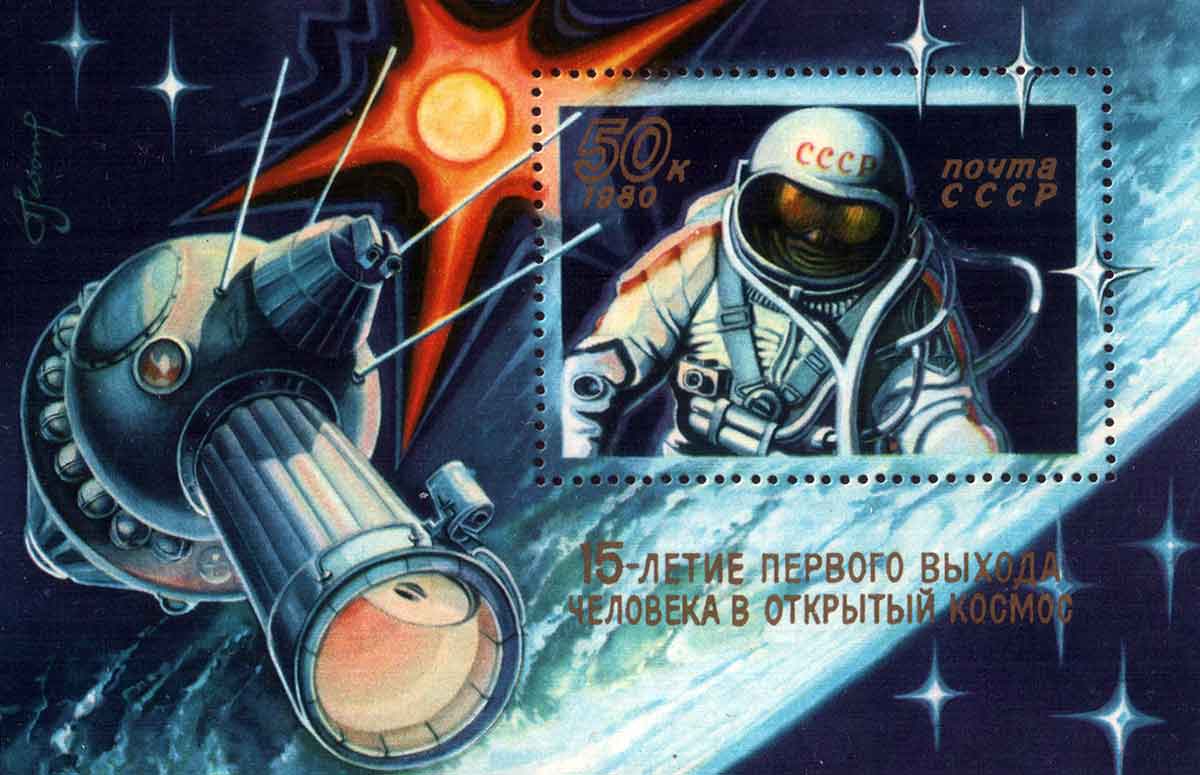
The Voskhod 1 spacecraft was launched on October 12, 1964, and became the first-ever manned mission to carry more than one person into space. The craft was piloted by Vladimir Komarov and crewed by Konstantin Feokitosov and Boris Yegorov. During their time in space, they also set the record for the highest recorded altitude of a manned spacecraft in Earth’s orbit. Somewhat alarmingly, the Voskhod 1 flight was the first mission into space that did not use spacesuits, as there was not enough room on board the cramped capsule to accommodate the crew members and their bulky equipment.
The successful Voskhod 1 mission was followed up in March 1965 with a similar groundbreaking mission. Voskhod 2 carried two cosmonauts, Pavel Belyayev and Alexei Leonov, into orbit. While above the Earth, Leonov carried out the first-ever spacewalk, lasting just over 12 minutes, completing a major milestone in space exploration. Remarkably, due to a significant malfunction, the Voskhod 2 capsule landed hundreds of kilometers off course in the dense Siberian forest. The two cosmonauts were forced to wait overnight for rescue during the freezing winter. The incident prompted the invention of a cosmonaut survival pistol that would help fend off aggressive wildlife in the event of another landing in the wilderness.
7. Lunokhod 1: The First Rover on the Moon
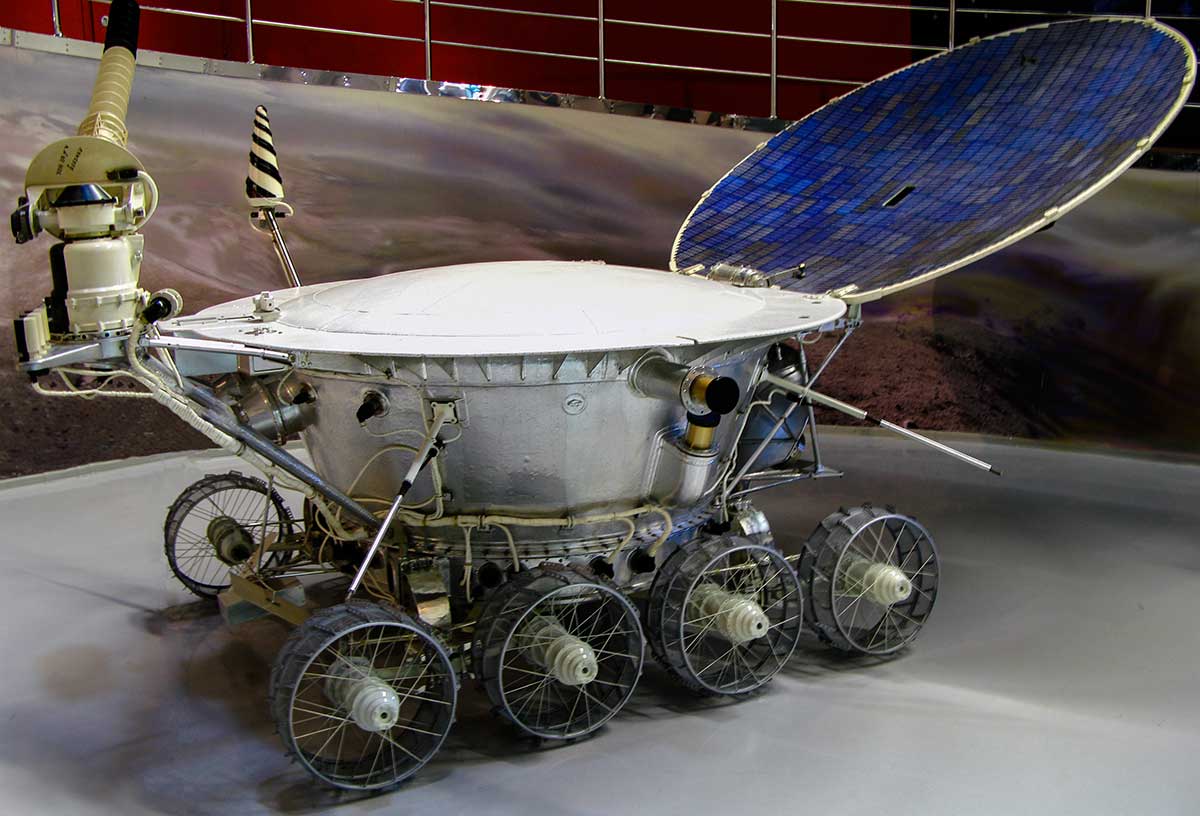
After NASA successfully put American astronauts on the surface of the Moon and returned them to Earth, the Soviet space program was eager to repeat their early successes and put a cosmonaut on the moon. Launched in 1970 as part of the Luna program the Lunokhod 1 mission was the first robotic rover to ever move freely across the surface of another celestial object outside of Earth.
The Lunokhod rover was originally designed by the Soviets to function for three months, but the craft surpassed all expectations and continued to function for nearly one year. During its time on the Moon, the rover traveled almost ten kilometers and gathered valuable data on the lunar surface. The success of the Lunokhod 1 mission was a major milestone for Soviet space exploration and provided the USSR with valuable data on the lunar soil, which was used to plan further missions to the Moon. However, following considerable political and economic challenges during the 1970s, Soviet cosmonauts never followed their American rivals to the Moon.
8. The Salyut and Mir: The World’s First Space Stations
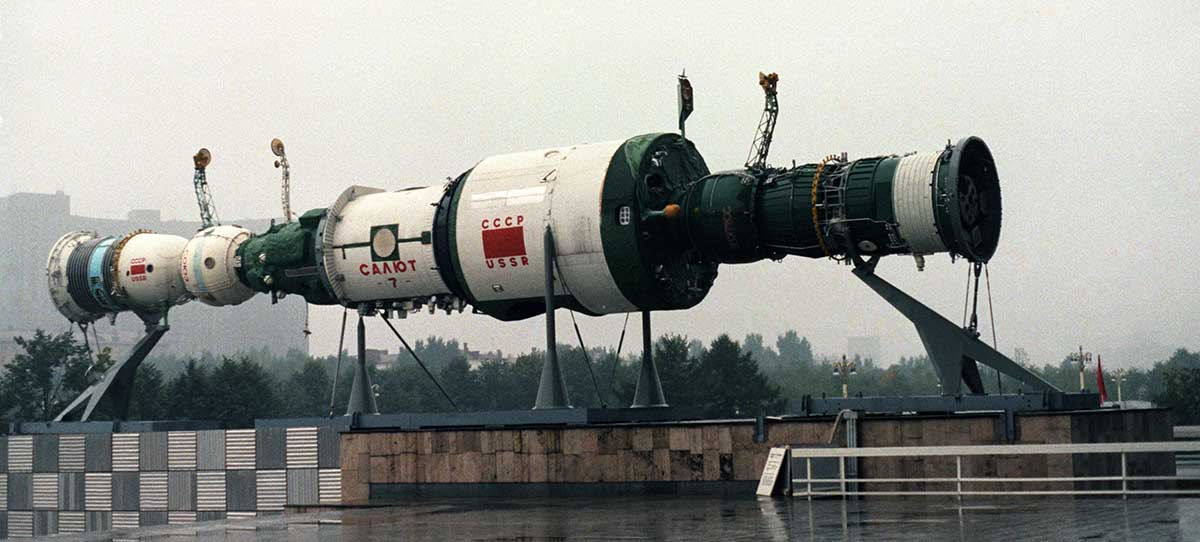
After their failure to put a Soviet citizen on the surface of the Moon, the USSR began to refocus their efforts on building a permanent manned outpost in space. The Salyut program was a key part of the Soviet Union’s pioneering space station project and the first of its kind in the history of space exploration. The Salyut mission comprised a series of six separate space stations, including four scientific research stations and two military observational platforms, which were put into orbit under the pretense of civilian missions. Launched in 1971, the Salyut 1 was the first ever crewed space station to orbit the Earth. While focusing on researching the effects of long-term space missions on the human body, the Salyut program also served as a major cover story for the Soviet military Almaz space stations.
The Salyut program proved vital for advancing the field of space exploration technology. The simple designs of space capsules soon evolved into complex multiple-module craft with multiple docking ports. The development of the Salyut program laid the groundwork for the Mir space station and the International Space Station that followed.