
In the early years of the Soviet Union, the Kronstadt rebellion of March 1921 proved a pivotal test for the new Bolshevik regime. The revolt was sparked by extreme dissatisfaction with the Bolshevik policy of War Communism and was centered around the naval fortress of Kronstadt, close to present-day Saint Petersburg. Although the Red Army swiftly dealt with this revolt, the actions at Kronstadt had a lasting effect on the trajectory of the USSR.
Prelude to the Kronstadt Rebellion
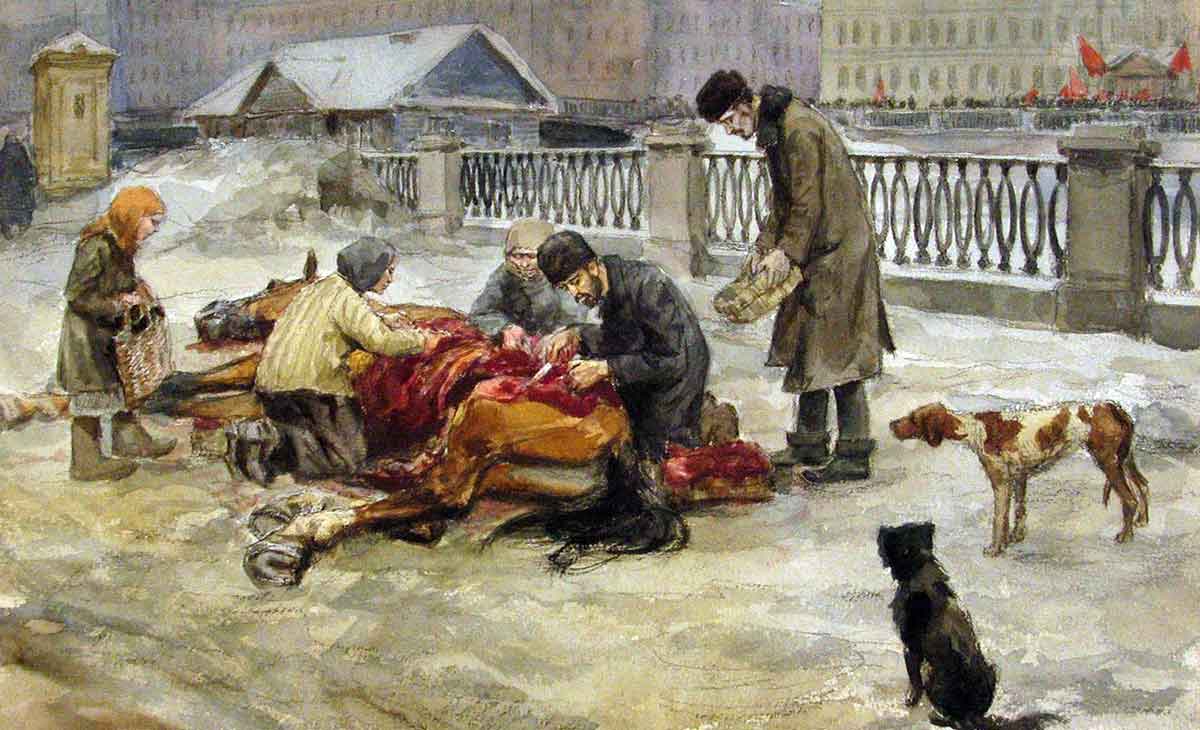
Towards the end of 1920, with the Russian Civil War drawing to a close, the recently instituted Bolshevik government of the Soviet Union was faced with rebuilding a nation ravaged by conflict and revolution. Despite the victory of the Red Army over the White forces led by Pyotr Wrangel, the Bolshevik’s control over the nation was not complete. Peasant uprisings in the countryside against communist power were worsened by the hardships of the war and by the Bolshevik policy of War Communism, which led to famine, disease, and a shortage of basic goods. Furthermore, the policy of forced grain requisitioning led to a deep resentment against the Bolsheviks among the rural classes, and towards the end of the Civil War, a large number of peasants refused to work.
Resistance towards the Bolsheviks was not focused solely on rural areas, as large urban centers such as Petrograd (formerly Saint Petersburg), which had previously formed the backbone of Soviet power, now began to rebel openly. In response to a reduction in the bread ration, industrial workers went on strike and demanded an end to War Communism and the harsh policies that had been imposed during the fight against the White Army. The naval base at Kronstadt and the rebellion that occurred there in March 1921 culminated in a nationwide feeling of dissatisfaction with Vladimir Lenin’s government.
Workers Demand the End of War Communism
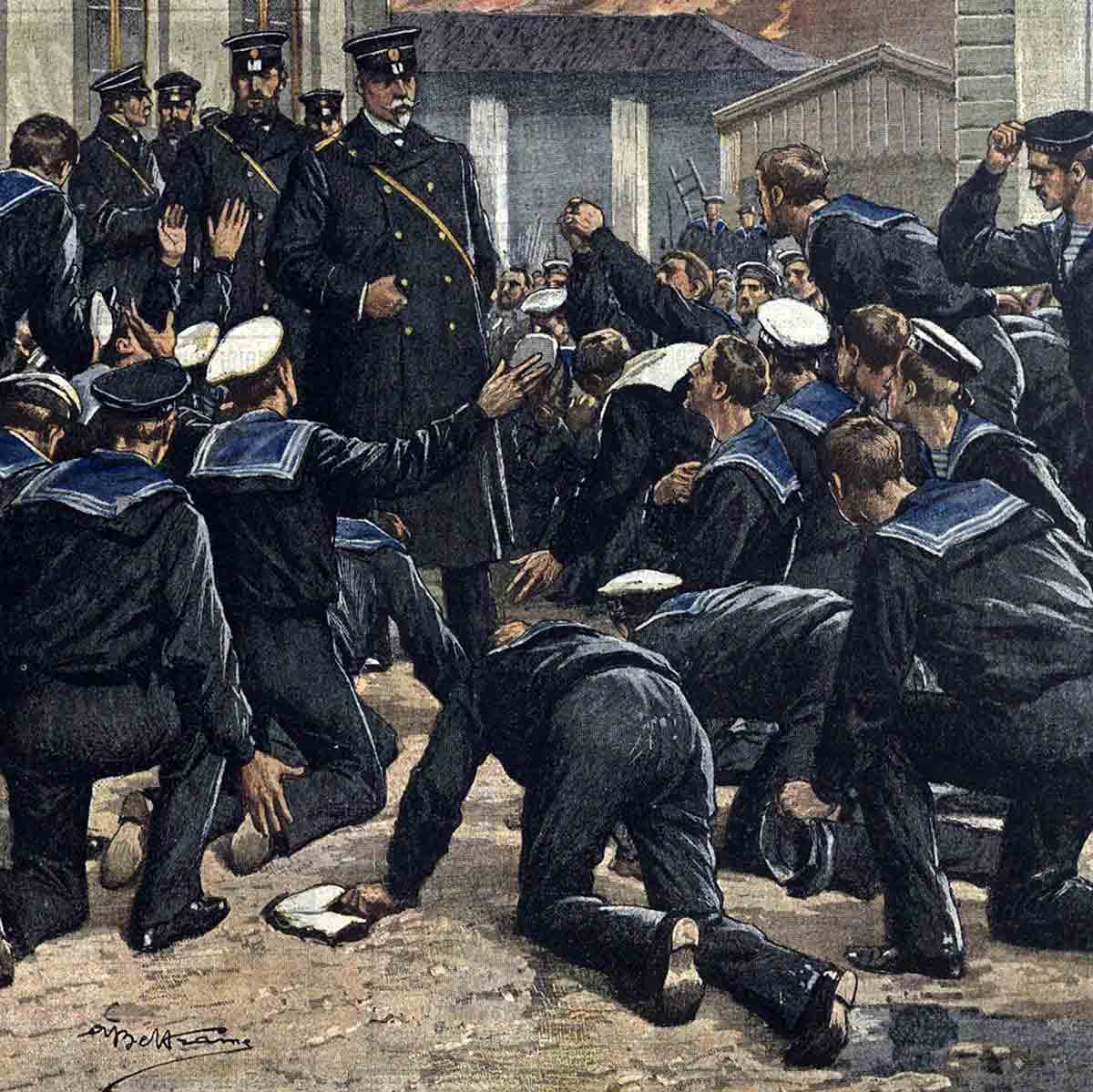
Towards the end of January 1921, the Soviet central authorities in Moscow announced a nationwide reduction in the daily bread ration for those working in the major cities. The Bolshevik government blamed the harsh winter and field shortages for the reduction in the food supply. The working populations of Moscow and Petrograd reacted angrily to the new policy. By February, workers in the capital began organizing meetings that demanded an end to the policies of War Communism and a return to paid labor. These initial protests were dealt with harshly by the internal security forces of the USSR.
As the worker’s uprisings in Moscow began to die down, the situation in the second-largest city of the Soviet Union, Petrograd, became much worse. In Petrograd, severe food shortages had caused more than fifty percent of industrial factories to close down entirely, and workers held public meetings where they voiced their demands. Bolshevik authorities responded by mobilizing the Red Army to disperse protesters, declaring martial law, and banning large meetings. However, the response within the Kremlin was not entirely united, as elements within the Bolsheviks were divided over how to deal with the worker’s demands for an end to War Communism.
The Kronstadt Rebellion Begins
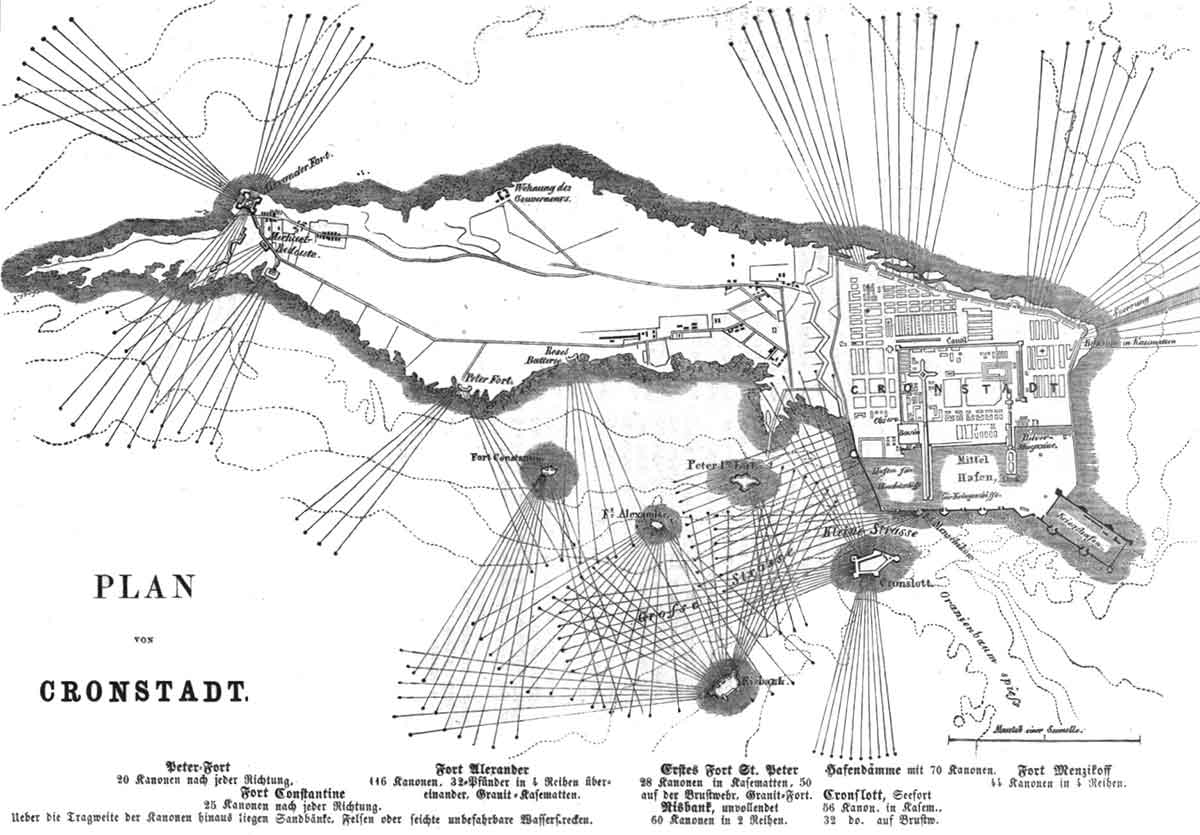
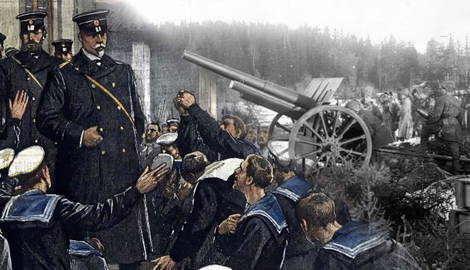
Since the Bolshevik revolution in 1917, the sailors stationed at the Kronstadt naval base, just outside Petrograd, had been supportive of Lenin’s forces and even fought alongside elements of the Red Army during the Civil War. However, the naval forces within Kronstadt were suspicious of the growing centralized power that had taken root in the Soviet Union and were particularly affected by the harsh policies of War Communism. The sailors were forced to live in squalid conditions with poor supplies, limited medical assistance, and a lack of fuel for the heating and maintenance of the Baltic Fleet.
In response to the government crackdown on protesters in Petrograd, sailors at the Kronstadt naval base held an emergency meeting in late February. Decorated officers and the crew of the Petropavlovsk and Sevastopol warships drafted a list of fifteen demands, which they presented to the Bolshevik authorities. Among these demands were a call for new elections, increased freedom of speech, and an end to the harsh policies associated with War Communism.
While the sailors at Kronstadt saw their demands as a realistic reflection of the same requests that had been made by protesters in Moscow and Petrograd, the Bolshevik leadership reacted harshly and saw the events at Kronstadt as a direct threat to the central power in Moscow. Soon after the demands were issued, the naval officers at Kronstadt were labeled counterrevolutionaries and enemies of the state. The events at Kronstadt escalated quickly, and by March 2, the island was under direct control of the sailors who had taken local Bolshevik representatives hostage, ensuring their demands were treated seriously. In addition, they called for new elections.
The Bolsheviks Respond
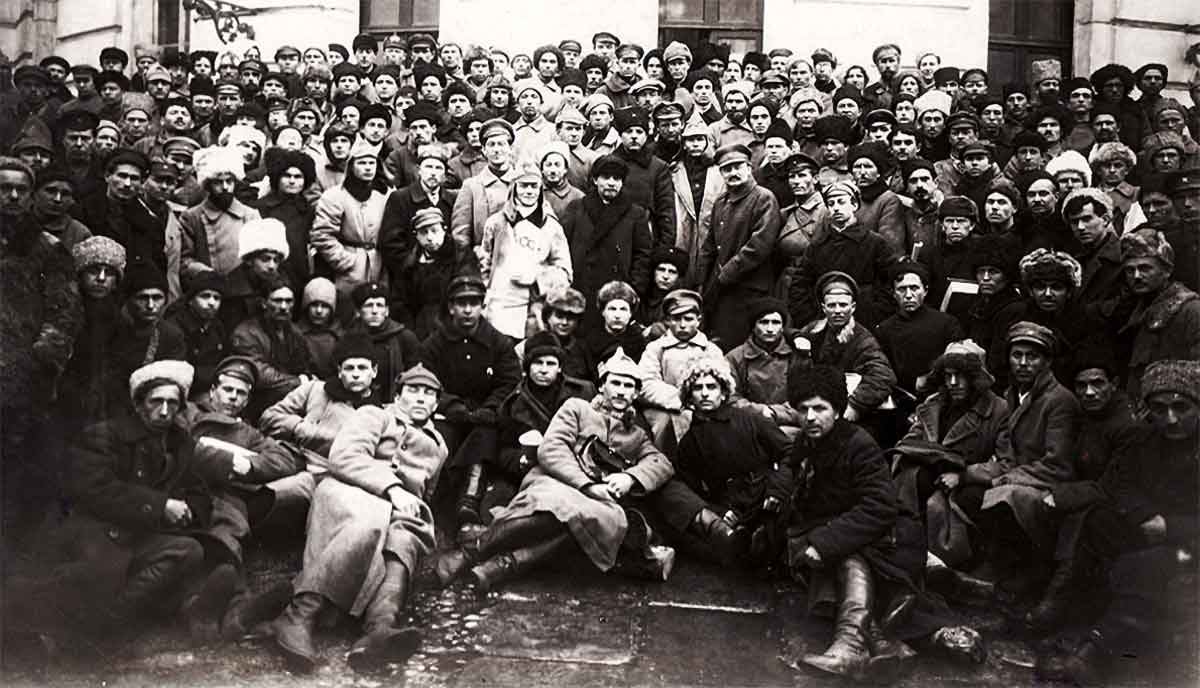
While the rebels at Kronstadt had openly revolted against Bolshevik centralized power, they did not do so in a violent manner. In fact, the early negotiations between the sailors and local Bolsheviks were entirely peaceful, and no local representatives were harmed. However, as the sailors had begun calls for another revolution that would restore the ideals of 1917 and limit the further consolidation of power in the hands of the Bolsheviks, the Kremlin saw the rebellion as a serious threat to their regime. Leading Communists in Petrograd, such as Leon Trotsky and Zinoviev, issued ultimatums to the rebels calling for an end to anti-government activity. Authorities in Moscow also spread propaganda among the local people, which accused the sailors of being in league with the White Army.
The situation inside the Kronstadt fortress was increasingly dire. While the rebels had gained a great deal of support from sympathetic groups across the Soviet Union, there was no united uprising in support. On the contrary, opposition groups such as the Mensheviks, socialists, and military cadets were too internally divided to offer much support. Therefore, the rebels at Kronstadt were faced with the prospect of holding back a potential military assault from the Bolshevik security forces completely alone. While their position was heavily fortified, the rebels faced dire shortages of ammunition, food, and basic supplies. In contrast, the Bolsheviks led by Mikhail Tukhachevsky were well-equipped and reinforced by troops from the local Cheka.
The Bolshevik Assault on Kronstadt
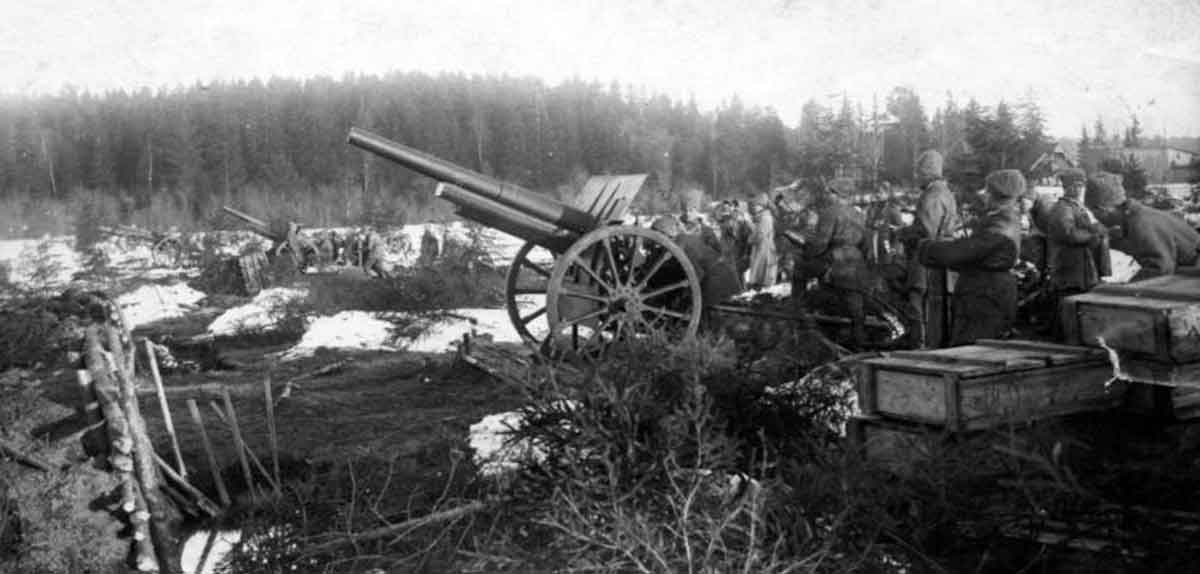
The Bolshevik assault against Kronstadt began on March 7 and involved over sixty thousand troops. Despite their overwhelming numbers, the initial assault was unsuccessful, and the harsh winter conditions coupled with the heavily defended position of the rebels led to an early retreat. While the Bolsheviks continued bombarding the island with artillery strikes and bombing runs, the defenders were deeply entrenched. The failure of the initial assault led to plummeting morale among the Red Army troops, and a number of officers actually defected to the rebels.
However, as the siege on Kronstadt continued, the harsh winter weather and low supplies slowly deteriorated the rebel’s resolve, and a final Bolshevik assault was planned for March 17. Tukhachevsky led a force of fifty thousand Red Army troops that attacked from three directions as artillery barrages damaged the rebel ships, Sevastopol and Petropavlovsk. By the following day, Bolshevik forces had taken control over most of Kronstadt, and the last pockets of resistance were stamped out. Despite their victory, the Red Army lost more than ten thousand troops in the assault against Kronstadt as opposed to the reported rebel losses of just six hundred. Moreover, not all the rebel sailors were captured during the assault as thousands had fled across the frozen Baltic Sea towards Finland, where they claimed refugee status.
The Aftermath of the Kronstadt Rebellion
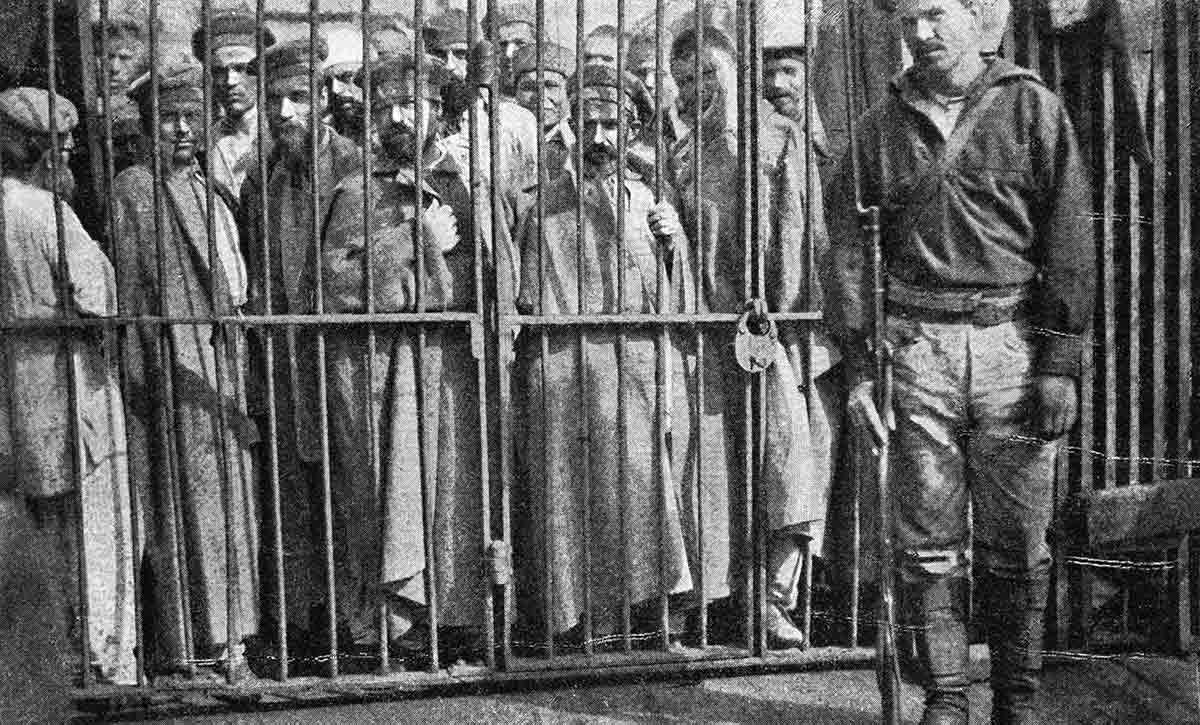
Following the defeat of the rebels at the Kronstadt naval base, the Bolshevik officer Pavel Dybenko was put in charge of the island. With the help of local authorities, he purged all remaining rebel forces from the base and renamed the battleships. The rebel sailors who remained at Kronstadt were either put on trial or sent into exile across the country. The prominent leaders of the rebellion who were captured by the Bolsheviks were either executed or sentenced to harsh prison sentences that were carried out in forced labor camps. Those rebels who were lucky enough to avoid capture and find refuge in Finland did fare much better. The Finnish government, wary of harboring such a large number of rebellious naval officers, sought to resettle the refugees in neighboring countries and even tried to arrange amnesty for their return to the Soviet Union.
None of the demands that had sparked the Kronstadt rebellion were met. The Bolsheviks continued with the policy of War Communism, and a number of left-wing groups that had expressed varying levels of support for the rebels were brutally suppressed. In the end, the greatest consequence that the Kronstadt rebellion had upon the Soviet Union was to accelerate the authoritarian trends that had triggered the uprising in the first place.
The Legacy of the Kronstadt Rebellion
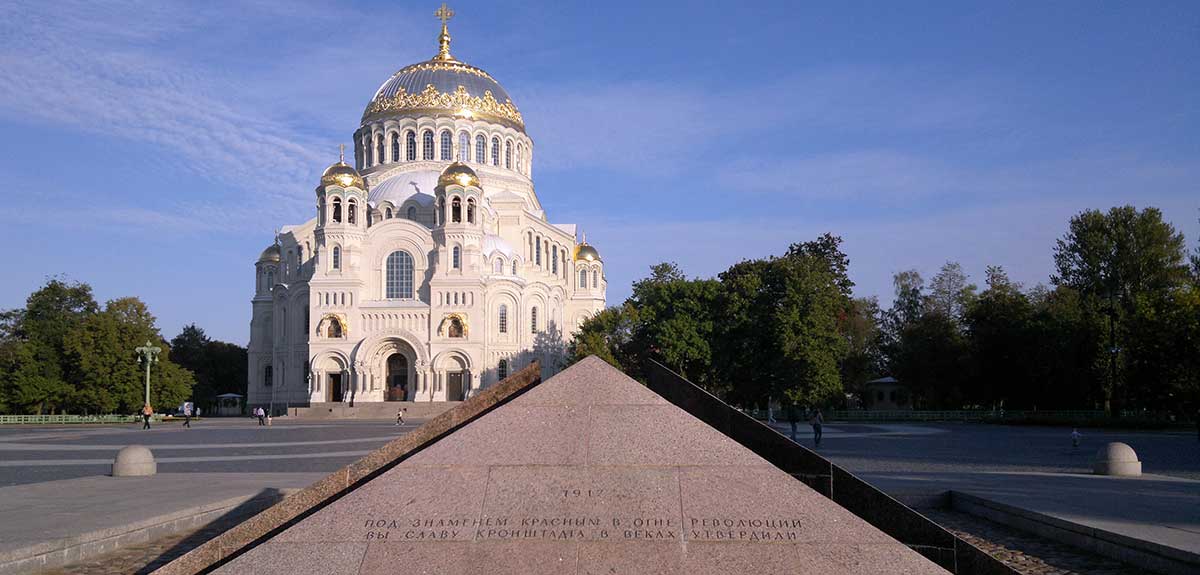
According to historical accounts, the leader of the Bolsheviks, Vladimir Lenin, saw the Kronstadt rebellion as a turning point in the history of the Soviet Union. It served as a key factor in further tightening his party’s authoritarian rule. The rebellion first caused dissidents to be treated with extreme violence, and groups that were previously tolerated were outlawed completely. Moreover, the structure of the Soviet military was completely altered, and discipline was increased dramatically.
Some have seen Lenin’s decision to replace War Communism with his New Economic Policy as being directly influenced by the Kronstadt rebellion and the worker’s uprisings that preceded it. However, this was not the case. The Bolsheviks had begun drafting the NEP long before the revolt and had merely accelerated its adoption because of it. One way in which the Kronstadt rebellion influenced Lenin is that it swayed him to set aside his ambitions for a global proletarian revolution that would spread communism in Western Europe. Instead, he focused on domestic policies that would help prevent further dissent. Most significantly, all the events that took place at Kronstadt and their aftermath signaled a major change in Russian history. Libertarian socialism was steadily replaced by bureaucratic repression, which evolved into Stalinism, a brutal system that led to the Moscow Trials and eventually Stalin’s Great Purge.