
Stephen of Blois is one of the most unlikely individuals to become King of England. He was never in direct line to the throne, and only a series of fortunate (for him) events had to take place, along with his individual drive, for him to become King of England.
An Unlikely Crown for Stephen of Blois
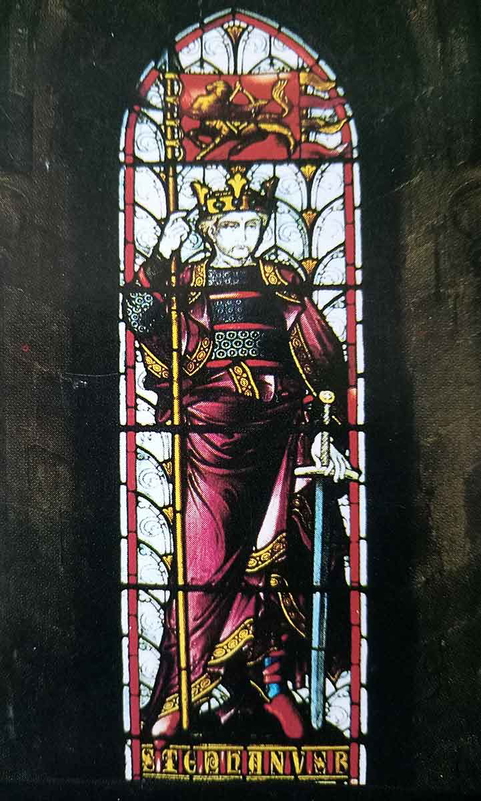
Stephen of Blois, who became King of England in 1135, came to the throne after a long series of convoluted events and circumstances. The succession to the English throne following William the Conqueror’s (William I) invasion in 1066 was contentious for many generations.
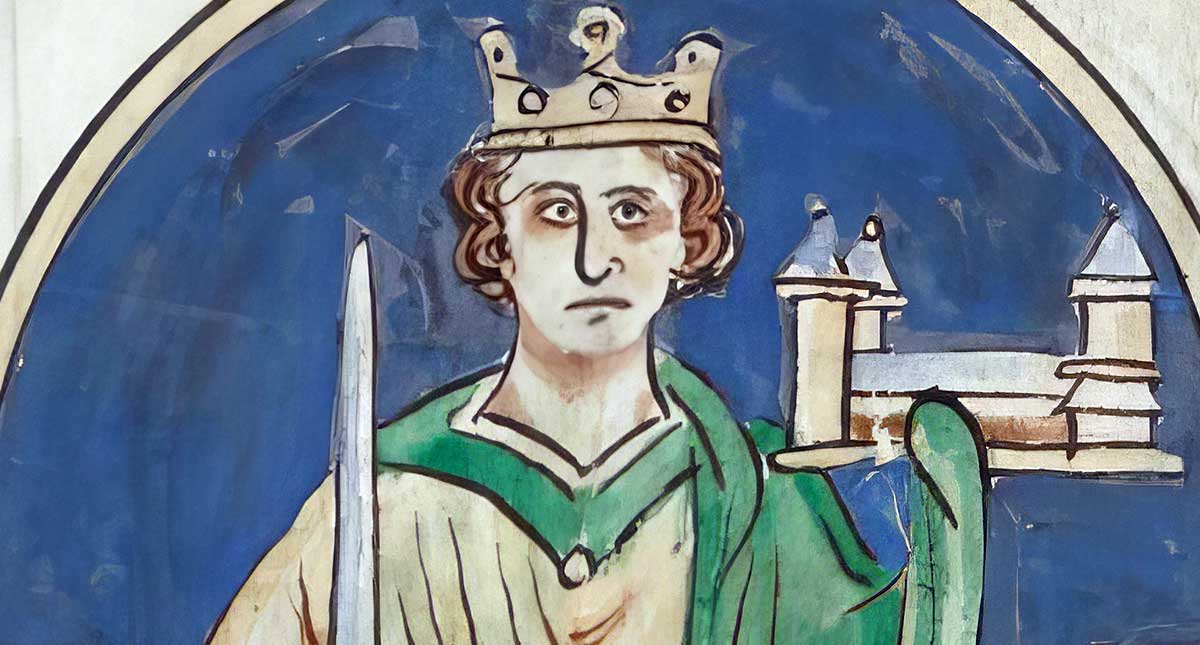
While William I solidified his right to the throne after defeating Harold II at the Battle of Hastings, the rules regarding succession were not settled. A single heir did not clearly inherit the full right to all the lands held by his predecessor, particularly because varying titles and authority were held by the English ruler both in France (particularly Normandy) and England. What often occurred was that the English ruler was continuously at war to defend or recover land in England or France.
The Complex Line of Succession After the Norman Conquest
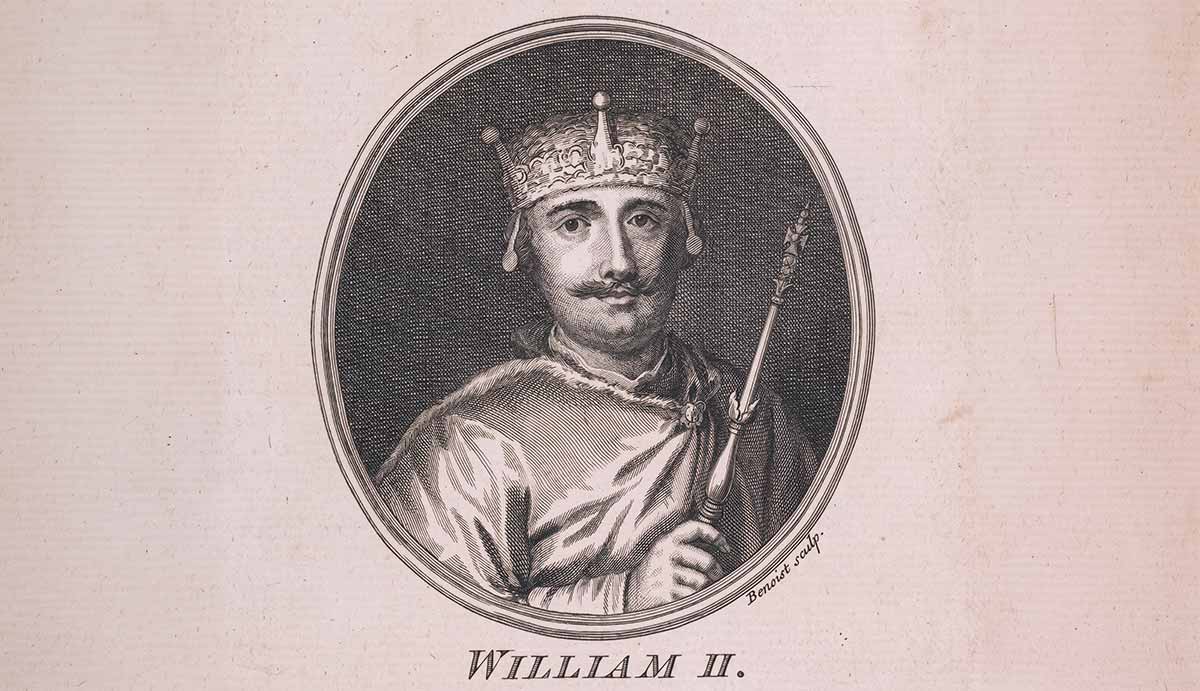
William I’s son, William Rufus (William II), did inherit much of his father’s lands as well as the crown of England (including the treasury). However, William II died relatively young, and his brother Henry (Henry I) was able to consolidate power over their other brother, the crusader Robert Curthose, Duke of Normandy and William I’s eldest son.
Henry I was the uncle of Stephen (Henry’s sister was Adela of Normandy, daughter of William I), and Stephen grew up with favor in Henry I’s court. Henry I’s son William Adelin was heir apparent to the English throne, but died in the White Ship tragedy in November 1120.
The White Ship Tragedy That Left England Without an Heir
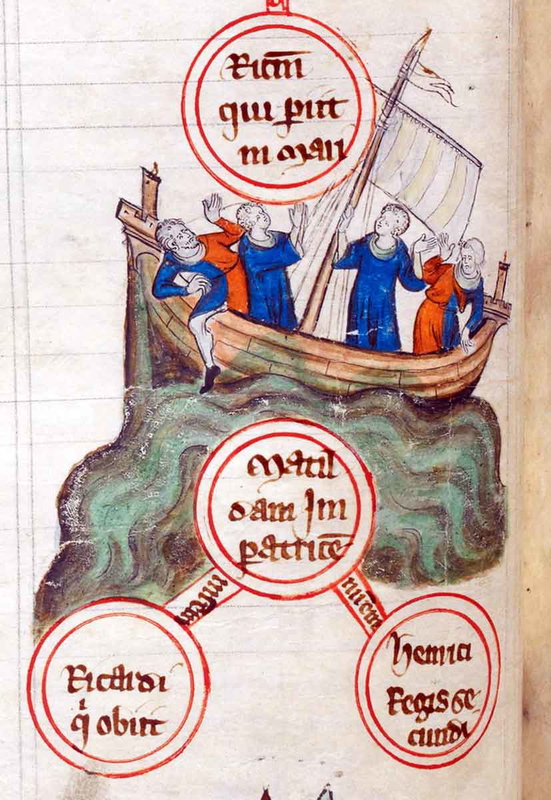
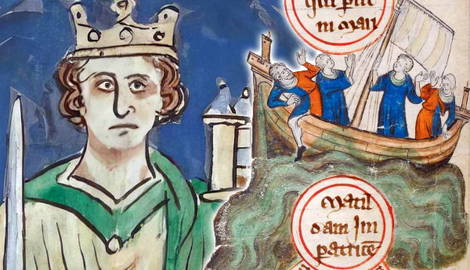
On November 25, 1120, the White Ship set out from Barfleur, France, carrying Henry’s children on a return trip to England. Henry himself had departed on another ship earlier, and the travelers on the White Ship turned it into a drunken voyage, pushing the captain to try to catch up to Henry. However, night had fallen, and they did not see the Quilleboeuf Rock formation off the coast of Barfleur.
The White Ship struck the rock and quickly sank, with only a single survivor of over 300 passengers. As most of Henry I’s children died in the disaster, the sinking of the White Ship left Henry I with no clear heir to the throne, resulting in what became known as the Anarchy.
The Anarchy and the War Between Stephen and Matilda
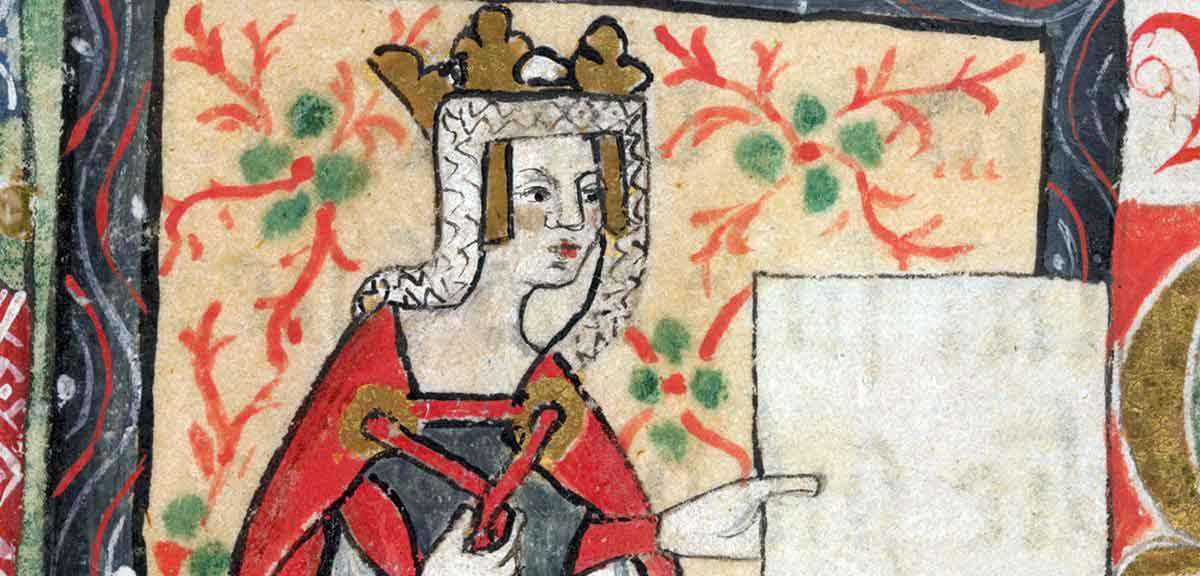
The Anarchy was the resulting war of succession that followed the White Ship disaster. From 1138 to 1153, Stephen and Matilda fought over the right to succeed Henry I to the throne of England. Henry I’s initial choice was his sole surviving (and oldest) legitimate child, Matilda of England, the former Holy Roman Empress. However, Henry I was unable to gain support from other nobility for Matilda, and when he died in 1135, her claim to the throne was not well supported. Stephen was able to reach England first and gain the crown, but was unable to consolidate his rule across England. Matilda would raise an army and invade in 1138, and the two would fight over territory for the next 15 years.
The End of Stephen’s Reign and the Plantagenet Succession
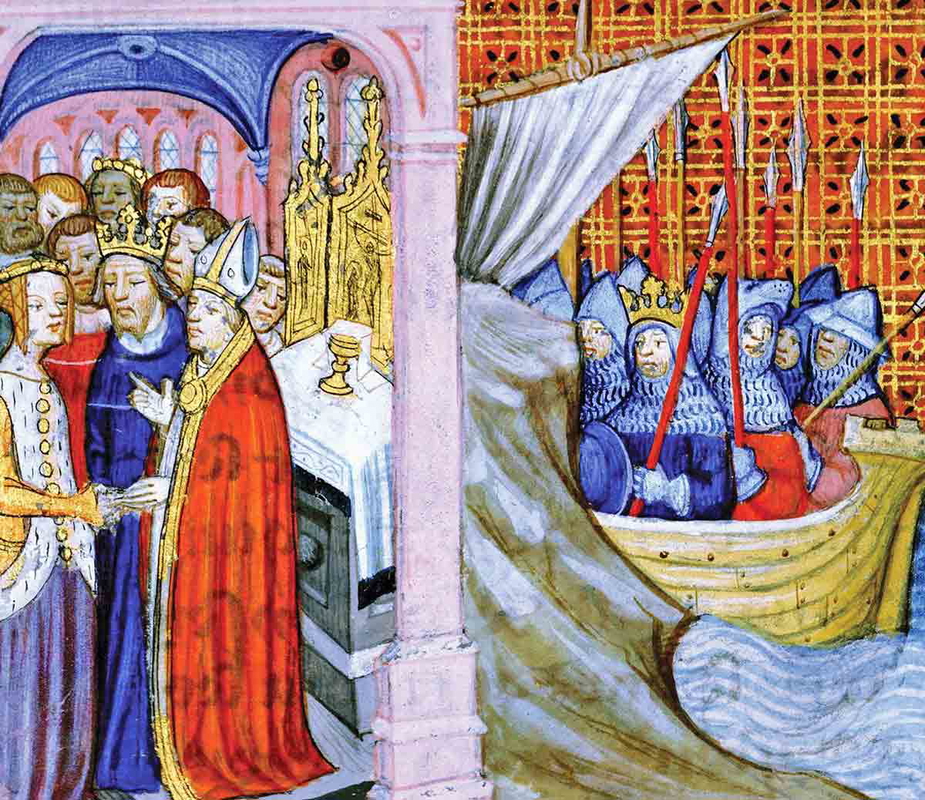
Stephen’s son, Eustace, whom Stephen wanted to inherit the throne, died from an illness in 1153. Matilda’s son, Henry FitzEmpress, had been continuously fighting with Stephen until Eustace died. Not long after, Stephen and Henry brokered a peace where Henry would inherit the English throne and become Henry II. He married Eleanor of Aquitaine and fathered King Richard I and King John.