
The Soviet Union started life as an economically backward nation that lacked the advanced infrastructure needed to build an industrialized society. Over seventy years, the Soviets used radically centralized planning to push forward a series of engineering projects that transformed the USSR into a modern industrial nation. These projects ranged from the conventional to the ground-breaking, and each one left its mark on history. This article examines the impact of eight of these monumental engineering projects on the Soviet Union, from the Moscow Metro to the Trans-Siberian Railway.
1. The Trans-Siberian Railway and the Baikal–Amur Mainline
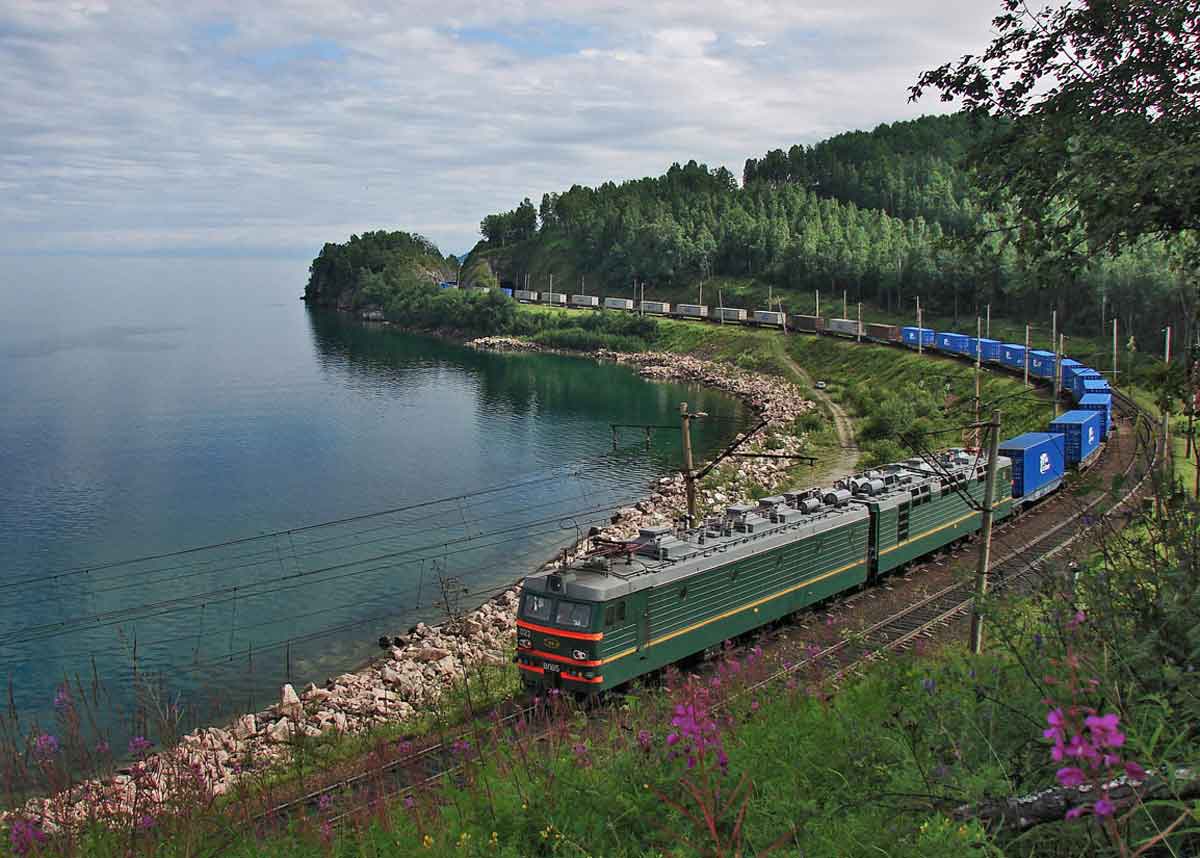
The Trans-Siberian Railway is perhaps one of the most legendary railways in history and a train line synonymous with the Soviet Union and Russia. However, the Trans-Siberian was not technically a Soviet achievement. Rather, it began construction under the pre-revolutionary Russian Empire in 1891 and wasn’t completed until the eve of the Bolshevik revolution in 1916. However, under the direction of the Soviet government, the railway was vastly expanded to become the legendary line that it is today.
Although the construction of the Trans-Siberian Railway was overseen by Tsar Nicholas II of the Russian Empire, its full potential was not realized until the Soviet Union took control. The USSR recognized the importance of the Trans-Siberian and began work on a significant expansion, the Baikal–Amur Mainline (BAM), to be built beside it. After this was completed in 1984, the BAM connected 4,324 kilometers from the Pacific Coast of Russia to the heart of Siberia.
The Trans-Siberian Railway remains an unparalleled feat of engineering in both scale and scope. Today, the world’s longest railway line runs from Moscow to Vladivostok, a distance of roughly 9,289 kilometers. Its significance is immense, as it connects the urban centers of Russia’s European regions with the vast areas of the Siberian interior. Throughout its history, the railway has proven to be a vital lifeline for the Soviet Union, promoting both economic expansion and national cohesion and being a key advantage during times of war.
2. The Moscow Metro
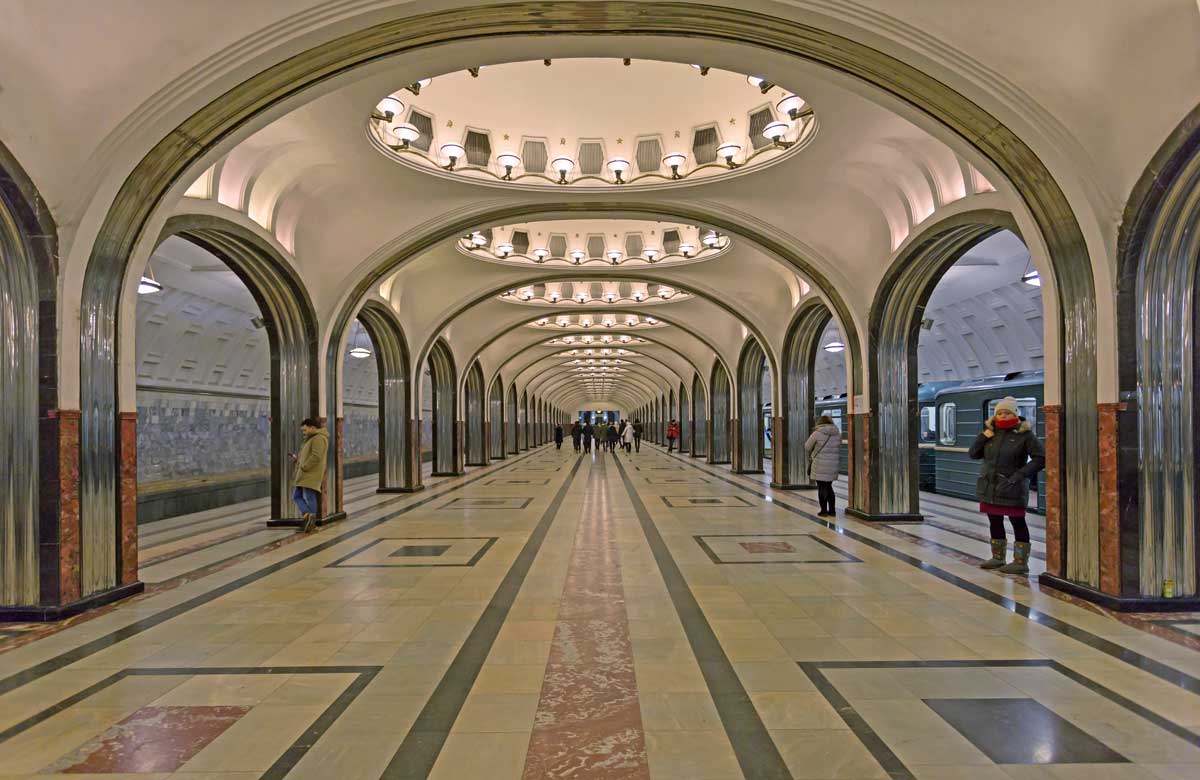
Among the Soviet Union’s many engineering works, the Moscow Metro is arguably its crowning achievement. Completed in 1935 and designed as a palatial underground city to protect the people of the USSR, the Moscow Metro is far more than a transportation network. Each station is a subterranean palace decorated with unique sculptures, mosaics, chandeliers, and artworks that represent the best of what Soviet culture could produce.
The Moscow Metro was the brainchild of Lazar Kaganovich, a close ally of Joseph Stalin and fierce supporter of grand public works. The metro was originally opened with thirteen stations serviced by an eleven-kilometer rail track. Today, there are 250 metro stations and around 435 kilometers of railway between them. At peak hours, the system moves up to nine million passengers per day, making it one of the busiest underground systems in the world.
The construction of the Moscow Metro was not smooth sailing for the Soviet engineers. Several structural challenges had to be tackled before the project could be completed, such as navigating the marshy soil of the Moscow region and the centuries-old infrastructure that stood above ground. However, the Soviets tackled these issues with a characteristic resourcefulness and ambition that would make the metro one of the most well-constructed public works ever made.
Part of why the Moscow Metro was built to such a high standard can be gleaned from the political atmosphere of the time. In the event that Moscow suffered a direct hit from a nuclear bomb, the metro was designed to function as a vast fallout shelter that would ensure the survival of millions of people and prolong the Soviet way of life. Thankfully, this role as a Bolshevik Noah’s Ark was never put into practice.
3. The Kyiv Metro
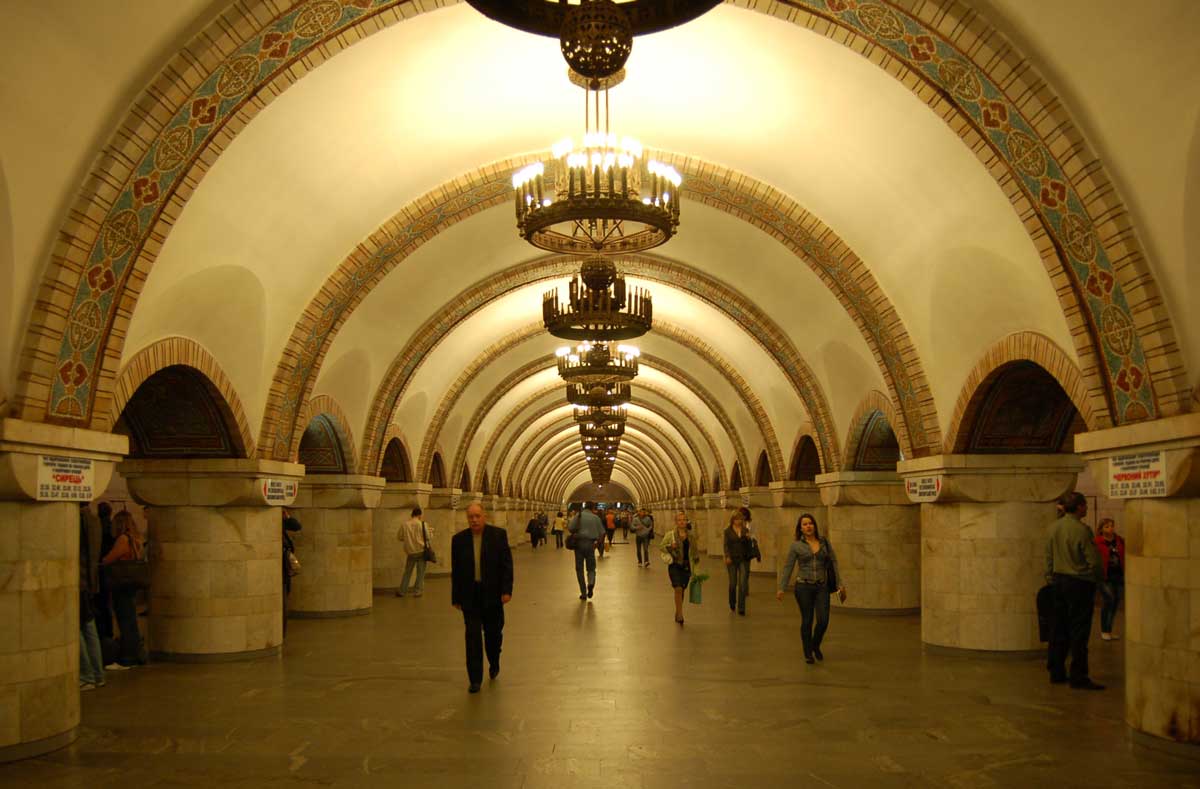
While it may not be as well known as Moscow’s subway, the Kyiv Metro still stands alongside its big brother as one of the most impressive engineering projects the Soviets ever built. Opened in 1960, the Kyiv Metro was the first underground system in Ukraine and represents the monumental scale of Soviet engineering. The metro began with only five stations but has since expanded to three separate lines and more than 52 stations.
Due to Kyiv’s hilly topography and the wide Dnipro River, the Kyiv Metro faced considerable challenges during its construction. To meet these challenges, Soviet engineers built some of the world’s deepest metro stations, the deepest being Arsenalna Station, sitting 105.5 meters below the surface. For the people of post-Soviet Ukraine, the Kyiv metro system makes traveling across the city easier, increasing inhabitants’ mobility and reducing surface traffic congestion.
With its elaborate mosaics, sculptures, and theme decorations honoring Soviet accomplishments and Ukrainian culture, the Kyiv Metro’s architecture also recalls Soviet architectural aesthetics. As such, it continues to serve as a testament to the aspirations of the Soviet era, fusing practicality with creative expression.
4. The Zhiguli Hydroelectric Station
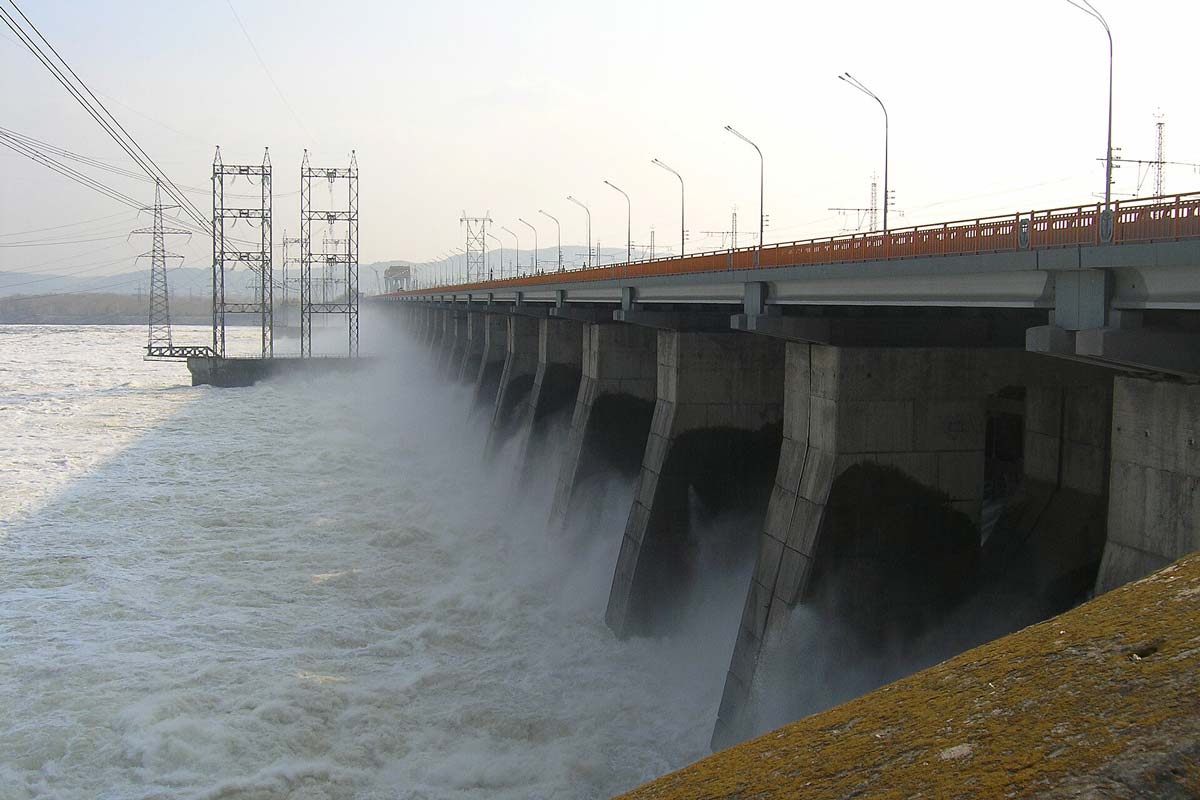
The Soviet Union didn’t just build monumental railway networks; its engineers also completed colossal infrastructure and electricity generation projects, such as the Zhiguli Hydroelectric Station. Often referred to as the Kuybyshev Hydroelectric Station in Soviet times, the Zhiguli station was an enormous undertaking essential to providing the USSR’s growing industrial sector with electricity. Built across the vast Volga River, work on the project started in 1950 and was completed in 1957. Once completed, the Zhiguli Hydroelectric Station was one of the biggest hydroelectric facilities in the world.
The Soviet Union built the Zhiguli Hydroelectric Station with two main aims: first, it controlled the flow of the Volga River, making it easier for cargo ships to navigate, and second, it provided a continuous flow of electricity for use in the growing nearby industrial areas. With a 2,300-megawatt capacity, it continues to be a vital component of post-Soviet Russia’s electricity network.
5. The Magnitogorsk Iron and Steel Works
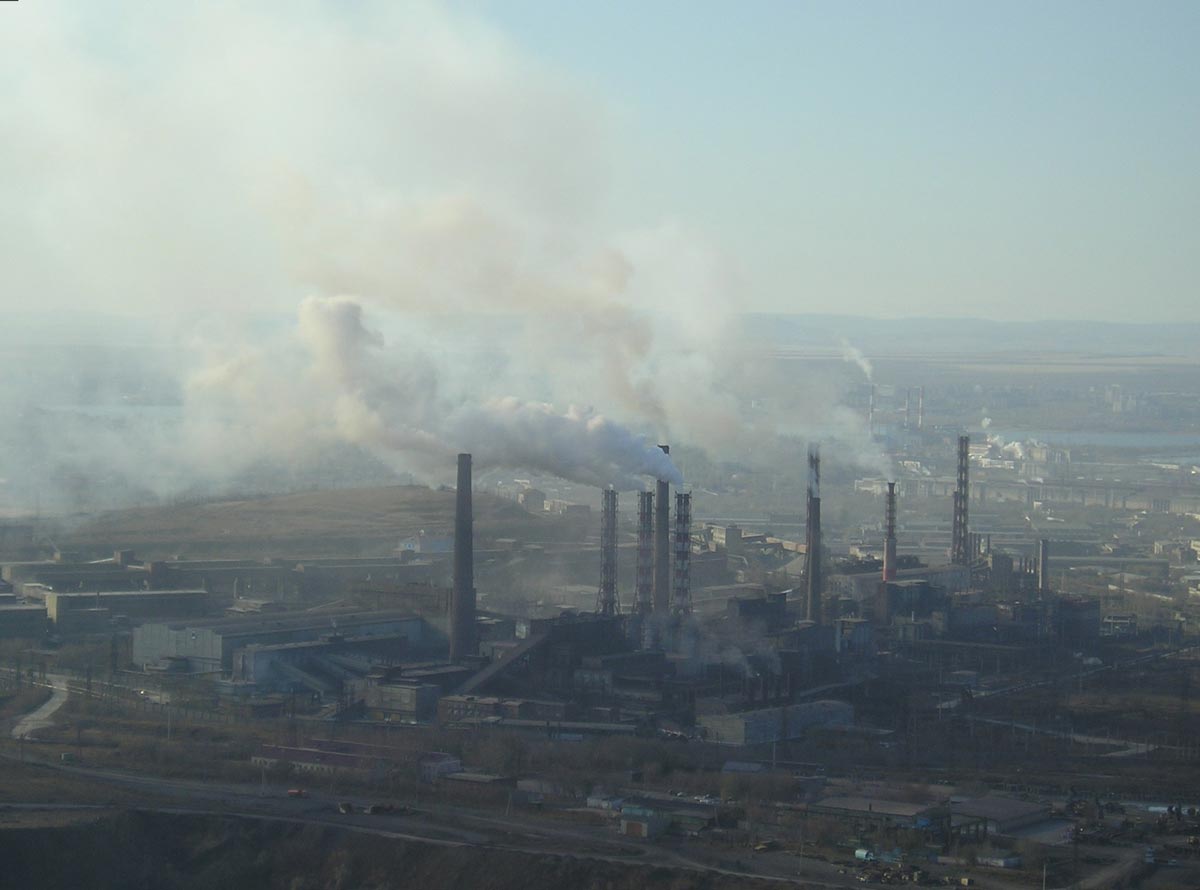
Originally built under Joseph Stalin’s first Five-Year Plan, the Magnitogorsk Iron and Steel Works (MMK) is one of the largest metal processing plants in the world. The region of Chelyabinsk in the Southern Ural Mountains was chosen as the location for the monumental steelworks because of its large quantities of iron ore and other heavy metals. When construction began in the early 1930s, what started as an isolated steelworks quickly expanded into a veritable boom-town that became an enduring symbol of the Soviet Union’s industrial heartland.
Since construction was completed, the Magnitogorsk Iron and Steel Works (MMK) greatly increased the Soviet Union’s steel production, which was essential to the USSR’s greater goal of rapid industrialization. Its strategic significance was highlighted by the critical role it played in providing steel for military hardware and infrastructure during World War II.
Magnitogorsk’s immense scope is astounding; at its height, it employed hundreds of thousands of people and became a representation of the USSR’s industrial power. In addition to turning the Ural region into an industrial center, this steel behemoth highlighted Soviet efforts to develop industrial bases capable of achieving self-sufficiency through resource exploitation and labor-intensive manufacturing.
6. The Volga-Don Canal
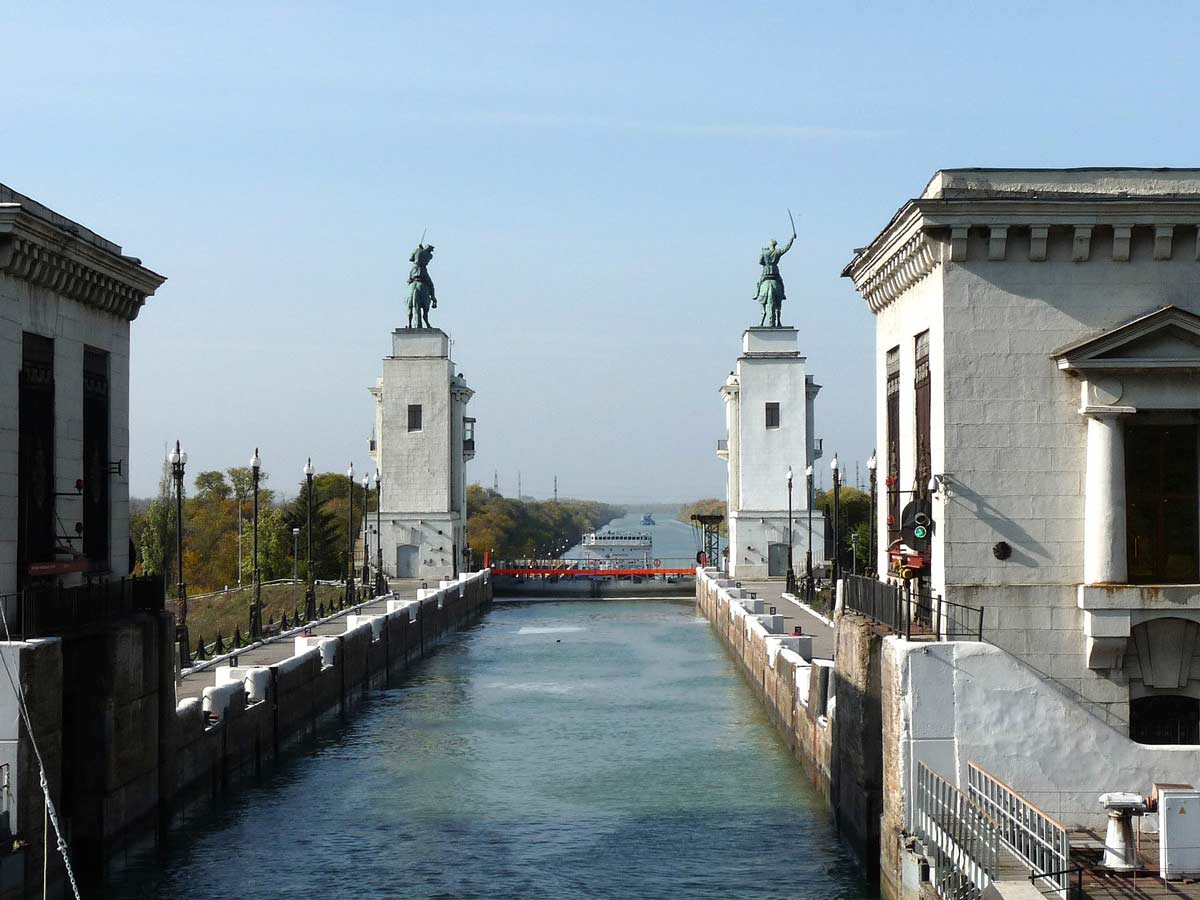
Another monumental example of Soviet engineering is the Volga-Don Canal. This project connects two of Russia’s largest rivers, the Volga and the Don, and opens a navigable path from the Caspian Sea to the Sea of Azov and the Black Sea beyond. This 101-kilometer canal, built between 1948 and 1952, was essential to the goals of Soviet industrialization and provided a vital route for inland water transportation.
Building such a huge project as the Volga-Don Canal required large-scale earthmoving operations and the construction of multiple locks and reservoirs across the 101-kilometer route. To complete this task, the Soviets employed approximately 900,000 workers, many conscripted from the Gulag forced labor camp system, to move the millions of tons of earth needed. Given the technology of the period and the scale of the undertaking, the canal was finished in an impressive amount of time despite these engineering difficulties.
Once it was opened to sea traffic, the Volga-Don Canal gave Soviet cargo ships a quicker and more effective route across the country, which greatly increased trade. This was essential to the Soviet Union’s economic integration since it connected geographically separate regions of the country and improved the movement of products throughout the USSR. The canal continues to be an essential conduit in Russia’s network of inland waterways, demonstrating the long-lasting significance of Soviet construction endeavors.
7. The Berlin Wall
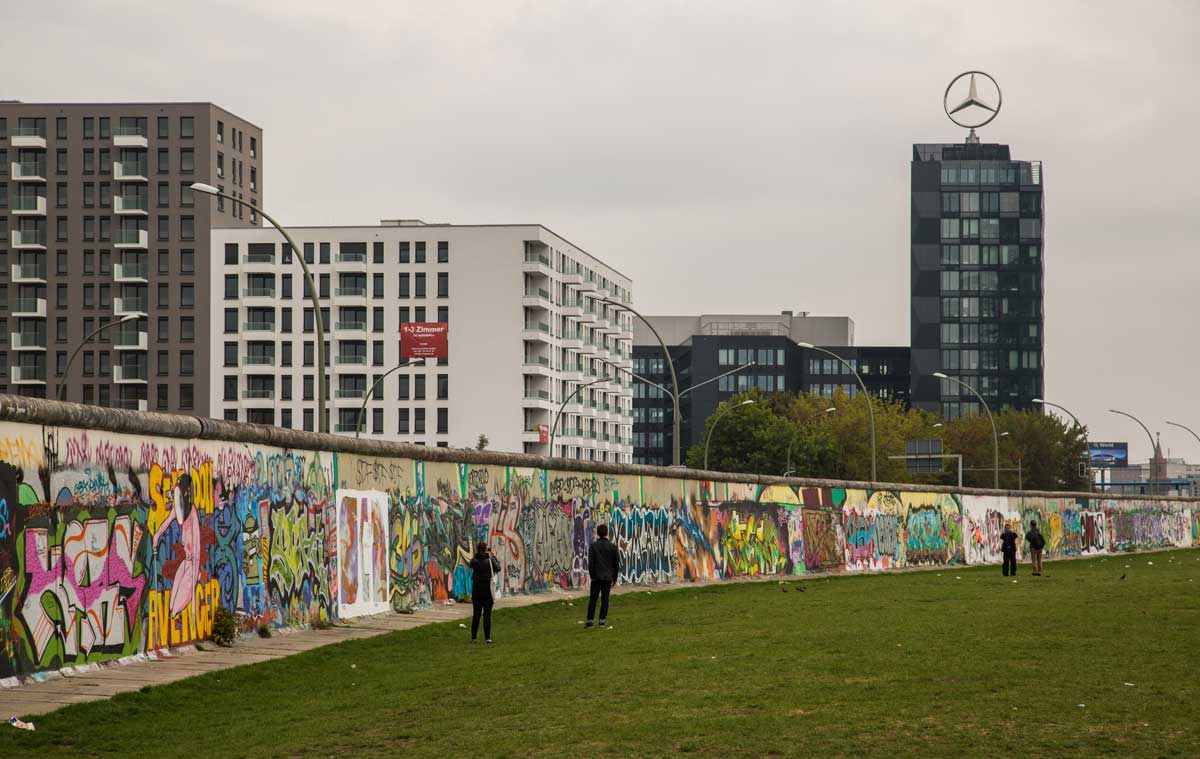
The ideological ambition of the Soviet Union led to the creation of monumental engineering works such as the Moscow Metro that greatly improved people’s lives. However, the same ideology also oppressed millions of people and gave rise to the infamous Berlin Wall. The wall was a political, intellectual, and physical barrier that separated East Germany from West Germany during the Cold War. It may not have been a “mega project” in the classic sense of engineering, but it had a huge impact on the Soviet Union and the rest of the globe. The wall was built in 1961 by the German Democratic Republic (GDR) under Soviet support to stop East Germans from escaping to the West via Berlin.
The wall spanned roughly 155 kilometers, encircling West Berlin and preventing civilian access from East Berlin or East Germany. It was impressive, made up of guard towers, anti-vehicle trenches, barbed wire, and concrete parts. In addition to being a physical barrier, it served as a political control and propaganda tool.
Significant ramifications resulted from the Berlin Wall, which represented the sharp separation between the capitalist and communist blocs. The Soviet Union’s demise began with its fall in 1989, which ultimately resulted in Germany’s reunification and the end of Soviet control over Eastern Europe.
8. The Mir Space Station
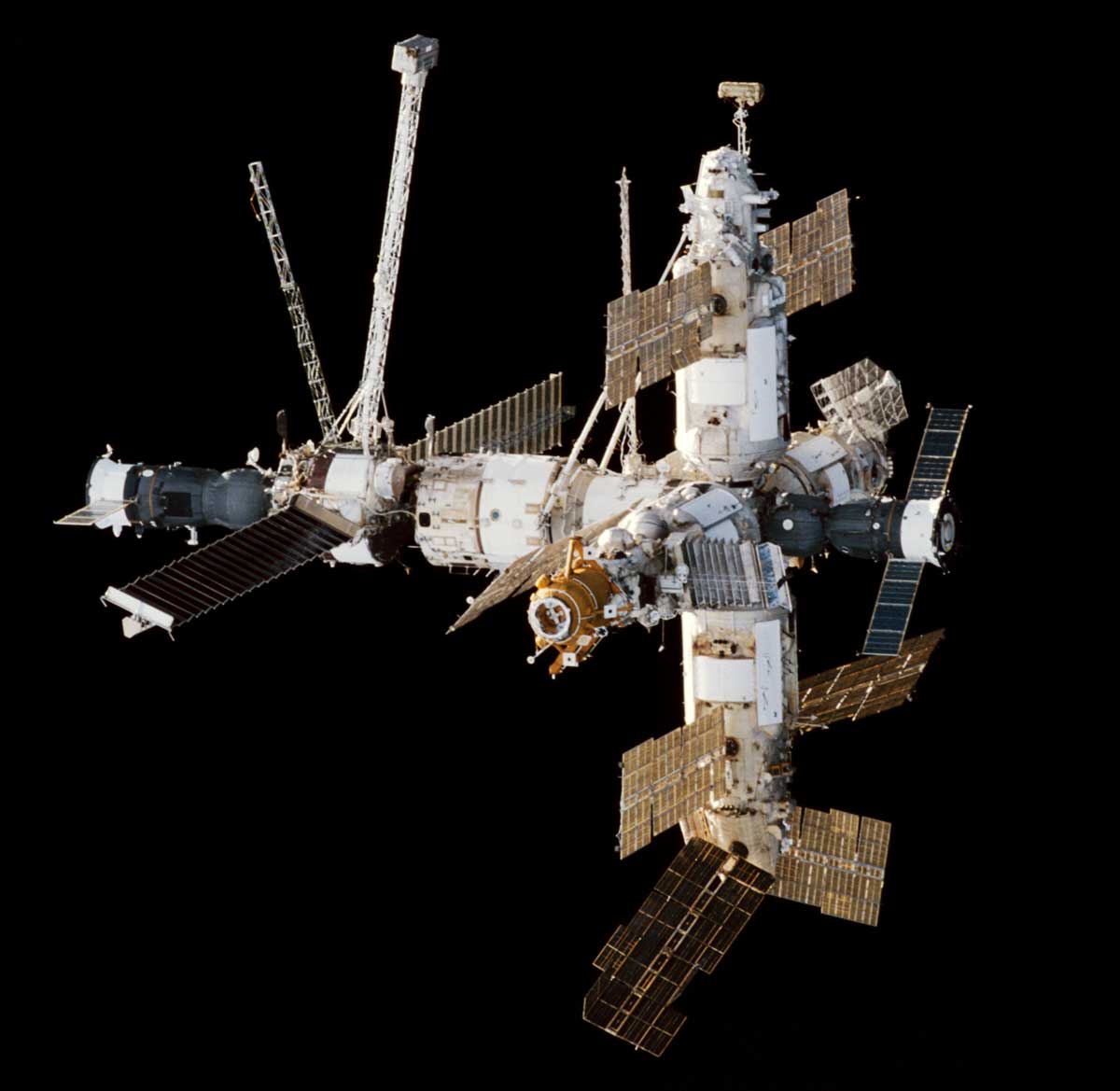
A ground-breaking feat of space engineering, the Mir Space Station demonstrated the Soviet Union’s commitment to space exploration despite losing the race to the Moon against the USA. When Mir was launched in 1986, it was the first modular space station because it had numerous docking ports that made it possible to add different modules gradually. The station was one of the longest-serving spacecraft in history, having been in operation until 2001.
Mir played a crucial role in many scientific studies and technical developments. It established records for the longest duration of human spaceflight and promoted international cooperation by housing astronauts from many nations. The station contributed to the knowledge needed for upcoming expeditions to Mars and beyond by providing priceless data on the long-term impacts of living in space.
Modern technology and ongoing innovation were essential to the building and upkeep of Mir, demonstrating Soviet and, subsequently, Russian proficiency in aerospace engineering. Despite the dissolution of the Soviet Union in 1991, Russian rule over Mir’s legacy persisted until its controlled reintroduction in 2001. The International Space Station (ISS) and other later multinational endeavors were made possible in part by Mir’s success.