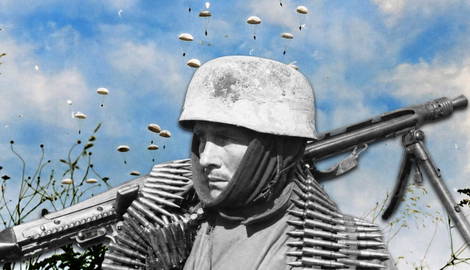

The origins of the paratrooper came about in the 1920s. Paratroopers introduced a revolutionary concept of soldiers behind the enemy’s defenses. Such units surprised the enemy by attacking from behind or securing targets before an attack began. Development gathered steam in the 1930s with the Soviet Union, and Germany latched on, creating new units.
In Germany, the first Fallschirmjäger units formed in 1938 under Kurt Student. Despite initial misgivings, Student convinced skeptics of his paratroopers’ value. The value added by the Fallschirmjäger came from several areas. First, the selection process chose only one in four volunteer candidates, and the rigorous training covered demolition, infantry tactics, and parachute training.
Rigorous Selection and Specialized Gear
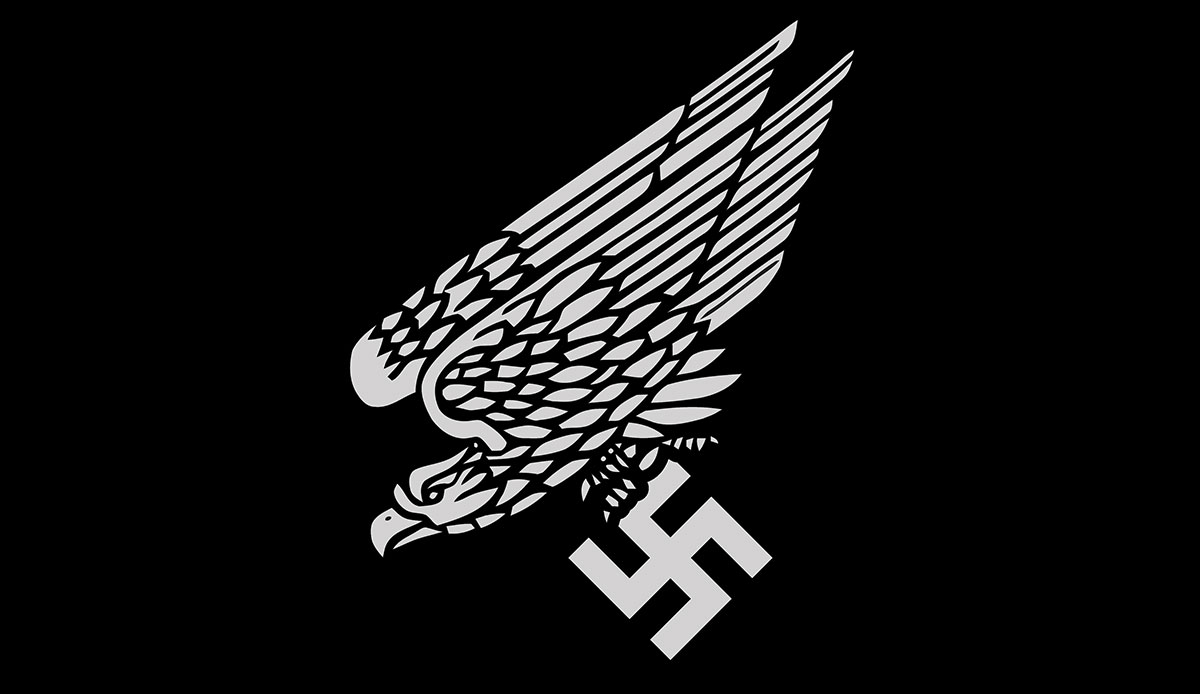
With an average age of 18, these troops needed to be smart, physically fit, and highly motivated. The Fallschirmjäger needed to be aggressive and adaptable because once dropped, situations changed rapidly. The Fallschirmjäger, as part of the Luftwaffe, received specialized equipment such as a distinctive rimless helmet. This decreased wind resistance and prevented neck injuries. Each also carried a pistol, grenades, smocks over their clothes and weapons to avoid lines tangling. The paratroopers deployed their rifles and other weaponry in a separate container, which they retrieved upon landing.
The 71-Man Gamble That Opened the Gates of Western Europe
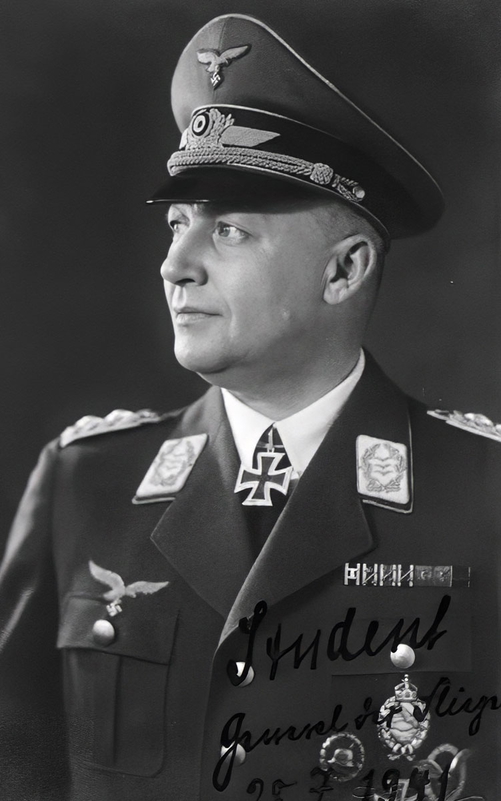
On April 10, 1940, Germany invaded Norway and Denmark. Fallschirmjäger dropped onto two airfields near Stavanger, quickly seizing them and resisting Norwegian counterattacks. German troop transports flew in reinforcements, quickly building their numbers. Smaller drops happened at different points during the invasion. Norway was a mixed success for the Fallschirmjäger—the country’s military being small and antiquated. The elite Fallschirmjäger’s proper introduction came in June 1940.
At 4:25 AM on May 10, nine gliders emerged from the sky and slewed across the grassy top of the formidable Belgian Eben Emael fortress. This marked Hitler’s “Fall Gelb” or “Case Yellow” plan for invading the West. The key to its success was eliminating Eben Emael, and thus came the Fallschirmjäger. The huge fortress consisted of 1,200 troops, pillboxes, bunkers, and artillery emplacements. It guarded three key bridges into Belgium.
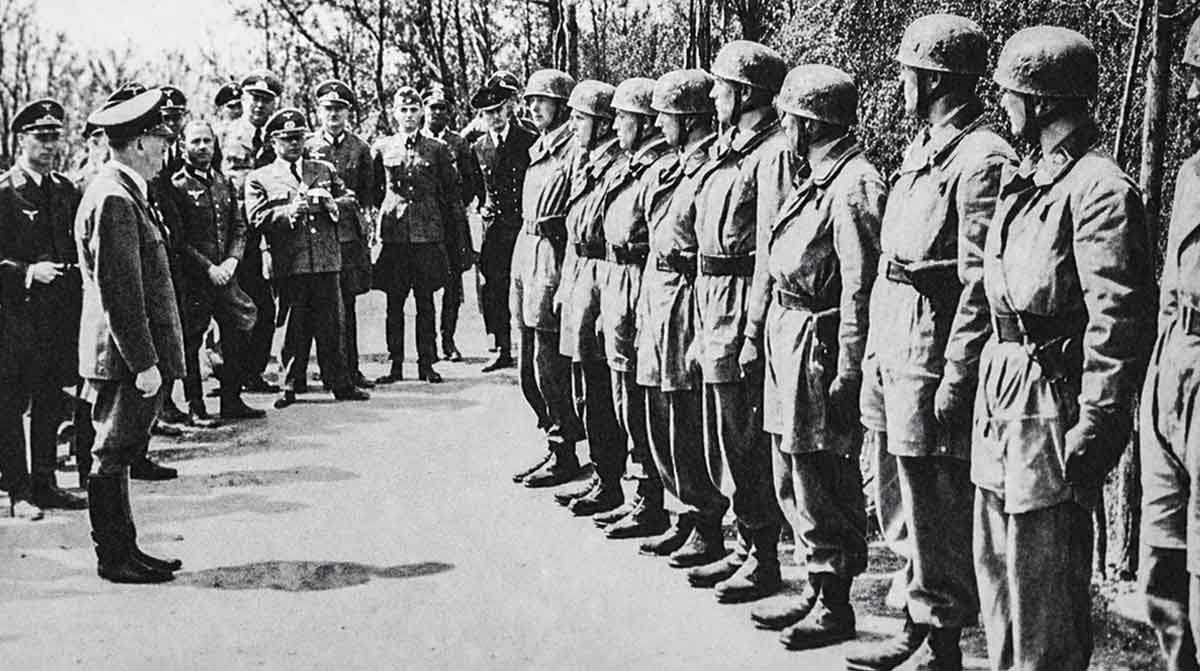
As the German paratroopers stormed from the gliders, they achieved total surprise. Using only about 71 men, the Fallschirmjäger attacked the defenses with explosives or flamethrowers. As the Belgians retreated, the Germans entered Eben Emael, trapping the garrison in the lower levels. By 6:30, the Fallschirmjäger controlled the fortress, which surrendered at 11:30 AM. Other Luftwaffe Fallschirmjäger troops captured the three bridges during the landings, opening Belgium to the German Wehrmacht. The Fallschirmjäger’s western debut was a successful one.
The Bloody Victory at Crete That Appalled Adolf Hitler
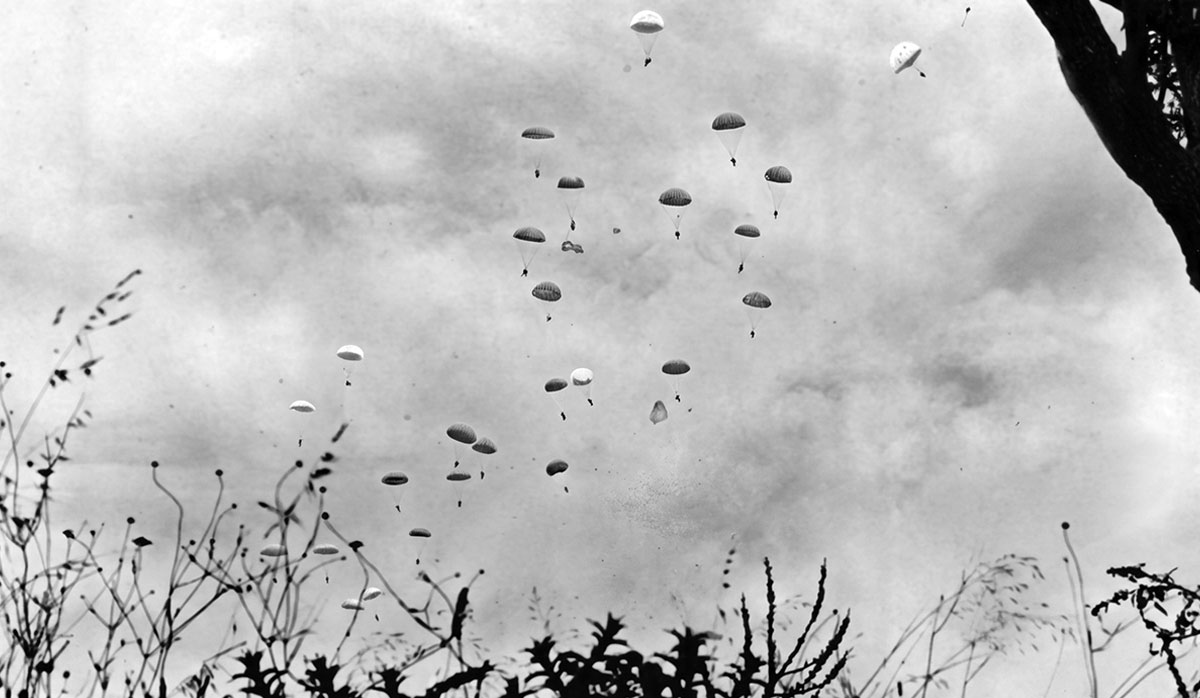
Just over a year later, on May 20, 1941, the Fallschirmjäger dropped into Crete. Held by remnant Greek and Allied forces evacuated from Greece, Crete was strategically important. Occupying it allowed access to the Eastern and Central Mediterranean. General Student convinced Hitler and Goering that Operation Mercury must be an airborne invasion. The Luftwaffe’s supremacy helped that decision, given Britain’s naval strength. By late April, the British, via Enigma intercepts, knew these crack troops were coming in mid-May. The Battle of Crete was not what either side expected.
With their customary elan, at 8 AM Tuesday, May 20, the Fallschirmjäger dropped onto multiple airfields from several hundred transports. But these tough soldiers smashed into veteran Allied troops instead of raw Belgian conscripts. Heavy anti-aircraft fire and vicious counterattacks killed hundreds, or locals slew them as they landed. A second wave came in with gliders and transports hours later, surprising the British.
Non-airborne reinforcements aboard JU-52 transports themselves hit by anti-aircraft fire, many crashing in flames. In all, 22,500 Fallschirmjäger attacked, carried by more than 500 aircraft or by boat. After 11 days of bloody fighting, on June 1, the Fallschirmjäger controlled Crete.
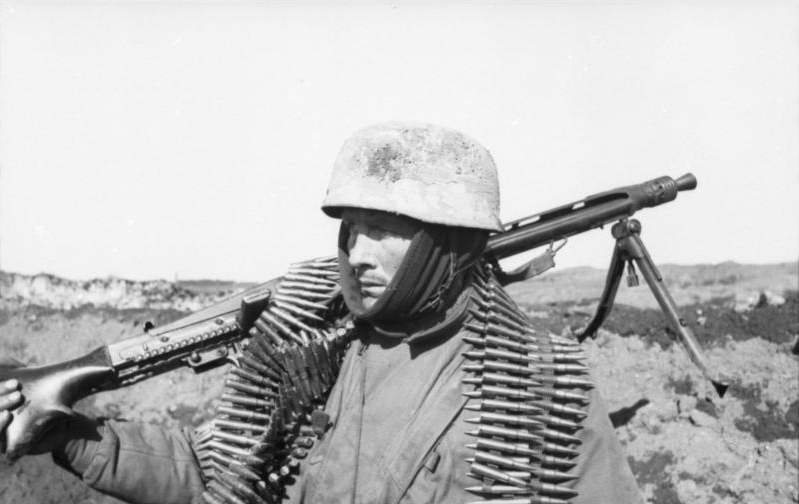
But Crete shattered the “Fliegerkorp”—or “Air Corps” in English. The battle became a Pyrrhic victory for the Fallschirmjäger. Though they proved paratroopers could take on prepared ground forces, they suffered crushing losses. The British inflicted 5,500 casualties, with some 3,500 killed in action or missing. 284 Junker transports were wrecked from landing or simply blasted from the sky. Hitler, appalled by the destruction of his elites, forbade any further mass Fallschirmjäger drops. For the rest of World War II, the Fallschirmjäger became ground troops with few combat jumps. The Fallschirmjäger later inspired the Allies to create their airborne troops. These men, too, were elite volunteers with a rigorous selection process.