
Mary Chesnut, a wealthy plantation wife in South Carolina, began her diary around the time her state seceded from the Union. Over the subsequent years, through major Civil War battles and the eventual collapse of the Confederacy, Chesnut diligently wrote down what she saw and what she felt. Her diary, a rare surviving first-hand account from a Southern civilian, reflects Southern attitudes and the odd juxtaposition of daily life in the South—elaborate meals, courtship rituals, and social calls with friends—continuing against a backdrop of a devastating war.
A View From the Top
“These memories… may at some future day afford facts about these times and prove useful to more important people than I am. I do not wish to do any harm or to hurt any one. If any scandalous stories creep in they can easily be burned… Now that I have made my protest and written down my wishes, I can scribble on with a free will and free conscience.” – March 10, 1862
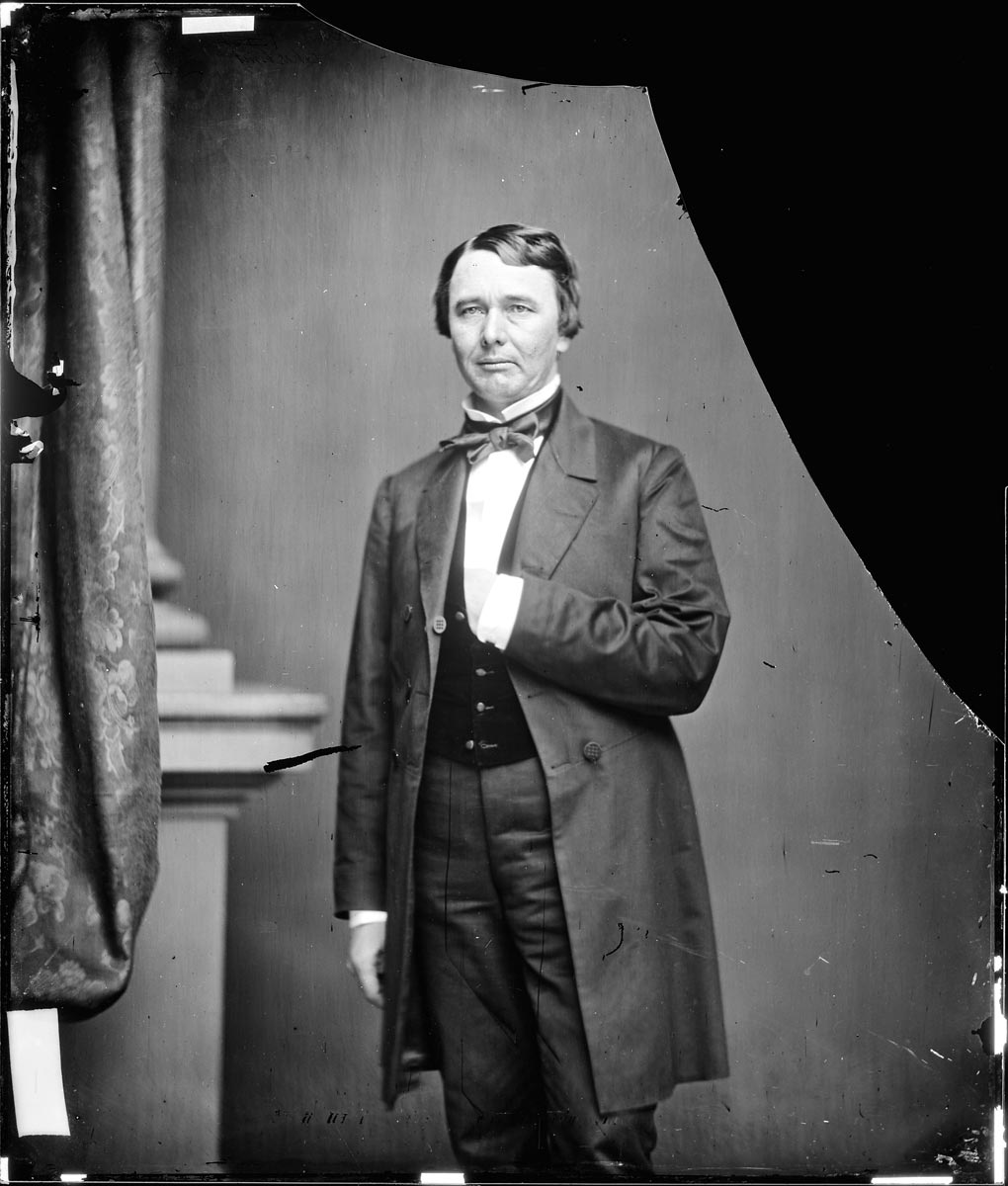
From the moment of her birth in 1823, Mary Boykin Chesnut belonged to the upper echelons of Southern slaveholder society. Her father, Stephen Decatur Miller, was a prominent South Carolina statesman who served as governor and then as a US Senator. Her early childhood was spent in fashionable Charleston, amongst its columned mansions, ornate carriages, and palmetto trees. There, Mary received the education of a proper southern lady, with the associated manners and fine dress. But she also spent much of her youth in Mississippi, on a family plantation filled with cotton and hundreds of enslaved peoples, forced to pick the cash crop in the humid Mississippi climate. Reportedly, Mary much preferred Charleston.
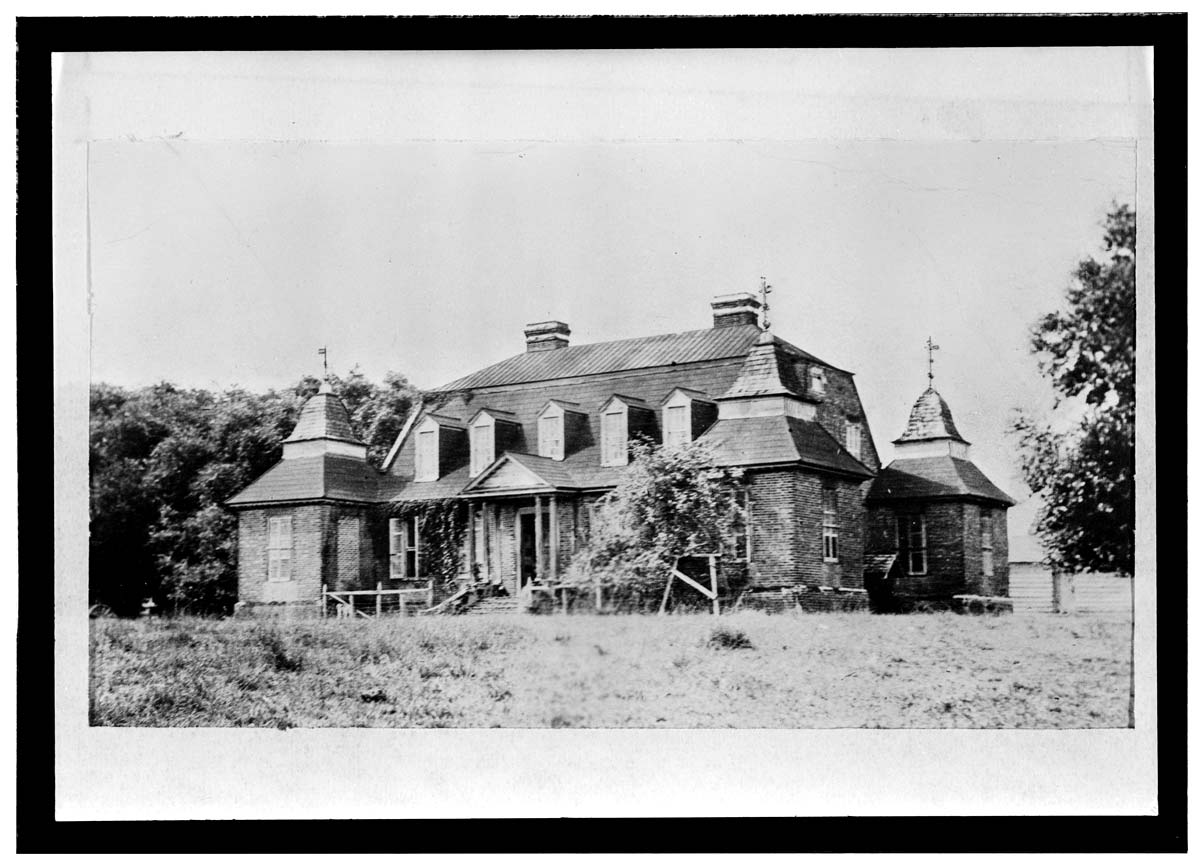
In 1840, at the age of 17, she married James Chesnut, another prominent member of South Carolina’s elite class. Throughout their marriage, she and James spent much of their time at his family’s plantation, called Mulberry, near Camden. There, hundreds of enslaved people toiled to generate wealth and a life of ease for the Chesnuts, whose fortune, like so many other wealthy plantation owners, was based in the cotton trade.
In 1858, James Chesnut was elected to the US Senate. But just two years later, after Abraham Lincoln won the presidency, South Carolina became the first state to secede from the Union, and James the first southerner to resign his seat in Congress. Back to South Carolina he and Mary went, where they joined the social circles of an emerging Confederate leadership. James Chesnut soon became an aide to the Confederate president, Jefferson Davis. And around this time, Mary Chesnut picked up her pen and began writing a diary.
Mary’s diary, spanning the length of the Civil War, is a rare account from the perspective of someone who witnessed many of its key events. She was there when Jefferson Davis was sworn in as the President of the Confederacy on the marble steps of the Alabama State Capitol in Montgomery. She was in Charleston during the standoff at Fort Sumter, the event that officially launched the Civil War. She moved through the social circles of the Confederacy’s most powerful, heard news and gossip related to battle movements, political appointments, and the quarreling amongst generals. Politicians and military leaders would sit next to her at dinner parties, lean in to divulge the latest happenings, or bestow on her their expert opinions.
Her husband wrote Mary letters from the front, detailing army conditions, along with the political maneuverings of the president’s cabinet. Mary also drank tea, attended balls, and took walks with other Confederate women. Together, they grieved husbands and sons killed or wounded in battle, they tended to soldiers in hospitals, they derided crass Yankees, and tried to make sense of the South’s eventual loss. Mary wrote about it all, in vivid detail and with sometimes acid-tongue observations about those around her. She could be brutally self-deprecating but also unflinching in her expectations of others.
Mary’s diary, initially published under the title A Diary from Dixie, reflects how Southerners viewed themselves and the war, its causes, its meaning, and its aftermath. It is a historical record that illuminates how Southern women in general participated in the Civil War, and how one woman in particular felt about it all. In her diary, Mary expresses conflicting emotions about the institution of slavery, all the while benefiting enormously from it. She often scorns the foolhardiness of secession and the petty grievances of the Confederate government, while revering the bravery of its soldiers. She loathes the war but ardently defends her romantic image of the South’s way of life. A general sense of dread permeates her entries, an awareness that the South has crossed some rubicon by separating from the North. And as the diary goes on, that vague dread morphs into a slow-burning, dire realization that the South is going to lose.
In the years after the war, Mary made edits and changes to the diary with the intention of eventually publishing it. She seems to have had a sense of its importance. It is impossible to say how much she edited or rewrote after the fact, with the gift of hindsight illuminating which events were important and which individuals mattered more than others. The diary was eventually published in 1905, nearly twenty years after Mary’s death. Subsequent versions have been published, but the excerpts in this exploration are taken from the original 1905 text.
The Beginning: Bombardment of Fort Sumter
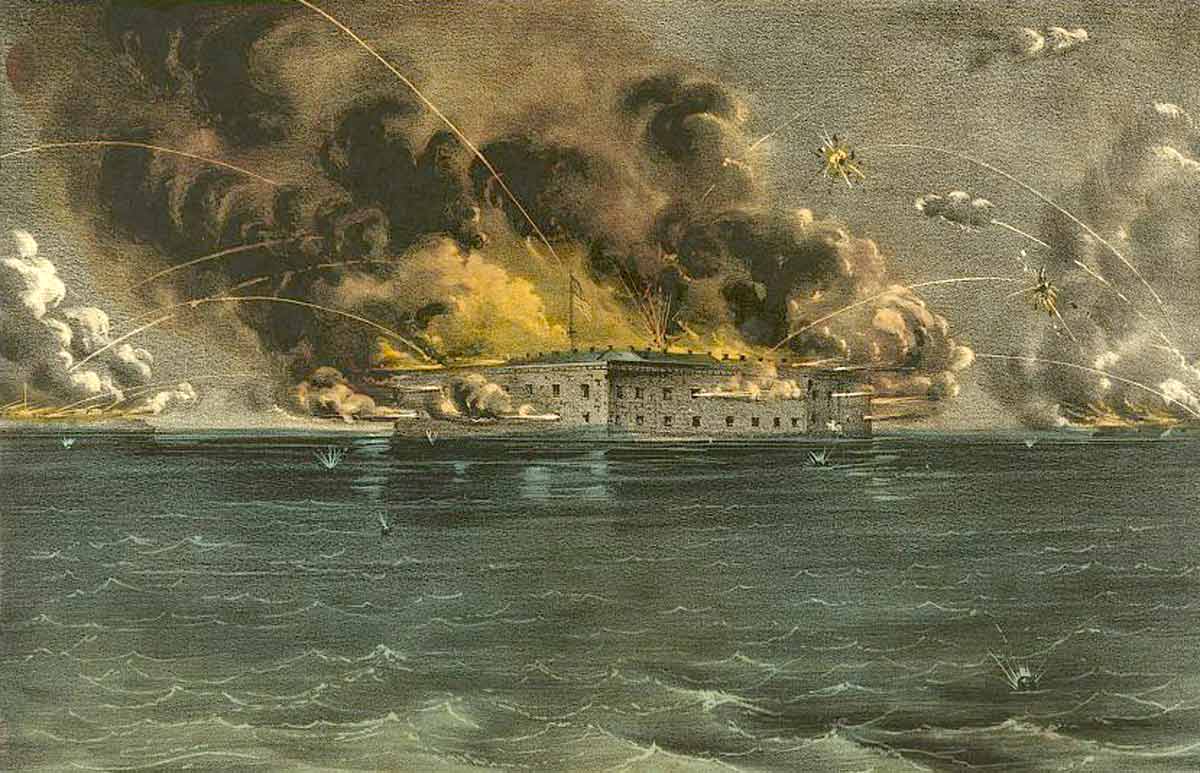
The first shots of the Civil War occurred in Charleston Harbor on April 12, 1861. Fort Sumter, located at the harbor’s entrance, was occupied by a US Army garrison led by Major Robert Anderson. For months, leaders in South Carolina had demanded that US troops evacuate the fort. South Carolina had seceded from the Union, and so they saw the federal troop presence as a threat to their sovereignty. On Thursday, April 11, Mary’s husband, James Chesnut, was among the aides sent by Confederate General P.G.T. Beauregard to Fort Sumter to demand Anderson’s surrender. When Anderson refused, Chesnut ordered the state’s militia to fire on the fort. Mary was there and captured the mood of the moment:
“I do not pretend to go to sleep. How can I? If Anderson does not accept terms at four, the orders are, he shall be fired upon. I count four, St. Michael’s bells chime out and I begin to hope. At half-past four the heavy booming of a cannon. I sprang out of bed, and on my knees prostrate I prayed as I never prayed before.”
Over a 34-hour period, Confederate troops shot some 3,000 rounds of ammunition at the fort, which ultimately caught fire. Major Anderson and his troops were completely cut off from any kind of support or supplies from the rest of the Union Army. He had no choice but to surrender. The firing on Fort Sumter was viewed by both sides as the official start to a long-brewing war.
Many in the South greeted the news of war with elation. There was a widely shared sense that at last the South had a chance to stand up for itself. They viewed the war as a freedom struggle over Southern identity, and the right to continue the institution of slavery, on which so much of Southern culture and identity was built.
James Chesnut’s involvement in the war soon brought Mary to Richmond, the capital of the Confederacy. There, she watched soldiers train and prepare for battle.
“Noise of drums, tramp of marching regiments all day long; rattling of artillery wagons, bands of music, friends from every quarter coming in. We ought to be miserable and anxious, and yet these are pleasant days. Perhaps we are unnaturally exhilarated and excited.”
However, not everyone was jubilant or certain of Southern success.
“At Mrs. Toombs’ reception Mr. Stephens (Vice President of the Confederacy) came by me…. Today he was not cheerful in his views. I called him half-hearted, and accused him of looking back… He was deeply interesting, and he gave me some new ideas as to our dangerous situation. Fears for the future and not exultation at our successes pervade his discourse.”
The more somber and retrospective voices often included Mary herself, who sometimes discussed the war with exhilaration, sometimes with dread and an understanding that its ugly, devastating effects had yet to be taken into account.
“The war is making us all tenderly sentimental. No casualties yet, no real mourning, nobody hurt. So it is all parade, fife, and fine feathers… There is no imagination here to forestall woe, and only the excitement and wild awakening from everyday stagnant life are felt. That is, when one gets away from the two or three sensible men who are still left in the world.”
Keeping Up With the Davises
Mary’s diary often reads like a who’s who of Confederate society. In a culture and time when women were viewed as solely domestic creatures, a perhaps surprising number of men confided their thoughts and opinions to her, and seemed to take interest in her point of view.
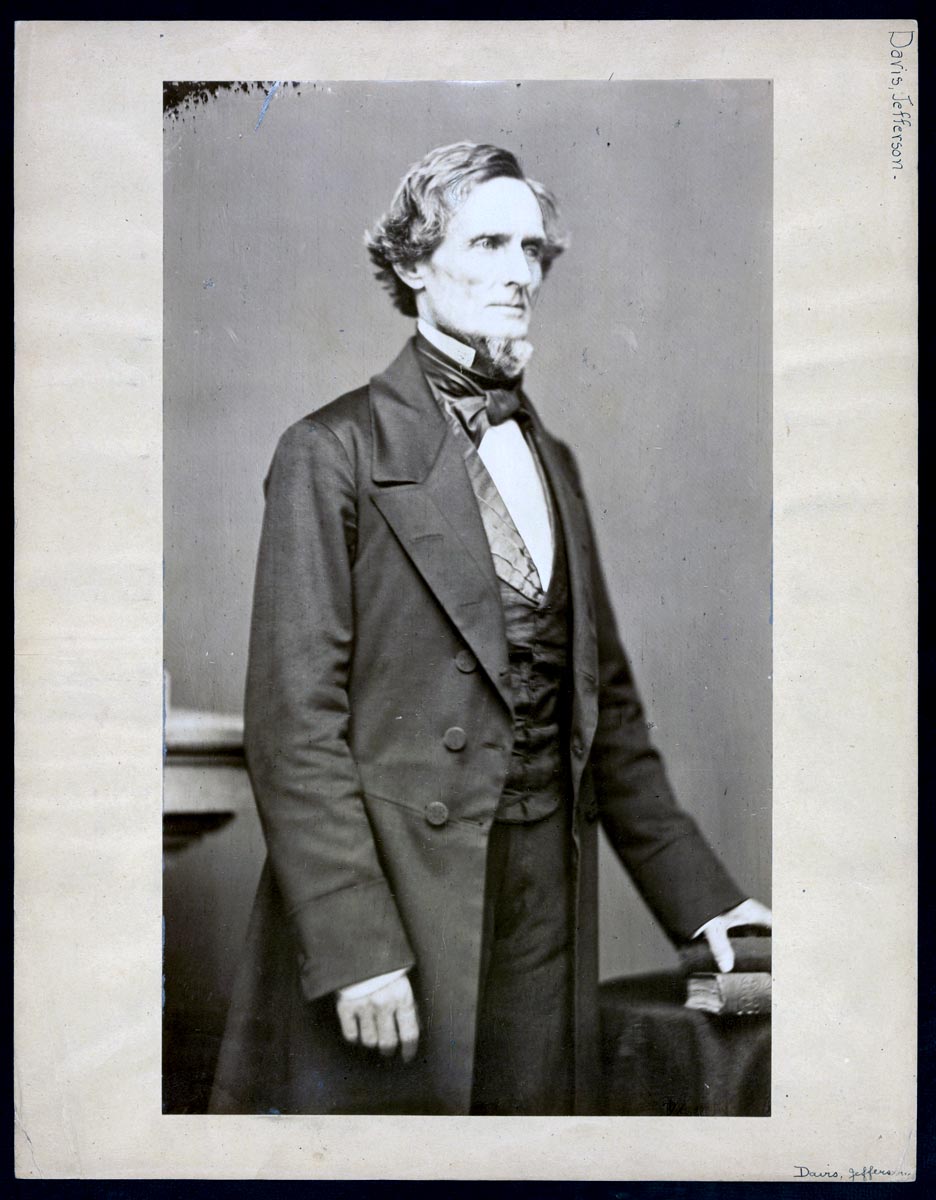
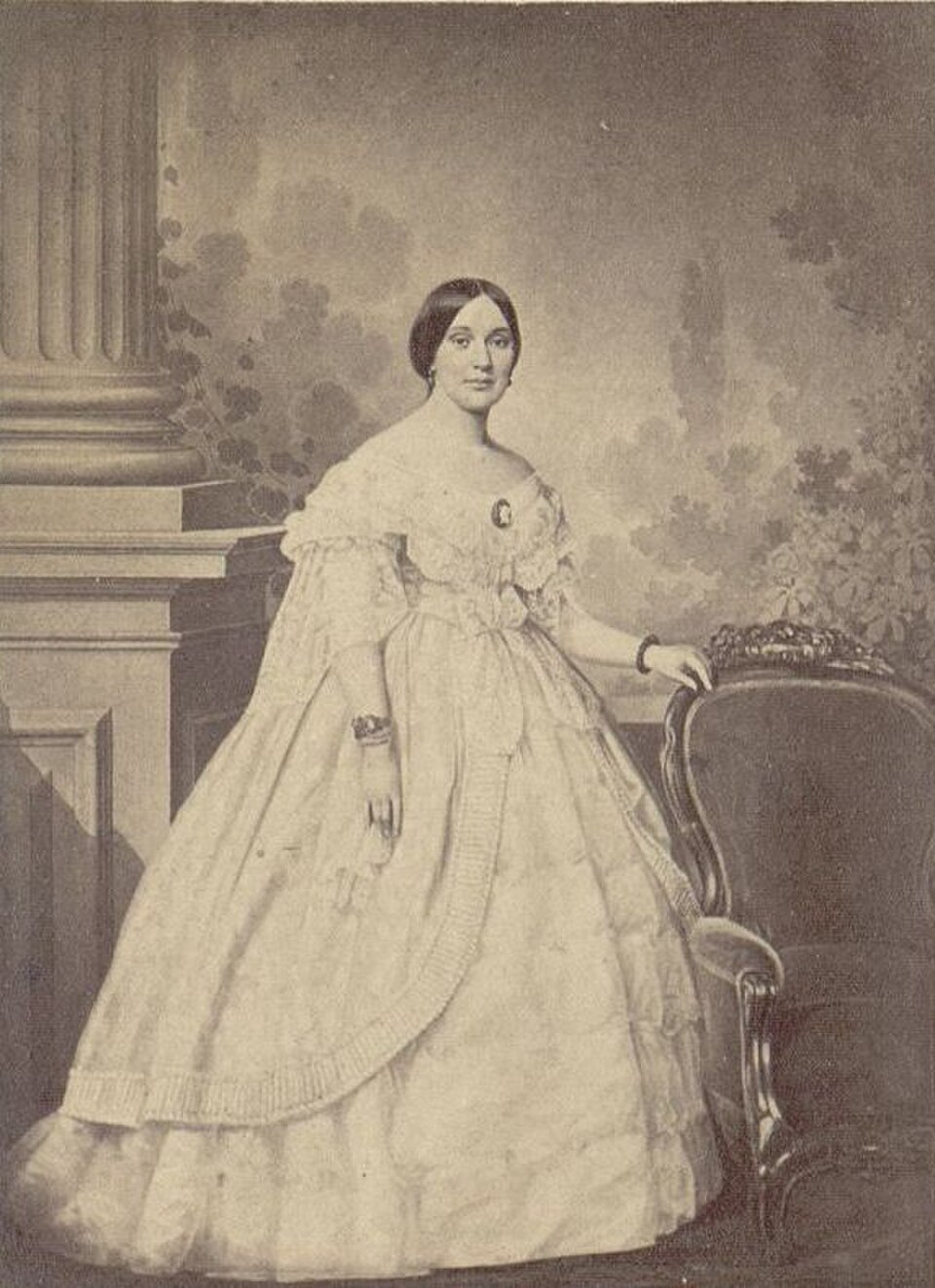
As did Confederate women. Mary was particularly close with Varina Davis, the Confederacy’s First Lady. Throughout the war, the two exchanged letters, and Mary was there to comfort Varina when her young son died in a freak domestic accident. Mary’s husband was also a close friend of President Jefferson Davis. Such circumstances made Mary very loyal to the couple, unable to abide any nuance or criticism when it came to the couple.
“In Columbia I do not know a half-dozen men who would not gaily step into Jeff Davis’s shoes with a firm conviction that they would do better in every respect than he does. The monstrous conceit, the fatuous ignorance of these critics!”
Mary recounts a conversation she had with a gentleman who “profoundly” abused President Davis:
“I contented myself with a mild shake of the head when I disagreed with him, and at last I began to shake so persistently it amounted to incipient palsy. ‘Jeff Davis’, he said, ‘is conceited, wrong-headed, wranglesome, obstinate – a traitor.’ ‘Now I have borne much in silence,’ said I at last, ‘but that is pernicious nonsense.’”
Several times in her diary, Mary records direct interactions she has with Davis, describing a downtrodden and somewhat reluctant leader, filled with both affection and apprehension for the South.
“Nobody knows so well as he the difficulties which beset this hard-driven Confederacy. He has a voice which is perfectly modulated, a comfort in this loud and rough soldier world. I think there is a melancholy cadence in his voice at times, of which he is unconscious when he talks of things as they are now.”
On the South’s “Peculiar Institution”
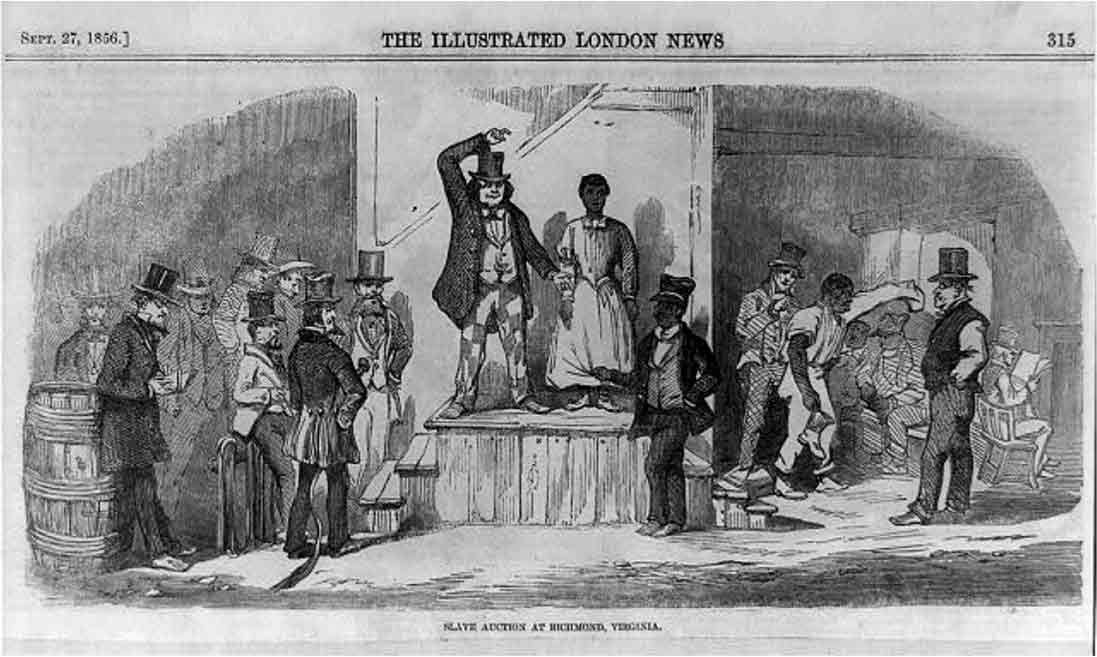
Early in her diary, Mary recounts an upsetting scene she witnesses in the street: a young woman being sold in a slave auction.
“I have seen a negro woman sold on the block at auction. She overtopped the crowd. I was walking and felt faint, seasick. The creature looked so like my good little Nancy, a bright mulatto with a pleasant face… I dare say the poor thing knew who would buy her. I sat down on a stool in a shop and disciplined my wild thoughts.”
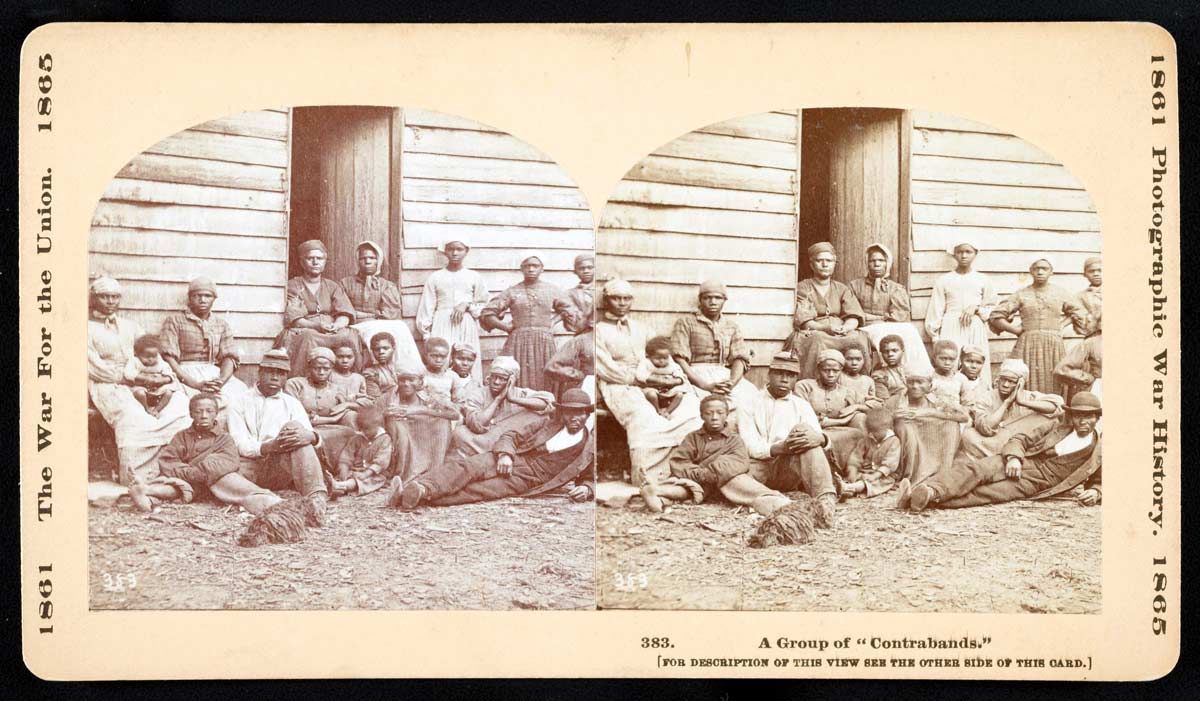
Mary is clearly agonized by this scene, but when she mentions slavery in later entries, she describes it almost as a polite relationship between superior and inferior beings; an act of charity, in her framing, to provide food, shelter, and work to those who would otherwise starve or perish, she assumes. In her world, slaves are property, and to free them is to attack the livelihood, and even culture, of her community. To Mary and others in the slaveholder class, there is no doubt about why they are fighting this war—to maintain the South’s right to enslave Africans and Black Americans.
“I have excellent servants; no matter for their shortcomings behind my back… They must know what is at hand if Sherman is not hindered from coming here – “Freedom! My masters!” But these sphinxes give no sign, unless it be increased diligence and absolute silence, as certain in their action and as noiseless as a law of nature, at any rate when we are in the house.”
Changing Attitudes About the War
As the war drags on, Mary’s diary begins to reflect a shift in the mood. Initial elation and confidence dissolve into worry, agony, and blame.
“The Confederacy has been done to death by the politicians. What wonder we are lost. … Statesmen as busy as bees about their own places, or their personal honor, too busy to see the enemy at a distance … forgetting the interests of the people they represented.”
There’s a growing concern for specific details, like how to feed prisoners of war. On June 28, 1862, Mary wrote about Confederate success at the Battle of Gaines’ Mill in Virginia:
“Victory! Victory heads every telegram now; one reads it on the bulletin-board…The enemy went off so quickly, I wonder if it was not a trap laid for us, to lead us away from Richmond, to some place where they can manage to do us more harm. And now comes the list of killed and wounded. Victory does not seem to soothe sore hearts. Mrs. Haskell has five sons before the enemy’s illimitable cannon. Mrs. Preston two. McClellan (a Union general) is routed and we have twelve thousand prisoners. Prisoners! My God! And what are we to do with them? We can’t feed our own people.
The admiration Mary has for the Confederate army, and specifically its young soldiers, eventually takes on a tragic tone as more and more of them perish, and the cause they died for seems lost.
“When I remember all the true-hearted, the lighthearted, the gay and gallant boys who have come laughing, singing, and dancing in my way in the three years now past; how I have looked into their brave young eyes and helped them as I could in every way and then saw them no more forever; how they lie stark and cold, dead upon the battle-field, or moldering away in hospitals or prisons, which is worse … Is anything worth it – this fearful sacrifice, this awful penalty we pay for war?
A Mirror to Southern Life
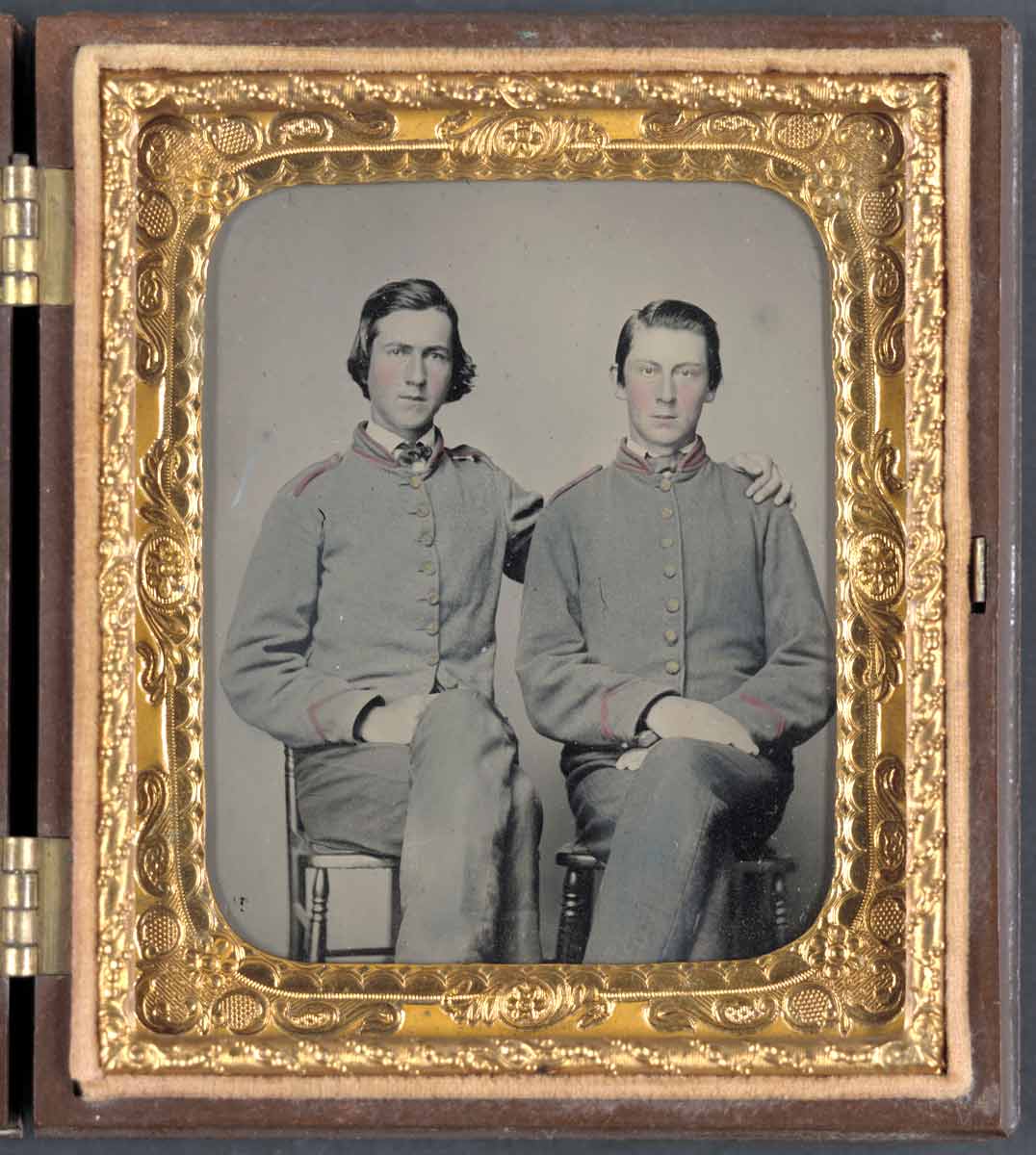
Mary’s writing is not just a record of the Civil War, but a description of Southern identity and life at a specific point in time. Her entries reveal how the South’s elite spent their free hours on their plantations and in the cities—a varied, colorful, pleasant life, even against the backdrop of war. In one of her entries, Mary describes at length the social varieties of the South’s different cities:
“Columbia is the place for good living, pleasant people, pleasant dinners, pleasant drives. I feel that I have put the dinners in the wrong place. They are the climax of the good things here … In Washington, there was an endless succession of state dinners. I was kindly used. I do not remember ever being condemned to two dull neighbors: on one side or the other was a clever man; so I liked Washington dinners. In Montgomery, there were a few dinners – Mrs. Pollard’s, for instance, but the society was not smoothed down or in shape. Such as it was it was given over to balls and suppers. In Charleston, Mr. Chesnut went to gentlemen’s dinners all the time; no ladies present … Here in Columbia, family dinners are the specialty … The planters live “within themselves,” as they call it. From the plantations come mutton, beef, poultry, cream, butter, eggs, fruits, and vegetables.”
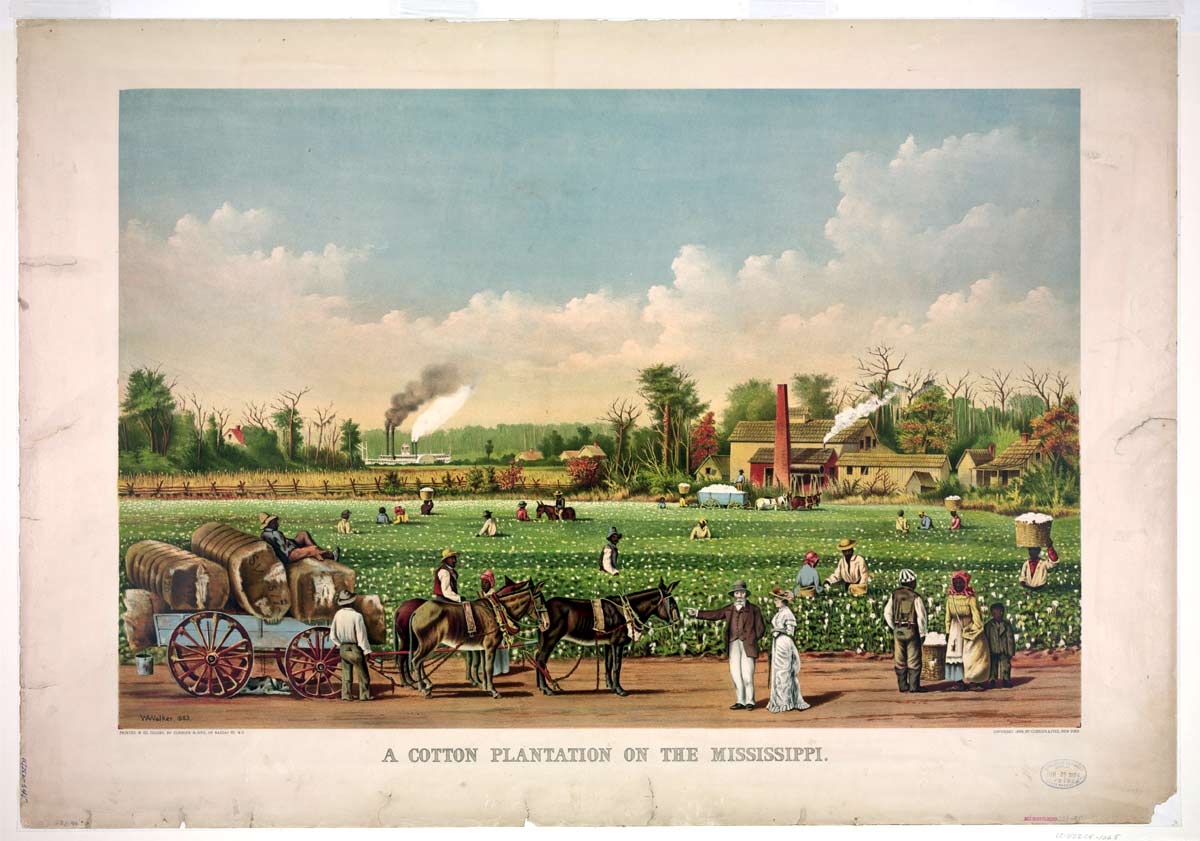
It is a world filled with plenty—with hardly a recognition of the slave labor that makes it all possible. In Mary’s world, each person has their proper role, which is particularly true when it comes to expectations of women. While so much of Mary’s writing is focused on the actions of men, the snippets of conversation she reveals with other women show a complex social web of mutual support, and sometimes mutual judgment. Women were primarily prized as nurturers; their role in the war was to serve as nurses, to knit clothes for soldiers, and to provide a fountain of encouragement to the men. And of course, to have children. Mary never had any children herself, and her sense of failure for that fact is hinted at on occasion.
“I did Mrs. Blank a kindness. I told the women when her name came up that she was childless now, but that she had lost three children. I hated to leave her all alone. Women have such a contempt for a childless wife. Now, they will be all sympathy and goodness. I took away her “reproach among women.”
The more light-hearted, even funny, entries in Mary’s diary involve descriptions of courtships between the young people in her life. It is a testament to the oddness of the times—young men and women continue to flirt and fall in love, despite the ever-looming threat of death, disease, poverty, etc.
“Isabella says that war leads to love-making. She says these soldiers do more courting here in a day than they would do at home, without a war, in ten years … The amount of courting we hear in these small rooms. Men have to go to the front, and they say their say desperately. I am beginning to know all about it. The girls tell me. And I overhear – I can not help it. But this style is unique, is it not? ‘Since I saw you – last year – standing by the turnpike gate, you know – my battle-cry has been: ‘God, my country, and you!’
Defeat at Last, and Its Aftermath
On September 2, 1864, Mary wrote the following:
The battle has been raging at Atlanta, and our fate hanging in the balance. Atlanta, indeed, is gone. Well, that agony is over… No hope; we will try to have no fear.”
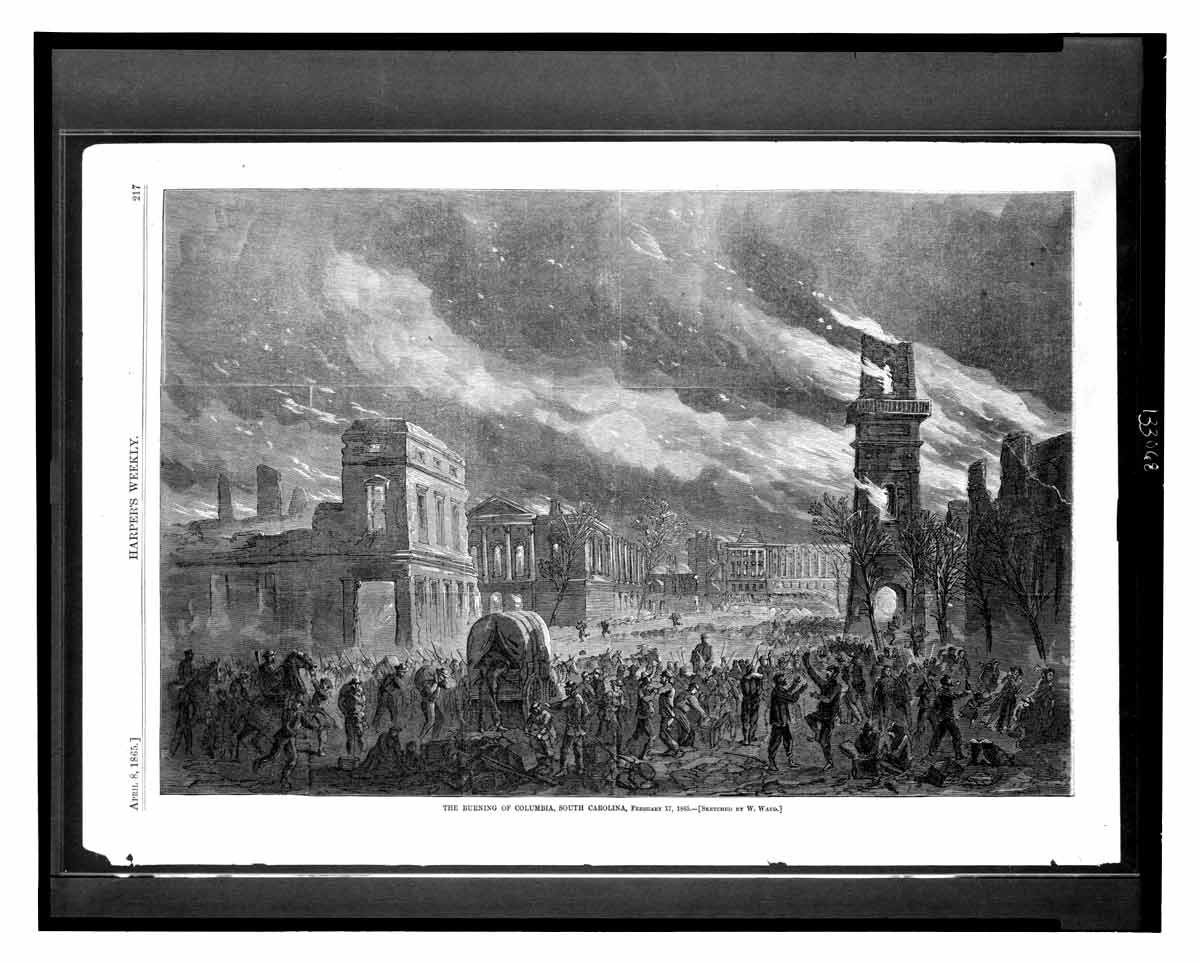
Mary’s realization that the South was most likely going to lose the war is seemingly followed by a forced acceptance and a desire to move on. But the Civil War wouldn’t officially end until May 1865. In the span of those eight months, Union General William T. Sherman marched his troops through Georgia and part of South Carolina, burning and looting, and in doing so, hammering the final nail in the coffin of the Confederacy. Most plantation owners lost their homes, and often their access to food. Even before this, Mary began mentioning money more frequently in her diary:
“September 19th, 1864 – My pink silk dress I have sold for $600, to be paid for in instalments, two hundred a month for three months. And I sell my eggs and butter from home for two hundred dollars a month. Does it not sound well – four hundred dollars a month regularly. But in what? In Confederate money. Helas (alas)!”
By the time Sherman’s troops arrive, Mary feels there is hardly anything left for them to take.
“‘Somehow it is borne in on me that we will have to pay the piper,’ was remarked today. ‘No; blood can not be squeezed from a turnip … We have no money even for taxes or to be confiscated.’”
When the Confederacy finally surrenders, Mary is back at her husband’s family plantation in Camden. They are among the lucky few whose houses were not completely destroyed.
“Nothing but solitude, nothing but tall blackened chimneys, to show that any man has ever trod this road before. This is Sherman’s track. It is hard not to curse him. I wept incessantly at first … I shut my eyes and made a vow that if we were a crushed people, crushed by weight, I would never be a whimpering, pining slave.”
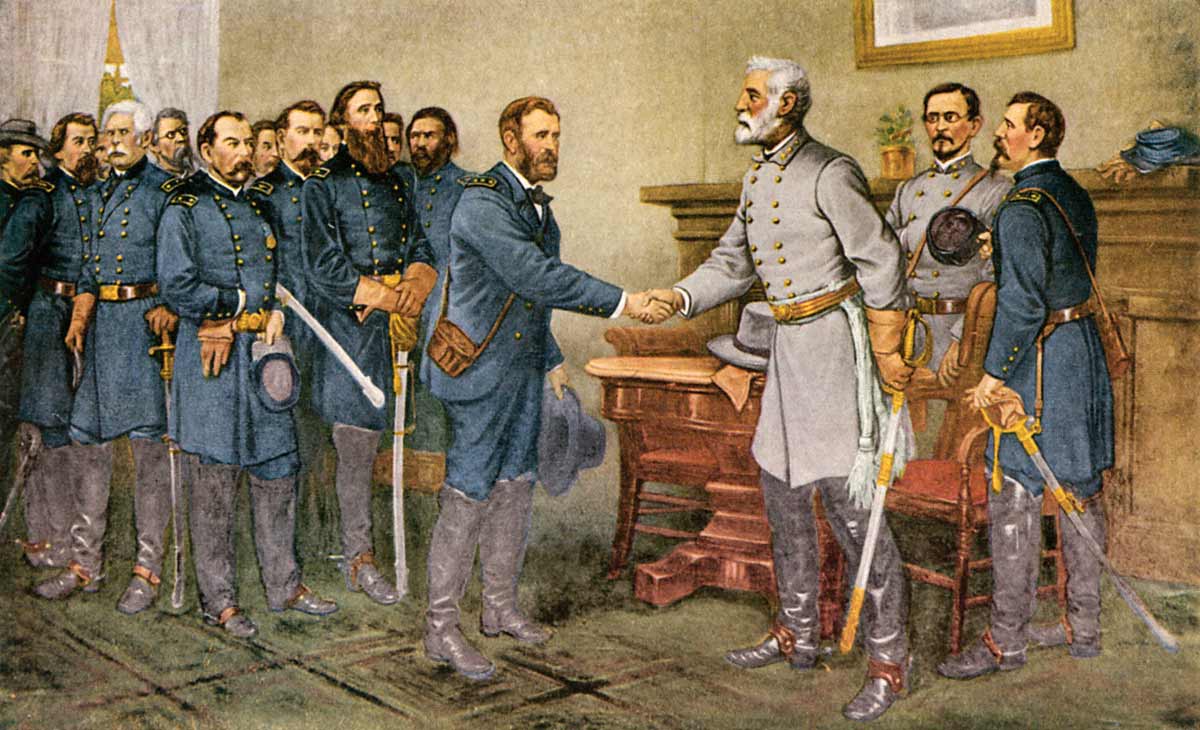
Those who led the Confederacy, the once wealthy and powerful, were those least likely to receive a pardon from the Union victors. Mary knew this. Towards the end of her diary, she writes about the fate of her friend, President Jeff Davis:
We knew that they had put him in a dungeon and in chains. Men watch him day and night. By orders of Andy [Andrew Johnson, the US President following Lincoln’s assassination], the bloody-minded tailor, nobody above the rank of colonel can take the benefit of the amnesty oath, nobody who owns over twenty thousand dollars, or who has assisted the Confederates. …Our turn will come next, maybe.”
Their turn never came, not really. They indeed struggled but ultimately survived, and Mary’s husband went on to practice law in Camden. But this is where Mary’s voice on matters ends—at least in terms of what she chose to share.
Why Mary Chesnut Matters
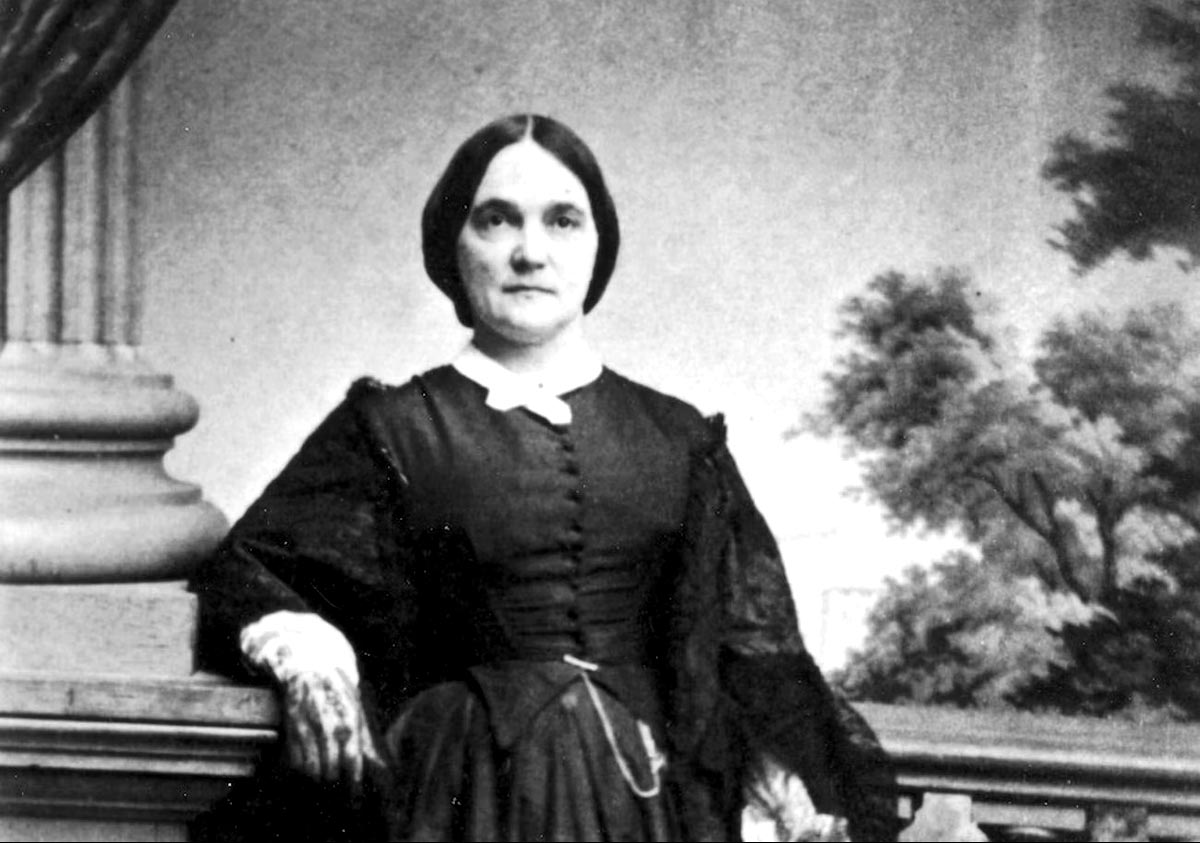
Mary Chesnut’s Civil War diary is a remarkable historical artifact, a history zoomed in on the details of events; the day-to-day minutiae of activity, big and small, among individual people. It is a story of a war as experienced by civilians.
The very nature of historical study is to consider a period or event after the fact, and often that means treating the unfolding of events as somehow inevitable or obvious. Mary’s diary is a reminder of how large-scale historical events are actually felt and lived on the ground by individuals, and how uncertain and unpredictable each day can feel. It is also a reflection of the attitudes, experiences, and perspectives of the South’s slaveholding class during one of America’s most consequential, and often contested (see the Lost Cause philosophy), periods in history. Mary’s diary forces us to confront the complexity of an era and culture that has so often been romanticized out of reality.