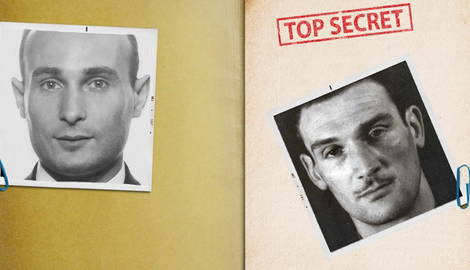

Not all battles made headlines during World War II. Secret cloak-and-dagger wars seldom did, as spies only operated in the shadows. If captured and given a choice of life or death, most chose life as double agents. The quest to obtain information led all to use agents to spread half-truths to the enemy, gain an advantage, or sabotage.
How Juan Pujol García Fooled the German High Command Before D-Day
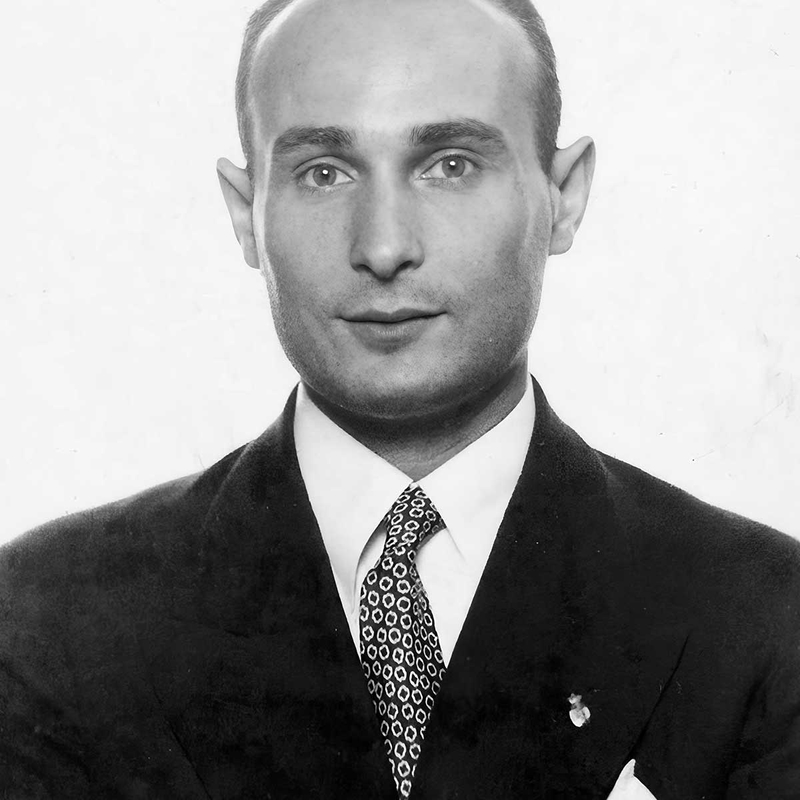
Garbo, or Juan Pujol García, a 29-year-old Spanish citizen, established himself as a Spanish government agent. His goal was to spy for Britain. His dislike for Nazism came about from forced conscription during the Spanish Civil War. Contacted by the Germans, he became a trusted agent. Dubbed Greta Garbo by the British after the famous actress, García built a fake agent network that fed false Allied info to his German handlers. Garbo participated in Operation Fortitude, the successful plan to keep German armored divisions away from the D-Day beaches. Garbo’s “facts” misled the Germans about the time, place, and scope of the invasion.
Both governments awarded him for meritorious service. He received an Iron Cross and the Member of the Order of the British Empire.
Eddie Chapman, the British Safecracker Who Joined MI5
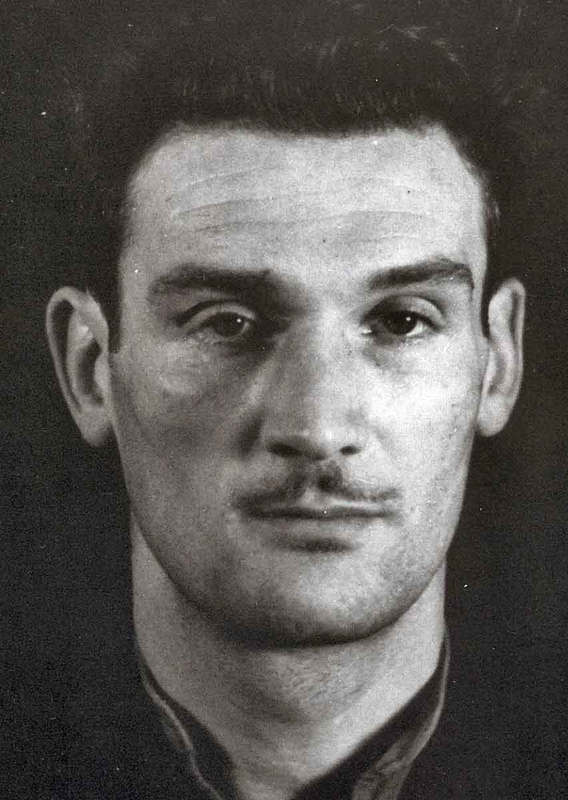
Eddie Chapman’s double-agent story differs from other agents’. Born in 1914, Eddie joined the Royal Army in 1931 but deserted. Arrested, and after a jail stint, Chapman became a safecracker. Arrest after arrest followed. After some burglaries had gone bad, he fled to the Channel Islands, got caught, and was jailed again. As his luck would have it, the Germans occupied the Channel Islands on June 30, 1940. Chapman volunteered his services as a spy. The Abwehr, or German intelligence, agreed to send him to France for agent training. Returning to England via parachute, Chapman “surrendered” and worked for MI5, Britain’s counter-espionage agency. There, he earned the nickname Zigzag due to his criminal past. He also got the choice: spy or death penalty.
Chapman built a network of spies, feeding the Nazis misinformation, such as that he’d blown up an airplane factory per Abwehr’s orders. He was smuggled back to Germany in 1943 by his Nazi handlers. Given another mission and parachuted back home in 1944, Chapman reported a bit but was deactivated by November.
William Sebold and the Collapse of America’s Largest Nazi Spy Ring
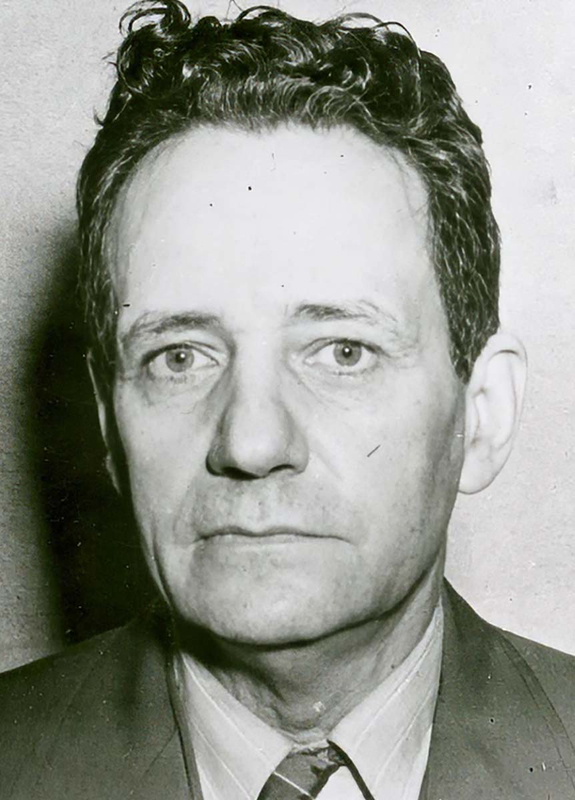
June 13, 1941, became the day the Duquesne Ring of Nazi agents ended. The FBI arrested 33 spies. Their downfall came via double agent William Sebold, known as “Tramp.” William Sebold, a 37-year-old German-born naturalized citizen, worked at American aviation factories. When visiting family in Germany in 1939, the German Gestapo “requested” that he become part of a spy ring. Fearing for his family, he accepted but reported this to Hoover’s FBI.
The Nazis gave Sebold information on other agents. Sebold and the FBI set up a fake New York office under an assumed name. Over 16 months, the FBI recorded conversations between Sebold and the spies until 1941. Next, they jumped into action, arresting 33 people. All pleaded guilty and received jail sentences.
William Sebold was a coerced double agent motivated by patriotism and fear. The Duquesne Ring remains the most extensive agent network broken up in US history.
The Double Agent Who Betrayed Operation Market Garden
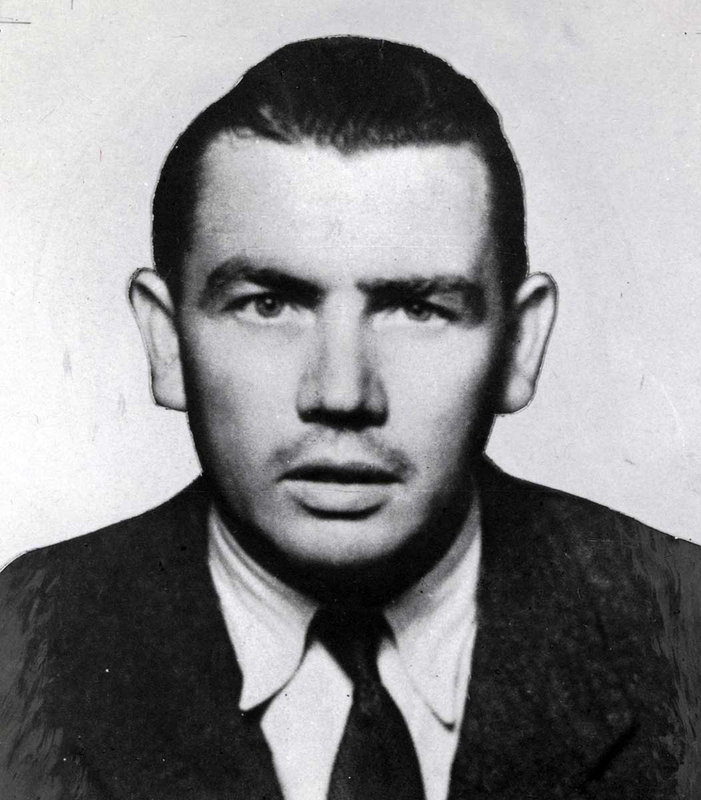
At 6 feet 3 and 260 pounds, Christiaan Lindemans got tagged “King Kong.” Born in Belgium in 1912, Lindemans spoke fluent French, German, and some English. Unusually among double agents, he worked with many groups: Britain’s Secret Service, the Abwehr, and the Dutch and French Resistances. Lindeman’s claim to infamy lay in providing top-secret information to the Nazis just before 1944’s massive Operation Market Garden airdrop in Holland.
Lindeman first worked in 1940 for the British, reporting ship movements. By 1943, he worked for the French and Dutch Resistance, helping Allied airmen escape Europe, but he turned to the Abwehr in February 1944 to help his imprisoned brother and gave up fellow Resistance members. When he could, he told the Abwehr about Operation Market Garden. Given his double agent activities, the Nazis didn’t believe him. Arrested after the war, Lindeman committed suicide in prison in 1946.
Roman Czerniawski and the Intelligence Plan That Saved London
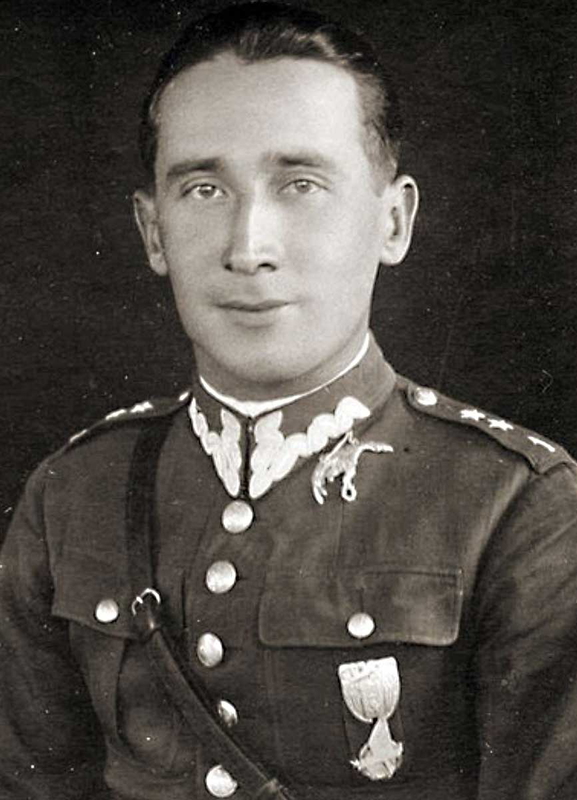
A Polish military pilot, Czerniawski escaped to France. He was very smart and capable, and he built the biggest informant network for the British. In 1941, he was arrested by the Germans. They sent him to England as a Nazi agent. He became a double agent again, and the Germans considered his reports credible. His crowning moment came when his information helped direct V-2 rockets away from English population centers. For this, he won the OBE.