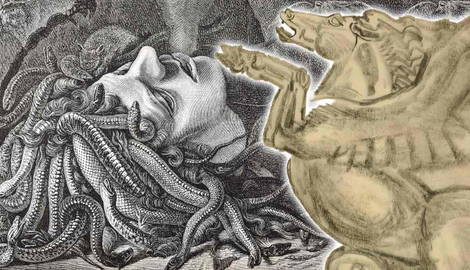

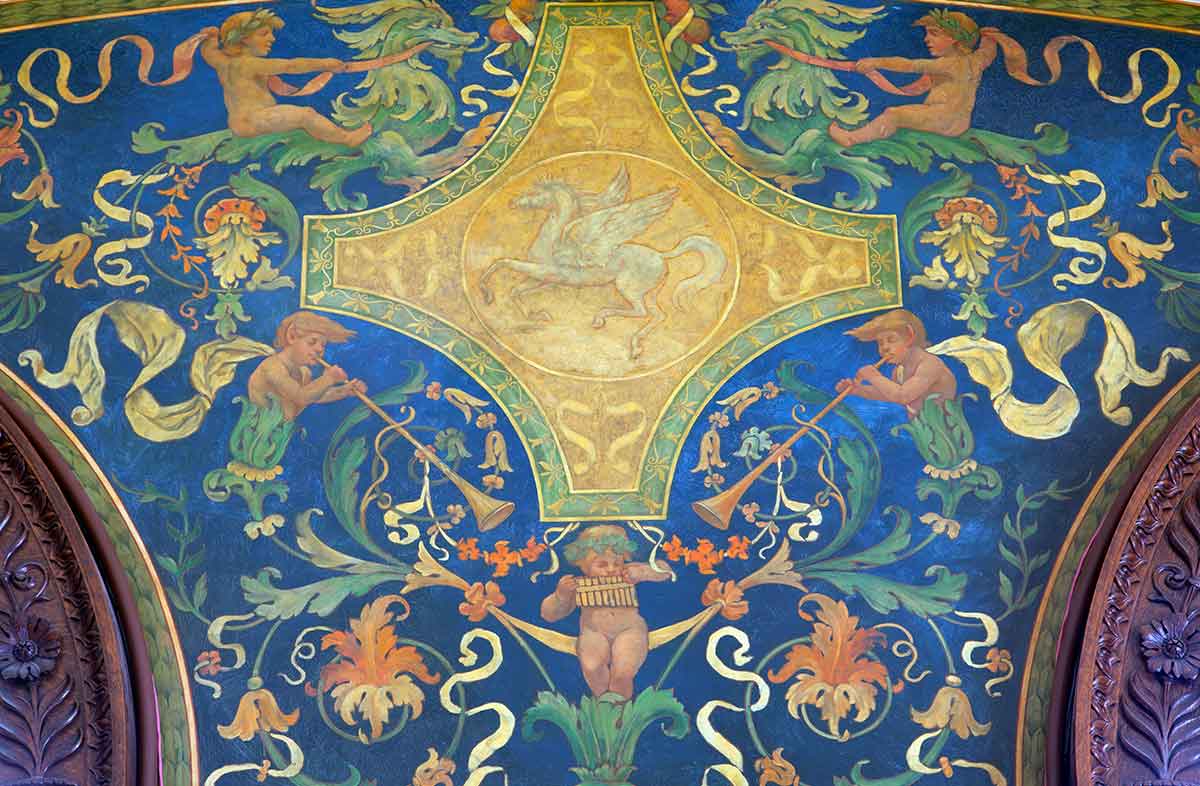
Pegasus is a beautiful mythical winged horse that invokes peace, harmony, and freedom. It has inspired countless generations with their own versions of the winged equine. The true origins of the mythical creature are quite dark. Pegasus was not made by one of the Olympian gods or born through some great deed. Instead, he was born from the severed neck of Medusa the Gorgon after the legendary hero Perseus decapitated her. This shocking origin links the pure divine steed to monsters, blood, and the wrath of Poseidon.
The Gruesome Decapitation of Medusa by Perseus
Perseus was fathered by Zeus in the form of a radiant shower of gold over the princess Danaë. The Oracle of Delphi foretold that Perseus would kill his grandfather, King Acrisius, so he locked the mother and son away in a wooden chest. They washed up on the shores of an island, where Perseus was raised to manhood by a fisherman who was brother to the king, Polydectes. King Polydectes lusted after Danaë, but Perseus protected his mother. As an act of revenge, Polydectes held a feast, and all guests were required to bring a gift. Polydectes tasked Perseus with bringing him the head of the Gorgon Medusa as a suitable gift.
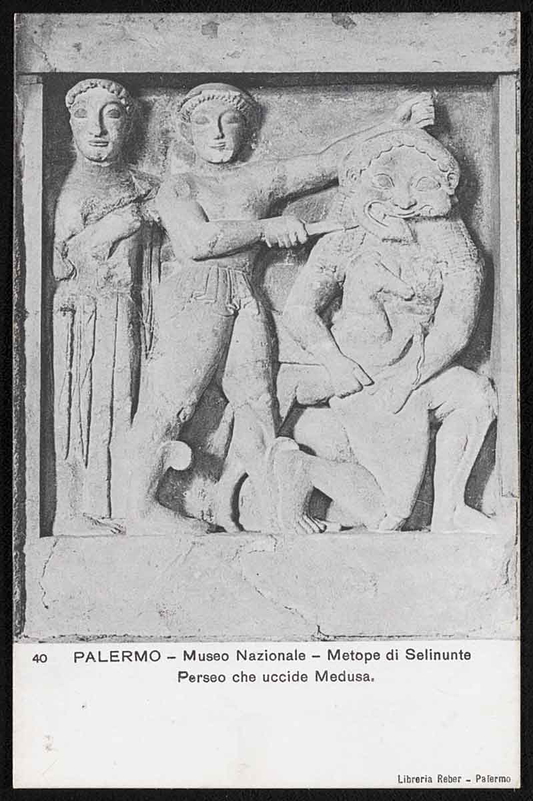
Perseus prayed to the gods for help, and Zeus answered by sending Athena and Hermes to help. Hermes gave the hero winged sandals, a sword, and Hades’s helmet of invisibility, while Athena lent him her mirror-like bronze shield and a bag to carry the head. Once on the island home of the Gorgons, Perseus snuck up on sleeping monsters. One glare from Medusa would turn someone to stone, so he used the shield’s reflective surface to sever Medusa’s head without being petrified. The moment her head was chopped off, Pegasus and Chrysaor sprang from her bloody neck.
Poseidon and the Divine Paternity of Pegasus
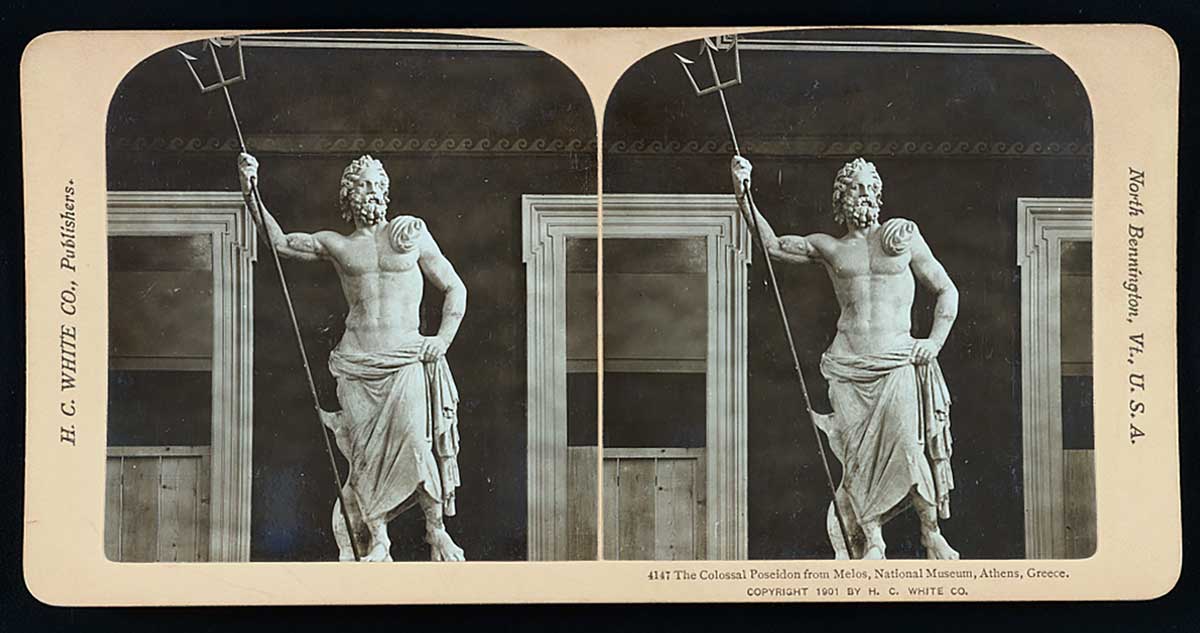
Medusa wasn’t always a horrific Gorgon whose glare would turn people to stone. She was once a beautiful maiden who caught the attention of the sea god Poseidon. They made love in Athena’s temple, and as punishment, the warrior goddess transformed Medusa’s hair into snakes and made her stare lethal. From Medusa and Poseidon’s coupling came Pegasus and the giant Chrysaor. They weren’t born until she was decapitated. Poseidon was not only the god of the sea, but horses were sacred to him as well, and this influenced the birth of the winged stallion.
Chrysaor the Forgotten Golden Twin of Pegasus
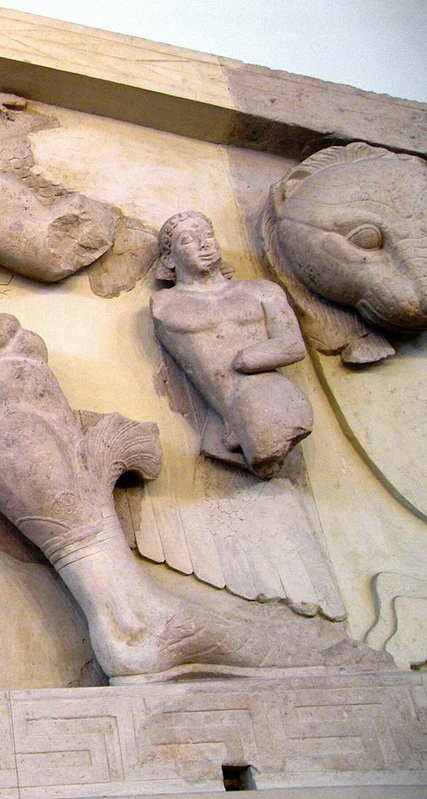
Pegasus had a twin, the giant Chrysaor, who was known to wield a golden sword. Poseidon’s realms also inspired this creature’s birth, because he had other immense offspring. Chrysaor didn’t have the same beauty and mythical status as his brother Pegasus. Instead, he appears in a lesser-known myth: he married Callirrhoe, daughter of the Titan Oceanus, and they had a son named Geryon. Geryon had three heads, then was later killed by Hercules when he was herding his cattle.
The Symbolism of Beauty Emerging From Destruction
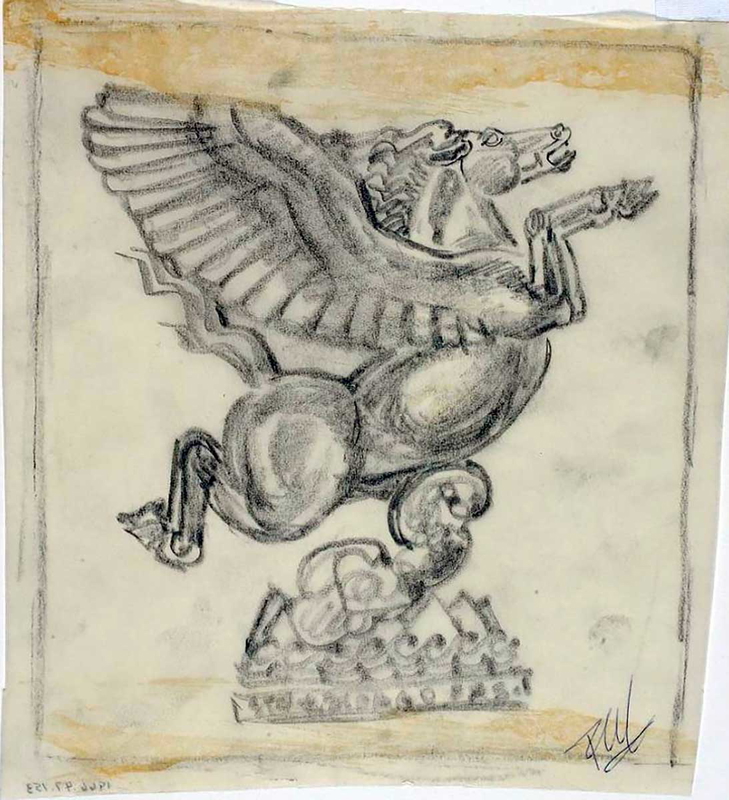
Pegasus springing from Medusa’s head is a classic example of beauty and divine purity coming from chaos, terror, and death. It’s a classic trope in stories that means that after terrible events occur, there is always beauty to be found again in the aftermath. Pegasus’s chaotic birth is gruesome and far from glorious, but the majesty of a winged horse gives way to further stories of heroes and grand events that far outpace the ancient myths. Pegasus has become an iconic mythical animal that inspires new and original stories.