
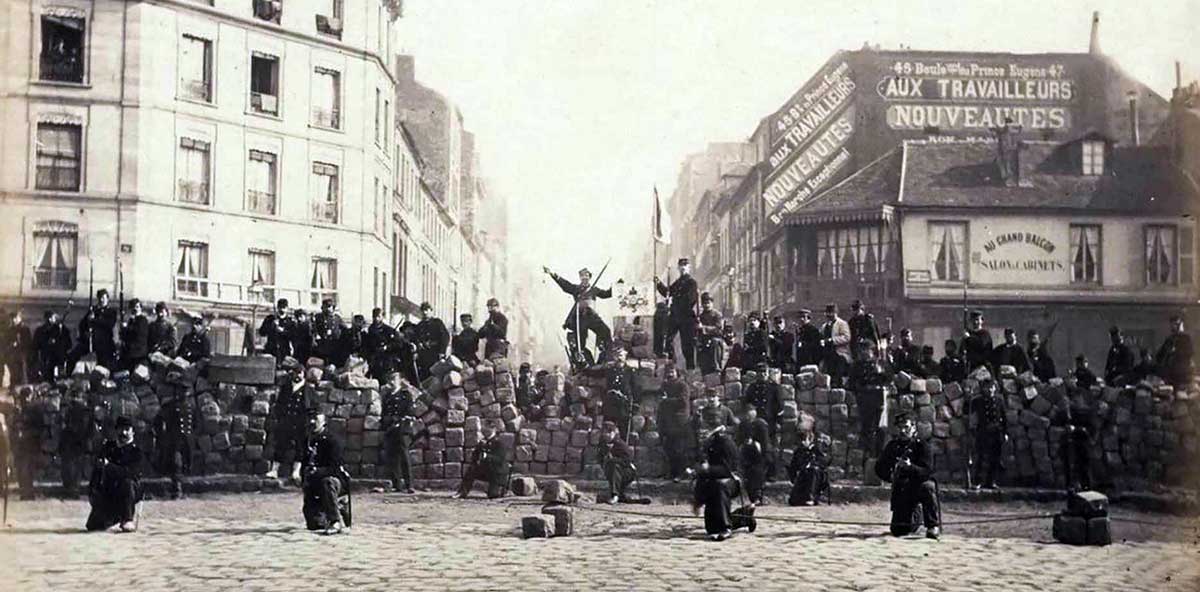
To understand how the French governance system works today, one has to look at the Paris Commune of 1871. From March 18 to May 28 of that year, the citizens of Paris rose in rebellion against the national government and established a revolutionary council, the Paris Commune, which deeply influenced the country’s political trajectory.
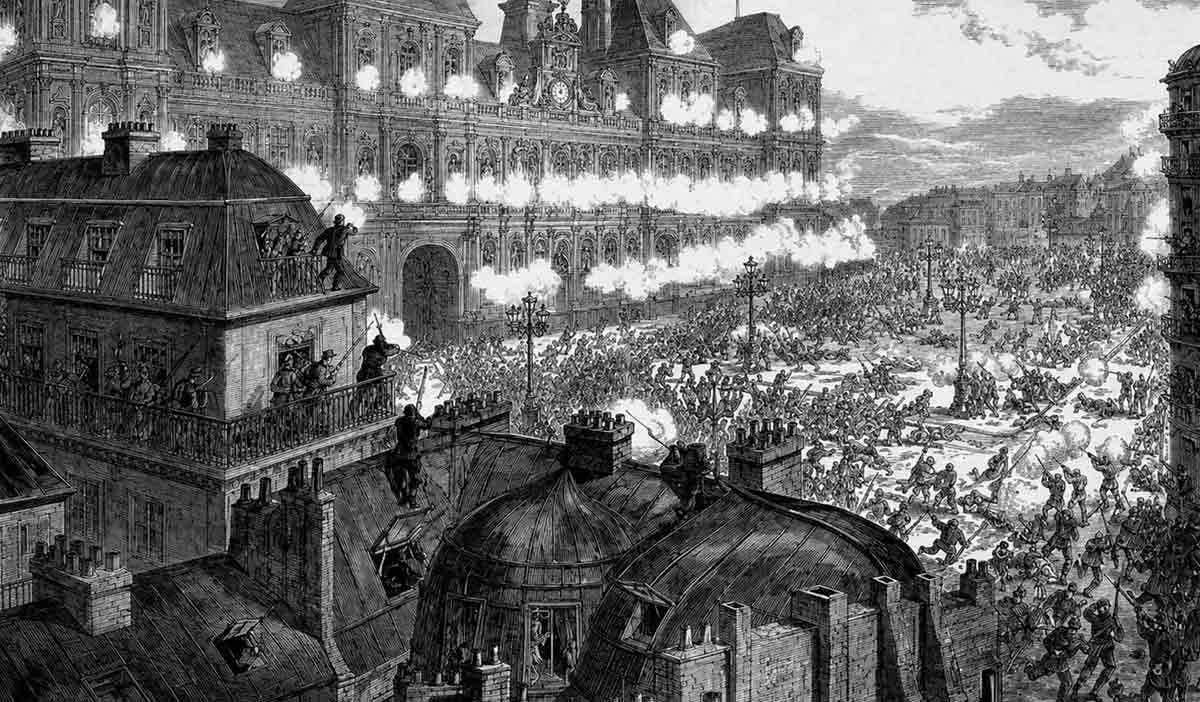
For two months, France’s capital severed its relationship with the central government, which had fled to the nearby city of Versailles, while the city itself operated as an insurrectionary community of workers. The violent crackdown that ended the Commune saw the state turn its guns on its own citizens and reshape French politics and legal systems. While the ruins of the Tuileries Palace were eventually cleared away, the violent split between the state and the people remains a central part of French history.
How a Crushing Defeat Ignited France’s Most Radical Rebellion
The Paris Commune was born out of the national trauma of a major military defeat. It all started following the Franco-Prussian War of 1870, in which Emperor Napoleon III surrendered to Prussian forces on September 2. His capture led to the collapse of the Second Empire and the proclamation of the Third Republic two days later, on September 4, when Parisian leaders declared the formation of a new provisional Government of National Defense to keep the country from falling apart.
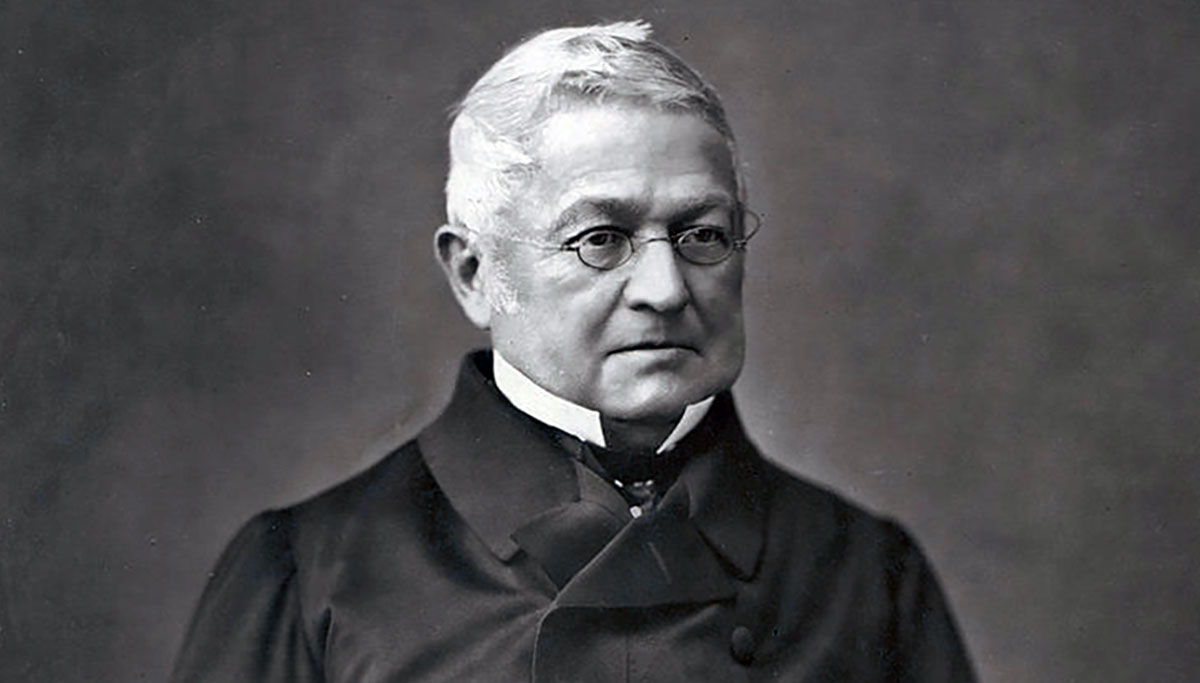
Left with few options, French leaders signed a general armistice on January 28, 1871, and agreed to humiliating peace terms with the newly declared German Empire, leading to the loss of some territories. Some working-class Parisians refused to accept the surrender and soon, members of Paris’ National Guard, a volunteer citizen militia, sought to protect the city’s autonomy against Adolphe Thiers, the newly appointed Chief of the Executive Power.
How the Defeated 1871 Uprising Quietly Launched France’s Most Progressive Laws
Fearing a full-scale armed revolt, Thiers and his cabinet fled the capital, and on March 26, Paris elected its own municipal council, which was the new radical local administration. The government introduced labor reforms that were decades ahead of their time.
In spite of the eventual harsh repression by the French government in 1871, many aspects of the Commune lived on in succeeding administrations. It did not take long for Republicans to pass legislation supporting secular policies. In the 1880s, they passed the Jules Ferry Laws, which made free primary education secular throughout France. They also passed the landmark 1905 law that completely separated the French Republic from religious institutions.
The state also regulated professional education for tradesmen and advocated for girls to receive an education equal to that of boys to create a more skilled workforce. Some protections supported by the Commune, such as the banning of night work for bakery employees, were later included in French labor legislation.
The Surprising Ways a 150-Year-Old Rebellion Still Protects French Workers Today
A raft of laws that trace their roots back to early French legal history exist within French statutes today. Protection of a worker’s tools from being seized by creditors, for example, remains part of French law today because legislators realized that if the state were to protect its citizens, it would need to shield the direct means of their livelihood. The rule is strictly regulated under the French Code of Civil Enforcement Procedures (Code des procédures civiles d’exécution).
Other government policies that still reflect the Commune’s influence include the assistance of citizens with affordable housing through Solidarité et Renouvellement Urbain (SRU), a law passed on December 13, 2000. It requires that municipalities with populations above a certain threshold reserve a certain proportion of units within their borders as social housing (habitations à loyer modéré, commonly known as HLMs). The mandatory quota is set at between 20 and 25 percent.
The Fierce Historical Fight to Put French Politicians Under a Microscope
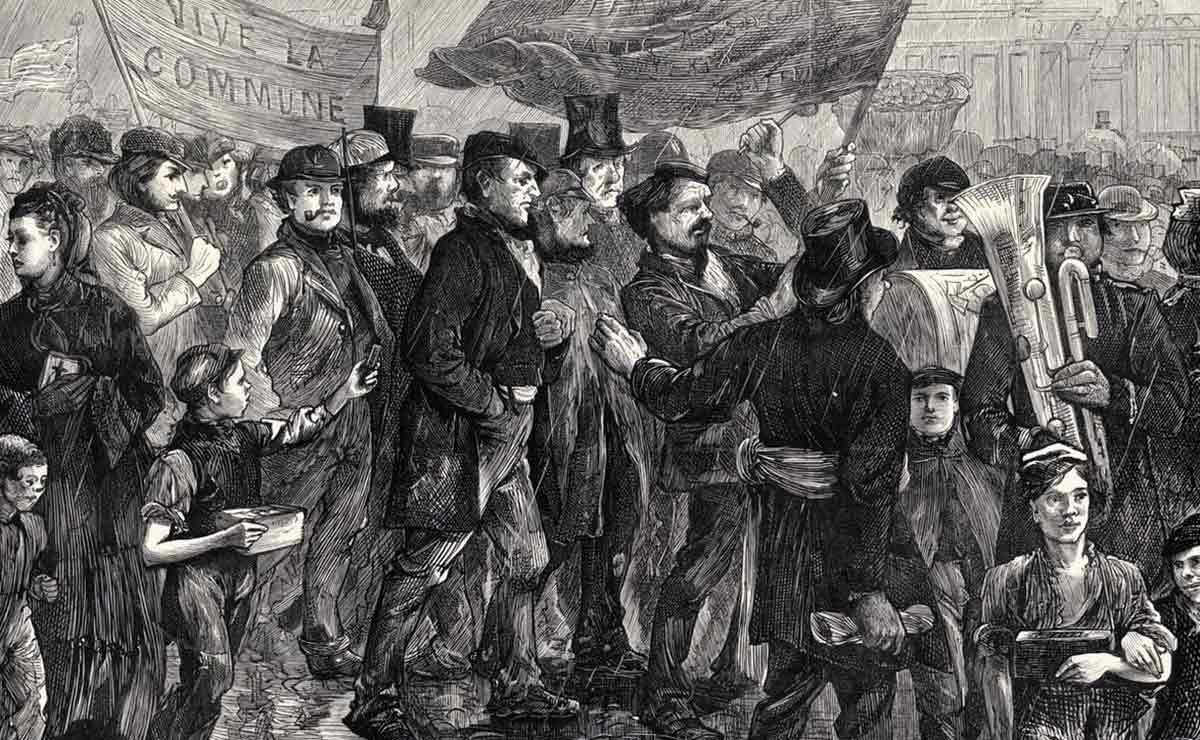
The Commune’s suspicion of concentrated, elitist power is also echoed in French administrative law surrounding transparency. While Communards demanded that elected officials not make more than a living wage earned by a skilled worker and be under constant scrutiny by the people who employed them, the French government later established the Haute Autorité pour la transparence de la vie publique to independently address modern political accountability. The government agency monitors politicians’ assets to promote transparency and help prevent them from profiting from their positions of power.