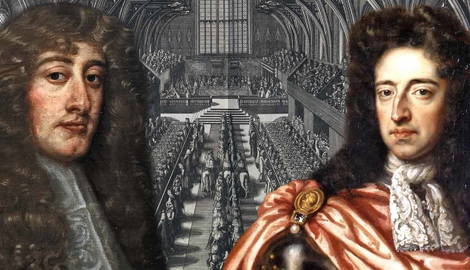

On November 5, 1688, a Dutch invasion fleet of around 450 ships landed at Torbay on the Devon coast in Southwest England. What followed was the Glorious Revolution, a series of events that resulted in the abdication of James II and the accession of his daughter Mary II and her husband, William III, Prince of Orange, to the throne. It was one of the most significant political transformations in English history.
Why King James II Believed He Answered Only to God

For generations, Stuart kings like James II had considered themselves God’s chosen leaders under the Divine Right of Kings. This political and religious concept asserted that a monarch’s power was ordained directly by God and therefore not accountable to subjects. The year 1688 marked a major turning point in this theory.
When the House of Stuart monarchy was restored to the Three Kingdoms in 1660 after the King’s long exile, Charles II and his brother James believed that they were God’s appointed rulers. Being a Catholic in a fiercely Protestant England, James, in particular, truly felt he was put there by God. Almost as soon as he took over in February 1685, he began ignoring Parliamentary laws. In 1687 and 1688, for example, he issued Declarations of Indulgence that suspended the Test Acts, which kept Catholics out of jobs and Parliament, and which required public officials to deny Catholic doctrines.
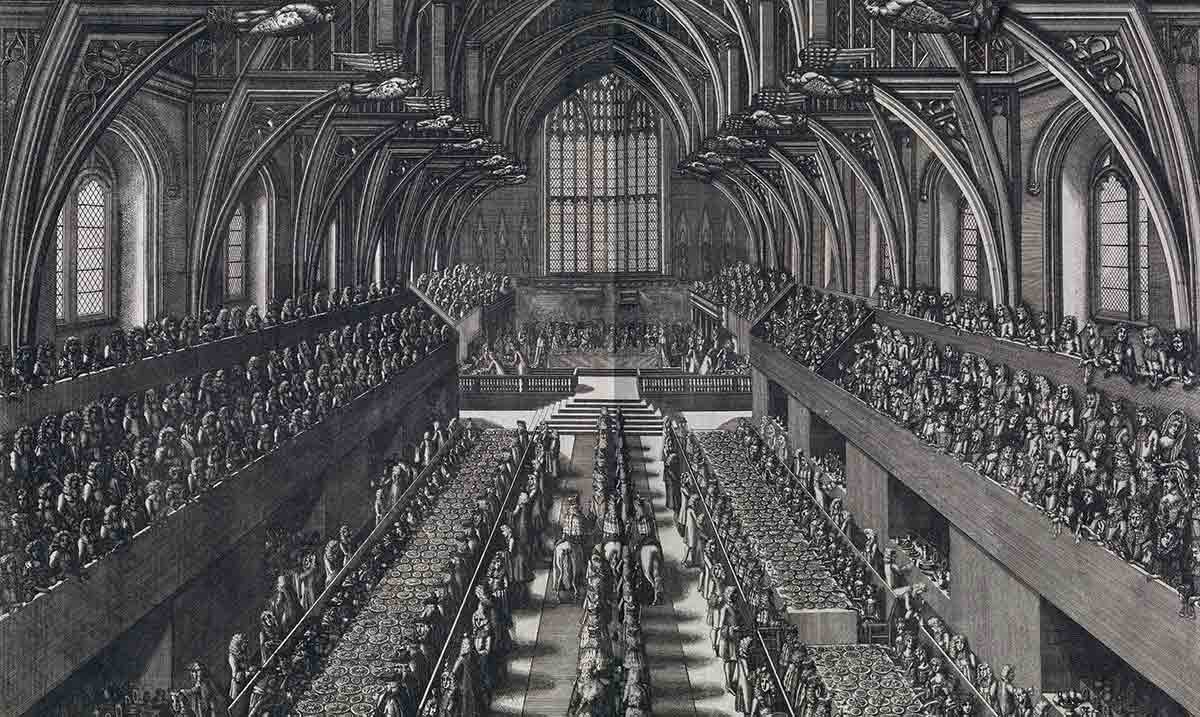
The political crisis worsened in the summer of 1688. Several major events, in particular, triggered public resistance. One was the verdict related to the Seven Bishops that was delivered on June 30. This occurred after top Anglican church leaders declined to follow an order by the King to have the clergy read the Declaration of Indulgence during church services. The Declaration of Indulgence was a royal order that temporarily suspended the strict laws called Penal Laws that discriminated against Roman Catholics and Protestant Dissenters. It allowed them to hold government and military jobs without needing to follow the usual Anglican rules.
By forcing the Anglican bishops to read the declaration to their congregations, the King made it seem like they were backing his royal prerogative. Nevertheless, Protestant crowds in many English towns rejoiced at the acquittal of the bishops. The verdict also demonstrated to the masses that there was some pushback to the King’s authority within the ruling class.
The Royal Birth That Terrified Protestant England
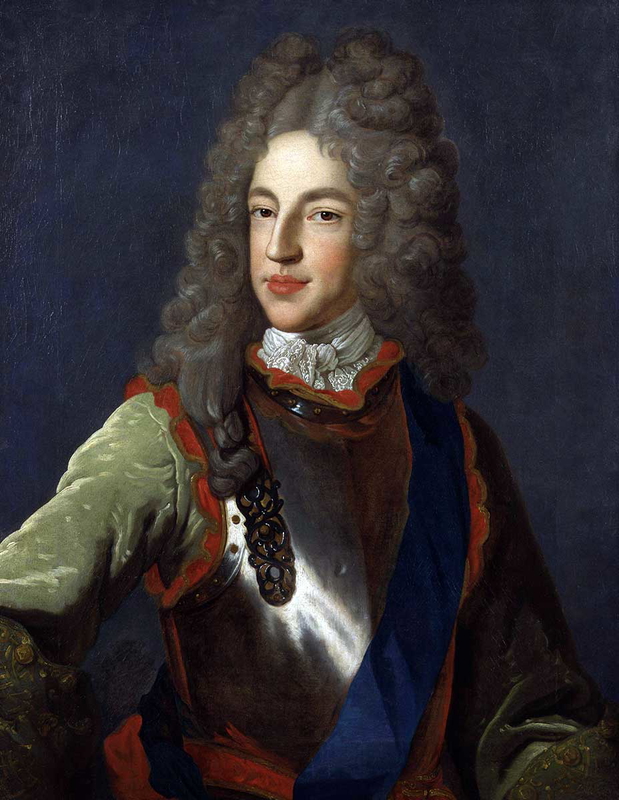
The other big change happened on June 10, 1688, when the queen gave birth to a son, James Francis Edward Stuart, who would become the Prince of Wales. The birth moved James’s eldest daughter, Mary II, down the line of succession. She was a Protestant who lived in the Netherlands. The change made it obvious to the political elite that England faced the prospect of a long-term Catholic dynasty. In response to this, a secret invitation was sent by seven noblemen called the Immortal Seven, on June 30, 1688, to the Stadtholder William of Orange. William was the husband of James’s daughter, Mary, who had essentially been sidelined. The letter invited him to bring a military force to help secure a free Parliament and protect the Protestant religion. The letter marked the beginning of the 1688 Glorious Revolution.
How a Sudden Betrayal Forced King James II to Flee
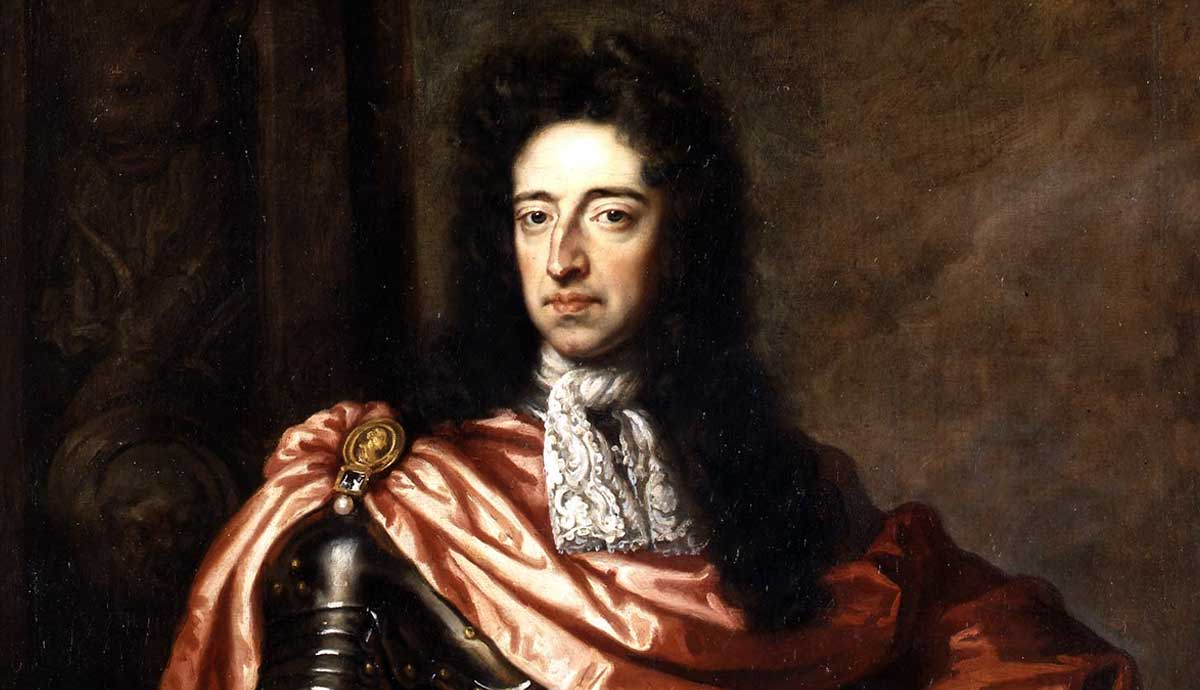
On November 5, 1688, William of Orange landed in Brixham with roughly 450 ships carrying an army of about 15,000 troops. Although James II had more soldiers, support for him collapsed quickly. Even top-tier officers of the Royal Army, including Lord Churchill (later known as the Duke of Marlborough), deserted and joined William.
The invasion demonstrated that the theory of the divine right of kings was ineffective against the desertion of the elite. By December 23, James finally fled the country for France. He threw the Great Seal into the Thames on December 11 before burning a pile of election writs. The Great Seal was the tool used to give the King’s royal assent to documents. Because of James’s flight to France, the 1689 Convention resolved that he had abdicated, opening the door for William and Mary II to rule as the first joint sovereigns once they signed the Declaration of Rights.
How Parliament Forever Stripped the Crown of Absolute Power
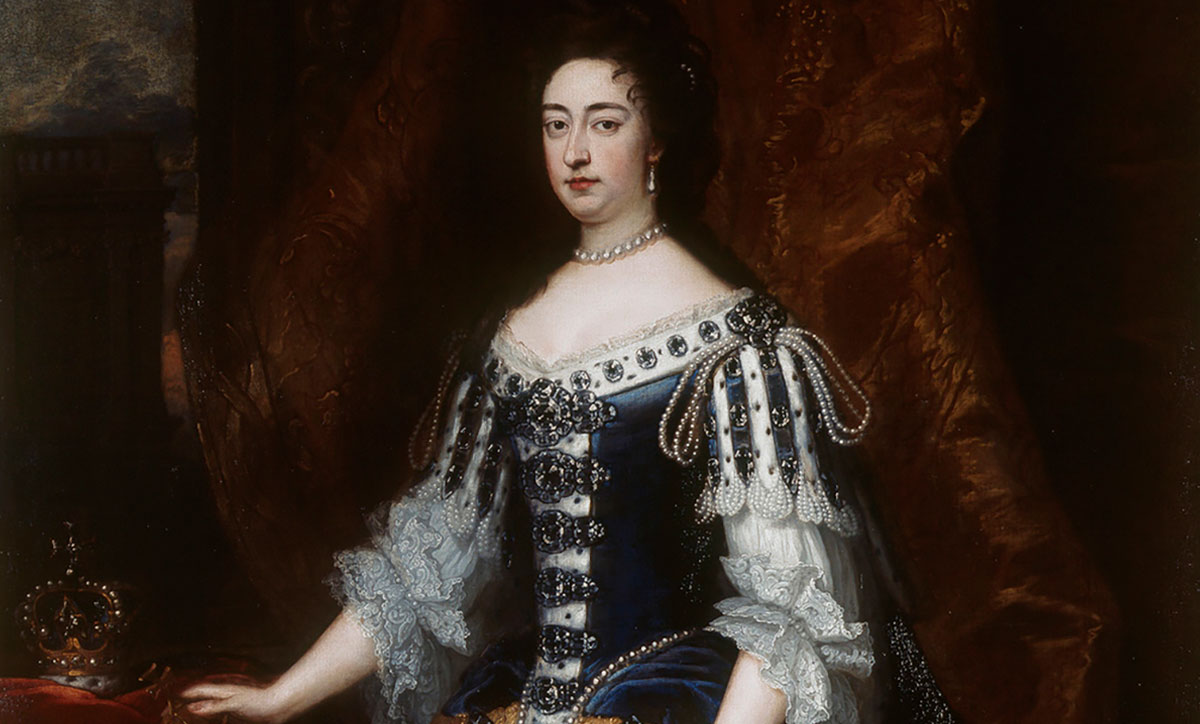
The concept of the divine right of kings was formally scrapped when Parliament passed the Bill of Rights in December 1689. When William and Mary accepted the crown as joint monarchs, they acknowledged that their authority was bound by law and that Parliament could limit the power of the monarchy thereafter. Thus, the doctrine of divine right was traded for the constitutional framework of the Revolution Settlement.