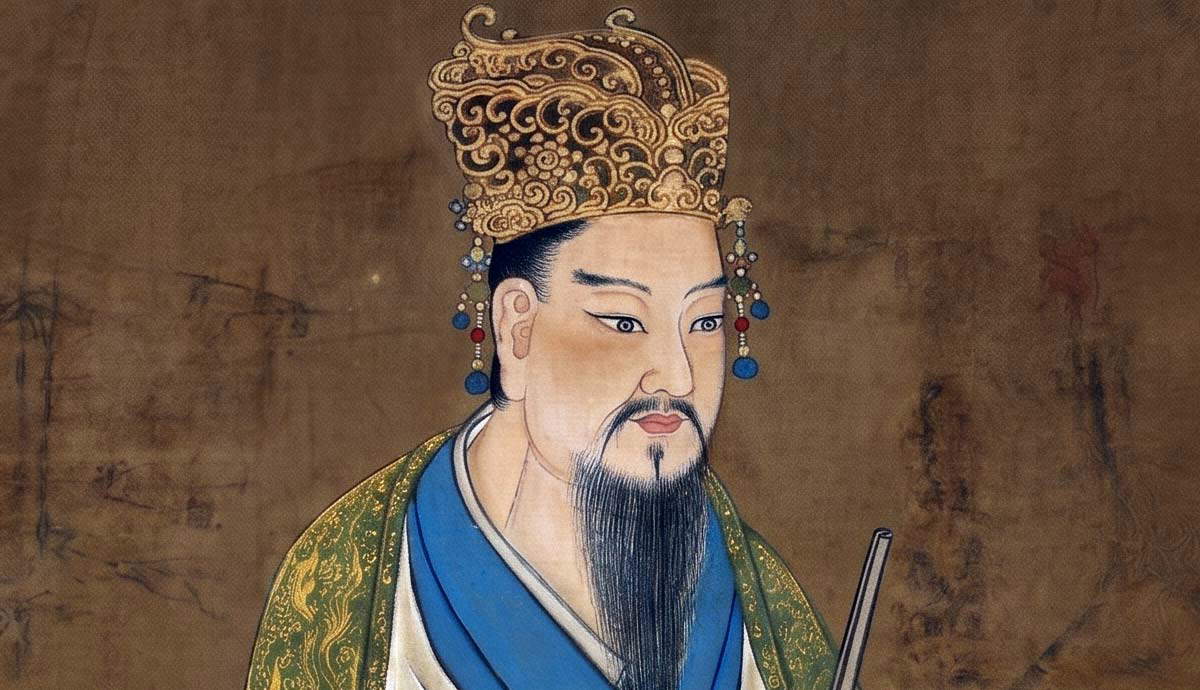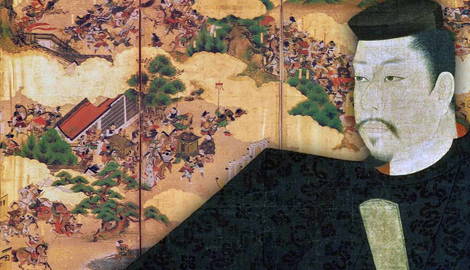

Exquisite fashion, literature, and poetry competitions characterized court life in Japan’s Heian-kyo imperial palace during the Heian Period. Swordsmanship was considered less important than sophisticated fashion and relationships among the court nobles. Marriages, in particular, were alliances of political convenience disguised by flowery verses exchanged between potential lovers. For a long time, this helped to sustain the elegant world of the imperial court.
Then came the Genpei War that raged from 1180 to 1185. Five years of the conflict destroyed the genteel life of the courtiers and led to the rise of the samurai to leadership.
The Erosion of Imperial Authority and the Birth of the Samurai
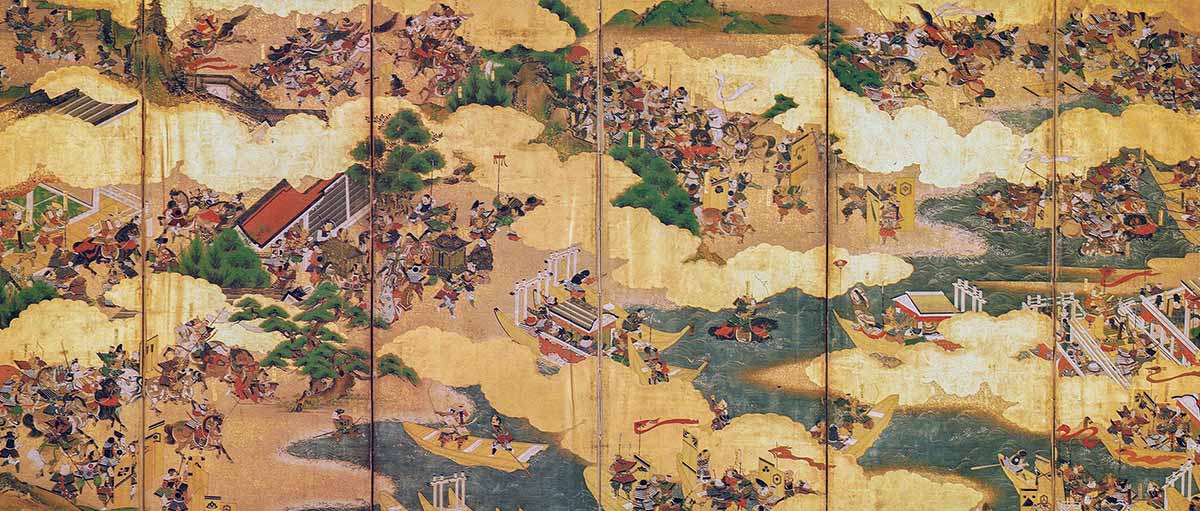
The decline of central imperial authority was among the main causes of the Genpei War. At the time, imperial power was largely ceremonial rather than absolute. Political control of Japan had long been maintained by a powerful aristocratic family known as the Fujiwara clan. Through careful political maneuvering such as marrying into the imperial family and taking regency positions that allowed them to rule in the emperor’s name, the Fujiwara family ruled over Japan for centuries.
That said, the central government began losing control of the nation in the 740s, when it started granting charters to individuals, allowing them to clear new land and use it tax-free in perpetuity. Over the coming centuries, private estates known as shoen ballooned in size. By the 1100s, over half of Japan’s arable land was controlled by private estates. Tax-free estates meant fewer taxes going to the emperor’s treasury. Slowly but surely, the central government became impoverished.
Soon, the countryside became increasingly lawless as the central government eventually found itself unable to maintain a national army or police force to keep the peace in rural Japan. By the late 1100s, the provinces outside the capital city were overrun by bandits and marauding neighbors. In response, wealthy landowners began hiring local warriors to protect their land holdings. These private guards soon established themselves as the warrior class known as samurai.
The Taira Clan Ascends to Power, and the Genpei War Begins
Out of the provincial warriors came one of the most powerful clans, the Taira. Twice, in 1156 and 1159, civil wars known as the Hogen and Heiji rebellions broke out in the capital. The ambitious leader of the Taira clan, known as Taira no Kiyomori, seized these opportunities and eliminated his political enemies. By 1167, Kiyomori had become chancellor, the most powerful position in the imperial court. He married his daughter to the emperor, sidelined the centuries-old Fujiwara regents, and installed members of his own clan in top government positions.
Kiyomori’s power-hungry rule and abrasive political maneuvering didn’t sit well with rival clans, displaced nobles, and even the influential Buddhist monasteries. In 1180, one rival, Prince Mochihito, made a public proclamation to rally forces and overthrow the Taira. Prince Mochihito’s call to arms began the Genpei War (1180 to 1185), a national conflict that would last five years, completely destroy the Taira, and establish Japan’s first military government alongside the imperial court: the Kamakura shogunate.
Prince Mochihito’s Decree and the Outbreak of War
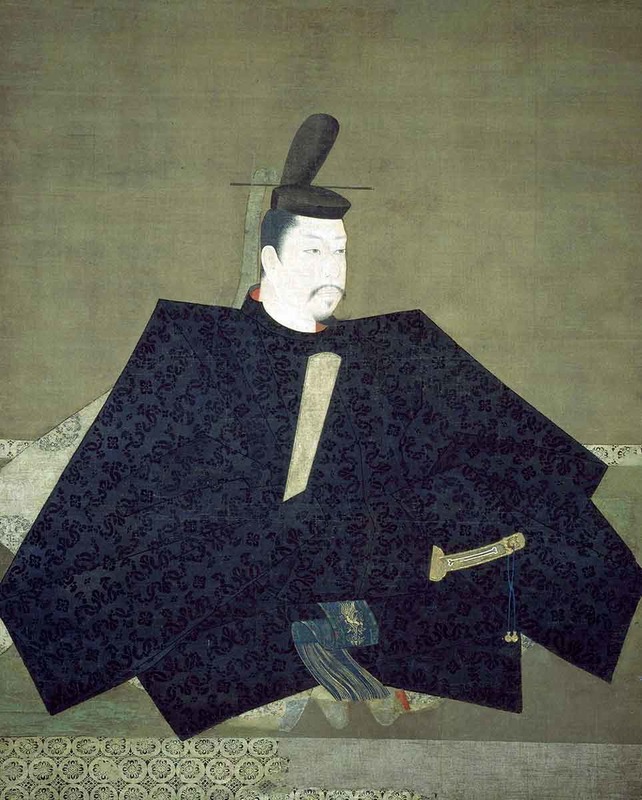
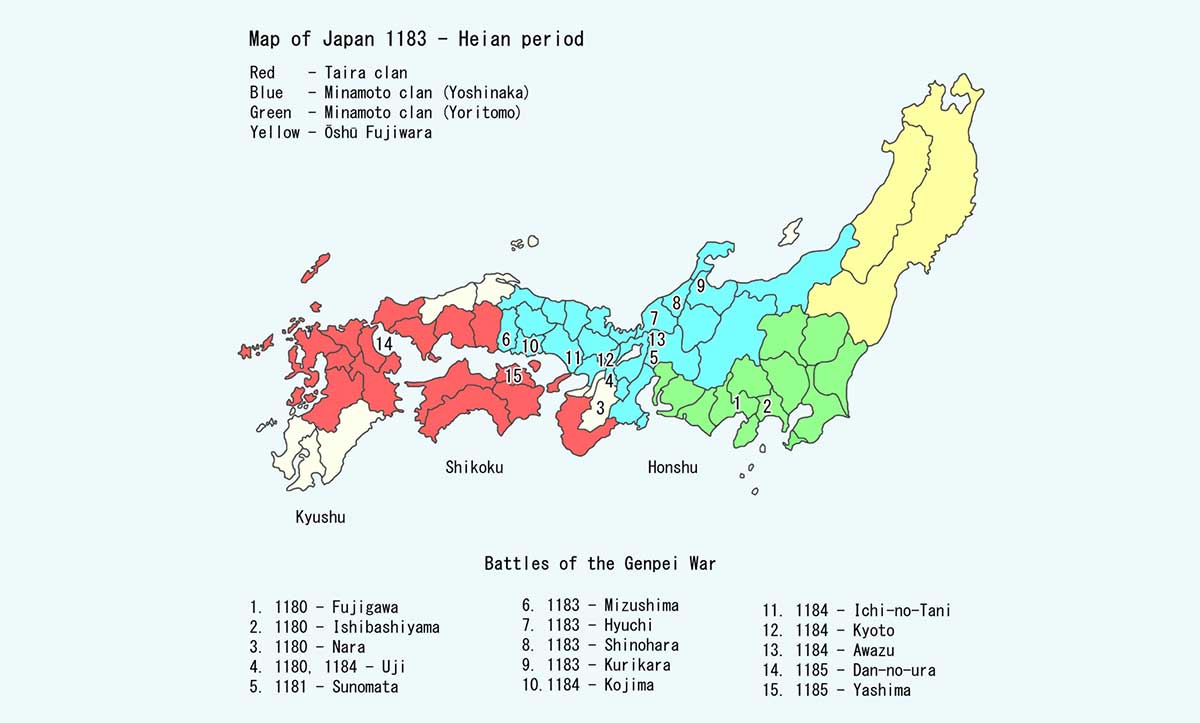
The Genpei War began in the summer of 1180 when Prince Mochihito called upon the Minamoto clan to rebel against the Taira government. The initial rebellion was crushed within days at the Battle of Uji on June 23, 1180. Prince Mochihito was killed and his ally, the elderly warrior Minamoto no Yorimasa, committed suicide. However, the revolt spread quickly to the eastern provinces, where the exiled Minamoto leader, Minamoto no Yoritomo, had built up an enormous coalition force of provincial samurai warriors on the Kantō plain.
Full-scale combat erupted again in 1183 when Minamoto no Yoshinaka defeated the Taira army at the Battle of Kurikara. Minamoto no Yoshinaka’s troops soon marched on Kyoto and seized the city, and the Taira clan was forced to flee westward with the child-Emperor Antoku towards the Inland Sea.
The Defeat of the Taira Army
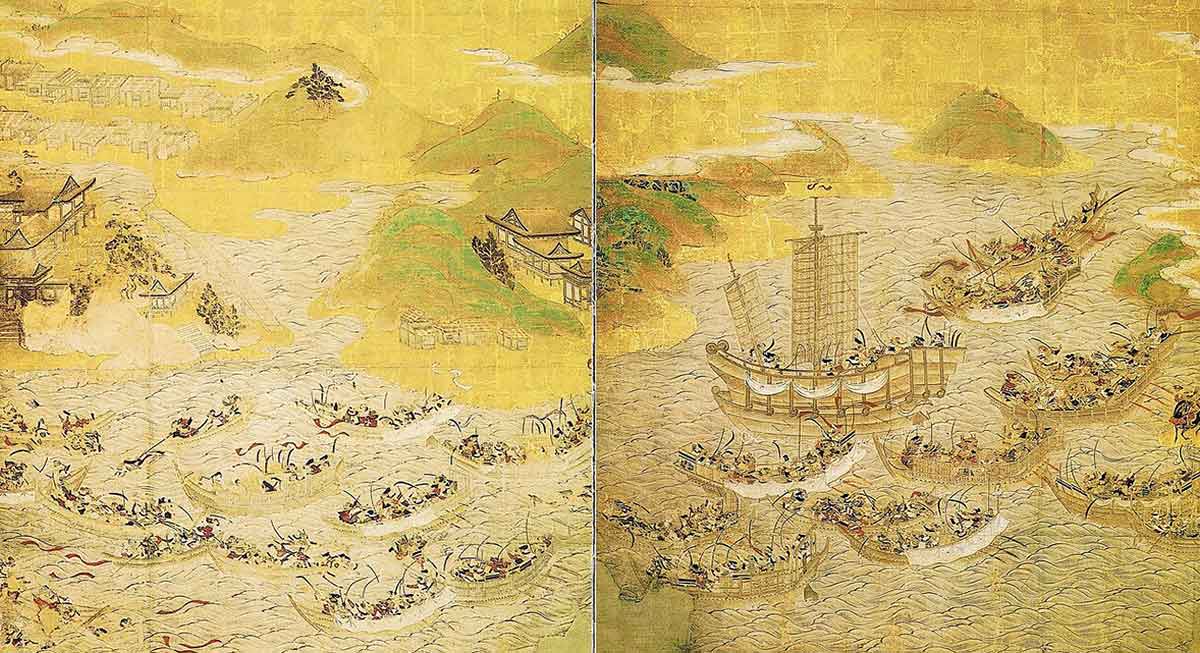
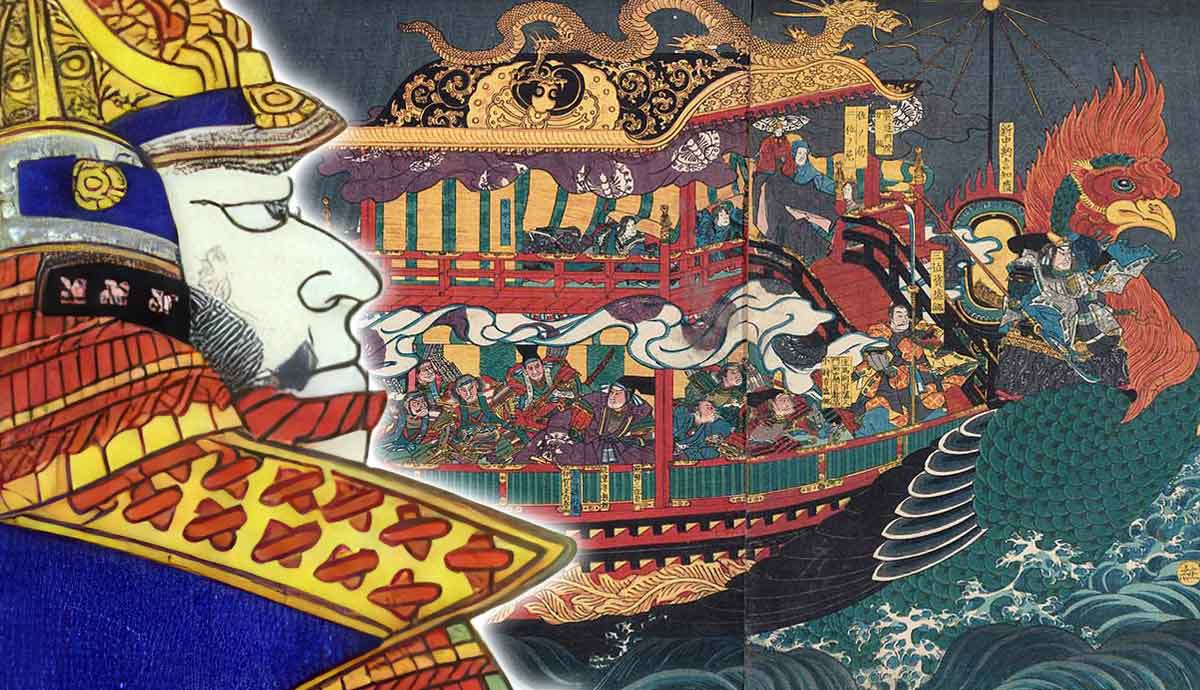
In 1185, at the naval Battle of Dan-no-ura, the remnants of the Taira army were routed and the child-emperor Antoku drowned. The war was over, and the Minamoto clan had won. Japan’s imperial court would never again be the same, as in the wake of the triumph, the Kamakura shogunate was established under the leadership of Minamoto no Yoritomo, ushering in an era in which samurai warriors would rule Japan for the next seven centuries.