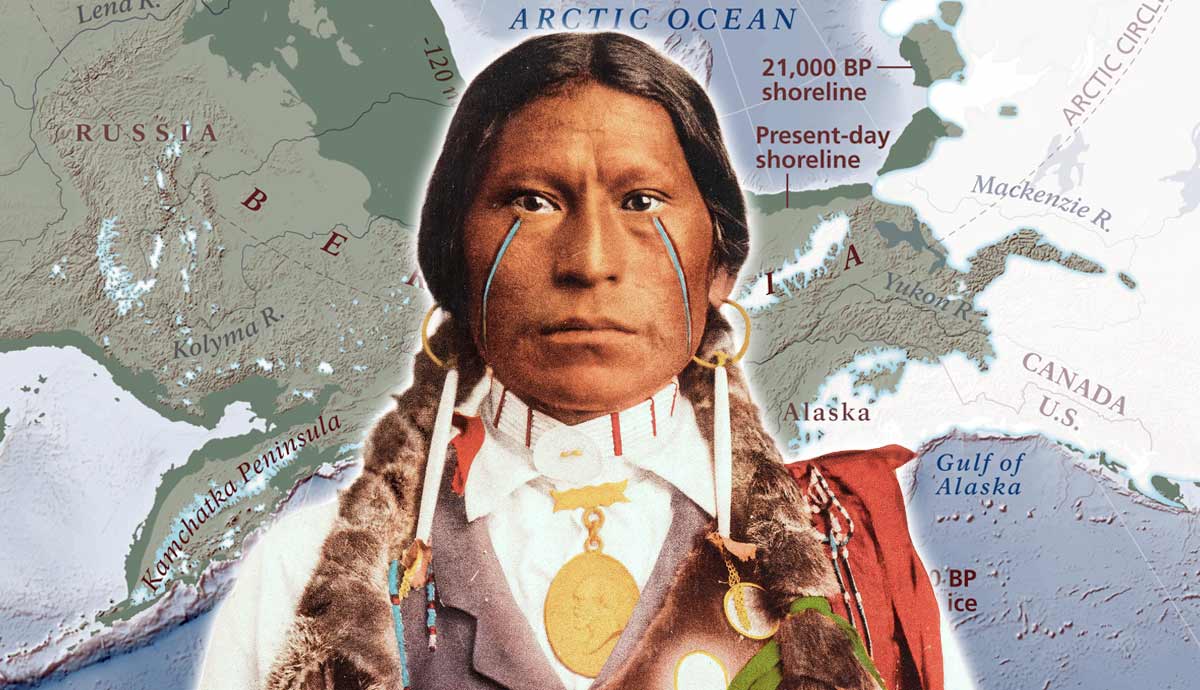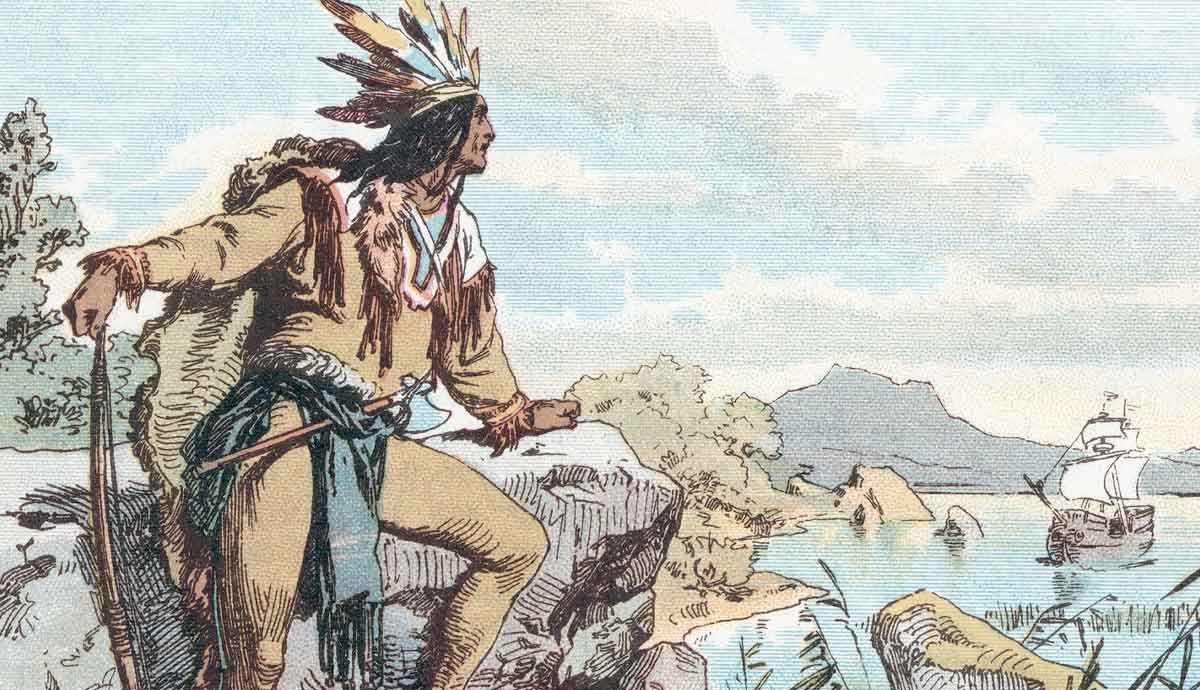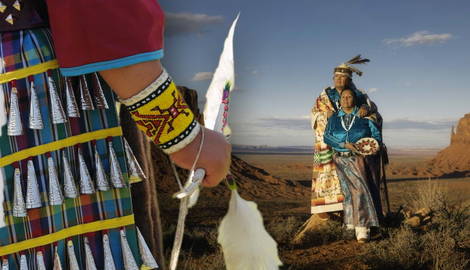

When European settlers arrived in what is now the Americas, scholars estimate that upwards of 50 million native inhabitants occupied the land, including 3 to 7 million in present-day Canada and the United States. Those numbers were quickly decimated by disease, enslavement, and slaughter; within a century, experts estimate the native population dropped by 80%. Yet, despite colonizers’ efforts to displace Natives from their ancestral lands and resources, Indigenous groups prevailed. Today, the country is home to an estimated 3 to 8 million people of Indigenous heritage, belonging to more than 500 tribes, including these 10 largest*.
10. Lumbee
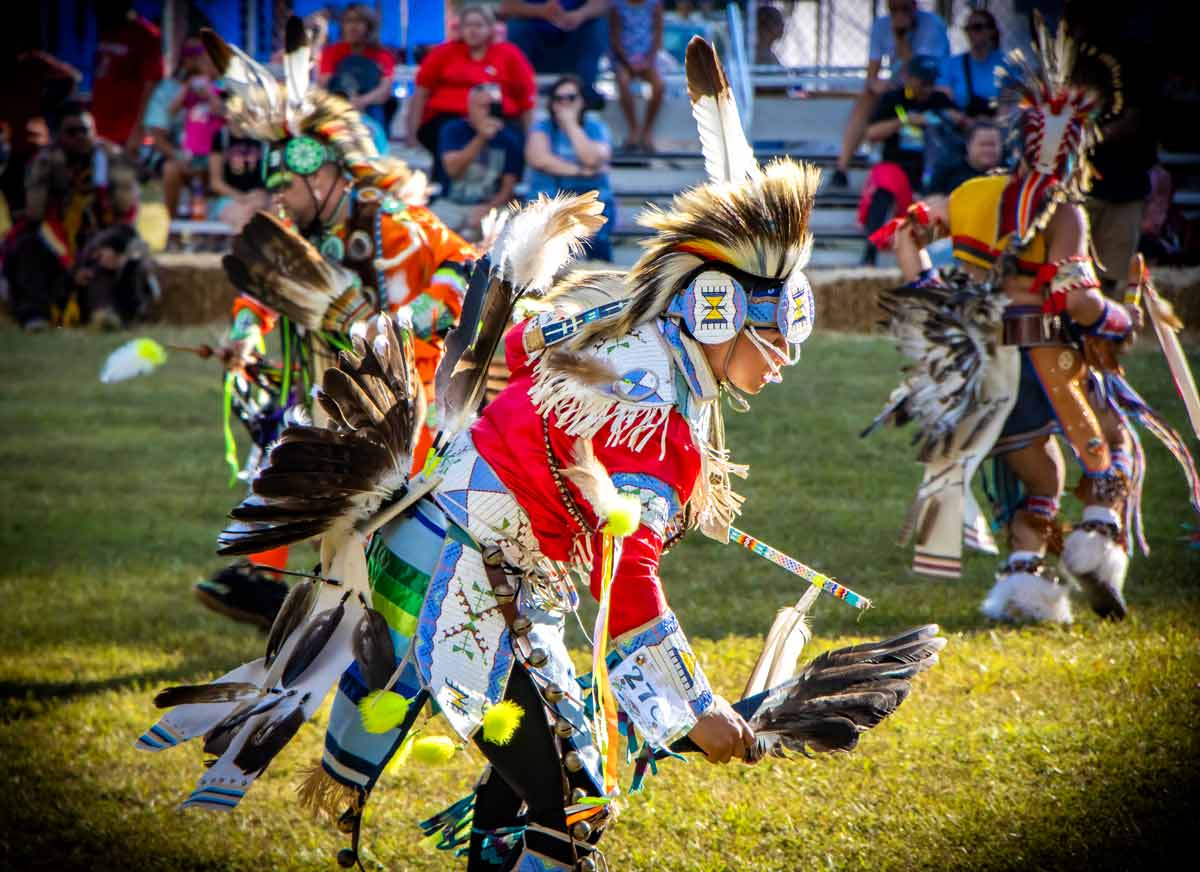
Located in North Carolina, the Lumbee tribe is a young group by Indigenous standards, having been formed in the late 17th or early 18th century. Fleeing the coast and settling around the isolated Lumbee River, the original Lumbee families were descendants of other peoples, including Algonquian and Iroquois, who had occupied the region for thousands of years. Over time, the tribe incorporated others seeking refuge from the new colonizers and their diseases, including some whites and free Blacks.
Though the Lumbee were recognized by North Carolina in 1885, they have not gained federal recognition as a sovereign tribe, unable to fulfill the requirements, which include proving distinct ancestry from previously recognized tribes. The tribe’s ongoing efforts to win federal recognition through alternative means have drawn criticism from other tribes as well. Today, the Lumbee number over 55,000, the largest tribe remaining east of the Mississippi.
9. Iroquois (Haudenosaunee)
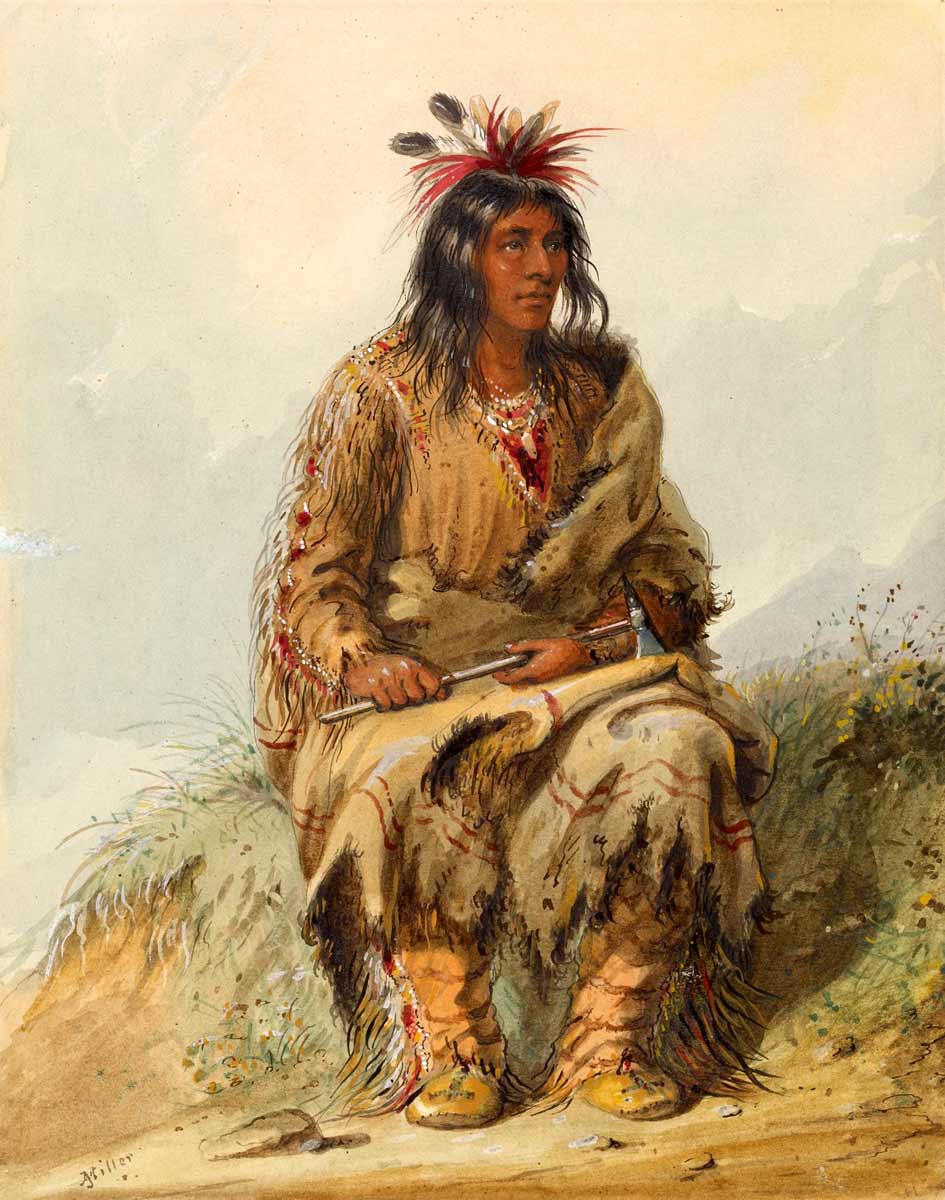
The Iroquois, or Haudenosaunee (“people of the long house”), tribe is a confederacy that likely formed before European contact, bringing together different bands of Iroquoian-speaking peoples, including the Mohawks, Oneidas, Onondagas, Cayugas, and Senecas. When the Tuscarora later joined, it became known as the Six Nations. Historically, its members lived in the northeastern US and southeastern Canada, including parts of New York and Pennsylvania, and governed themselves democratically—the constitution of the Confederacy has been cited as a source of inspiration for the US Constitution. At its peak, the Six Nations conquered or held sway over Indigenous tribes as far south as the Chesapeake Bay and as far west as the Mississippi.
Estimates for Iroquois populations ranged from 20,000 to 70,000 in the 17th century; by the early 20th century, the number had dropped below 10,000. Because it is a confederation, the Iroquois are not federally recognized as an individual tribe, but over 110,000 respondents identified as Iroquois in the most recent census, primarily residing in New York and Wisconsin.
8. Apache (Indé)
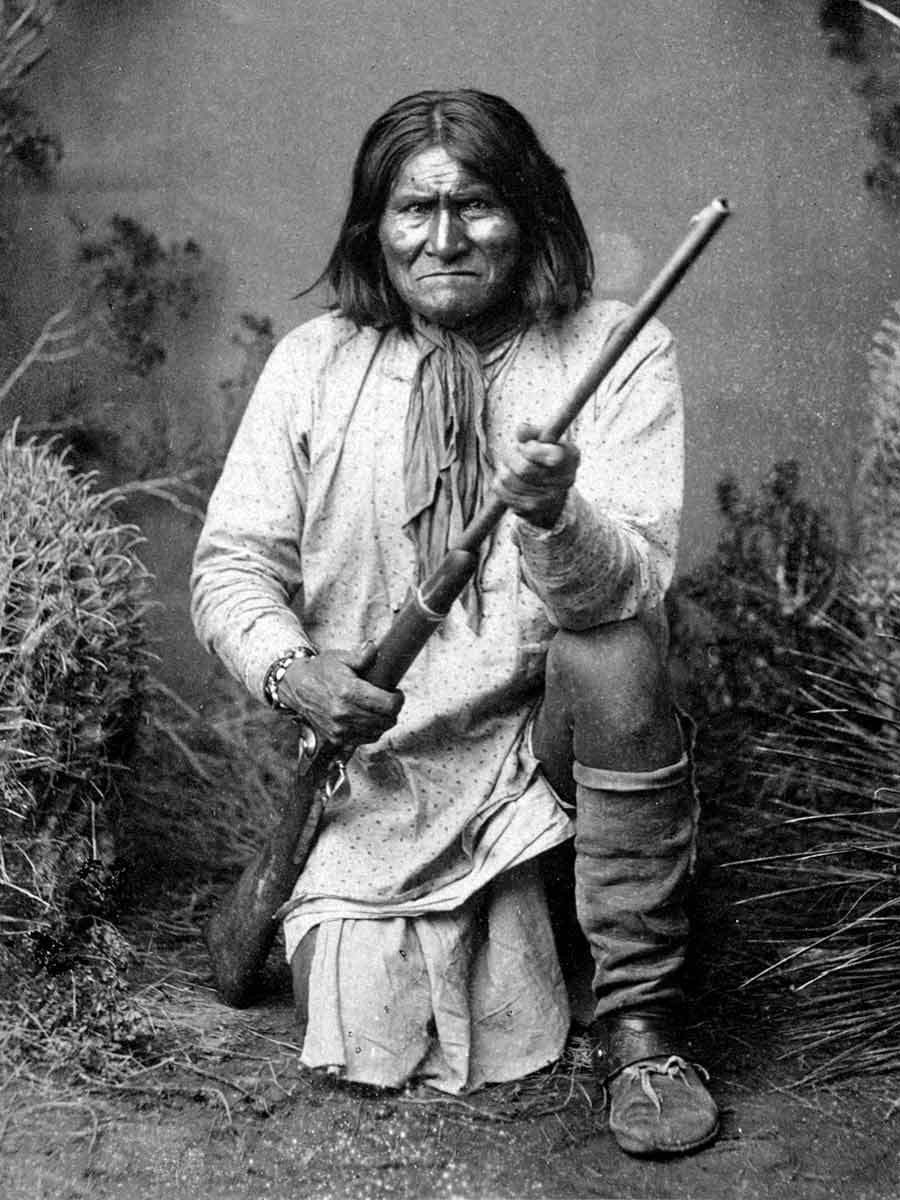
The Apache of the Southwest included numerous smaller bands of Indigenous peoples who traveled from the northwest and settled in the area between 1000 and 1500 CE. The origin of the name “Apache” is unclear, but it was the term used by the first Spanish settlers to encounter them and has largely been used since, though the Apache themselves also use the term “Indé,” meaning “people” in their language. Renowned for their fighting skill and, later, horsemanship, the Apache’s struggles against colonization were largely with the Spanish at first, due to their distance from English settlers.
It was not until after the Mexican-American War in 1848, in which the US gained ownership over a large swath of Mexican territory, including Apache lands, that they had to deal with the US government. The Apache battled against US encroachment on their lands and attempts to move them onto reservations for several decades until they were forced to surrender. From a possible high of 60,000 members in the early 18th century, Apache numbers dwindled to below 10,000 by the turn of the 20th century. Today, nearly 150,000 US citizens claim Apache heritage, primarily in Arizona and New Mexico.
7. Blackfeet (Niitsitapi)
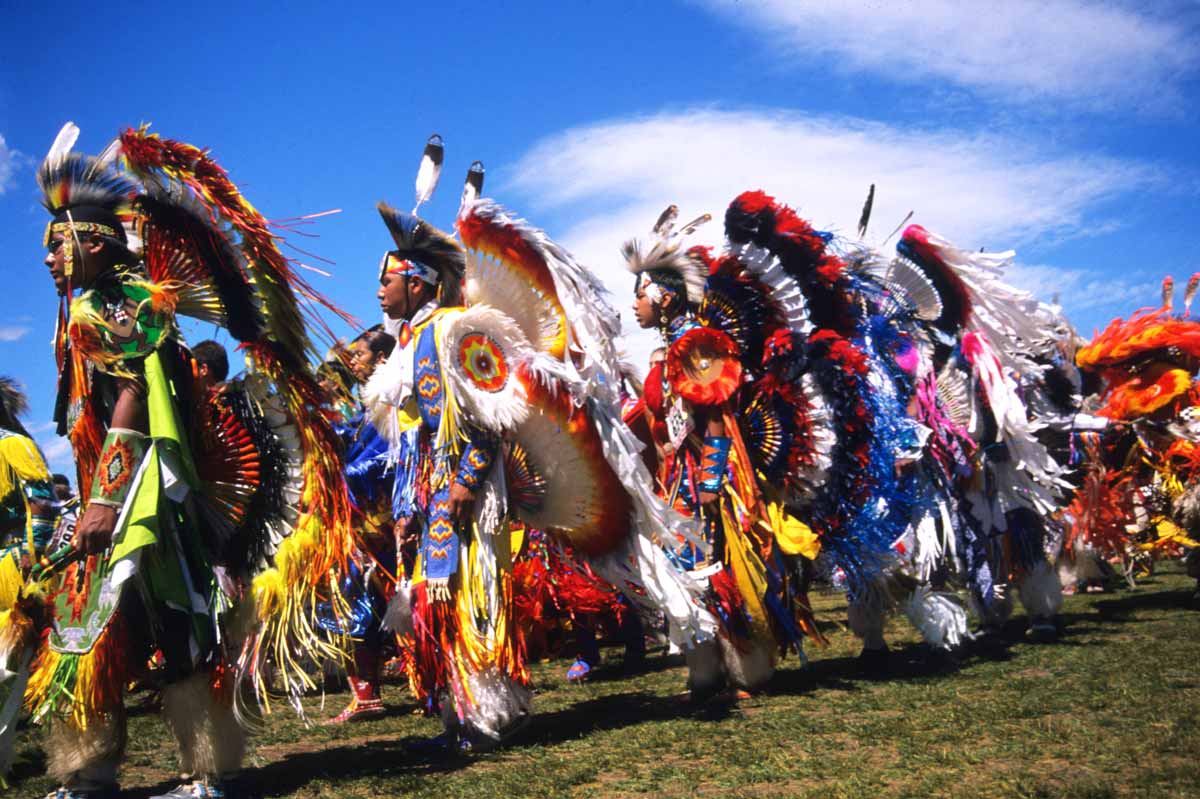
The Blackfeet were once a nomadic tribe that, according to recent DNA evidence, has existed for 18,000 years. Hunters whose primary food source was buffalo, they ranged over the Great Plains, largely in present-day Montana, which is where their largest reservation is today. With the introduction of horses, they were able to follow the herds more efficiently, expanding their numbers and territory. By the early 1800s, there were an estimated 15,000 members, and they were the dominant power in the northern Great Plains, pushing smaller tribes further west.
Though the tribe resisted colonization and displacement, the decimation of the buffalo population by settlers ultimately drove the tribe to starvation and forced them to sign a treaty ceding much of their territory. Today, their 1,525,712-acre Montana reservation is home to 56% of tribal members. The tribe has a current total enrollment of approximately 17,000 members, with many more claiming Blackfeet heritage—nearly 300,000 in the 2020 census.
6. Sioux (Oceti Sakowin)
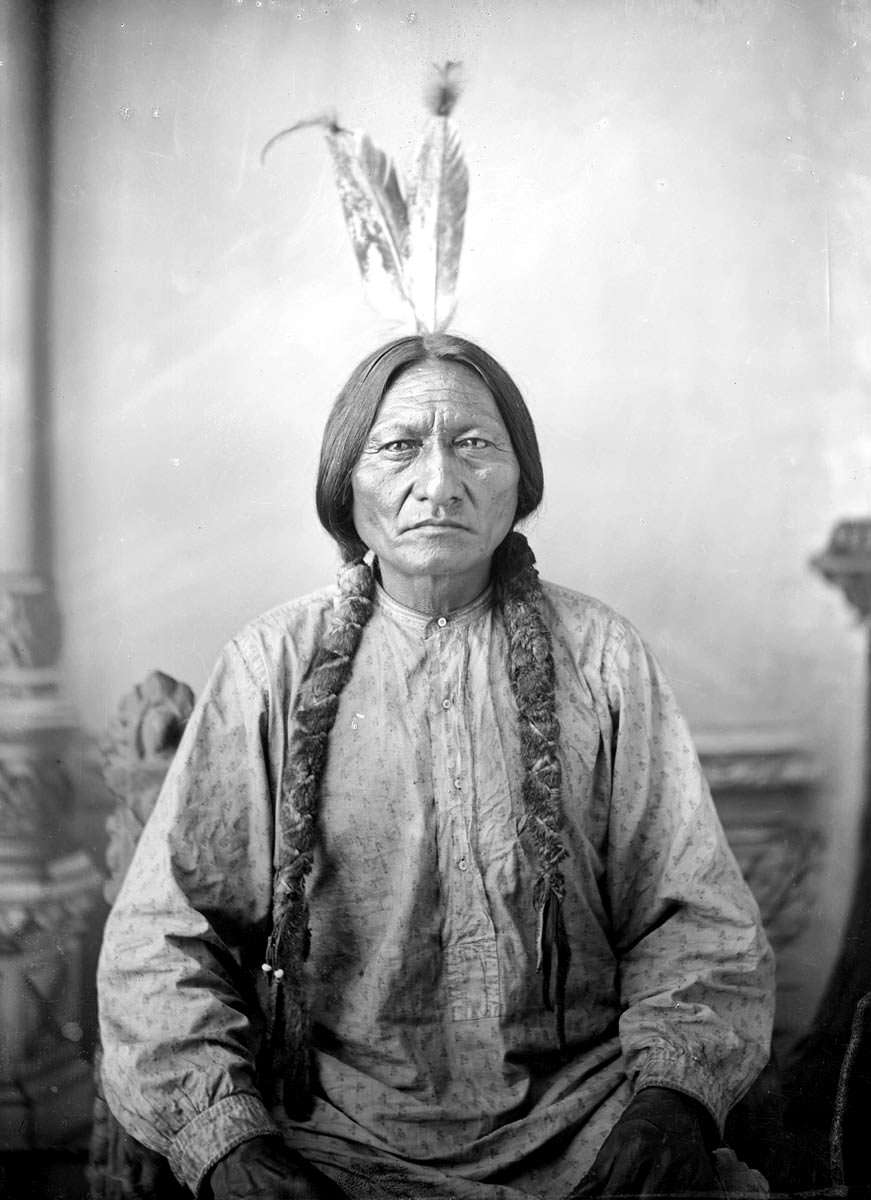
The Sioux, a tribe believed to have existed for nearly 3,000 years, historically occupied the northern Mississippi River Valley and Great Lakes region before moving westward to settle in the Great Plains following conflict with the Iroquois. As with many Indigenous groups, the name “Sioux” was not one the people themselves used but came instead from foreigners, in this case, early French fur traders. The Oceti Sakowin Oyate, or People of the Seven Council Fires, are divided into three smaller subsets, the Lakota, Dakota, and Nakota, based on the dialect of the language they speak.
The most widely accepted estimates for mid-17th-century Sioux populations, extrapolated by historians based on explorers’ encounters, fall between 25,000 and 30,000 members, a number that may or may not have been impacted by disease. It is estimated that over 100,000 Sioux live in the US today, primarily in South Dakota, North Dakota, Nebraska, Montana, and Minnesota. South Dakota’s Pine Ridge Reservation, home to nearly 40,000 members of the Great Sioux Nation, is the second largest in the country.
5. Creek (Muscogee)
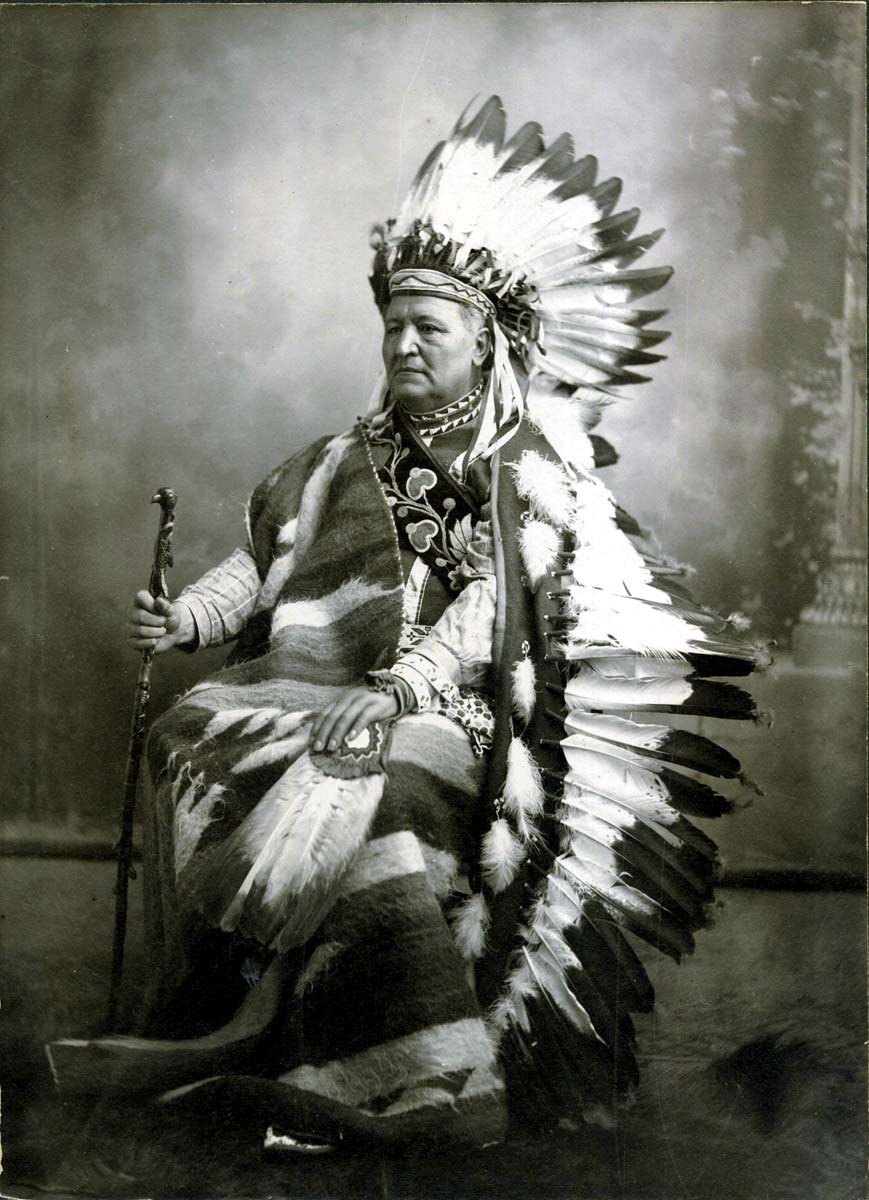
Descended from the Mississippian culture, the “mound builders,” the Muscogee, sometimes called Creek, tribe was actually a confederation of several tribes that occupied what are today Georgia, Alabama, and Florida. Because of their location, they were among the first Indigenous groups on the mainland to encounter Europeans, and, as a result, early victims of their many diseases. Eighteenth-century estimates suggested a population of around 50,000 Muscogee living in autonomous tribal towns. The Muscogee practiced a form of centralized government in which each town had a chief, deputy chief, and a council, which elected the chief for life. Chiefs were then part of a General Council, where issues that impacted the whole tribe were debated and decided.
Following the Revolutionary War, the Muscogee and other southeastern tribes were ultimately forced off their land and moved west of the Mississippi on the Trail of Tears. They settled in Oklahoma, where their numbers rapidly declined, dropping below 10,000 by some estimates by the late 19th century. Today, the Muscogee population is over 100,000, most of whom remain in Oklahoma.
4. Chippewa (Ojibwe or Anishinaabeg)
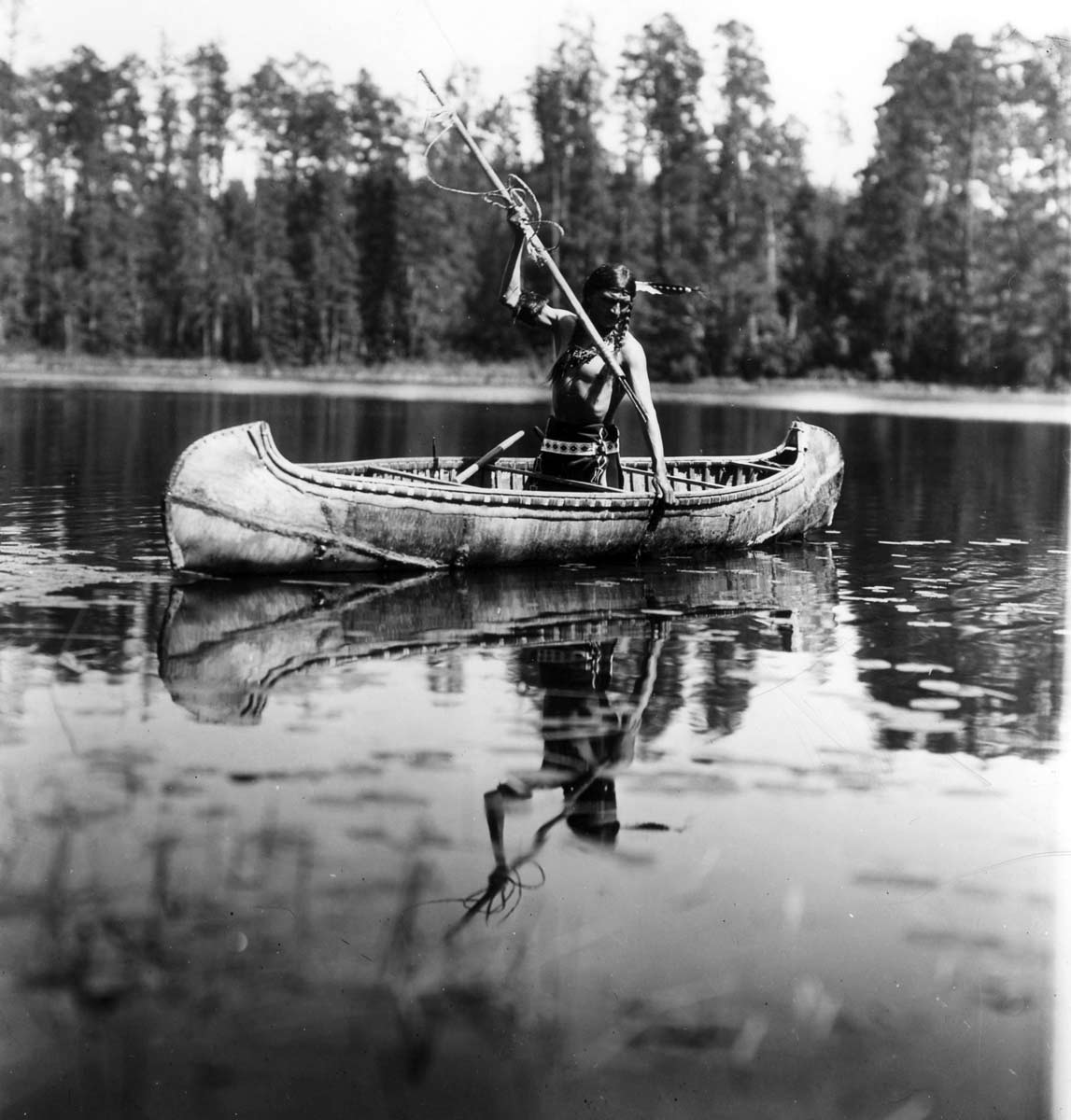
Historically located around the Great Lakes, the Chippewa were early allies of the French fur traders who arrived in that part of the country in the 17th century. Their traditional subsistence practices included hunting, fishing, and harvesting wild rice, but little agriculture. They traversed waterways in birch bark canoes, migrating with the seasons, and introduced numerous other goods and words to the Europeans as well—including toboggans, moccasins, moose, and maple syrup.
The Ojibwe developed a turbulent relationship with the Dakota as they pushed farther west seeking furs for the lucrative trade they had developed with the French, leading to over a century of conflict between the two tribes. Ultimately, the expanding United States brought an end to the conflict by filling disputed lands with its own settlers. As their lands shrank and the fur trade collapsed, the Ojibwe were forced to accept life on reservations and transition to agriculture. Over 130,000 US citizens claimed Chippewa heritage in the 2020 census.
3. Choctaw
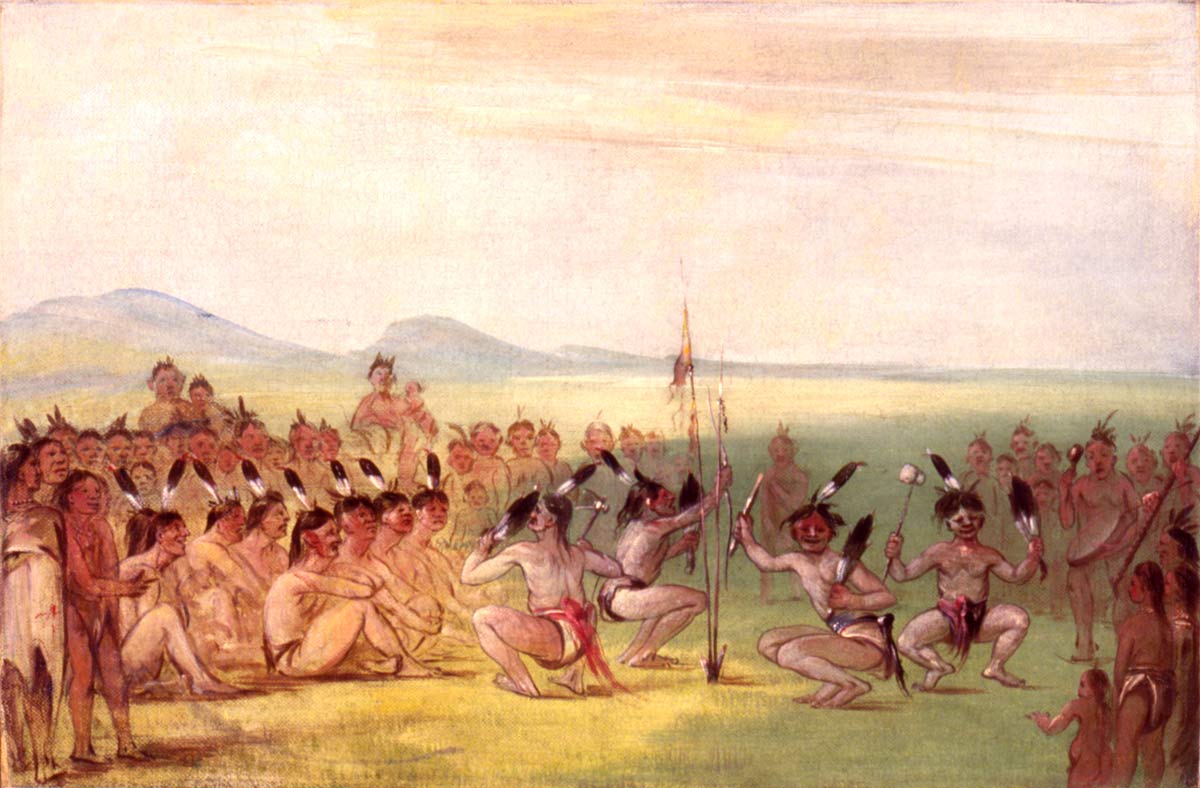
Occupying the Southeast United States for centuries, the Choctaw were skilled farmers and, as such, developed settlements rather than maintaining a nomadic lifestyle. The first records of them appear in French documents from the 17th century, but they likely encountered Spanish explorers even earlier. The Choctaw were a matrilineal society that honored women and venerated Nanih Waiya in present-day Mississippi as “mother mound” and their spiritual origin point.
Early 18th-century estimates put the Choctaw population at 15-25,000. The Choctaw were the first tribe relocated from their ancestral homelands through the Trail of Tears. An estimated 10,000+ were forced to migrate to Oklahoma, with thousands dying along the way, while approximately 5,000 remained in Mississippi and became citizens, but faced ongoing harassment and loss of land. By the early 20th century, censuses reflected a population of around 15,000. As of the most recent census, over 250,000 people in the US claimed Choctaw heritage.
2. Navajo (Diné)
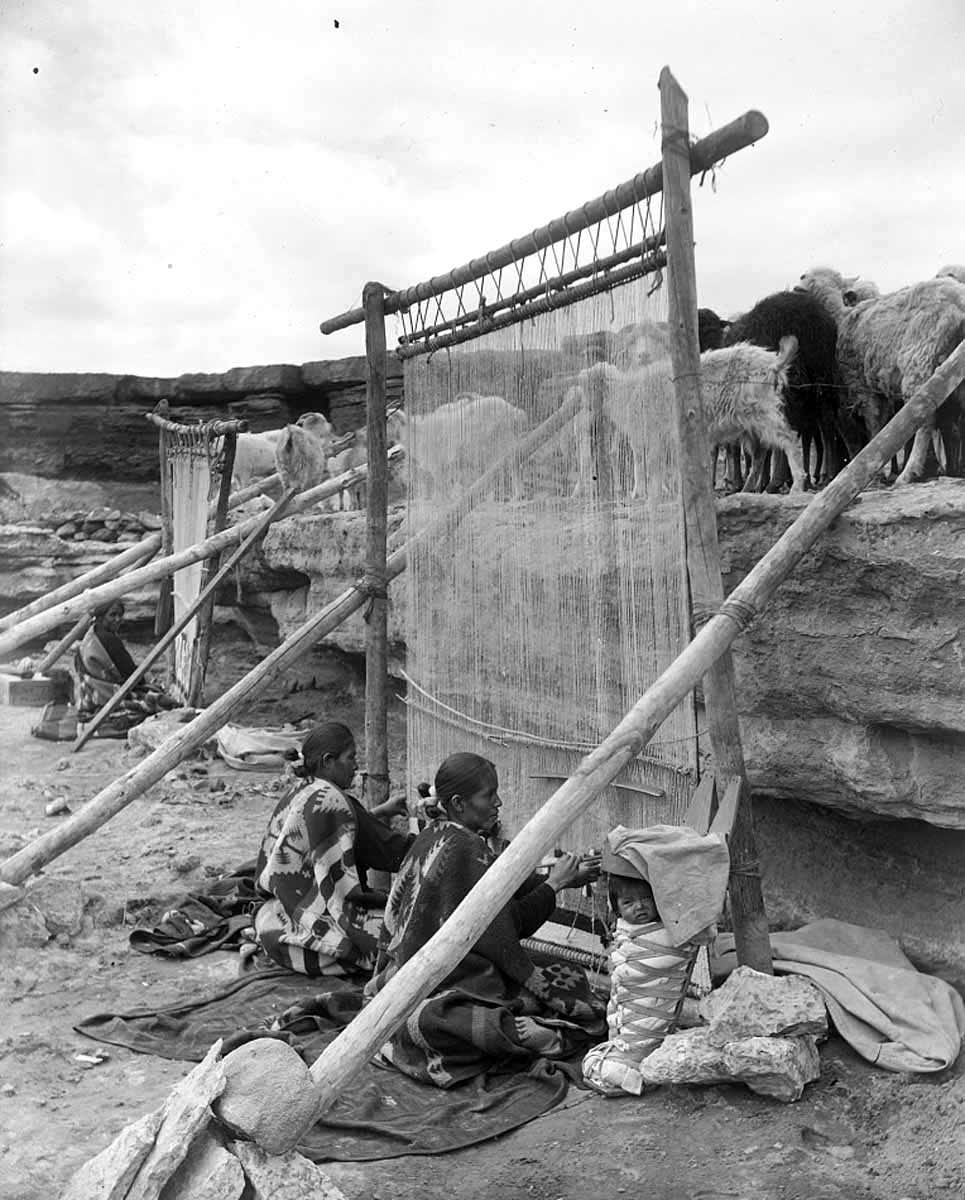
Settling in the Southwest by the 16th century, evidence suggests the Diné people migrated from the Northwest, like the Apache. They were originally hunter-gatherers who learned agricultural techniques from the Pueblo people who preceded them into the southwest. The Diné maintained a strong relationship with the Pueblo, helping them to resist Spanish conquest and enslavement, at least for a time. They had a more turbulent relationship with other tribes in the region, including the Comanche and Ute.
As settlers expanded into the southwest, first from Mexico and then from the United States after the Mexican-American War, the Navajo fought fiercely to retain their territory and way of life. Ultimately, following a “scorched earth” campaign in which villages were burned and livestock slaughtered, 9,000 Navajo were forcibly removed from their lands and marched hundreds of miles to Fort Sumner, New Mexico, essentially an internment camp. Today, members of the Navajo Nation reside primarily in Arizona, Utah, and New Mexico. As of 2021, there were nearly 400,000 members enrolled.
1. Cherokee
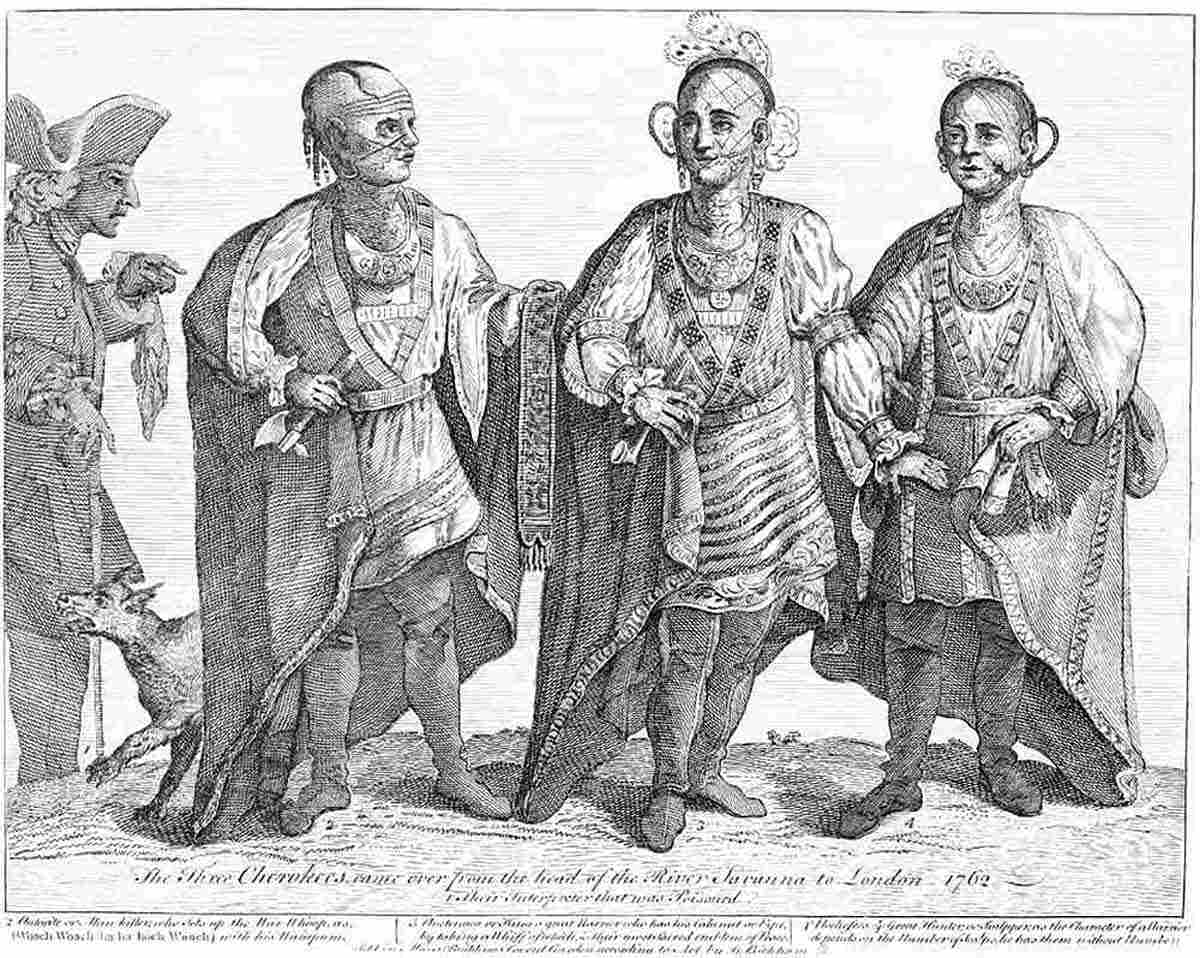
Located in the Southeast, at the time of first contact, Cherokee territory included, in part or whole, present-day West Virginia, Kentucky, Virginia, North Carolina, Tennessee, South Carolina, Georgia, and Alabama. Unlike most other tribes in southern Appalachia, the Cherokee spoke a language belonging to the Southern branch of the Iroquoian language family, suggesting that the tribe had split from the Great Lakes tribes in the distant past.
The Cherokee were first encountered by the Spanish in the 16th century. For hundreds of years after Europeans first set foot on the continent, the Cherokee struggled to maintain their ancestral lands while also trading and coexisting with settlers. By the early 19th century, significant land loss as well as unrelenting pressure to abandon what territory remained drove some Cherokee west of the Mississippi. The majority of those left were forced out after the Indian Removal Act of 1830. Over 16,000 Cherokee traveled the Trail of Tears, as many as a quarter dying along the way. A small band managed to evade government forces and remain in North Carolina.
In the 2020 census, over 1.5 million respondents claimed Cherokee heritage; the Cherokee Nation, however, has 450,000 registered members.
*Numbers throughout are approximations. It is difficult to estimate populations of tribes prior to Europeans’ arrival; disease spread faster than colonizers themselves, meaning many Indigenous groups had already been impacted by European illnesses long before they physically encountered settlers. Since European settlement, disputes over who “counts” as Indigenous have resulted in varying numbers reported by different entities, through to the present day.