
When the CIA was founded in 1947, few people could believe that it would become one of the most powerful intelligence agencies in the world. The early history of the CIA was marked by failures, crises, and uncertainty about its purpose. While the Agency saw limited success during its early years, it gained confidence from a few successful missions which served to advance American strategic interests and became increasingly ambitious in its operational planning over the course of the Cold War.
The OSS and WWII
Throughout American history, the lack of a centralized foreign intelligence service made it difficult for the US government to identify the wishes and motives of its adversaries. This was a particular problem leading up to the attack on Pearl Harbor, which the US military failed to stop in part due to a lack of intelligence. American military operations during World War II were initially marred by poor intelligence, leading to the creation of the United States’s first foreign intelligence service: the Office of Strategic Services.
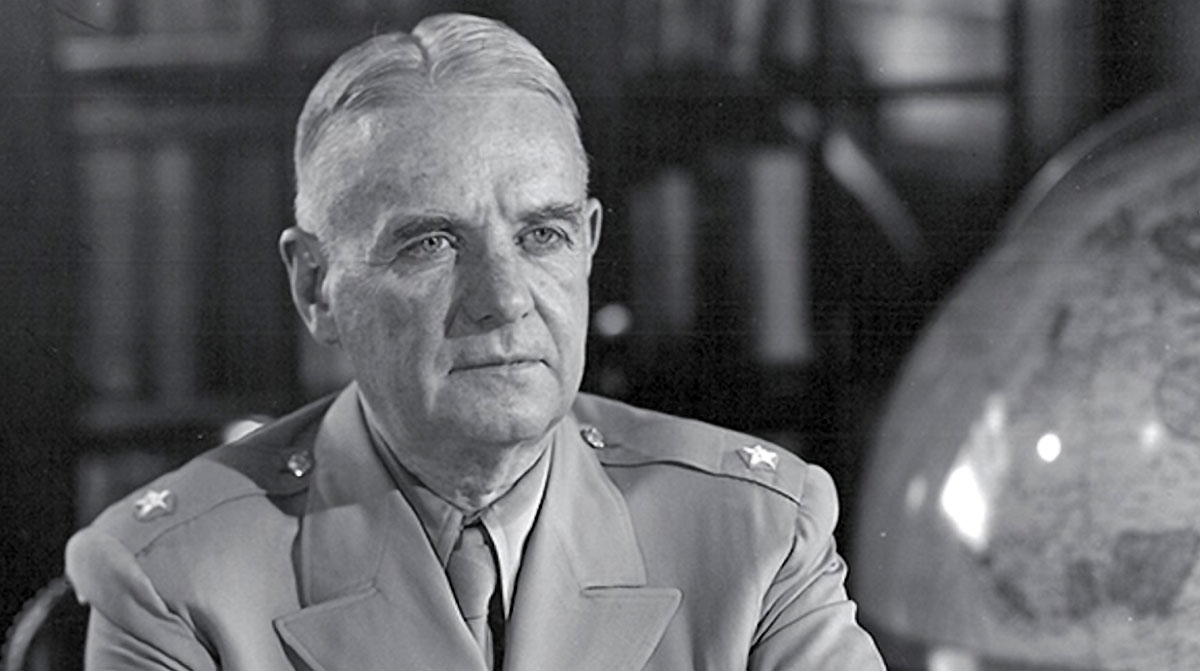
The OSS was founded by General William Donovan, who desired to copy British intelligence practices as the model for OSS activity. Small teams were dropped behind the frontlines in Europe and Asia and helped to organize resistance activity against the Axis occupiers. This included teams like the Jedburghs, who dropped into Normandy prior to the D-Day landings. The OSS also sent spies into neutral countries to monitor whether they would join the Axis alliance. One of these, Allen Dulles, would become a director of the CIA in the 1950s.
While the US military prohibited the OSS from operating in certain theaters of the war, the OSS’s contribution was valued by the White House because of the intelligence they collected and the operations they conducted. However, as the war drew to a close in 1945, some policymakers in Washington questioned whether the organization still had a purpose during peacetime. As a result, it was abolished after the Japanese surrender in September 1945. Intelligence collection briefly reverted to the separate intelligence sections of each branch of the military.
Creation of the CIA, 1947
Many OSS veterans were deeply concerned about the dissolution of their agency. A congressional committee on the Japanese attack on Pearl Harbor found that the lack of centralized intelligence collection enabled the attack. Therefore, pressure on the US government increased to create an agency operating in the same manner as the OSS. The start of the Cold War and the power of the Soviet intelligence agencies concerned the White House. The creation of the modern national security state came from this fear.
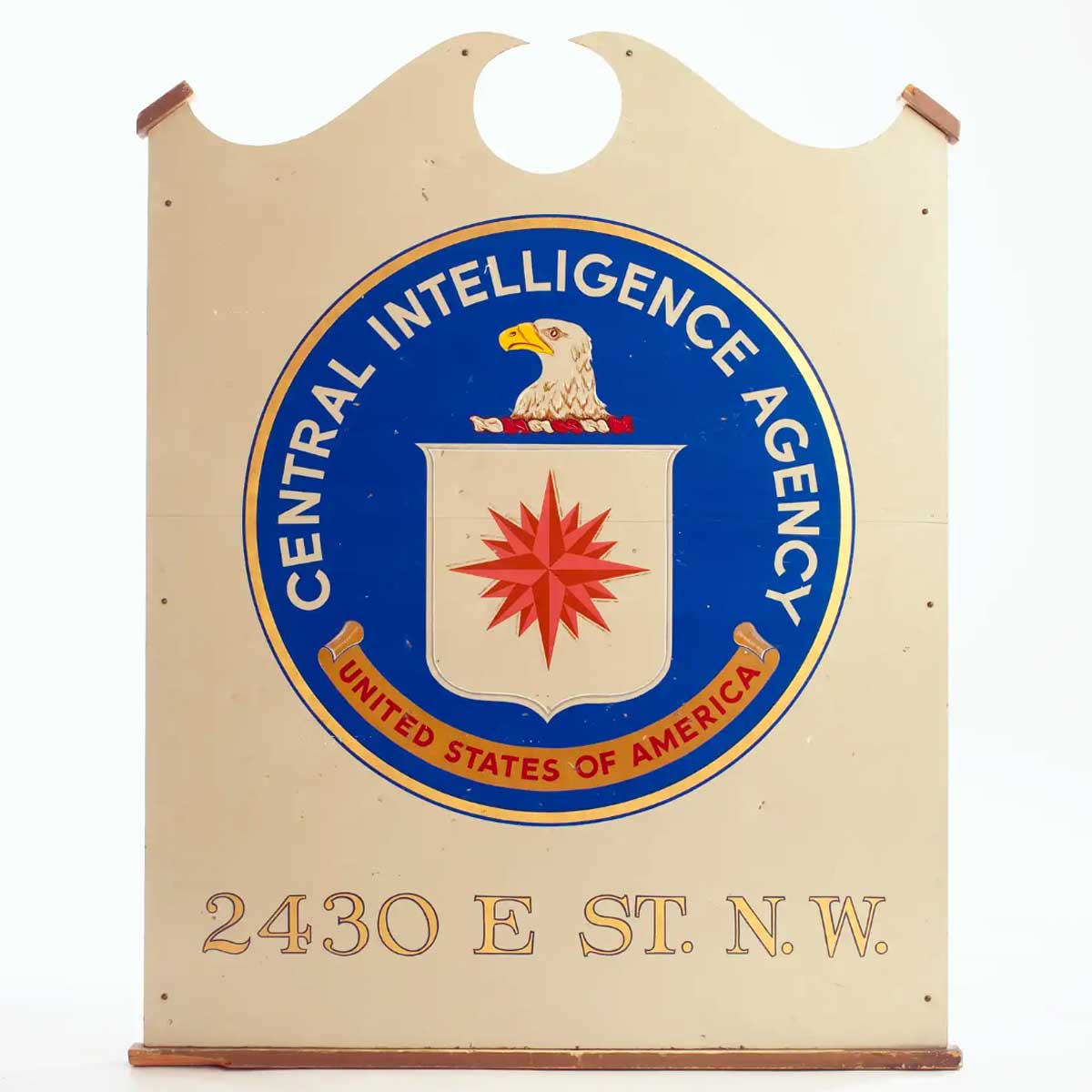
When President Truman envisioned the rebuilding of a foreign intelligence service, he believed it would function as an information-gathering organization. However, covert operations were popular with OSS veterans who made up a large portion of the CIA’s early rank-and-file. The history of the CIA began with the passage of the National Security Act of 1947, which gave the newly created agency a long list of responsibilities beyond the mere gathering of information. Directive NSC 10/2, introduced shortly afterwards, gave the CIA the ability to undertake covert action against targets outside the United States.
The CIA took some time to develop into a fully fledged agency; the CIA Act of 1949 created different departments of the Agency and allocated a yearly budget. Its initial directors were military officers because Congress believed they understood intelligence work. Because the CIA was a civilian agency, it would subsequently be run by civilians throughout the rest of its existence, except for Admiral Stansfield Turner during the Carter administration. While it took time for the CIA to get a building and administration, it began undertaking spying and covert actions immediately.
The CIA in the Late 1940s
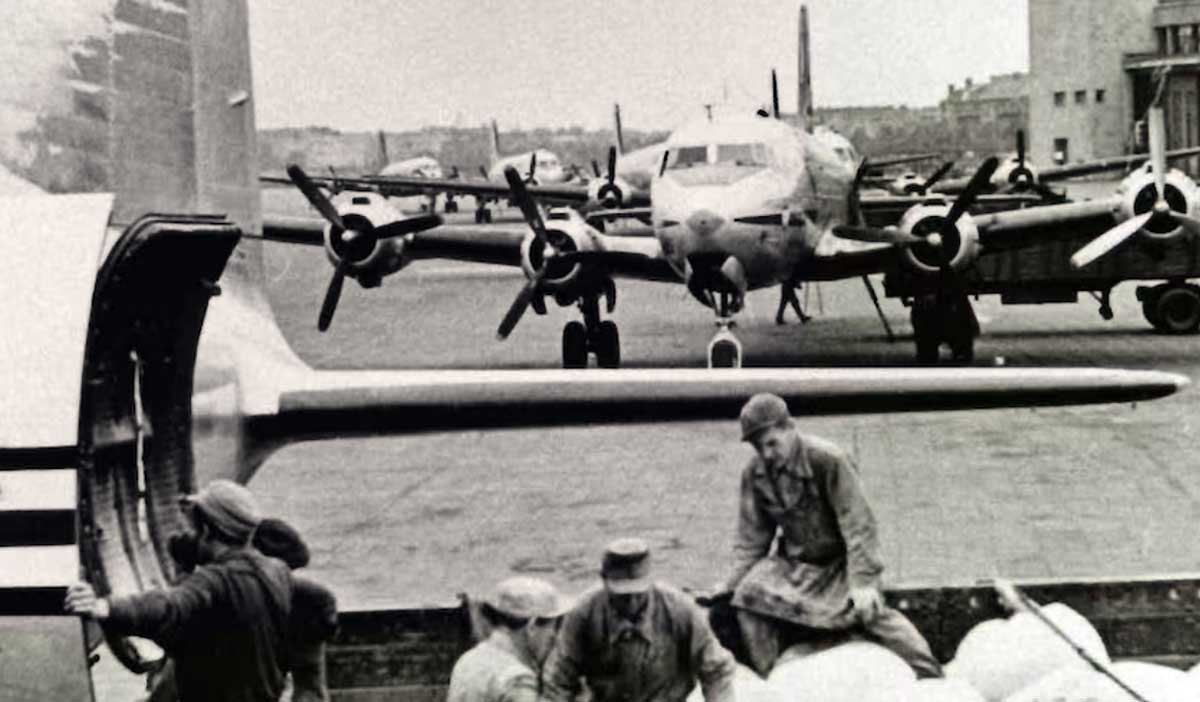
The chaotic end to the Second World War led to further conflicts that became a part of the larger struggle between the US and the USSR. In 1948, the Soviets caused one of the first crises of the Cold War when it blockaded West Berlin. That same year, the First Arab-Israeli War broke out. The CIA was unprepared for both events and lacked proper intelligence; some of its officials even thought that Israel was to become a Communist state under the Soviet aegis. Nonetheless, it began to act to stop the spread of Communism quickly with a variety of operations.
In 1948, Italy held parliamentary elections that saw a pro-Western government face a serious challenge from the Italian Communist Party. The fear that yet another country could fall into the Soviet orbit spurred the US government into action. Files released at the end of the Cold War revealed that the CIA actively sought to sway the elections in favor of the parties aligned with Washington. In part to the CIA’s efforts, the Communists lost and Washington got the election result it wanted. It was the start of the CIA involving itself in other countries’ political affairs.
When the French army began to fight to restore colonial rule in Indochina against the Communist Viet Minh, it required major American assistance. France requested the assistance of the CIA in gathering intelligence on the Communists. The CIA also set up a company to fly supplies to French troops known as the Civil Air Transport Corporation.
CIA Failures in the 1950s
Even though France lost the First Indochina War, the CIA was not deterred in its commitments. Through the 1950s, the Agency expanded its counter espionage and covert operations, despite efforts to rein it in. Efforts to foment chaos within the Soviet Union failed because of formidable robust Soviet intelligence, and the CIA’s efforts to prevent the Communist takeover of Eastern Europe were mostly unsuccessful. When the Korean War began in 1950, the Agency was caught off guard because of its lack of sources in North Korea. Opposition from US military commanders meant that its involvement in the war was limited.
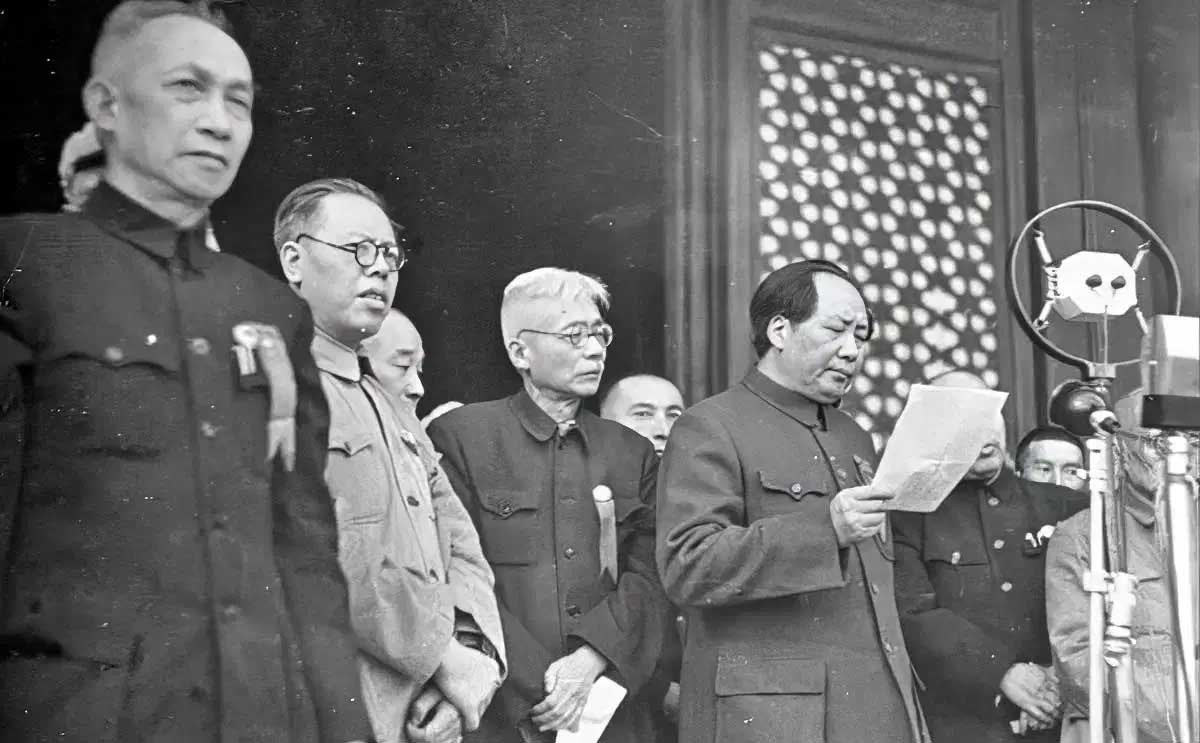
During the Korean War, the United States faced a new Cold War foe: Communist China. The Communist victory in the Chinese Civil War changed the balance of power in Asia, causing further panic in Washington. Even though the OSS had operated in China during World War II, the CIA found it lacked intelligence on the new regime. An effort to parachute agents into the country failed miserably. Subsequent operations in China were no more successful because of a general ignorance of Chinese affairs within the Agency’s ranks. The failures in Korea and China highlighted the weaknesses within the CIA’s organizational structure.
CIA Successes in the 1950s
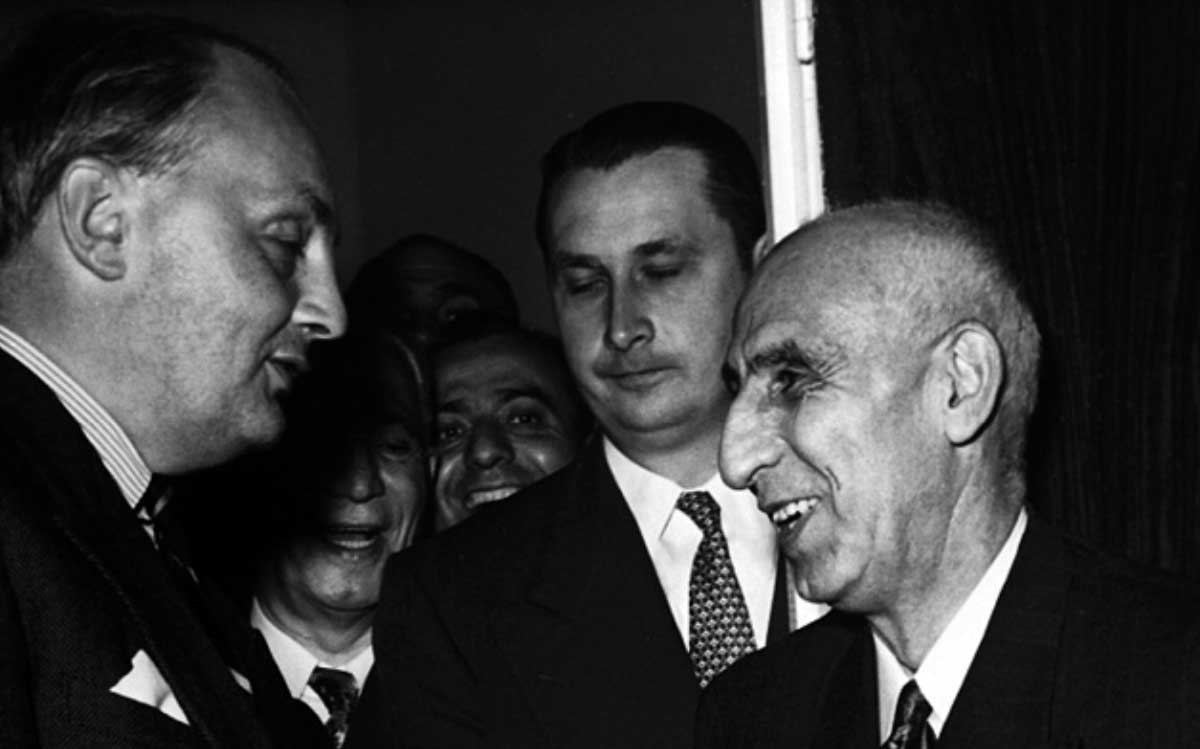
Balancing these failures were two successful covert operations undertaken during the Eisenhower Administration. In 1952, Iranian prime minister Mohammad Mossadegh nationalized the Anglo-Iranian Oil Company, provoking the fury of both the Americans and the British. Operation AJAX was enacted to remove Mossadegh and replace him with the more-compliant Shah, Mohammad Reza Pahlavi. This operation proved to be a success but would lead to major problems in the future after the shah was overthrown in the Iranian Revolution 1979.
At the same time, Guatemalan President Jacobo Arbenz sought to take control of banana farms owned by an American company. While Arbenz had ties to the Communist Party, he was not himself a Communist. Nonetheless, the CIA pushed for his removal and carried out Operation PBSUCCESS, which deposed Arbenz in favor of a military junta friendly to American interests. While the coup contributed to serious unrest that plagued Guatemala for the rest of the Cold War, it was seen as a major victory by the Agency at the time.
These successful operations managed to restore confidence within the ranks of the CIA and encouraged them to be more aggressive. The realization that a hot war with the Soviets was not feasible meant that intelligence work became much more important. Drawing on the OSS’s experiences during the Cold War, the CIA became very ruthless in its operational planning, far beyond the vision of intelligence gathering initially imagined by President Truman. This helped shape the CIA’s conduct throughout the rest of the Cold War.
Impact of the CIA’s Early Years
The start of the CIA’s operations in the Cold War proved that the Agency was more effective in covert operations than in basic intelligence work. The legacy of the OSS left an imprint on the CIA because much of the rank-and-file came from OSS missions in WWII. As a result, the CIA devoted enormous resources to covert action, almost mirroring the KGB. Its aggressiveness helped build up its reputation as a formidable foe of the Soviets.
However, its counterintelligence left a lot to be desired. The initial lack of sources in Eastern Europe meant that efforts to undermine Soviet unity failed miserably. Only at the end of the Cold War did the CIA have a clear picture of events behind the Iron Curtain. The Soviets managed to infiltrate the Manhattan Project and recruited the Cambridge Five. These failures were not solely the CIA’s fault, but they harmed its reputation. On top of its failures in Asia, this indicated that the CIA lacked a clear picture of what was happening in large parts of the world.
The CIA’s early covert activity also led to its members embracing controversial tactics without much overall gain. Regime change in Guatemala and Iran may have pleased policymakers in Washington but did not alter the trajectory of the Cold War. Operation MKULTRA, a CIA experimental mind control program, was a miserable failure. These operations led to temporary successes but harmed the CIA’s reputation later on. Even today, the early history of the CIA continues to define its image.