
At the height of the Troubles, bombs were normal for many people in Northern Ireland, particularly in Belfast and Derry. For people living and working in London, they were anything but normal. When the Irish Republican Army (IRA) unit led by Dolours and Marian Price, two sisters from Belfast, planted four bombs in the British capital in 1973 (two of which were defused in time), the news shocked the world. The conflict that had raged in Northern Ireland for almost five years had finally reached London, the heart of the British Empire. It was only the beginning. IRA bombings would continue to rock London again and again until the official end of the Troubles in 1998.
1. 1975, the London Hilton Hotel Bombing
When Dolours Price, her sister Marian, and the other members of her active service unit (ASU) of the Provisional Irish Republican Army (IRA) were caught trying to fly back to Ireland on March 8, 1973, after bombing the Old Bailey in London, the IRA leadership realized they had made a tactical error. As a result, they upgraded the bombing campaign in England by deploying a smaller, highly trained ASU to act as a sleeper cell based in London, carrying out various attacks on military and symbolic targets across London and southern England.
The cell became known as the Balcombe Street Gang. Joe O’Connell, from Kilkee in rural County Clare in the Republic of Ireland, was the unit’s bomb-maker. He flew from Shannon Airport, County Clare, to Heathrow in early August 1974, along with Glasgow-born Hugh Doherty, Eddie Butler, and Harry Dugan, and rented a flat in Fulham, West London.
Ironically, Duggan was born in Kilburn, north-west London, to Irish parents from Feakle, County Clare. Over the course of 15 months, from October 1974 to December 1975, the Balcombe Street Gang (also known as the Balcombe Street Four) carried out around 40 bomb and gun attacks in London, sometimes twice a month (as in December 1974) and sometimes hitting the same targets twice. One of these attacks was the bombing of the London Hilton Hotel on September 5, 1975.
At 12:18 pm, a homemade bomb was detonated in the lobby of the Hilton Hotel on Park Lake, a 28-story hotel in the Mayfair district and overlooking Hyde Park. 43 years later, on January 15, 2018, Irish singer Dolores O’Riordan (1971-2018) was found dead in the bathtub of one of the hotel’s rooms. About 20 minutes before the explosion, the IRA called the offices of the Daily Mail to warn them.

The warning was received by switchboard operator Albert Prick, who later recalled: “A man with a soft Irish voice said, ‘A bomb will explode at the Hilton Hotel in 10 minutes’. I tried to hold him on but he merely repeated: ‘Hilton Hotel in 10 minutes.’” The Daily Mail immediately contacted Scotland Yard and three officers were sent to evacuate the building. Although the bomb went off some 20 minutes after the warning, neither the hotel nor the surrounding area had been fully evacuated.
The New York Times reported at the time that about 100 people were in the lobby when the explosion shattered the front entrance. One of the hotel’s cashiers, Judith Halt, reported “There was a huge explosion and part of the ceiling came down on our heads. The air was full of dust, and when it cleared everything was in complete shambles.” Two people were killed and dozens were injured. One of the victims was a woman, 38-year-old Dutch tour operator Grace Lodhuis. The other was Robert Anthony Lloyd, a casino manager with a wife and two kids.
2. 1982, Bombs in Hyde Park and Regent’s Park
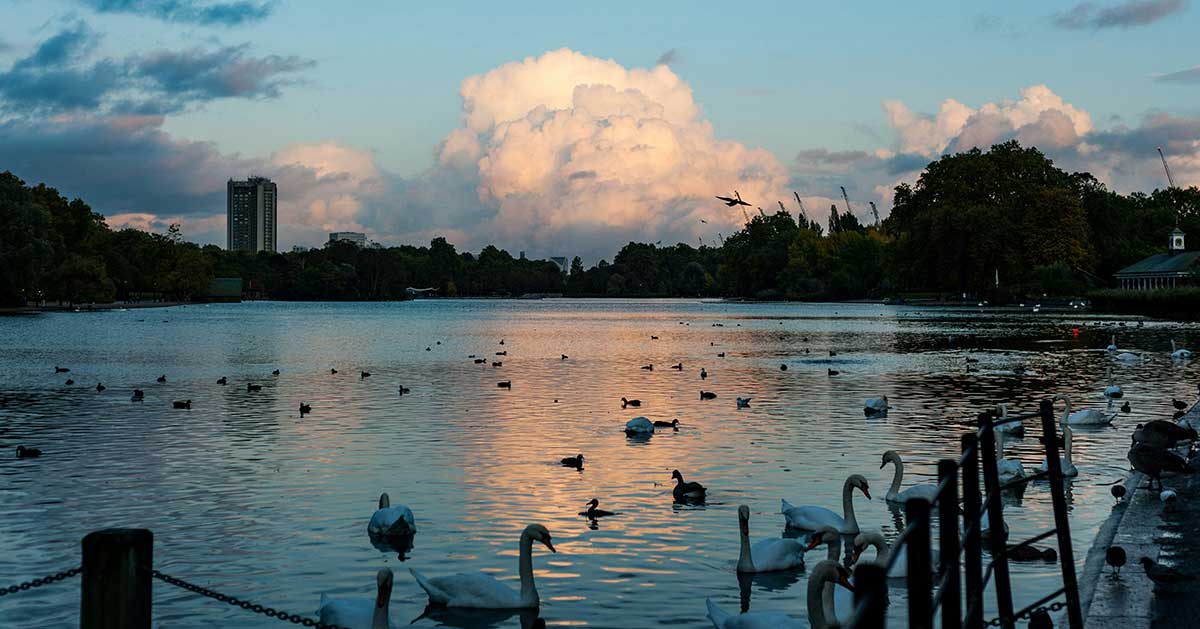
Late on the morning of July 20, 1982, the soldiers of the Household Cavalry (HCAV) were riding down South Carriage Drive, from their barracks in Knightsbridge, south of Hyde Park, to the Horse Guards Parade off Whitehall in central London, as part of their daily Changing of the Guard procession. What they didn’t know was that the IRA had planted a nail bomb placed in a blue Morris Marina parked on South Carriage Drive, in Hyde Park. The bomb went off at 10:43 am.
The Household Cavalry is made up of two regiments: the Life Guards and the Blues and Royals. The four soldiers who died in Hyde Park on July 20 were all from the Blues and Royals. Two of them, Jeffrey Young and Simon Tipper, were 19 years old. Dennis Daly was 23 and Roy Bright was 36. Three of them died instantly, while another, their standard-bearer, was badly injured and died three days later. Seven horses also died. Most of them had to be put down because of their injuries.
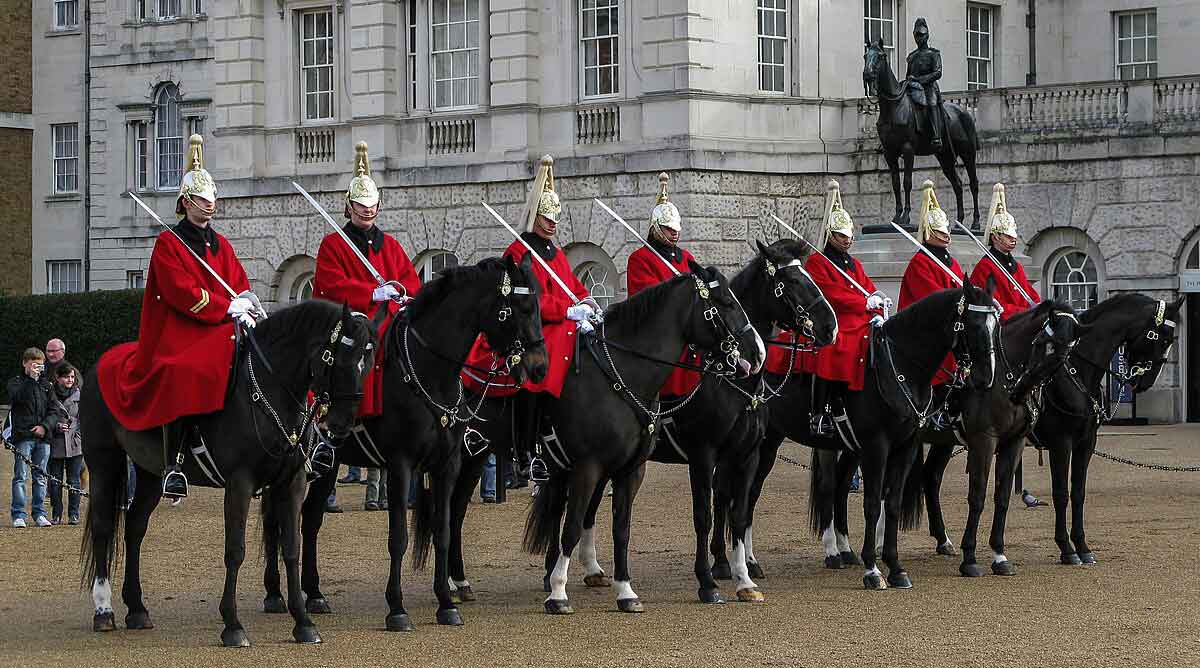
One of the horses, Sefton, survived, as did his rider, Michael Pedersen. 30 years after the attack, in September 2012, Pedersen committed suicide after killing two of his children. He reportedly suffered from post-traumatic stress disorder.
That same day, at lunchtime, 30 military musicians from the Royal Green Jackets were performing a concert on the open-air bandstand in Regent’s Park, in north-west inner London. They were playing music from Oliver! to an audience of around 120 people when a bomb placed under the bandstand exploded at 12:55 pm. Six band members were killed instantly. A seventh died on August 1. Two of them, George Mesure and Laurence Smith, were 19 years old. Graham Barker was 36, John Heritage 29, Robert Livingstone 31, John McKnight 30, and Keith John Powell was 24.
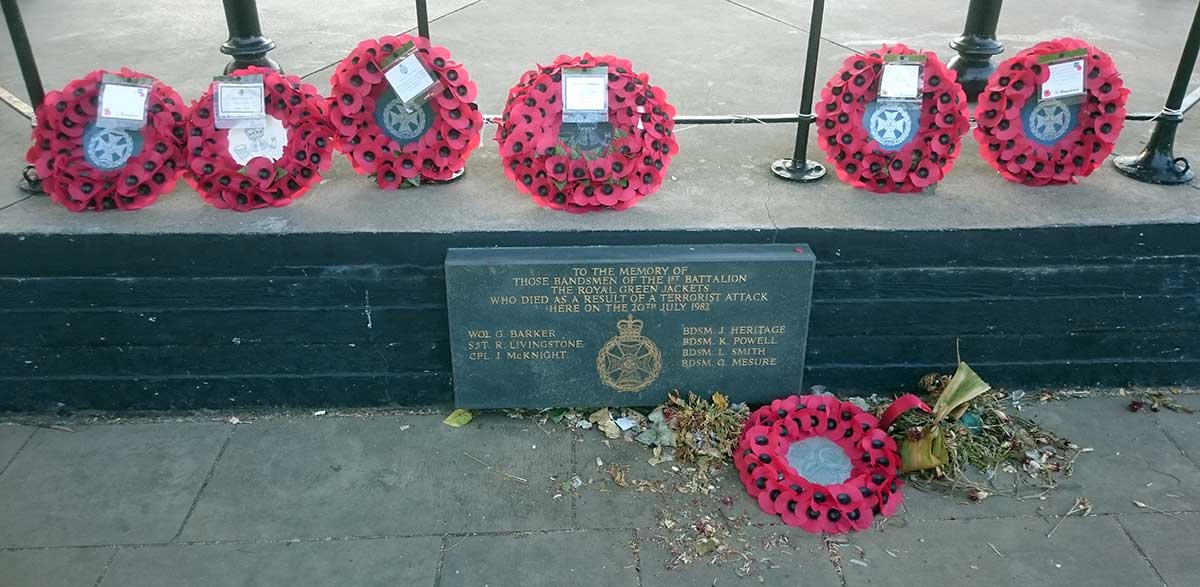
34 years after the blast, Keith Powell, the son of one of the Regent’s Park’s victims, wrote: “I want to know why, after the first IRA blast at Hyde Park this gig was allowed to go ahead. With members of the Royal Green Jackets playing the musical piece to Oliver Twist to many civilians whilst a mile down the road there is total carnage.” His written evidence was submitted to the Northern Ireland Affairs Committee’s inquiry into British Government support for British victims of IRA attacks using weapons supplied by Libyan dictator Muammar Gaddafi (1942-2011) and used by the Provisional IRA in various bombings in the 1980s and 1990s. That day, Powell’s father was standing directly under the bomb. He was killed instantly.
3. 1983, the Car Bomb Outside Harrods
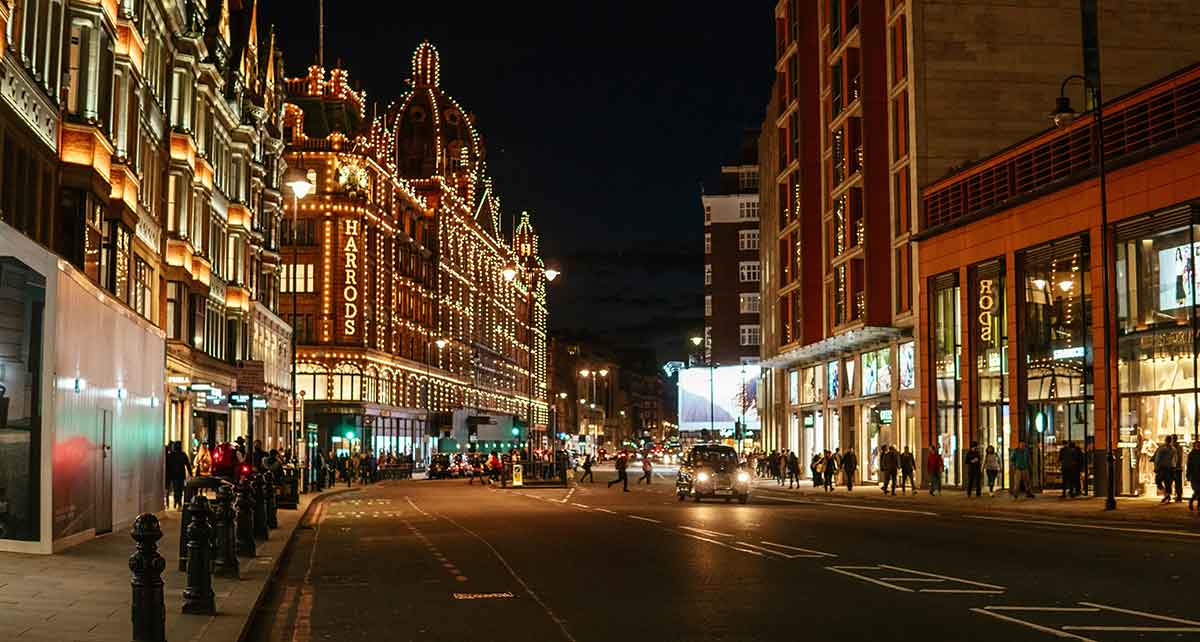
December 17, 1983, was a Saturday, the last Saturday before Christmas. Shortly after lunch, members of the IRA parked a 1972 blue Austing 1300 car in Hans Crescent, outside the side entrance to Harrods, the popular British luxury department store. It contained 25 to 30 lbs (11 to 14 kgs) of explosives. At 12:44 pm, an IRA man phoned the Samaritans to warn them of a car bomb outside Harrods and, as usual, gave the registration plate of the car. About 40 minutes later the bomb exploded.
The blast was so powerful that it damaged five floors of Harrods. A shower of glass rained down on the cars parked in Hans Crescent. 24 of them were badly damaged. One of the attack’s survivors, Mina Jadeja, specifically remembers “a lot of glass from the windows of the Harrods shop flying around” as plumes of smoke rose again over London.
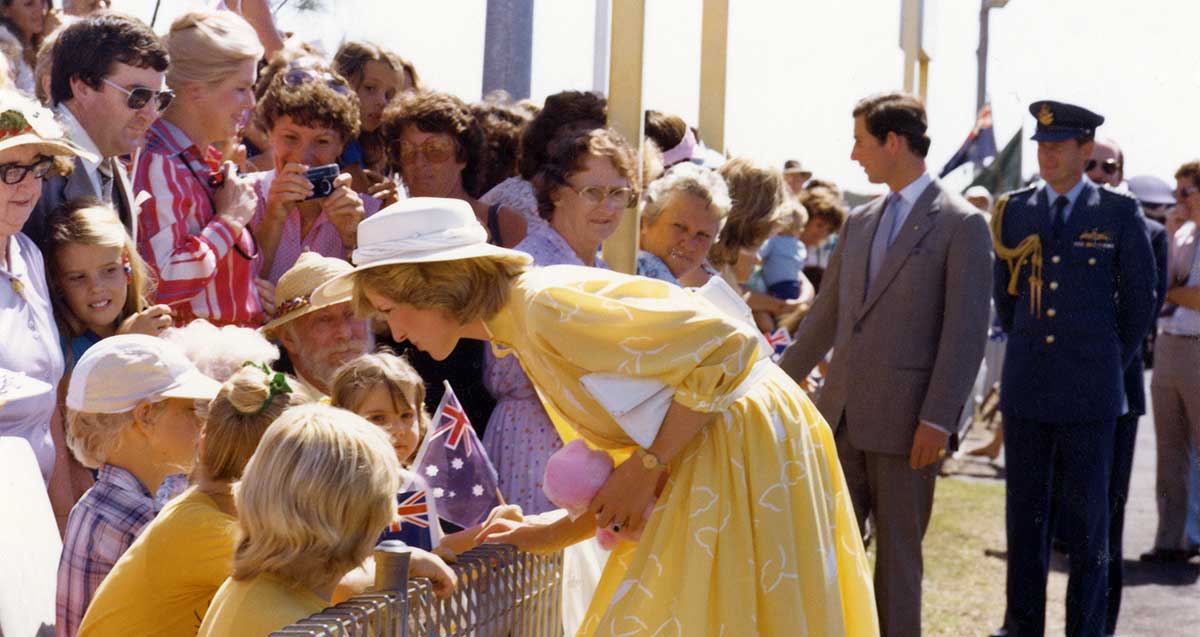
In the days that followed, Prince Charles and Lady Diana (1961-1997) went to the hospital to meet with Jadeja’s nephew, Rajan Parmar, who had also been injured in the blast. In the end, six people were killed. One was a 24-year-old journalist, Philip Geddes. Another, Kenneth Salvesen, was a 28-year-old American citizen. The third bystander was Jasmine Cochrane-Patrick, aged 25. The other three victims, Sergeant Noel Lane (28), Constable Jane Philippa Arbuthnot (22), and Inspector Stephen Dodd (34), were Metropolitan Police officers. Dodd died from his injuries on 24 December.
Around 90 people were injured, including another police officer, Constable Jon Gordon, who lost part of a hand and both legs. One of Arbuthnot’s colleagues, Pamela White, was evacuating the street when the bomb went off. In 2015, she recalled the “kind of daze” she was in for many weeks after the attack, despite not being seriously injured.
She also remembered the feelings of exclusion and isolation from her colleagues, as well as the guilt towards her colleagues who had died. She was eventually diagnosed with PTSD. The day after the attack the IRA Army Council issued a statement claiming responsibility for the bomb, and regretting “ … the civilian casualties, even though our expression of sympathy will be dismissed.”
The statement also claimed that the “Harrods operation” had not been authorized by the IRA and that they had “ … taken immediate steps to ensure that there will be no repetition of this type of operation again. The volunteers involved gave a 40 minutes specific warning, which should have been adequate. But due to the inefficiency or failure of the Metropolitan Police, who boasted of foreknowledge of IRA activity, this warning did not result in an evacuation. […] Finally, we remind the British Government that as long as they maintain control of any part of Ireland then the Irish Republican Army will continue to operate in Britain.”
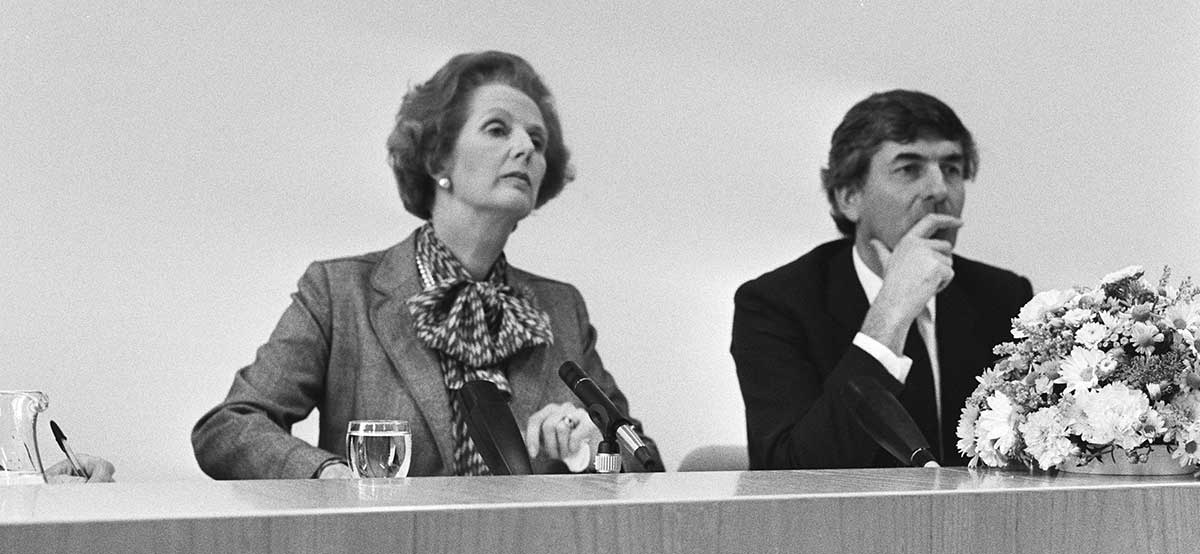
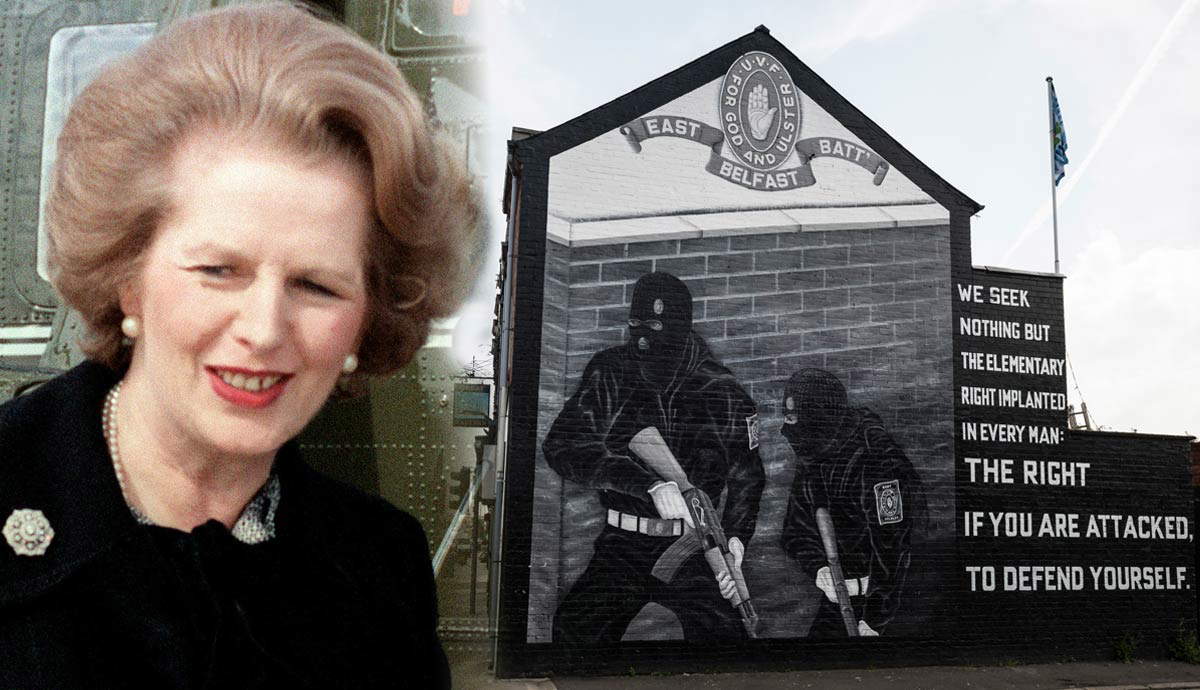
A week after the attack, on December 24, British Prime Minister Margaret Thatcher (1925-2013) flew to Northern Ireland. During her six-hour visit, she visited members of the security forces in County Tyrone and County Armagh, before meeting Christmas shoppers in Newtownards, County Down, a small town about 10 miles (16 km) east of Belfast on the Ards Peninsula. On December 21, her husband, Denis Thatcher (1915-2003), went to Harrods, which had just reopened, and declared: “It wasn’t as crowded as it normally is, but no damned Irishman is going to stop me going there.”
4. 1992, Baltic Exchange
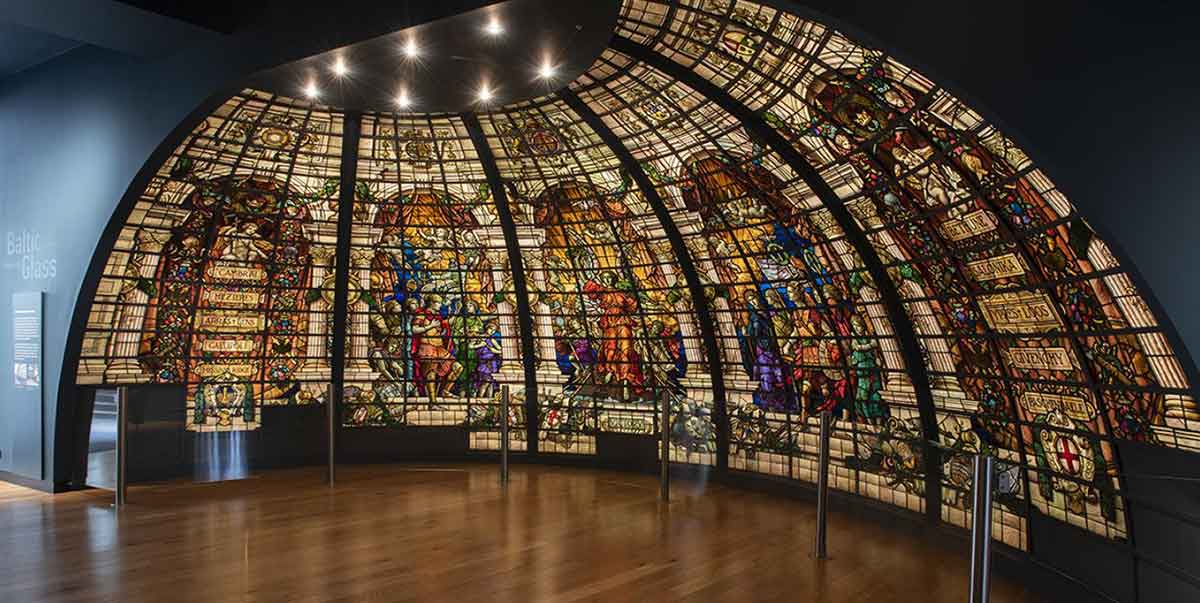
Ten years after the Hyde Park and Regent’s Park bombings, and almost twenty years after the first IRA attacks in London, bombs continued to explode and claim victims in the British capital. The one that exploded outside the Baltic Exchange building at 9:20 pm on April 10, 1992, was the most powerful to ever hit London and mainland Britain since the German Luftwaffe raids of World War II.
“The whole place shook under our feet,” one witness told the police. The bomb’s components, prepared in South Armagh and assembled in England, included Semtex, the highly powerful and almost undetectable plastic explosive supplied by Libyan dictator Gaddafi.
The IRA chose the time and place of the explosion carefully. The day before, a general election had re-elected Conservative MP Sir John Major, who had consistently refused to openly enter into peace talks with Sinn Féin until the IRA agreed to a ceasefire.
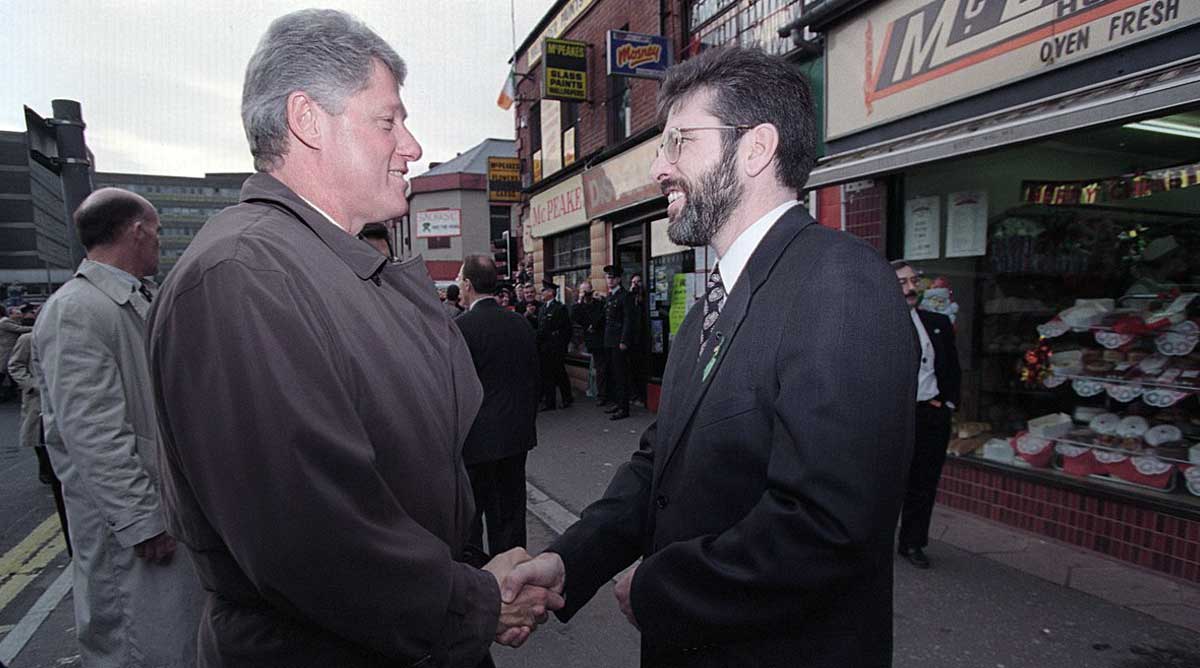
In the same election, Gerry Adams, who had represented West Belfast as a Sinn Féin member, lost his seat in the Westminster Parliament. To quote Ed Moloney, author of Voices from the Grave, at this point “Gerry Adams and the small group of advisers around him had, with one hand, approved an ambitious plan to end the IRA’s war while, with the other, and in concert with hardliners on the Army Council, given the go-ahead to important hundreds of tonnes of modern weaponry from Libya which they planned to use to launch a Vietnam War, Tet-style offensive designed to sicken British public opinion and stimulate withdrawal sentiment.”
The attack on the Baltic Exchange, a London-based organization providing shipping and trading services for marine transport, and the Baltic Exchange building, a historic landmark in the City of London, Britain’s financial heartland, was both a symbolic and political act with economic repercussions.
The IRA bomb, consisting of a fertilizer device wrapped in a Semtex detonation cord, weighed one tonne and was placed in a white Ford Transit van just outside the Baltic Exchange building at 24-28 St Mary Axe. As usual, the IRA issued a telephone warning 20 minutes before the explosion. However, the warning was wrong, as the caller claimed that the bomb was in a van outside the Stock Exchange, not the Baltic Exchange. Three people were killed. Danielle Carter, 15, was waiting in a car parked in St Mary Axe, near the Baltic Exchange. 29-year-old Paul Butt was walking down the street. Thomas Casey, 49, was an attendant at the Baltic Exchange.
In Making Sense of the Troubles, McKittrick and McVea write that the destruction caused by the Baltic Exchange blast and the bomb that exploded a few hours later at Staples Corner in north London “ … actually inflicted more financial damage than all the 10,000 bombs which had ever gone off in Northern Ireland. When the smoke and dust cleared it was found that the two bombs had caused more than £700 million in damage. The total paid out in compensation in Northern Ireland at that point was just over £600 million.”
The unprecedented scale of the economic damage caused by the Baltic Exchange bombs opened up what McKittrick and McVea call a “new avenue” for the IRA, namely, “… the possibility of inflicting serious damage on the entire British economy.”
5. 1996, London’s Dockland
Two and a half years after the bombing of the Baltic Exchange, the IRA issued a statement announcing the complete cessation of military activities, “Recognising the potential of the current situation and in order to enhance the democratic process and underlying our definitive commitment to its success.” In 1995, the death toll was the lowest in decades: “only” nine people had died that year, an incredibly low figure compared to the 69 the previous year and the 90 in 1993. The peace talks were beginning to bear fruit. At the same time, however, there was growing discontent among Irish republicans, as the British government, led by John Major, was adamant in demanding full IRA disarmament—“prior decommissioning”—as a precondition for further talks and before Sinn Féin would be allowed to take part in the peace negotiations.
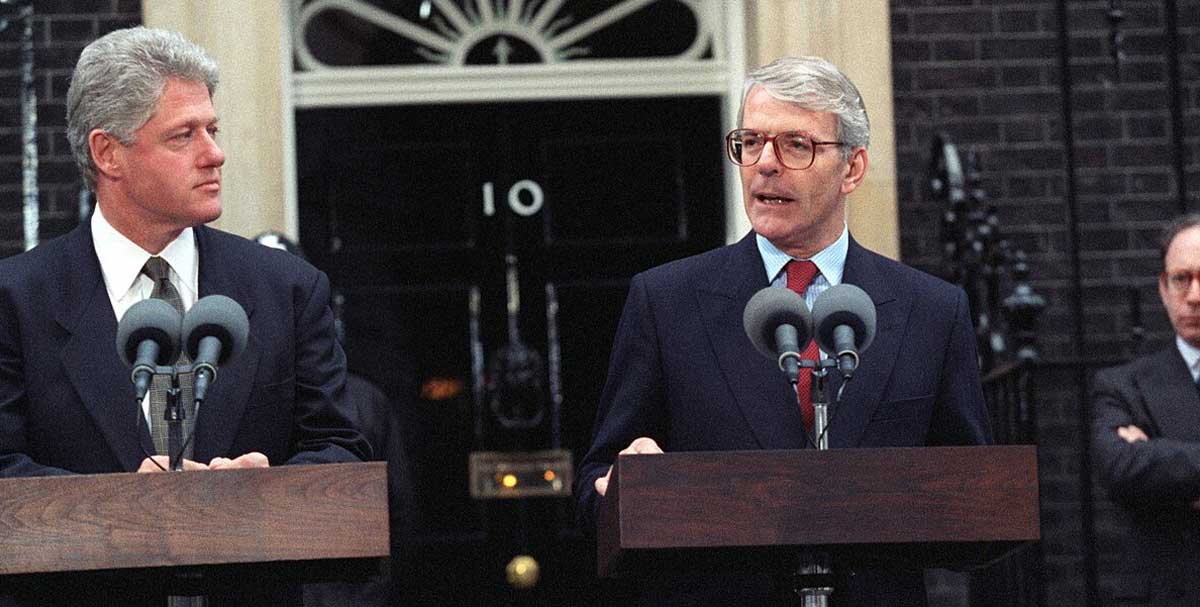
In January, the International Commission for Disarmament in Northern Ireland recommended “parallel decommissioning,” meaning that decommissioning should take place alongside peace talks. The British government refused to drop this demand.
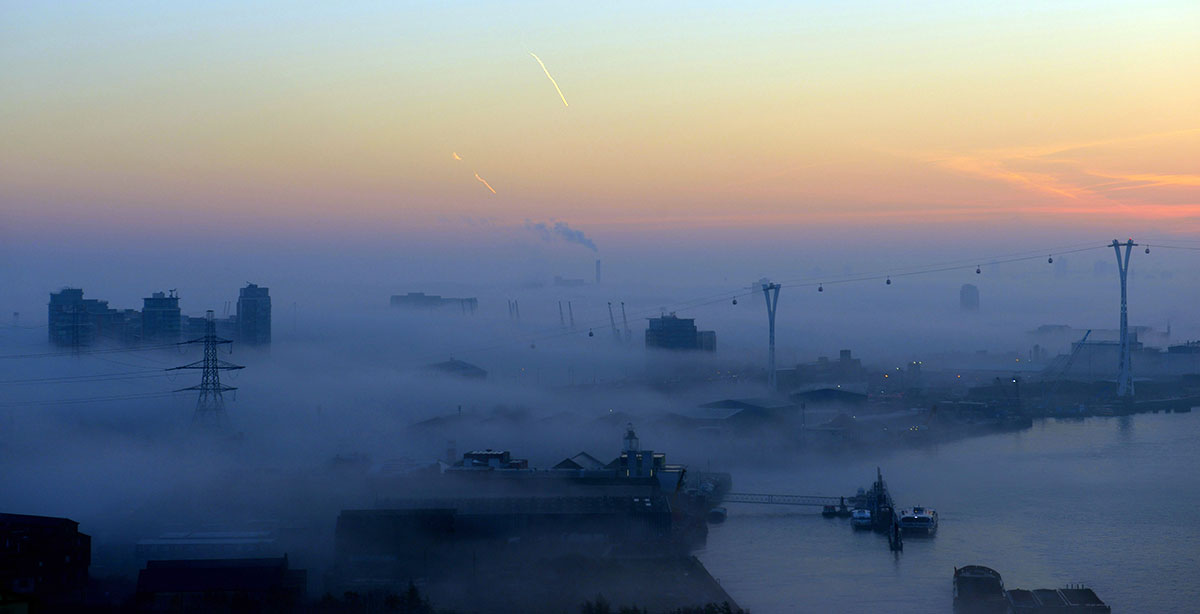
At around 5 pm on Friday, February 9, 1996, the IRA parked a truck bomb, a blue Iveco Ford Cargo flatbed lorry, in the Docklands near South Quay station. Particularly after the success of the Baltic Exchange bombing, the IRA considered the whole area, packed with towering buildings housing television stations, banks, and newspaper offices, a high-profile target.
Concealed in the back of the truck was a bomb consisting of plastic bags filled with a mixture of ammonium nitrate fertilizer and sugar, wrapped around booster tubes attached to a detonating cord filled with Semtex. Two days earlier, an IRA man had driven the lorry from Northern Ireland to Scotland and then all the way south.
At around 5:30 pm, the IRA sent out the first of six telephone warnings about “… a massive bomb beside South Quay station, Marsh Wall, Isle of Dogs.” Not far from where the Iveco truck was parked was a newsagent’s shop. A car was parked outside the shop with a British-Moroccan family inside.
Police officers ordered the 29-year-old shop owner Inam Bashir, and his employee, John Jeffries (31), to evacuate. As they were closing the shop, the bomb went off, killing both men instantly. It was 7:01 pm. The explosion completely destroyed the car outside the shop, and while all the members of the British-Moroccan family survived, the father suffered permanent brain damage. The explosion shook the Canary Wharf Tower, then the tallest building in Europe, and destroyed the Midland Bank building as well as South Quay Plaza I and II.
On the evening of the attack, the IRA issued a statement: “Time and again, over the last 18 months, selfish party political and sectional interests in the London parliament have been placed before the rights of the people of Ireland. […] The blame for the failure thus far of the Irish peace process lies squarely with John Major and his government.” After the Docklands bombing, Major dropped the demand for prior decommissioning. Peace talks resumed.
James McArdle, the South Armagh IRA sniper who drove the truck bomb from Northern Ireland into London’s Docklands, was convicted in June 1998 and sentenced to 25 years in prison. Two years later, in June 2000, he was released under the terms of the Good Friday Agreement. The same was true of the IRA members of the Balcombe Street Gang, responsible for various attacks in London in the mid-1970s, including the London Hilton Hotel Bombing, who were arrested during the so-called Balcombe Street siege in December 1975.
Beginning in the early 1970s, the IRA launched a bombing campaign aimed at forcing the British government to withdraw from Northern Ireland, which eventually spread to England. London, the center of the British economy, quickly became a primary target. Throughout the 1980s and 1990s, IRA bombs continued to explode across London, outside Harrods and the Baltic Exchange building, in the capital’s main parks, and in the lobbies of its major hotels.
In 1999, Pamela White, one of the officers on duty on December 17, 1983, when the IRA bomb exploded outside Harrods, visited Northern Ireland for the first time and “ … met with a former IRA member and a former member of a Loyalist paramilitary organisation who were actively involved in peace and reconciliation work.” She has also been vocal on the issue of compensation, stating that “Every victim of an IRA bomb is a legitimate victim regardless of what they were doing at the time of the detonation and is entitled to fair treatment and justice.”